Forcing Bloom From Bare Stems

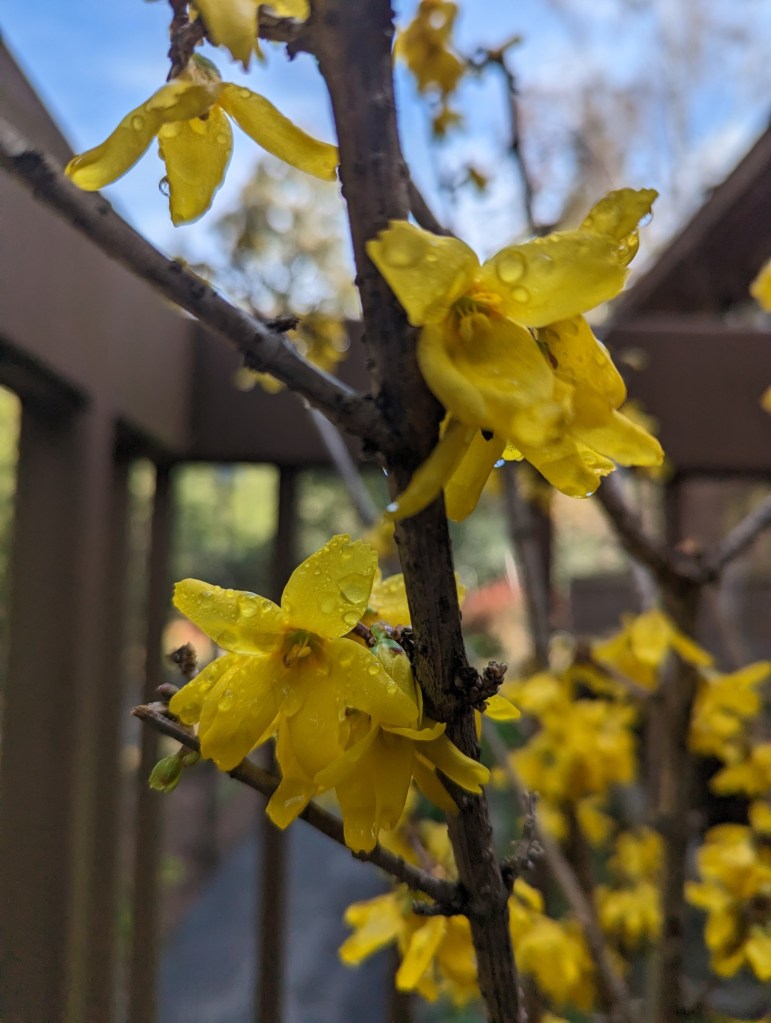
Forsythia is ideal for forcing bloom.

Spring bulbs, with prechilling, were conducive to the technique of forcing bloom earlier. A few summer bulbs might still be responsive to it, although it is getting late for most. Now, it is about time for forcing bloom with certain dormant deciduous stems. Most are already beginning to bloom. Forcing bloom merely accelerates this process for cut flower stems.

Forcing bloom for dormant deciduous stems is actually simpler than for bulbs. It involves merely cutting stems that are about to bloom and bringing them indoors. The warmth of a home interior is what accelerates profuse bloom. Aridity of home interiors may accelerate the deterioration of this bloom. However, homes also provide shelter from wind and rain.

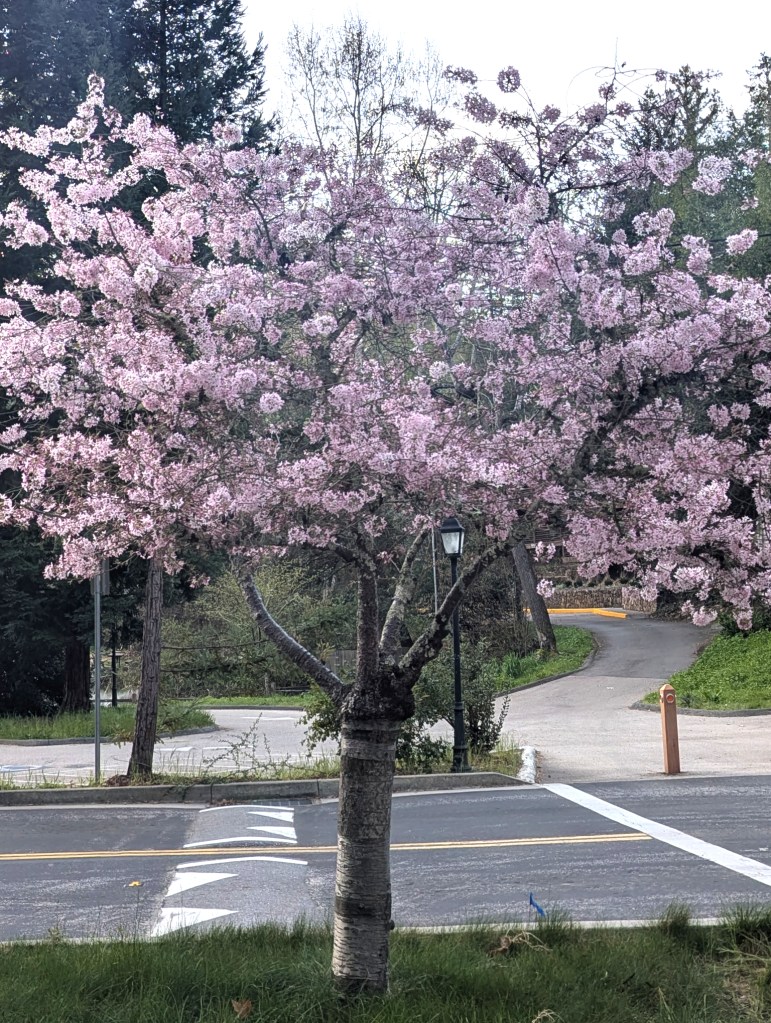
Witch hazel, flowering quince and forsythia are mostly done blooming locally. Otherwise, they are conducive to forcing bloom, and will be available next winter. Several flowering cherries and flowering plums are now about ready for forcing bloom. Redbuds are ready also, though some will be later. Flowering crabapples should bloom later in their season.

Several fruit trees are as conducive to forcing bloom as their fruitless flowering relatives. Their floral color and profusion are less extravagant only because of their breeding. Fruit is, after all, the priority. With planning, dormant pruning can involve leaving a few surplus stems to cut later. Then, cutting them about now should not compromise fruit production.

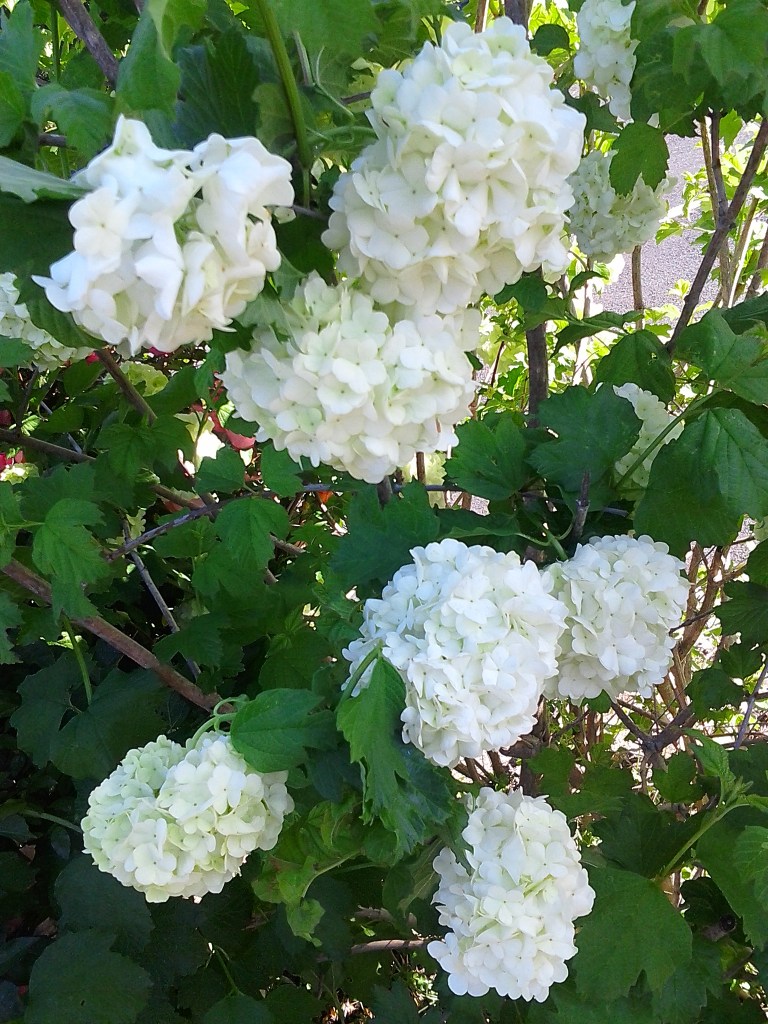
With precise timing, wisteria and lilac are conducive to forcing bloom. Technically, so are dogwood and several deciduous magnolias. They bloom relatively slowly though. A few flowers should therefore be blooming before collection of their stems. Evergreen species are less striking in bloom. Fringe flower and Oregon grape can perform elegantly though.

Forcing bloom is more popular where winters are cooler. This is partly because gardens lack floral color for so long through winter. Those who enjoy flowers are in more of a rush to bring some into their homes. Also, dormant vegetation is more reactive to warmth after colder winters. Warmth might not stimulate bloom as effectively after locally mild winters.

Deadheading Can Enhance Bloom

Without deadheading roses divert resources from continued bloom to fruiting and seeding.

It takes quite a bit of effort for flowers to bloom. It takes even more effort and resources for pollinated flowers to produce seed and the fruiting structures that contain the seed. If the seed of certain aggressive plants get dispersed, we need to put even more effort into pulling up the seedlings. It just never seems to end!

Removal of deteriorating flowers, commonly known (even by those of us who missed that generation) as ‘deadheading’, can eliminate so much of this extra work. Not many plants benefit from deadheading; but most that do are really grateful for it. Others that do not care one way or the other simply look better without their deteriorating flowers.

It is of course impossible to deadhead large flowering trees or vast areas of ground cover. Regularly shorn hedges should never need deadheading because they never get the opportunity to bloom or develop fruit. Plants that are appreciated for the ornamental quality of their fruit should of course not be deadheaded.

Most roses get deadheaded as they bloom because the development of their fruiting structures, known as ‘hips’, takes enough resources to compromise subsequent bloom. Removal of these hips therefore promotes bloom. Only the few types of roses that are grown for their showy hips should not get deadheaded. Phlox, daisies, zinias, dianthus and all sorts of plants with long continual bloom seasons likewise benefit from deadheading.

Some types of iris that produce seed perform better with deadheading, not because they will bloom again during the same season, but because they can divert resources to vegetative growth (like rhizomes and foliage) that will sustain bloom during the following year. Most bearded iris (that do not produce seed) and lily-of-the-Nile do not seem to care if they get deadheaded, but are generally more appealing without their finished flower trusses.

Four o’ clocks can not be deadheaded without also removing developing flowers, so can only be allowed to bloom and throw their invasive seed all over the garden. It is easier to pull their seedlings later. We have a bit more control over crocosmia. Even though they do not need to be deadheaded, they are less invasive and more appealing without their scraggly brown stalks and seed capsules.

A Few Favorite Cut Flowers

Try unconventional cut flowers if you can.

Flowers add such variety of color and fragrance to the garden that it is no wonder that they are so popularly cut and brought from the garden into the home. Even though larger quantities of flowers can be purchased from markets or florists without depleting those blooming in the garden, growing our own can be so much more rewarding. We may not be able to grow all the varieties of flowers that commercial growers can grow in greenhouses or other climates, but we can grow many other varieties of flowers that commercial flower growers do not provide.

Many flowers can be grown specifically for cutting, like vegetables are grown to be harvested. Some, like cosmos and daisies, can be grown in such abundance in mass plantings that it is easy to cut a few without anyone missing them. Other flowers, like roses and New Zealand tea tree, are merely by-products of plants that also function as shrubs, vines, trees and even ground covers.

Peruvian lilies are some of the best cut flowers, not only because they last so long after getting cut, but also because they bloom so much through such a long season that there are usually enough flowers for the garden as well as the home. The taller and unfortunately rare types grown by commercial flower growers are better for cutting than the more common ‘garden varieties’ are.

Callas are likewise among the better prolific cut flowers, but only bloom white. The colored types are neither as prolific nor as reliable. Believe it or not, lily-of-the-Nile makes good cut flowers when they bloom white or blue in the middle of summer. They are just awkward because their blooms are so round.

Gladioli are good either as cut flowers or for color in the garden, but unless they are planted in large quantities, they are not prolific enough for both. Like vegetables, they can be planted in phases (in season) to prolong the bloom season. Unfortunately, they need to be planted annually because they do not often naturalize. Those that do naturalize will synchronize their bloom season after the first season.

Several types of iris bloom more generously, and some are happy to naturalize, but only a few types are good cut flowers like Dutch iris are. Some bearded iris wilt within hours of getting cut.