
There is someplace in the world for the brethren of each and every houseplant to grow wild. All houseplants do not originate from the same regions, and many were bred in cultivation, but all originate from somewhere. They are houseplants only because they are plants that can live in a house.
Most houseplants are from tropical regions, and many are understory plants that grow in the partial shade of taller trees. They are naturally tolerant of the mild temperatures and partial shade within the home. Not many deciduous plants will be happy without a winter chill.
Confinement is also a concern, since houseplants need to be potted, and stay below ceilings. Plants that need to disperse their roots will not work. Neither will plants that can not be pruned down as they grow. Some palms that work well in malls have leaves that get longer than the distance between the floor and ceiling in the home!
Most houseplants are grown for foliage instead of flowers, not only because a lack of seasons inhibits bloom, but also because their foliage is naturally so appealing. African violets are one of the more notable exceptions. Amaryllis is all flower with almost no foliage, but typically gets discarded when done blooming.
Coleus and caladiums have such colorful foliage that there is no need for flowers. Bloom actually compromises their foliar quality anyway, which is why flower spikes get snipped from coleus. Mauna loa lily is grown for excellent rich green foliage, but sometimes adds clear white blooms as a bonus.
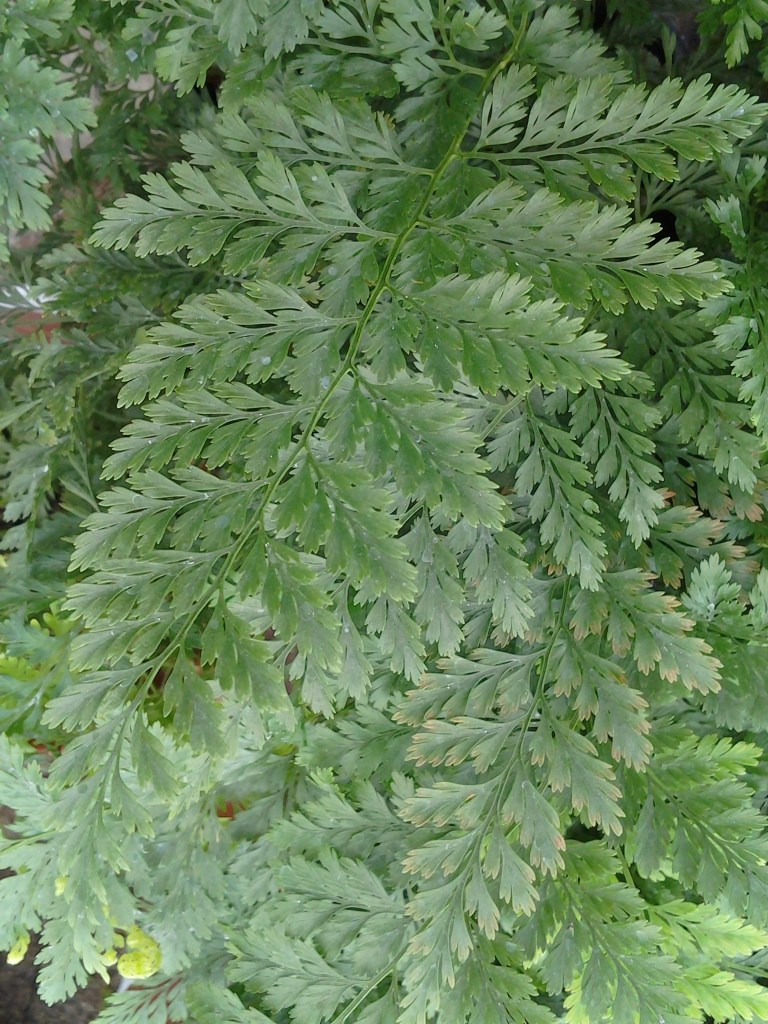
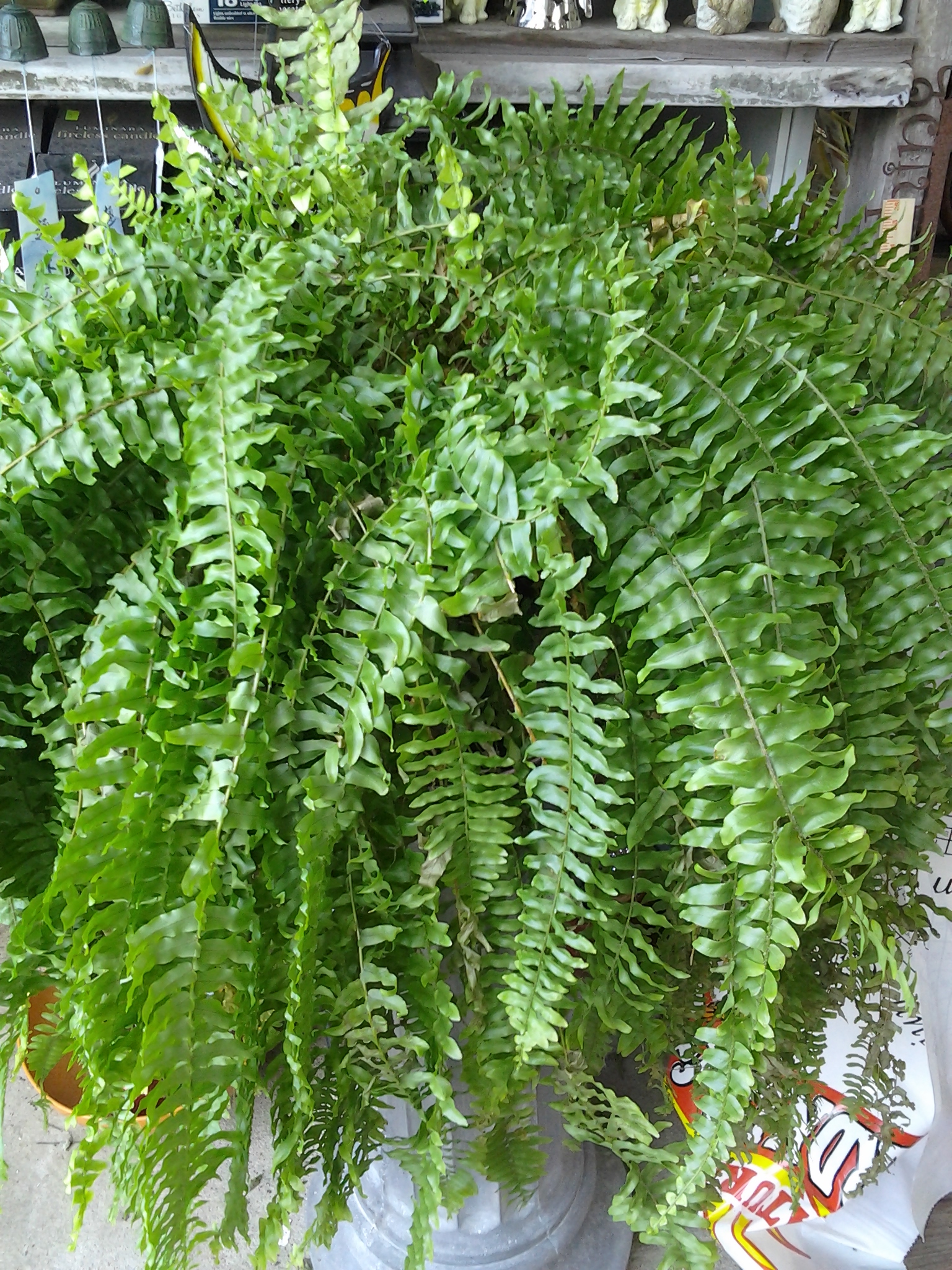
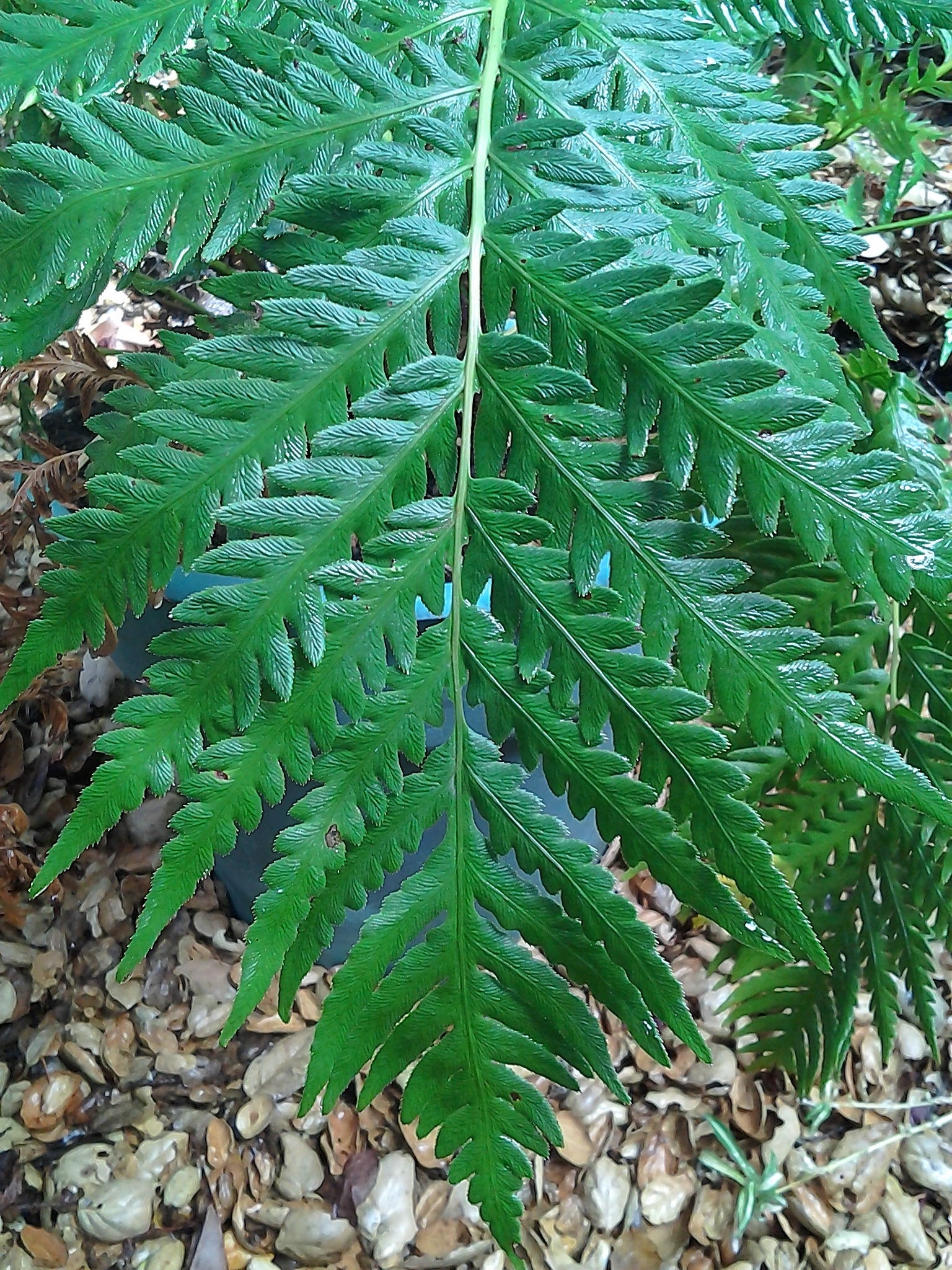
All sorts of ferns are very good houseplants. However, a few, including the popular Australian tree fern, produce coarse fuzz that can be irritating to the skin. A few others, like sword fern, produce messy spores that can permanently stain fabric and carpet. Just because they can live in the home does not mean that they should.
The various ficus are excellent houseplants because they can grow quite large, but can also be pruned to fit into their particular situations. The popular weeping fig (Ficus benjamina) has an abundance of small glossy leaves. Rubber tree and fiddle leaf fig have big thick leaves. Creeping fig is even more distinct from the others, as a wiry vine that is popularly grown in hanging pots.

 Palms are like ‘Red Delicious’ apples. It seems that most people dislike them; but they also seem to be very popular. Seriously, if only a few people like ‘Red Delicious’ apples, why are they so common in supermarkets? If most of us dislike palms, why are they so common in the San Jose Skyline?
 Just a short distance from the
  It could be either an asset or a liability. With few exceptions, ferns do not want to be too exposed to direct sunlight or wind, especially during warm and dry weather. However, as long as they get just enough filtered light, they can be quite happy in sheltered spots that are a bit too shady for other plants. Most like to be watered regularly, and perhaps lightly fertilized in spring and summer.
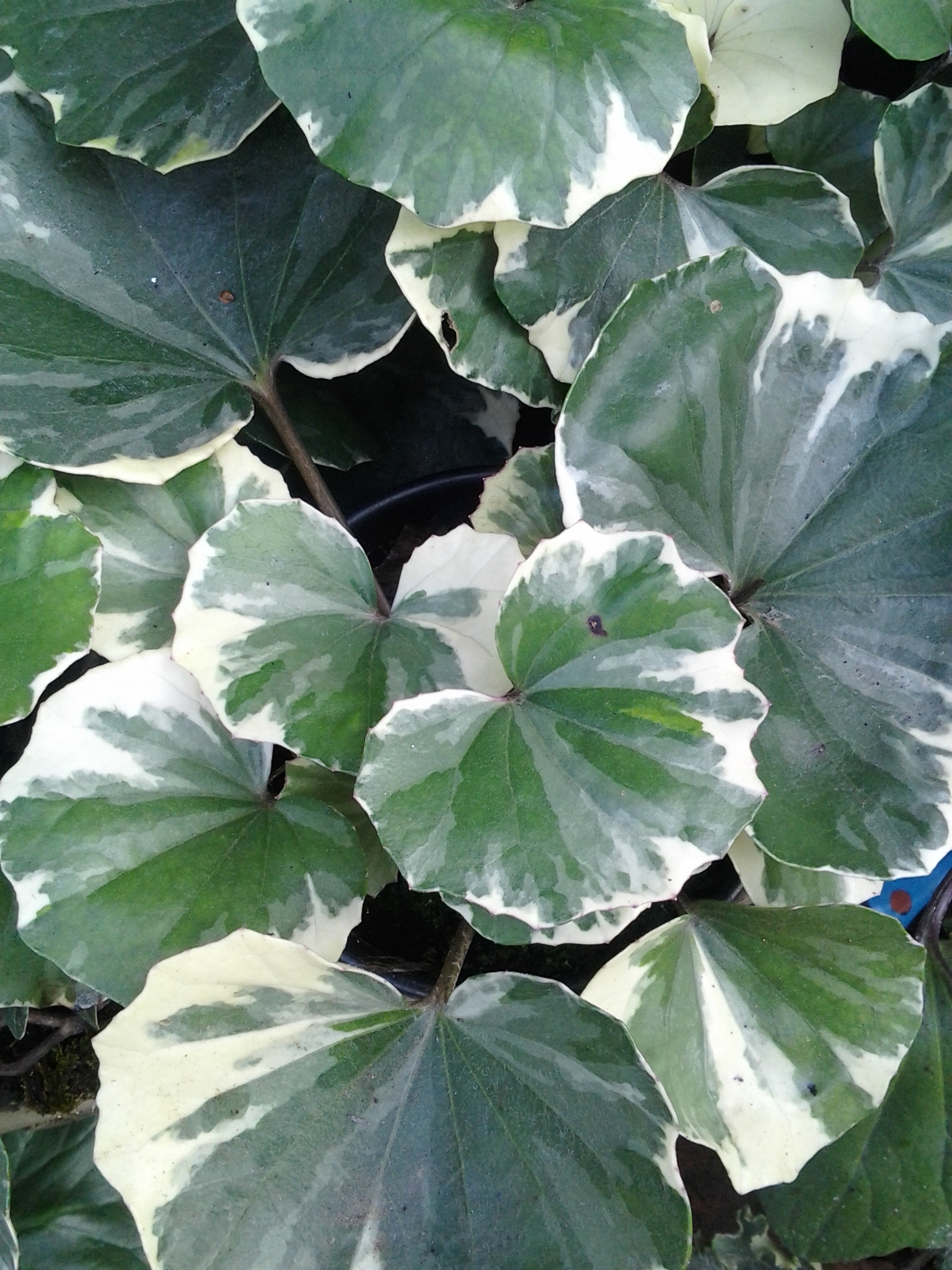 As an understory species that naturally grows under forest trees in its native environment in Japan, leopard plant, Farfugium japonicum, can be quite happy in parts of the garden that are too shady for other plants. If it does not get too warm or dry, it can tolerate full sun. It likes rich soil and frequent watering. Fertilizer should be applied moderately, since too much can cause foliar burn.
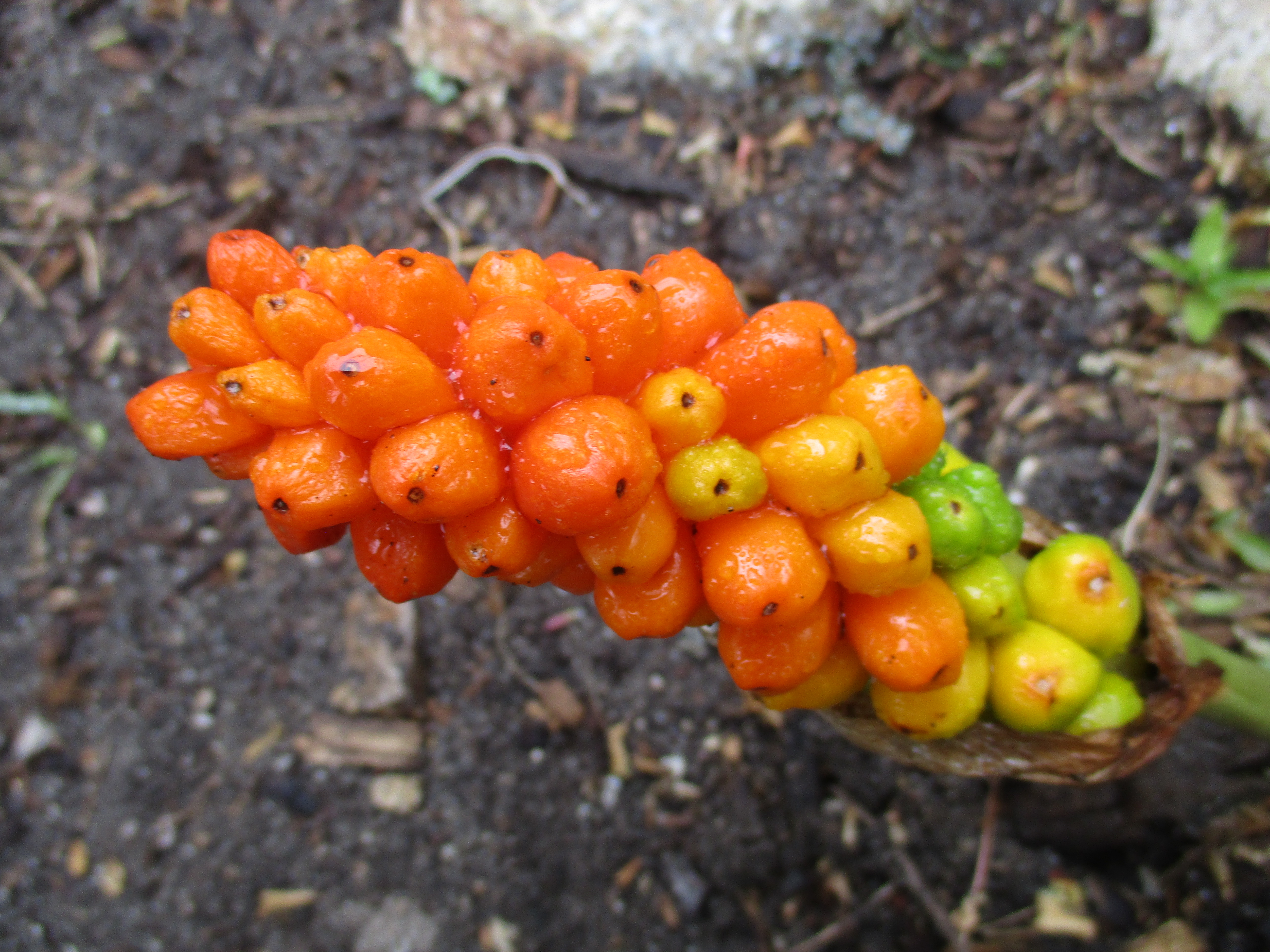
 The softest and laciest of the asparagus is the asparagus fern, Asparagus setaceus. The extremely small ‘leaves’ (or ‘cladodes’) are less than a quarter of an inch long. The tiny and mostly unnoticed pale white flowers that bloom sporadically in warm weather make it obvious that asparagus fern is not really a fern. (Ferns do not bloom.) If any green berries develop, they are toxic.
 Tony Tomeo