Quince

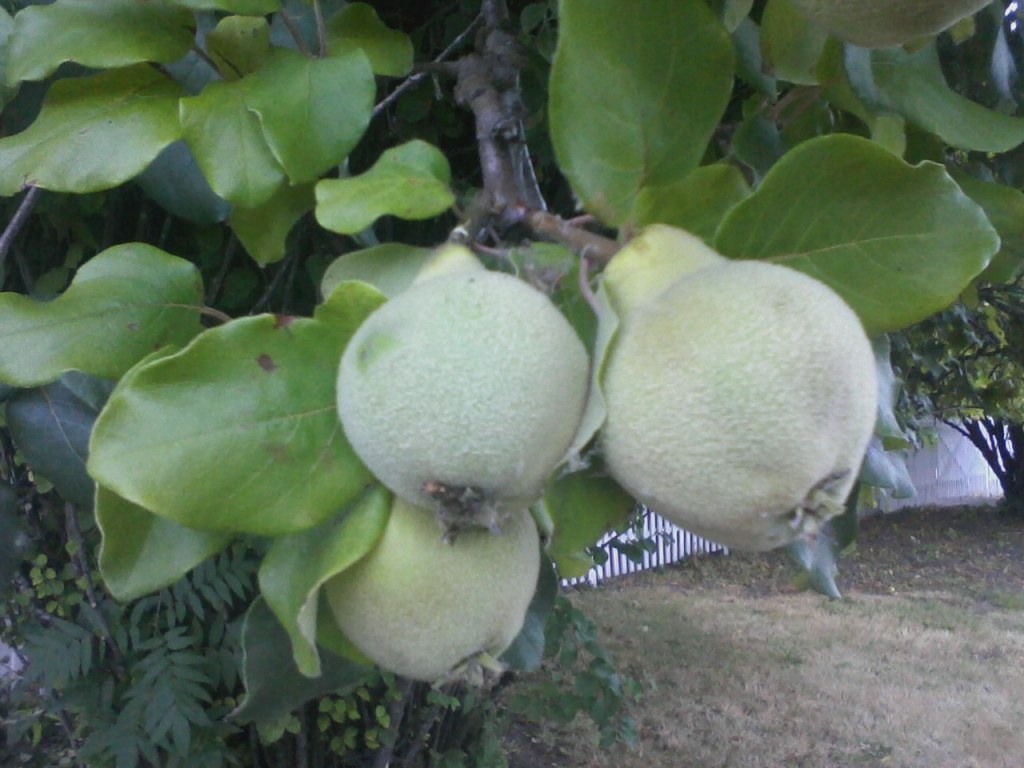
Quince has become a rare fruit.

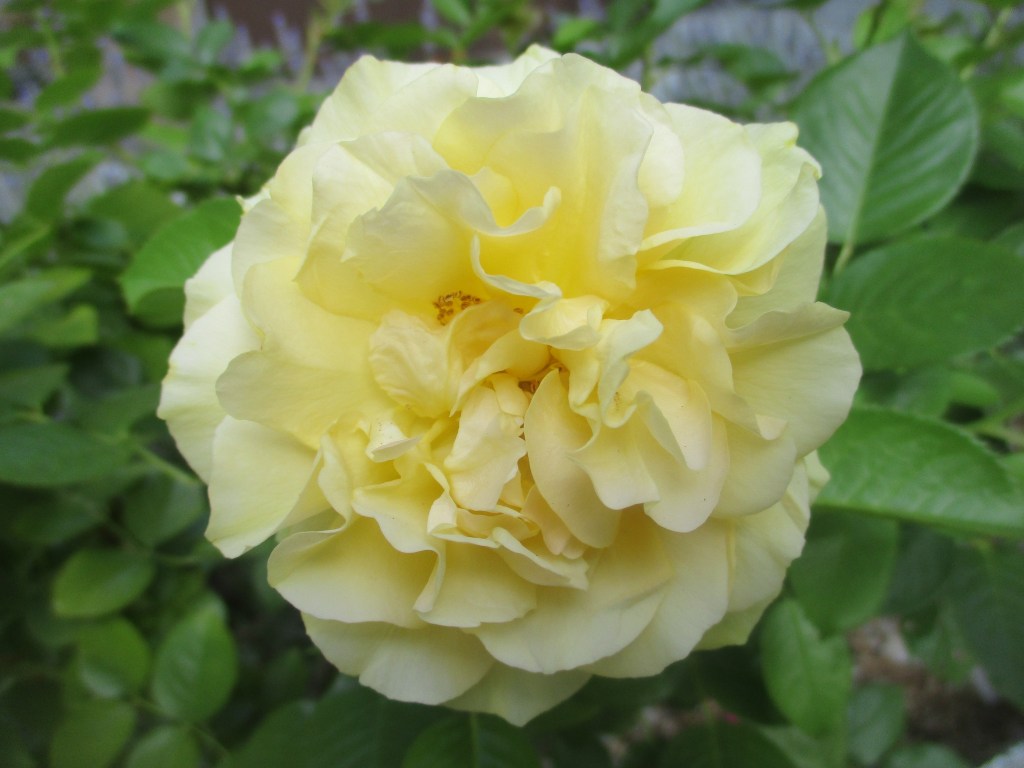
With the many slender arching trunks, quince, Cydonia oblonga, is more like a large deciduous shrub than a fruit tree. Even old trees are not much more than twenty feet tall and broad. Most of the rare trees that can be found are old, because quince is such an old fashioned fruit. The fruit is still immature and covered with white pubescence (fuzz). By late autumn, it will be remarkably aromatic and resemble golden pears, about four inches long and nearly as wide, and so hard that it should be cooked.

Date Palm

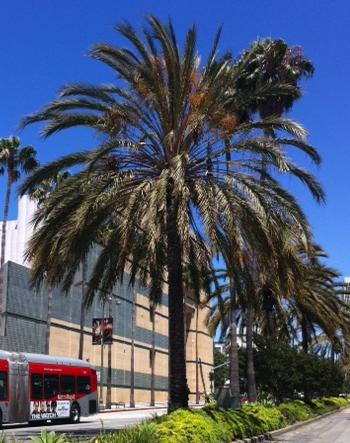
Many relocated mature date palms were recycled from date orchards.

It seems that recycled large date palms, Phoenix dactylifera, became trendy in the past few decades while vast date orchards around Las Vegas were displaced by urban sprawl. They are stately trees with airy but bold rounded canopies between twenty and thirty feet wide. Mature trees are more than fifty feet tall on single trunks. Varieties with multiple trunks are shorter and rare. The ten to twenty foot long leaves are pinnately compound with folded foot long leaflets, and nasty basal spines.

Each date palm tree is either male or female (dioecious). Orchards are almost exclusive to fruiting female trees with only a few male trees grown separately for their pollen, which gets applied manually. Without male pollinators, recycled formerly productive female trees are fruitless, and therefore not messy.

Date palms may have been in cultivation for nine thousand years! The Judean date palm was grown from seed that was lost in storage for two thousand years, which (until recently) was the oldest known viable seed!

Trees Naturally Dominate Their Gardens

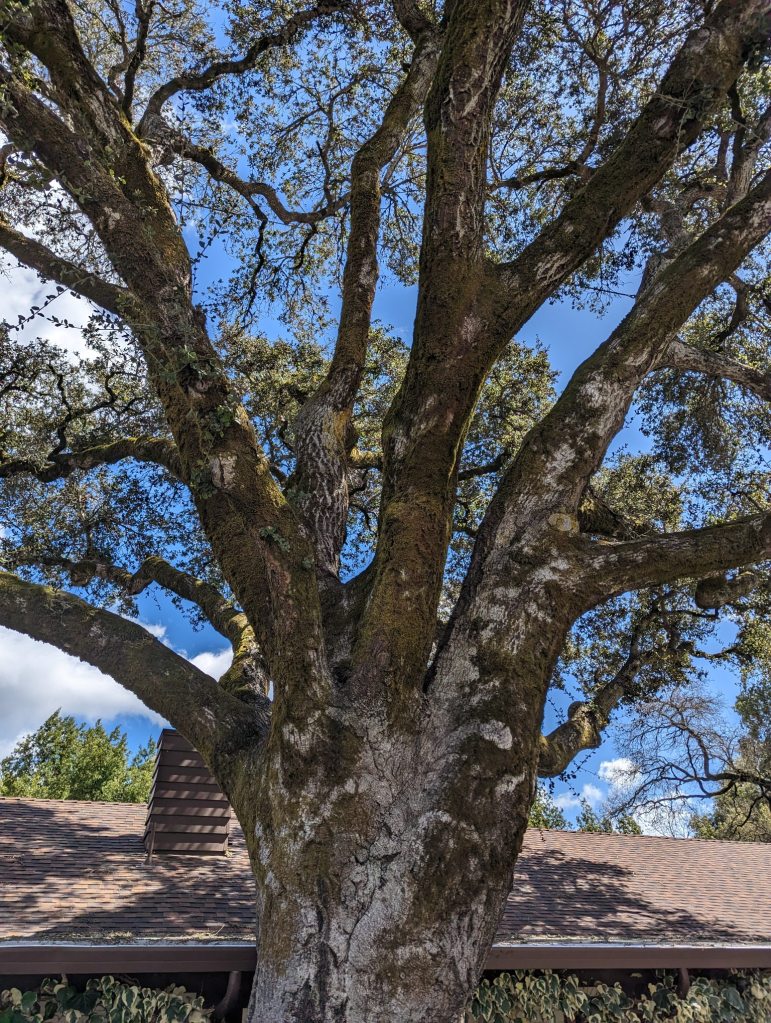
Oaks slowly become grand and sculptural.

Trees are generally the most significant living components within a home garden. Even treeless gardens benefit from nearby trees. Some old redwoods contain more wood than the homes that they shade. Some old oaks inhabited their gardens centuries before their gardens did. With few exceptions, nothing in a garden is as big or permanent as a tree.

Japanese maples, citrus trees and other small trees can be among the exceptions. They might be smaller than some of the shrubbery they share their gardens with. Papayas and other herbaceous trees can also be exceptions. Some live for only a few brief years. The definition of what a tree is can be vague. Variable interpretations complicate this matter.

A tree is a woody perennial plant with a single tall trunk and branches. However, banana trees develop several unbranched herbaceous trunks. Palms and tree ferns are neither woody nor branched. Arboriform yuccas are no woodier than palms. Many trees develop many trunks. Banyans use roots as trunks. This definition does not even describe ‘tall’.

Ultimately, the characteristics of a tree are more important than its definition. Shade trees near homes should be deciduous to let warm sunshine through in winter. Evergreens are better for obscuring unwanted scenery throughout the year. Evergreens are messier than most deciduous vegetation though. Their shedding is not so limited to distinct seasons.

Fruit trees are some of the most misunderstood inhabitants of home gardens. Not many grow big enough to function as shade trees. Fruit is difficult to harvest from those that do. Almost all require intensive and specialized pruning and maintenance. Few get it. Most eventually succumb to neglect. Citrus and avocados are some of the least demanding.

Palms, whether or not they qualify as a type of tree, are also misunderstood. They lack branches, so are not conducive to pruning away from utility cables. Their single terminal buds grow only upward. Removal is the only option for palms that encroach too closely to high voltage cables. Even the best palms need grooming from professional arborists. Most quickly grow beyond reach from the ground or even a ladder, and are dangerous to climb.

Rain Can Ruin Bloom And Developing Fruit

Bloom is not really early. Frost and unusually torrential rain just happen to be late.

Again this year, the excellent weather that makes gardening so much fun even through winter has the potential to become a problem. Winters are innately mild here, and like this year, are sometimes mild and warm enough to prompt many plants to bloom much too early. Many of the fruit trees and their ‘flowering’ (non-fruiting) counterparts are already finishing bloom as if it is the middle of spring, even though the equinox is about two weeks away. This should not be a problem for the flowering cherries, plums, pears and apples (flowering crabapples), but is risky for the many trees that should produce fruit.

The problem is that, despite the weather, it really is winter and early spring, so could potentially rain while fruit trees are blooming. The rain can batter the blooms, or cause them to rot before they set fruit, compromising or even eliminating the fruit production for the following summer. Trees that are not blooming, or just barely showing ‘color’ of the first few blossoms, should be safe. Also, the trees that bloomed earliest and have already set fruit should likewise be safe, as long as the weather does not stay rainy too long, which it almost never does here. Trees that are in full bloom when it rains are the most sensitive to damage.

It is impractical to cover mature trees with plastic sheeting to protect them from rain. Even if it is possible to get the sheeting over the trees, it knocks much of the bloom or developing fruit off anyway. Also, if the sheeting is not removed when the rain stops, it can trap humidity, which can rot the blooms that were so carefully protected from the rain. (Although, high trees hold the plastic high enough from the ground to allow for good air circulation.)

Small trees are easier to cover, but do not produce enough fruit to worry about. In other words, it would be easier to buy fruit at a market, or to get it from friends and neighbors with different varieties (that bloom at different times) than to put too much effort into protecting trees from the rain. In most situations, it is best to just accept that fruit trees will sometimes have ‘off’ years when they either do not produce, or produce only minimal quantities of fruit. The good news is that trees that lose some but not all of their fruit often produce best.

Plum bloom is not resilient to late frost or rain.

Deciduous Fruit Trees Need Specialized Dormant Pruning.

Apple and other pomme fruit trees are pruned very differently from stone fruit trees.

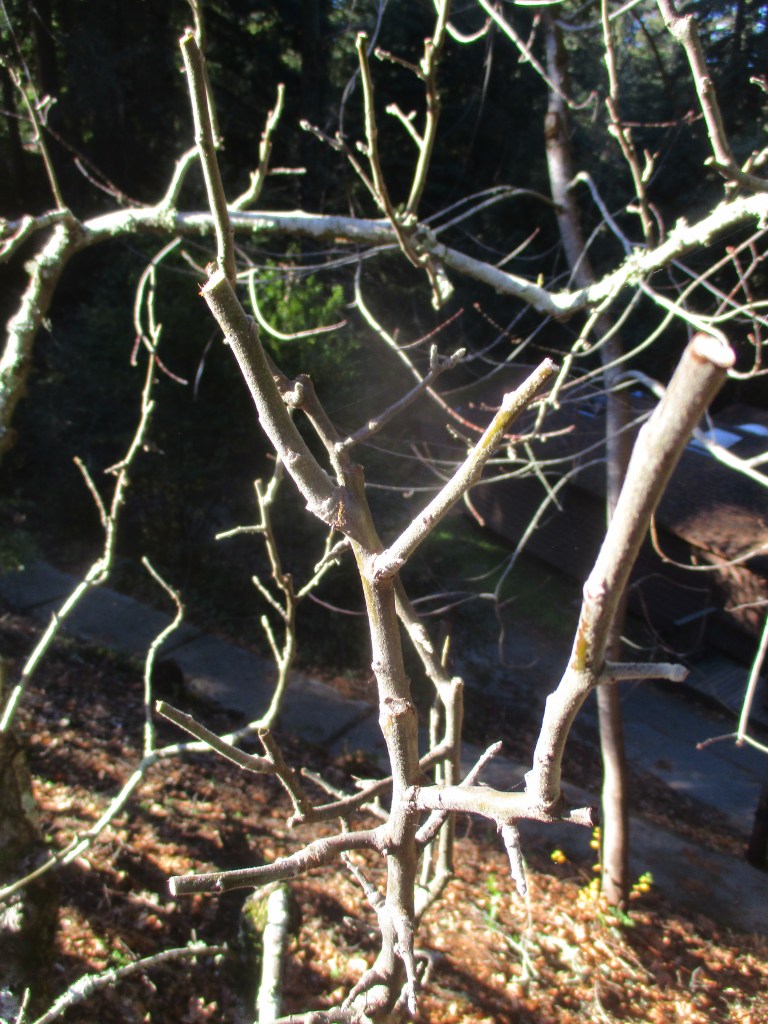
It seems unfair that so many deciduous fruit trees are available without warnings that they need such specialized maintenance. They are certainly worth growing. Otherwise, not many of us would grow them. Yet, those of us acquiring fruit trees for the first time should be aware that, with few exceptions, deciduous fruit trees need specialized and meticulous pruning while dormant every winter.

The pruning these trees require is too specialized to explain in a few short paragraphs; but can be researched for each particular type of fruit tree. Sunset publishes an excellent book about ‘Fruit Tree Pruning’, that illustrates and explains the different types of pruning that each different fruit tree needs. Pruning is the sort of thing that gets better with experience; so even though the pruning gets more involved over the years as the trees grow, the procedure becomes more familiar.

Without pruning, deciduous fruit trees produce more fruit than they can support, which disfigures and breaks branches as the fruit matures and gets too heavy. Even if limbs do not break, overabundant fruit is often of inferior quality because the trees that produce it exhaust their resources. Fruit of well pruned trees may not be as abundant, but is typically better. Besides, pruning is good arboricultural hygiene, keeping trees vigorous and more resistant to disease.

The stone fruits probably need the most severe pruning. These are fruits like apricots, plums, prunes, nectarines and peaches, that have hard pits or ‘stones’. They develop fruit on stems that grew during the previous year. Generally, these stems need to get cut back short enough to support the weight of the fruit that will develop in the next season. Dead, dying, damaged and diseased stems, known as the four ‘D’s, should be pruned out completely.

Cherries and almonds are the exceptions to the generalization about severe pruning for stone fruit, since the trees can support the weight of the fruit. They only need pruning to eliminate the four ‘D’s and to limit height. Because almonds get shaken from their trees instead of picked, they are often allowed to get quite tall, and can even function as small shade trees. Peaches are the opposite extreme since their fruit is so large and heavy, necessitating the harshest pruning.

Pomme fruits like apples and pears need similar but somewhat different pruning, which preserves stunted ‘spur’ stems that produce fruit low on older stems for many years. Like cherries, certain pears may not need much pruning. Certain apples need more pruning than others. Again, the needs of particular trees are best learned from experience.

Volunteer At Filoli

Rose gardens require significant effort.

(This article posted in 2012, so much of its information is now outdated.)

How could so many public gardens throughout the area get all the work that needs to be done in winter? There are roses to prune in both of the Rose Gardens of San Jose. Fruit trees in the Historic Orchard of Guadalupe Gardens need to be pruned. Even Village Harvest of Palo Alto needs to collect citrus fruits that ripen through winter. All this works gets done only because there are so many generous volunteers to help.

The gardens of Filoli are fortunate to get so many volunteers through the year. Nonetheless, the extra pruning that the deciduous fruit trees need in winter reminds us that more volunteers are often welcome. Not only are there big collections of modern and classic apple and pear trees at Filoli, but many are espaliered onto trellis-like supports. (‘Espalier’ trees are pruned onto trellises, fences, walls or other lateral supports, so that they can attain considerable width without much depth from front to rear, conserving space.)

The New Volunteer Recruitment Open House at Filoli is not until January 21. However, those interested in attending must register in only the next few days, before 4:00 p.m. on January 13! Registration can be arranged at volunteer@filoli.org or by telephoning 650 – 364 8300 extension 300, and leaving one’s name and daytime telephone number. The New Volunteer Recruitment Open House will be from 9:30 to 11:30 a.m. on January 21, at the Visitor and Education Center of Filoli, located at 86 Canada Road in Woodside.

Guests will learn about the many different opportunities to volunteer. More than 1,200 volunteers presently help sustain Filoli in areas such as house and garden self guided docents, member services, visitor services, the Ambassador Program, the Cafe and the Garden Shop.

Besides the sixteen acres of English Renaissance gardens that display an expansive horticultural collection, the 654 acre Filoli property includes a 36,000 square foot residence furnished with an extensive collection of 17th and 18th century English antiques, and is recognized as one of the finest remaining country estates of the early 20th century. More information can be found at http://www.filoli.org.

Mandarin Orange

Mandarin oranges are the earliest citrus.

Mandarin orange, Citrus reticulata, and nuts are some of the more traditional goodies for Christmas stockings. In Northern Europe centuries ago, nuts from the Americas were still exotic treats. The availability of perishable citrus fruits from Mediterranean regions relied on expensively efficient shipping. Consequently, citrus fruits were almost like delicacies.

Even when shipping was slow, Mandarin oranges ripened in time to arrive by Christmas. However, they needed fast shipping because they are more perishable than other citrus. They are innately more prone to oxidation because their rind and segments fit so loosely together. Of course, that is why they are so delightfully easy to peel, pull apart and share.

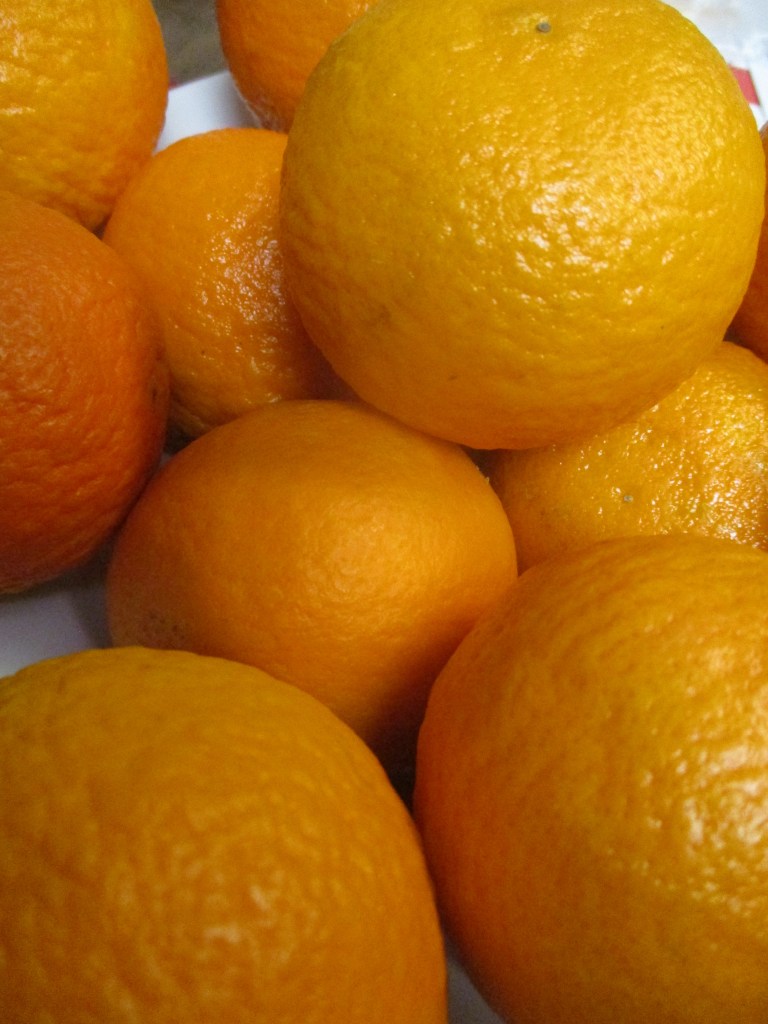
Mandarin oranges are smaller, more oblate, brighter orange, but also more variable than common sweet oranges. Among their many cultivars, their smaller leaves and thorniness are likewise variable. Very few very old trees grow taller than fifteen feet. Tangerines are merely barely genetically distinct Mandarin oranges that developed within the Americas.

Citrus Fruit Brightens Wintry Gardens

Summery citrus fruit ripens during winter.

Chilled lemonade certainly is nice when the weather gets warm during summer. Orange juice also seems to be more appropriate to warm weather. In fact, most citrus fruit seems to be more summery than wintery. Yet, most of it ripens through winter. Mandarin oranges are more perishable than most other citrus fruit, so are best long before warmer weather.

Citrus trees are defiantly contrary to the deciduous fruit trees that produce fruits of spring and summer. Not only does their fruit ripen during opposite seasons, but they also prefer pruning during opposite seasons. Many need no pruning or only minor grooming as they age. Any necessary pruning should happen after the last cool or frosty weather of winter.

Citrus fruit is not as perishable as spring and summer fruit are. Mandarin oranges oxidize within a month or so only because their rind is so loose. Other citrus fruit remains fresh in the garden for months, even through warm weather. Some actually improves with a bit of aging. For fruit that lingers late, vermin are more likely to be a problem than deterioration.

Slow deterioration is a major advantage for such abundant citrus fruit. There is less rush to collect more after collecting too much. For more sporadic production, many cultivars of citrus bloom sporadically prior to and after their primary season. ‘Eureka’ lemon is not too overwhelmingly productive in season, but before and after, provides a few more lemons.

Citrus fruit are remarkably diverse. Many are best simply for fresh eating. Many are better for juicing. Some are best for other culinary applications. Mandarin oranges and oranges are basically sweet. Lemons and limes are basically sour. Grapefruits are basically bitter. Citrus fruit exhibits a prevalence within combination of these three basic flavor elements.

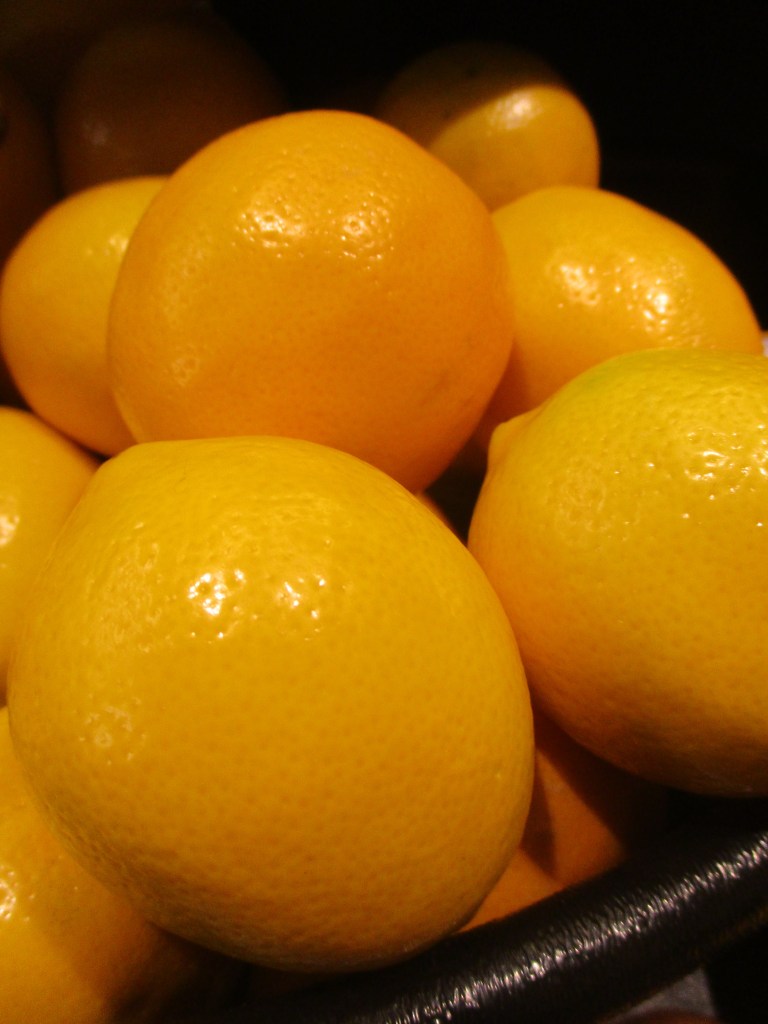
Citrus trees are as variable as the citrus fruit that they provide. Almost all are dwarf trees, which stay more compact than standard orchard trees. However, ‘Eureka’ lemon, ‘Marsh’ grapefruit and ‘Sanguinelli’ blood orange can eventually get as big as small shade trees. ‘Meyer’ lemon, kumquats and most Mandarin oranges remain much lower and shrubbier. Some are thornier than others.

Cherry

Cherries are fruit of early summer.

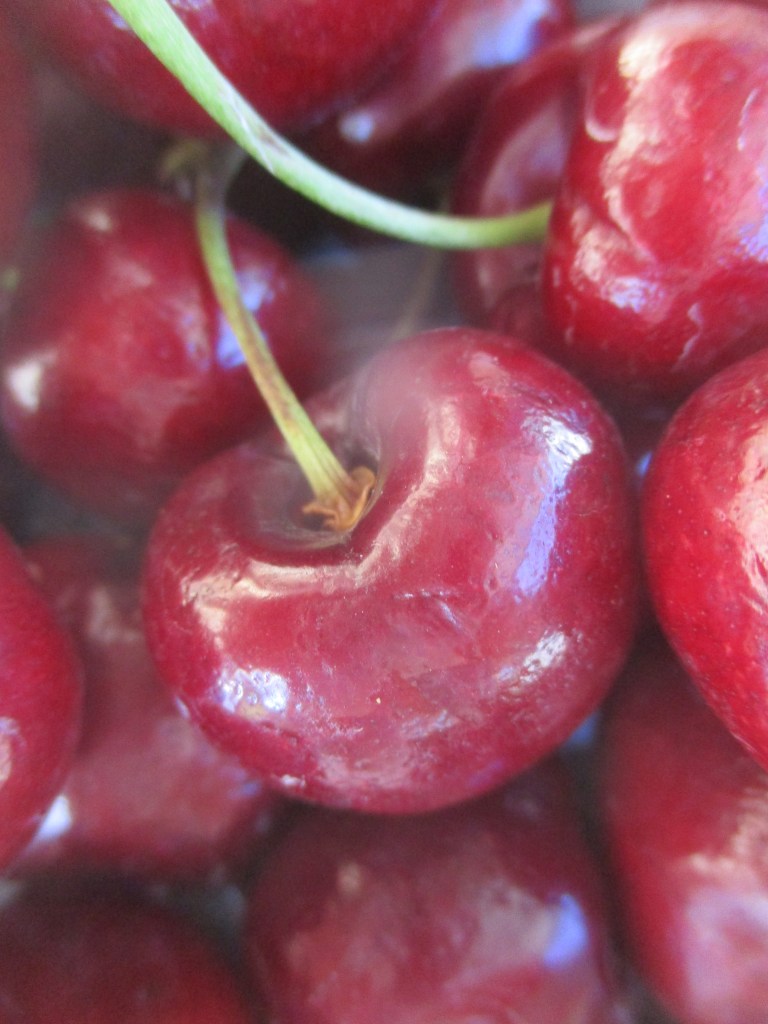
Cherry, Prunus avium, is one of the more popular fruits of summer. However, winter is the season for planting new trees and pruning mature trees. Pruning is comparable to that of other stone fruits, but to a lesser degree. Their sweet fruits are typically less than an inch and a half wide, so are relatively lightweight. Docile trees may not need annual pruning.

Home garden trees with dwarfing rootstocks should grow no taller than about fifteen feet. Some stay less than ten feet tall. Orchard trees with standard rootstock grow significantly taller. Wild or feral trees can grow forty feet tall, with their fruit beyond reach. Old cultivars mostly require another compatible cultivar for pollination. Some modern cultivars do not.

Cherry fruits are mostly rich deep red, but can be dark blackish red or pale orangish pink. Early spring bloom is brief but profuse and splendidly clear white. Three to four inch long leaves that are deep green through summer become bright yellow or golden yellow prior to defoliation during autumn. Even the silvery young bark of some cultivars is appealing.

English Walnut

English walnuts are popular among squirrels.

It has been in cultivation for several thousands of years. Throughout that time, it escaped cultivation to naturalize in many regions between the Balkans and the Himalayas. It most likely originated from a much smaller natural range within Persia. An interesting certainty of its dubious original range is that English walnut, Juglans regia, is not actually English.

English walnut likely arrived at Spanish Missions of California prior to 1800. It became a major agricultural commodity of both the Sacramento Valley and the San Joaquin Valley. A few old trees survive within urban areas that were formerly orchards of the Santa Clara Valley. Newer trees are unfortunately rare within home gardens because they get messy.

English walnut trees rarely grow more than forty feet high and wide here. Their abundant foliar, floral and fruit debris is toxic to young plants though, and stains hardscapes. Each type of debris sheds during a different season. Squirrels might claim most or all nuts, but drop shredded hulls. The deciduous and pinnately compound leaves can be a foot long.