 Grafting compound is a thick sealant applied to a fresh graft union to limit desiccation while the graft knits. A bit more typically gets applied to the cut distal end of the scion. There are various formulations of grafting compound, ranging from something resembling roof patch to a something with the consistency of thick paint.
The stuff, as sloppy and icky as it is, really is helpful. I can not imagine how big orchards were grafted before it was invented.
It is also useful for keeping cane borers out of the cut ends of freshly pruned roses. For those of us who remember how to prune roses properly, leaving only a few thick canes, grafting compound really is practical. I just don’t use it on roses because cane borers are not a problem here.
Since I do not use grafting compound on roses, and the plants that I graft do not need grafting compound, I presently have no use for it. I suppose I could use it on apple and pear trees, but it really is not necessary. When I get around to grafting apricots and peaches, it will only be for a few trees in my own garden, so I will just use candle wax.
This surprises people. At work, I am often asked about ‘painting’ pruning wounds and shiners as trees get pruned, presumably with sealant. Decades ago, it was actually commonly done. Even when I did my internship in arboriculture in 1988, some arborists were applying sealant because it was easier than arguing with their clients about it not being necessary.
The problem with applying sealant to large wounds is that is actually seals moisture within the otherwise exposed wood, and promotes rot. It is best to do nothing, and allow the affected trees to compartmentalize their wounds as they would do naturally if limbs were broken off by the weather. Trees know more about their processes than we do.

 Do we really know the differences between watersprouts and suckers? It seems simple enough. The definitions of each should be rather distinct.

 The terminology has certainly changed over the years. Not many of us remember what tree surgeons were, or that there were actually a few different kinds of tree surgeons, who performed very distinct tasks. Tree surgeons are now known as ‘arborists’. Much of what they used to do is done by other types of horticultural professionals. The work that arborists still perform is ‘arboriculture’.
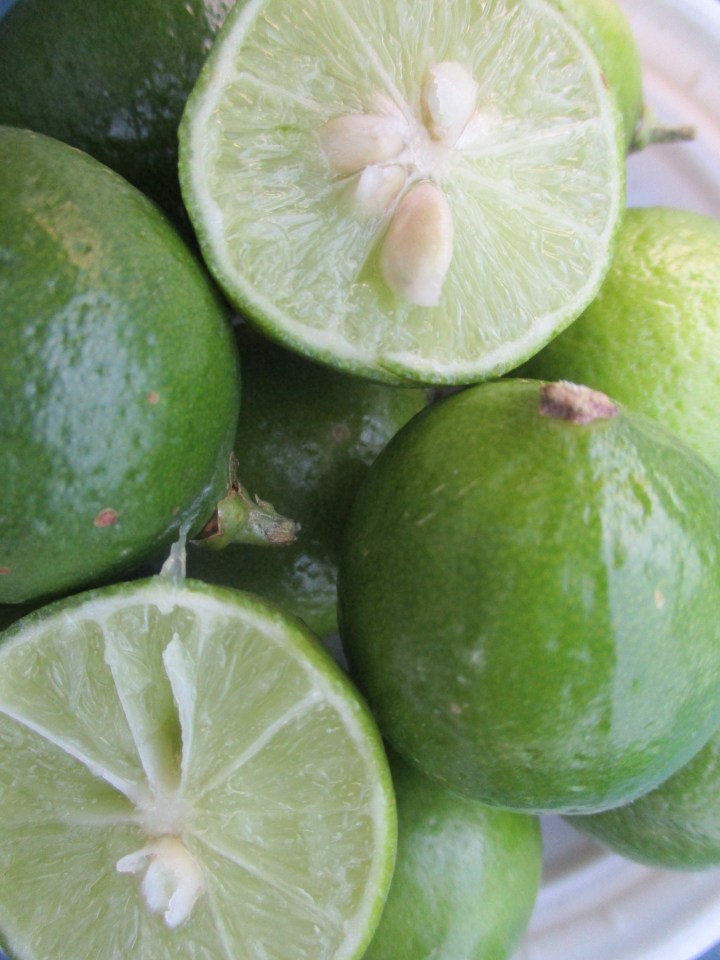 Is it possible to grow citrus from seed? The quick and simple answer to that question is, “Yes.” After all, many cultivars of citrus were originally bred from other cultivars, and then grown from seed. But of course, this an overly simplified answer to an unrealistically simple question about a surprisingly complicated process. Perhaps a better question is “Should citrus be grown from seed?”.
 Tony Tomeo