Village Harvest

The Santa Clara Valley was formerly famous for fruit and nut production.

(This article is recycled from several years ago, so contains outdated information.)

The vast orchards that formerly inhabited the Santa Clara Valley were here because this is among the best places on Earth to grow apricots, cherries, prunes, almonds and walnuts. Actually, there are not many fruit trees that would prefer to be somewhere else. Home gardens continue to produce the many traditional fruits, as well as many other types of fruit that were not so common in the orchards; such as citrus, figs, apples, pears, persimmons, avocados, peaches, nectarines and too many more to fit into a brief list.

Those of us who enjoy growing fruit trees do not need to be reminded of how well they do here. Some trees produce too much and  can become overwhelming. It is not always possible to can, dry, freeze or share with friends and neighbors all the fruit from the more productive trees. Leaving the fruit out in the garden is not only wasteful, but also bad for the garden, attractive to vermin, very messy and smelly.

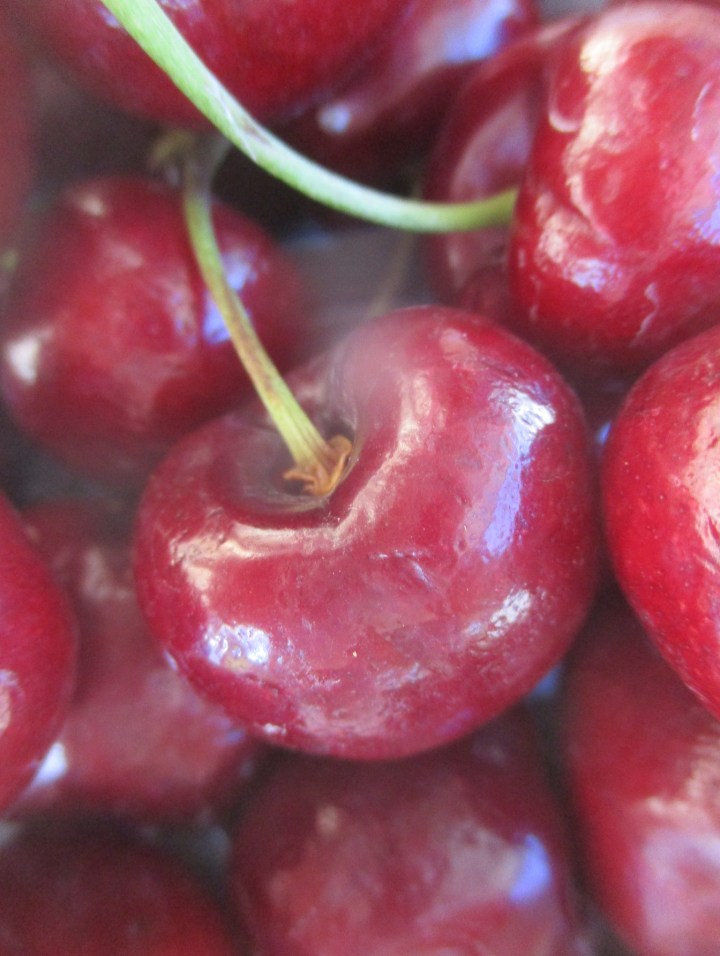
Besides, there are other people in the community who could use it. During this past year, Village Harvest has harvested from local gardens, and distributed to those who can use the produce, approximately 156,000 pounds of fruit. The record for distribution of produce may be exceeded this year after apples, persimmons and citrus are harvested.

Volunteers make Village Harvest possible, by collecting excessive fruit from home gardens. Some of the people with productive trees like to retain some of the fruit. Volunteers are also welcome to take some of the fruit. The vast majority of fruit gets dispersed to others in the community who can use it.

(Most of the following information is outdated.)

The next apple harvest event in the Cupertino orchard on October 22 may no longer be able to accommodate additional volunteers; but the next major apple harvest in the Woodside Orchard on October 29 may still be in need of volunteers. Harvests take about three and a half to four hours, between 9:00 a.m. and 12:30 p.m.. Volunteers must be at least sixteen years old.

Volunteers can register for harvest events, or get more information at villageharvest.org. Early registration is recommended since space is limited. Volunteer instructions, including meeting location addresses will be e-mailed to volunteers a few days prior to each event. Those of us with excessively productive fruit trees who happen to be within range of harvest events can possibly make arrangements to get fruit harvested.

The next few neighborhood harvests will be on October 25 in Central San Jose, October 31 in Sunnyvale, November 1 in Central San Jose, November 6 in Mountain View, November 8 in Central San Jose, and November 14 in Sunnyvale. Sunnyvale harvests begin at 8:00 a.m.. Some harvests are repeated. For example, the Central San Jose harvests are weekly on Tuesday.

Advice From reneesgarden.com

When is the best time to pick the perfect tomato?

My colleagues and I are rather proficient with communicating with the plants in the garden. Plants let us know when they want a particular nutrient, or are getting hassled by a particular pest. Those that produce fruit and vegetables also tell us when it is time to harvest. The only problem is that some horticulturists are not quite as receptive to information about ripening produce as we are to problems.

As my tomatoes ripen, I eat them whenever I want to, even if they are warm from hanging out in the sun. Any fruits or vegetables are fair game as soon as they are ready to get eaten. Although I will grow just about anything in my garden, I never bothered to learn how cook or even handle fruits and vegetables properly. For me, the best time to harvest is when I am hungry.

Those of us with more discriminating taste eventually become acquainted with the produce that we grow, so that we know when and how to harvest it to achieve the best quality. We learn how to translate the fragrance of a ripening melon, and to tap to determine density and consistency. Maturity of corn can be determined by their drying tassels, and confirmed by puncturing a few kernels. Color and texture of pea pods let us know when the peas within have achieved their optimum plumpness.

Renee of Renee’s Garden, which is perhaps my favorite supplier of vegetable and flower seed, describes some less obvious recommendations for harvesting produce at the website http://www.reneesgarden.com. While the weather is so pleasant through summer, it is best to harvest vegetables in the morning, while it is still cool in the garden. If harvested later in the day, vegetables can wilt because of evaporation of moisture and absorption of warmth. If  harvesting in the morning is not possible, harvesting in the evening is the next best option.

Leafy vegetables like lettuce, chard, collard, basil and parsley, as well as pea, are particularly sensitive to getting harvested during warm weather. Green beans grow like weeds during warm days, but are slightly crisper if picked while cool. Vegetables in the cabbage family that are grown later in the year or early in the following year, such as cauliflower and broccoli, can likewise get limp.

Root vegetables like carrot, radish and turnip are not nearly as sensitive to warmth because they are so well insulated underground. They should be brought in out of the warmth and refrigerated (if preferred) quickly nonetheless. However, turnip greens and any other greens that are grown  as root vegetables are just as likely to wilt as other leafy vegetables are.

Eggplant, pepper and zucchini are more resilient, but can potentially get limp if harvested a few days before getting eaten and left to linger in a warm and dry (minimal humidity) kitchen. Many varieties of tomato are best directly out of the garden; but many others actually get better flavor if harvested a bit early and left to finish ‘off the vine’. In autumn, when tomato plants stop producing, the last but nearly mature green tomatoes that run out of warm weather can finish ripening on the kitchen windowsill.

Succession Planting Prolongs Vegetable Harvest

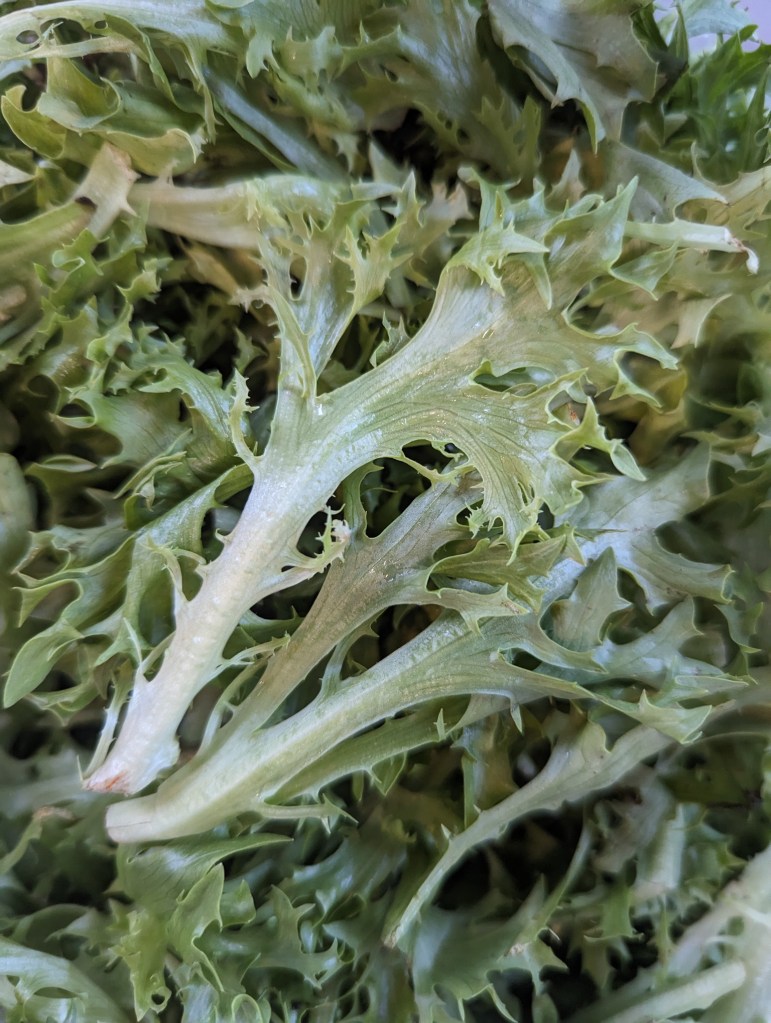
Frisee is for autumn and spring.

Winter vegetables might inspire both enthusiasm and trepidation as their season begins. Sowing their seed and plugging their seedlings into a fresh garden is delightful. Concern for their performance while summery warmth continues is not. It may take a while, but the weather will eventually cool. Later phases of succession planting will enjoy it even more.

Succession planting, which is the same as phasing, looks simpler than it is. Most simply, it is cultivation of small groups of any vegetable throughout its season. First groups might seem premature, but then seem less so as their season evolves. Subsequent groups are likely to seem more appropriate to their season. They can be one to several weeks later.

Planning is important for efficient use of space. The first groups of winter vegetables can use space as summer vegetables relinquish it. Later groups can use space as these first groups of winter vegetables relinquish it. However, with good crop rotation, any one type should not grow twice on the same sites. They prefer former sites of different vegetables.

So, succession planting is more complicated than growing one big group for the season. It is practical, though, for extending the harvests of individual varieties. The first groups of each variety are ready for harvest first. Each subsequent group should become ready as the preceding group finishes. The last group should finish at about the end of its season.

Different types of vegetables obviously respond differently to succession planting. Those that grow in autumn and spring but not winter need no other succession planting. Radish grows so fast that several phases can fit into one season. Cabbage can linger for so long that only two or three phases might be sufficient. Besides, they develop at different rates.

Succession planting is also effective for several spring bulbs that will soon be available. Although less obviously, and later next spring, prolonged planting should prolong bloom. However, reliably perennial bulbs synchronize for subsequent spring bloom. Succession planting is less effective for summer bulbs later. It only delays prolonged bloom for some that bloom for a recurrent bloom cycle.