
Because of the unusually mild weather this past winter, many plants are waking up from winter dormancy early. The shrubby herbs like sage, rosemary, lavender and tarragon are already outfitted with fresh new foliage that will soon obscure the foliage that lingered through winter. Those that have not yet bloomed may do so sooner than expected.
New herb plants can be added to the garden any time now. Even if rain resumes (or actually ‘starts’), there should not be enough to cause new plants to rot, particularly since the warming weather will keep plants growing faster than the root rot that can kill them through cool and damp winter weather. Sage, tarragon, marjoram, mint and thyme are easier to grow from small plants. Dill, cilantro and basil are easier to grow from seed sown directly into the garden. Oregano, fennel and chives can be grown by either means.
Many of the woody herbs, like rosemary and the many varieties of lavender, are commonly used in landscaping, so can be found in even the most basic nurseries that do not feature a selection of other herbs. Because almost all herbs have sensitive root systems, they should be planted while small. The smaller 1 gallon plants are easier to grow (as well as less expensive) than the larger 5 gallon plants are. However, sweet bay is an exception that does not mind being planted as a 5 gallon or even larger tree where it needs to look mature now, even if only a few leaves get used in the kitchen. Low growing rosemary is a common ground cover. Upright varieties can be shorn into small hedges. Thyme makes a nice small scale ground cover between stepping stones, where it shares its fragrance when stepped on.
Chives, oregano, parsley, mint and thyme are not often marketed as common landscape stock, but are visually appealing enough to appear in the landscape. Herbs that are not so visually appealing can be planted in a separate herb garden, among vegetables in a vegetable garden, or simply out of the way. Basil, cilantro, tarragon, dill, sage and marjoram can be too unkempt at times. Basil and cilantro look good most of the time, but then get harvested in large enough quantities to leave bald spots. Fennel can be a striking foliage plant for a while as long as no one minds that it will eventually get harvested.
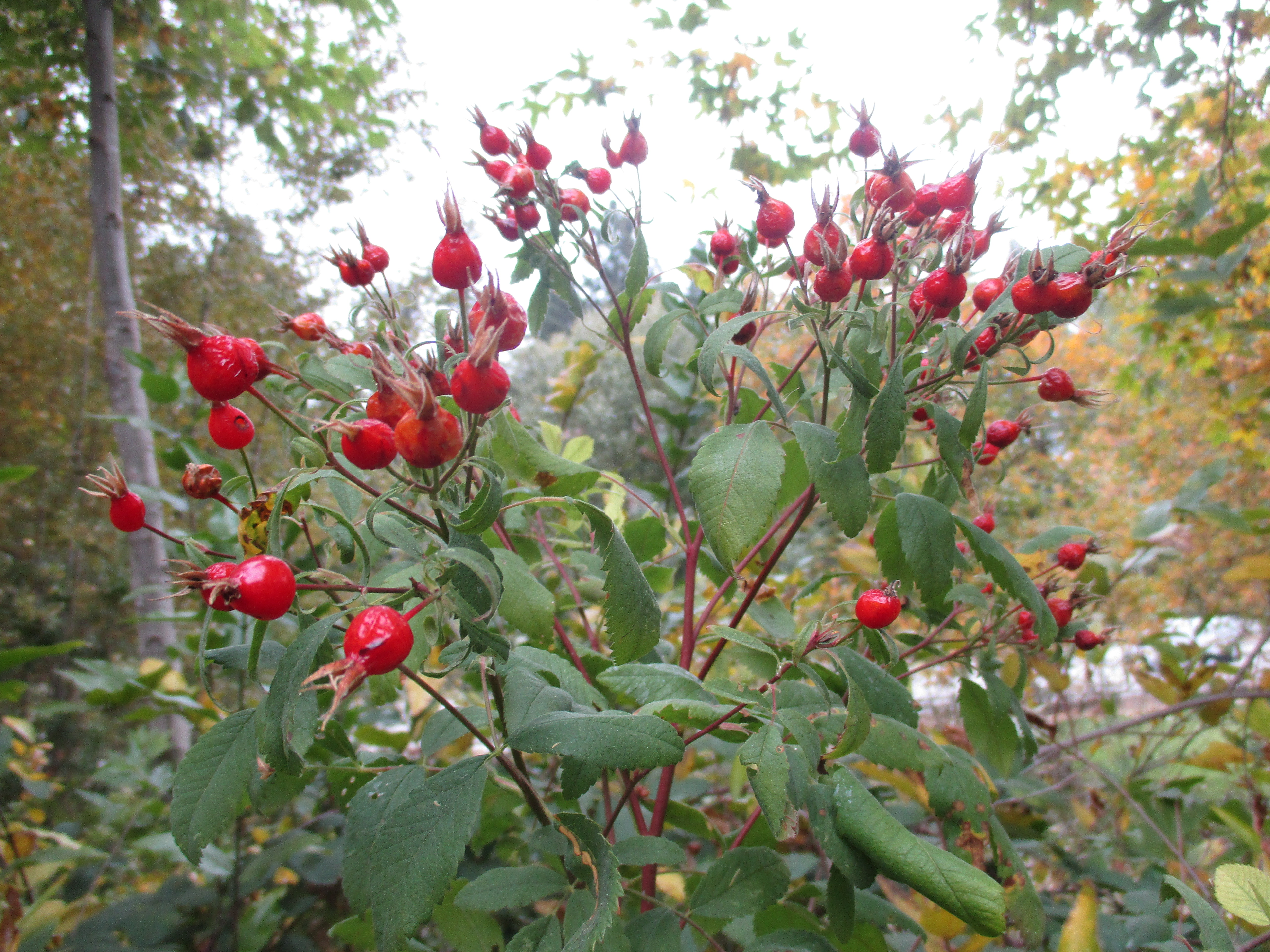 Chopped dried rose hips can be purchased from a supermarket in town that stocks an impressive variety of useful bulk herbs. They are used as a dietary supplement and remedy for several minor ailments. Although most of the copious vitamin C they contain while fresh is ruined by drying and storage, they are still popularly used as a remedy or preventative for colds and flu.
 Window boxes were supposedly invented in Venice to contain aromatic plants that repelled mosquitoes (and probably because garden space was so minimal in Venice). Hanging plants like nasturtium and ivy geranium are traditional window box plants because they do not obscure scenery or sunlight. Scented geraniums are also popular because they are be so strongly aromatic.
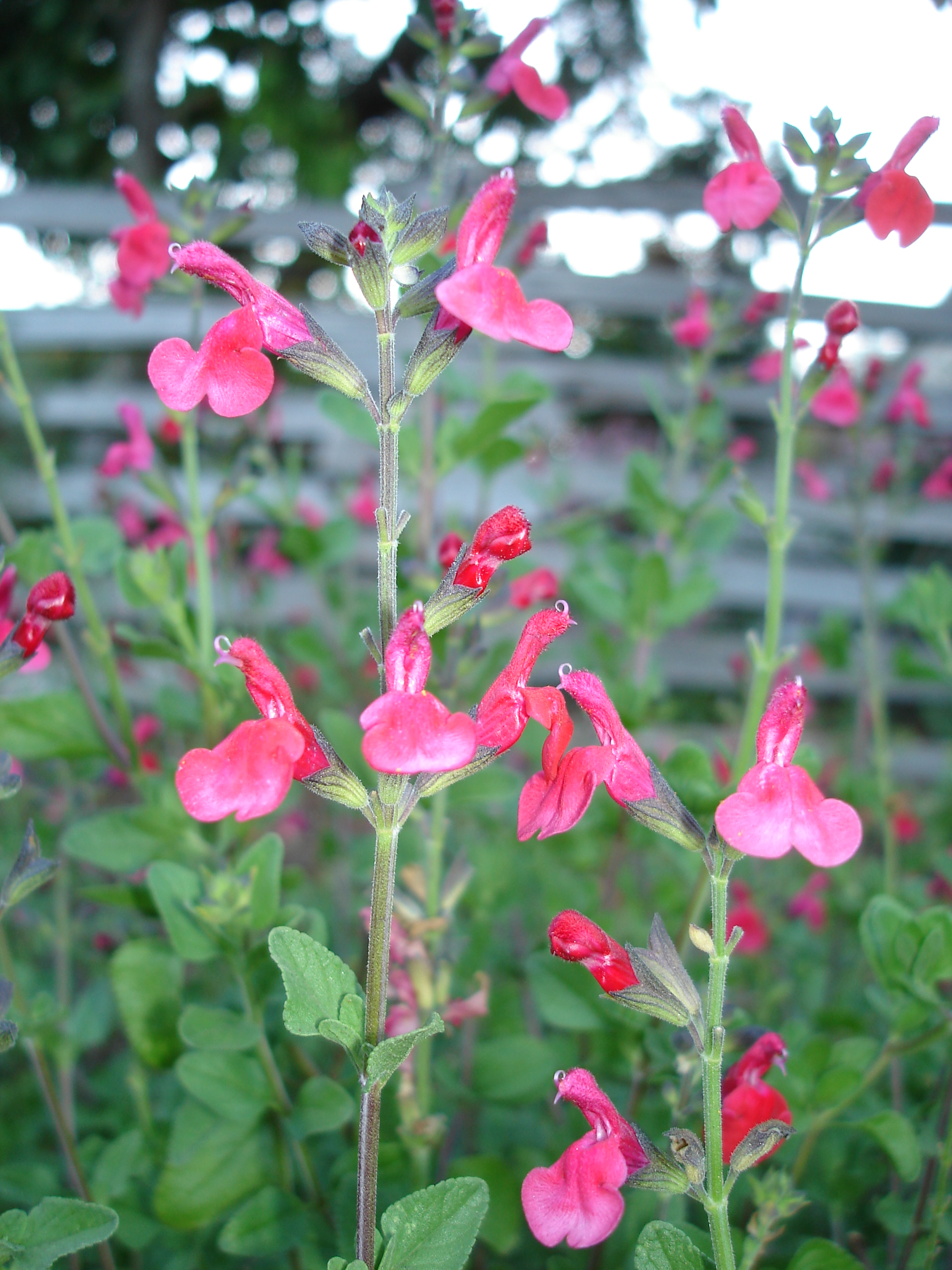 Perhaps in the wild, it blooms in autumn. Where it gets watered in home gardens, even if watered only occasionally, autumn sage, Salvia greggii, blooms all through summer as well. If pruned back severely over winter, it starts to bloom even sooner in spring. The tiny flowers are red, rose, pink, peach, very pale yellow, lavender or white. Some poplar cultivars have bi-colored flowers.
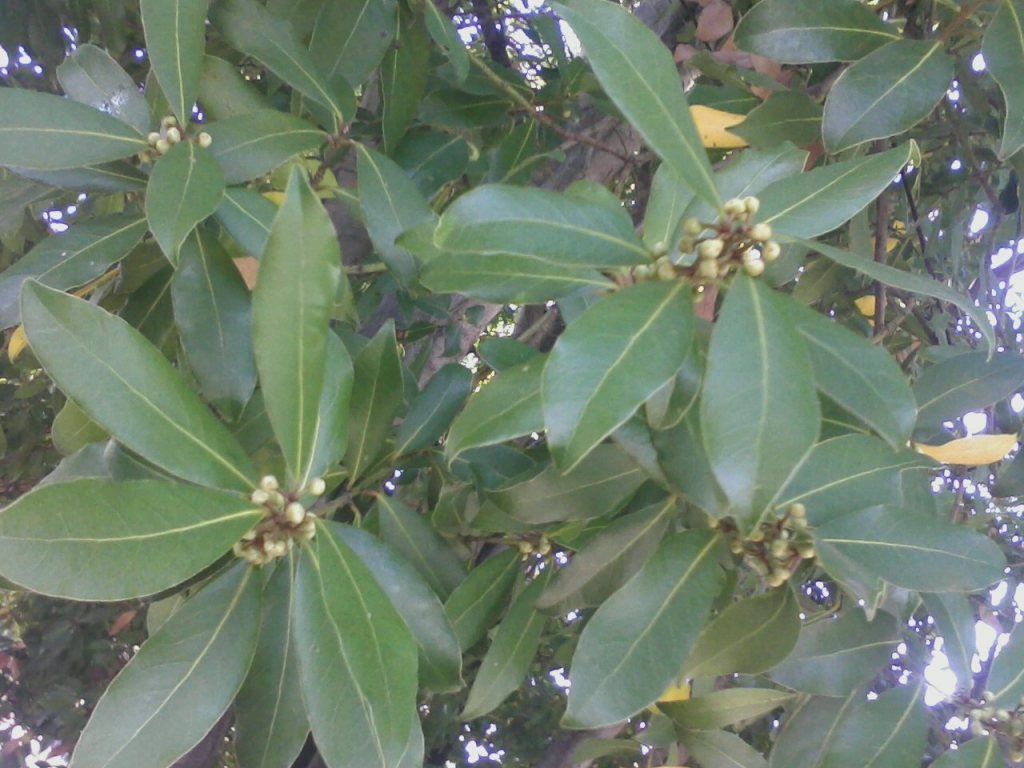
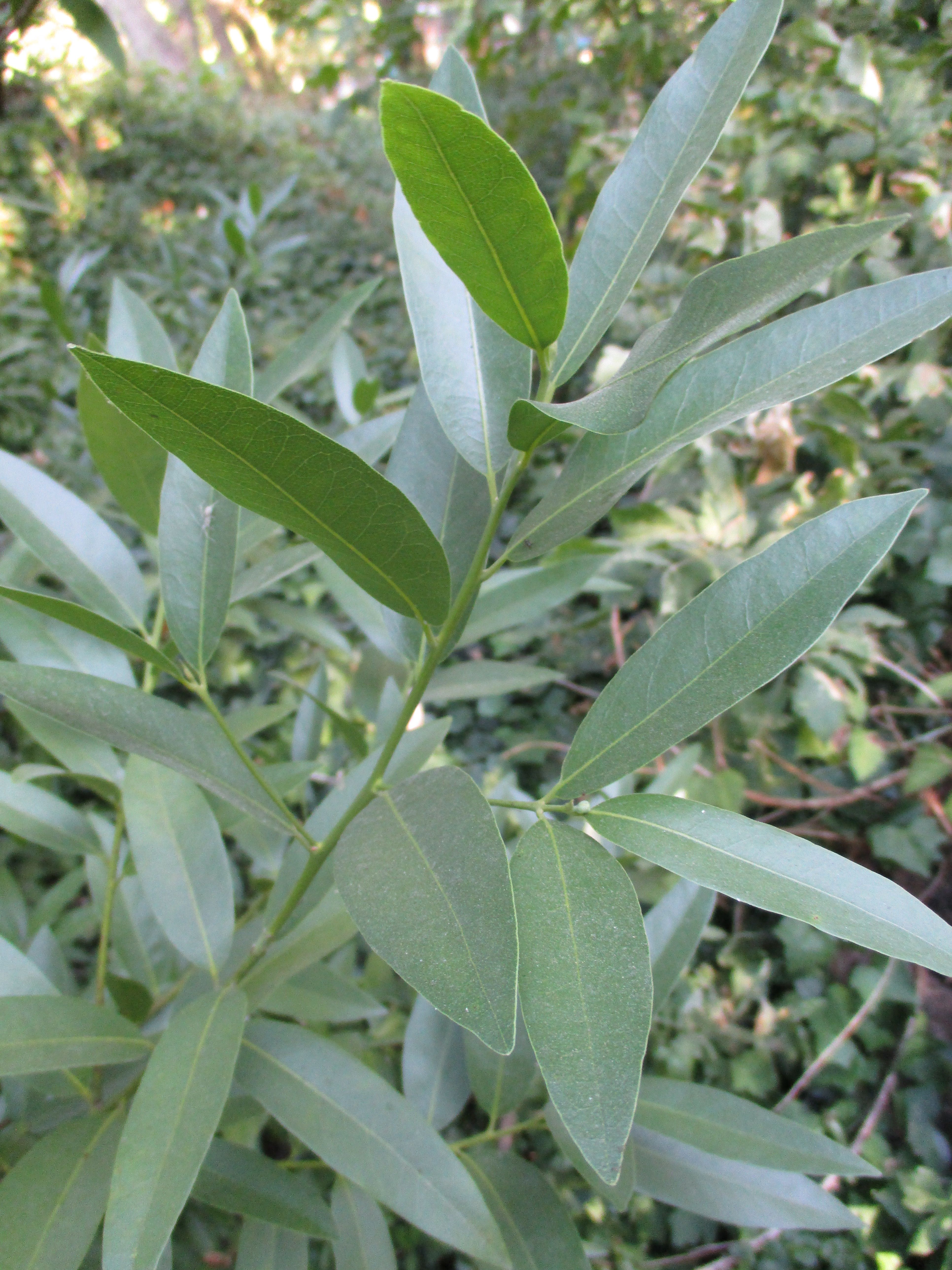 Just because California bay, Umbellularia californica, can be used like Grecian or sweet bay for culinary purposes does not necessarily mean that it should be. California bay has a stronger and much more pungent flavor and aroma. Some might suggest substituting less than half California bay for Grecian bay. However, even if the intensity is adjusted accordingly, the flavor might be off.
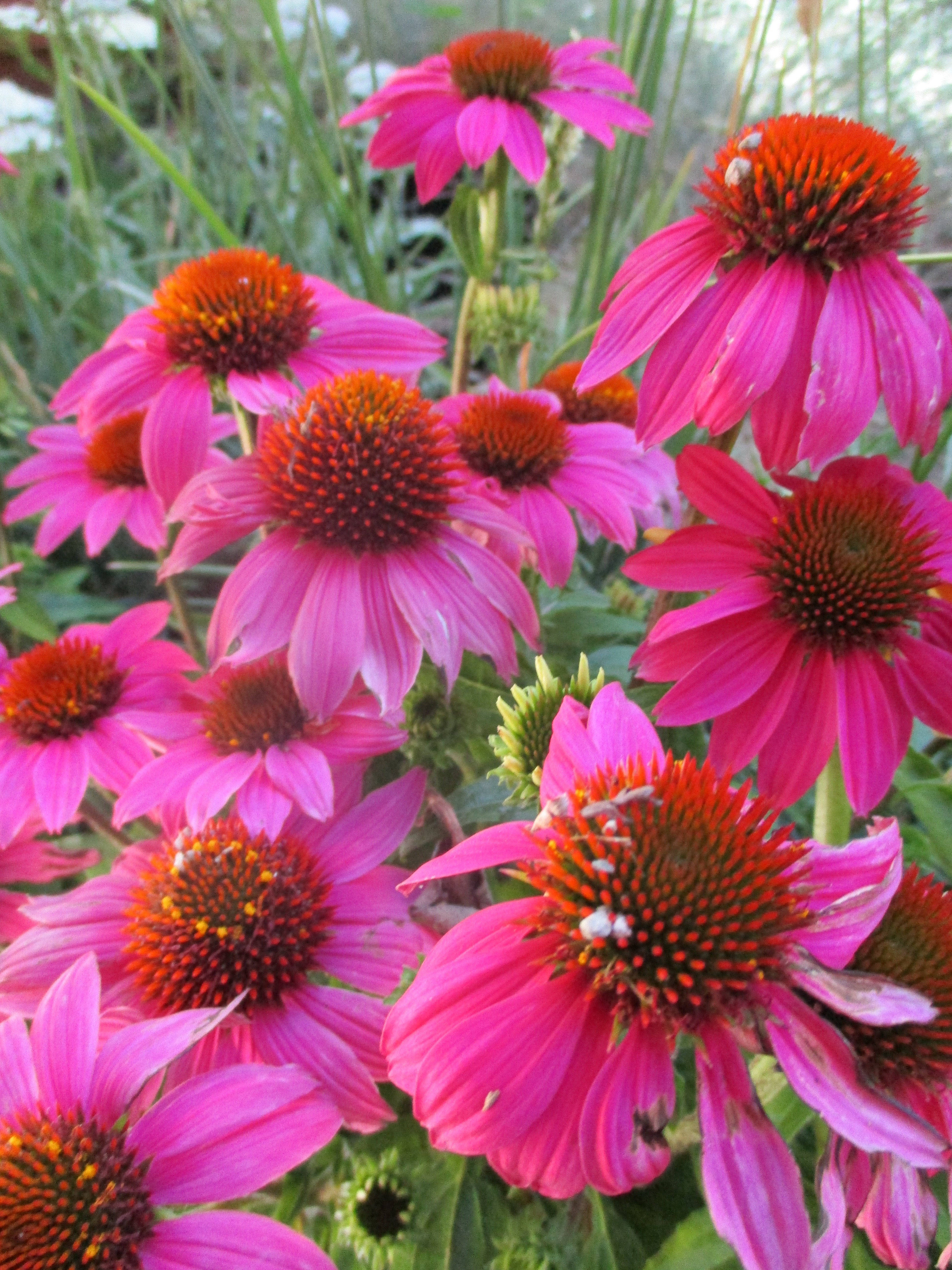 The native American coneflower, Echinacea purpurea, of the Midwestern prairies has been popular within its native range longer than anyone can remember, and has become more popular in the West as extracts of echinacea became a fad in herbal medicine several years ago. Modern garden varieties and cultivars have been bred and hybridized for larger and more colorful flowers.
 They are NOT the same thing! Many herbs can be useful for both culinary and medicinal applications, but the distinction between the two is very important. Culinary herbs are used to flavor foods. Medicinal herbs are used like pharmaceutical drugs; but they lack the main safety feature of standardization. That means that they are potentially toxic and seriously dangerous if used improperly!
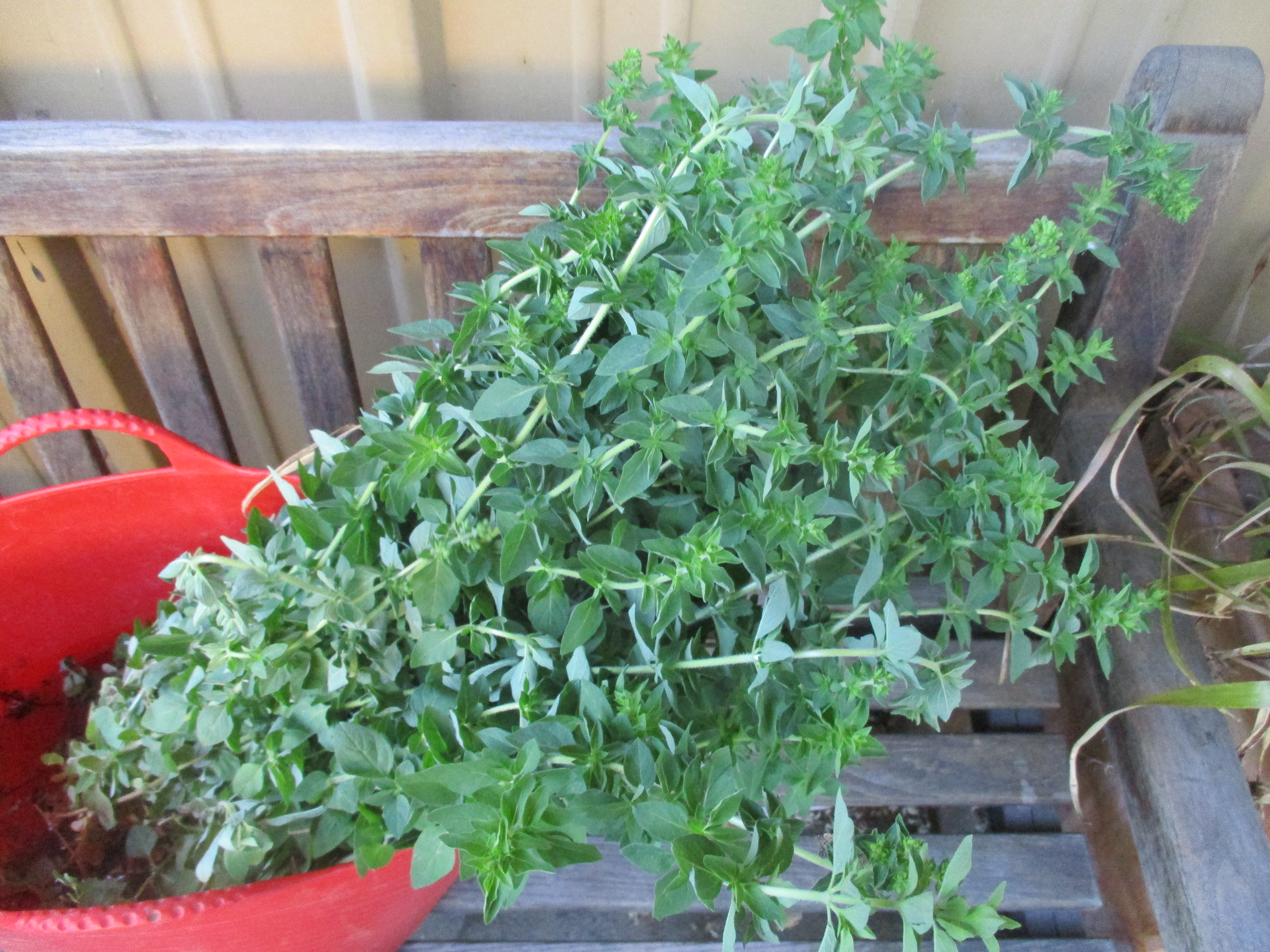
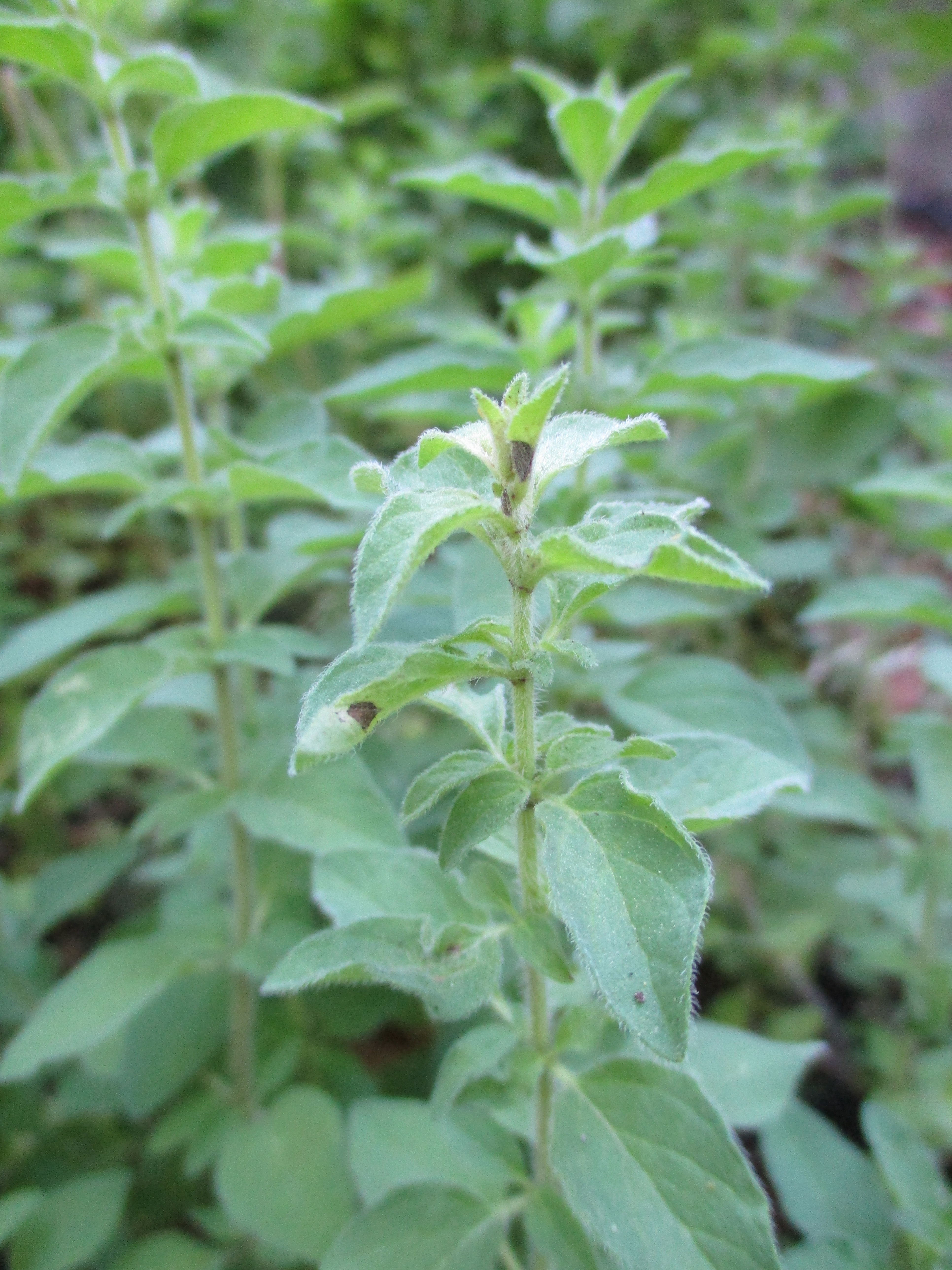 It is considered to be an Italian herb, but since it was popularized in America in the late 1940s, oregano, Origanum vulgare, has become more popular in Italian-American cuisine than it is in Italy. It is now the traditional ‘pizza herb’ for American style pizza. Oregano happens to be one of the few herbs that is preferred dried rather than fresh. Only foliage is used, either before or after bloom.
 Tony Tomeo