 Herbs might be in our garden right now, whether we are aware of it or not. Trailing rosemary happens to be a popular and practical groundcover, and some varieties grow as low shrubbery. A few varieties of thyme also work as ground cover for small areas, or between stones. Various lavenders are popular low mounding shrubbery. Quite a few common landscape plants are also herbal.
It is important to be aware though, that some varieties of herbal plants are better for landscape applications, and others are better for herbal applications. All cultivars of rosemary can be used for culinary applications, but some happen to be grown specifically for that purpose because of superior flavor. Cultivars with the best flavor may not be as useful for groundcover or as low shrubbery.
The same goes for the lavenders. French lavender may be the best for culinary applications, but the various Spanish and English lavenders might be better options for landscape applications, cut flowers or for their aroma. California bay that grows wild as a big tree is actually a completely different genus than the shrubbier culinary Grecian bay, and can ruin a recipe if used as a substitute.
As if that were not complicated enough, once the preferred herbal plants are identified, it is important to know how to use them. Chive, cilantro, parsley, mint and most others are usually preferred fresh. Lavender and bay leaf are more often used dried. Rosemary, oregano and sage can be used fresh or dried, depending on the desired flavor. Almost any herb can be dried for convenience.
Drying herbs is convenient for those that are only available within certain seasons, even if they can be used fresh while in season too. For example, chamomile is not a foliar herb like most, but is unbloomed floral buds that must be harvested at a very specific time. They should be plump, but not completely open. Once harvested and dried, they are useful for herbal tea throughout the year.
Herbs can be flowers, seeds, bark or any part. Most are foliage of the family Lamiaceae.
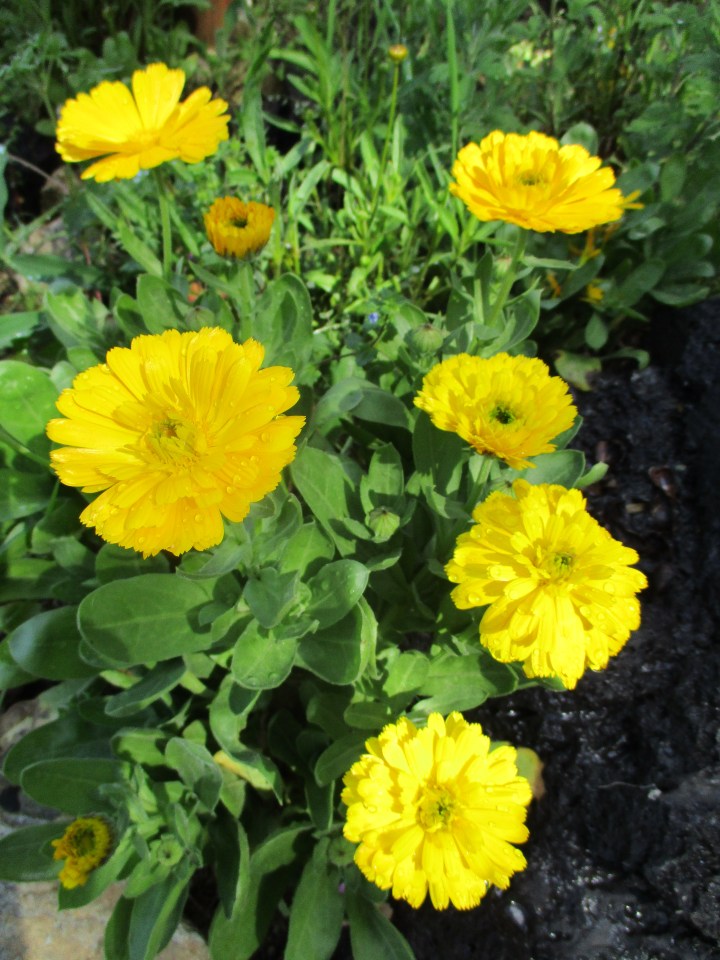 Just before the weather gets warm enough for real marigolds, and after the weather starts to get too cool and rainy for them, pot marigold, Calendula officinalis, is at its best. It can bloom at any time of year, depending on when it gets planted, but prefers cool and humid spring and autumn weather. It is not so keen on frost in winter, or the arid warmth of summer that real marigolds enjoy.
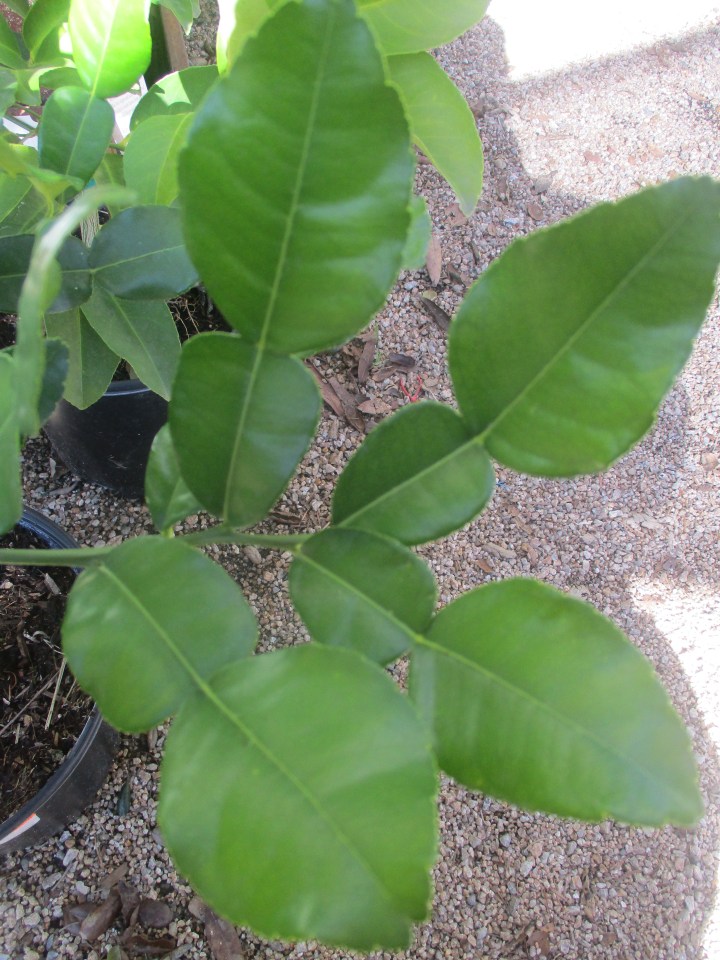 Of all the weird citruses available, this is one of the strangest. Makrut lime, Citrus hystrix, is not grown for its ugly wrinkled fruit. The rind and the juice are only rarely used for culinary or medicinal purposes. The important part of makrut lime is the aromatic foliage, particularly the modified petiole ‘wings’ that look like leaves. Fresh or dried, they are popular in the cuisine of Southeast Asia.
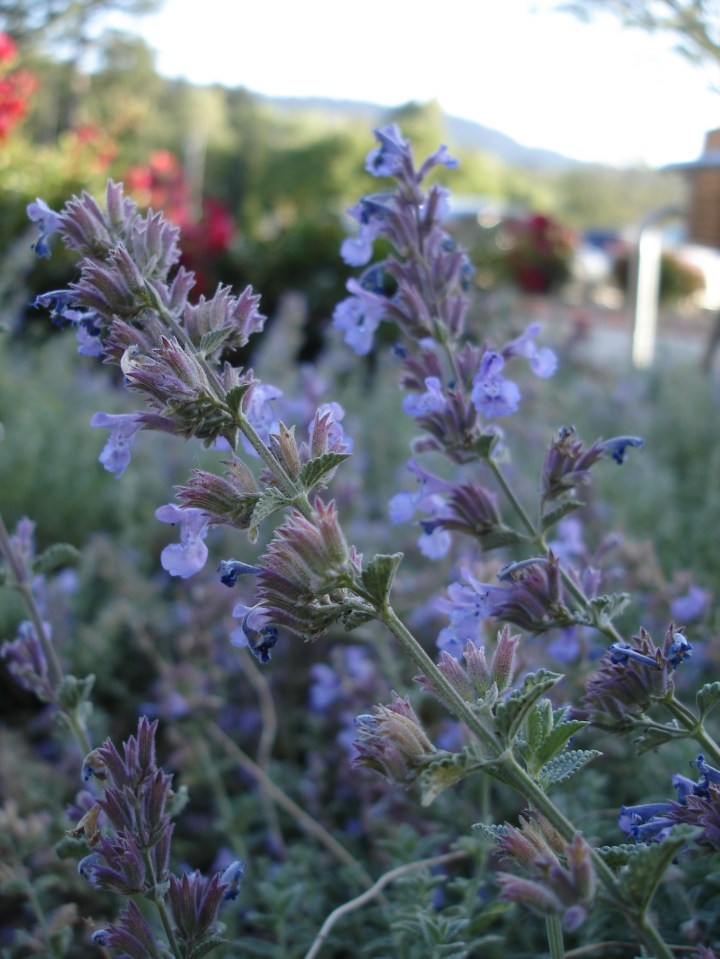 Out in deserts, where vegetation can be a scarce commodity, cacti, agaves and yuccas protect themselves from grazing animals with thorns, spines, caustic sap and distastefully textured foliage. None of these defense mechanisms is perfect. They only need to be better than what the competing specie are using. Many plants find that objectionable flavor and aroma work just fine for them.
 Tony Tomeo