
Deadheading, or the removal of deteriorating bloom, is contrary to the purpose of bloom. It conserves resources for subsequent bloom or vegetative growth. It neatens associated vegetation. Deadheading is certainly justifiable. However, it eliminates most seed before it can develop. Seed is the priority of bloom. Gathering seed can be a good compromise.
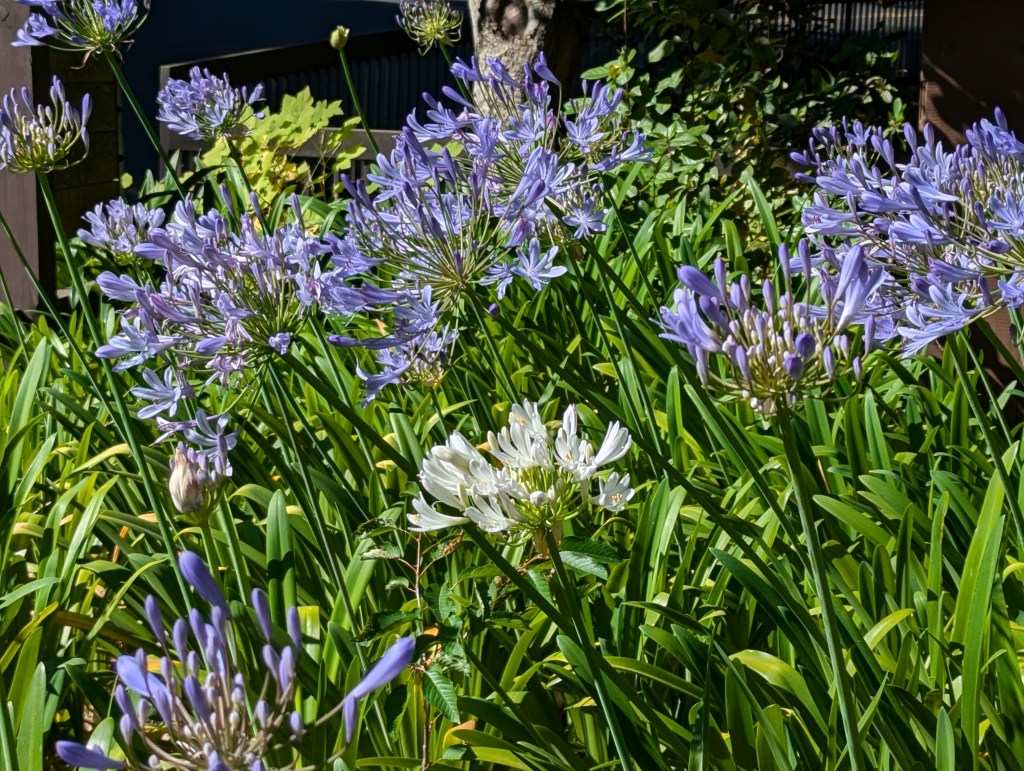
Techniques for gathering seed are as variable as bloom and subsequent seed. For some popular annuals and perennials, it is as simple as deadheading. Their seed develops as fast as their bloom deteriorates. Seed is easy to shake from dried stems of rose campion, campanula and columbine. Cut stalks of lily of the Nile must dry for their seed to mature.
Gathering seed from vegetable fruits can be a bit more complicated. Some are mature as soon as their containing fruits ripen. For example, seed from ripe chile peppers are ready for drying and storing immediately. However, zucchini must mature too much to be edible for its seed to finish developing. Furthermore, squash seed is likely to not be true to type.
This is often a consequence of cross pollination from other varieties of the same species. Progeny of very different parents inherit genetic qualities of both parents. Similarly, many extensively bred varieties exhibit reversion. Their progeny can be more similar to distant ancestors than direct parents. Reversion may be progressive through a few generations.
Reversion is less likely among hybrids only because most hybrids are sterile. Gathering seed from them is generally either futile or impossible. Some hybrid canna develop seed capsules that contain no viable seed. Seedlessness is an advantage of seedless hybrid watermelon. Viable seed of the few hybrids that could produce it is wildly unpredictable.
Most mutations, such as variegation or dwarfism, are not inheritable. Seed of variegated Kaffir lily therefore grows into unvariegated specimens. Some seedlings mature through a juvenile phase prior to bloom. This is why avocado seedlings grow so lean without fruit in their first few years. Ultimately, gathering seed is most practical for simple wildflowers, annuals, perennials and some vegetables.


 No one knows for certain who the parents were, so the hybrid Grevillea ‘Peaches and Cream’ lacks a species designation. (If it is important, the parent are most likely Grevillea banksii and Grevillea bipinnatifida.) It is an evergreen shrub that gets about four feet high and wide, with intricately lobed light green foliage. Individual leaves are about four inches long and two inches wide.
 Tony Tomeo