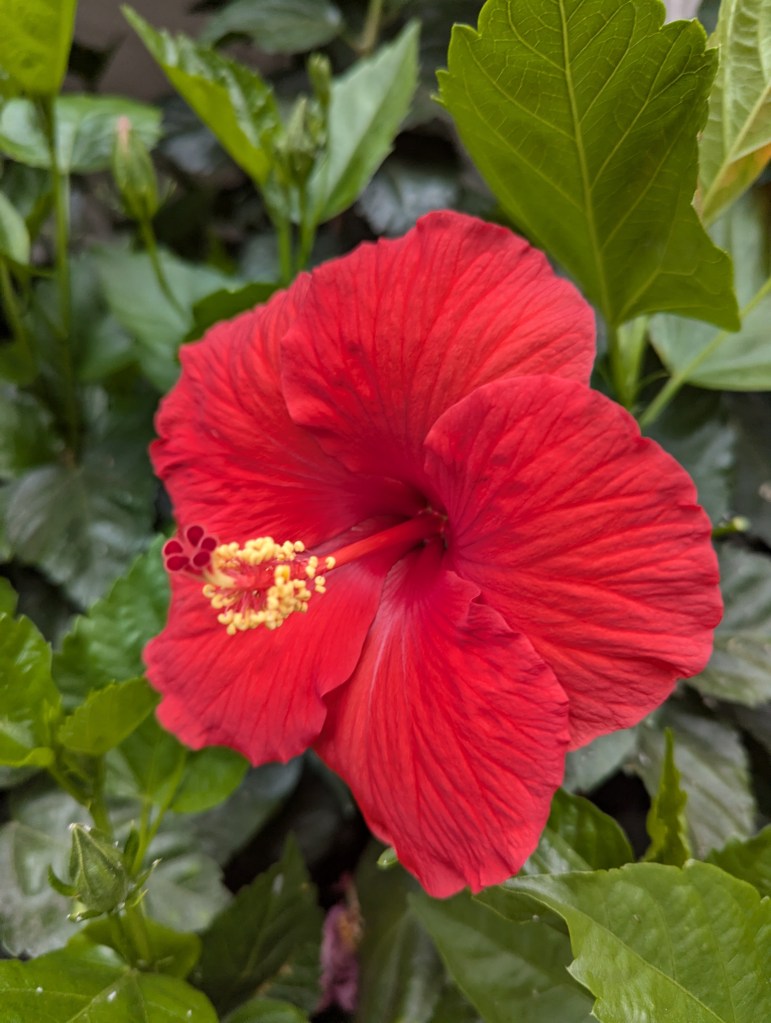
Dormant pruning last winter did more than concentrate resources for flowers and fruits. It did more than eliminate superfluous growth, which many pathogens overwinter in. It also directed or concentrated resources for stems and foliage. Such growth now grows faster than some types of insect infestation. Aphid, though, are famously prolific and tenacious.
Hybrid tea roses very effectively demonstrate the advantages of dormant pruning. Those that lacked such pruning are more vulnerable to major aphid infestation now. Those that benefit from such pruning are significantly less vulnerable. Even with minor infestations, they may bloom well. Their vigorous stems grow at least as fast as aphid can proliferate.
It is too late for dormant pruning now. Furthermore, this is the beginning of aphid season. It continues until early autumn. Fortunately, aphid are usually not problematic for too long on the same hosts. Their natural predators often find and control them as their infestation culminates. They might continue to be present, but at a tolerable or unnoticeable degree.
Insecticides can be useful for severe infestation, but can interfere with natural processes. Some eliminate predatory insects that can naturally control aphid. If possible, it might be more practical to literally allow nature to take its course. Aphid are prolific, but essentially weak. Mildly soapy water kills them fast without killing many beneficial predatory insects.
Ants symbiotically cultivate aphid in exchange for their honeydew, (which is excrement). They protect their benefactors, and move them to ideal host material. Pruning citrus trees so that they touch nothing else can nearly block access to ants. Application of a barrier to their trunks, such as grease, blocks access more completely. Predatory insects still fly in.
This technique is practical for many small trees, but not low shrubby roses and hibiscus. For them, aphid might be easy to blast off with a spray nozzle on a hose. This procedure neither removes nor kills all aphid, but it can limit their damage. Repetition of the process will likely be needed a few days later, and maybe a few times. Aphid might be persistent, though.
 Tony Tomeo