Why Hire An Arborist?

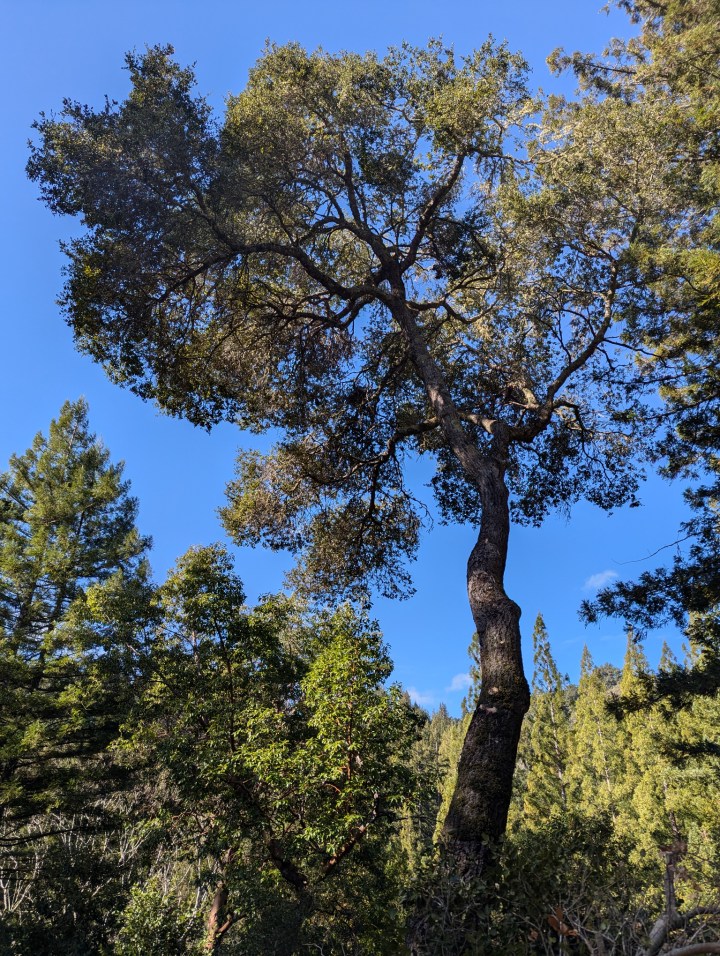
Arborists work with the big trees.

Like the many different kinds of physicians who work in a hospital, there are many different kinds of horticultural professionals who specialize in particular disciplines. Although too commonly considered to be ‘landscapers’, and even though many do not work directly with landscapes, there are nurserymen, gardeners, landscape architects, horticulturists and arborists, to name a few.

Arborists specialize in the horticulture of trees. Only a few decades ago, arborists were known as tree surgeons, since they perform surgery on trees. Of all the horticultural physicians that attend to concerns in the landscape, arborists and their associated technicians are the most qualified to properly maintain trees.

Expecting a gardener to maintain large mature trees is like expecting a pediatrician to perform major surgery. Even the most proficient and educated gardeners are too specialized with maintaining other plant material in the garden to also be specialized with arboriculture, or the horticulture of trees.

Arborists who are certified by the International Society of Arboriculture, or ISA, have successfully passed and examination of their arboricultural aptitude. Certification must be maintained by attendance to educational seminars, workshops and other relevant events approved by the ISA.

The website of the International Society of Arboriculture, or ISA, at www.isaarbor.com, is the best resource for finding certified arborists and the tree service establishments that they are affiliated with. Arborists can be found within particular regions by city or ZIP code, or identified directly by name or certification number.

The ‘Public Outreach’ category at the ISA website features links to www.TreesAreGood.org, and ‘Why hire an arborist?’, as well as a few other links for consumers. After all, the website exists not only for professionals, but also to help consumers find professionals and to make responsible decisions about their trees, from the time they get planted, throughout their lifetime, and until they get old and eventually need to be removed.

The www.TreesAreGood.org link has all sorts of information about trees and their maintenance. There are many and various articles about the benefits of trees, the value of trees, tree selection, planting new trees, proper pruning techniques, insects and diseases, tree hazards, why topping hurts trees, and even an article about palms. Incidentally, the Fun Facts link mentions that the tallest tree is the coastal redwood, the biggest tree is the giant redwood, and oldest tree is the bristlecone pine, all of which are native to California.

Trees are of course the most substantial components of a landscape. Some will be around for years. Some will be around for more than a century!
Arboriculture Is Very Specialized Horticulture

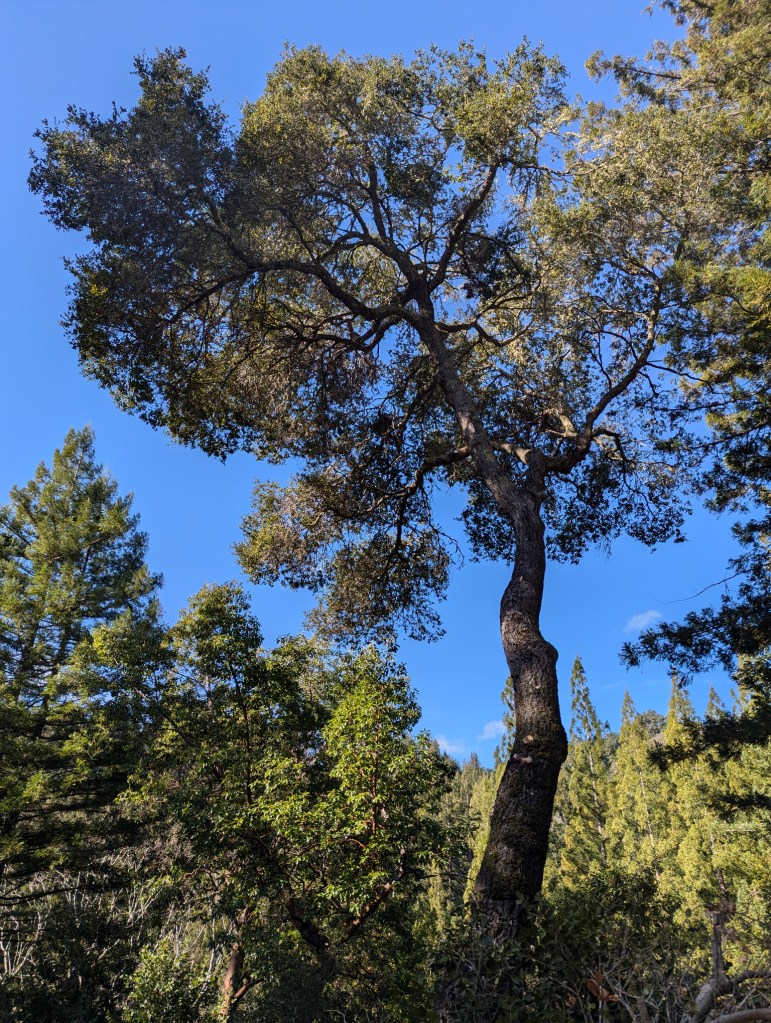
Arborists specialize in the big trees.

Horticulture is as diversified as horticultural professionals. Nurserymen grow horticultural commodities. Landscape designers plan installation of the commodities into landscapes. Landscapers construct the landscapes. Gardeners maintain them afterward. Florists use floral commodities. Arborists specialize in arboriculture, which is the horticulture of trees.

Arboriculture is necessary because trees are so substantial. Although most arborists can work with smaller trees, larger trees are their priority. Other horticultural professionals are neither qualified nor able to work with such trees. Similarly, arborists are too specialized to engage with landscape design or floristry. Arboriculture is truly an intensive discipline.

Many garden enthusiasts maintain their own trees while such trees are somewhat small. Some trees, such as dwarf citrus and Japanese maples, stay small. However, most trees eventually grow beyond reach from the ground. Even within gardens that lack gardeners, arborists might become necessary. This is certainly not something to be negligent about.

When pansies get tired in spring, gardeners can replace them with petunias for summer. Trees are completely different. They are the most substantial and persistent vegetation in their respective landscapes. Some can survive for a few centuries. The consequences of their neglect can be disastrous. Arboriculture is crucial to the safety of their environment.

The importance of arboriculture typically becomes more apparent during wintry weather. Rain destabilizes roots. Wind weakens the integrity of limbs and trunks. Generally, trees become messier and more hazardous than at other times of year. However, arboriculture is a concern throughout the year. Spontaneous limb failure is more likely during summer.

Besides, several procedures for certain trees are more appropriate during other seasons. Furthermore, mitigation of potential problems is easier before they become emergencies. Information about arboriculture is available from the International Society of Arboriculture or ISA. Their website, which also provides a list of certified arborists, is at isa-arbor.com.

A Good Arborist Can Be Difficult To Find.

Some of the most avid garden enthusiasts need help with big trees.

            It was probably best that I was not here when it happened. Although, coming home to it was horrible nonetheless. This is the second major tragedy in my garden in only a few months. Last autumn, just before it could defoliate to be less susceptible to the wind, the most magnificent black oak in my garden was blown down. Now I find that the weather has again flaunted its ominous power by claiming the innocent life of the most glorious Douglas fir, and desecrating the shattered remains in the cold mud.

            How can this be?! I am an arborist! I am supposed to protect trees from such demise! Sadly, the truth is that the fir has been deteriorating for a long time before we became acquainted. There was nothing that I could have done for it. If the tree had been located where it could have been hazardous to anyone in the area, it would have needed to be removed.

            Hazardous trees innately become much more hazardous in stormy weather. Rain loosens their anchorage by softening the soil. Wind can either destabilize trees, or break their limbs away. Ideally, it is best to give trees the attention they need before the weather gets unpleasant. Realistically though, we do not often think about it while the weather is not so threatening.

            Now that the weather is reminding us of how important it is to take care of our trees, we should be certain to do so properly. Large trees may require procedures that we are unable to perform. When it becomes necessary to procure the services of tree maintenance professionals, it is imperative to find qualified arborists. (Arborists are horticulturists of trees.)

            Unfortunately, the arboricultural (tree maintenance) industries are infested with unqualified ‘hackers’ who can inflict serious damage. Real arborists are about as specialized as physicians are. Getting anyone else to assess trees is about a sensible as getting a cardiologist to do brain surgery. 

            Arborists inspect trees to identify hazards such as instability and structural deficiency, and then prescribe corrective procedures. Not everyone involved with the crew that performs any necessary procedures is a ‘certified’ arborist. The crew should though be directed by what an arborist prescribes. Sometimes, trees are found to be too hazardous to be salvaged, and will need to be removed.

            The website of the International Society of Arboriculture (ISA) at www.isaarbor.com is an excellent resource for finding local certified arborists. This site also features articles that explain in more detail than I did why it is so important to ‘hire an arborist’, as well as many other relevant topics. Perhaps just as importantly, it demonstrates how serious arborists are about arboriculture.

Arborists Are Horticulturists Of Trees

Arborists work with the big trees.

Landscapers and gardeners are only the two most familiar of horticultural professionals. There are also landscape designers, horticulturists, greenskeepers and various nurserymen, just to name a few. Each of the many distinct horticultural professionals works within a specific horticultural industry; like each of the many different types of physicians works within a specific medical industry, even though many might work together in the same hospital.

Arborists are the horticultural professionals, or even horticultural ‘physicians’, who work specifically with trees. In fact, they had historically been known as ‘tree surgeons’  because they perform what might be considered to be surgery on trees. After nurserymen grow trees in nurseries, and landscapers install trees in landscapes, arborists take over to care for the same trees like gardeners take care of landscapes below the trees.

Arboriculture, or the horticulture of trees practiced by arborists, is important because trees are so different from other plants in the landscape. Obviously, trees are larger than anything else. Structural problems or instability can have devastating consequences, not only to the affected trees, but also to anything around them that might be damaged by falling limbs or even entire trees. Some trees are large enough, or even have limbs that are large enough to crush an entire home.

Arborists who are certified by the International Society of Arboriculture, or ISA, have passed an examination of their arboricultural expertise, and maintain their certification by attendance to educational seminars, workshops and other relevant ISA approved events. Certified arborists are the most qualified to assess the health, stability and structural integrity of trees, and prescribe any necessary arboricultural procedures. Such matters should not be trusted to other horticultural professionals who specialize in other aspects of horticulture.

The website of the ISA at www.isaarbor.com is the best resource for finding certified arborists and the tree service businesses that they are affiliated with. Arborists can be found within particular regions by city or ZIP code, or directly by name. The website also features all sorts of information about trees that is useful to anyone who lives with them or wants to add more to the landscape.

Of course, there is more to gardening than trees. For those who missed reading about it already, it is nearly time for the most locally grown of horticultural events. Spring in Guadalupe Gardens will be April 28, from 10:00 a.m. to 3:30 p.m., in the Guadalupe River Park and Gardens between Taylor Street and Coleman Avenue in San Jose. More information can be found online at www.grpg.org or by telephoning 298 7657.

Arborists Are Physicians Of Trees

This specimen would be a challenge for an arborist.

(This article is recycled from a decade ago.)

Pasadena sustained the worst of the damage caused by the strongest Santa Ana Winds in three decades. Huge piles of debris from broken trees are much more than can be removed any time soon. Falling debris and trees damaged many roofs, cars and anything else that happened to get in the way.

Other towns and neighborhoods throughout the area, particularly those at the base of mountains, also sustained major damage. At the same time, severe winds ravaged the San Francisco and Monterey Bay Areas as well, particularly in the Santa Cruz Mountains and the hills of the East Bay.

Some of the damage caused by wind in urban areas might have been less disastrous if trees had gotten the respect and attention that they deserve. Some trees develop structural deficiencies that need to be corrected by pruning, either to eliminate the problems, or at least to decrease the strain exerted onto the structurally deficient parts. A few trees that become unstable as they mature may likewise need to be pruned or even removed.

It is not always possible to prune trees to remove all structural deficiencies without damaging the affected trees more, or causing more structural problems to develop. For example, major pruning to remove all parts that may get blown down by wind, such as pollarding or ‘topping’, may seem to be effective for the short term, but actually stimulates the development of vigorous secondary growth or watersprouts that are disproportionately heavy and even more likely to tear off from the older limbs.

Structural pruning more often involves thorough reduction of weight and wind resistance. Weight of foliage and stems directly applies leverage against unions where smaller stems are attached to the larger stems from which they originate. Wind resistance adds more leverage as foliage gets blown about by wind. Thinning obviously removes significant weight, and also decreases wind resistance to allow wind to blow though the affected canopies.

Besides helping to compensate for structural deficiency, structural pruning is also beneficial to potentially unstable trees for the same reasons. However, unstable trees typically need even more reduction of weight and wind resistance. Some of the most unstable trees and those that are deteriorating need to be removed because their instability cannot be accommodated.

During winter, while deciduous trees are bare, evergreen trees are more susceptible to wind damage, obviously because they retain their weight and wind resistance through winter while the weather is the most severe. Unstable trees become even more destabilized as rain softens the soil. Regardless of the potential for susceptibility to wind damage, this would be a good time of year to get any needed tree maintenance done, prior to any more windy and rainy winter weather.

Arborists certified by the International Society of Arboriculture are the most qualified to identify potential structural problems or instability, and to prescribe corrective procedures. A list of certified arborists can be found at the website of the International Society of Arboriculture at http://www.isaarbor.com.

Only Arborists Specialize In Trees.

Big trees need real arborists. Even the best of gardeners should not be expected to perform major specialized arboricultural techniqes.

Just as most problems in landscapes are caused by maintenance gardeners hired to maintain the landscapes, many of the problems with trees are caused by those hired to fix such problems. Arboriculture, which is the horticulture of trees, really should be performed, or at least directed, by professional arborists. It is too specialized to expect it to be done properly by those lacking education and experience.

Even the few proficient gardeners who can perform most aspects of gardening well are not likely as proficient with proper arboriculture as arborists are, not only because it is so different from other gardening, but also because of the techniques and tools involved. Gardeners compare to arborists something like those who clean windows on skyscrapers. Custodians who clean windows on the highest floors from the inside probably would not want to clean the same windows from the outside like window washers do. There are just too many differences in the two related but vastly different types of work.

Arborists who are certified by the International Society of Arboriculture, or ISA certified arborists, are the most qualified to assess the health, stability and structural integrity of trees, and to then prescribe any necessary arboricultural procedures. These arborists have passed an examination of their arboricultural expertise, and maintain their certification by continued involvement with ISA educational seminars, workshops and classes.

Arborists and the tree service businesses that they are affiliated with are easy to find at the website of the ISA at www.isaarbor.com. They can be found directly by name, or regionally by city or ZIP code. The website is also an excellent resource for those wanting to learn more about trees and the importance of proper arboriculture.

Trees are the most substantial features of landscapes, and are really worthy of more respect than they commonly get. Structural problems or instability can be serious problems, not only to the affected trees, but also to anything around them that might be damaged or destroyed by falling limbs or even entire trees. Proper arboriculture helps to keep trees healthy and reasonably safe for many decades or centuries.

ISA Certified Arborists Know Trees

Arborists work with the big trees.

Arborists are horticulturists. They just happen to be more specialized than most. Many or most other horticulturists work with flora that they engage from the ground. Arborists work exclusively with trees. Some must leave the ground to do so. The most experienced and educated arborists are those certified by the International Society of Arboriculture or ISA. 

ISA certification requires an arborist to pass an examination of arboricultural proficiency. Continued participation with ISA endorsed classes, workshops or seminars is necessary to maintain certification afterward. Arboricultural industries are demanding, with stringent professional standards. Certification with such industries is correspondingly demanding.

General information about the International Society of Arboriculture is available online at isa-arbor.com. This site, although designed for arboricultural professionals, is informative also for those who must procure the services of an arborist. The directory of ISA certified arborists can identify local arborists, as well as the tree services with which they affiliate.

Although arboriculture is pertinent throughout the year, it seems to become more so with the first storms of autumn. Some trees prefer dormant pruning during winter. Others might perform best after summer pruning. Various trees have various preferences. Regardless, the need for arboriculture becomes apparent as weather breaks limbs and uproots trees.

Trees are innately the most substantial and relatively permanent plants in home gardens and landscapes. Unlike annuals and some perennials, trees are not disposable, or easy to remove if they become too problematic. Many eventually get too big for those who are not experienced arborists to engage. That is why too many trees need professional help. 

Many municipalities require permits for the removal of significant trees. Inspection by ISA certified arborists, and associated reports, are generally prerequisites for the issuance of these removal permits. Some municipalities are more protective of trees than others. ISA certified arborists try to be familiar with the ordinances of the various municipalities in which they work.

Arborists Specialize In Tree Horticulture

0

Why is it so difficult to believe that there are so many different kinds of horticultural professionals? No one is ever surprised that surgeons, cardiologists, dermatologists, ophthalmologists and pulmonologists are all physicians. Yet, those who do not know better consider all horticultural professionals to be ‘gardeners’. This is actually more insulting to real professionals than outsiders can imagine, because the gardening industry is more dominated by non-professionals than any other horticultural industry.

Nurserymen, landscapers and florists are also horticultural professionals. Each of these basic categories can be divided into more specialized professions. For example, production nurserymen grow nursery stock or other horticultural commodities, while retail nurserymen maintain plant material only long enough to sell it. Maintenance gardeners are probably the most familiar of horticultural professionals because so many of us use their services around our home gardens.

Arborists are the horticulturists who specialize in trees, and really should be more familiar than they are. The only landscapes that have no possible use for their services are those that are devoid of trees. Even the most proficient of maintenance gardeners should not be expected to maintain large trees or diagnose potential arboricultural problems, not only because arboriculture is so specialized, but also because maintenance gardeners have their own specialties to be concerned with.

Because trees are the most substantial features of a landscape, and they have the potential to cause proportionate problems if not maintained properly, it is very important to have them maintained by qualified arborists. Those who are certified by the International Society of Arboriculture, or ISA, have passed an exam of their expertise, and maintain their certification with regular involvement with the ISA. Such involvement includes attendance to arboricultural seminars and classes.

It is ironic that some of the least familiar of horticultural professionals need to stay so dedicated to the maintenance of their credentials. Certified arborists can be found at the website of the ISA at isa-arbor.com.

Arborists Really Know Their Trees

7bd6It is no surprise that there are many different types of physicians within the medical industries. Pediatricians, surgeons, cardiologists, dermatologists, and all sorts of ‘doctors’ are all recognized for their particular medical specialty. Yet, almost all horticultural professionals are known simply as gardeners or landscapers, even though many never work directly in gardens or landscapes.

Production nurserymen grow horticultural commodities (plants). Other nurserymen maintain these commodities while they are marketed. Landscape designers develop the landscapes that many plants inhabit. Only after the involvement of various less familiar horticultural professionals, landscapers install the landscapes, and gardeners maintain them. Somehow, they get too much credit.

Arborists really deserve more credit. They are the physicians of trees, who specialize in arboriculture, which is the horticulture of trees. Much of their work is out of reach to gardeners, and is very distinct from the sort of work that gardeners should be expected to perform. Trees are the most substantial features of a landscape, so really should get the proper attention that they deserve.

The International Society of Arboriculture, or ISA, certifies professional arborists who have passed an examination of their arboricultural expertise, and continue to demonstrate proficiency with discriminating arboricultural standards. Continued involvement with ISA classes, educational seminars and workshops is required to maintain arborist certification. It demands serious dedication.

Besides assessing the health, stability and structural integrity of trees, ISA certified arborists are the most qualified to prescribe any necessary arboricultural procedures, and to direct those who perform these necessary procedures. Most local municipalities require a report from an ISA certified arborist to accompany an application for a permit to remove any protected ‘heritage’ tree.

The website of the ISA, at www.isa-arbor.com, Is an excellent resource for finding certified arborists, and the tree service businesses with which they are affiliated. Arborists can be found by name directly, or regionally by ZIP code or city. The website is also a great resource for information about proper arboriculture and trees, and can help those who are not arborists with selection of trees.