With containment, English ivy, Hedera helix, is a dense and evergreen groundcover. As it matures, it eventually excludes weeds. Containment is very important, though. It grows fast into trees and shrubbery, and clings to buildings. On buildings, it promotes decay of wood siding and ruins paint. As a vine, it is safe only on concrete and cinder block walls.
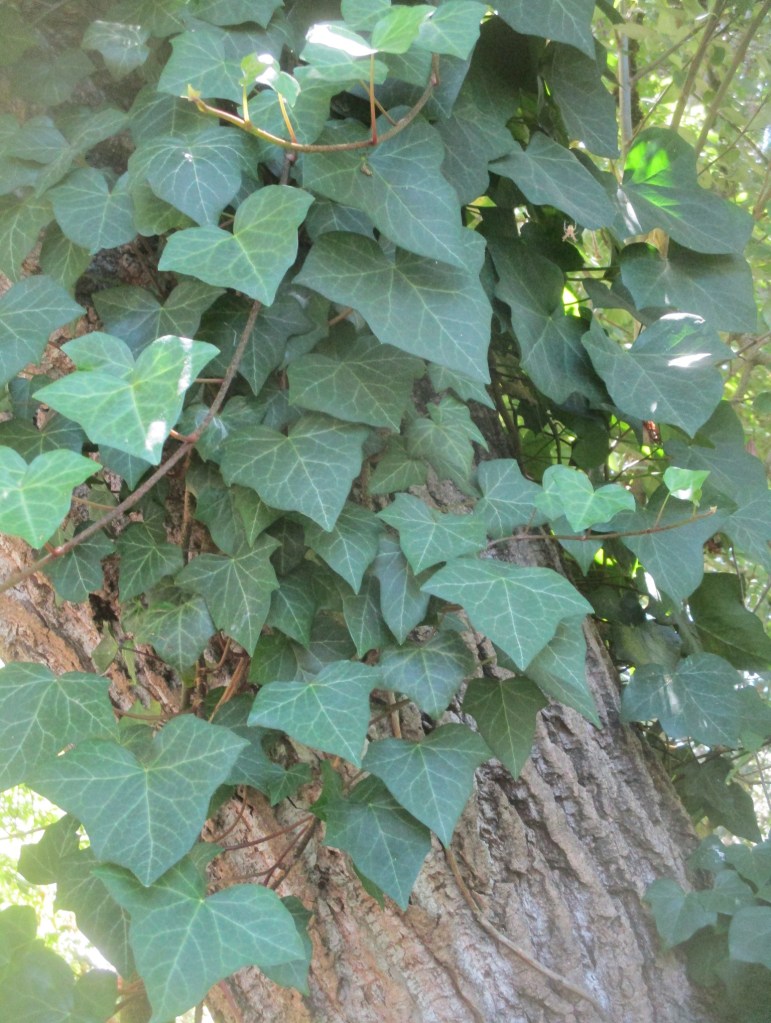
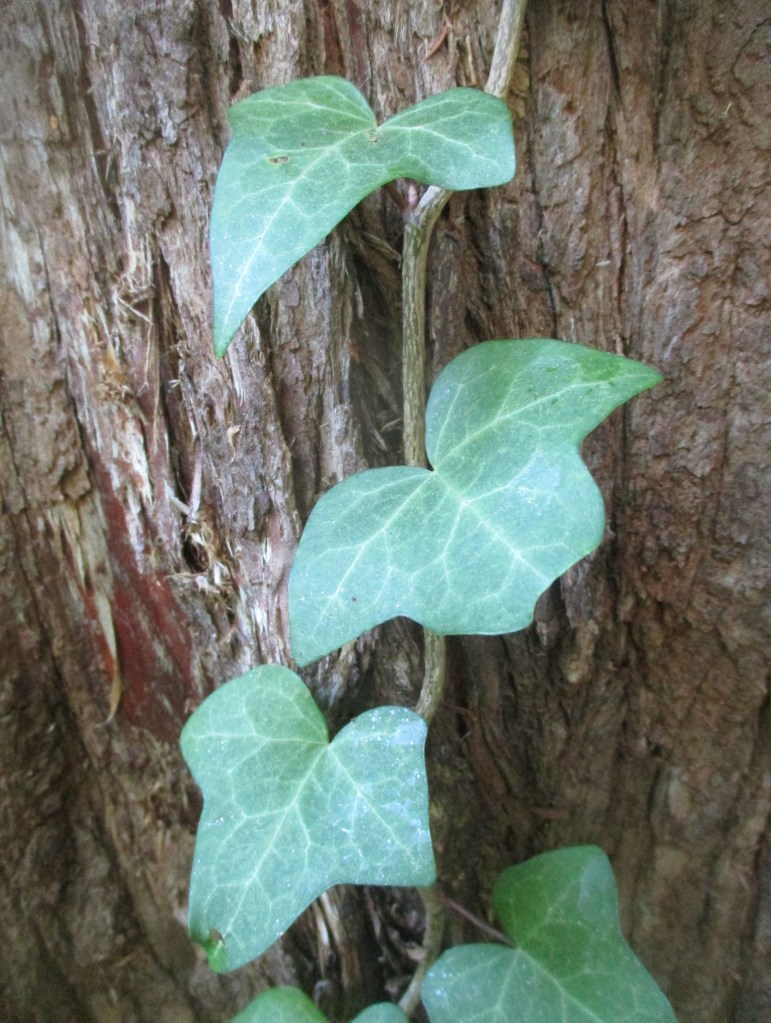
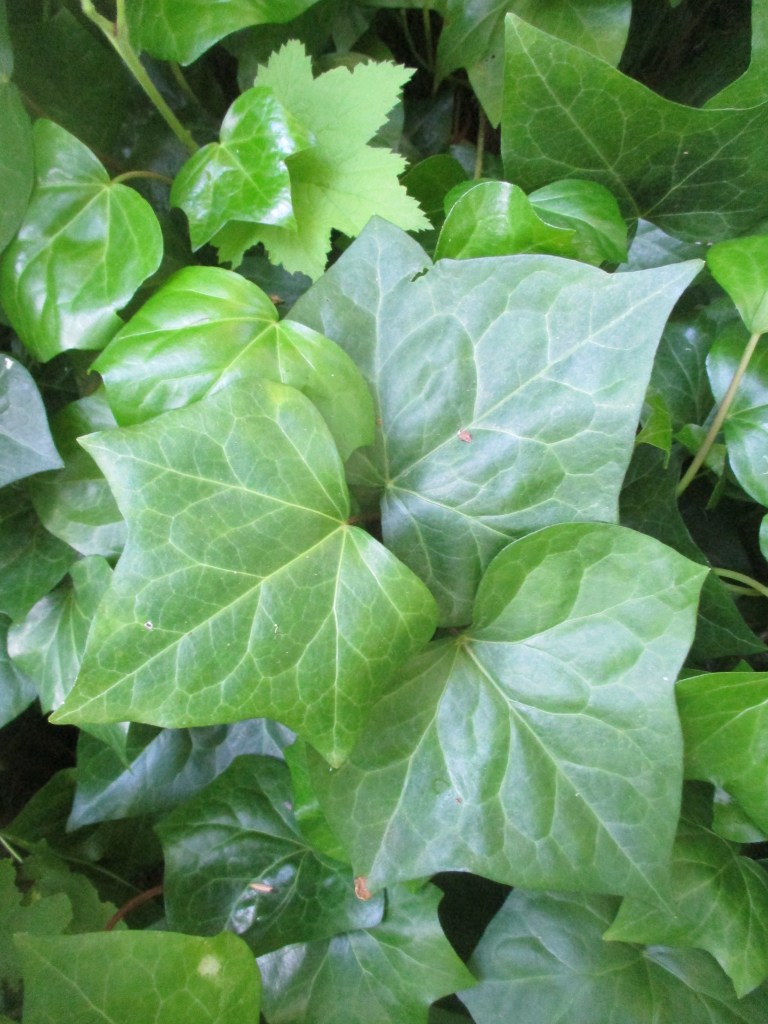
Juvenile growth of English ivy is mostly rather compact. Ideally, it is less than six inches deep. It gets a bit deeper where shaded. Leaves are as wide as three and a half inches. Stems develop roots where they touch the soil. Adult growth is shrubby, though, and can protrude several feet higher than its support. It blooms and produces small black berries.
‘Hahn’s’ is probably the most popular cultivar of English ivy because it branches so well. ‘Needlepoint’ has elegantly narrow foliar lobes. Cultivars with yellow or white variegation grow notably slower. They are popular as foliar components in big pots of mixed annuals and perennials. Some of the hundreds of cultivars are more popular as houseplants than outside.
Nature is competitive. Competition is natural. In the wild, vegetation competes for limited resources. Where sunlight is a limited resource within forest ecosystems, competition for it is fierce. Understory vegetation does what it can in the shade of taller trees. Taller trees strive to be the tallest for more sunlight. Vines are the most aggressive competitors of all.
Vines are blatantly exploitative. They rely on trees to do the work of growing to the top of the forest canopy. Then, they climb into and over such trees to grow even higher than the trees do. Some can overwhelm and even shade out and kill the trees that they rely on for support. Strangler fig literally strangles its hosts as it develops its own supportive trunks.
Vines climb with clinging roots, twining stems, tendrils, twining leaves or hooked thorns. Some are perennials or even annuals. Some sprawl over the ground while juvenile, and then climb as they encounter support. As they reach the top of their supports, such vines generate shrubbier adult growth. Then, such adult growth can bloom and generate seed.
English ivy, for example, is a practical groundcover plant in its juvenile form. However, it becomes a clinging vine when it finds support. It quite often climbs shrubbery, trees and buildings. If left unattended, it develops into shrubbier growth that blooms and produces seed. Such shrubby growth shades desirable vegetation, and on buildings, promotes rot.
Carolina jessamine, lilac vine, mandevilla and wisteria climb by twining stems. They are generally not as potentially destructive as clinging vines. However, they can crush lattice or small trellises. Wisteria can crush substantial trellises. Like English ivy, star jasmine is likely more popular as a ground cover. It performs double duty, though, as a twining vine.
Bougainvillea neither clings nor twines. It merely produces vigorously tall canes that flop over on top of their support. Long thorns help to anchor them into place. Therefore, such canes need a bit of help to climb trellises or other support. They must be tied in place or woven into their trellises. Various other vines exhibit various and distinct characteristics.
Boston ivy and creeping fig are good aggressive vines for freeway overpasses and sound-walls. They are resilient to harsh exposures and pollution, and help to muffle the sound of traffic. Boston ivy provides remarkable foliar color in autumn before defoliating in winter. Creeping fig provides thick evergreen foliage that overwhelms any graffiti that it can reach.
However, their aggressive behavior that is such an advantage on freeways is precisely why they are not so practical for home gardens. Boston ivy gets around so efficiently because it grabs onto surfaces with ‘holdfast disks’ (modified tendrils) that damage paint, stucco, wood and just about anything that is not built like a freeway. Creeping fig is at least as destructive with clinging aerial roots, as well as constrictive stems that can crush smaller plants, fences and anything else that it might grab hold of.
Most vines are aggressive in nature. They exploit trees for support, and then compete with them for space. Some are complaisant enough to mingle relatively peacefully with the trees that support them. Less honorable vines have no problem overwhelming the canopies of their supportive trees. Creeping fig and other related figs are known as ‘strangler figs’ because their constrictive roots and stems crush and kill the same trees that help them get above the forest canopy.
Such behavior needs to be considered when selecting vines for home gardens. Bulky and potentially constrictive wisteria vines that would tear lattice apart can be quite appealing on sturdy arbors or trellises. Lattice could instead be adorned with docile Carolina jessamine, lilac vine, mandevilla or even regularly pruned passion vine. Star jasmine and the various trumpet vines work nicely to obscure chain link fences. With regular selective pruning, pink jasmine, honeysuckle and potato vine work well on rail fences.
Climbing roses and bougainvillea do not climb on their own, but can be trained almost like vines. Some varieties stay small enough for low fences and trellises. Larger types are proportionate to larger fences and arbors.
Like so many fad plants that were formerly too popular, Algerian ivy, Hedera canariensis, now has a bad reputation. Ironically though, it earned its reputation for doing what it does best. It covers ground rapidly and efficiently. The problem is that it never seems to stop. It creeps anywhere it can, and climbs trees, fences and anything else that it can grab onto.
Aerial roots of climbing vines ruin paint and stucco, and accelerate rot of wooden fences and walls. Vines that get between planks or into cracks between bricks cause significant damage as they expand. Shrubby adult growth that blooms and produces seed develops where climbing vines reach the top of their support, or spontaneously in sunny locations.
Nonetheless, with diligent edging for strict confinement and to prevent climbing, Algerian ivy works well as a resilient evergreen ground cover for large areas. Once established, it excludes weeds, and tolerates quite a bit of shade. Shrubby adult growth is uncommon if vines can not climb. Climbing vines may be harmless on bare reinforced concrete walls.
Algerian ivy is neither as finely textured nor as shallow as English ivy. Its broader leaves are about six inches wide, with blunter lobes. They stand higher on longer and distinctly blushed petioles. Algerian ivy is rare in nurseries now, but inhabits old landscapes, from which it sneaks into adjacent landscapes. Variegated cultivars are slightly more passive.
Poison ivy is not native here. Neither is English ivy. However, English ivy, Hedera helix, is an aggressively naturalized exotic species. Even after it had been designated as a voracious weed in the region, it was installed in some of the landscapes here many years ago. It is so common here now that we know it simply as the standard ‘ivy’. Algerian ivy was planted too, but it is not quite so aggressive.
1. English ivy grew up and over this abandoned building, and accelerated the deterioration of the old roof. It would be pointless to remove it now. The building will eventually be demolished.
2. This building is not abandoned. No ivy was on this roof just a few days earlier. All this ivy did not grow up and over the building this aggressively since then, but fell from above. Surprise!
3. The yellow pointer shows where the dead redwood trunk that supported all the ivy broke and dropped the whole mess onto the roof at the bottom of the picture. It is about thirty feet up!
4. What a mess! This close up of the same broken dead redwood trunk shows another dead redwood trunk to the right, and a viable trunk with another dense ivy thicket in the background.
5. Surprisingly, this is the worst of the damage. It was likely impaled by the rotten redwood trunk. The ivy likely stayed connected to the rest of the thicket long enough to slow the descent.
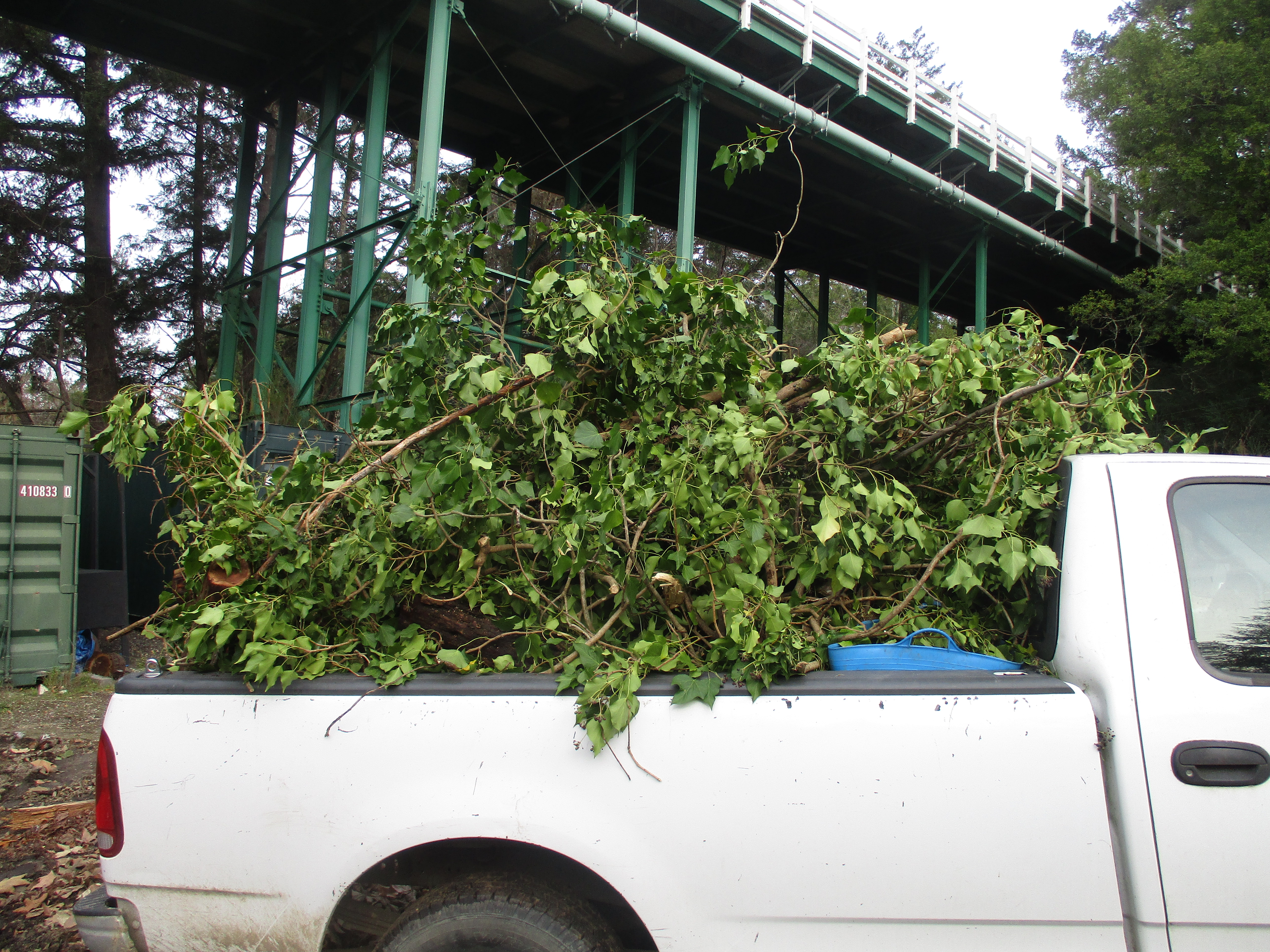
6. Even after getting Ginsu with saws and shears, and getting bounce-house with debris, the pulpy redwood trunk and ivy was still a full load. That was a lot of weight to land on an old roof!
This is the link for Six on Saturday, for anyone else who would like to participate:
Vines in the wild are downright exploitative. They do not support their own weight, so instead climb or sprawl over shrubbery and trees. Some are satisfied staying down below the canopy of the hosts who support them, as if aware that a healthy host will support them for a good long time. Many vines climb aggressively to the top and overwhelm their hosts, even if it eventually kills them.
There is nothing civil about the technique of the strangler figs, which incidentally includes two popular houseplants, fiddle-leaf fig (Ficus lyrata) and creeping fig (Ficus pumila). They wrap their hosts in networks of stems and roots that strangle the hosts as both the hosts and the clinging vines grow and expand. As the hosts die and rot, the vines develops into self supporting tree trunks.
That is how fiddle-leaf fig, as it is known as a houseplant, grows as a free standing tree rather than as a creeping vine. It is grown from cuttings from the self supporting adult growth rather than the creeping juvenile growth. Conversely, creeping fig is grown from juvenile vines, which find a support to cling to, and ultimately develop shrubby adult growth when they get to the top of the support.
English and Algerian ivies are not quite as aggressive, since they do not intend to kill their hosts. They are not often intentionally grown as vines, and are almost never planted anymore, but their juvenile growth still works as ground cover in many mature landscapes. One of the main problems with ivy is that it is constantly trying to climb walls and trees so that it can bloom and toss seed.
That is not such a problem on concrete walls, but ruins wooden and painted surfaces, and makes a mess of trees. Boston ivy (which is not really an ivy) lacks a juvenile ‘ground cover’ phase, but if kept off of painted and wooden surfaces, happens to work better on concrete infrastructures. It is important to know how a particular vine will behave before selecting it for a particular application.
Carolina jessamine, mandevilla, lilac vine and star jasmine are a few complaisant vines.
If more of us knew how vines compete in the wild, fewer of us would grow them in our home gardens. Understory plants that are satisfied with the sunlight that reaches them through a higher forest canopy are the most passive. Taller trees compete for sunnier exposure above. Vines are the most aggressive as they climb and overwhelm trees to get the best exposure on top of everything.
English and Algerian ivies happens to be among the more efficient of aggressive vines. While young, juvenile growth creeps along the ground searching for victims. Once it encounters something to climb, the stems develop aerial roots so that they can climb vertically. Once the climbing stems reach the top of the support, they develop shrubby adult growth that blooms and produces seed.
In home gardens, ivy is a popular and practical groundcover. However, if allowed to climb as a vine, it can root into walls and ruin paint. Even if the vines are removed, the unsightly aerial roots remain. The shrubby adult growth can overwhelm and even shade out and kill the trees or shrubbery that originally supported it. If it climbs onto a roof, it can accumulate debris and promote rot.
Creeping fig is even nastier. Its network of clinging vines grafts together as it grows, and then strangles the supportive trees as they continue to grow within the constrictive network of grafted stems. Yet, it and Boston ivy work nicely and harmlessly on concrete freeway sound-walls where their aggressive behavior is a major advantage, and their clinging aerial roots are not a problem.
Wisteria and red trumpet vine are considerably better behaved, but even they will crush lattice and anything else they wrap around. If they get into trees, they quickly grow out of reach. They may seem to be more appealing than the trees that they climb are, but can strangle and kill substantial limbs. Even without aerial roots, red trumpet vine clings with holdfast discs that damage paint.
Even though many vines are practical for home gardens, their personalities need to be considered. Star jasmine and honeysuckle can either grow as groundcover or as climbing vines. They can get big, but are not often destructive. Potato vine works nicely on fences, but gets aggressive in trees. Carolina jessamine, lilac vine and mandevilla are some of the more complaisant of vines.



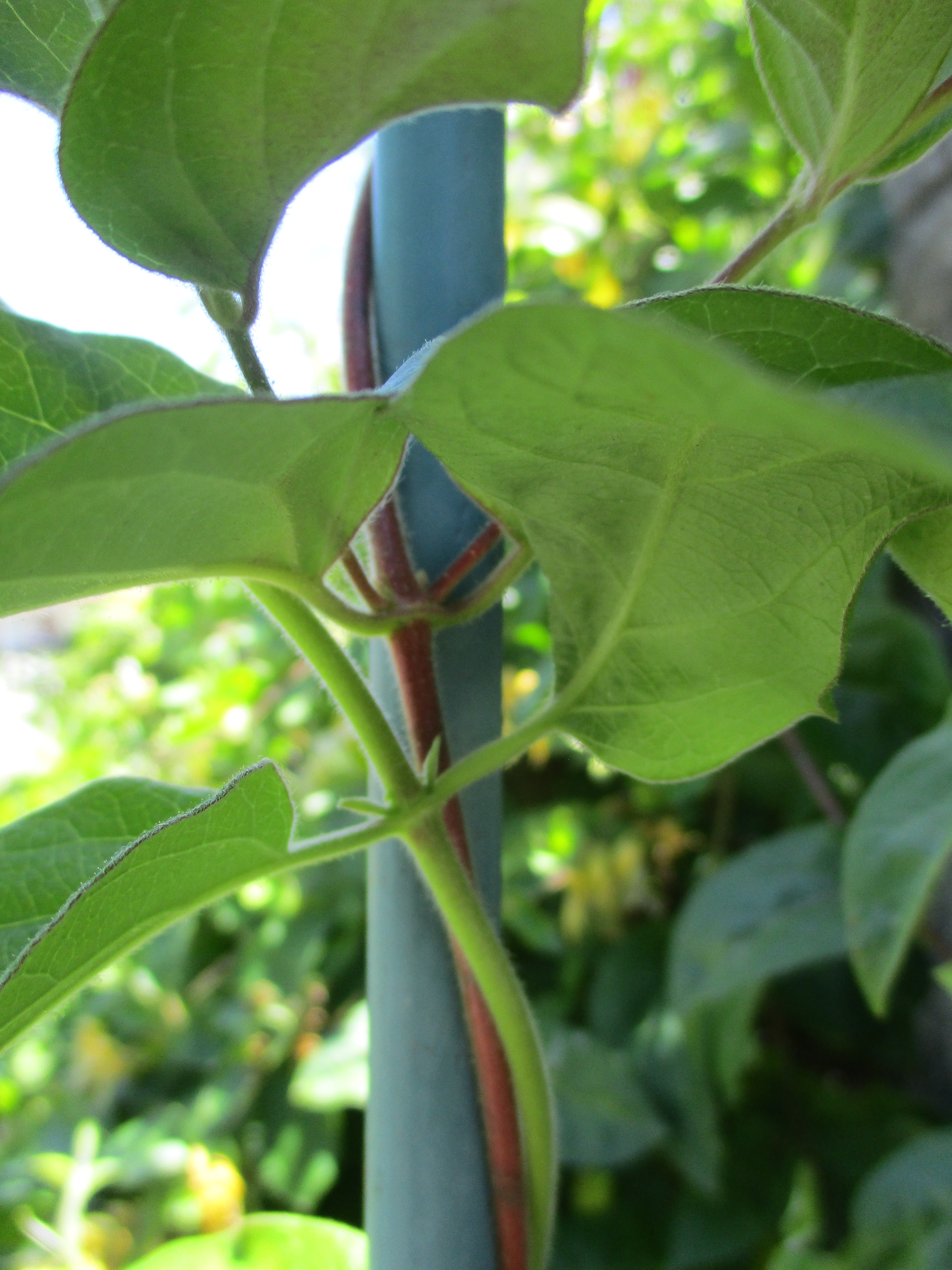 Vines in the wild are downright exploitative. They do not support their own weight, so instead climb or sprawl over shrubbery and trees. Some are satisfied staying down below the canopy of the hosts who support them, as if aware that a healthy host will support them for a good long time. Many vines climb aggressively to the top and overwhelm their hosts, even if it eventually kills them.
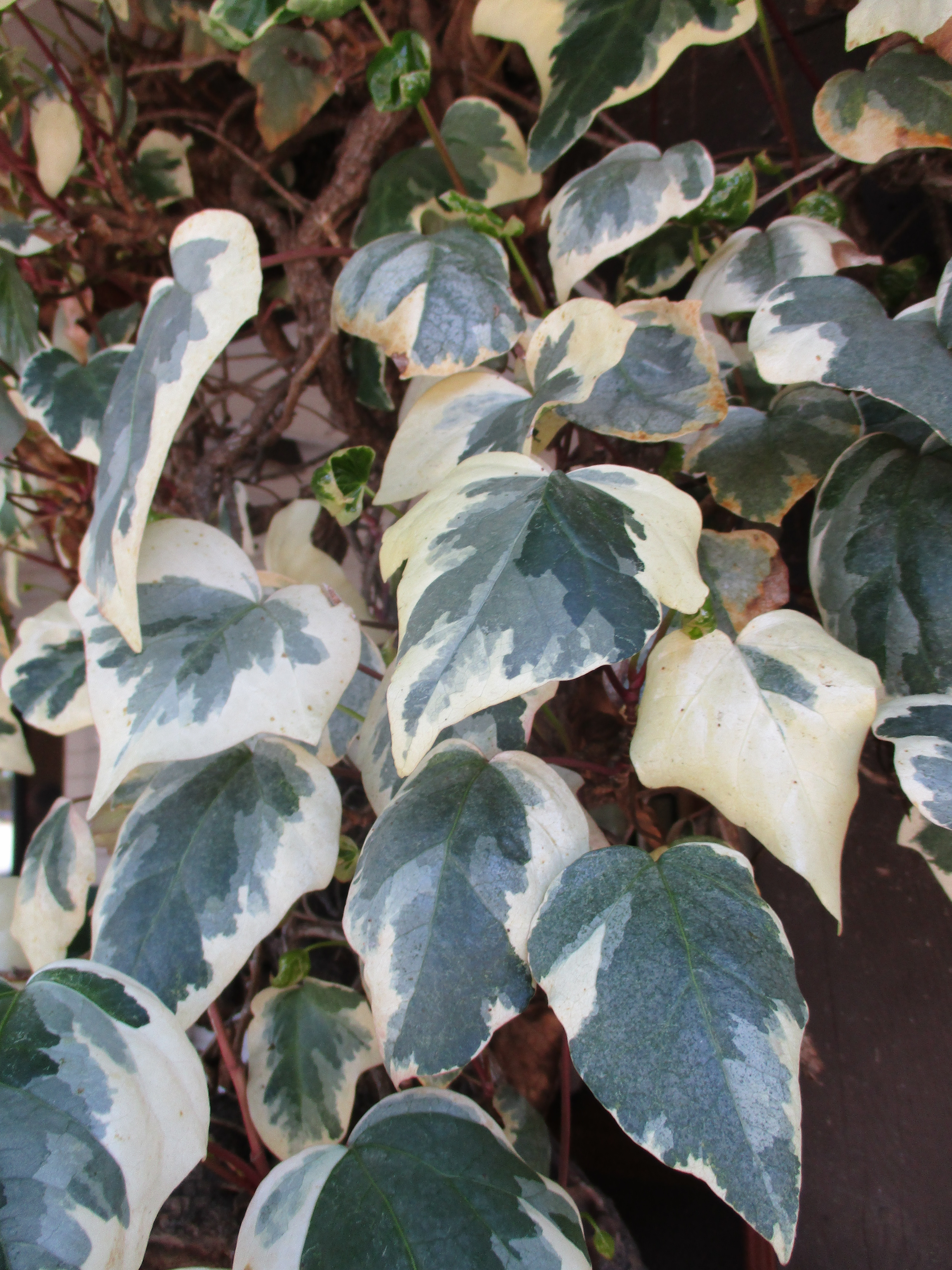 If more of us knew how vines compete in the wild, fewer of us would grow them in our home gardens. Understory plants that are satisfied with the sunlight that reaches them through a higher forest canopy are the most passive. Taller trees compete for sunnier exposure above. Vines are the most aggressive as they climb and overwhelm trees to get the best exposure on top of everything.
