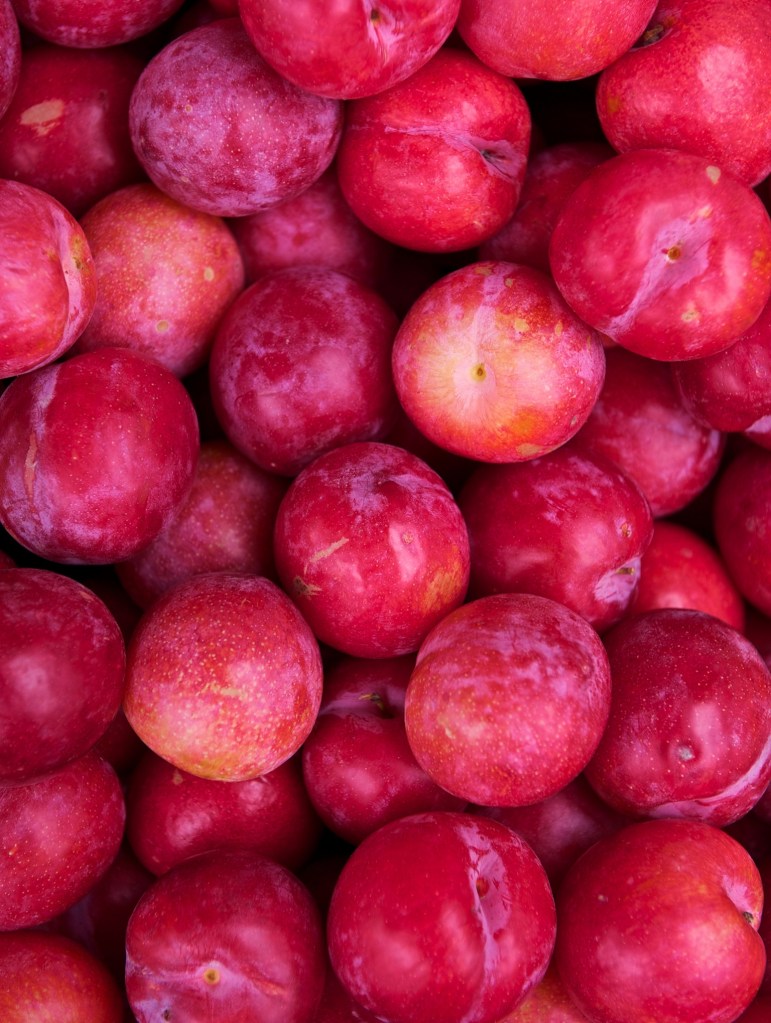
Why are more urban shade trees not fruit trees? Urban landscapes could produce much more food than they already do. It could be so nice to be able to pick fresh fruit from trees in parks or flanking streets. After all, this region formerly sustained orchards of fruit trees. It could certainly sustain more fruit trees again. Why waste space on mere shade trees?
Many cities in California sustain more trees than they naturally did prior to urbanization. Both San Jose and Los Angeles were chaparral grassland with only isolated woodlands. Their urban trees are now more numerous than native trees were only two centuries ago. The same applies to several urban areas, including San Diego, Bakersfield and Fresno.
Trees are not only more abundant than they naturally were. They are also more practical. They perform specific functions. Those that are street trees must develop high canopies, and need minimal maintenance. Those in parks must be broad enough to create shade. For many reasons, fruit trees are impractical for such applications in public landscapes.
Fruit trees generally require significantly more maintenance than typical shade trees do. Deciduous fruit trees require specialized dormant pruning each winter. Without adequate pruning, their limbs become overburdened with fruit and break. Such pruning is very time consuming. It also necessitates cordoning off space below trees during the procedures.
Also, fruit trees are significantly lower than shade trees. This facilitates both specialized pruning, as well as collection of fruit. Street trees and most shade trees are much higher for clearance below. With the same clearance, particularly over roadways, fruit would be out of reach. Limbs that are low enough to produce fruit within reach would be obtrusive.
Fruit that is out of reach becomes messy below. For street trees, it becomes a slip hazard on paved surfaces. Furthermore, fruit attracts unwanted wildlife, including rats, raccoons and opossums. Ultimately, trees selection should be appropriate to specific applications. Fruit trees are better within private home gardens. Shade trees should not produce fruit.




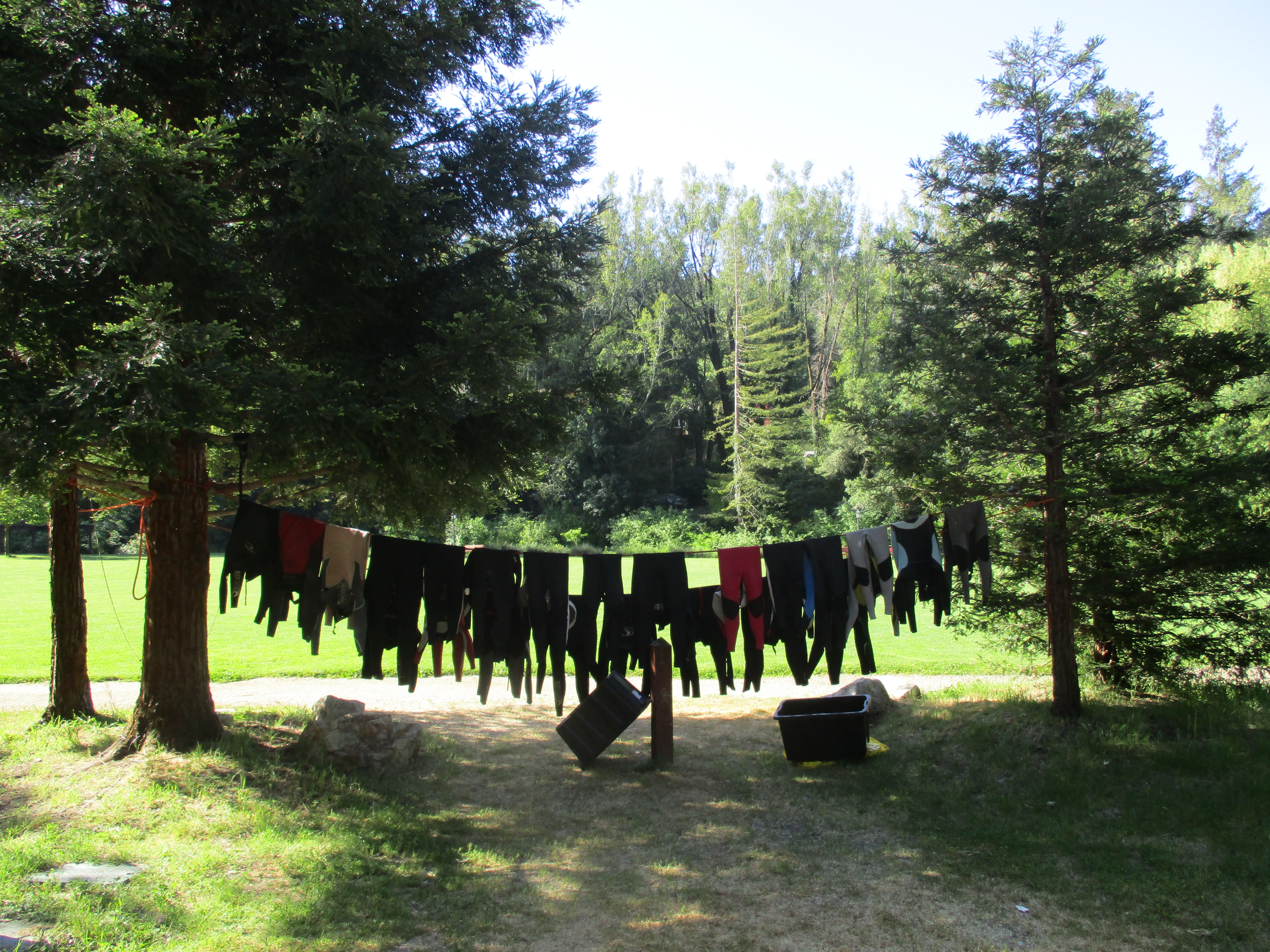
 Batman and Robin were here!

 I am no designer. I am merely a horticulturist. I grow things, and I know how things should be grown in landscape situations.
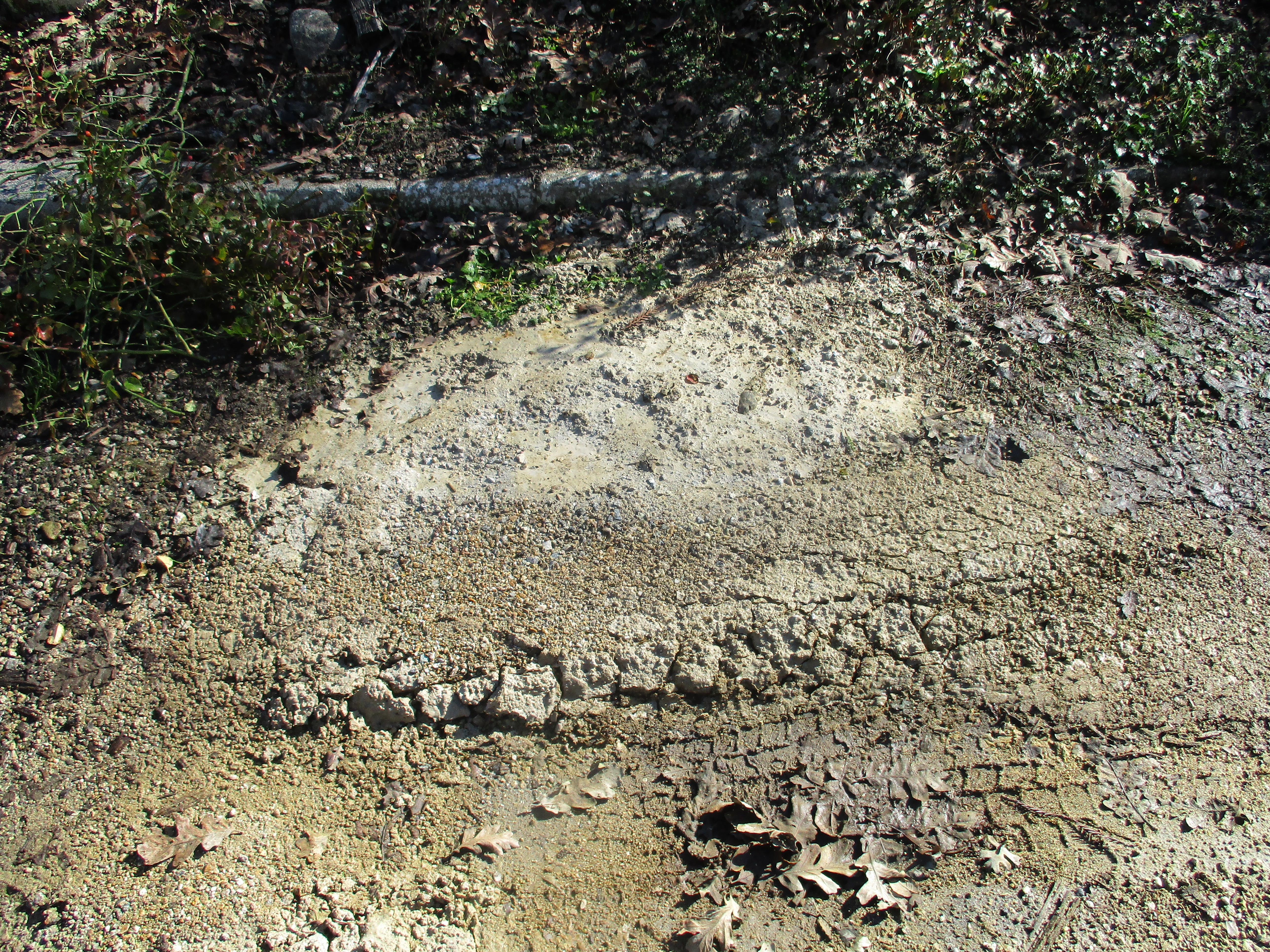 This is likely the worst illustration that I have ever used. It is sort of what it looks like; a mud puddle. What I mean by ‘sort of’ is that this is no ordinary mud. It is a now solidified slurry that was rinsed from a concrete delivery truck. Yes, solidified, right there next to an embankment covered with carpet roses. The curb near the top of the picture is where the embankment starts. The small pile of debris to the upper left is some of what I was pruning from the roses. There was another solidified puddle of slurry just a few yards away. They were just dumped there as if no one would notice.
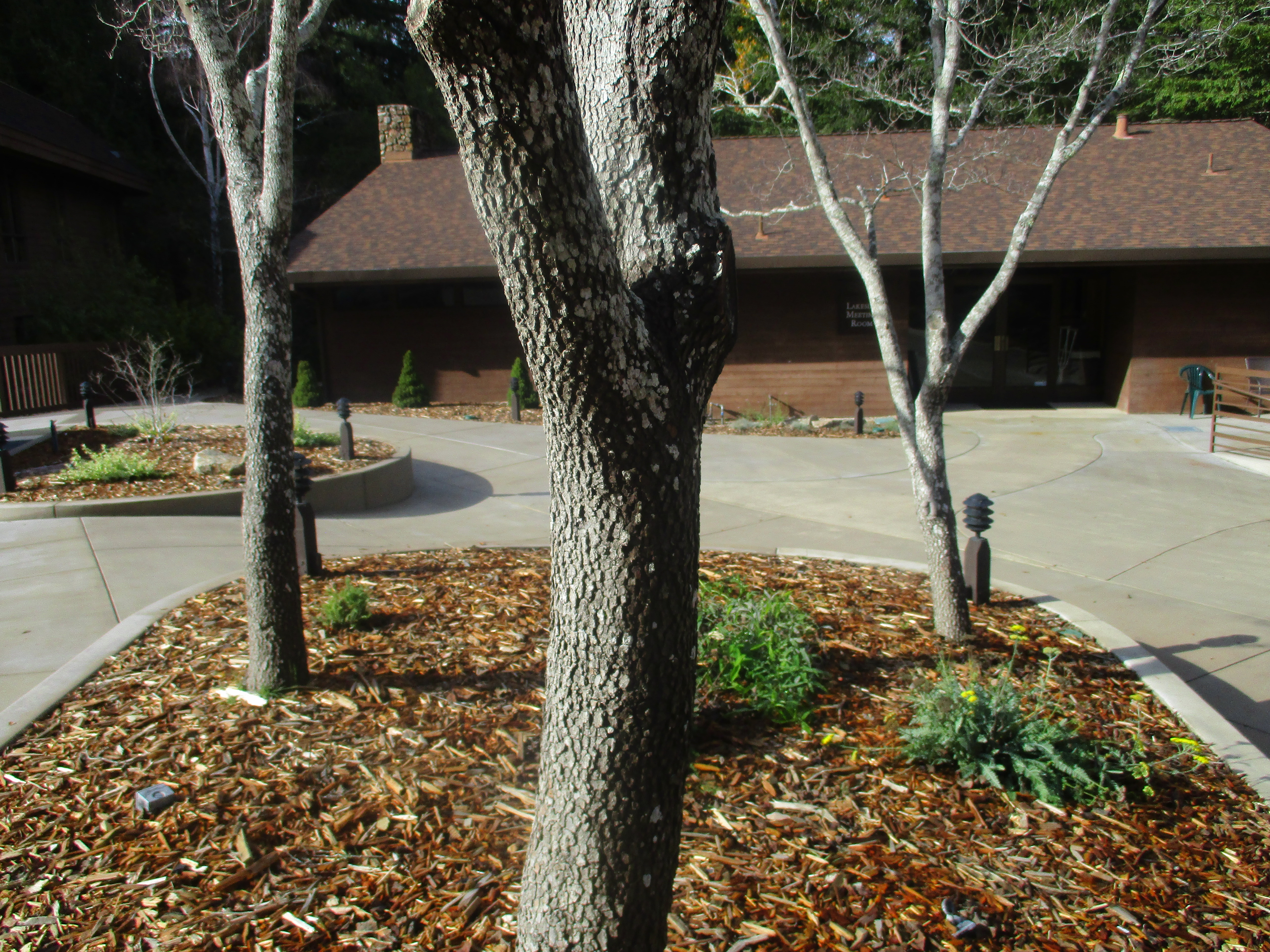 We learned it young from Schoolhouse Rock. Those of us who studied Landscape Design were compelled to learn why, and assume that it is always true.

