
Spring bulbs prefer an earlier start, and several appreciate a bit of winter chill. Summery bulbs, or summer bulbs or late bulbs, prefer a later start to avoid such chill. Most tolerate minor frost, but none benefit from it. If too early, some can start to decay while waiting for warmer weather. Some can grow prematurely, and perhaps incur damage from late frost.
Summery bulbs are in season now because they take a bit of time to grow. The potential for frost should be minimal as their foliage emerges above their soil. Once established in their first seasons, many could stay in their gardens indefinitely. They should be resilient to minor frost by their second seasons. Most that incur damage should recover efficiently.
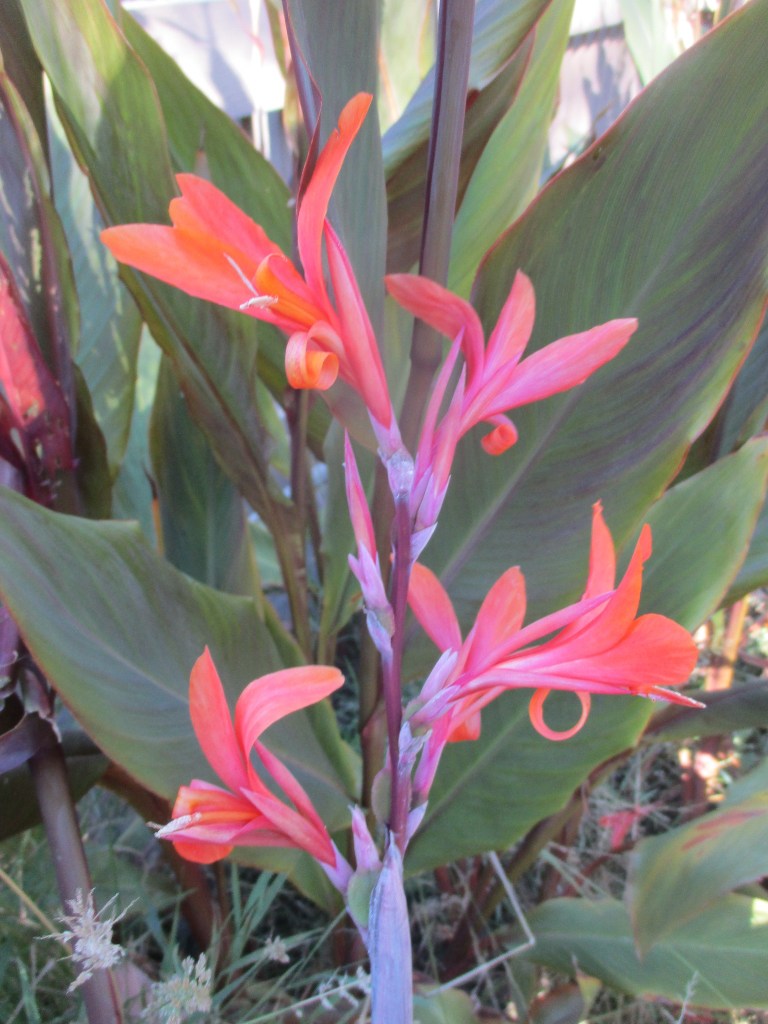
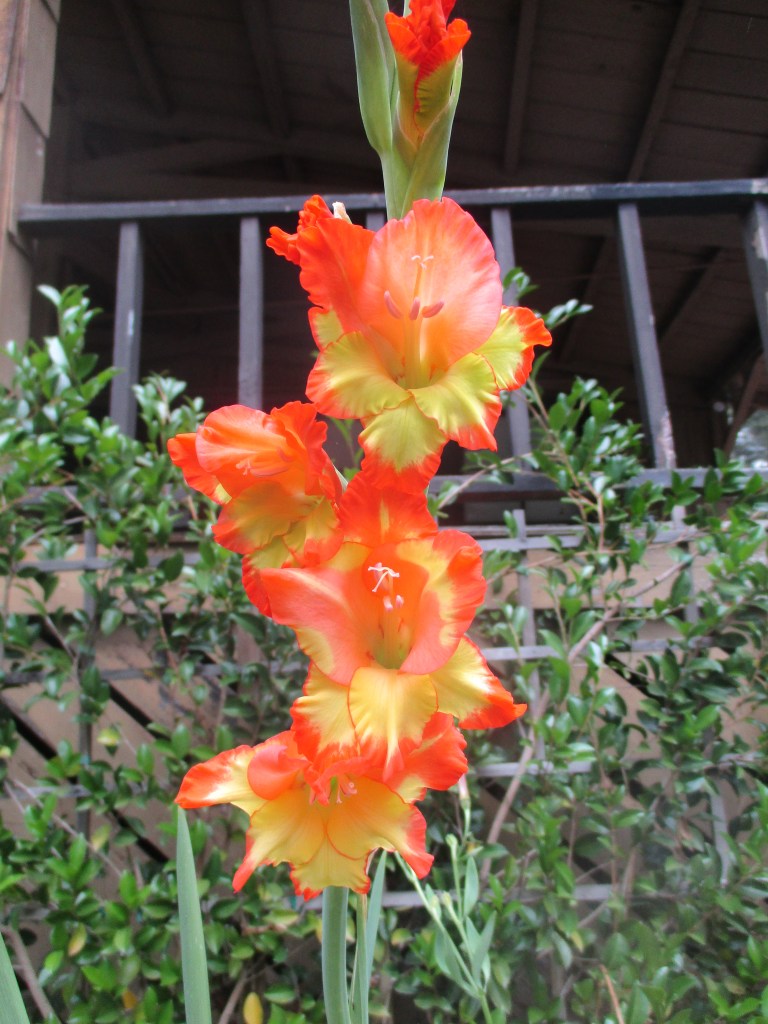
However, many summery bulbs are not reliably perennial. Cannas and gingers can grow aggressively enough to become invasive. Gladiolus, though, may bloom half as much for subsequent seasons until none remain. Some who like to grow dahlias prefer to dig and store the tubers through winter. This is more likely to protect them from rot than from frost.
Incidentally, few summery bulbs are actually bulbs. Most are perennial rhizomes, corms, tubers or tuberous roots. Some, especially those that grow from tubers or tuberous roots, bloom longer. Those that grow from bulbs, corms and rhizomes mostly bloom only once. Succession planting prolongs their first bloom seasons, but they synchronize afterwards.
After their summer bloom seasons, most summery bulbs defoliate for a winter dormancy. This is actually why they are in season now. After all, winter dormancy is the best time for transplanting, division and thinning. Cannas and gingers could try to retain some foliage through winter. Cutting it all back might be easier than grooming it from new foliage later.
Dahlias might be the most popular of summery bulbs. Cannas and gingers are likely the second most common. Alliums and old fashioned tuberous begonias are becoming more popular. Tuberous begonias are not so easy to grow, though. Crocosmias are too easy to grow, and are invasive. Alocasias and colocasias provide colorful and boldly big leaves.

 Tony Tomeo