Division Can Equate To Multiplication

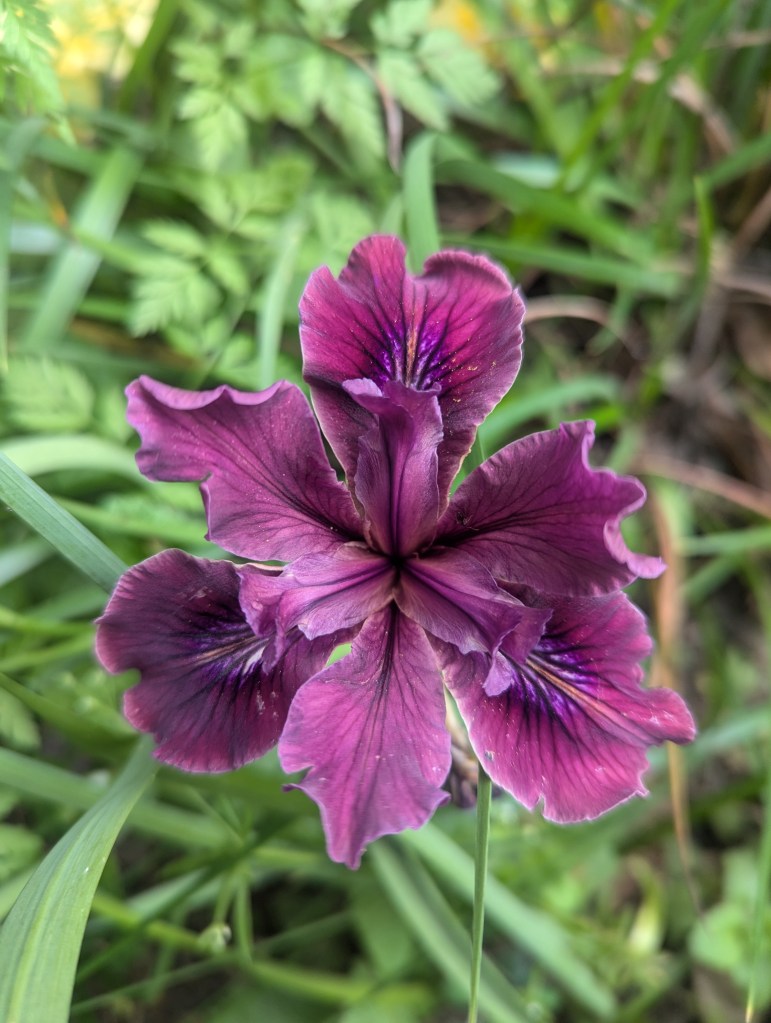
Pacific Coast iris eventually appreciates division.

Propagation produces more plants from minimal and readily available resources. Within home gardens, propagation is practical by seed, cutting, layering or division. Seed which is not available directly from the garden is generally not very expensive. Cutting, layering and division utilize what already lives within the garden. In other words, the stock is free.

Seeding produces genuinely new plants. Other forms of propagation produce genetically identical copies of their parent plants. Cutting compels pieces of stem to grow new roots. Layering does the same, but while pieces of stem remain attached to their parent plants. Division involves separation of portions of stems that already developed their own roots.

Most species that are conducive to division are substantial perennials. Flowering quince and lilac, though, are woody shrubs that produce dividable suckers. Most division should happen during late summer or early autumn. However, several species prefer late winter. Deciduous species, like lilac and flowering quince, prefer it during their winter dormancy.

Shasta daisy, lily of the Nile, daylily and coneflower prefer division during late summer. It is after their bloom and summer warmth, but before cool weather of winter. They disperse their roots through winter to resume growth even before spring. Bearded iris are ready for division a bit earlier, and resume growth by autumn. They are then ready for early spring.

Division of phlox and penstemon should be a bit later, when they get cut back. Bergenia blooms for winter, so should not be disturbed until late winter. Torch lily might bloom late, so also prefers to wait until late winter. New Zealand flax recovers from the process more efficiently after winter. It grows slowly during wintry weather, so is more susceptible to rot.

Daylily is easy to divide by simply digging and separating foliar rosettes from each other. Lily of the Nile is as simple but more work because of tough roots. Shasta daisy involves cutting apart clumps of its matted basal stems. Each clump, which may be cut away with a shovel, contains several such stems. Newly divided plants might bloom better because they are not quite so crowded.
Propagation Produces More Garden Plants

Many species propagate reliably by seed.

Seed is the most familiar option for producing new garden plants. Division of perennials, especially overgrown colonies, is another familiar technique. More substantial plants are easier to grow from cutting or layering. Propagation is any process of producing plants. It is how nurseries generate such plants. Some techniques are practical for home gardens.

Propagation by seed is the most practical for most annuals. It is also practical for several perennials and woodier plants. However, not all seed is true to type. Some may become progeny that is different from its parents. After a few generations, ‘Jewel Mix’ nasturtiums revert to orange and yellow bloom. Progeny of most variegated plants lacks variegation.

Propagation by division is more practical for many perennials that form distinct colonies. This includes crowded bulbs. It entails separation of portions of such colonies, or merely single rhizomes. Such portions need only enough root to grow as new plants. Progeny of division are genetically identical to their single parent plant. They therefore do not revert.

Propagation by cutting is the most common technique of propagation among nurseries. It involves cutting pieces of stems and compelling them to grow roots in rooting media. For small scale home garden applications, some of such stem pieces can root in water. Such pieces, or cuttings, are genetically identical to their original parents. They can not revert.

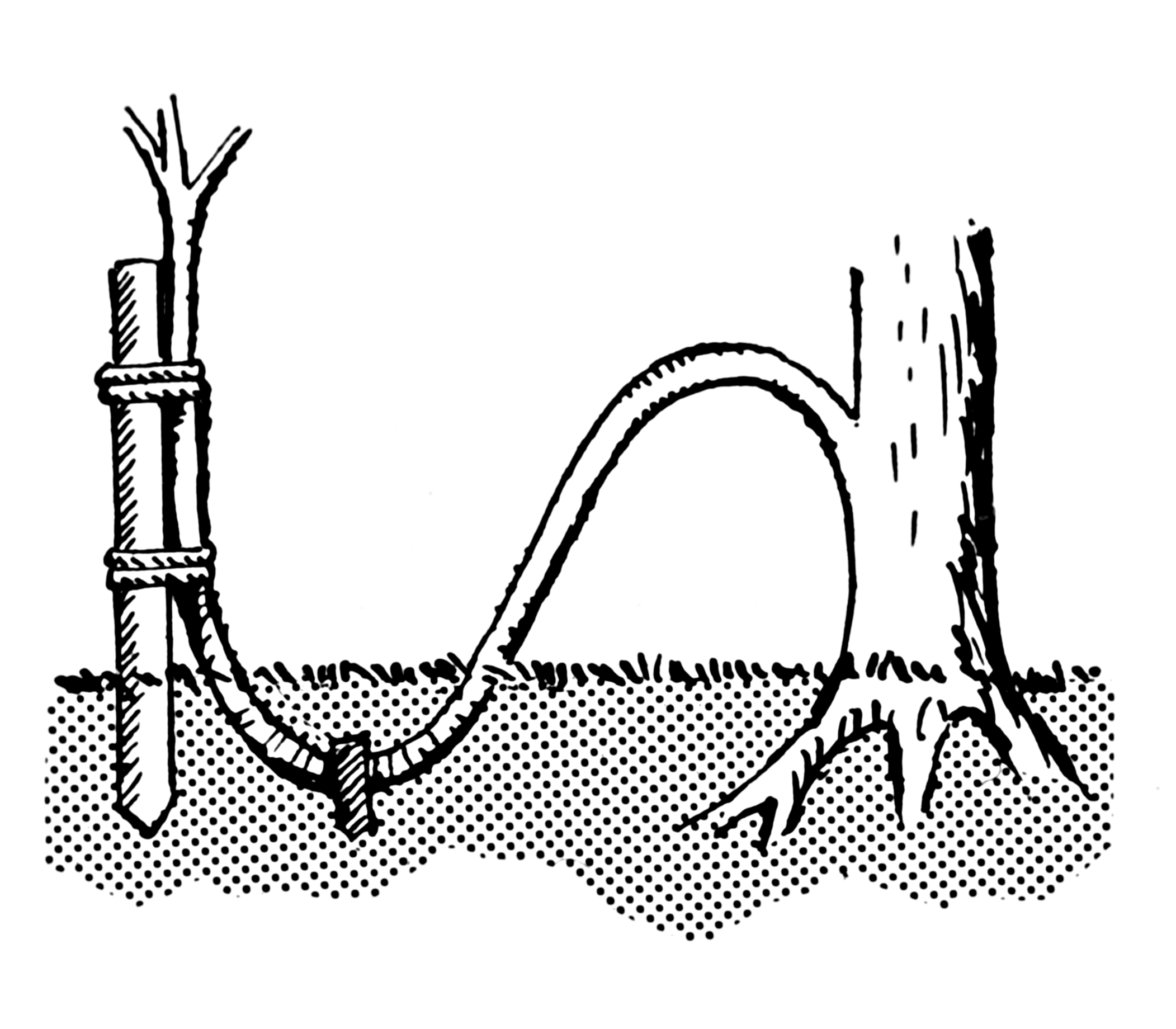
Layering is rather similar to propagation by cutting. Stem pieces remain attached to their original parents during the process though. Burying a portion of stem with its tip exposed stimulates root growth where it is buried. Such stems eventually develop enough roots to sustain themselves after separation. Layering is practical for producing just a few copies.

Propagation is certainly more involved than these brief descriptions imply. It may involve other techniques. Grafting involves assembly of two or more distinct cultivars onto single plants. Rootstock grows from seed, division, cutting or layer. Scions are buds or stems of other cultivars. They graft onto the rootstocks to become the upper portions of the plants.

Sustainability Sometimes Needs Help

Some perennials naturally last longer than others.

            As much as I like to remind everyone of how easy it is to perpetuate many of their perennials for ever, and to share with their friends, neighbors, children, grandchildren, great grandchildren and so on, there are just some perennials that are not meant to last. I do not mean that they can not last; only that they are not as easy to sustain as others are. For most of these not so easy to sustain perennials, the original plants actually die completely, so will only be sustainable if replacement copies are propagated by cuttings or layers before the demise.

             Many of the very easy to grow daisies and daisy relatives are actually not as self sustaining as they should be. Clumping gazanias can actually rot out in the middle after a few years. Before this happens, it is rather easy to propagate replacement plants from division of mature clumps, or to take small cuttings, even though clumping gazanias do not often need to be pruned. Alternatively, side shoots can be layered (pressed into the soil to form roots) right next to parent clumps. Only a few replacements are necessary, but without them, clumping gazanias eventually die out.  

            Even trailing gazanias can eventually die out. Because they sometimes need to be pruned around the edges, there is a regular supply of material to make cuttings to patch bald spots. To get bigger cuttings, I actually like to delay edging until the plants look shabbier than they should around the edges; but my neighbors do not mind. (At least they do not tell me if they mind.)

            Shrubby marguerite daisies (not blue marguerites) and euryops likewise need to be replaced every few years. If there is enough space, outer stems that lay on the ground can be layered. It is best to bury each layered stem in a small hole, and then hold it down with a stone or brick. The layered plants may not be so symmetrical when the parent plants die out, but should fill out nicely. The fourteen euryops in the long park-strip in front of my home did not have enough space for layering, so died a slow, miserable and unsightly death until I finally removed them. If I had planned better, I would have taken cuttings to replace them.

            It is a surprise when pink breath of Heaven (Coleonema or Diosma pulchrum) or coyote brush dies suddenly, because they are really woody shrubs. (Although coyote brush is actually of the family Compositae like gazanias and daisies, etc.) Various ceanothus live longer, but not much longer. These woody shrubs are not so easy to layer, and quite difficult to root from cuttings, so often get replaced with new plants from the nursery, or different plants.  

Layering Can Copy Favored Flora

Ivy can grow roots almost anywhere.

Seed is the most familiar method of propagation. However, some popular plants produce no viable seed. Some produce seed that is genetically very different from its parents. For many plant varieties, only vegetative propagation reliably produces similar copies. Such copies can grow from division, cuttings or layering. They are genetically identical clones.

Layering is uncommon for nurseries because it is generally insufficiently productive. It is unpopular for home gardening because it seems complicated. It is actually more reliable for many species than cuttings are. Also, layering is quite practical if merely a few copies are sufficient for home gardening. Realistically, it is not as complicated as it seems to be.

Layering is simply the development of roots where stems lay on the soil. All sorts of flora does it naturally without intervention. For example, ivy vines notoriously develop roots as they extend over the ground. Tips of raspberry canes develop roots where they leap over to reach the ground. These rooted tips grow replacement canes that repeat this process.

With a bit of intervention, several species that do not commonly layer can do so also. For some, it can be as simple as pressing a lower stem into moist soil. Application of rooting hormone to exposed cambium accelerates layering for most. Gouging into the underside of the buried portion of stem exposes its cambium. Tip growth must remain above grade.

For most species, the buried portions of layering stems should be a few inches in length. Extra stem length is no problem. Actually, if stems are long enough, they can be situated into their permanent locations. Stems can layer right below grade, but they prefer to be a few inches deeper. While their roots develop, they require irrigation for evenly moist soil.

The few inches of foliated tip growth above grade sustains actively layering stems. Also, remaining intact cambium provides sustenance from the original plant. Only a few stems can layer simultaneously, but that is enough for most gardens. Hydrangeas, azaleas and camellias layer quite easily. Pines, oaks and eucalyptus do not. Layers should develop quite a few roots before separation.

Cuttings Become Copies Of Originals

Elderberries grow efficiently from hardwood cuttings.

Seed is the most familiar source of much of the vegetation that inhabits home gardens. It is the origin of almost all vegetables and most annual flowers. Some seed grows directly into its gardens. Some grows in nurseries to become saleable young plants. Seed is not the only method of propagation though. Cuttings, division and layering are as productive.

Cuttings, as well as divisions and layers, are genetically identical to their single parents. Unlike seed, which are products of two parents, they lack potential for genetic variation. Division is the separation of stems with roots from perennials or clumping woody plants. Layering is the rooting of stems by partially burying them while attached to their parents.

Cuttings grow simply as pieces of stem within moist rooting medium such as potting soil. They initially lack roots and perhaps foliage. They develop new roots and foliage as they grow. Their medium must remain moist throughout the process. For many plants, rooting hormone accelerates root initiation. Some species can grow roots as they soak in water.

Hardwood cuttings are mostly from deciduous species as they defoliate for winter. Those from last winter are developing now. Evergreen hardwood cuttings retain some foliage through their winter dormancy. Softwood cuttings can be either deciduous or evergreen. They involve fresh new growth, so can begin as soon as such growth is mature enough.

The lower cuts of cuttings should be just below a node. Upper cuts should be just above a node. Terminal cuttings are tips of stems without upper cuts. Each cutting must include at least two good nodes. Some species may need cuttings to be several inches long in pots. Most grow better from small cuttings that fit into flats. Some can go directly into a garden. Cuttings should lack leaves below the level of their rooting medium.

Softwood cuttings generally require humidity to help compensate for their lack of roots. Most also appreciate partial shade. Evergreen hardwood cuttings appreciate the same as weather gets warmer and drier. Warmth from a heating mat below pots or flats might accelerate rooting. Many species are difficult or impossible to grow from cuttings though.

Six on Saturday: New Photinia

Renovation of an old photinia hedge on the main road at work has been more work than it should have been. It was too overgrown for simple shearing. I pruned it up as a row of small trees, with the intention of eliminating their upper canopies as basal watersprouts grew upward from the newly exposed trunks below. Well, water sprouts did not grow as readily as I hoped for. The trees were cut down while the hedge below was still scrawny. As planned, I layered a tall water sprout as a replacement for one of two missing shrubs, but needed to replace the other with the naturally layered specimen from another hedge. (Layers develop roots where they touch soil, while attached to their original specimens.)

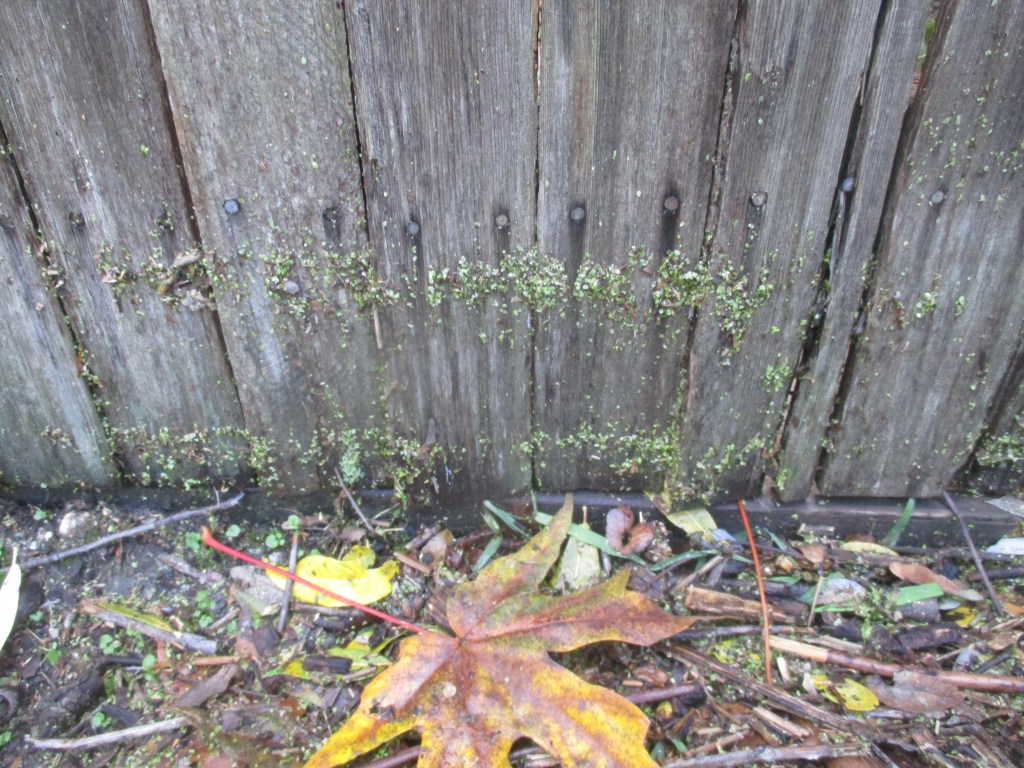
1. Rain! The first storm of the season came and went about two weeks ago. The drainage pond flooded about two feet over its spillway! This duckweed was left on a nearby fence.

2. Controlled burns resume now that the beginning of the rainy season is also the end of the fire season. There has been no more rain since the first storm, but forests are damp.

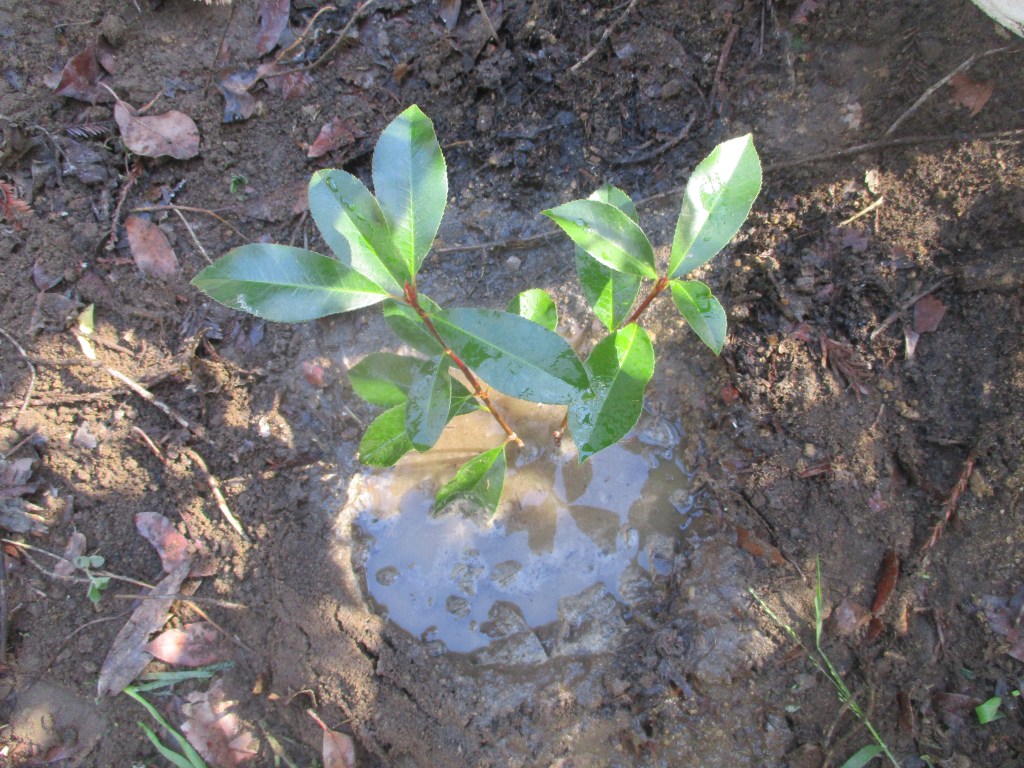
3. Damp ground and cooler weather facilitate planting within areas that lack automated irrigation. This layered photinia stem got relocated from one old hedge to patch another.

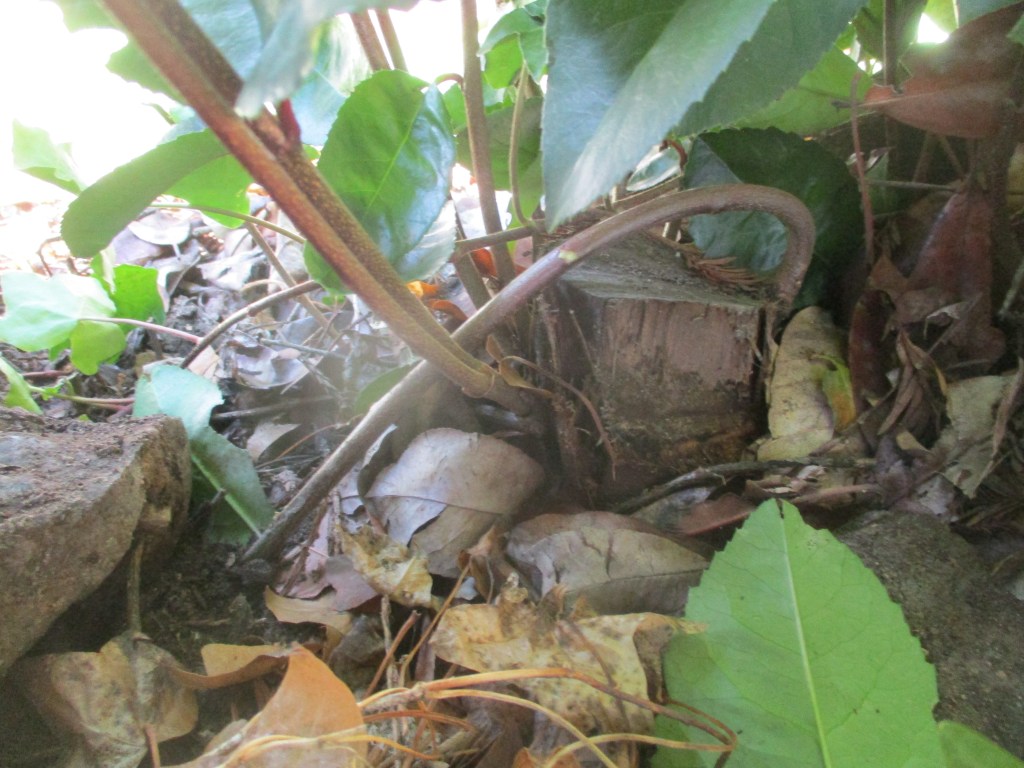
4. It was not enough though. To compensate for lack of another, I simply made a second layer by bending over and mostly burying a vigorous water sprout of an adjacent stump.

5. A new photinia can now grow where the tip of the mostly buried water sprout emerges from the soil. I am very pleased with the very uniform spacing of all specimens involved.

6. Meanwhile, I plugged a rooted sucker of an ungrafted historic flowering cherry within the decayed center of the stump of the now deceased original tree. It could replace itself!

This is the link for Six on Saturday, for anyone else who would like to participate: https://thepropagatorblog.wordpress.com/2017/09/18/six-on-saturday-a-participant-guide/

Layer To Propagate Favorite Plants

Ivy takes root as it grows.

Ivy is creepy. It creeps everywhere. As it does so, it extends roots into or onto whatever it creeps over. Not only does it do this to climb, but it also does this to propagate. It literally roots as it goes, to function more as a swarm of countless small plants instead of a single big plant. A bit of well rooted stem may grow independently from the original as a ‘layer’.

Many vines do the same, even if they are normally climbing vines that just happen to fall onto the ground. A few shrubs and trees, especially riparian sorts, are happy to do it also if lower limbs lay onto damp soil. Such a rooted stem is known as a layer because it lays on the ground to root. In a home garden, a layer might root below a layer of mulch or soil. 

In fact, many plants in home gardens are easy to propagate by intentional layering. Many develop roots more reliably if layered than if propagated from cuttings. They grow almost like cuttings, but while attached to the original plants to sustain them. Layering produces only one or a few new plants, unlike cuttings, but for most home gardens, that is enough.

Some plants are easier to layer than others. Pines and most eucalypti are uncooperative to the technique. Rhododendrons, azaleas and camellias layer relatively easily, but may take more than a year to finish. Elms and magnolias are even happier to layer, but rarely retain low stems. Some plants layer best after spring bloom. Others layer through winter.

An intentionally layered stem should be partially buried, with a few inches of stem below the soil, and a few inches of the tip of the stem protruding above the soil. Notching about a third of the way through the underside and applying rooting hormone promotes rooting. Regular watering is necessary through the process, which continues at least until winter. 

Catmint

50527
Catmint is mellow like old denim.

Not to be confused with closely related catnip, catmint is a resilient perennial for sunny and warm spots. Nepeta faassenii had always been the more familiar catmint. Modern varieties include a few other specie and hybrids. The various catmints work like the various lavenders or trailing rosemary, without getting so shrubby.

Unless they lean on something or climb through shrubbery, stems do not often get any higher than a foot as they spread to two or three feet wide. A few stems around the edges can grow roots through winter, to spread more the following year. New plants are easy to propagate by division of some of the rooted stems before spring.

The diagonal flower spikes that bloom most profusely as weather warms in spring are the color of faded blue denim. Some catmints bloom white or pink. The finely textured foliage is grayish green, although some varieties of catmint have chartreuse or greener foliage. Spent bloom can get shorn off to keep new foliage neat.

Six on Saturday: Forsythia Division


Stems that develop roots to grow into new plants as they lay on the ground are known as ‘layers’. Because cane berries develop tall vertical canes that seem to leap as they arch over to touch the ground and root in, the new plants that develop where they do so are known as ‘leapers’. I sort of think that ‘layers’ sounds more like reliable hens than self propagating plants. I also sort of think that ‘leapers’ just sounds funny.

A big forsythia at work had become overgrown with several layers or leapers. I am not really sure which they are, but there was quite a mess of them. We needed to remove the superfluous plants. Also, we wanted a few forsythias in other parts of the landscape. Well, you can figure this out. We decided to kill two layers with one stone . . . or something like that. We decided to pull up the unwanted layers or leapers in one area, and plant them where they were actually desired. We decided to get it all done just prior to a big storm that would help settle the new plants in.

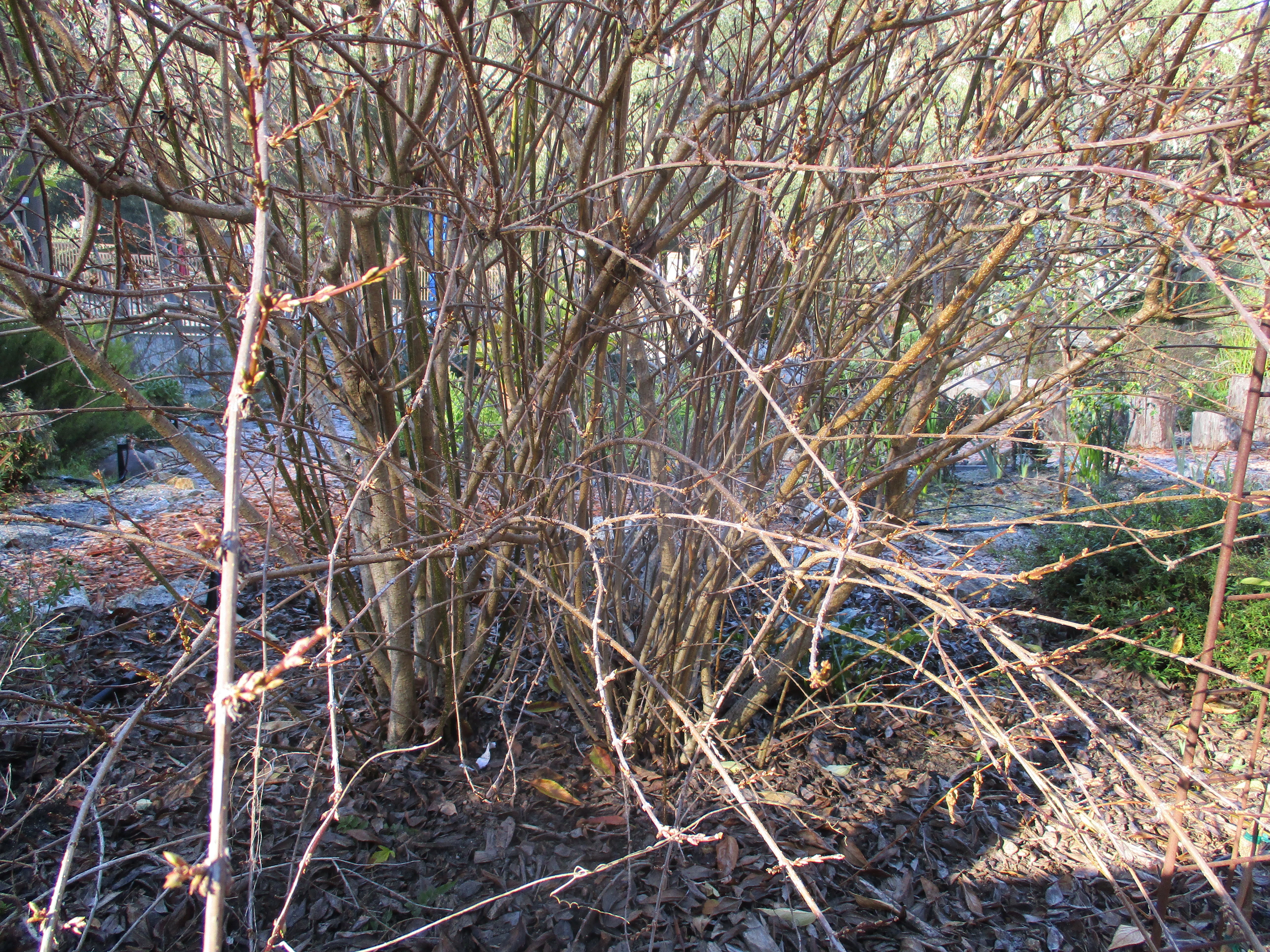
1. Forsythia before division.p90112

2. Forsythia after division. The entire left half of the original clump, which happens to be the original plant, as well as a few small layers or leapers, were removed. This remaining portion of the clump was not pruned yet. It will be pruned after later winter or very early spring bloom. This picture is approximately in the same position as the previous picture #1.p90112+

3. This largest of the new plants to be divided from the main plant was actually the original plant. The label was found on one of the old canes. Four smaller layers or leapers are to the right. The four smallest that are shown in picture #5 are not visible here. Because they needed to be pruned back to compensate for the root damage associated with the process, these plants were pruned almost as they would have been after bloom, which will unfortunately limit bloom in their first season.p90112++

4. This is the same largest clump in picture #3 after getting pruned and installed into another part of the landscape just before the rain. If it does not get pruned after bloom this year, the big older caned will be cut to the ground after bloom next year. By that time, there will be plenty of basal stems to replace them. Ideally, it will be pruned annually after bloom by a process known as ‘alternating canes’, which involved removing old canes to favor newer canes. Individual canes last no more than a few years before getting pruned out.p90112+++

5. After the largest of the freshly divided plants were installed directly into the landscape, the four smallest layers or leapers were canned and put into the nursery, just because we could not think of a place to plant them directly right away. A layer in the hand is worth two in the bush, and four in the nursery is even better.p90112++++

6. Another unassociated forsythia bloomed in the nursery at the shops early last year.4bd2

This is the link for Six on Saturday, for anyone else who would like to participate:

https://thepropagatorblog.wordpress.com/2017/09/18/six-on-saturday-a-participant-guide/

Propagation Is No Big Mystery

Layer_(PSF)All plants propagate. Otherwise, they would go extinct. They all have the potential to propagate by seed or spores. However, some are more efficient at vegetative propagation from stems or roots. Of the later, a few propagate by seed so rarely that it is a wonder that they can evolve, since vegetatively propagated plants are clones, or genetically identical copies, of the original plants.

A single coastal redwood can live for thousands of years. Before such a tree dies, it clones itself by producing adventitious stems from its aging root system. These stems mature into new trees that can live for thousands of years more, only to repeat the process indefinitely. There is no opportunity to generate and share any slight genetic variations that are necessary to natural selection.

Well, this is probably more information than any of us need for our home gardens. It is only relevant to demonstrate than many plants are happy to propagate themselves vegetatively, or are at least conducive to simple vegetative propagation techniques. This is why most nursery plants are grown from cuttings, which are merely pieces of stem stuck into media and forced to grow roots.

For those of us who are not in the nursery industry, there is a more practical way to propagate a few copies of certain favorite plants. Sprawling groundcovers and vines like iceplant, knotweed, jasmine and ivy know all about it. So do many low growing succulents. Their lower stems develop roots where they lay on the ground, and grow into new plants. The process is known as ‘layering’.

Some low shrubby plants that might not layer naturally might be coerced to do so simply by getting a few of their lowest stems buried just below the surface of the soil, with a few inches of the tips sticking up. It helps to scratch off a patch of bark about a third of the way around the buried section of stem, and apply rooting hormone. Sturdy stems can be held down with rocks if necessary.

For most plants, layered stems can be buried about now, left through winter, and should be ready to be separated from the parent plants by next summer, just after any new growth matures. New plants will of course need to be watered generously until they develop enough roots to be self sufficient. Most plants with pliable stems that reach the soil can be layered. Junipers, euonymus, euryops, marguerites, boxwoods and carpet roses are some of the more popular candidates.