 That refers to the pattern of the veins in the leaves. Long before studying horticulture and botany at Cal Poly, my classmates and I learned a bit about horticulture within the contexts of studying ‘nature’. While in the sixth grade, we all went to camp for a week. One of the many projects we did during that time was collecting a few leaves to represent three different vein patterns, and mounting them under clear plastic on a cardboard plaque. The three different patters were, ‘pinnate’, ‘palmate’, and ‘parallel’. I do not remember if we all used the same leaves, but for my plaque, I got a blue gum eucalyptus leaf to represent pinnate veins. Palmate veins were represented by English ivy. Parallel veins were represented by English plantain.
These two blue gum trees are the same trees that provided the leaf with pinnate veins for my plaque. This is not a good picture. There really are two trees here. The picture below is even worse, but shows that there really are two separate trees. They probably flanked a driveway to the old house outside of the picture to the right. They are not very healthy right now, and do not seem to be much bigger than they were back in November of 1978, when my sixth grade class was here at camp with them.
This camp happens to be right down the road from the farm. We are neighbors. It is gratifying to see that so much of the camp is just as it was four decades ago. The English ivy that was so common back than is completely gone now, probably because it is so invasive. The lawn around the blue gum eucalyptus used to be much weedier, and provided the English plantain leaves for my plaque.
 Only a few bits and pieces of natural native vegetation can be found on the floor of the Santa Clara Valley. They are primarily in spots that were not useful for some sort of development. Almost all of the big coast live oaks and valley oaks that lived in the flat areas are gone. Riparian vegetation still survives on the banks of creeks, and in adjacent areas where it has not yet been cleared.
 I do not know where they went. There are plenty that are not worth getting pictures of, but the pretty and colorful ones that I wanted to show off in the ‘Six on Saturday’ post are gone. I suppose that they are still out there. They just are not as pretty and colorful as they were earlier.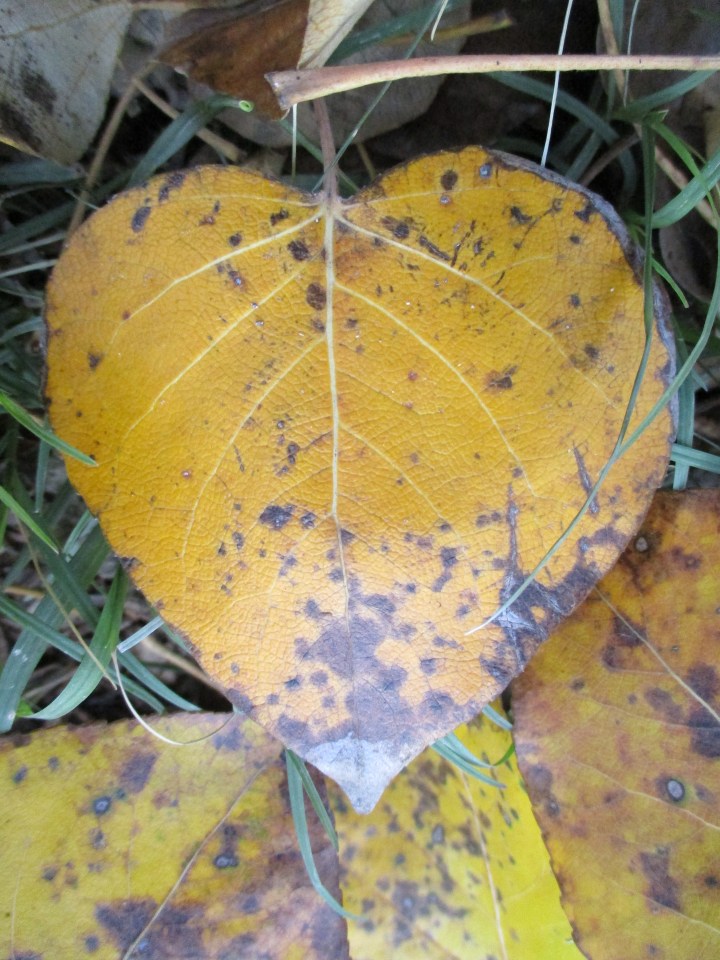
 Tony Tomeo