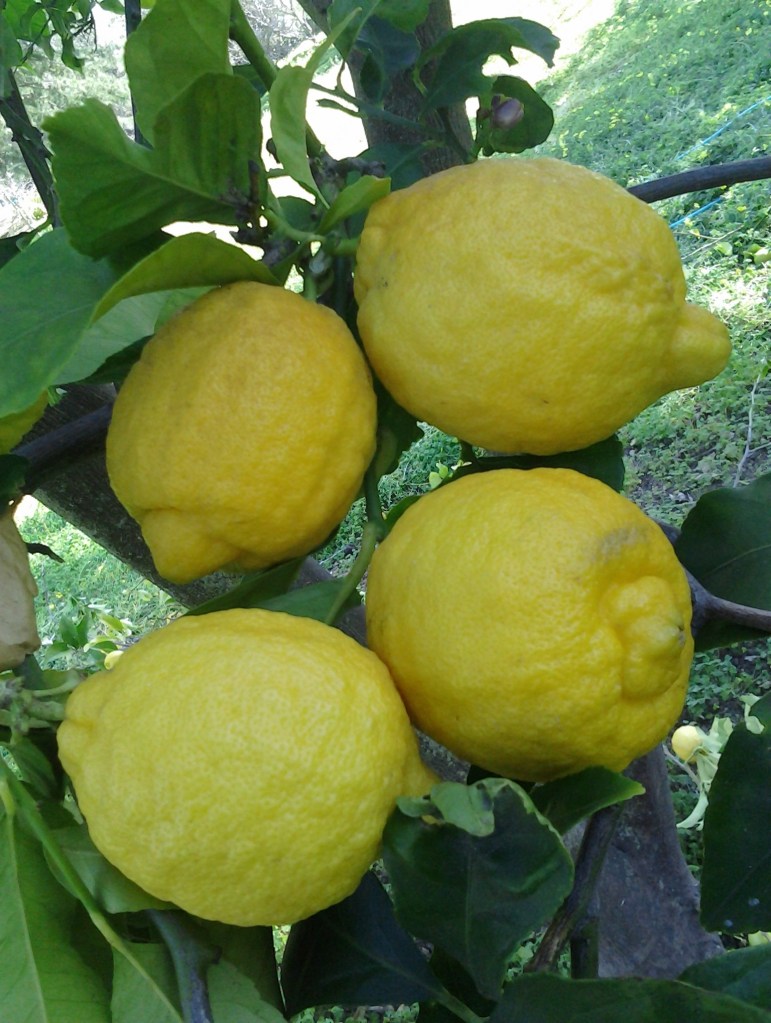
‘Eureka’ Lemon

‘Eureka’ and ‘Lisbon’ lemons are indistinguishable.

‘Lisbon’ lemon was the original. It is still a common cultivar for orchard production of fruit for lemon products. Because almost all of its fruit ripens in winter, it can not provide fresh fruit continuously. ‘Eureka’ lemon, which is a mutant of ‘Lisbon’ lemon, may compensate. It is not as productive in season, but only because it also provides lemons out of season.

This complicates orchard harvest, but is justifiable by prolonging the supply of fresh fruit. It is more ideal for home gardens where only a few lemons are needed at a time anyway. Besides, seasonal abundance within home gardens can become too much of a surplus. ‘Eureka’ lemons are not as richly flavorful as ‘Meyer’ lemons, but are more acidically tart.

‘Eureka’ lemon trees, even on dwarfing understock, can eventually grow fifteen feet high. They are generally not quite as wide as they are tall. Their nastily sharp thorns are stout. Vigorous stems develop much longer and potentially dangerous thorns. Foliar fragrance is mild, but can be delightful during warm weather. Glossy evergreen foliage is aromatic when disturbed by lemon collection.
Six on Saturday: Yellow

Only one of these six is as yellow as it should be. Two are not yellow enough. Two are too yellow. One is not yellow at all, but is affiliated with another who is.

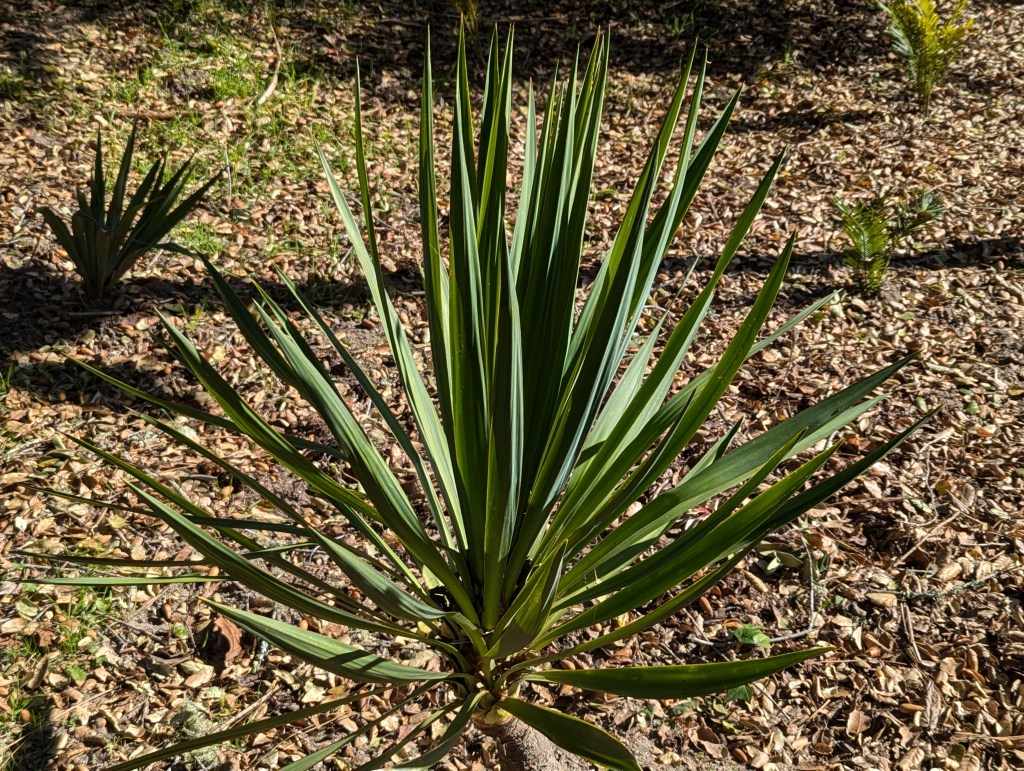
1. Yucca X recurvifolia, curve leaf yucca, which is now known by its new botanical name of Yucca gloriosa var. tristis, remains impressively green after transplant, but is related to the rather sickly looking cultivar, ‘Mellow Yellow’, with ghastly chartreuse foliar color.

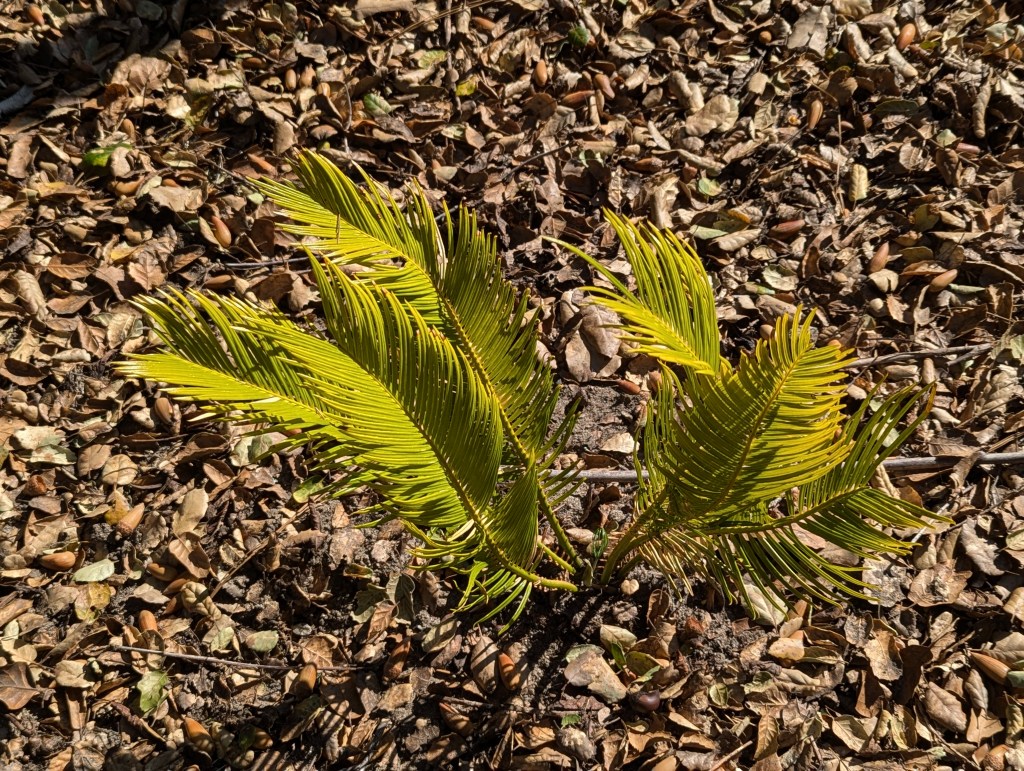
2. Cycas revoluta, sago palm, which was transplanted with the curve leaf yucca, displays this more predictably yellowish foliar color now. It should develop its more typical richly dark green color and foliar symmetry as it resumes growth with warmer spring weather.

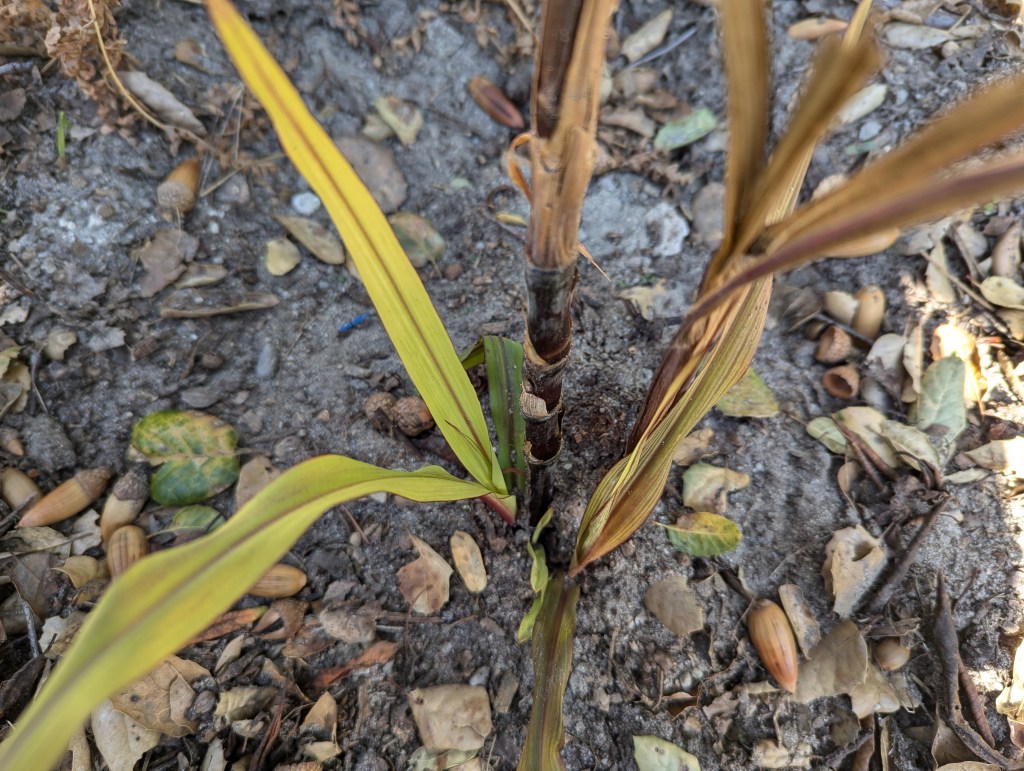
3. Saccharum officinarum ‘Pele’s Smoke’ sugarcane retains its cultivar designation only because I do not know what it is. It is likely a different cultivar, and might be a different species. Its new foliage is yellow because the weather is still too cool for it to be bronze.

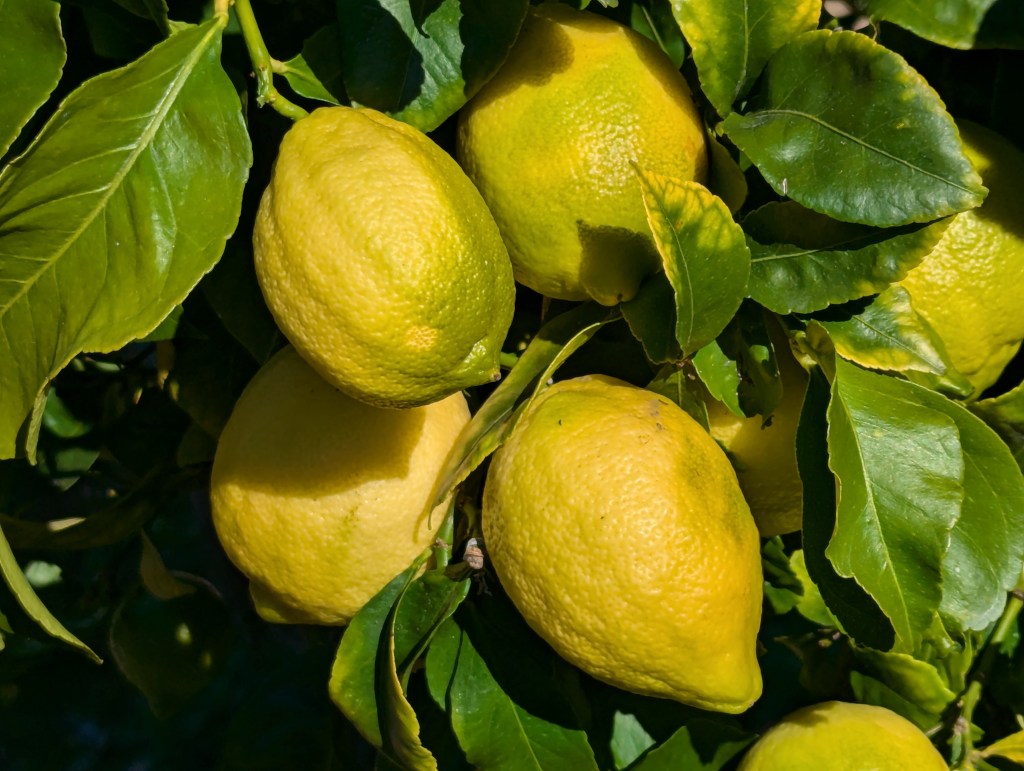
4. Citrus X limon ‘Eureka’ lemon should be more yellow than this by now. None seem to be completely ripe. Variation of ripening is an attribute of ‘Eureka’ since, unlike ‘Lisbon’, it provides a few ripe lemons randomly throughout the year. Still, most ripen for winter.

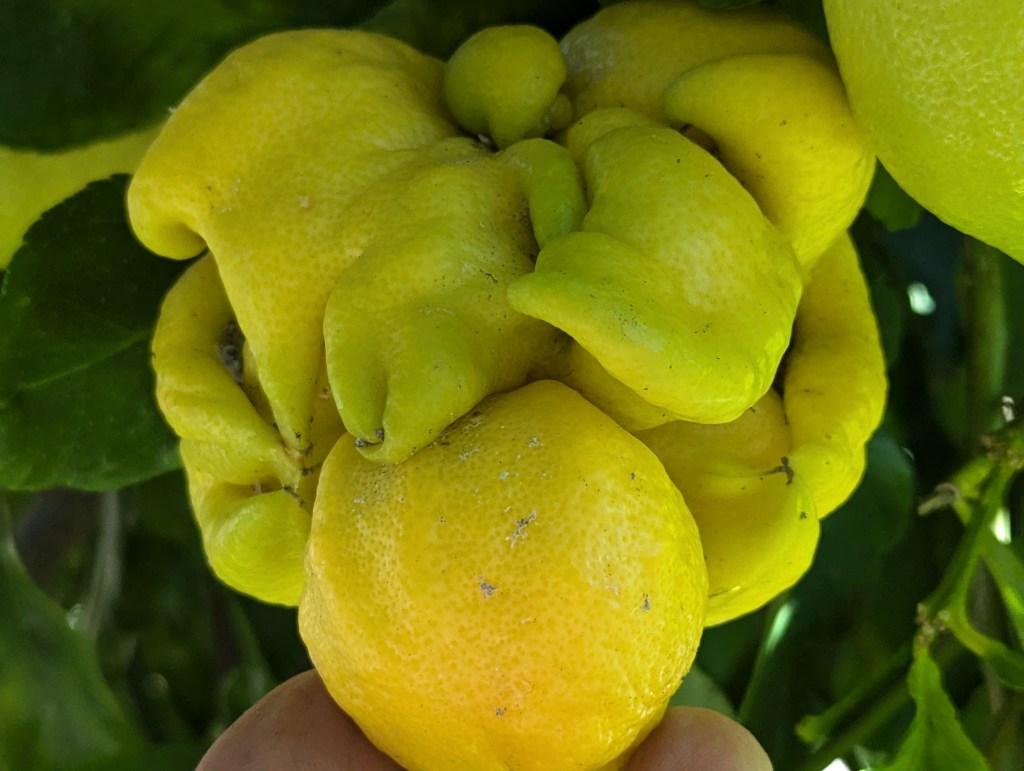
5. Citrus X limon ‘Eureka’ lemon is susceptible to minor damage from citrus bud mite. It may seem to be more than minor, and for this particular lemon, the damage is obviously quite major. However, only a few of the hundreds of lemons of this tree will be damaged.

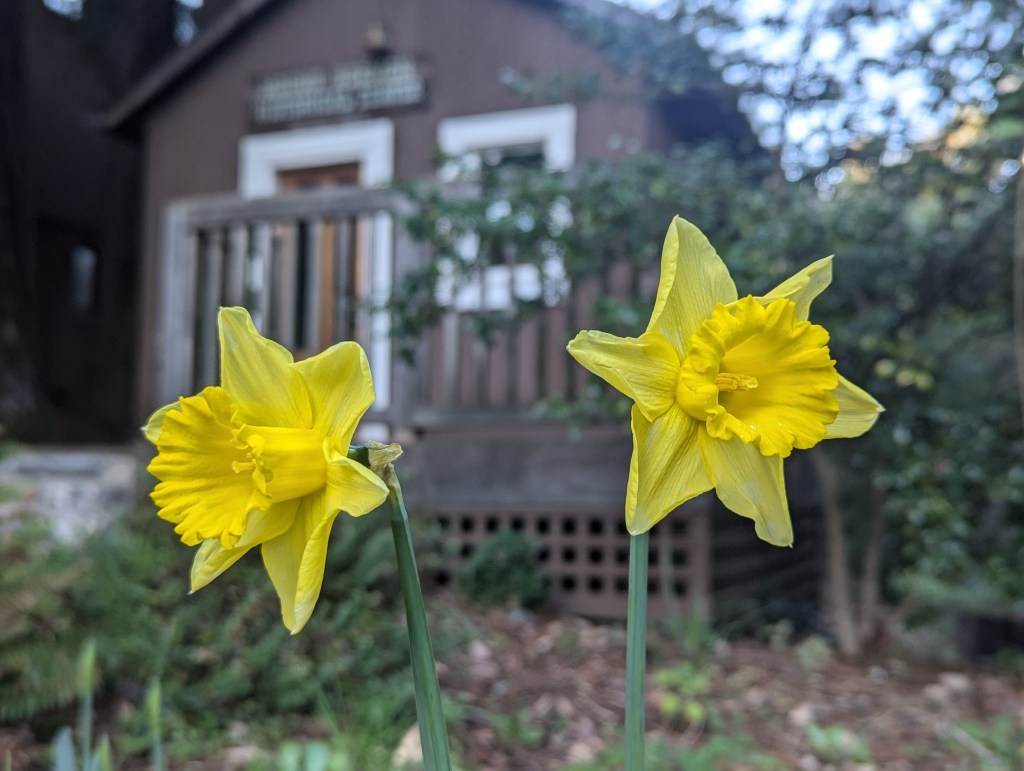
6. Narcissus pseudonarcissus ‘King Alfred’ daffodil may be a more modern cultivar, but has been naturalized here long enough to be genuine. Although happy to bloom like this annually, bulbs do not multiply, which is why I can not get many flowers in one picture.

This is the link for Six on Saturday, for anyone else who would like to participate: https://thepropagatorblog.wordpress.com/2017/09/18/six-on-saturday-a-participant-guide/

Big Lemons

Ungrafted ‘Eureka’ lemon

All but two of the forty or so cultivars of citrus that I grew in the early 1990s were grafted onto the same dwarfing shaddock rootstock. Only ‘Meyer’ lemon and ‘Seville’ sour orange were not grafted, or ‘on their own roots’. ‘Meyer’ lemon naturally stays compact enough to not need a dwarfing rootstock. it was our most popular cultivar. ‘Seville’ sour orange supposedly grows about as large as the various dwarfed sweet orange with or without a dwarfing rootstock, as if the rootstock does nothing to limit its ultimate size. It was our least popular cultivar.

‘Eureka’ lemon, ‘Lisbon’ lemon and ‘Sanguinelli’ blood orange grow larger than any of the other grafted dwarf citrus that we grew. ‘Eureka’ lemon is actually a variant cultivar of ‘Lisbon’ that produces fruit throughout the year, which is a desirable attribute within home gardens. ‘Lisbon’ lemon may seem to be a bit more productive, but only because it produces all of its fruit within a more defined season, which can be a desirable attribute for orchard production. Otherwise, ‘Eureka’ and ‘Lisbon’ lemons are indistinguishable from each other, and grow quite tall. ‘Sanguinelli’ blood orange grows about as large, with a nearly identical upright form, but with a softer foliar texture.

Without dwarfing understock, ungrafted ‘Eureka’ and ‘Lisbon’ lemon trees can grow as big as small shade trees, and produce more fruit than they can support against gravity. Their broken limbs are a horridly thorny mess to clean up. ‘Sanguinelli’ blood orange trees can grow about as large, although they support the weight of their fruit more efficiently, and any debris that they generate, hopefully from pruning rather than breakage, is not so objectionable to handle.

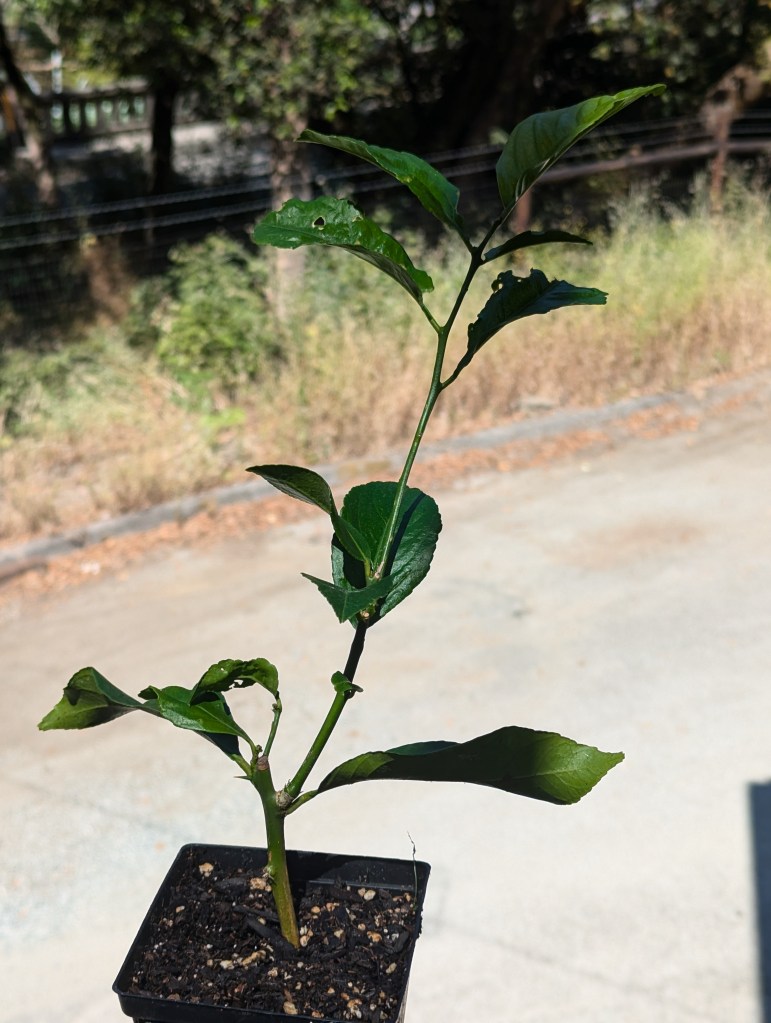
So, I should have known better than to plug a bunch of ‘Eureka’ lemon cuttings. As cuttings, they lack dwarfing understock. I shared more than half with neighbors, who have been warned. About fourteen remain. One is more than enough.

Horridculture – Weather

So close to ripening!

The weather here made national news on Sunday night. It was apparently quite a storm, with unusually windy wind. A few trees fell in the neighborhood. The roads were messy with debris. The electricity at home was disrupted. Otherwise, to me, it did not seem like a particularly bad storm. After all, this is winter.

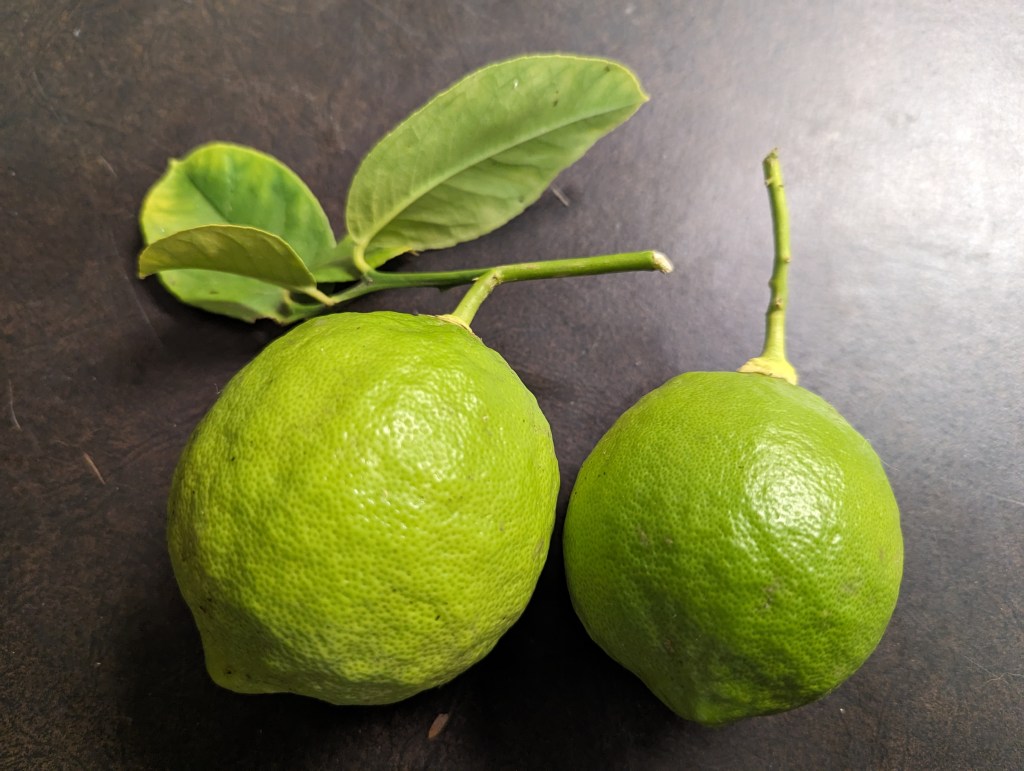
HOWEVER, on Saturday, even before the worst of the weather on Sunday, the wind knocked over my small ‘Ponderosa’ lemon, only a few hours after I posted a picture of one of its two developing fruit. It is a dinky tree in a #1 can, but its lemons are disproportionately large. As I mentioned on Saturday, I should have removed the lemons to divert resources to vegetative growth, but wanted to see if they would develop and ripen. The weather did it for me.

Now I am annoyed. I do not like to be one who complains about the weather. There is not much to complain about in that regard here. This is a pleasantly mild climate that lacks the sort of severe weather that other climates must contend with. The gust that blew over the small lemon tree was not nearly as strong as those that blew over trees within the surrounding forests and neighborhoods. I am just annoyed that after letting the lemons grow as much as they did, their effort will now be wasted.

The two lemons did not develop as they should have, but are still bigger than average ‘Eureka’ or ‘Lisbon’ lemons. I put them aside to ripen if they can. I doubt that they will. I can prune the small tree to remove the stems that had previously supported the two lemons, and make cuttings of them, to grow more small trees. Actually, I should have done this anyway.

Citrus Fruit Ripens Through Winter

Unharvested lemons stay fresh for months.

Winter is bare root season, which is the best time for installation of deciduous fruit trees. It is also the best time for dormant pruning of deciduous fruit trees. Evergreen fruit trees do not get much attention. Installation and any pruning of evergreen fruit trees happens after winter. However, regardless of perceived neglect, winter is actually citrus season.

Technically, citrus are always in season here. That is because most citrus fruits last so long on their trees after ripening. Also, some types produce a few fruits sporadically after their primary season. The latest ‘Lisbon’ lemons can still be good as the earliest of the following season ripen. ‘Eureka’ lemons ripen in minor phases after their primary phase.

Therefore, winter is citrus season merely because it is when most citrus fruit ripens. The schedule is ideal. It begins as pear and apple season finishes. It finishes as cherry and apricot season begins. Pears and apples, and especially cherries and apricots, are less predictable than citrus. Fortunately, citrus can begin a bit early or finish late if necessary.

All citrus are species or hybrids of the same genus of Citrus. Kumquats also classify as Fortunella though. The primary components of the flavors of their fruits are sweet, sour and bitter. The most familiar oranges are sweet oranges, but sour and bitter oranges also exist. Most lemons and limes are sour, but there are also sweet lemons and sweet limes.

Oranges, which are generally sweet oranges, are the most popular citrus. Navel oranges are traditional eating oranges. ‘Valencia’ is a traditional juicing orange. Blood oranges are a bit more tart, with blushed or red flesh and juice. ‘Seville’ sour orange is useful for marmalade. Rare bitter oranges provide flavoring for teas, and fragrance for perfumery.

Lemons are the second most popular citrus. Mandarin oranges, or mandarines, should probably be more popular. They are the more perishable of citrus though, because their rinds are relatively loose. Tangerines are merely mandarines of the Americas. ‘Rangpur’ lime is a sour mandarine. Real limes are very diverse, but mostly ripen greenish yellow. Grapefruits combine sweet, sour and bitter.

‘Eureka’ Lemon

50318

‘Lisbon’ lemon actually came first. It is still grown in orchards for lemon juice and other lemon products. The glossy evergreen foliage is a nice bright green. The late winter bloom is nicely fragrant. Mature trees can be kept about twelve feet tall, or allowed to get much taller. Besides the nasty thorns, the only other problem is that all the fruit ripens within a limited season.

‘Eureka’ lemon, Citrus limon ‘Eureka’, is a mutation of ‘Lisbon’ that is more casual about its schedule. It produces a good quantity of fruit in season through the end of winter, and also produces lesser quantities throughout the year. Because it is so productive, the lesser quantities should be more than sufficient whenever lemons are needed.

The ‘Variegated Pink’ lemon is a mutation of ‘Eureka’, so is a mutation of a mutation. The foliage is nicely variegated with white. The green fruit is striped with yellow until it ripens to yellow. The pulp and juice are pink of course. Like many variegated plants, the ‘Variegated Pink’ lemon stays much smaller than ‘Eureka’ lemon, and is more sensitive to frost.

Lisbon Lemon

90417It may not be the mother of all lemons, but Lisbon lemon, Citrus limon ‘Lisbon’, is the original cultivar from which ‘Eureka’ lemon was derived; and ‘Variegated Pink’ lemon was later derived from ‘Eureka’ lemon. ‘Variegated Pink’ is still uncommon, and the pink juice is unusual, but because its variegated foliage is less efficient than greener foliage, it is more manageable in small spaces.

The only distinguishable difference between ‘Lisbon’ and ‘Eureka’ is the scheduling of the fruit. Both are the biggest of the dwarf citrus, and can get as tall as second story eaves. Both have nicely aromatic glossy green foliage. Both are somewhat thorny, and get big thorns on vigorous growth. Yet ‘Lisbon’ is now rare, while ‘Eureka’ is second in popularity only to the unrelated ‘Meyer’ lemon.

That is because, after primary winter production, ‘Eureka’ continues to produce sporadically throughout the year, which is what most of us want in our home garden. ‘Lisbon’ may seem to be more productive, but only because it produces all of its fruit within a limited season that is finishing up about now. The fruit that ripens now may linger for months, but no new fruit ripens until next season.

When Life Gives You Lemons

80131thumbWhen life gives you lemons, it is likely this time of year. Although, the most popular garden varieties of lemon, like ‘Meyer’ and ‘Eureka’, continue to produce at least a few more fruits sporadically through the year. ‘Lisbon’ lemon that is still used in orchard production, and is the ancestor of the household ‘Eureka’ lemon, produces almost all of its fruit in winter, and blooms shortly afterward.

Ripe citrus in the middle of winter impresses those in climates where winter is too cold for much to happen in the garden. They could not grow a citrus tree if they wanted to. Even here, frost can damage some of the more sensitive citrus varieties, like ‘Mexican’ lime. Unlike the fruits of summer, citrus fruits ripen slowly and are not so perishable, so do not need to be harvested right away.

This means that if it is raining, cold or just to wintery to go outside, citrus fruits can be left on the tree until the weather improves. Most of us prefer to pick them in small batches anyway. Ideally, fruit should get picked as it is consumed. Lemons and limes typically get picked individually as needed, until there are so many that some need to be bagged and shared with friends and neighbors.

Mandarin oranges are the most perishable of the citrus. Because their skins are so loosely attached to the pulp, the pulp can oxidize, lose flavor and eventually get dry and pithy. Incidentally, a ‘tangerine’ is merely a Mandarin orange that was developed in North or South America. A surprisingly sour (unknown) Mandarin orange might really be a ‘Rangpur lime’, which is not a lime at all.

Unlike most fruit that continues to ripen after harvest, or pears that actually delay ripening until after harvest, citrus fruits stop developing flavor once picked. It is best to taste them for confirmation of ripe flavor prior to harvest. Some Mandarin oranges may have slightly greenish blotches on them even when completely ripe. The best ‘Valencia’ oranges can look rather yellowish. Grapefruits might mellow if left in their trees past ripeness, but can also inhibit bloom.