Lime

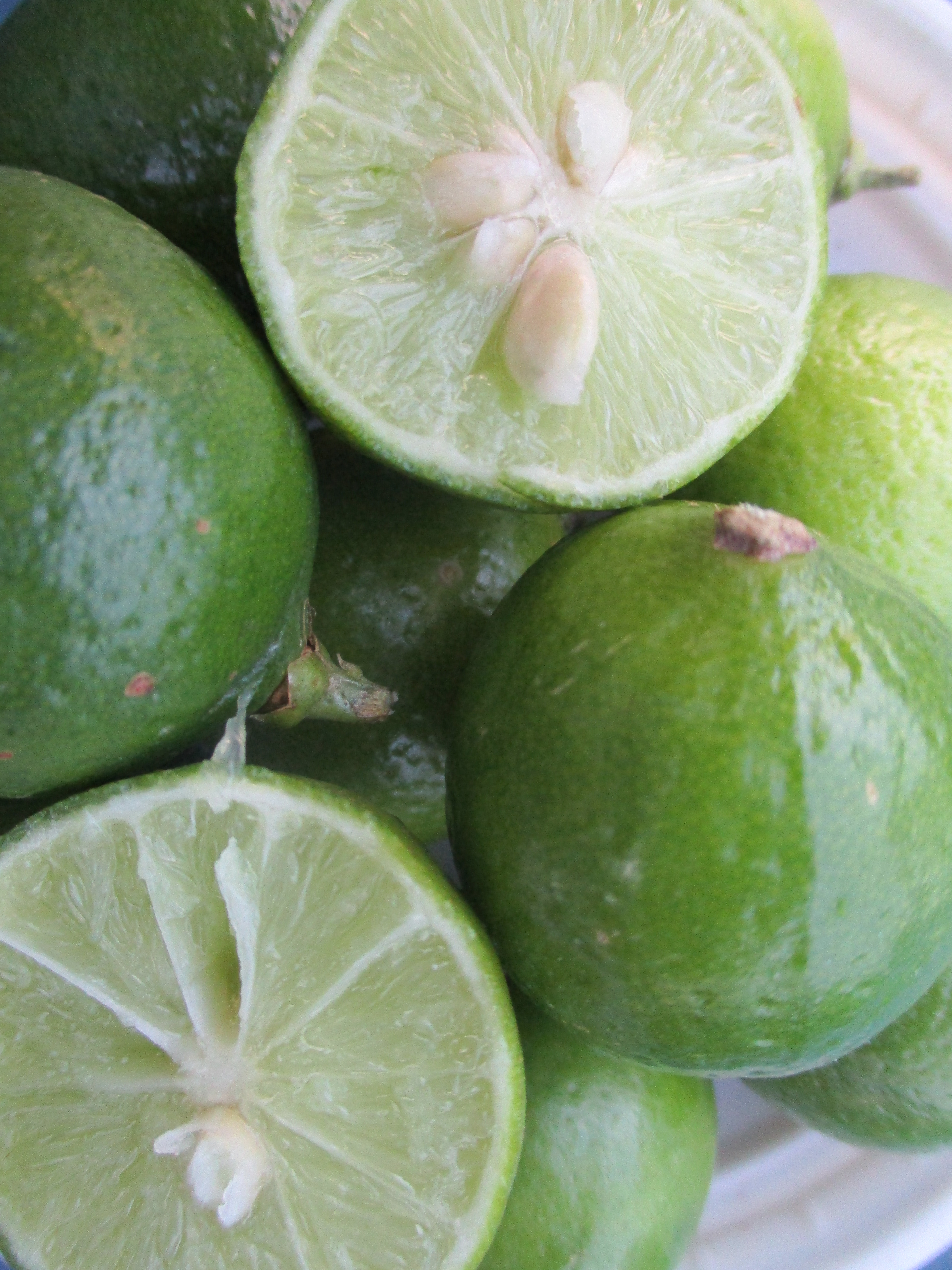
Most ripe limes are greenish yellow.

Among citrus, limes are the most diverse. They include more species and hybrids than other types of citrus. Only a few of countless cultivars from centuries of development are available here. Yet, each of these few is very distinct from the others. Most provide juice for culinary application. At least one provides herbal foliage. Few limes are eaten intact.

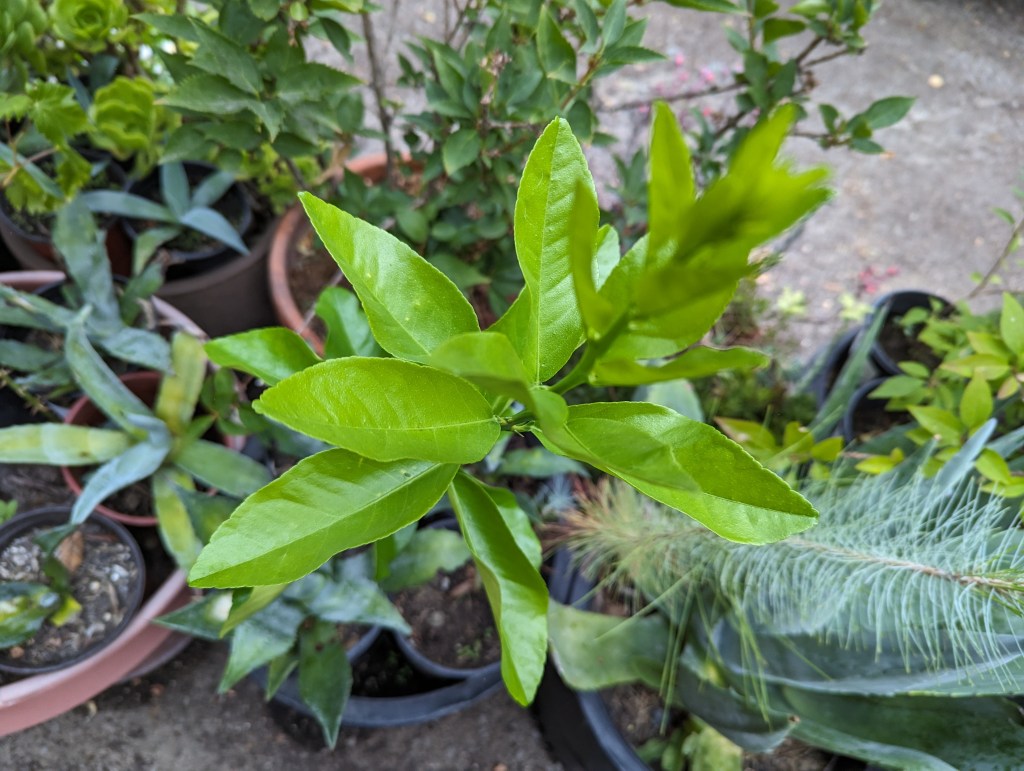
Dwarfing understock is one commonality of almost all home garden lime trees. Not many grow more than twelve feet tall. With occasional pruning, most might stay less than eight feet tall. All have bright green evergreen foliage and small white flowers. Most have tiny but sharp thorns. Some are more bothersomely thorny. Fruit is green or greenish yellow.

‘Bearss’ lime is the most popular. Its ripe fruits are about three inches long, and resemble greenish lemons. ‘Mexican’ lime provides fruits that are about an inch and a half wide, on thorny stems. ‘Palestine’ lime is thorny also, with round and yellowish fruit that is edible intact. ‘Rangpur’ lime produces bright orange fruit because it is really a sour mandarine.
Six on Saturday: You Get What You Pay For

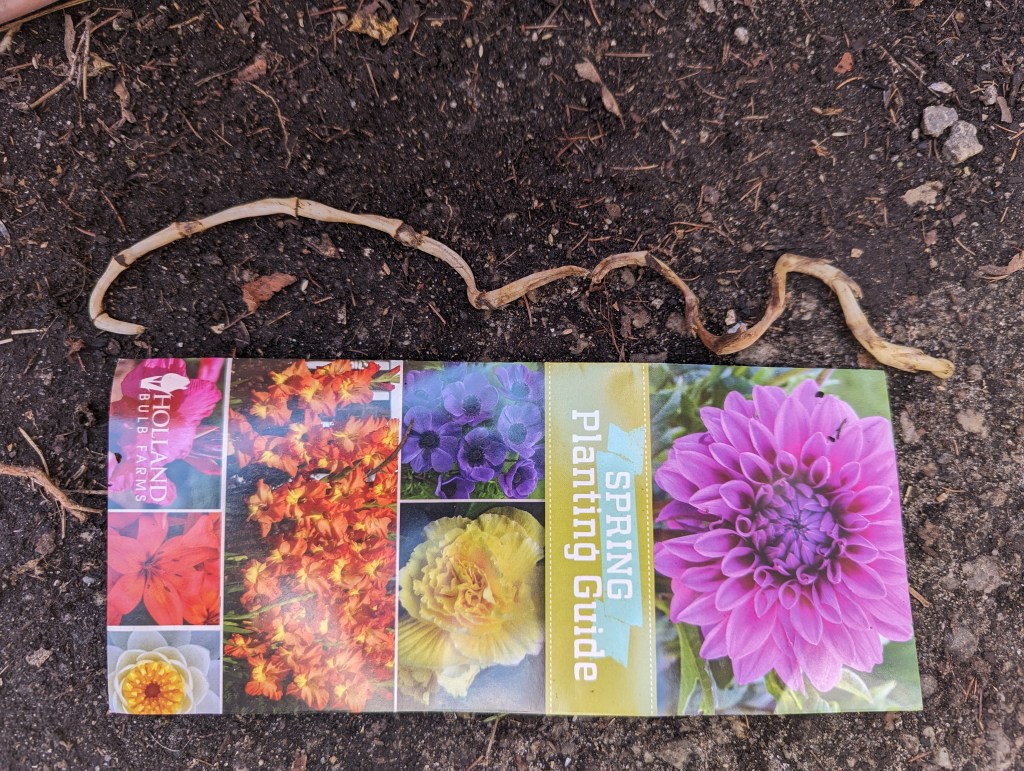
It all started when I succumbed to the temptation of cheap but out of season bulbs. They were actually canna rhizomes that did not work out so well. The supplier gave me credit, which I used to purchase cheap but out of season dahlia tubers. I suppose that I can not blame the supplier twice. I should have known better from the beginning than to violate my most basic rule against purchasing plant material, even if I try to justify doing so for work. Contrary to the title of these Six, ginger, elderberry and a dinky lime tree that cost nothing are working out quite nicely.

1. Dahlia X pinnata, mixed dinnerplate dahlias were purchased with the credit that I got for the ‘Red King Humbert’ Canna that were both virused and not ‘Red King Humbert’. I again fail to be impressed. I canned any that were not completely desiccated, but do not expect any survivors. I should have requested a total refund after the primary purchase.

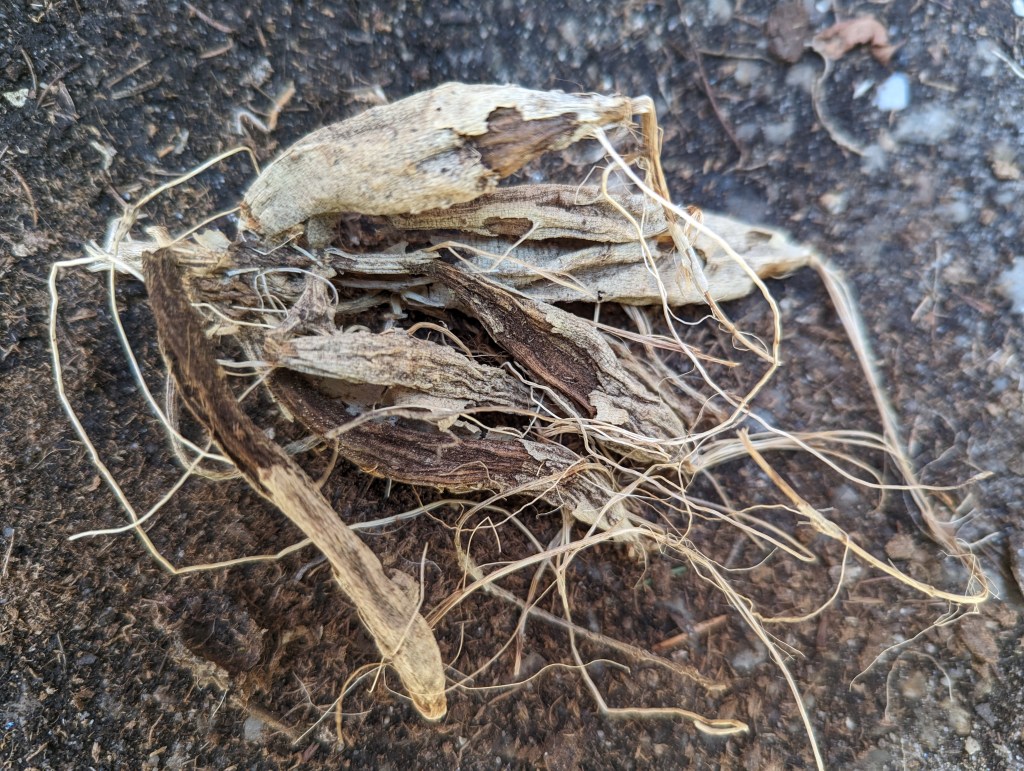
2. Dahlia X pinnata, mixed dinnerplate dahlias grow through spring for summer bloom. I figured that, even without enough time to bloom, they could grow enough to replenish their resources before winter dormancy, and then grow and bloom next year. I assumed that tubers that are available this late had been refrigerated to maintain their dormancy. Instead, a few diligently tried to grow earlier, but could not escape from their packaging.

3. Zingiber officinale, ginger is not so limited by seasons. It grows whenever it wants to.

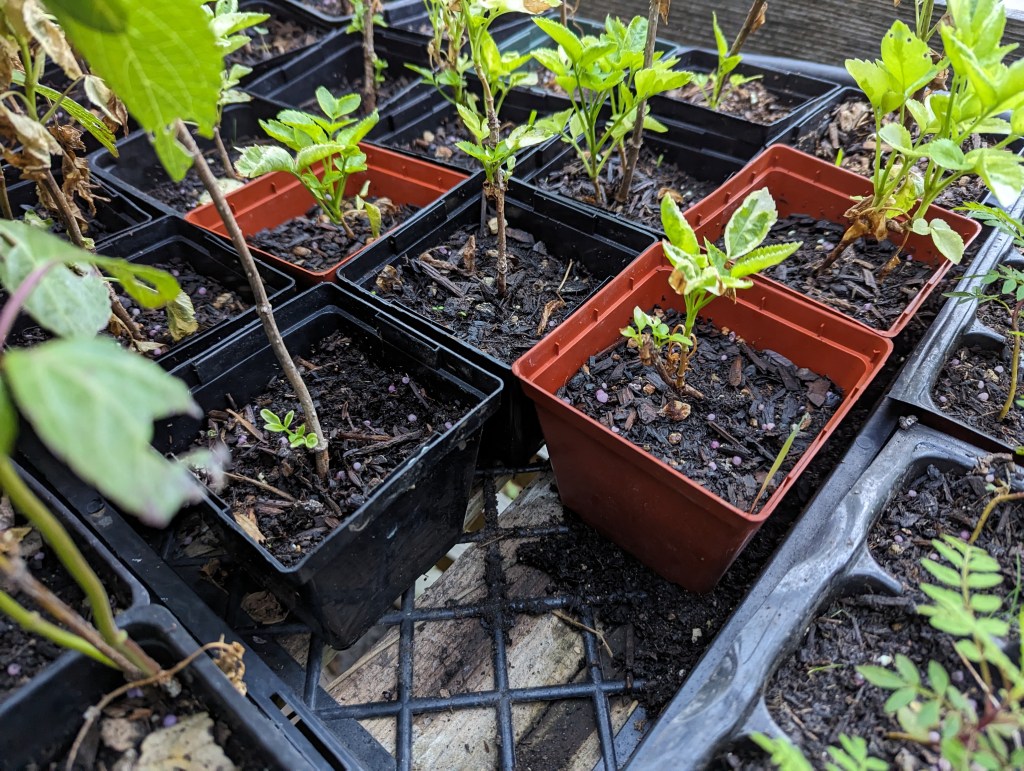
4. Citrus X latifolia ‘Bearss’, Persian lime grew from the stump of a tree that I pulled out of a neighbor’s yard. It cost nothing, but will eventually be worth more than I paid for it.

5. Sambucus nigra ‘Madonna’, European black elderberry likewise cost nothing, and for a while, it looked as such. It provided sixteen copies though, and the first found a home.

6. Rhody is irrelevant to the previous five of these six, but everyone wants to see Rhody.

This is the link for Six on Saturday, for anyone else who would like to participate: https://thepropagatorblog.wordpress.com/2017/09/18/six-on-saturday-a-participant-guide/

Mexican Lime

71227Those who can grow Mexican lime, Citrus aurantifolia, get to brag to their friends who can not, even if they are only a few miles away in slightly cooler spots. It really is marginal here. If it gets too cool in winter, it can defoliate. Frost can damage or kill the stems. Because it stays smaller than other citrus, Mexican lime happens to do well in large pots that can be moved to shelter for winter.

Mature trees can get taller than six feet, but not much higher than first floor eaves. The limber stems have small but sharp thorns. The two inch long evergreen leaves are glossy and nicely aromatic. The small white flowers are actually less fragrant. The round one or two inch wide fruits ripen from rich green to pale greenish yellow. The peel is very thin and tough, which is ideal for squeezing the juice from the very juicy and aromatic, but potentially seedy, greenish yellow pulp within.