Horridculture – Gophers!(?)

Who took the Louisiana iris?!

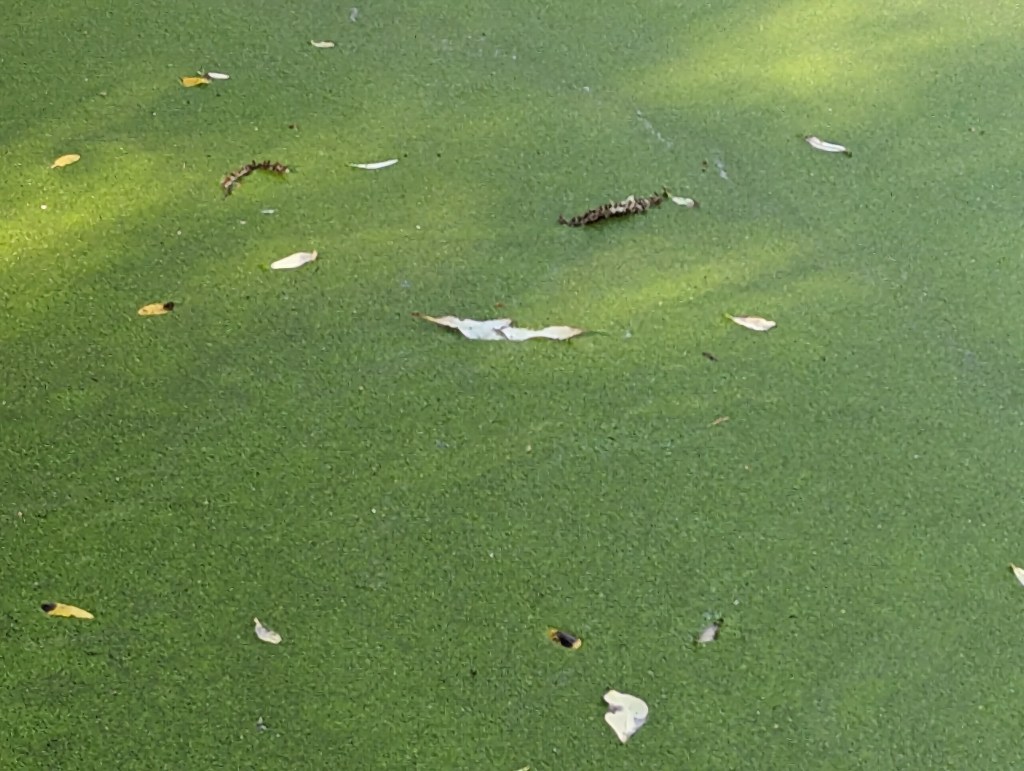
This is more infuriating than the rat or rats who ate the tops off of my rare young banana trees. I do not actually know who the culprit is, but can only guess that it is a gopher or a few gophers. Initially, I thought that it was someone who intended to pull weeds, but instead pulled the beloved Louisiana iris. All I know is that the iris were growing well, and are now completely gone!

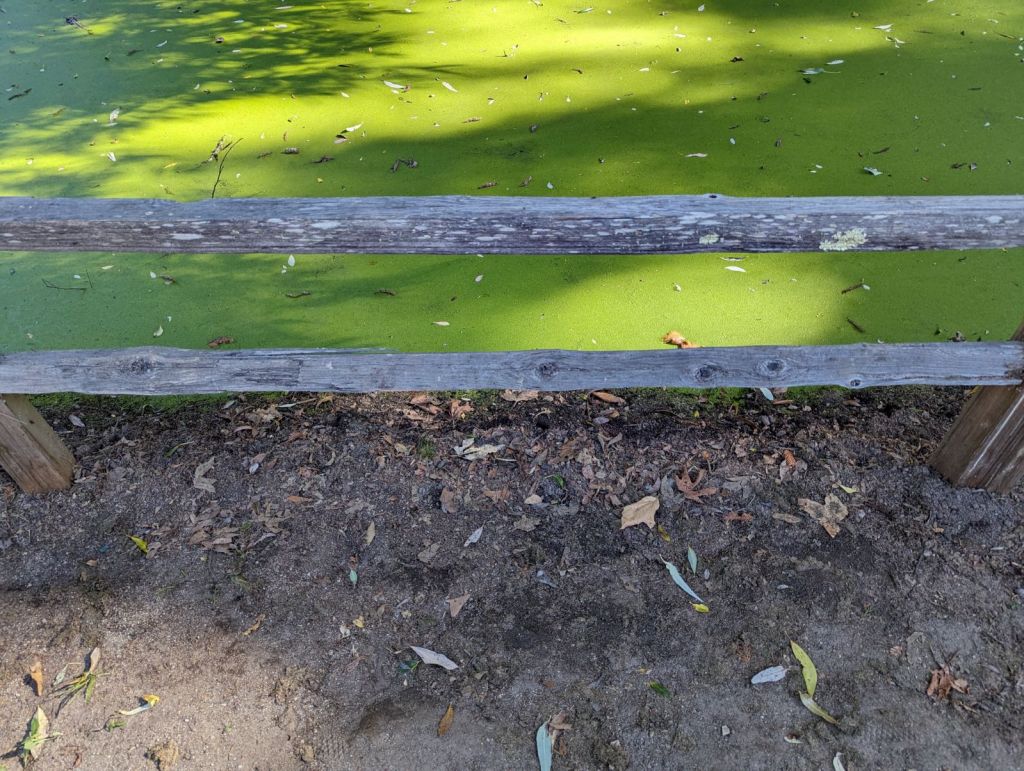
These Louisiana iris were a gift from Tangly Cottage Gardening in Ilwaco, so were extremely important to me. After bringing them here at the end of last winter, I split and groomed them, and plugged them into a single row that was about thirty feet long. This row was on the edge of a pond, where I hoped they would form a network of rhizomes to help contain the shifting mud. It was an ideal situation. I watched them grow through the year, and expected them to bloom next season. They were totally awesome!

There is no indication that they were pulled or dug. Nor is there any indication that they were pulled downward from below. Although I found a few gopher tunnels, such tunnels were not sufficiently extensive to reach all of the rhizomes of the Louisiana iris.

Only four very small plugs remained. I dug and canned them to protect them from whomever or whatever took the rest of them. Although they can grow and multiply very efficiently, they will not replace the thirty foot long row for several years. Besides, even when they do proliferate, I do not know if I can safely install them back onto the edge of the pond. Without knowing what happened to the last colony, I can not protect a subsequent colony from the same fate.

Six on Saturday: Chuck’s Grandparents

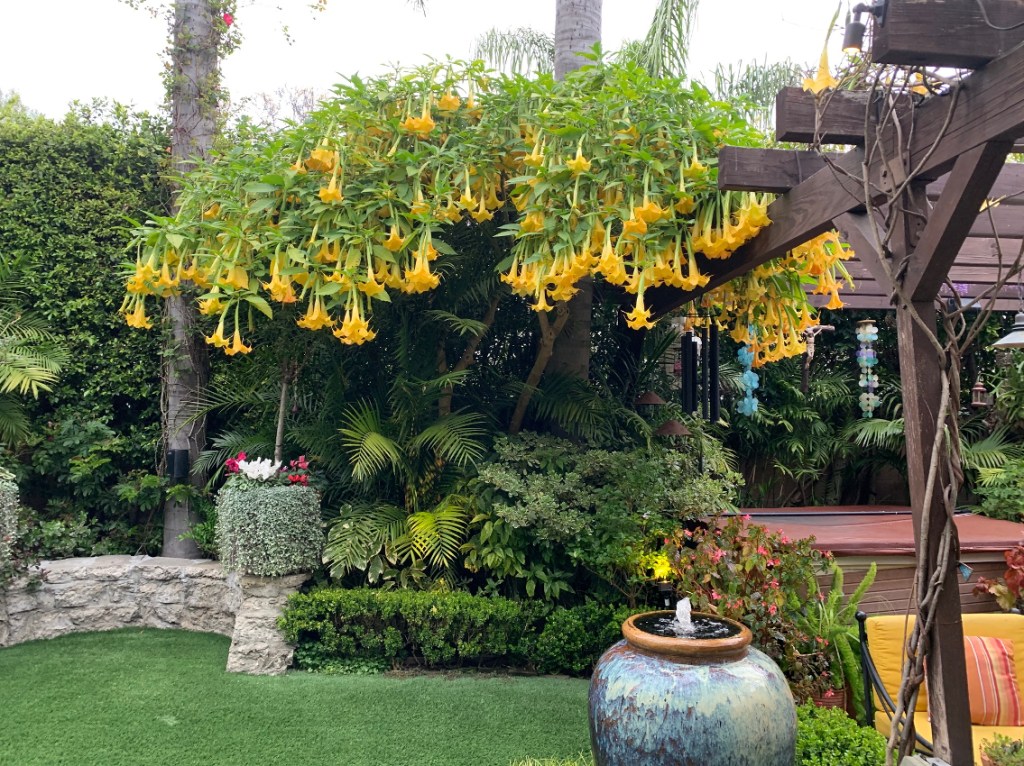
‘Charles Grimaldi’ is likely the most popular angel’s trumpet. It is very vigorous and very fragrant, with cheery yellow bloom. I plugged several cuttings last autumn, but then very unfortunately neglected to protect them from our unexpectedly and unusually cold frost. Of only two survivors, one grew so splendidly that it is now prominently displayed in the landscapes, rather than ignored in the nursery. It has an amusing history. (The first two pictures are not mine.)

1. This pair of ‘Charles Grimaldi’ angel’s trumpet might be familiar to those who watched television in the early 2000s. They were prettier while GreenArt managed the landscape back then. They are gone now. This was the best picture that I could find of them online. The third specimen that was omitted after it was delivered now inhabits Brent’s garden.

2. This omitted third specimen of ‘Charles Grimaldi’ angel’s trumpet is more impressive within Brent’s Dreamscape at the Jungalow. A picture of its bloom represents its species in the Sunset Western Garden Book from several years ago. It is the source of my copies.

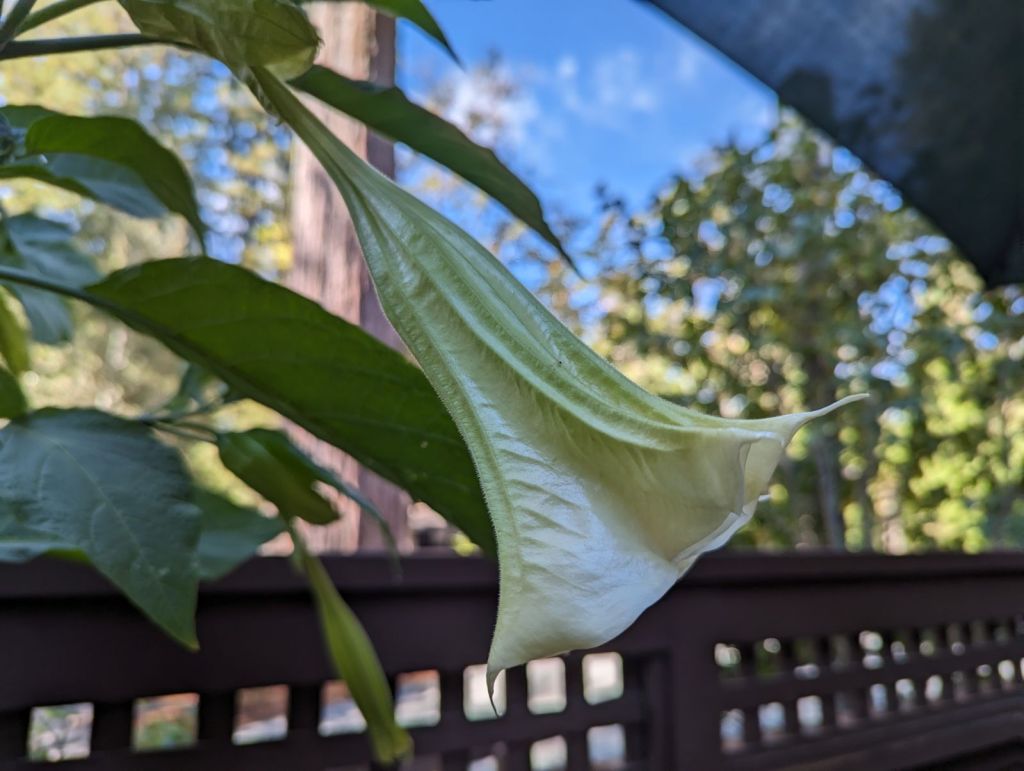
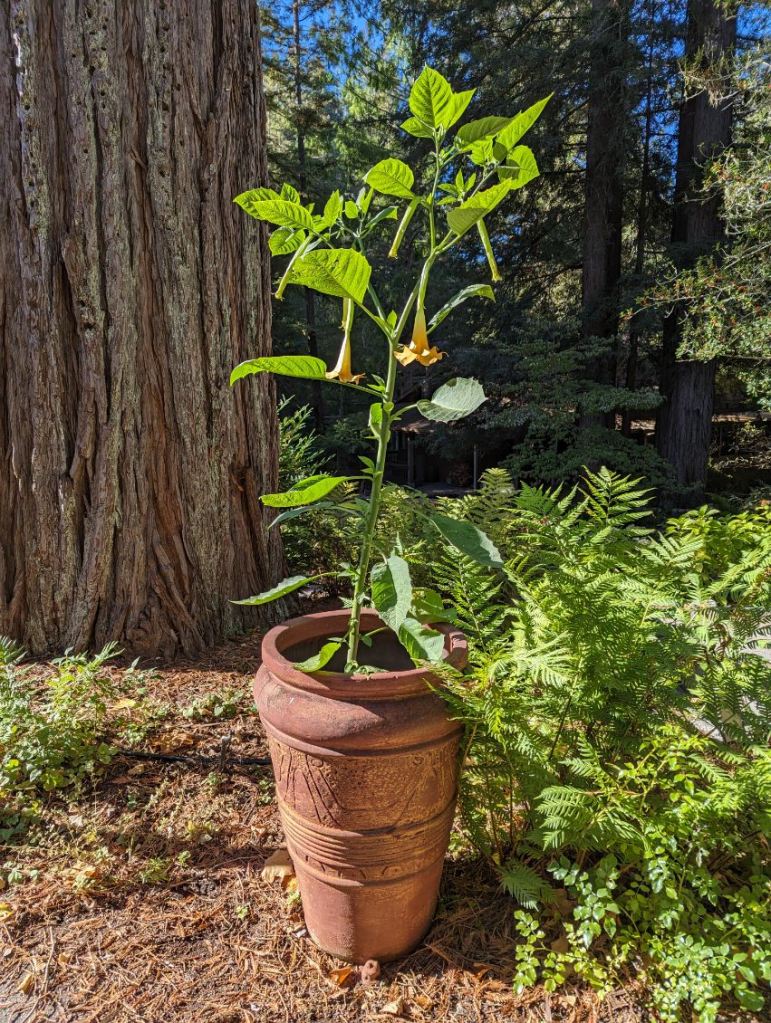
3. This copy grew more than six feet tall from a cutting that I plugged last winter. Its can sits on the bottom of its big urn. Its bloom was too pretty to leave unseen in the nursery.

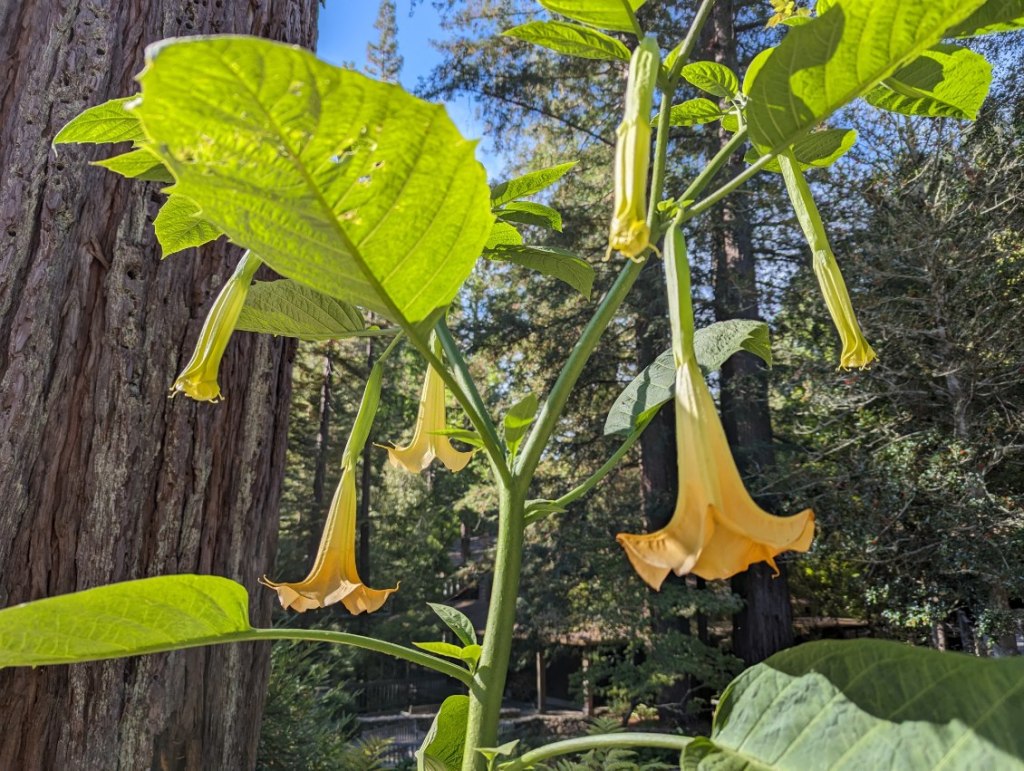
4. Bloom, which began only recently, will not likely continue much longer. The specimen might return to the nursery for winter, and then be installed into a landscape afterward.

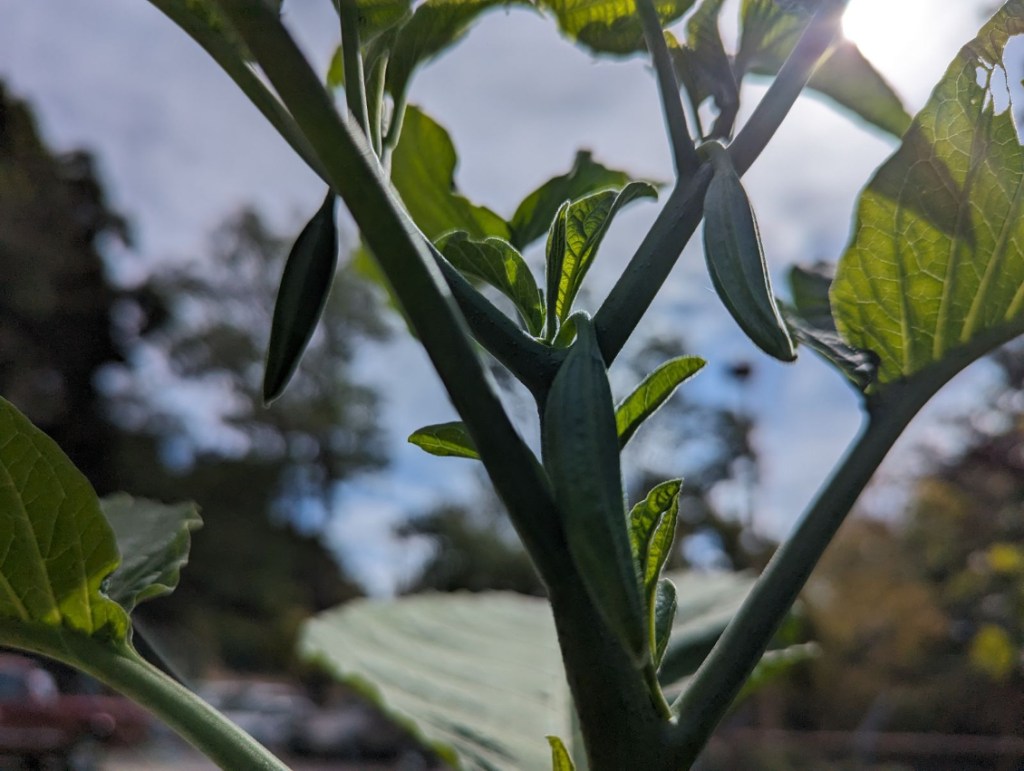
5. A comparably tall copy of an unknown cultivar with orange flowers is about to bloom. Unfortunately, the weather will likely become too cool for these buds to finish blooming.

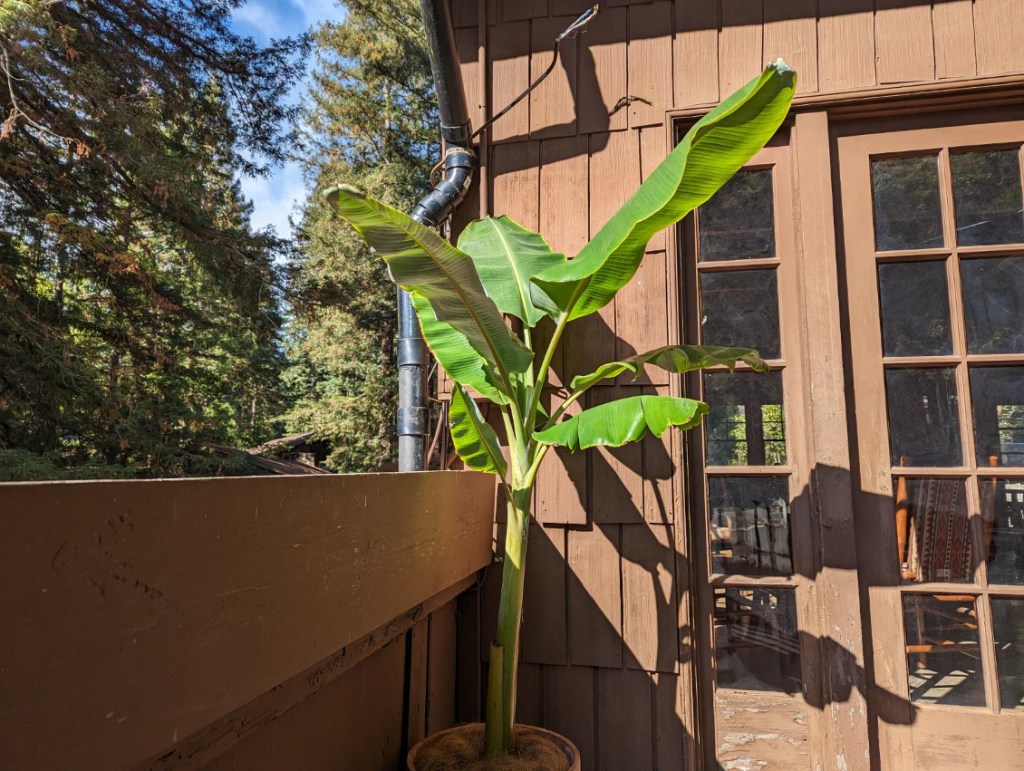
6. Young banana trees are likewise too striking to leave unseen within the nursery. Their cans were placed within more appealing pots within the landscapes at least until winter.

This is the link for Six on Saturday, for anyone else who would like to participate: https://thepropagatorblog.wordpress.com/2017/09/18/six-on-saturday-a-participant-guide/

Horridculture – Rats!

Darla would not have allowed this!

Darla would be very disappointed. Rodents were not a problem while she was here. Since her retirement, they have proliferated. I do not mind if they get into the compost or even the trash. The problem is that they now inhabit portions of the shop buildings and the nursery where we grow a few items for the landscapes.

They are rudely bold about their infestation too. They know that I can not catch them like Darla would, so they are in no hurry to evade me if I encounter them while working late. They ruined a bag of seed for erosion control vegetation. Although the top of the bag was wide open, they chewed through the bag so that the contents spilled out onto the floor.

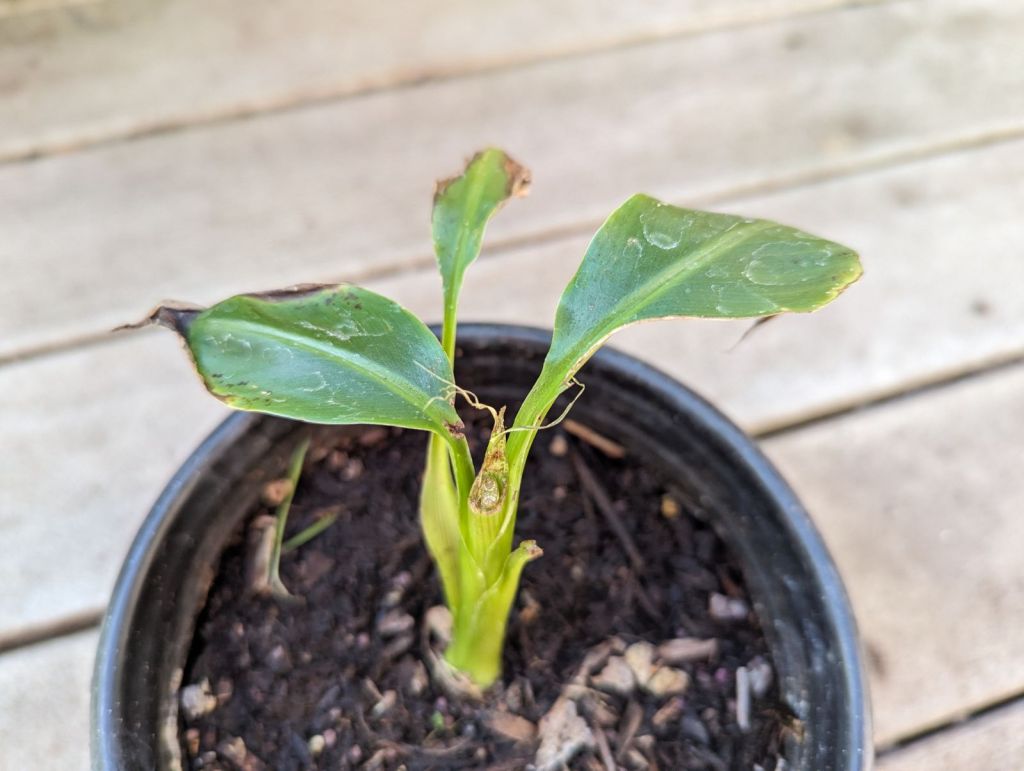
Worst of all, they chewed the tops of a few of the more unusual items within the nursery. They ruined a few of the Heliconia that I brought from Brent’s garden, and then chewed the tops off of two young banana trees. All affected specimens should recover, but I am very annoyed by the damage nonetheless. I do not put so much effort into growing such vegetation just to feed rude rodents! Besides, the banana trees are of an uncommon cultivar. I am concerned about others that are quite rare.

Rats would not be such a problem if only they were not so rude. There is plenty of vegetation, including blackberries, for them to eat within surrounding forested areas. They insist on coming inside to damage important vegetation instead. That is why I do not feel at all guilty about putting traps out.

Ultimately, I should be more diligent about hiring a feral kitty to dissuade rodent infestation. I have not yet heard back from the agency that procures employment for such feral kitties.

Six on Saturday: Best or Worst for Last

Indian summer is now doing what it does every few years or so. It was more than ninety degrees for a second day here yesterday, and was even warmer in the Santa Clara Valley. As typical, it happened after cooling weather already started to feel like autumn. It is not a good time to relocate vegetation, which I started to do while the weather was still cool. Also, I must briefly increase irrigation. Not all of these Six are relevant to the weather or any particular theme. Actually, half are irrelevant. The last is open to interpretation. It is not a good picture, but is likely the best.

1. Water from the spigot occasionally gets slightly colorful here. Water from the streams and creek is clearer. It is a consequence of hydrant flushing. It is harmless for irrigation.

2. Unidentified ferns needed to be removed from where an old fence was replaced. I can not simply discard them. I buried them elsewhere so that they can regenerate next year.

3. Unidentified spirea was also in the way. Of course, although I do not expect much of it to survive, I relocated it also. I typically cut this spirea back to the ground during winter.

4. Marah macrocarpa, wild cucumber develops huge tubers that can weigh more than I do. This one is merely about a foot and a half long, so is relatively small, but now what?!

5. Portulaca grandiflora, moss rose is not mine, is not here, and did not give me a good picture. Nevertheless, I feel obligated to share at least some summery floral color today.

6. Rhody did not cooperate for this picture either. I can not explain how he so efficiently hid behind only one yawn. As bad as this picture is, it just might be the best of these Six.

This is the link for Six on Saturday, for anyone else who would like to participate: https://thepropagatorblog.wordpress.com/2017/09/18/six-on-saturday-a-participant-guide/

Six on Saturday: Autumn in the Redwoods

Autumn is not much to brag about here. Not only is the change of the weather mild, but foliar color is limited beyond synthetic landscapes. Redwoods are only a bit messier now because they did not shed as much as typical while summer weather remained atypically mild. Fireplaces at work get a bit more use, but only for ambience. A few autumn flowers bloom between summer flowers and winter flowers.

1. Sequoia sempervirens, coastal redwood is evergreen. Its foliage does not turn colorful for autumn. It certainly sheds though. It sheds mostly while the weather is warmest and driest through summer. However, without such weather, it sheds more as summer ends.

2. Firewood is too mixed for identification of all species that might be involved with this picture. It comes from the various trees that must be removed and pruned here. Because fires at work are more for ambience than heat, the quality of such wood is unimportant.

3. Anemone hupehensis var. japonica, Japanese anemone exhibits why I find ‘Honorine Jobert’ to be so appealing. This is the only anemone here, and it is ghastly pallid, neither pure white nor pinkish. It actually seems to be slightly grayish. Ick! I learned this species as simply Anemone japonica, but now learn that it is supposedly Eriocapitella japonica.

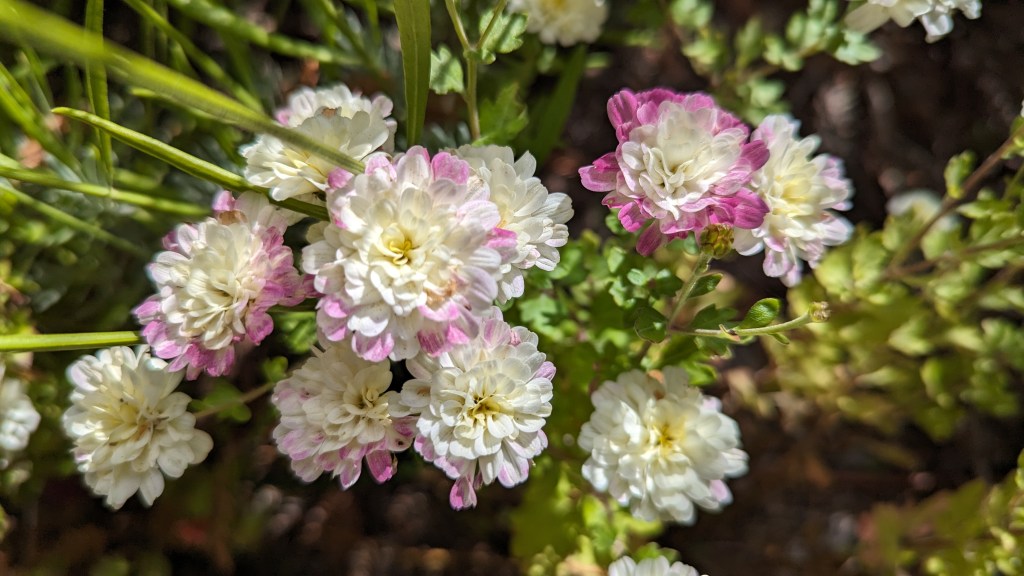
4. Chrysanthemum X morifolium, is more discolored than anemone, but is instead quite pretty. It was likely white when left here after a wedding. It now lives in a garden nearby.

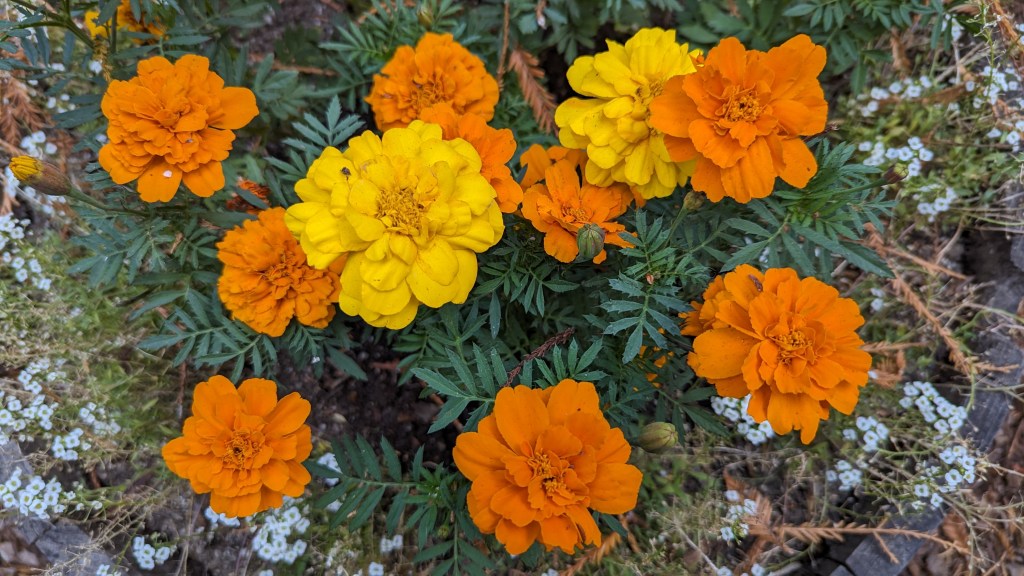
5. Tagetes patula, marigold is as customary for autumn as chrysanthemum is. Its bright yellow and orange are splendid. This one though looks too much like Ronald McDonald.

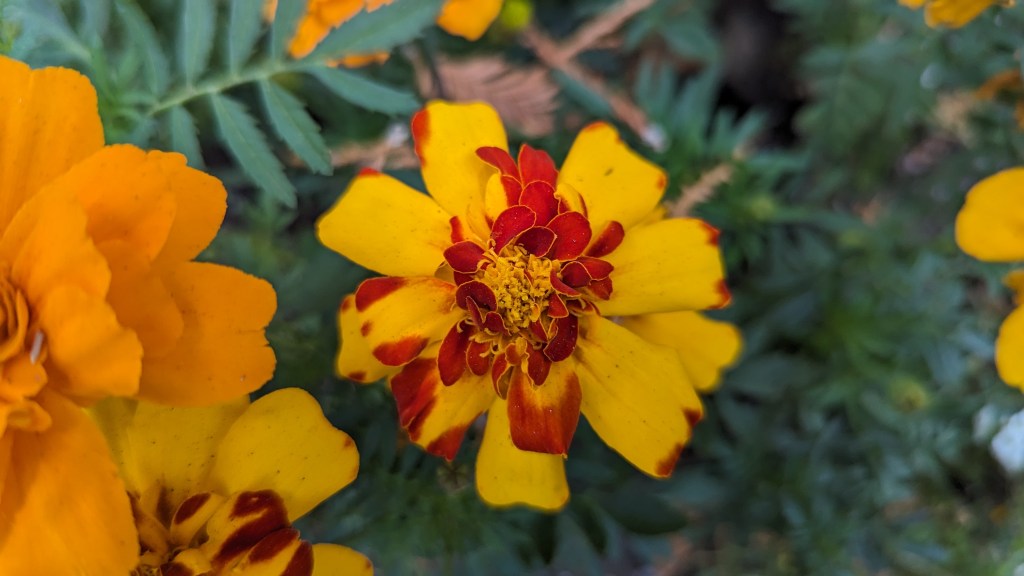
6. Tagetes patula, marigold should look more like these. Brownish red is traditional too. Marigold is the official flower of Dia de los Muertos of the first and second of November.

This is the link for Six on Saturday, for anyone else who would like to participate: https://thepropagatorblog.wordpress.com/2017/09/18/six-on-saturday-a-participant-guide/

Horridculture – Inappropriateness

Vines and annuals are not shrubbery and ground cover.

Vegetation within a planned landscape should serve a purpose. The form of such vegetation should be appropriate to such purpose. Trees provide shade. Shrubbery defines space and obscures undesirable scenery. Vines climb fences and other infrastructure. Annual bedding plants provide more seasonal color than most other vegetation. Turf grows into useful lawns. It is helpful to plan accordingly for a landscape.

Turf can not do much more than become useful lawn. It can not provide shade, obscure undesirable scenery, climb fences or provide more seasonal color than green. Nor can trees, shrubbery or vines become useful lawn. Again, each form of vegetation should be appropriate to its particular application.

Trellised rocktrumpet is not shrubbery. Rose periwinkle is not permanent ground cover.

There is so much other vegetation that would have been appropriate to this particular situation. Star jasmine, trailing lantana, trailing rosemary or even the dreaded English ivy would have been better and more permanent ground cover. Dwarf oleander, barberry, arborvitae or even dwarf New Zealand tea tree would have been better shrubbery.

Rose periwinkle is an annual bedding plant. Although it is somewhat pretty now, it will not likely survive through winter. Even if it does, it will not migrate far enough to reliably function as a ground cover.

Trellised rocktrumpet is a small but vigorous vine that will always be reliant on trellises for support. As its cheap trellises decay and deteriorate, it will eventually develop into shabby mounds of tangled vine stems, but will never be able to support itself as high as the new trellises are now. It can reach out to cover some of the ground that will be vacated by the rose periwinkle, but can not reliably function as a ground cover for this much area. It will bloom less if shorn for neatness.

Six on Saturday: the Wrath of Grapes

This was no easy project. I started pruning and maintaining this formerly neglected and very overgrown grapevine several years ago. It had been installed a few years earlier, but had never been pruned. Its first pruning may have generated two pickup loads of debris, as well as a dozen or so layers, which were shared with neighbors. I then trained its new growth to span horizontally over a lower deck, from a rail fence that it originally grew on to a parallel banister about twelve feet away. It was like a pergola without a pergola. The problem is that the banister needs to be painted. After training the grapevines for years, I needed to remove them.

1. It looks simpler than it was. Vines needed to grow long enough to reach from the fence to the banister. They then needed to be pulled across with a cord and tied onto balusters.

2. Between the fence and the banister, the vines required no support. They were pruned annually while dormant for winter, and groomed for summer, so did not get very heavy.

3. The vines sagged somewhat, but had plenty of space downstairs to do so. The banister to the left is horizontal. The fence to the right slopes downward away from this vantage.

4. From the same vantage without the spanning vines, the scenery is now very different. Old vines will get pruned for neater confinement to the fence while dormant this winter.

5. The vines formerly shaded the pavement downstairs nicely. This area gets quite warm without shade during summer. That was partly why we wanted these vines to span here.

6. As severe as this pruning was, it will be a bit more severe while the vines are dormant this winter. Vines will not extend so far outward, and may not cascade downward either.

This is the link for Six on Saturday, for anyone else who would like to participate: https://thepropagatorblog.wordpress.com/2017/09/18/six-on-saturday-a-participant-guide/

Horridculture – Green Walls

It would have been easier to paint the wall green.

Foundation plantings were quite functional while eavestroughs and downspouts were prohibitively expensive prior to about the Victorian Period. They dispersed rain water as it fell from eaves above, in order to limit surface erosion and muddy splatter onto foundations, basement windows, and lower portions of walls.

Most foundation plantings were tough perennials, such as lily of the Nile, or low and densely evergreen shrubbery, such as English boxwood or Indian hawthorne. Some did not stay so low though. Long after eavestroughs and downspouts became common, some foundation plantings grew into obtrusive hedges in front of exterior walls. Some even obscured windows. Instead of dispersing moisture, they retain moisture and damp detritus that promotes rot of associated walls and infrastructure. Furthermore, they require maintenance, such as shearing. It would be more practical to paint a wall green than to leave overgrown foundation planting pressed up against it.

Vines are no better. They can be practical on reinforced concrete and cinder block, but not much more. Not only do they promote rot, but some destroy paint, siding and stucco. Vermin can get anywhere that vines provide access to.

This is neither about vines nor foundation planting though. It is about this hedge in front of this glass facade. It got my attention because it did not grow slowly into this form from overgrown foundation planting, but was intentionally installed and shorn as such. Then, I realized that it is actually practical. It did not require modification of the wall. It is shorn to maintain a slight bit of clearance from the glass facade, to facilitate cleaning of the glass, and inhibit accumulation of detritus against the glass. Therefore, it does not look so bad from within. Perhaps it is comparable to painting the glass wall green, but is actually more visually appropriate.

Six on Saturday: Naked or White or Dead

Three of these six are naked ladies, Amaryllis belladonna. Two of these six bloom white. Three of these six need deadheading. Three qualify as two categories. Two qualify as one category. One qualifies as none. None qualify as three. Alternatively, three are lily of the Nile, Agapanthus orientalis, two bloom blue, two bloom pink, and three do not yet need deadheading.

1. 1 – dead but neither naked nor white. Lily of the Nile, with few exceptions, is in need of deadheading at this time of year. All but one cloned colony here are mixed blue varieties.

2. 2 – white and dead but not naked. This deteriorating floral truss is one of merely three that bloomed within the one cloned colony of white lily of the Nile. This colony is young.

3. 0 – not naked, white or dead. This is the lowest score because bloom deteriorates a bit slower in the shade. Blue lily of the Nile could score no more than a single point anyway.

4. 2 – naked and dead but not white. This is the common naturalized naked lady here. It bloomed annoyingly bright pink, but is not the brightest pink. It should be deadheaded.

5. 1 – naked but neither white nor dead. This is a brighter pink naked lady that is not yet in need of deadheading because it blooms a bit later. It has slightly stouter brown stems.

6. 2 – naked and white but not dead. This is merely one of three highest scores, but is my favorite! I had wanted a white version for a long time. It seems to bloom late like #5, but blooms on a green stalk like #4. Its primary bulb already generated four pups, so will be relocated to a more prominent location to develop as a colony. It will not bloom much if split annually, but will multiply most efficiently by such technique. I want more of them!

This is the link for Six on Saturday, for anyone else who would like to participate: https://thepropagatorblog.wordpress.com/2017/09/18/six-on-saturday-a-participant-guide/

Six on Saturday: Frosty Forecast

Frost is not a problem here. The several species here that are not resilient to frost are the problem. The first of my Six actually has no problem with frost, but does have a problem with starting too late to finish prior to frost next winter. The second also has no problem with frost, but does not want to bloom as weather cools into autumn. The other four are from a frostless region of Los Angeles. I neglected to protect them from the earliest frost last winter because I did not expect it. Their recovery was slow through mild spring and summer weather. They are now growing vigorously rather than decelerating for autumn. This increases their vulnerability to frost next winter.

1. Dahlia X pinnata, mixed dinnerplate dahlias are starting to grow, with only a third of their season left. I described the delay last week. Only three of two dozen survived so far.

2. Gardenia jasminoides, gardenia seems to be healthy, and generated a typical number of floral buds, but is now shedding such floral buds, likely in response to cooling nights.

3. Solandra maxima, cup of gold vine was new here when it got frosted last winter, then grew slowly through atypically cool weather last spring, and is now growing like a weed!

4. Platycerium bifurcatum, staghorn fern also waited a bit too long to start growing like this. It could eventually enjoy rain and humidity through winter, but not even mild frost.

5. Heliconia psittacorum, parakeet flower has done well since last winter. I brought nine rhizomes from Los Angeles. They are still a bit too small to survive average frost though.

6. Dichorisandra thyrsiflora, blue ginger is likely even more vulnerable to frost. Most of its cuttings did not survive last winter. I am impressed and pleased with the six that did.

This is the link for Six on Saturday, for anyone else who would like to participate: https://thepropagatorblog.wordpress.com/2017/09/18/six-on-saturday-a-participant-guide/