Six on Saturday: After The Fire

Much of my work for the second half of the week is still affected by the CZU Lightning Complex Fire of last summer. Combustibility of the forest is a major concern. Vegetation management is now a priority. Fire roads must be cleared. Trees that are too close to buildings or hang over roofs must be removed. I am not accustomed to condemning trees at such an accelerated rate.

Resources have been reallocated. Some maintenance has been deferred. Even without fresh seasonal annuals, flowers continue to bloom, but I am not out there to see much of them.

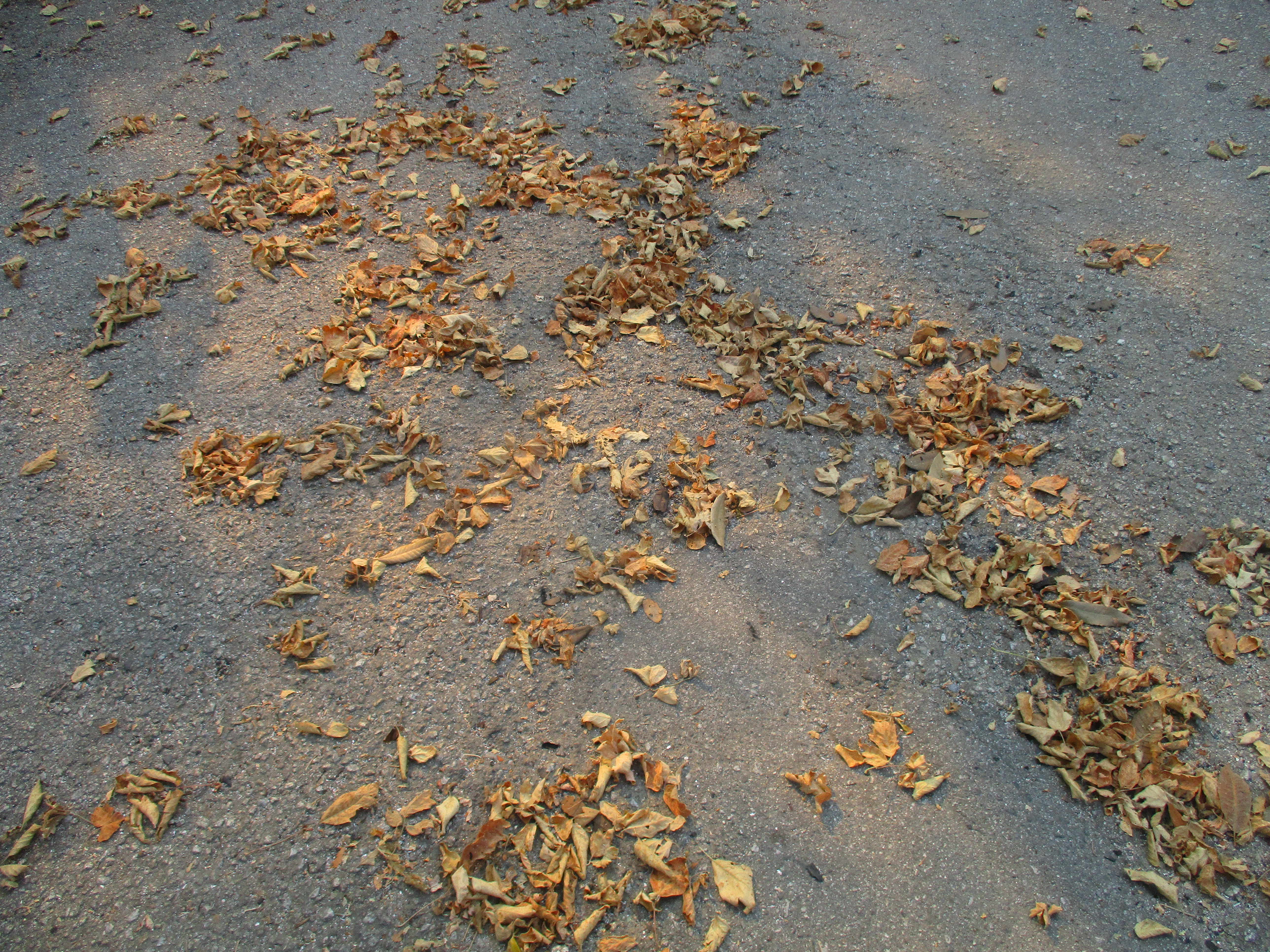
1. Charred remains of a neighbor’s home fill a bin that should otherwise be filled with greenwaste. Even common trash would be better. The forest smells burnt rather than like fallen leaves.

2. Perennial pea roasted during evacuation, before I flagged a rare white bloomer for relocation while dormant in winter. Although briefly regenerating, they all look the same without bloom.
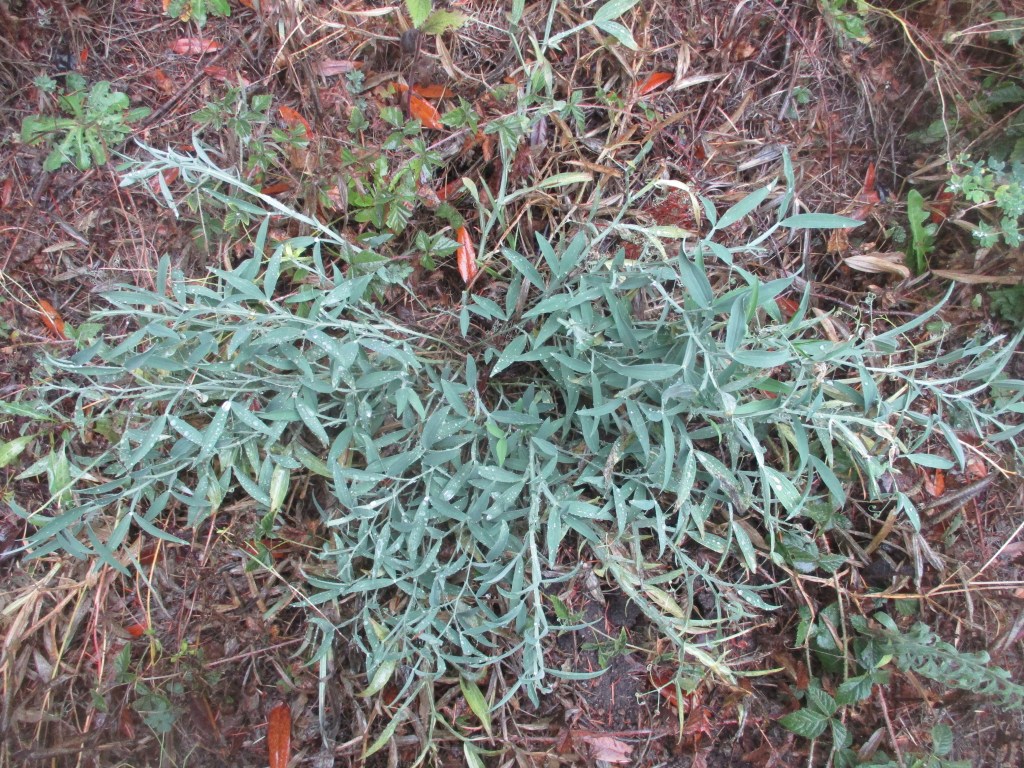
3. Nightshade is not a bothersome weed. It is just unappealing. It somehow looks gloomy. I suppose that it could be pretty in the right situation, perhaps in a vase with some autumn flowers.

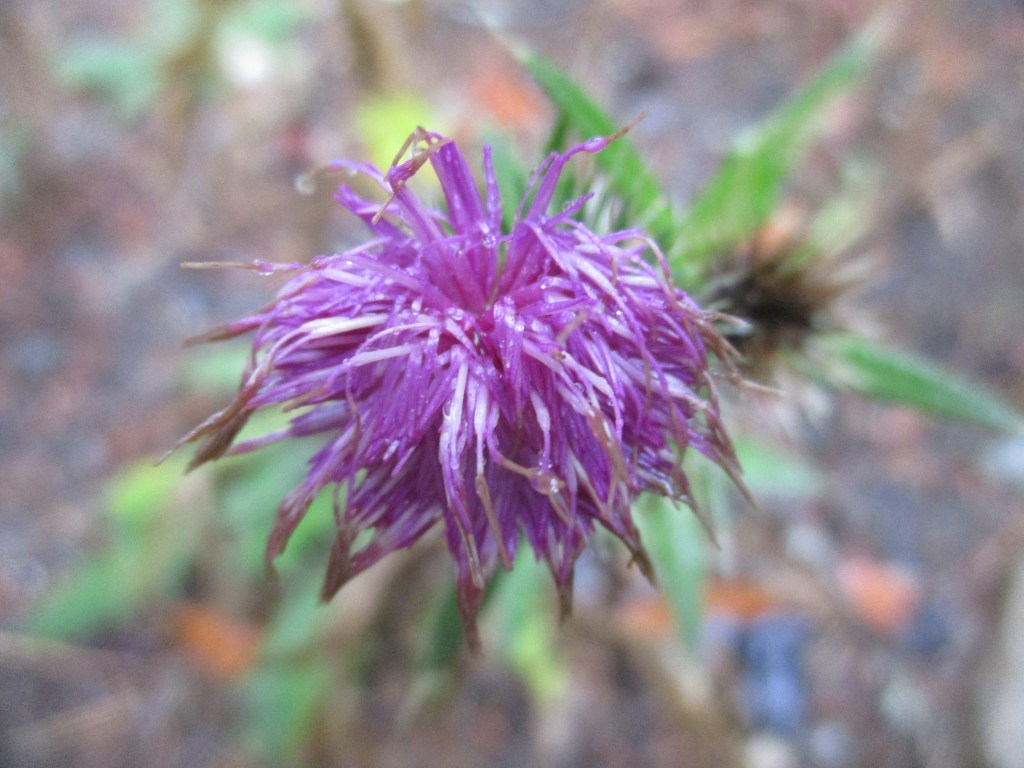
4. Muppets do not grow here. This is just a wet and deteriorating thistle of some sort. It should have been cut down before bloom. More significant vegetation management is now a priority.
5. Cottonwood colored well for autumn. Bigleaf maple and birch are just as colorful. Sweetgum is still mostly green, but ultimately develops the best variety of color. It really is autumn here.

6. Mud proves it! From Tuesday morning to Wednesday morning, it rained for the first time since spring. The few dirty raindrops during the Fire do not count. Anyway, the rain was grand!

This is the link for Six on Saturday, for anyone else who would like to participate:

https://thepropagatorblog.wordpress.com/2017/09/18/six-on-saturday-a-participant-guide/

Six on Saturday: Fan Club

Palms are not as popular here as they are in Southern California. Furthermore, they are less popular in the Santa Cruz Mountains than they are in the Santa Clara Valley below. There are so many more refined landscapes in the Santa Clara Valley, and they contain many more exotic species. In the Santa Cruz Mountains, cutting trees down is more of a priority than adding more.

Besides, palms look silly with redwoods. Of these palms, which are mostly fan palms, only the Mexican fan palm will get planted as the winter rain starts. The others remain canned for now.

These palms are quite the Fan Club.

1. Arecastrum (Syagrus) romanzoffianum, queen palm – is not eligible for membership in this exclusive Fan Club. It is ‘feather palm’, rather than a ‘fan palm’. Therefore, no queens allowed.

2. Brahea armata, hesper palm – is a most distinguished fan palm. It is quite rare. Like the California fan palm, it prefers warm and dry summers, so can languish if irrigated too frequently.

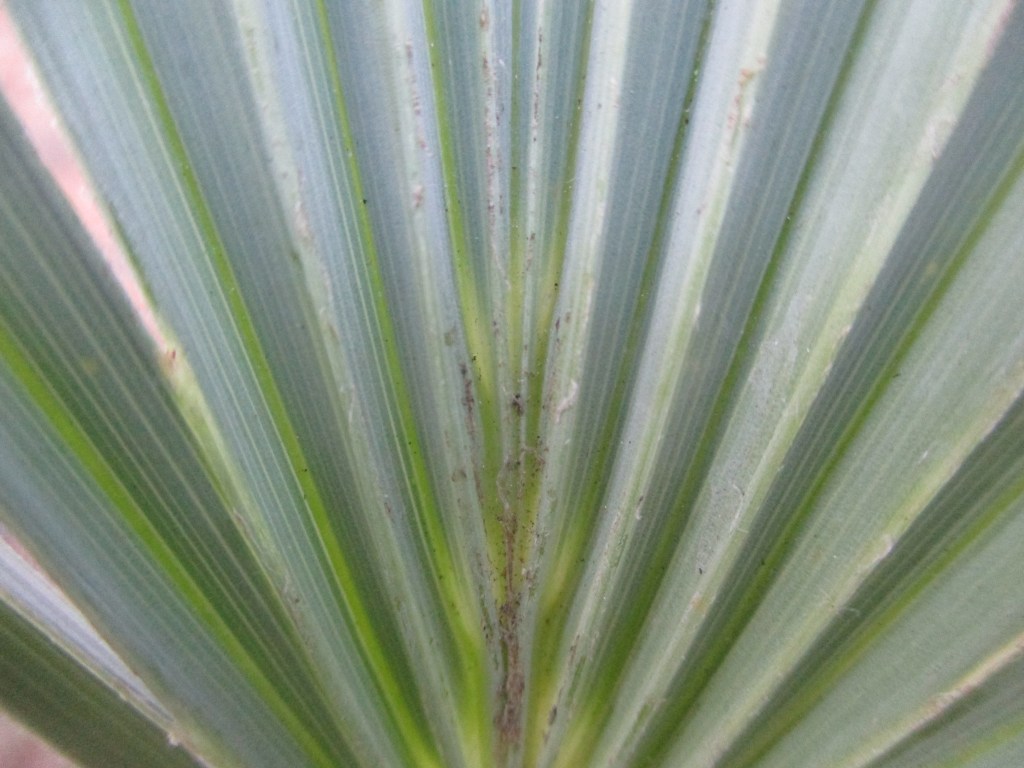
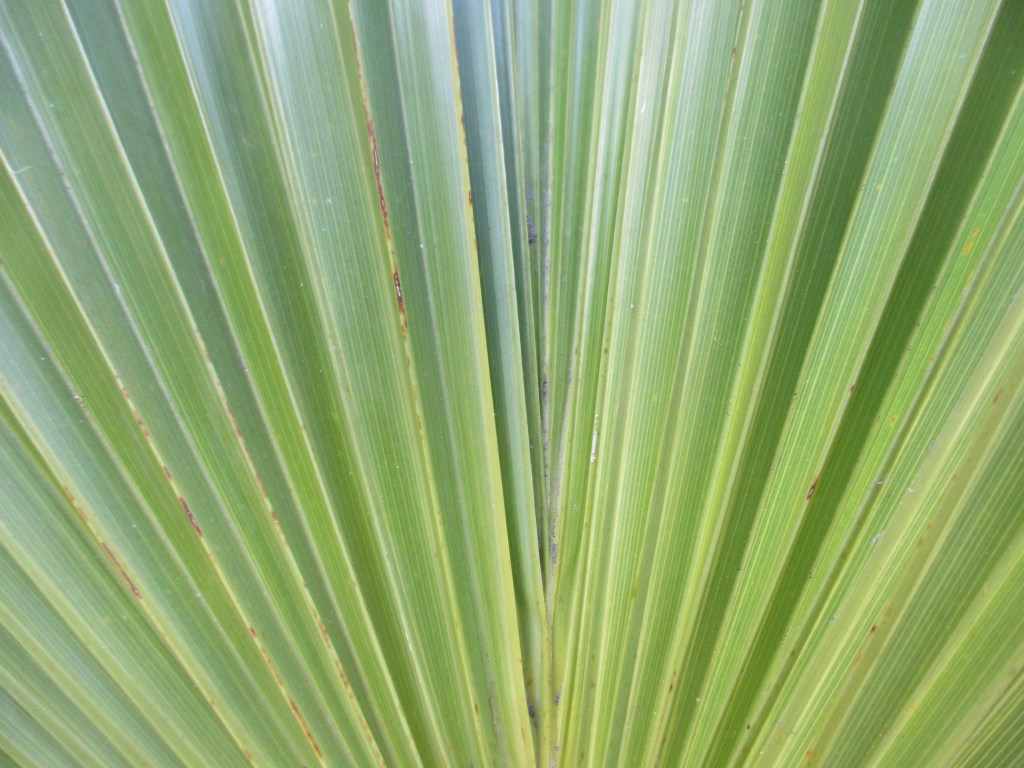
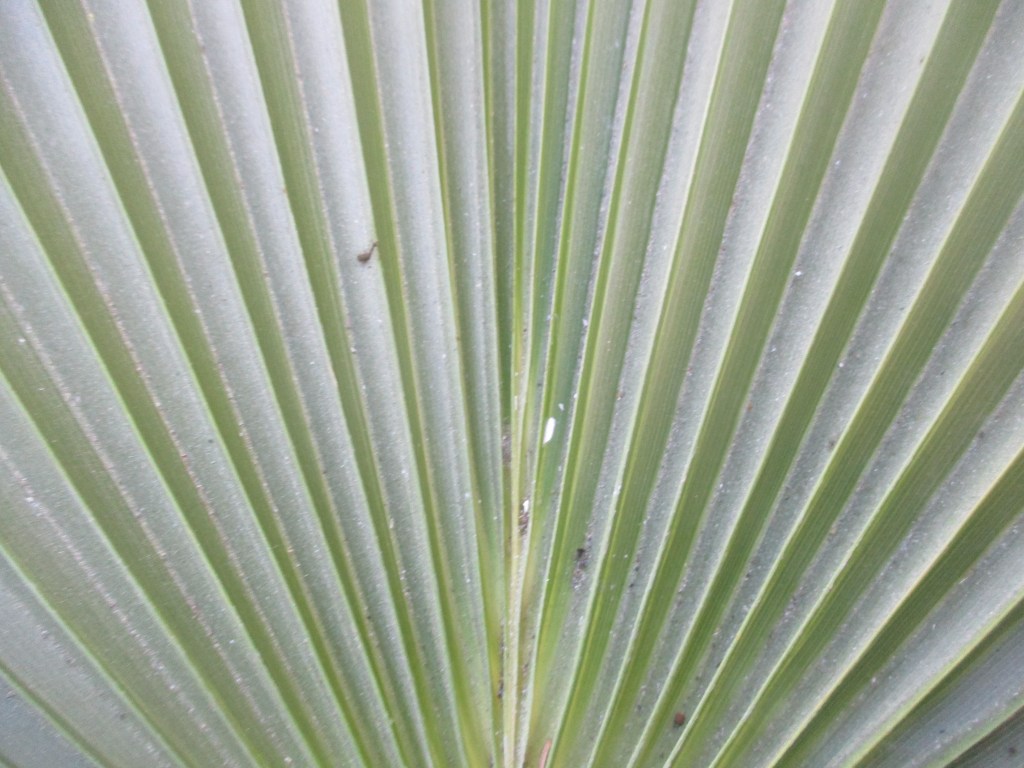
3. Trachycarpus fortunei, windmill palm – is the opposite. It is quite common, and could be even more common, since it is not at all discriminating, and is proportionate to compact gardens.

4. Washingtonia robusta, Mexican fan palm – had the been the most common palm locally prior to the queen palm fad of the 1990s. Unfortunately, it gets very tall. Notice the lingering ash.

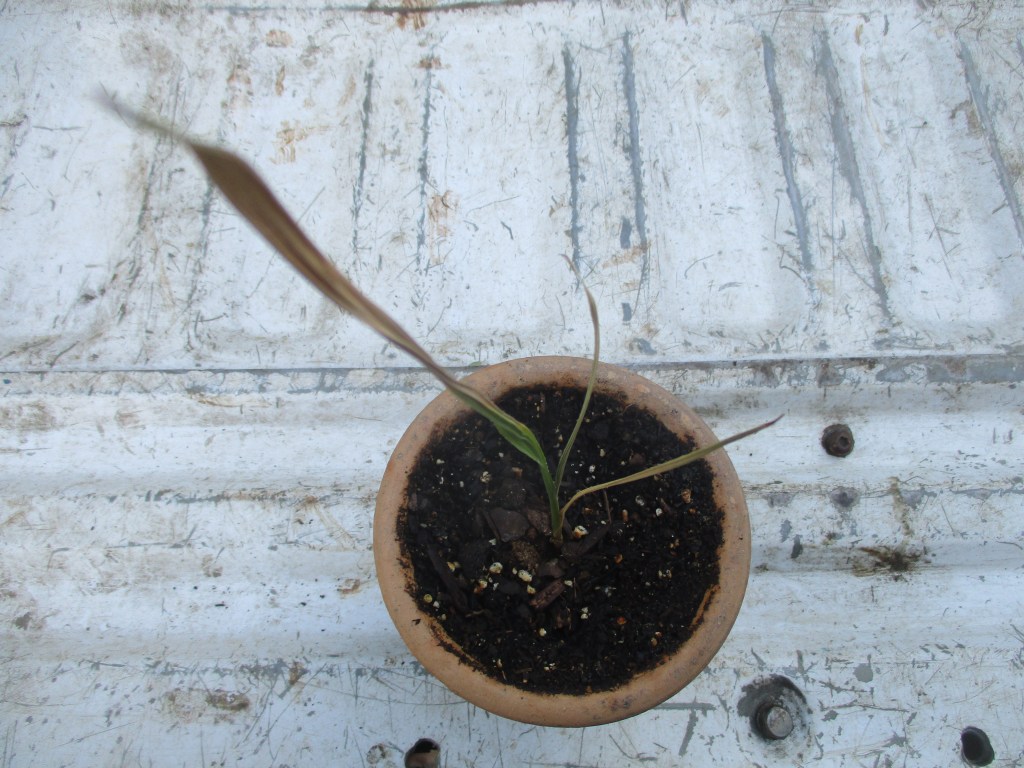
5. Washingtonia filifera, California fan palm – is an aspiring member that recently grew from an old seed. It is also known as desert fan palm, and is the only palm that is native to California.

6. ‘A BIG STICK’ was the only ‘club’ I could find for this Fan Club. No one knows what it is, where it came from, . . . or anything about it. I think it is a wheelbarrow or post hole digger handle.

This is the link for Six on Saturday, for anyone else who would like to participate:

https://thepropagatorblog.wordpress.com/2017/09/18/six-on-saturday-a-participant-guide/
Six on Saturday: November 1, 2020 – Memorial Tree Update (on November 7)

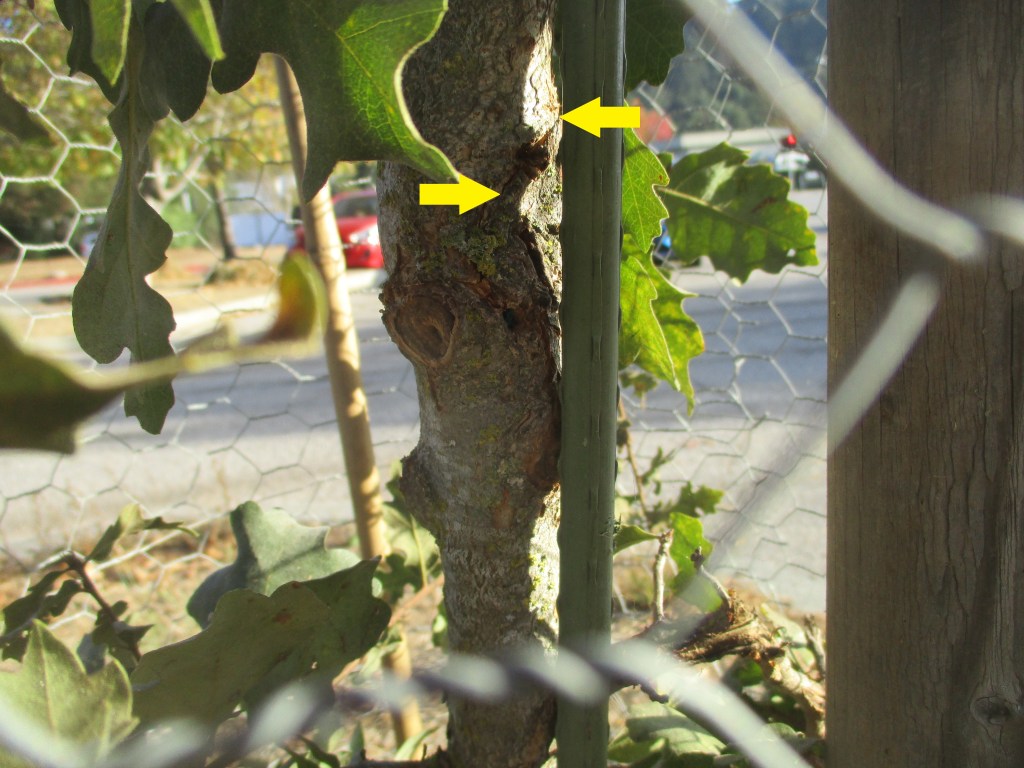
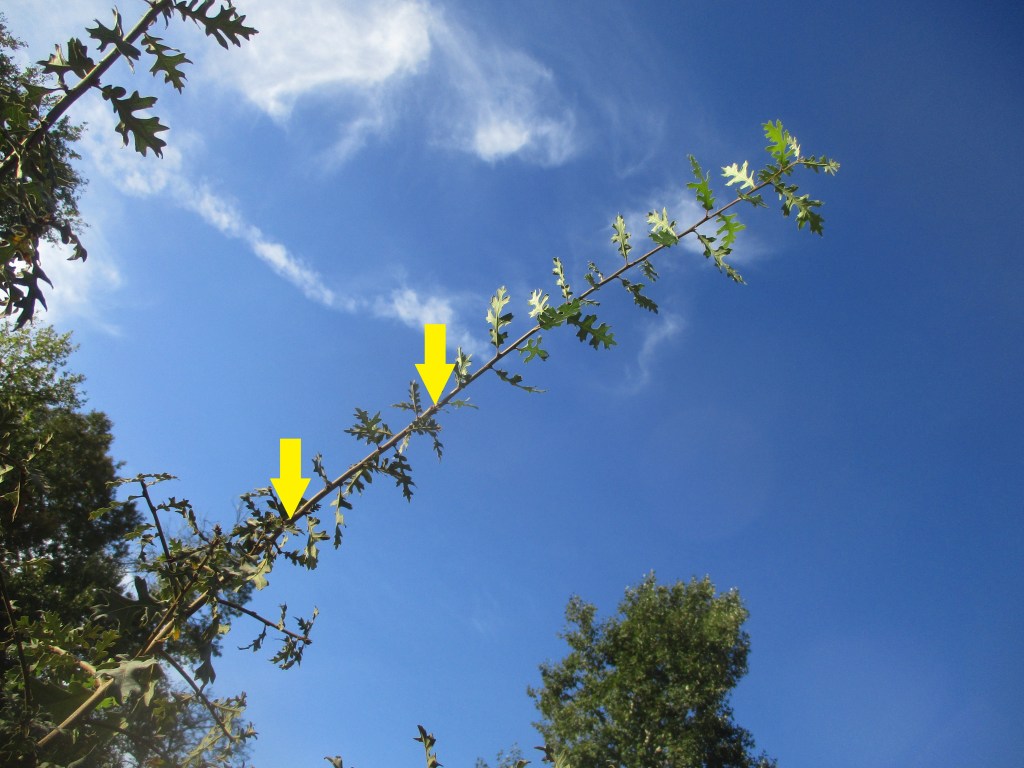
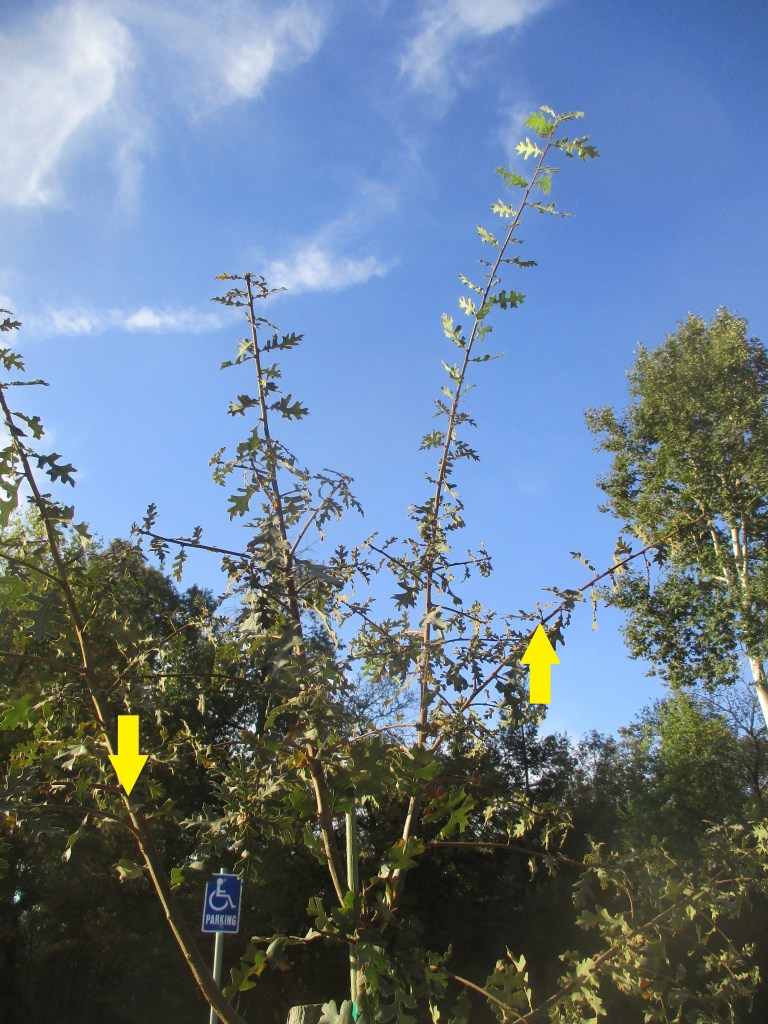
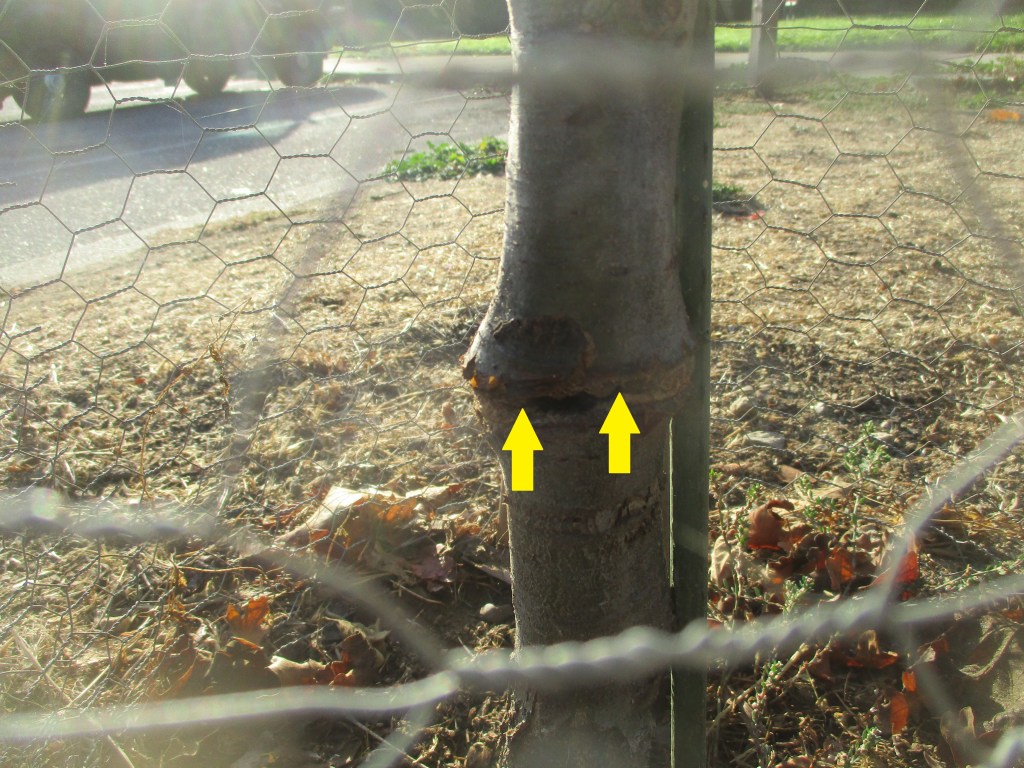
These pictures are from a similar article with the same name at Felton League, which was linked to here last Wednesday. They demonstrate how efficiently the Memorial Tree is recovering from vandalism four months ago. Pointer . . . ‘thingies’ were added to more precisely identify what some of the pictures illustrate. The other two linked-to articles provide more information.

1. A gardener at Felton Covered Bridge Park installed this chicken wire cage around the Memorial Tree after it was vandalized. The protection is minimal, but the gesture is very thoughtful.

2. This now minimal damage is all that remains of of the formerly major vandalism. The worst of the damage to the left and right was very efficiently compartmentalized in just four months.

3. This scar is all that remains of formerly major damage. It is now completely compartmentalized. Growth above not only continued, but was unusually accelerated for so late in the season.

4. This damage was compartmentalized so efficiently that the scar is barely visible. Actually, I am not even certain if this is a scar. I remember only that the trunk was sliced in three places.

5. Growth for the season was adequate prior to the vandalism. The marker to the lower left shows where growth started early last spring. The marker to the upper right, near the center of the picture, shows where growth was decelerating and expected to blind out by the middle of summer. However, growth accelerated vigorously past that, as if stimulated by the vandalism.

6. Growth was unusually vigorous, especially for late summer. During winter, the stem designated by the marker to the left should be removed so that it does not develop into another major trunk. The stem designated by the marker to the right should probably be pruned back so that it does not compete with the two upper stems that are developing into the main lower limbs.

This is the link for Six on Saturday, for anyone else who would like to participate:

https://thepropagatorblog.wordpress.com/2017/09/18/six-on-saturday-a-participant-guide/
Six on Saturday: LOG!

What rolls down stairs
alone or in pairs,
and over your neighbor’s dog?
What’s great for a snack,
And fits on your back?
It’s log, log, log

It’s log, it’s log,
It’s big, it’s heavy, it’s wood.
It’s log, it’s log, it’s better than bad, it’s good.”

Everyone wants a log
You’re gonna love it, log
Come on and get your log
Everyone needs a log
log log log

Hopefully, no one remembers this. Anyway, vegetation management has become something of a priority recently, and has been generating a bit of firewood.

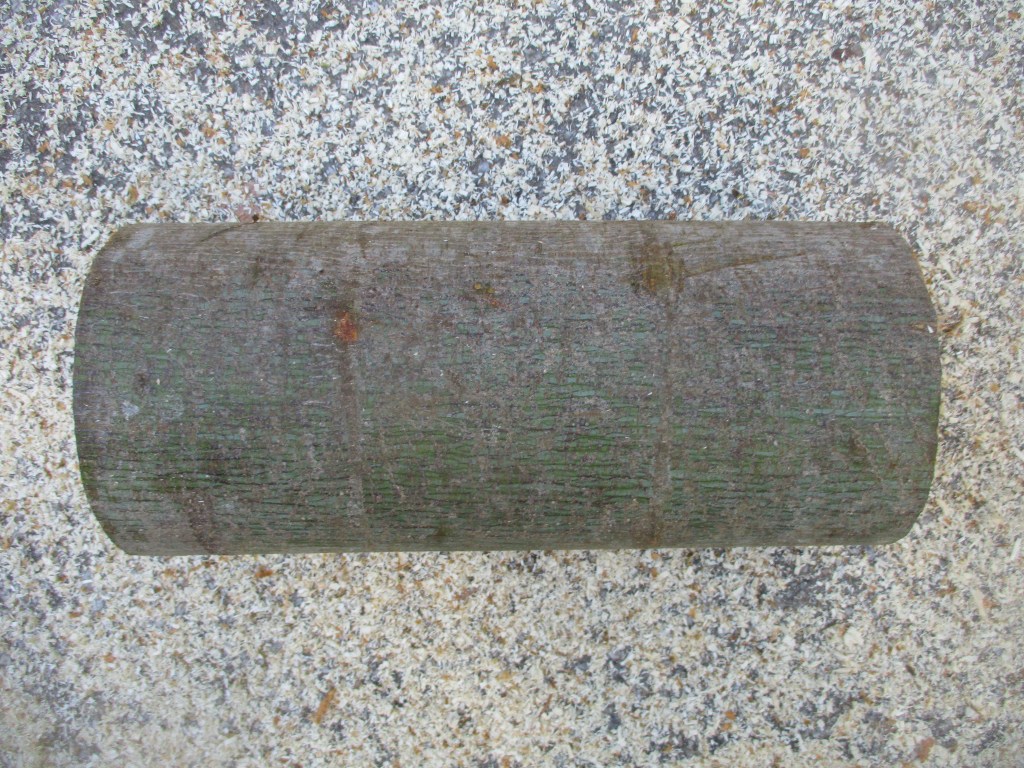
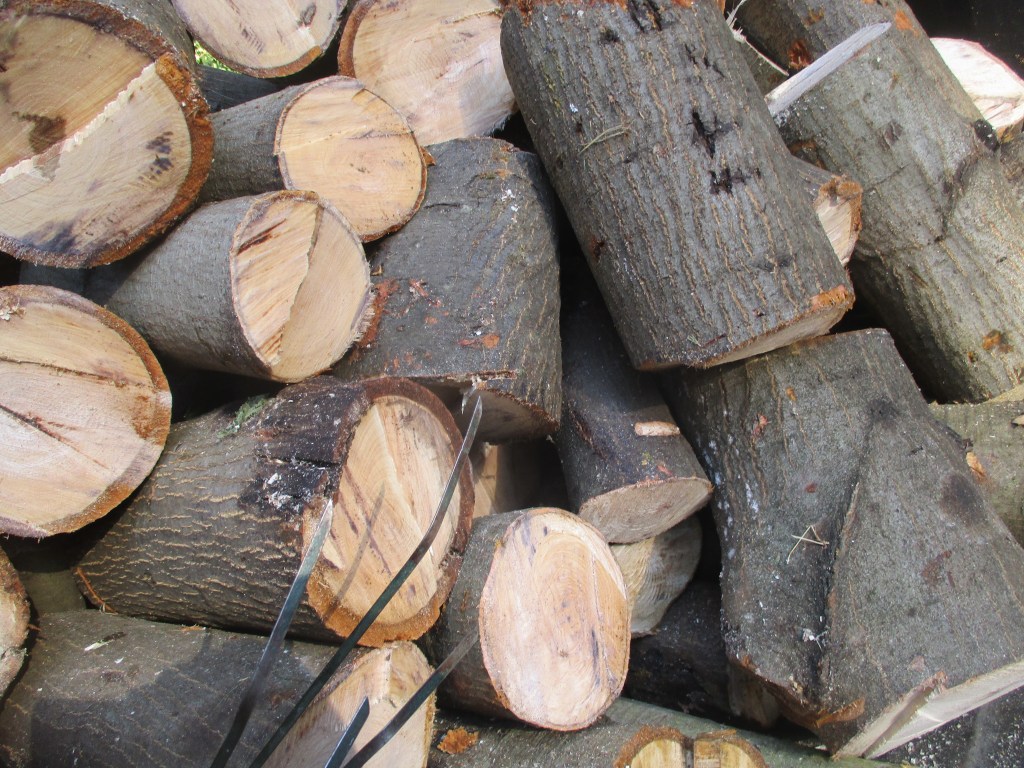
1. LOG! From Blammo! Actually, this one is from a bigleaf maple, Acer macrophyllum. It is an exemplary specimen, artfully displayed against a backdrop of sawdust scattered over asphalt.

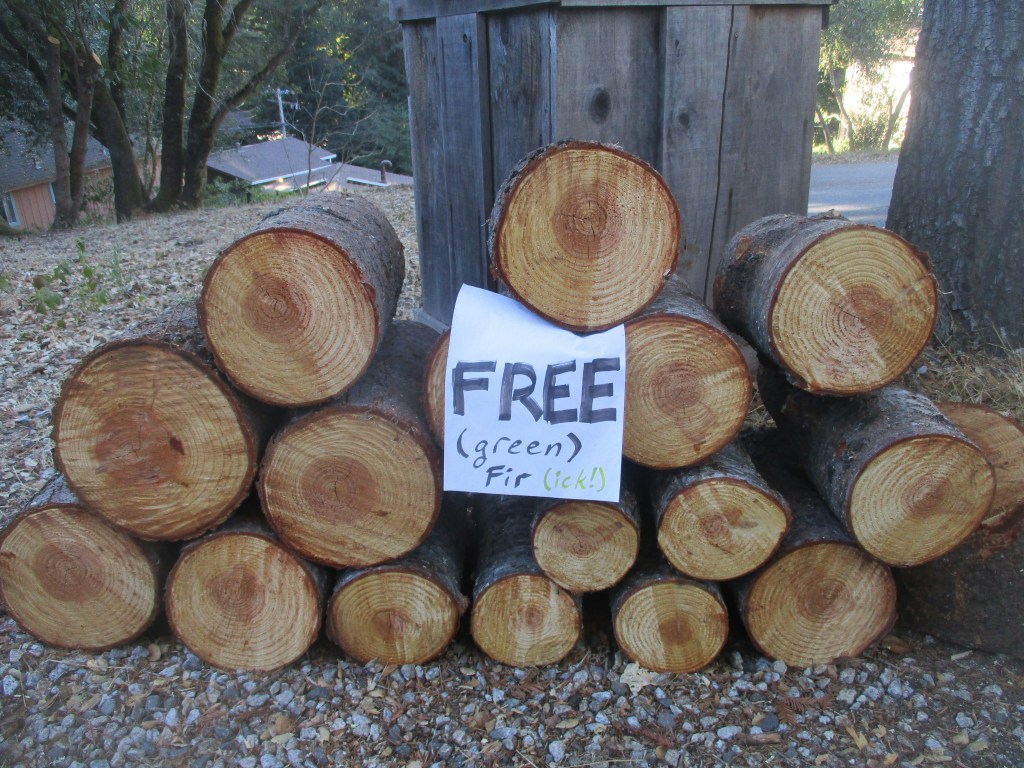
2. Pseudotsuga menziesii, Douglas fir is cruddy firewood that can ruin carpet inside a car if moved while green and sappy, but most was gone by the time I got this picture. It is all gone now.

3. (Notho)lithocarpus densiflorus, tanoak is much better firewood. It is also my least favorite of native trees here. It smells like bad salami while in bloom, and produces irritating tomentum.

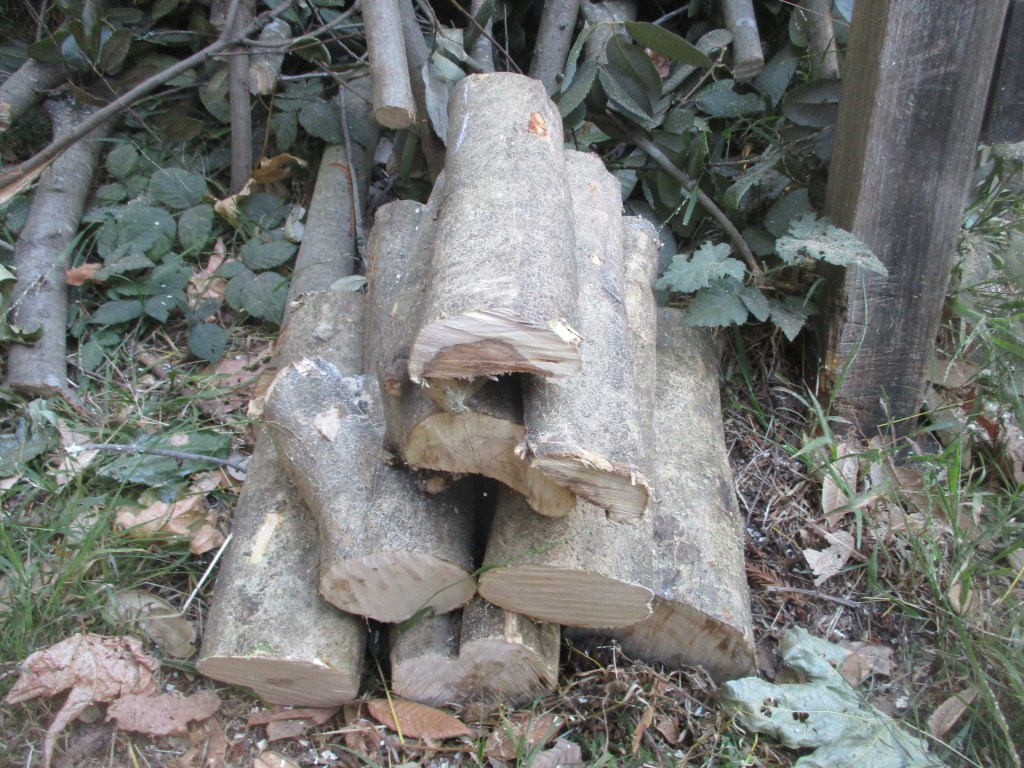
4. Ligustrum japonicum, waxleaf privet is not native. It was likely a remnant of a prehistoric landscape, rather than self sown. The few logs are nothing to brag about, but will burn like olive.

5. Umbellularia californica, California bay was claimed before it was stacked, so was outfitted with a sign that read, “This bay is not free. (This ain’t FREEBAY!) LOL – LOL”. It smell badly!

6. Acer macrophyllum, bigleaf maple, according to the sign, is for Aunt Jemima. It is one of my favorite native species, but is notably uncommon, so I am none too keen on cutting any down.

This is the link for Six on Saturday, for anyone else who would like to participate:

https://thepropagatorblog.wordpress.com/2017/09/18/six-on-saturday-a-participant-guide/
Six on Saturday: Another Quarter

Getting there is half the fun, but only half of that fun was illustrated last week. This it the remaining half of half the fun, . . . which is technically a ‘quarter’. The pictures are not very colorful. Mine are very often like that for Six on Saturday. I am sorry that I got no picture of Rhody.

1. Rhody’s meadow next door was a baseball field. It may eventually be restored. For now, compost piles occupy the edge of right field. The railroad bridge of last week is in the background.

2. Toasted leaves remain evident in undisturbed areas. There has been no rain to accelerate decomposition. It is disconcerting to see so many amongst combustible dried vegetation like this.

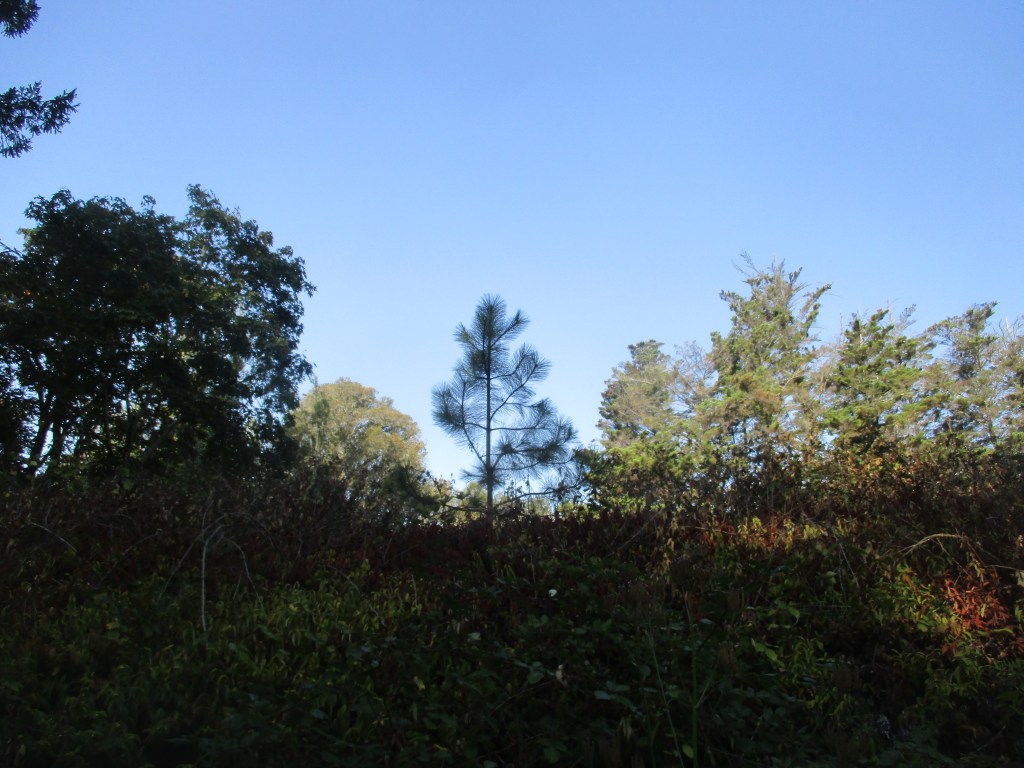
3. Charlie Brown’s Christmas Tree lives here. It is a baby ponderosa pine, which seems out of place among redwood forest. Those are sickly Monterey cypress in the background to the right.

4. Trinity Tree was about this tall in historic pictures from more than a century ago. It is only plumper now. It may have been rejected from earlier harvest because it is so thickly branched.

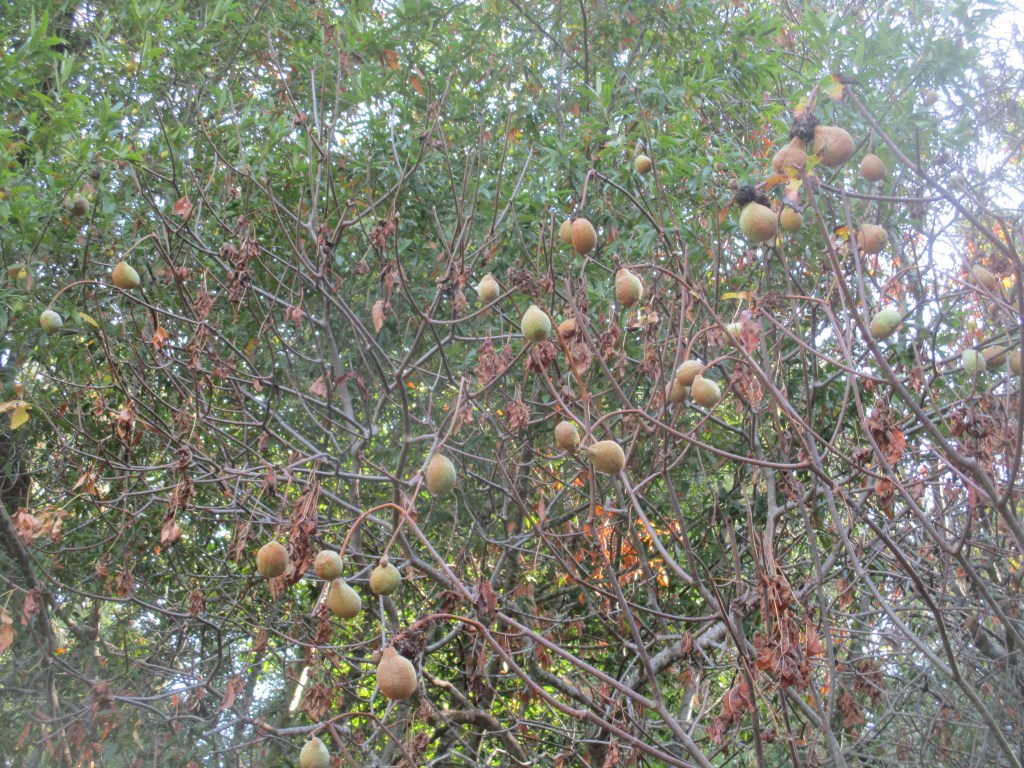
5. California buckeye seed pods, or whatever they are, look even sillier than what the English know as conkers of red horse chestnut, because they linger after summer defoliation. This is an odd species that defoliates during the arid warmth of summer, refoliates for late autumn, and defoliates again after it gets frosted in winter, only to foliate late in winter to repeat the process.

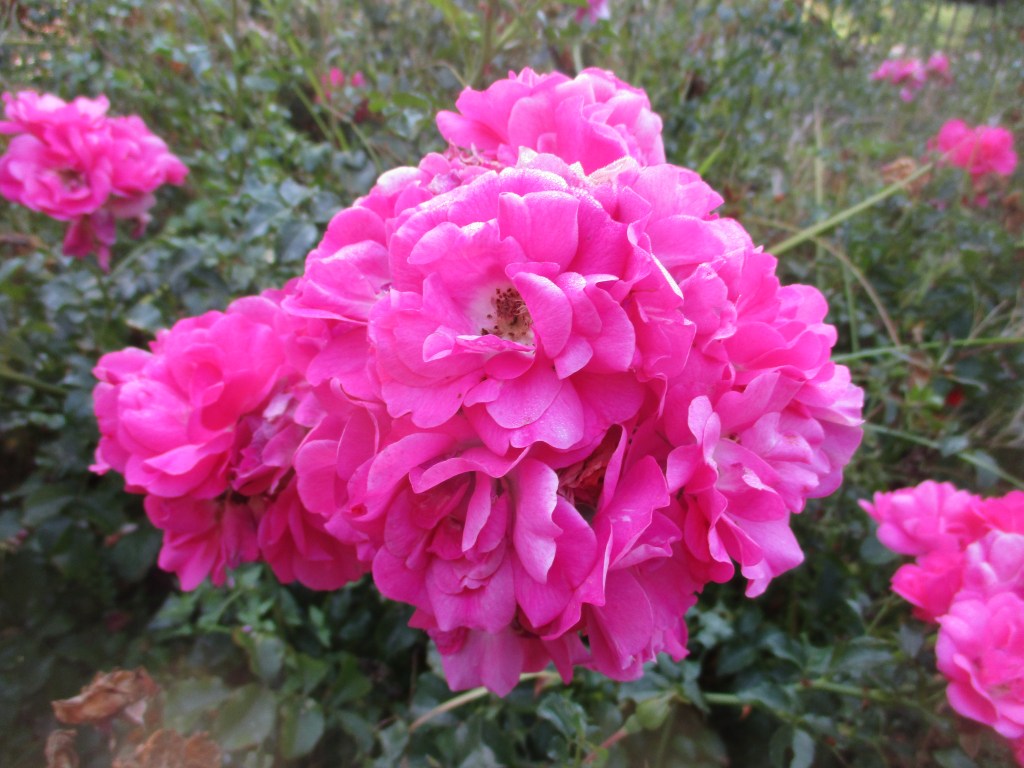
6. Yuck! I detest carpet roses. Besides this pink colony at the Depot, there is a red hedge in another landscape. Without a picture of Rhody, it seems polite to add at least one colorful picture.

This is the link for Six on Saturday, for anyone else who would like to participate:

https://thepropagatorblog.wordpress.com/2017/09/18/six-on-saturday-a-participant-guide/
Six on Saturday: Getting There Is Half The Fun

The biggest valley oak in the Santa Clara Valley supposedly lives next door to where I lived in town. Well, that was too far to go to get the picture I needed for the garden column next week. Another lives on the other side of the tracks.

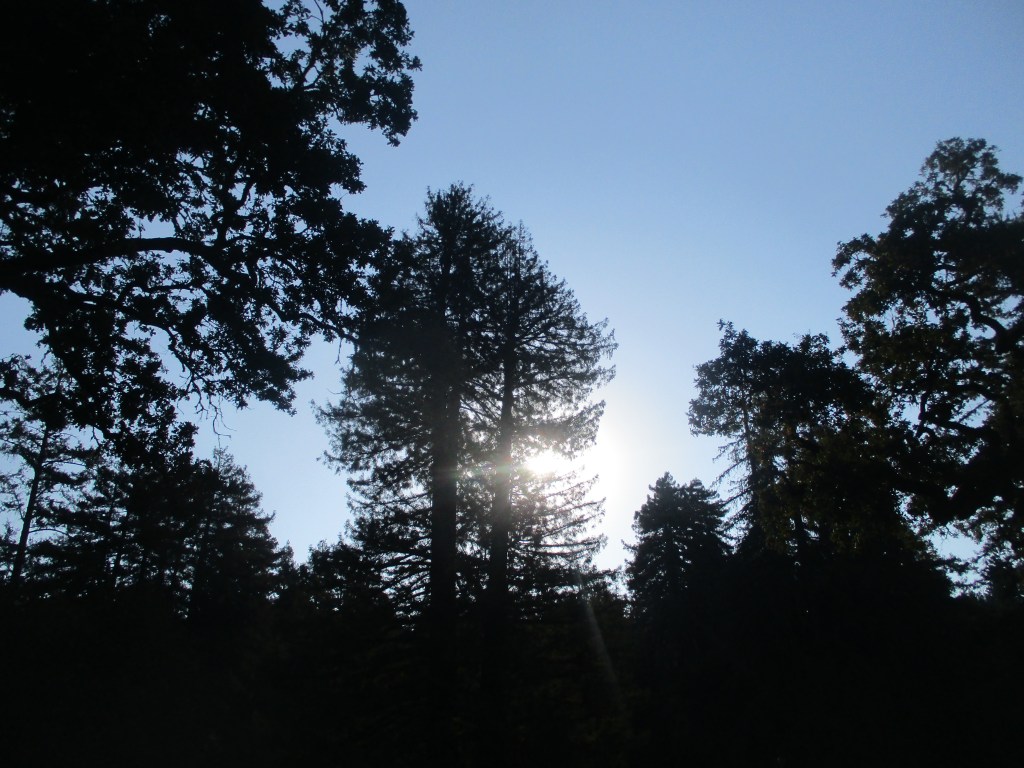
1. Roaring Camp Railroad is out back. The Depot is out of view to the right, on the other side of Zayante Creek. The big valley oak that I got a picture of is on the left, but does not look so big from here. A few ecosystems mix here, so ponderosa pines, Douglas firs and all the riparian trees mingle with the coast live oaks and redwoods. However, I doubt that valley oaks are native.

2. Rhody stayed home. These grates on the pedestrian catwalk on the bridge are not intended for small paws. Some of those trees down there are about thirty feet tall! Most are white alder.

3. Riparian trees are close enough for pictures from a pedestrian bridge just downstream. That foliage in the middle of this picture is a sycamore. However, the deteriorating bridge is closed.

4. Old valley oaks, which are native just a few miles away, seem to have been planted here; since they all are on roadsides or driveways. Whether native or introduced, they happily self sow.

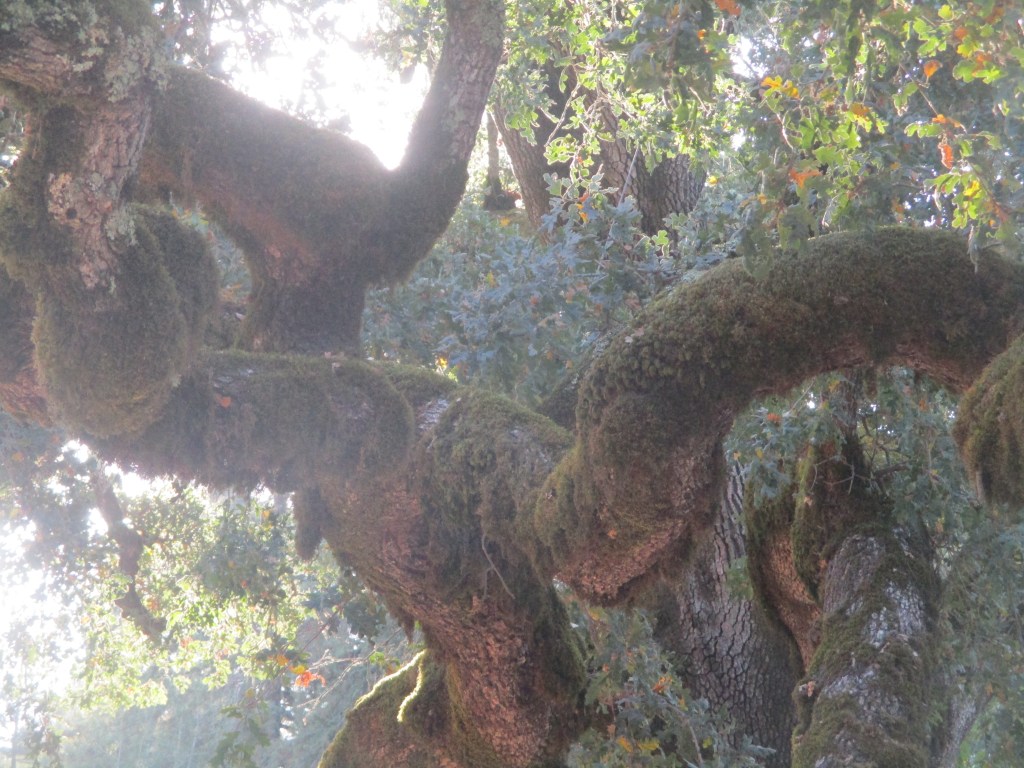
5. Moss makes these sculptural limbs seem to be older than they are. This now massive valley oak was a shrubby young pup in photographs from the 1920s. It was likely planted after 1906.

6. Gnarly roots were exposed by erosion on an embankment between the big valley oak and the train tracks. I suspect that the tree was planted to shade the depot during the late afternoon.

This is the link for Six on Saturday, for anyone else who would like to participate:

Six on Saturday – a participant guide

Six on Saturday: A Bit More Color

Since the Fire, my Six on Saturday posts have been rather gloomy. Titles such as ‘Pompeii‘, ‘Revelation‘ and ‘Revelation II‘ are appropriately descriptive. More color is in order.

1. Silvery bark of a silver maple is sort of colorful. Hey, the next five really are more colorful. I planted this tree as a young twigling in the Santa Clara Valley when I was in high school. It had a second trunk, which I layered as another tree for the front garden. This tree is in back. I would like to get a copy for my own garden. This is now an old picture that I got during evacuation.

2. Orangish red bloom is that of ‘Pollack’ zonal geranium, which is grown more for its very variegated foliage. However, this bonus bloom is on a specimen that reverted to be less variegated.

3. Peachy Peruvian lily looks pink to me, but is not quite as pink as the pink sort. There is a yellow sort here too. They certainly are prolific. In 1986, I worked with these as a cut flower crop.

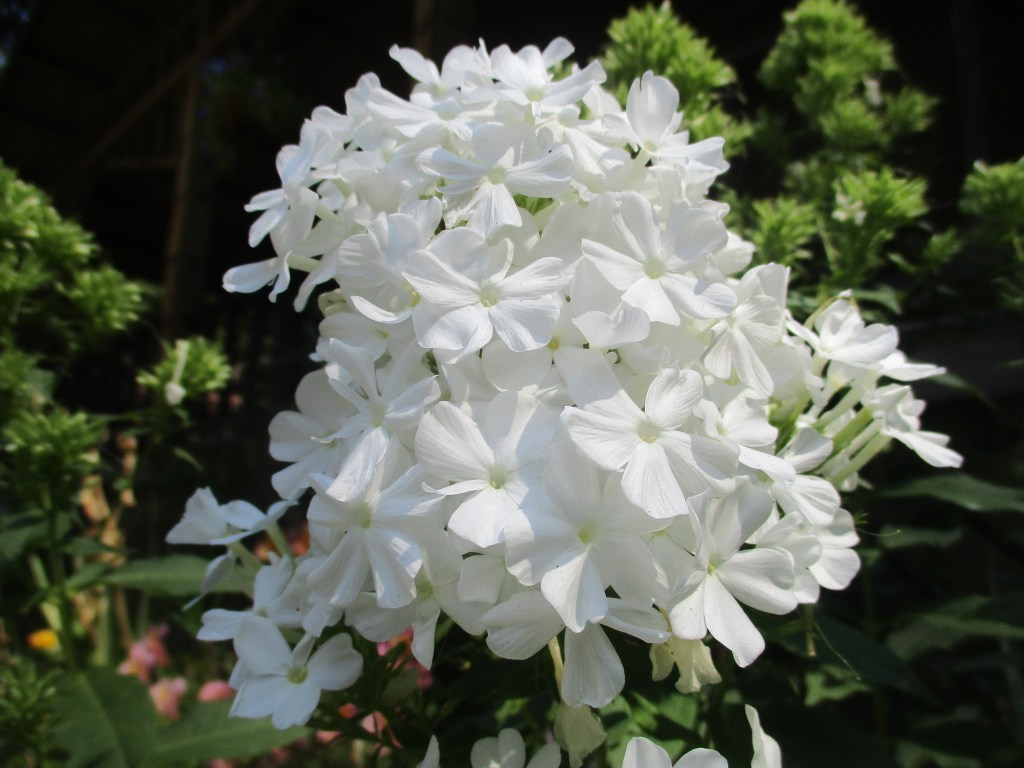
4. White phlox self sowed here last year or earlier, and have performed splendidly. There are more this year than there were last year. It would be excellent to get a few more for next year.

5. Blue annual morning glory grew up with my tomatoes. Oddly, they did not do so well where their seed were actually sown intentionally, in pots on the deck up above the vegetable garden.

6. This is my favorite picture this week. I can not read what, if anything, is written in paint on this rock. It looks like someone enjoyed painting it, and placing it to be found out in the garden.

This is the link for Six on Saturday, for anyone else who would like to participate:

https://thepropagatorblog.wordpress.com/2017/09/18/six-on-saturday-a-participant-guide/

Six on Saturday: Revelation II

Conditions here have certainly improved.

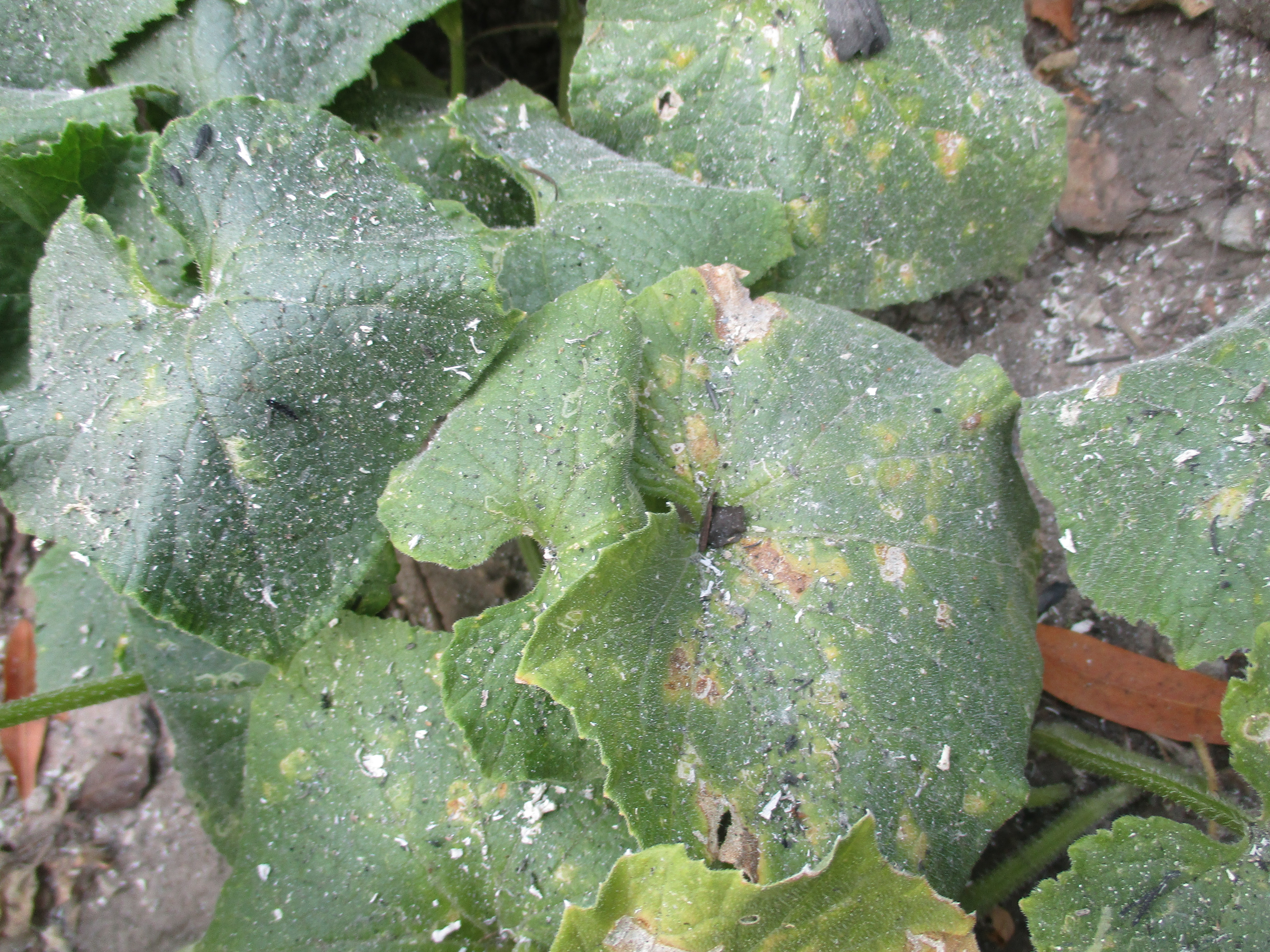
1. Ash regularly reminds us of how close the fire got. There is not as much as there was two weeks ago, but it still lingers in sheltered spots and on sticky foliage. At least no new ash is falling.

2. Smog also lingered early in the week. The sun looked like one of the moons of Tatooine. I worked inside for the early part of the week. It was not a good time for working out in the garden.

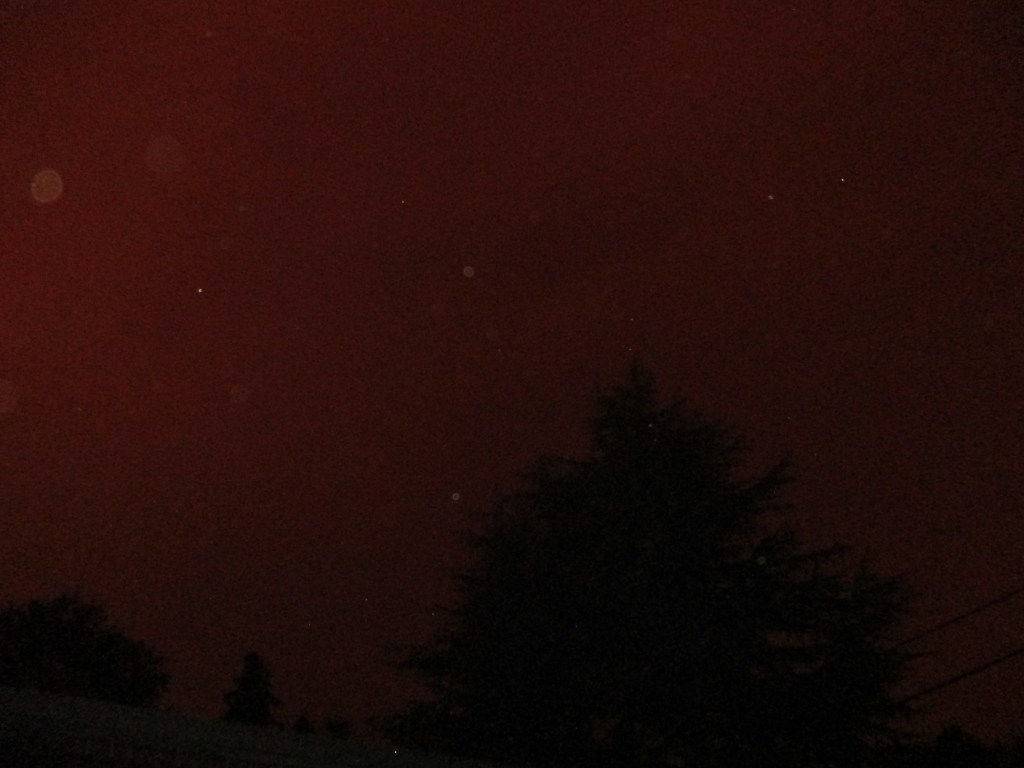
3. Then, this happened. The entire sky was this color for a while. The air still tastes like smoke, and remains rather toxic. It is a bit hazier now. Regardless, it was easier to resume gardening.

4. The redwoods and firs on the ridge in the background behind the utility pole are just outside of the fire zone. Everything beyond them is within the fire zone. The forest does not look very different from how it looked prior to the fire. Only a few brown spots can be seen from here. The fire must have burned only underbrush in this region. I know it was much worse elsewhere.

5. Horticulture is SERIOUS business here. (Actually, this is just parking for a cabin that happens to be named ‘Acorn’.) Vegetation management is a priority at cabins that are now residences for some who lost their homes to the CZU Lightning Complex Fires. The Conference Center has been closed because of the other ‘situation’ anyway. Firefighters stayed in some of the lodges.

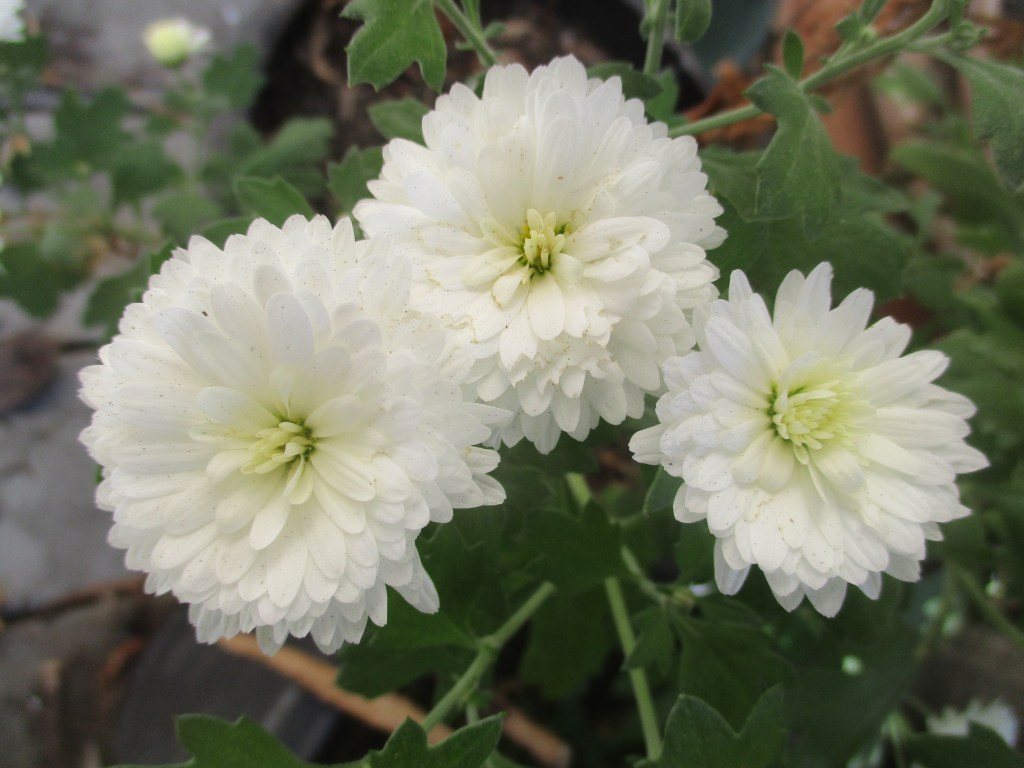
6. White chrysanthemums are in order. After, all this ‘should’ be a gardening blog. These bloomed on old plants that were left behind after a wedding in the chapel here more than a year ago.

This is the link for Six on Saturday, for anyone else who would like to participate:

https://thepropagatorblog.wordpress.com/2017/09/18/six-on-saturday-a-participant-guide/

Six on Saturday: Revelation

Genesis 1: 11-12 describes the creation of all vegetation and the beginning of horticulture on the Third Day of Creation. Those must have been such happy times. Nowadays, it is getting to be more like the Book of Revelation! During this time of pestilence, while smoke obscures the sun, moon and stars, I have been contending with locusts. The premature defoliation of box elders that I mentioned last week (supposedly) might be associated with diminishment of sunlight by so much smoke.

1. Gloves which seem to have been worn for the Battle of Armageddon were my primary defense against the hellacious swarms of locusts that have been tormenting us for more than a year.

2. Thorns of black locust, Robinia pseudoacacia, are nasty! They are paired like the horns of Satan! The thorns are modified stipules, so are actually neither thorns nor spines, but ‘prickles’.

3. Swarms of locusts are more numerous this year because more mature locust trees were cut down last November, leaving more stumps and many more roots of the not quite so deceased.

4. Smoke and fog filled the sky with old fashioned smog before the sun rose on Wednesday. (‘Smog’ is an abbreviation of ‘smoke’ and ‘fog’.) Not much is from the CZU Lightning Complex Fire.

5. Smoke was so dark at noon that street lamps and this porch light came on. That is a big coast live oak in the middle, with a California buckeye to the left and a coastal redwood to the right.

6. That was not the worst of it. It was so dark by 4:00 that I needed headlights to drive back. Those are deodar cedar to the right, a cottonwood to the left, and a coastal redwood in between.

This is the link for Six on Saturday, for anyone else who would like to participate:

https://thepropagatorblog.wordpress.com/2017/09/18/six-on-saturday-a-participant-guide/
Six on Saturday: Pompeii

The CZU Lightning Complex Fire got no closer than a mile and a half from here. Except for the ash and the aroma of smoke, there is not much evidence of a fire. The burn zone is within view from here, but the forest is just as green as it was prior to evacuation. I received news while away that smoking debris was falling from the sky here, so did not know what to expect when we returned. So many neighbors were not as fortunate.

1. Fire roasted leaves blew in from the fire. Some were still smoking as they fell. These are two madrone leaves at the top, three tanoak leaves at the bottom, and redwood below the middle.

2. Ash is everywhere! I left on the day prior to the yet unforeseen evacuation, with the intention of returning later, so left windows open. It now smells like a barbecued bacon burger in here.

3. Summer squash survived days of warm weather without irrigation. This was the worst of the wilt. There was nothing ‘ini’ about the ‘zucchini’. They looked like a herd of green dachshunds.

4. Pole beans were in reasonably good condition as well. They recovered rather efficiently after getting irrigated. The few beans that started to wilt and dry were just plucked and discarded.

5. Boxelder are suspiciously defoliating prematurely under a smoky orange sky. I do not know if it is associated with the smoke or the weather, but I doubt that President Trump is involved.

6. Blue gum that is still confined to a #15 can did not wilt any more than the summer squash or pole beans. I am impressed! It must have rooted into the ground below the bottom of the can.

This is the link for Six on Saturday, for anyone else who would like to participate: https://thepropagatorblog.wordpress.com/2017/09/18/six-on-saturday-a-participant-guide/