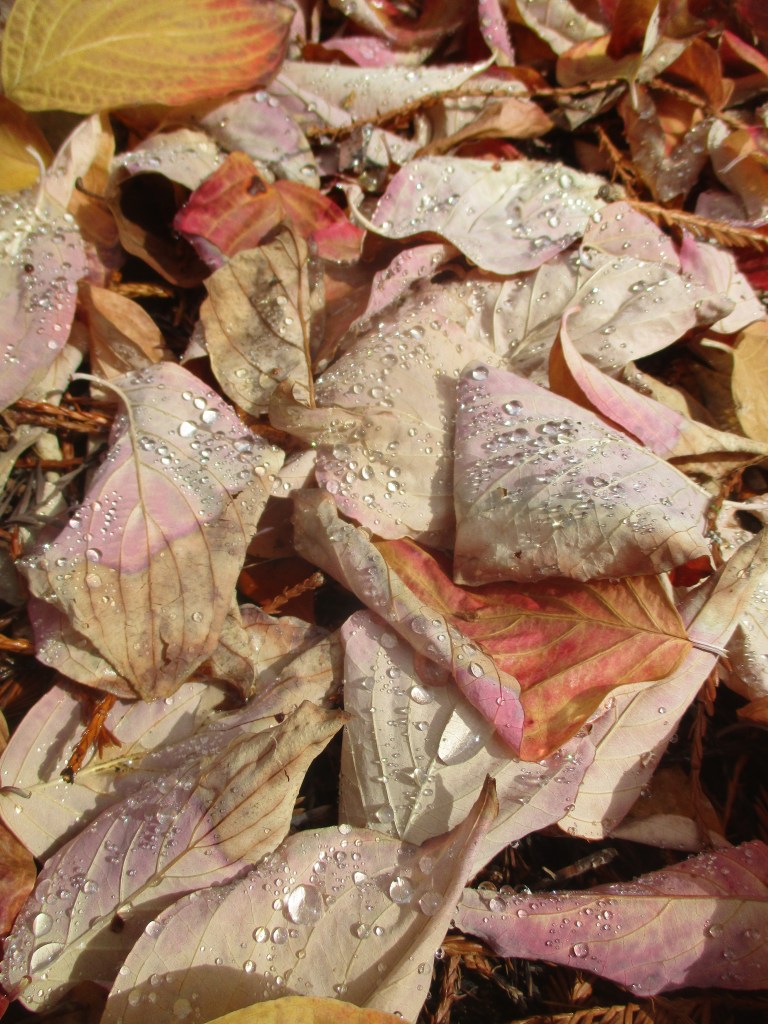
Debris Fills Gutters During Autumn

Falling leaves eventually become abundantly messy.

Autumn foliar color certainly is pretty while it lasts. Although less prominent locally than it is where cooler weather begins earlier, it is an asset to many home gardens. It generally appears a bit later within mild climates here, but might also remain suspended a bit later. Ultimately though, with enough wintry wind and rain, it eventually becomes foliar debris.

Evergreen foliage also contributes to the mess. It is likely less abundant than deciduous foliage is during autumn, but only because it sheds through more extensive seasons. For example, Southern magnolia sheds mostly through spring, as new foliage replaces older foliage. It then continues to shed additional debris throughout the year, including autumn.

Regardless of its various origins, foliar debris becomes more of a concern during autumn for two simple reasons. Firstly, and obviously, more of it accumulates during autumn than during any other season. Secondly, since autumn is the beginning of the rainy season, it is the most inconvenient time of year for such debris to accumulate within home gardens.

Roadside gutters, eavestroughs and their downspouts should drain efficiently. However, foliar debris can interfere with their drainage when it becomes most important. Roadside gutters are more accessible, so are easier to observe and clean. Eavestroughs and their downspouts may be beyond reach, but may need more cleaning if defoliation continues.

Foliar debris is unhealthy for turf, groundcover and shrubbery that it accumulates over. It inhibits photosynthesis by obstructing sunlight. It can also promote proliferation of fungal pathogens. This is why prompt raking is very important. Foliar debris can stain pavement and decking, and may be hazardously slippery. Behind chimneys, it can promote decay, and possibly become a fire hazard.
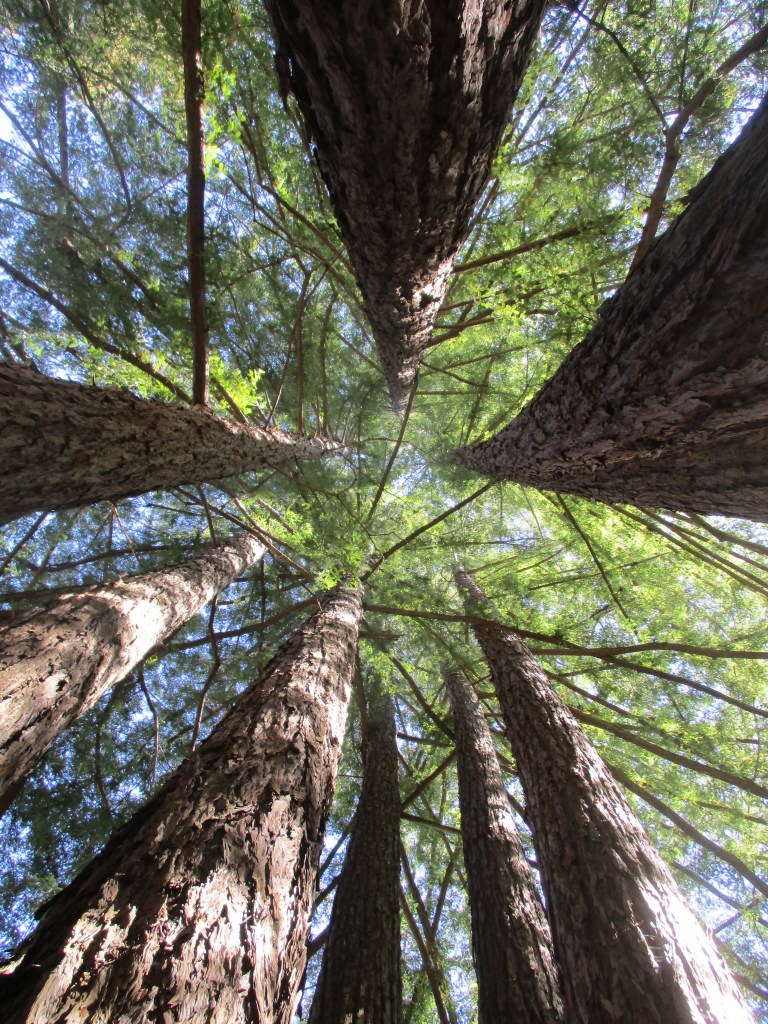
Evergreens Make A Mess Too

Big evergreen trees make big messes.

Nature is messy. It is that simple. Leaves, flowers, fruits and stems regularly fall from vegetation onto the ground. Animals contribute their mess too. Insects and microorganisms seem to eliminate most of the mess. In reality, they merely accelerate the process of recycling the mess back into more mess. Decomposing organic matter sustains viable vegetation as it perpetuates the process.

Natural mess serves many other purposes as well. It really is an important component of ecology. It retains moisture and insulates the soil. Many plants drop foliage that inhibits the germination of competing plants. Many merely smother competing plants with their mess. Several, particularly locally, produce combustible debris to incinerate their competition in the next convenient forest fire!

Obviously, the sort of mess that is so beneficial in nature is not so desirable in home gardens. Even if weed suppression and moisture retention are appealing, combustibility is not! Neither is any mess that vegetation deposits onto hardscapes, roofs or lawns. Such mess becomes more apparent as deciduous trees defoliate this time of year. Most produced no other mess since last year.

As messy as deciduous trees are, they are generally no messier than evergreen trees. They just happen to defoliate within a very limited season, rather than throughout the year. Some evergreen trees shed more in a particular season, typically as new foliage replaces the old. Otherwise, they shed slowly and persistently throughout the year. The mess seems like less, but is just prolonged.

Both evergreen and deciduous trees serve their respective purposes. Evergreen trees obscure unwanted scenery all year. Deciduous trees provide cooling shade for summer, and allow warming sunlight through for winter. The misconception that deciduous trees are necessarily messier should not exclude them from home gardens. Deciduous trees are often the most appropriate options.

Every species and cultivar of tree is unique. Many deciduous trees actually are messier than some evergreen trees. However, most are not.