Carob

Carob eventually develops gnarly branch structure.

John the Baptist survived in the Wilderness of Judah by eating locusts and honey. These locusts could have been large orthopteran insects, such as grasshoppers. However, they were more likely fruits of locust trees, such as carob, Ceratonia siliqua. Both possibilities are both nutritious and kosher. The insects got their name from resemblance to the fruit.

That was almost two millennia ago, and more than seven thousand miles away. Carob is much more popular than grasshoppers here and now. Unfortunately though, within home gardens, the fruit is more of a mess than an asset. Male trees are not messy like females, but produce objectionable floral fragrance. Monoecious trees are both messy and stinky.

Mature trees develop broad canopies that are generally less than thirty feet high. Trunks and main limbs eventually become sculpturally gnarly. Densely evergreen foliage is very shady. Pinnately compound leaves are olive drab, glossy and four to seven inches long. Female orchard cultivars should be fruitless without a pollinator, but are rarely available. Besides, it is impossible to know if a male tree is within pollination range.
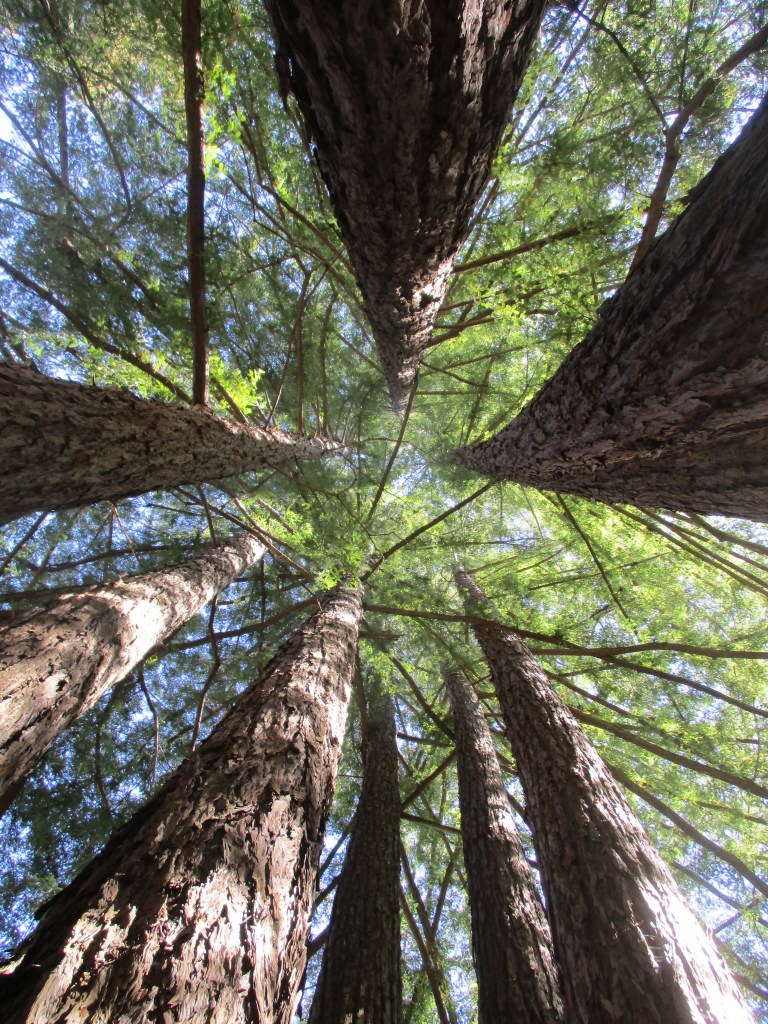
Evergreens Make A Mess Too

Big evergreen trees make big messes.

Nature is messy. It is that simple. Leaves, flowers, fruits and stems regularly fall from vegetation onto the ground. Animals contribute their mess too. Insects and microorganisms seem to eliminate most of the mess. In reality, they merely accelerate the process of recycling the mess back into more mess. Decomposing organic matter sustains viable vegetation as it perpetuates the process.

Natural mess serves many other purposes as well. It really is an important component of ecology. It retains moisture and insulates the soil. Many plants drop foliage that inhibits the germination of competing plants. Many merely smother competing plants with their mess. Several, particularly locally, produce combustible debris to incinerate their competition in the next convenient forest fire!

Obviously, the sort of mess that is so beneficial in nature is not so desirable in home gardens. Even if weed suppression and moisture retention are appealing, combustibility is not! Neither is any mess that vegetation deposits onto hardscapes, roofs or lawns. Such mess becomes more apparent as deciduous trees defoliate this time of year. Most produced no other mess since last year.

As messy as deciduous trees are, they are generally no messier than evergreen trees. They just happen to defoliate within a very limited season, rather than throughout the year. Some evergreen trees shed more in a particular season, typically as new foliage replaces the old. Otherwise, they shed slowly and persistently throughout the year. The mess seems like less, but is just prolonged.

Both evergreen and deciduous trees serve their respective purposes. Evergreen trees obscure unwanted scenery all year. Deciduous trees provide cooling shade for summer, and allow warming sunlight through for winter. The misconception that deciduous trees are necessarily messier should not exclude them from home gardens. Deciduous trees are often the most appropriate options.

Every species and cultivar of tree is unique. Many deciduous trees actually are messier than some evergreen trees. However, most are not.