
Mistletoe, Phoradendron leucarpum, suddenly and inexplicably disappeared from local ecosystems several years ago. Although it was unlikely completely gone, no one could find any. Carcasas of deceased specimens deteriorated and fell slowly in pieces from their host trees. Regeneration has been a very slow process, and in some local ecosystems, does not seem to be happening at all.
If botanists are aware of what happened to the mistletoe, they are not sharing what they know. Arborists are amazed by such sudden death of mistletoe that they had been unable to eliminate from infested trees. Some believe that it was the result of distress of host trees. However, it is unlikely that all host trees, including many within cultivated and irrigated landscapes, could have been so similarly distressed at the same time. Disease could be the primary culprit. There is even a possibility that mistletoe, the most familiar plant parasite, succumbed to another parasite.
Similar die off of various species of mistletoe has been observed within various other ecosystems, at various times, and with various rates of recovery. Perhaps several factors are involved, either individually or in any variety of combination. Because mistletoe is generally considered to be undesirable, investigation of such die off is minimal.
I noticed this particular mistletoe within the same Oregon white oaks in Oregon that I wrote about yesterday. It seems to be adequately healthy and unaffected by whatever killed mistletoe here. I do not remember if it had died off previously, and is now recovering. For all I know, it could be in the process of dying off right now. Mistletoe might be more efficiently controlled or even eliminated from infested trees within cultivated landscapes if someone could identify what kills it naturally. After all, it is a famously persistent and potentially very distressing parasite.
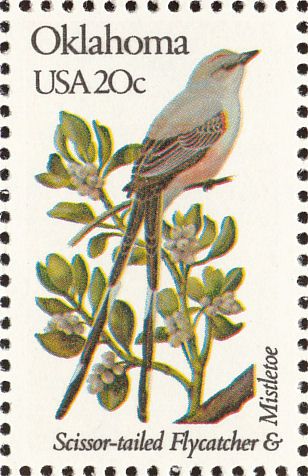 There is still no news about why mistletoe disappeared this last year in our area. No one really noticed it missing until late in summer. The absence of mistletoe became more apparent as deciduous trees that had been infested with it last year defoliated in autumn. What is even more strange is that the dead mistletoe plants deteriorated so quickly and efficiently that they are completely absent, as if something ate all the mistletoe, or took it away. The only evidence of former infestation in some trees are the swollen portions of stems where mistletoe had been attached. An article about this mysterious absence of mistletoe can be found here;
  Tony Tomeo