 It is silly for us to think that we know more about gardening that the plants who live out in the garden full time. We can help them along by giving them a bit more of what they need to survive, such as water and fertilizer. We can prune them to help them concentrate their resources into bloom and fruit production. Through it all though, we really need to be observant of what they do naturally.
For example, we water many plants through dry summer and autumn weather because we know that they are naturally endemic to climates that provide a bit of rain throughout the year, and that they can get dry without it. We fertilize them when they are actively growing because we know that is when they want it. Most deciduous plants get pruned in winter because they are dormant then.
This time of year, deciduous plants are defoliating in a very obvious manner. Evergreen plants are more subtle about shedding some of their foliage. Defoliation and shedding happens this time of year because plants do not need so much foliage, if any, when there is not so much sunlight for foliage to exploit. The days are shorter, and the sun is at a lower angle, so sunlight is less direct.
There are other reasons why winter defoliation is sensible. It makes deciduous plants more aerodynamic, and less likely to be damaged or blown down than they would be if they kept their foliage for wintery winds to blow against. Likewise, when the weather gets frosty, defoliated deciduous plants leave little to get ruined. What does all this suggest for seasonal garden chores for autumn?
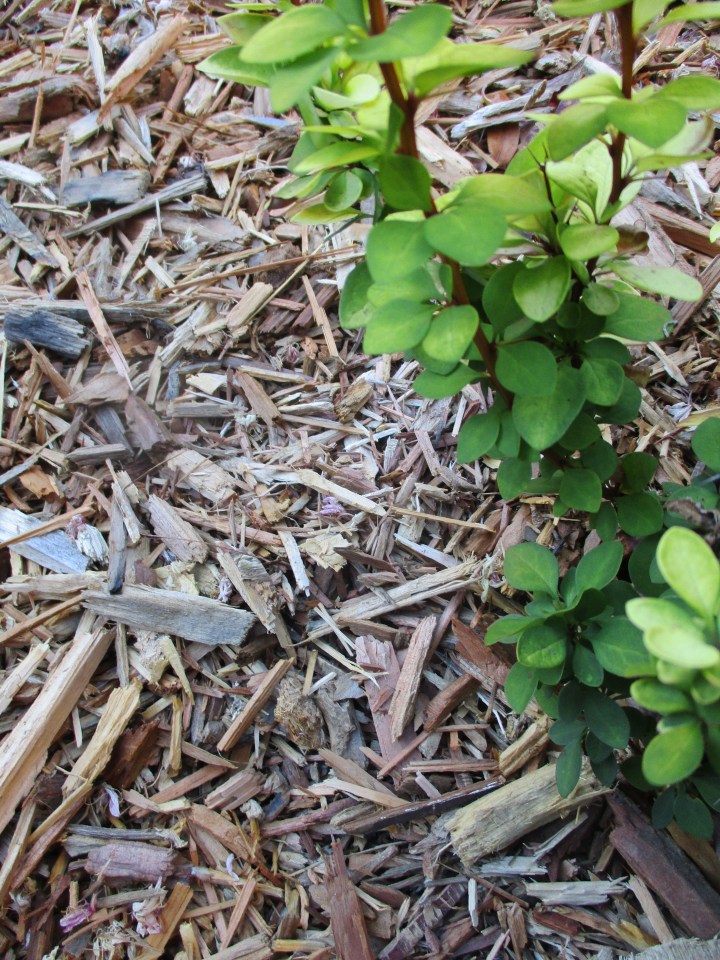
Mulch, which can be spread at any time, is particularly timely for autumn, because that is when the garden expects organic material from above. Just like fallen leaves would do in the wild, mulch settles in through rainy winter weather, and helps to retain moisture after the rain stops next spring. It inhibits weeds that will want to grow as soon as the rain starts, and insulates perennials that grow slower or go dormant when the weather gets cooler. Mulch helps an unnaturally cultivated garden do what it wants to do naturally.
 ‘Fertilizer’ is a polite term for ‘recycled vegetation’.
 Tony Tomeo