 Erigeron karvinskianus
Is it really supposed to be the bane of fleas? If so, why? I learned it as Santa Barbara daisy. Is it native there, or was a particular variety of it named for Santa Barbara? Is it a weed? Is it native? Is it a native of somewhere else in California that merely naturalized here? There are so many questions about this simple little flower that is growing wild under a cyclone fence at the backside of a motorcourt at work.
Whether it really is native or not, or whether it is a straight species or a selected variety of one, fleabane happens to do well in drought tolerant landscapes composed of native plants. It naturally spreads out to form shallow but wide mounds. If it gets cut back in its off season, it comes right back. Although it dies after only a few years, lower stems typically form roots and grow into new plants before the original one dies, essentially replacing itself before anyone notices.
If it is a weed, it is polite about it. Stray plants that appear where they are not wanted are easy to get rid of, and do not regenerate too aggressively to be managed. Those that happen to appear in out of the way situation can be left to bloom without much concern of profuse seed dispersion. Weed or not, it is preferred to other nastier weeds that it might prevent from growing simply by occupying the space.
It happens to grow in my planter box downtown. ( https://tonytomeo.wordpress.com/2017/11/04/my-tiny-downtown-garden/ https://tonytomeo.wordpress.com/2018/01/06/six-on-saturday-my-downtown-planter-box-again-and-up-close-this-time/ ) I certainly did not plant it. It was there long before my time, and remain, even if merely in a minor degree, just in case the person who planted it years ago ever stops by to check in on it.
 It is not as if the previous article about it was inadequate.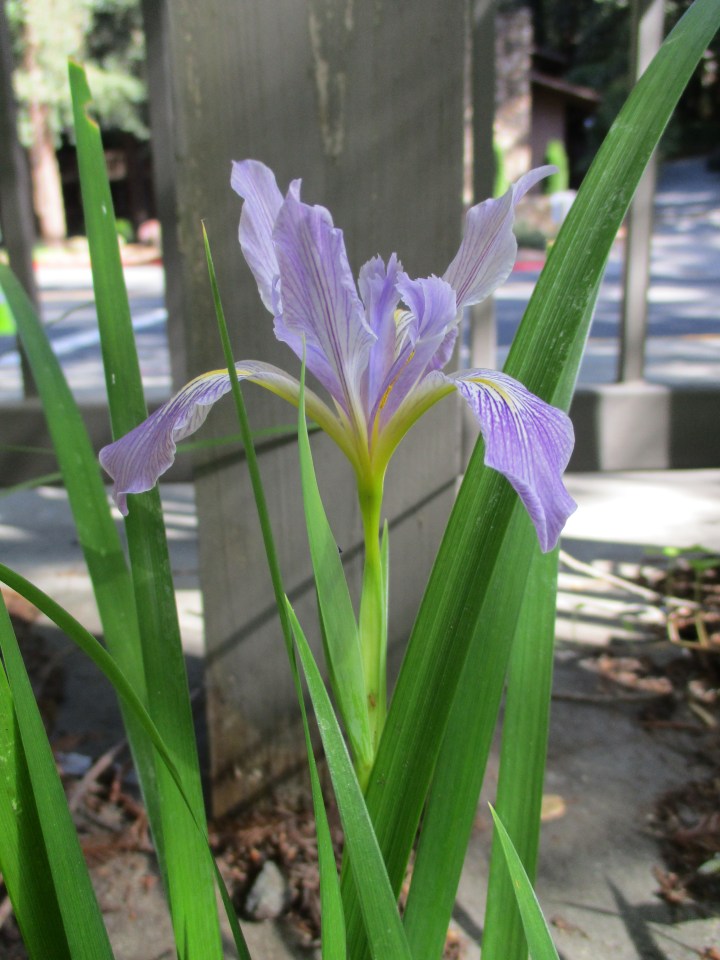
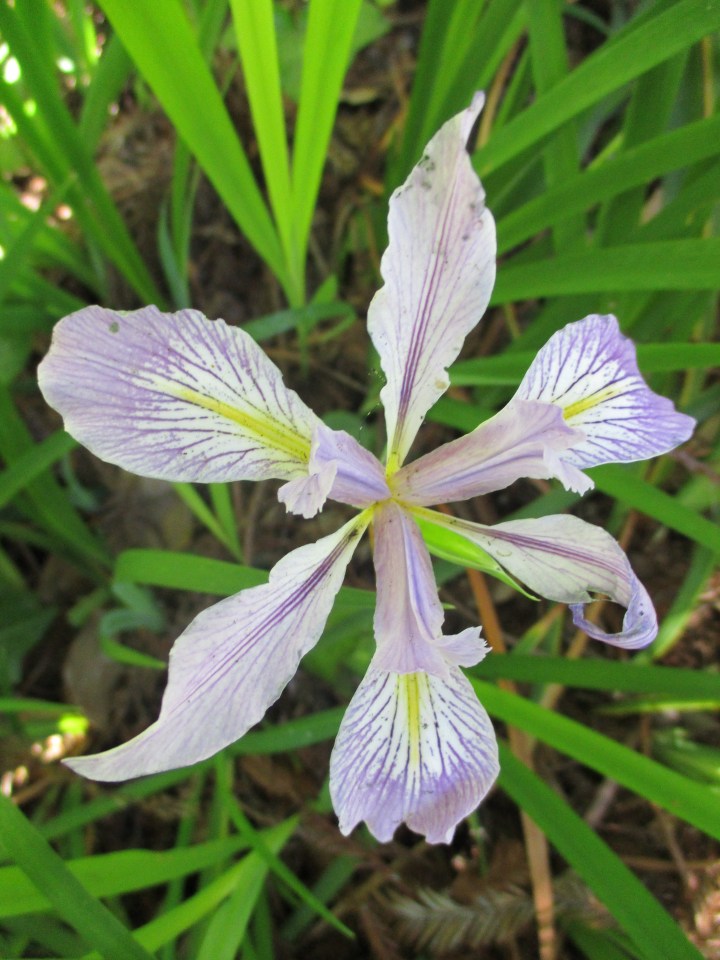
 There really is a bearded iris that happens to be named ‘San Francisco’. It is related to ‘Los Angeles’, but not ‘San Jose’. (I really want to find a copy of ‘San Jose’ for my own garden!) Both ‘San Francisco’ and ‘Los Angeles’ are white with a slight blue highlight, and an even slighter reddish edge that is easy to miss. I can not remember which one of the two is whiter than the other, but the whiter one may lack the reddish edge altogether.
 Redwood Glen was the ‘camp’ that we all went to in the sixth grade. It was probably our equivalent of what is now known as ‘nature camp’. For most of us, our experience at Redwood Glen was the longest time we had ever been away from our homes and families. We arrived on Monday morning, and returned home on Friday afternoon. It was something that we looked forward to with great anticipation for the few years prior.
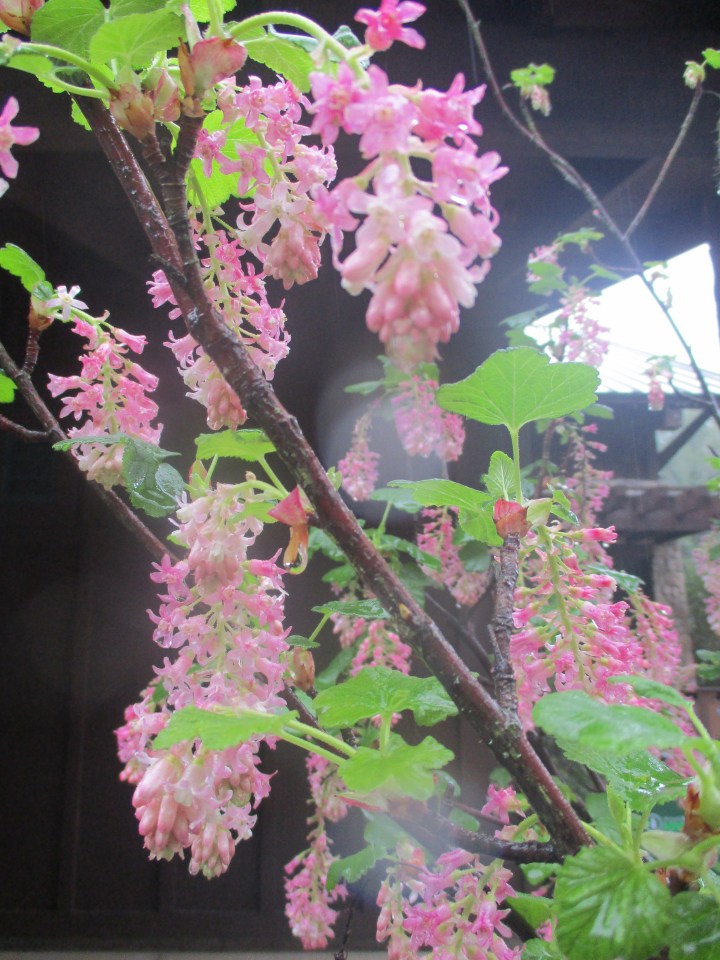 We tend to think of currants as being from Europe, Russia or Eastern North America. The pink flowering currant, Ribes sanguineum glutinosum, is actually endemic to canyons and riparian sites of the coastal ranges of California. Because it is an understory species that lives in the partial shade of large trees, it is quite tolerant of shade, and even prefers a bit of shade rather than full sun.
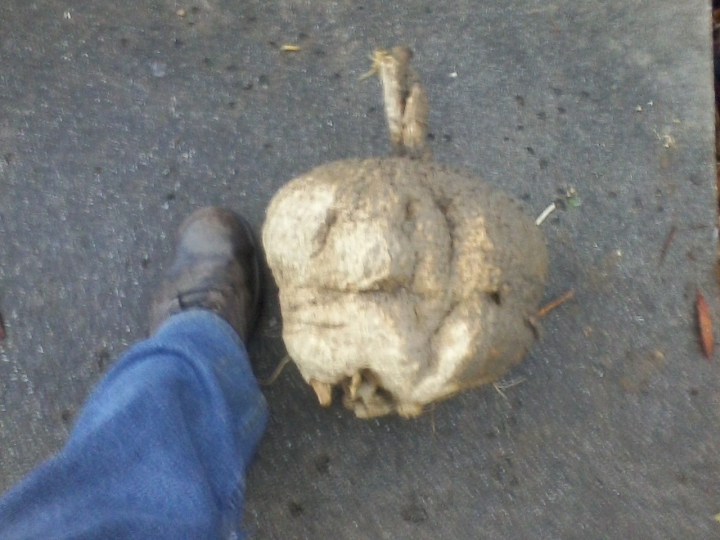 What is it?!?
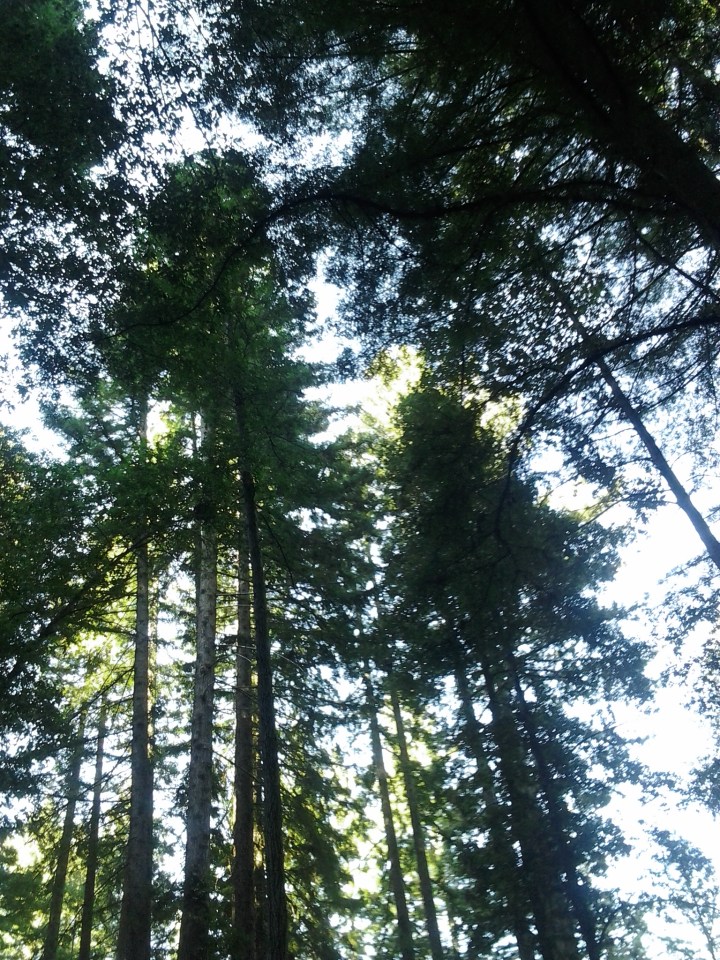
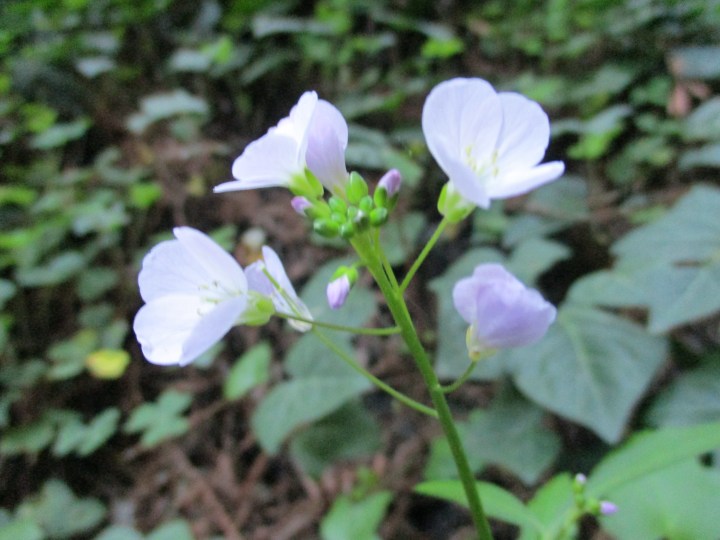 There are so many big trees in the Santa Cruz Mountains that keep most of us looking up. It is easy to miss much of the understory plants that grow on the forest floor.
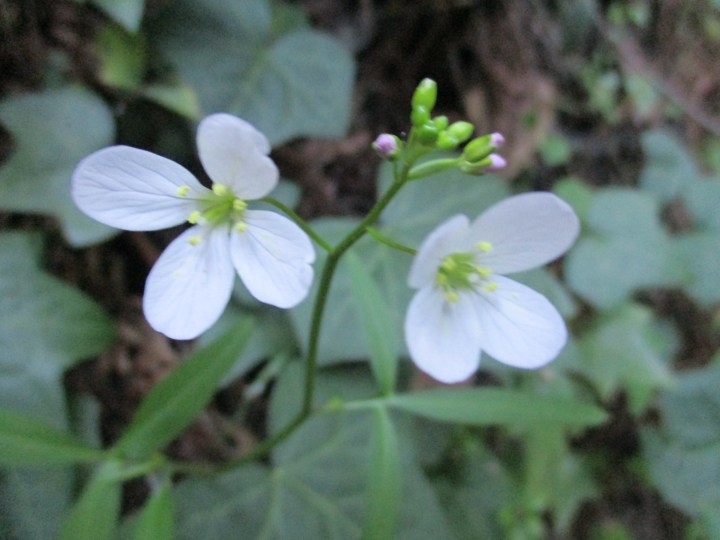 The flowers were not completely white. They were very pale hues of pink. The wood sorrel in the last picture was slightly more pinkish than the unidentified cruciferous (of the family Cruciferae) flowers of the first two pictures. Pale flowers, particularly those that seem to be adorned with barely perceptible patterns, are typically those that use infrared and ultraviolet color to attract pollinators that can see such color. If that was their intention, they would not look so bland to the pollinators whom they prefer to attract.

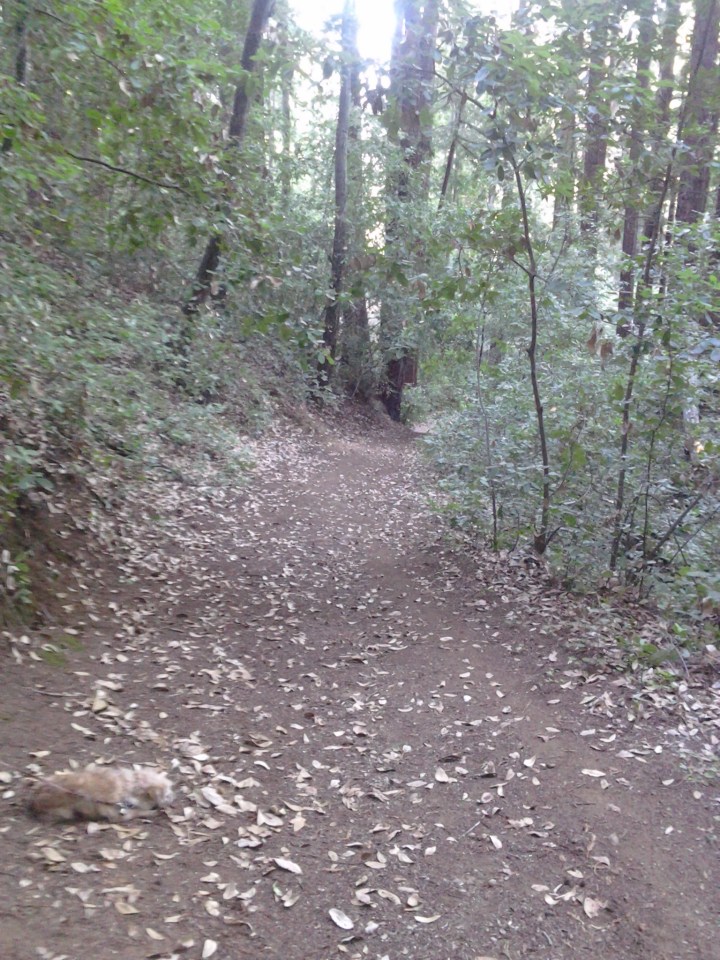
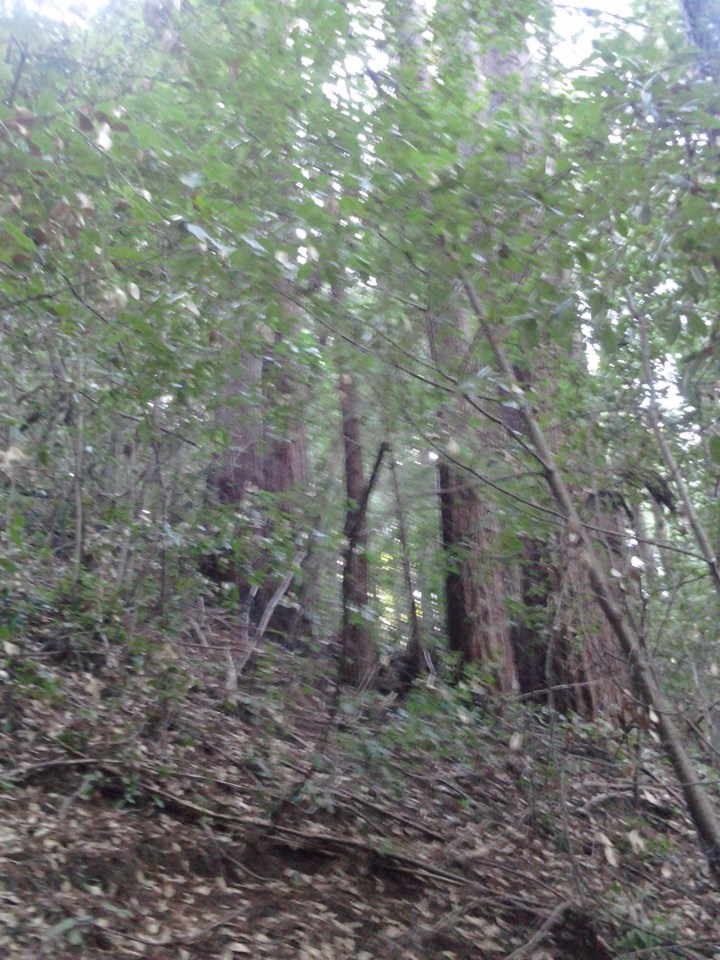
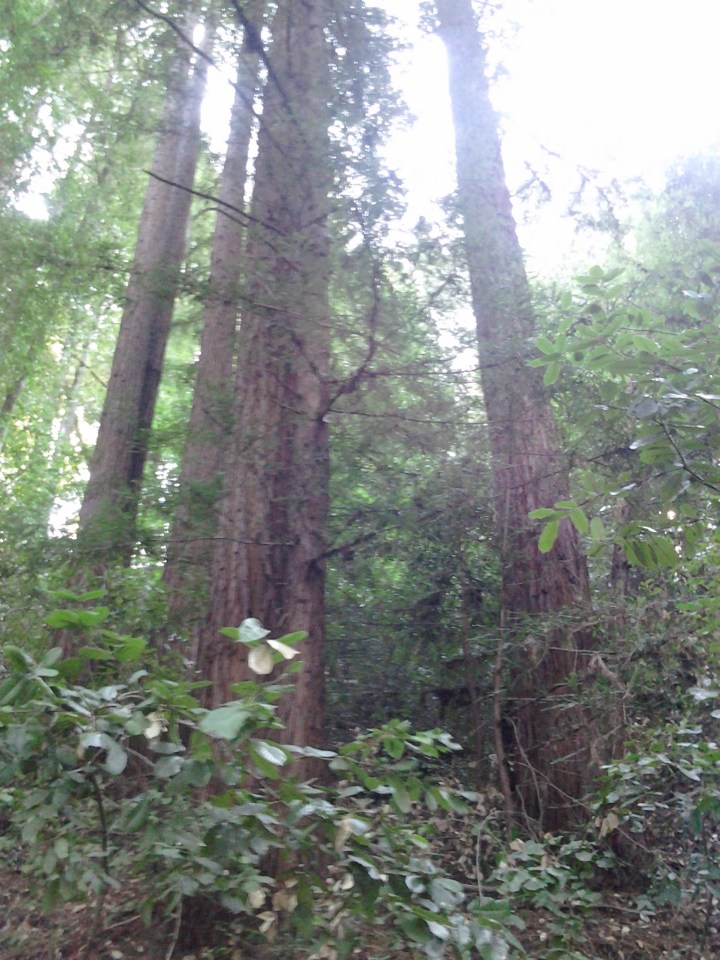

 “It’s not nice to fool Mother Nature.” That old margarine commercial was lame back in the 1970s, but the quote is so true. Inadvertent interference with the natural process of wildfires has unfortunately increased the combustibility of the flora of forests and wildlands throughout California. No one really meant to interfere with the process. It is just what happens when we need to protect our homes and properties from fire.
 Now that I have been watching a few other blogs for three months, I notice that some people write some very interesting or at least entertaining articles about topic that are not directly related to the main topic of their respective blogs. Most are just like old fashioned slide shows (remember those?) with cool pictures from around the neighborhood, travels, home projects, or whatever might be interesting. I have not done this yet; but I happen to have a bit of free time at the moment, so thought that I would post these three pictures of the historic Felton Covered Bridge. Although I am technically from Los Gatos, my home is in the Santa Cruz Mountains between Los Gatos and Felton. I also have history in Felton, since my grandparents and my Pa used to live here.
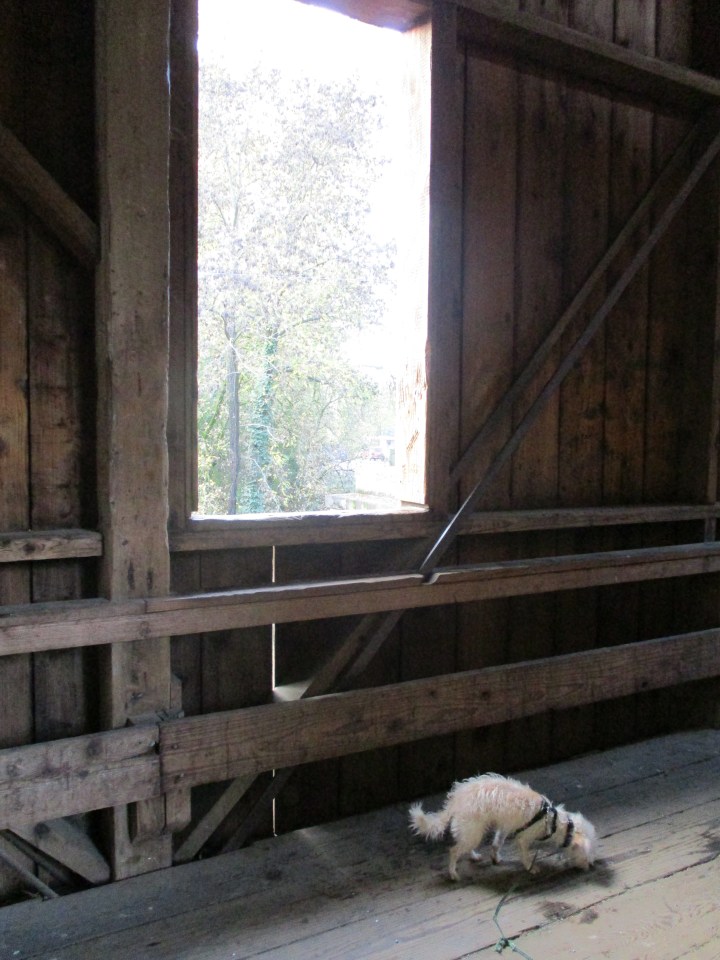 This is the southwestern of the four sidelight windows on the Felton Covered Bridge. If crossing from the end in the upper picture, it would be on the left side toward the far end. It is the best window in the house. Rhody to the lower right might be mistaken for a rodent (
  This is the view from that same window. That wet thing below is the San Lorenzo River. The black spots in that wet thing below are ducks. Once the rain starts, the San Lorenzo River really looks more like river than a creek. This last spring, in the San Lorenzo River right below the Bridge, we scattered the ashes of a good friend, Steven Ralls, with whom I went to Oklahoma (to the right in the illustration –
  Tony Tomeo