Palm Ignorance

Bismarckia nobilis

Many years ago and before I started writing my gardening column in response to all the horticultural misinformation that I had been observing in the San Jose Mercury News, I heard some of the most idiotic commentary I have ever heard about palms on the radio. I do not remember what radio station it was broadcast from, but it was likely in San Jose. The commentator was expressing his disapproval of the many mature palms that were being incorporated into public landscapes there at the time. He started by stating that, “There are two kinds of palms . . . ” Well, that certainly got my attention. He continued to say, ” . . . the tall skinny kind and the short fat kind.” Wow, I can not forget a comment like that. I knew that he was referring to Mexican fan palm and Canary Island date palm, which were and probably still are the most common palms in San Jose. Also, they were the two species that were so commonly installed into public landscapes at the time. There was no mention of queen palm, windmill palm, Mediterranean fan palm or California fan palm, all of which also inhabit San Jose. Since then, queen palm and the formerly rare pygmy date palm have become more common than they had been. Hesper palm remains rare. I brought three distinct species of bamboo palm from Los Angeles, and would like to bring a few more of the palms that perform well there, even if they do not perform so well here. I happen to be fond of the few types of king palm. I very much want to procure Bismarck palm like this one. Although still uncommon in Los Angeles, it is not completely rare. No one knows how well it performs here because no one has tried it yet.

Horridculture – WWW

Online, bay laurel often passes for culinary bay.

Anyone can say anything online. There is no shortage of inaccurate information. Much of it is stupidly inaccurate. Much of this stupidly inaccurate information is more popular and more efficiently dispersed than conflictingly accurate information. To make matters worse, some accurate information that seems like it should be readily available is notably lacking. For example, I can not determine if the native blue elderberry requires a pollinator for fruit production. It is a simple question that seemingly lacks an answer.

Facebook shared a link to an article about the twenty worst trees to select for home gardens. The article does not say where this information is relevant. Nor does it bother to mention that trees perform differently within different climates. It is presented as universally accurate information.

Chinese flame tree is first on the list. What is a Chinese flame tree? The article does not provide that information. This is what botanical taxonomy was invented for.

Eucalyptus is next on the list. What species of Eucalyptus? The article does not say. Nor does it mention any of the many species of Eucalyptus that are quite practical small trees. That is like saying that France, Spain, Italy, Greece and Portugal are all countries of Europe, but Africa is just Africa. (That happens also within other contexts.)

Tulip poplar is apparently dangerous because it drops branches. That sounds reasonable. However, coast live oak, blue gum eucalyptus, California sycamore and red willow are much more likely to do so here.

Black walnut is toxic. Although true, and some naturalized black walnuts remain from understock of the now extinct English walnut orchards, black walnuts are not commonly planted, and are not even available from nurseries.

Mulberry is messy. However, the only mulberry that is commonly planted is the fruitless mulberry. Fruiting cultivars are very rare, and mostly planted by those who actually want the fruit, and maintain them so that they do not get too big and messy.

Eastern cottonwood drops limbs. However, as the name suggests, it is Eastern, so is nowhere near here. Western cottonwood is a variety of the same species, and behaves similarly, but like black walnut, is neither planted intentionally nor is commonly available from nurseries.

The list goes on to include many trees that are not available here or that are simply not problematic. After describing all of the diverse species of Eucalyptus as one, it mentions a few species of similar cottonwoods as if they are more distinct from each other than they actually are. It shows a picture of common Mediterranean olive for Russian olive, which is not even remotely related. It says nothing about palms, which are good trees within appropriate situations, but require expensive maintenance by arborists who can climb them.

The internet is a useful tool, but is not perfect.

Six on Saturday: Bad Botany

These six lack a common theme. I do find the botany of four of them to be annoying, but that is no theme. Leyland cypress has a new genus name, which I did not mention. I still do not believe that the native blue elderberry is the same species as the black elderberry of the East. I still do not know for certain if the double white angel’s trumpet is a hybrid, although I do believe that it is. Although I exceeded my preferred word count limit here, I tried to abbreviate some of the redundancy of nomenclature while including both Latin and common names with the same cultivar name. Otherwise, the first of these six would be Saccharum officinarum ‘Pele’s Smoke’, ‘Pele’s Smoke’ sugarcane, with ‘Pele’s Smoke’ mentioned twice, with a comma in between. I may continue this technique in the future.

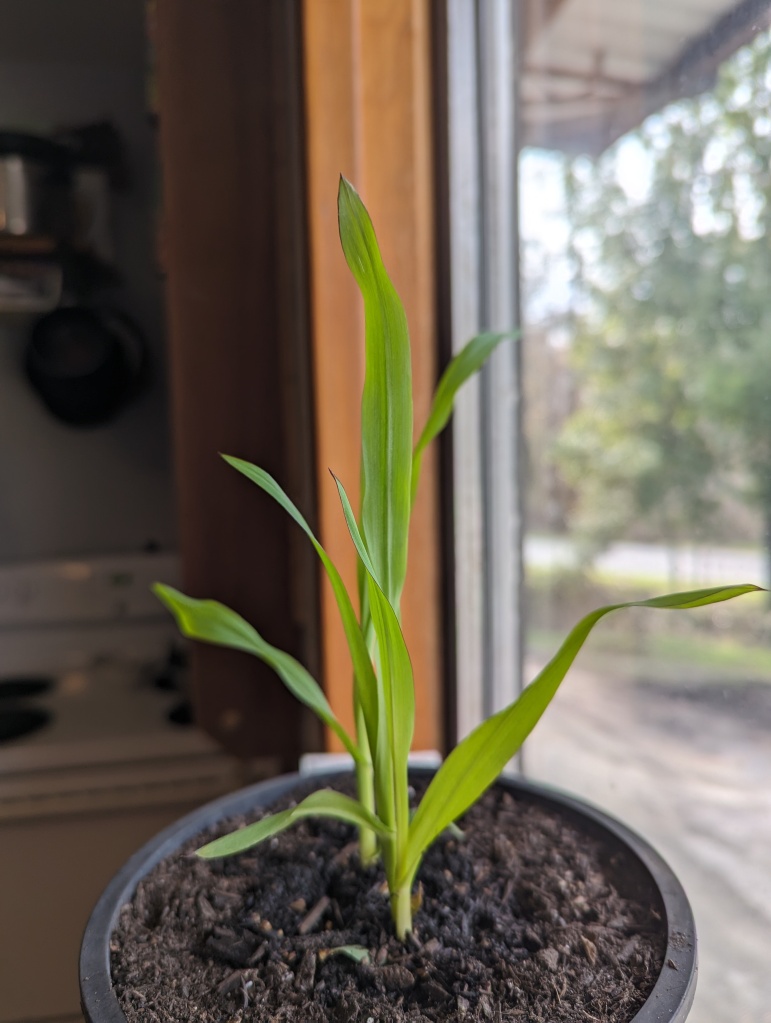
1. Saccharum officinarum ‘Pele’s Smoke’ sugarcane continues to grow like a weed on the warm windowsill in the galley at work. It is not bronzing though. I suspect that this fresh new foliage will be too tender to survive outside even after early spring. It is no problem. It will simply make more. Many more cuttings are growing outside. They are slower but more resilient. For less redundancy, I used its same cultivar name after its species name and before its common name. Of course this explanation is longer than any redundancy.

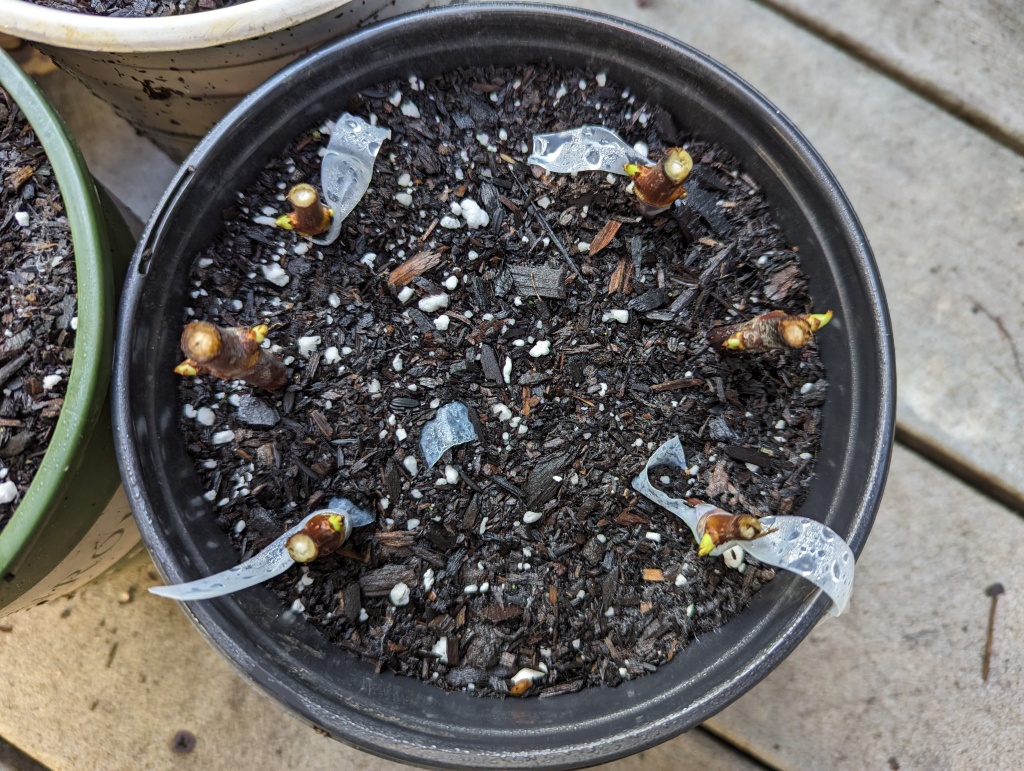
2. Sambucus cerulea, blue elderberry is classified by most botanists as a Western variety of American black elderberry. I know better. I am Californian. Regardless, I am growing a few cuttings from a few different parents because no one seems to know if they should be more productive with pollinators, like European black elderberry is. Four tagged bits are from the same very productive specimen, which must be removed from a landscape. The other pair is from a random roadside specimen. Three other pairs were added later.

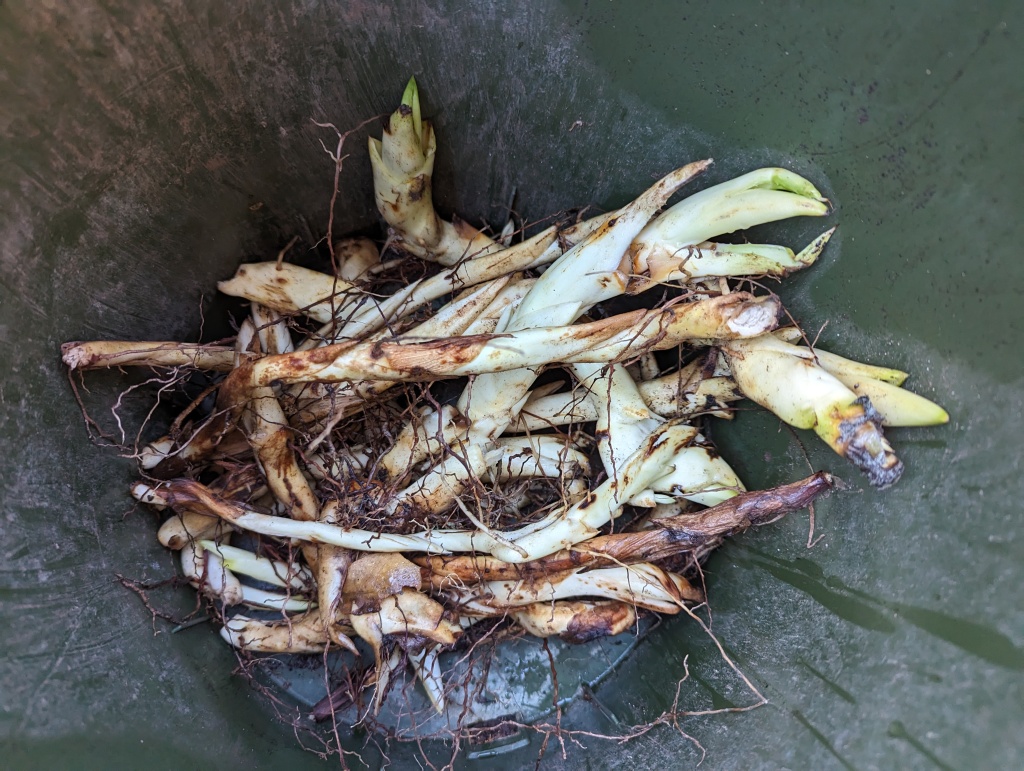
3. Agave americana, century plant is too prolific. We installed one of several ‘unwanted’ specimens and found all these pups within its can underneath. We can not use them all.

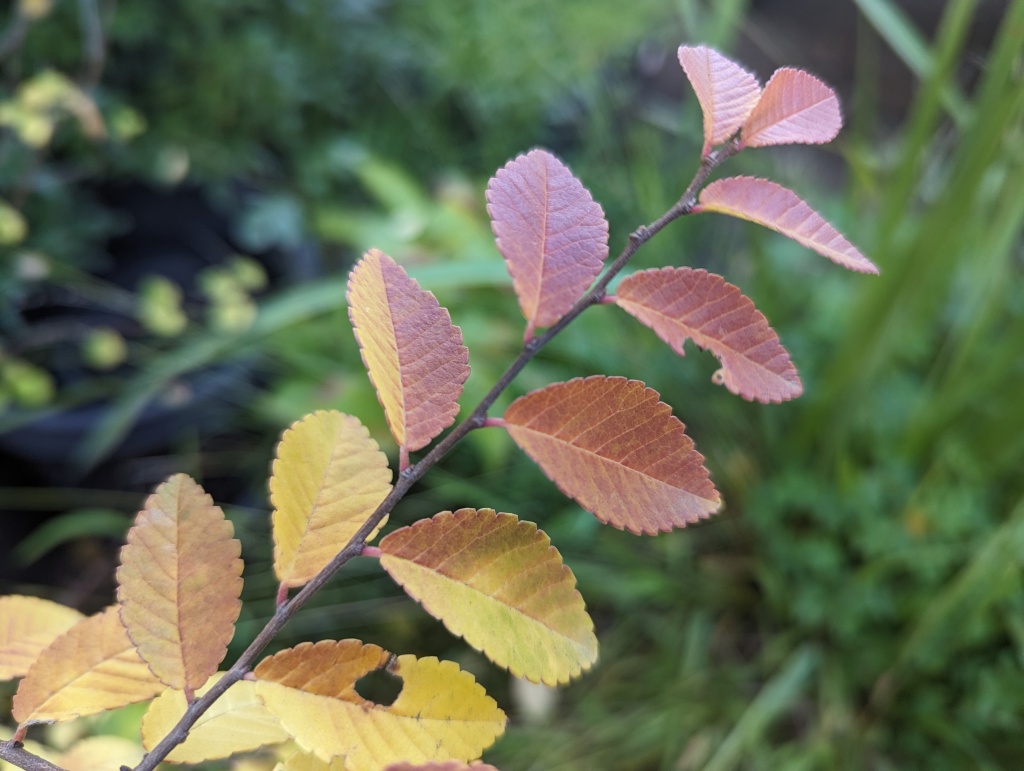
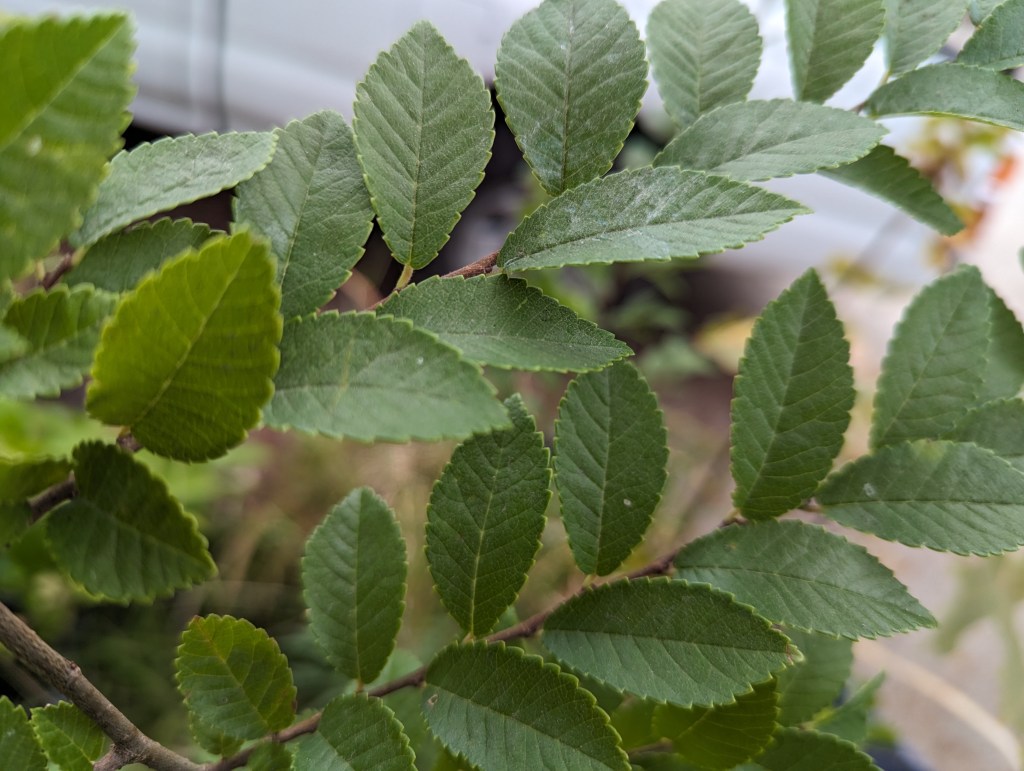
4. Ulmus parvifolia, Chinese elm became unavailable years ago after it was identified as a host for Dutch elm disease. Watersprouts continue to grow from a stump of a tree that was cut down years ago. If I could, I would grow several of this formerly familiar species.

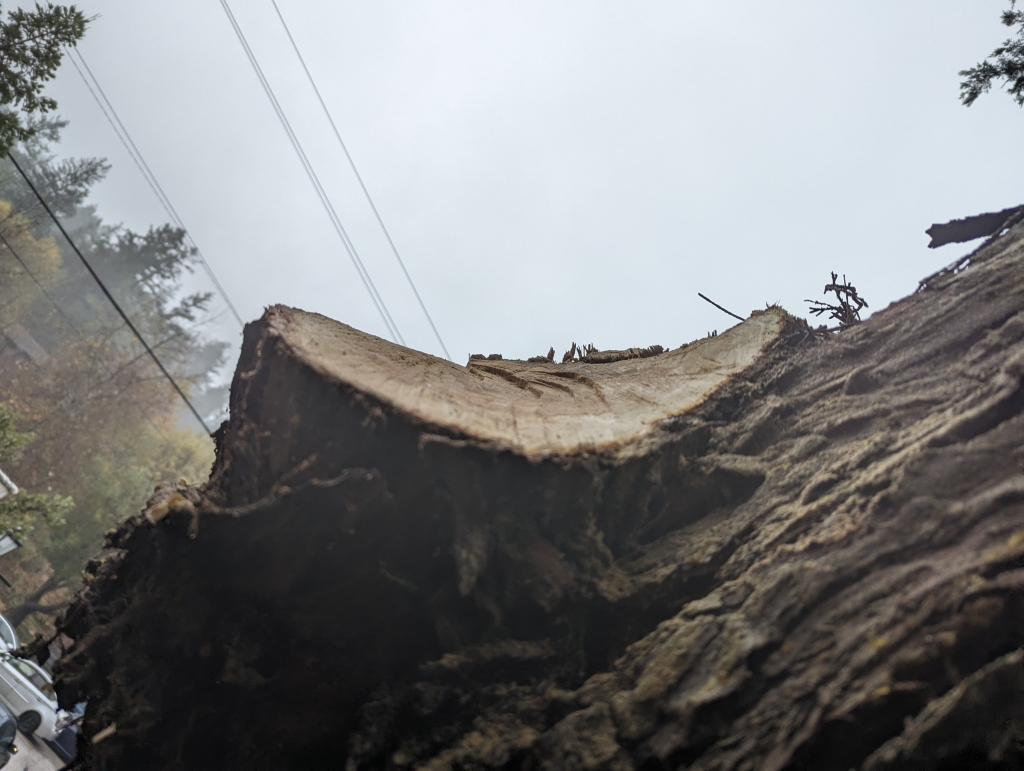
5. X Cupressocyparis leylandii, Leyland cypress is irrelevant to this illustration of how a chainsaw cuts if one side is sharper than the other. Another saw cut the flatter surface to the left. Incidentally, the ‘X’ preceding the genus name indicates an intergeneric hybrid.

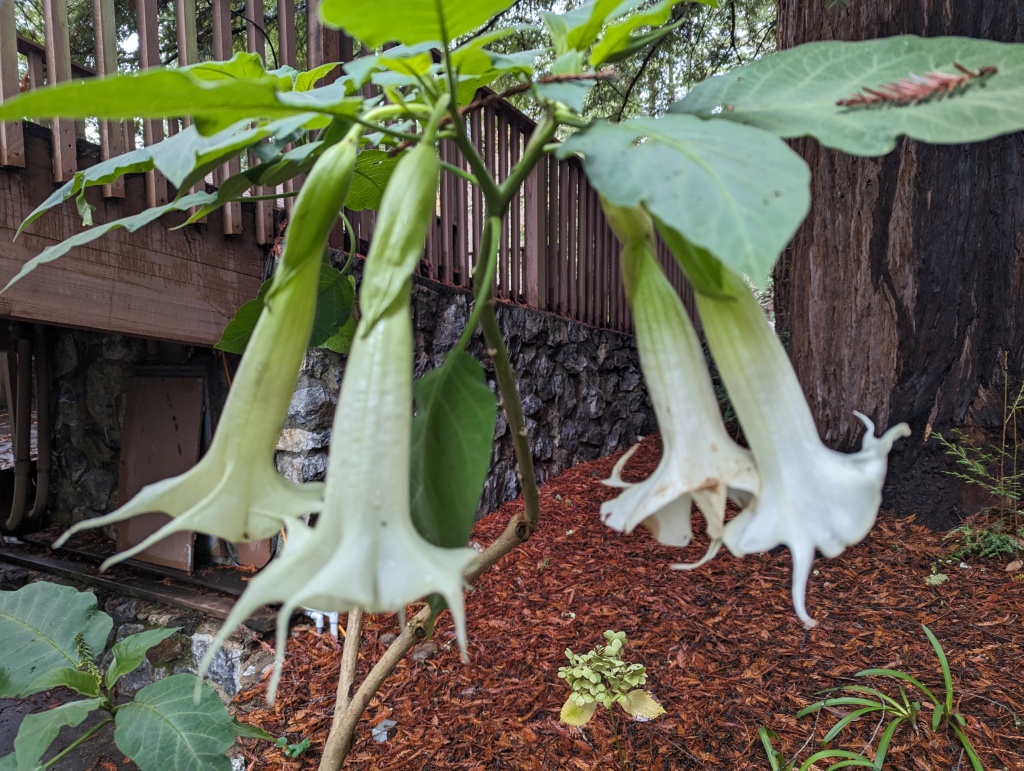
6. Brugmansia X candida ‘Double White’ angel’s trumpet should not bloom now. Either it does not know, or it does not care. Incidentally, the ‘X’ between the genus and species names indicates an interspecific hybrid. Like for the sugarcane, I used the same cultivar name after its species name, and before its common name. Is such abbreviation proper?

This is the link for Six on Saturday, for anyone else who would like to participate: https://thepropagatorblog.wordpress.com/2017/09/18/six-on-saturday-a-participant-guide/

New Mouser II

Does a kitty even respond to a name?

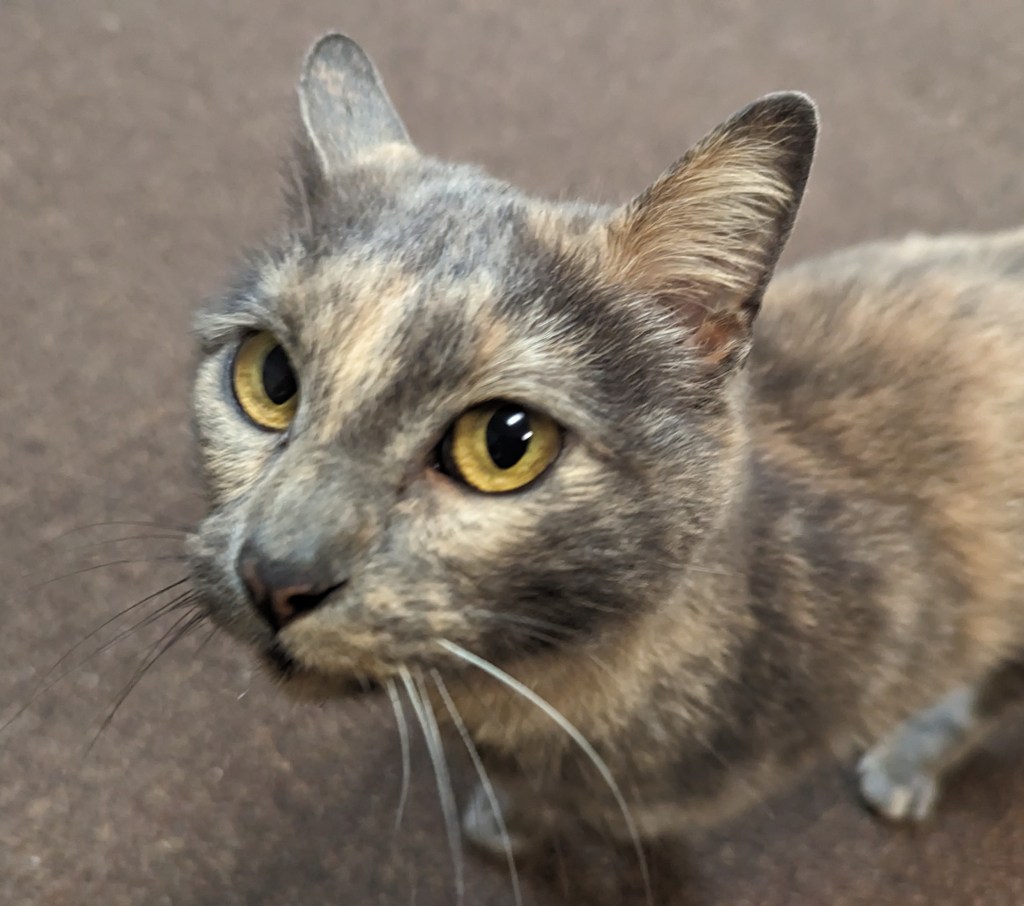
The New Mouser seems content to stay with us here. Actually, she seems to be a bit too content. She has been coming inside, where some on staff do not want her to be. Darla, her predecessor, was never so presumptuous.

Now that she is so comfortable with people, I can get here into a kitty transportation device and take her to a veterinary clinic to determine if she has a chip, and to get her inspected. If necessary, and if she stays here, we may need to get her spayed. (We only assumed her gender according to her color pattern. She may need to be neutered.) I suspect that she was dumped here while young and before getting spayed.

If she stays here, she should get a name. The crew has not agreed on one yet, and several options remain. ‘Snickers’ seems to be the favorite option, although I dislike it. I prefer ‘Holly’. ‘Heather’ is not bad, and seems to suit her better. These are some others that I considered, only to determine that I am not so totally keen on them:

Rhoda – This confuses Rhody.

Erica – This is short for Ericaceae, which is the family of Rhododendron. It is not so bad.

Azalea – This is another type of Rhododendron. I dislike it for this particular kitty.

Lyona – This is short for Lyonothamnus floribundus ‘Asplenifolius’. I am unimpressed.

Leona – This is short for Leonotis leonurus. I am still unimpressed.

Typha – This is Latin for cattail, but sounds like punctuation or a fever.

Myrtle – This is a ‘no’.

Lily – This is for a white kitty.

Rose – This is for a prettier kitty

Daisy – This is for some other kitty that is not this one.

Violet – No.

Flower – No.

Blossom – No.

Aster – Jasmine – Ivy – Poppy — No – No – No and No.

Alocasia or Colocasia? II

Alocasia or Colocasia or both?

While it seems that anything can be found online, it is baffling to see what can not be found online. Horticultural concerns seem to be particularly lacking. Perhaps those who enjoy horticulture innately dislike the internet. Perhaps they are merely too busy in their gardens to bother getting online too much.

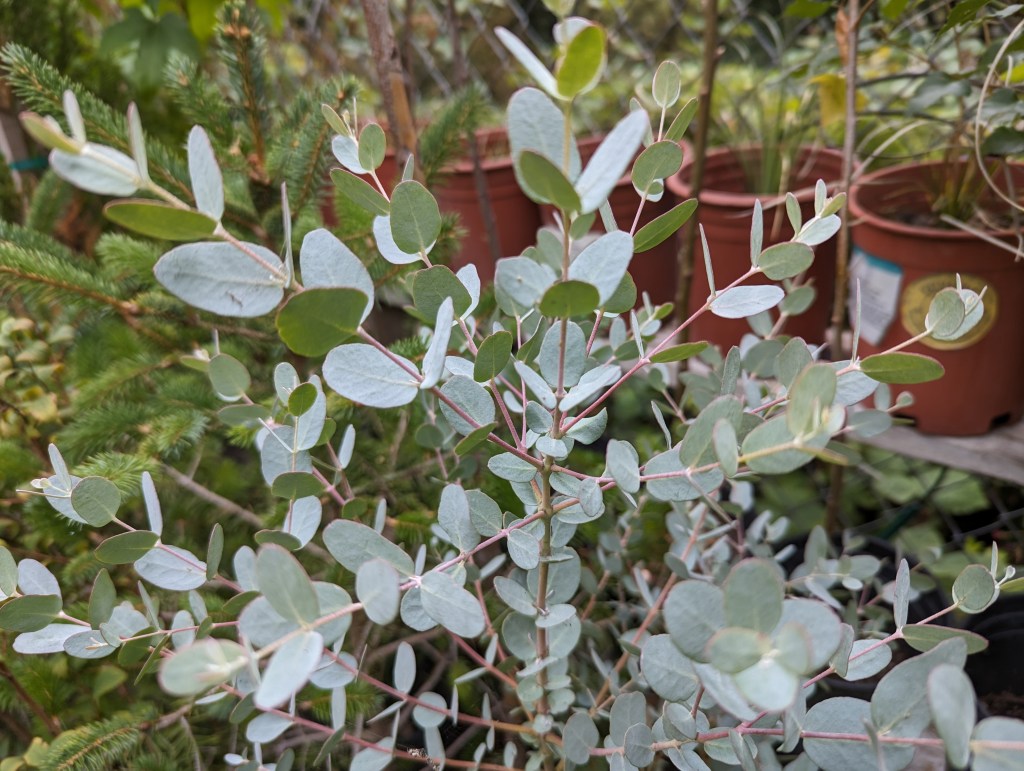
‘Pele’s Smoke’ has been one of the more popular cultivars of sugarcane for home gardens for quite a while, but I can not determine how wide its canes are. Eucalyptus pulverulenta and Eucalyptus cinerea seem to have traded their names since the 1980s, but now, no one seems to know which is which, or if either ever was the other. No one can explain how seed from sterile banana cultivars are available online. Anyone can say anything. There is no accountability.

Alocasia and Colocasia are as baffling now as they were when I mentioned the difficulty with choosing between the two about a month ago. I am still inclined to procure Colocasia gigantea for a riparian landscape at work. However, I am now inclined to also procure Alocasia macrorrhiza. Both are quite appealing. I think that I would like to grow both within the same landscape so that I can compare them later. It would be easier than trying to compare vague information about them that I can find online. Realistically, since I would grow them from corms, both are quite inexpensive. If necessary, I can later relocate whichever is less appealing than the other.

This would not be my first occasion of not relying on the internet. I am working with ‘Pele’s Smoke’ sugarcane presently, and will be pleased with it regardless of how it behaves. I grow both Eucalyptus pulverulenta and Eucalyptus cinerea; although by mistake, since I procured one because I thought it was the same as the other. All of the cultivars of banana that I grow were procured as pups or plugs, since I do not trust seed. Ultimately, I will be pleased with both Alocasia and Colocasia.

Alocasia or Colocasia?

Alocasia odora

‘A’ or ‘co’? What is the better prefix for ‘locasia’? There are certainly differences between the two, but information regarding such differences and characteristics is confusing and potentially misleading. It is amazing how much less information is available now that so much more information is so much more available than it has ever been before.

Alocasia generally develops big leaves that point upward. Colocasia generally develops big leaves that point downward. Alocasia prefers a bit of partial shade. Colocasia prefers more direct sunshine. Alocasia generally has more colorful leaves. Colocasia generally has bigger leaves. Of course, these are generalizations, and some species of each of these two genera seem to be species of the other genus.

Colocasia gigantea supposedly develops the biggest leaves and can get twenty feet tall. Alocasia macrorrhiza supposedly is the biggest of its genus and can get fifteen feet tall. It is difficult to know what to believe.

One the edge of a pond at work, we would like to grow whichever of these massive perennials develops the biggest leaves. If we grow Alocasia, we can put it in a partially shaded situation. If we grow Colocasia, we can put it in a sunnier situation nearby. If we grow Alocasia, we can put it a short distance from the edge of the pond. If we grow Colocasia, we can put it right at the edge of the pond. We only need to know which cultivar of which species of which genus we should grow.

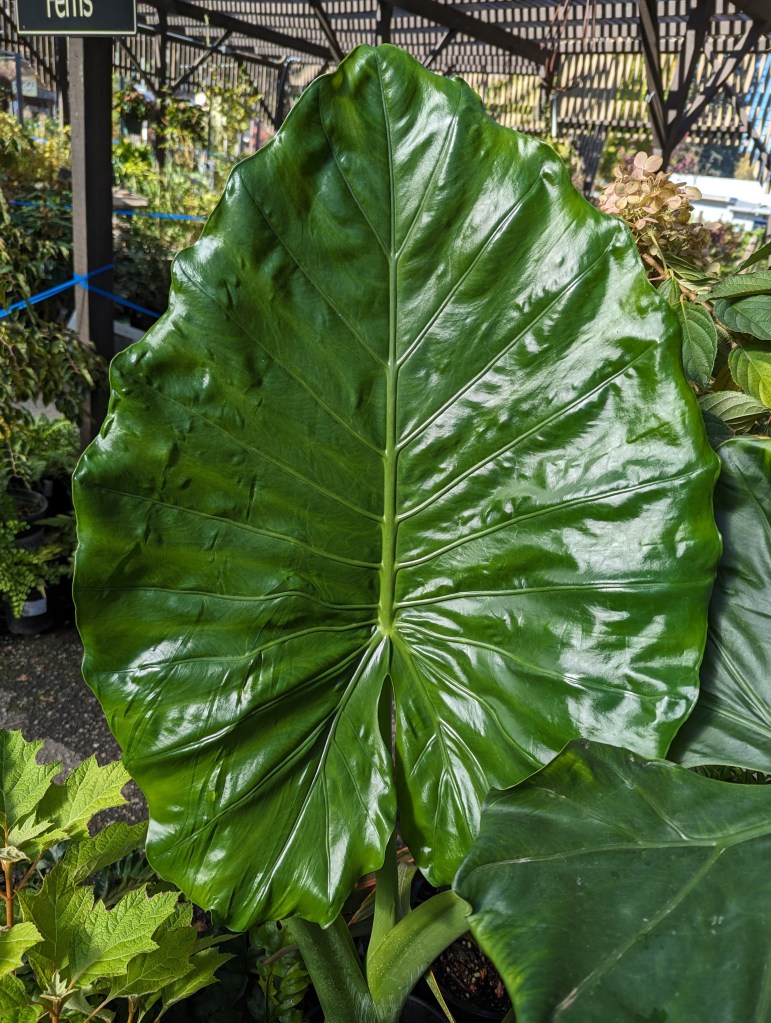
I am inclined to grow Colocasia gigantea. We have a few months to decide, since we do not want to plant it during autumn or winter. We recently acquired this Alocasia odora. Also, another similar but unidentified perennial that seems to be a Colocasia must be relocated from another disproportionately compact landscape.

What Is This?!

I have no idea what it is, but I intend to grow it.

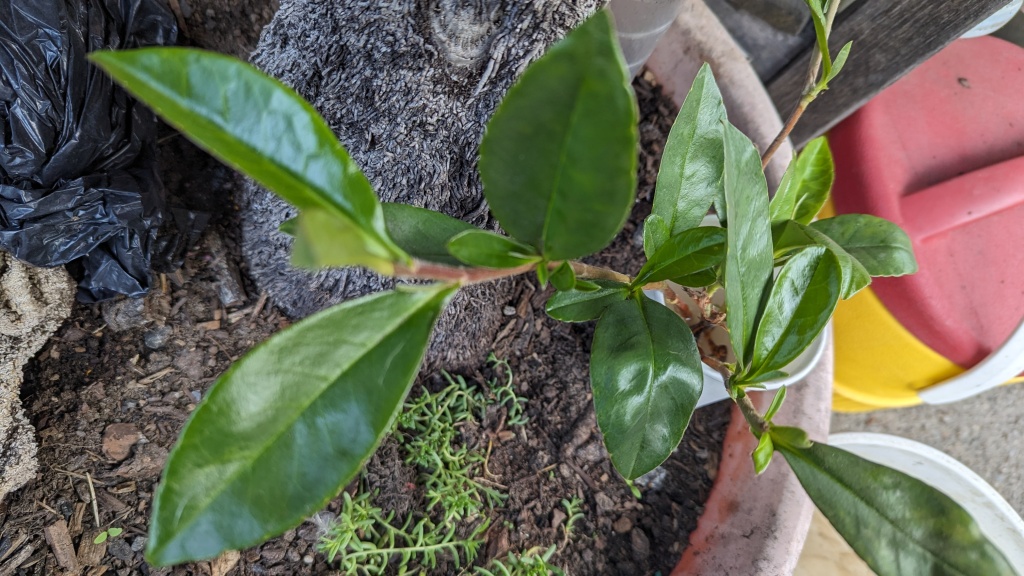
It is an evergreen vine that seems to sprawl over other vegetation rather than actually climb it. It lacks tendrils or other means with which to hold onto its support. It does not even seem to wrap around its support. Nor does it seem to get very high above the ground. It just sort of sprawls.

Its glossy leaves are rather simple, just like in the picture here.

Its bright yellow and staminate flowers, if I remember correctly, seem to resemble those of Saint John’s wort, but are a bit wider.

This vine, again if I remember correctly, seemed to be more popular years ago. I do not notice it much anymore. I can not remember when I last saw it in a nursery, or if I ever saw it a nursery. The few specimens that I am aware of inhabit old landscapes that have not been renovated in decades. I got these bits from where they were regenerating after their earlier removal from an old landscape.

Now that I have these bits, I intend to grow them, in order to get familiar with the species. I hope that I can eventually identify it. It should not be so difficult for something that had formerly been popular, or at least common enough for me to recognize it as something that had formerly been familiar.

I do not often encounter a species that I can not identify, and I even more rarely admit to it. If I do not recognize a species, I can typically recognize the genus, or at least the family, and then key it out. For this seemingly simple vine, I can not identify its family. I asked Brent, which I almost never do. He recognized it about like I did, but also could not remember its name.

Six on Saturday: ?

So much of the vegetation that we work with is unidentified. I know most of the species, but not all. Cultivars and varieties are more difficult to distinguish. There are too many! I am completely unfamiliar with some of the most modern of them. Of my Six this week, only the second might be a cultivar. The others are likely straight species. I am uncertain of their identities though, because I am unfamiliar with them. Actually, the third is not as labeled! That is because I thought it was something else until it foliated last spring. This Six on Saturday is about six questions of identity. I hope that someone might identify #1 for me.

1. Opuntia littoralis, prickly pear came from the Bat Cave in Los Angeles County, where a few other species of this genus are also native. I do not know if I identified it correctly.

2. Eucalyptus gunnii, cider gum looks just like this while young, but so does the juvenile foliage of a few other species. Adult foliage and associated bloom is easier to distinguish.

3. Vitus californica, California grape looks nothing like this. I brought this here from the roadside while it was defoliated for winter. I hoped that it would be the California grape.

4. Ulmus parvifolia, Chinese elm was common when I was a kid. Only modern cultivars and hybrids are available nowadays. If this is common Chinese elm, it is now quite rare.

5. Populus alba, silver poplar is what I believe this might be. I grew it from cutting from a tree that I met in San Jose a few years ago. I am unfamiliar with this particular species.

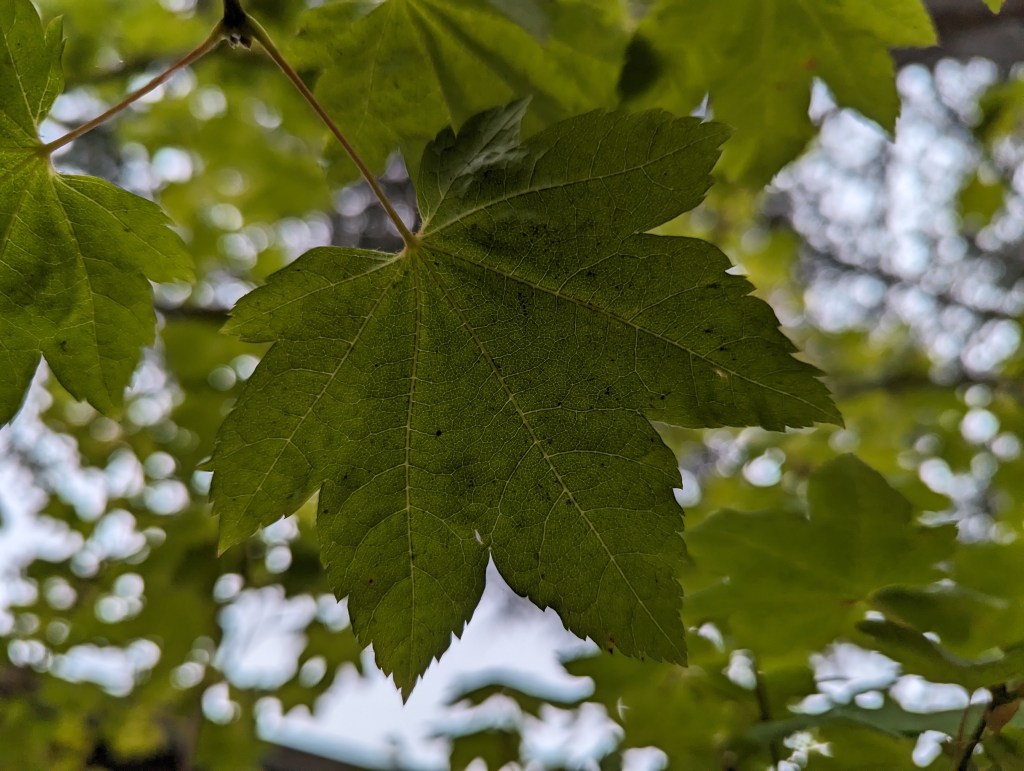
6. Acer circinatum, vine maple should be a gratifying alternative for another ubiquitous Japanese maple. I could be disappointed if this is merely another passe Japanese maple.

This is the link for Six on Saturday, for anyone else who would like to participate: https://thepropagatorblog.wordpress.com/2017/09/18/six-on-saturday-a-participant-guide

Nomenclature Is Designed For Simplicity.

Automotive and botanical nomenclature are remarkably similar.

As confusing as they seem to be, Latin names of plants are actually intended to simplify things. They work because they are universal, everywhere and in all languages. Common names may seem simpler, but are too variable in different regions and in different languages.

For example, the white pine that is native to Northern California is not the same as the white pine of Maine. However, only the white pine of California is Pinus monticola. Furthermore, it is known as Pinus monticola everywhere and in every language, even though it has different common names in French, Afrikaans and Vietnamese.

The first name of a Latin name, which should be capitalized, is the more general ‘genus’ name. (‘Genera’ is plural, and not coincidentally similar to the word ‘general’.) Pinus is the same genus name for all pines. Acer  is the same genus name for all maples. Quercus is the same genus name for all oaks; and so on.

The second name of a Latin name is the more specific ‘species’ name. (‘Specie’ is plural, and not coincidentally similar to the word ‘specific’.) Monticola specifies the genus of Pinus as Pinus monticola, the white pine of Northern California. Radiata specifies another genus of Pinus as Pinus radiata, the Monterey pine; and so on. The species name is not capitalized. Technically, Latin names, both genera and specie, should be italicized in print or underlined in cursive.

Latin names work like the names of cars. Buick, Chrysler and Mercury are all like genera. Electra, Imperial and Grand Marquis are all like specie, or the specific Buicks, Chryslers and Mercurys. ‘Limited’, ‘Custom’ and ‘Brougham’ are like variety names, like ‘Variegata’, ‘Compacta’, and ‘Schwedleri’. For plants, variety names are capitalized and enclosed in semi-quotes.

As universal as Latin names should be, a few sometimes get changed. This can be confusing, and causes some plants to become known more commonly by either the new or old name as well as the other of the two names as a ‘synonym’. For example, Dietes bicolor and Morea bicolor are the same plant; but not many know for certain which name is more correct. It is like when Datsun became Nissan, but was also known as Datsun for many years afterward.

Common Names Are Potentially Uncommon

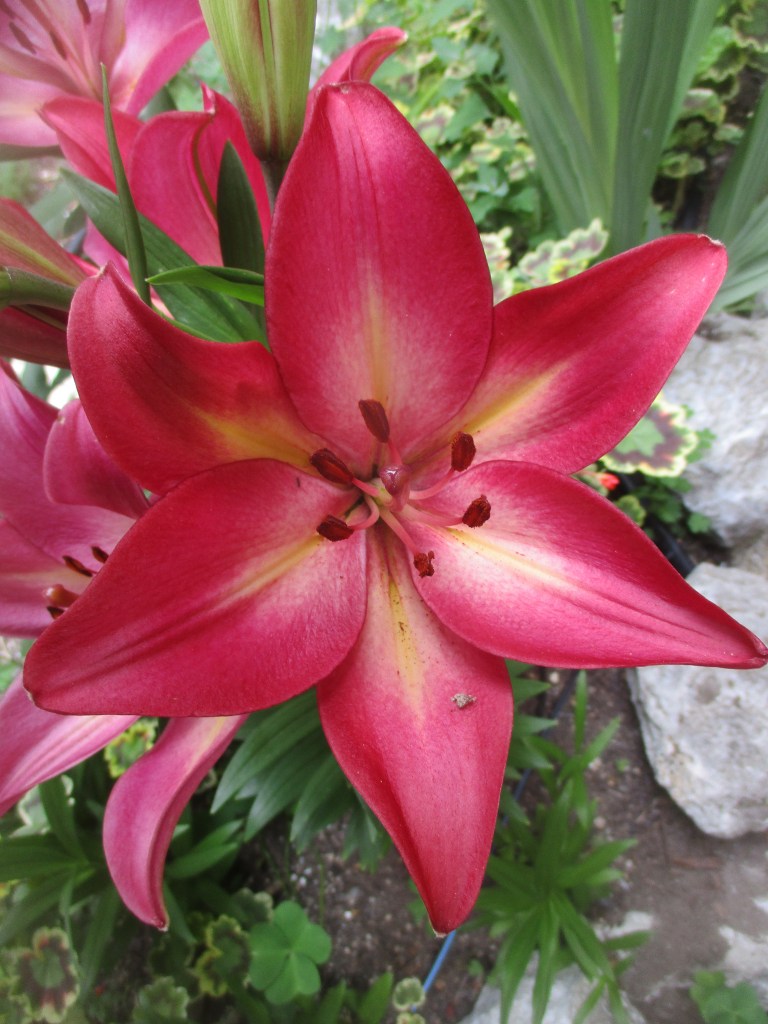
Lily is neither calla nor canna.

Nomenclature is simply a structured technique of naming. Botanic nomenclature assigns universally precise general or genus names with specific or species names to all plants. Such botanical names are also scientific and Latin names, but not common names. They are binomial with their uncapitalized species names after their capitalized genus names.

Latin, scientific or botanical names are the same for everyone everywhere, regardless of regional language. They simplify documentation and distribution of botanical information for plants that have different regional common names. Even if all other information needs translation, botanical names do not. They are really more common than common names.

Realistically, common names are no more common than common sense. Many regional names are common only within isolated or contained regions, such as individual islands of Polynesia. Aloalo of Hawaii are simply familiar hibiscus here. Lily of the Nile seems to be the only common name for Agapanthus, but is more familiar as thanh anh in Vietnam.

Acer platanoides is Latin for ‘maple which resembles a sycamore’. Acer pseudoplatanus is Latin for ‘maple which is a false sycamore’. Both are maples here, but also sycamores in England. Conversely, Platanus X acerifolia, which translates to ‘sycamore with maple foliage’ is a sycamore here, but a plane in England. Common names might be confusing.

This is why botanical names are so important. Arborists and horticulturists both here and in England recognize them regardless of possible inconsistencies with common names. Of course, common names are useful regionally. They may be easier to remember, more appealing or merely amusing. Pigsqueak and sticky monkey flower are difficult to forget.

Nonetheless, it might be helpful to be aware that some common names are inaccurate. A rose by any other name would smell as sweet, unless of course, it is a Confederate rose, Lenten rose, rose of Sharon or rock rose. None of such roses are actually roses. Neither calla lily nor canna lily is a real lily. Neither dracaena palm nor sago palm is a real palm.