
Warm season vegetables are beginning to replace cool season vegetables. Some types prefer to start earlier than others. A few might displace lingering predecessors before the predecessors finish. Timing is not everything, though. Location may be as relevant. If the garden did not move, some vegetables should. Many or most benefit from rotating crops.
Vegetable plants are innately greedy in regard to particular nutrients. They might deplete such nutrients from their soil within a few years. Some may not take that long, particularly within less than ideal soils. However, different types of vegetables deplete different types of nutrients. Rotating vegetable plants disperses and decelerates this nutrient depletion.
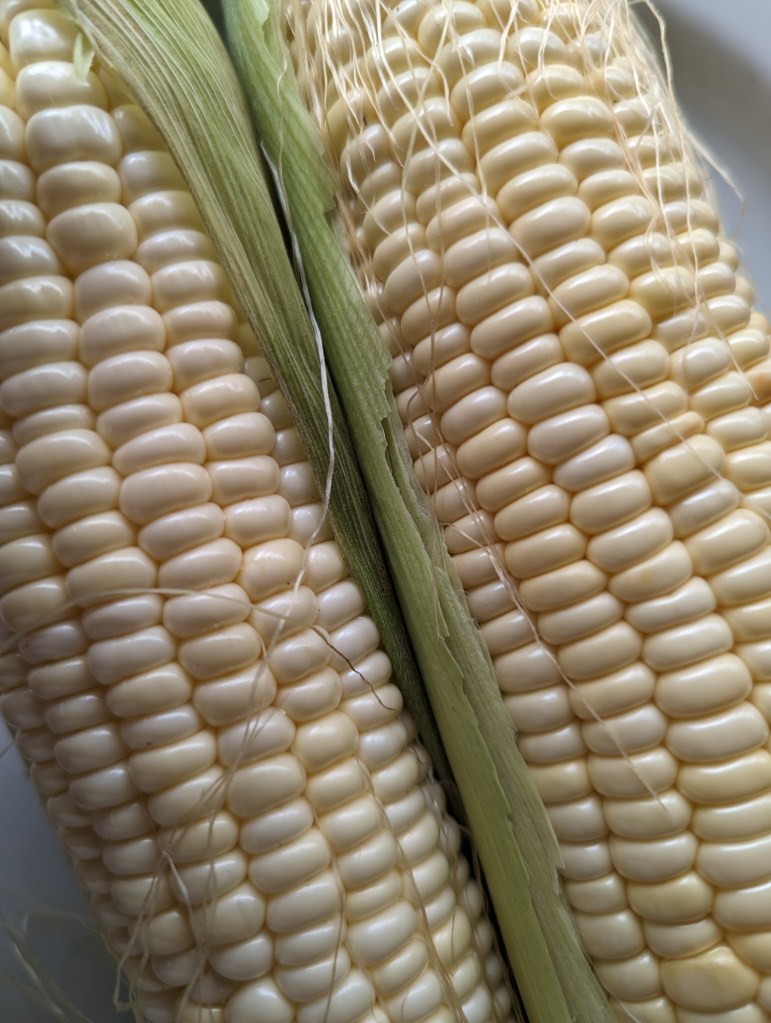
Tomato plants deplete their favorite nutrients. Therefore, new tomato plants should likely avoid soil that tomatoes formerly occupied. Corn can use such soil instead, and may not notice a deficiency of nutrients. After all, each craves something different. Beans can use the same soil afterward for the same reason. Rotating crops shares resources equitably.
Bell peppers are related to tomatoes, so deplete similar nutrients. Therefore, they should also avoid soil that tomatoes formerly occupied. All types of beans should similarly avoid soil that any type of bean utilized. Fortunately, warm season vegetables are unrelated to most cool season vegetables. What grew last summer is now relevant for rotating crops.
Nutrient depletion is not permanent, though. Rotating crops, while accommodating such depletion, also accelerates replenishment. For example, beans should not deplete much of what tomatoes crave. They instead replenish some of what tomatoes crave. Tomatoes, can therefore eventually return to where they grew before. After all, rotation goes around.
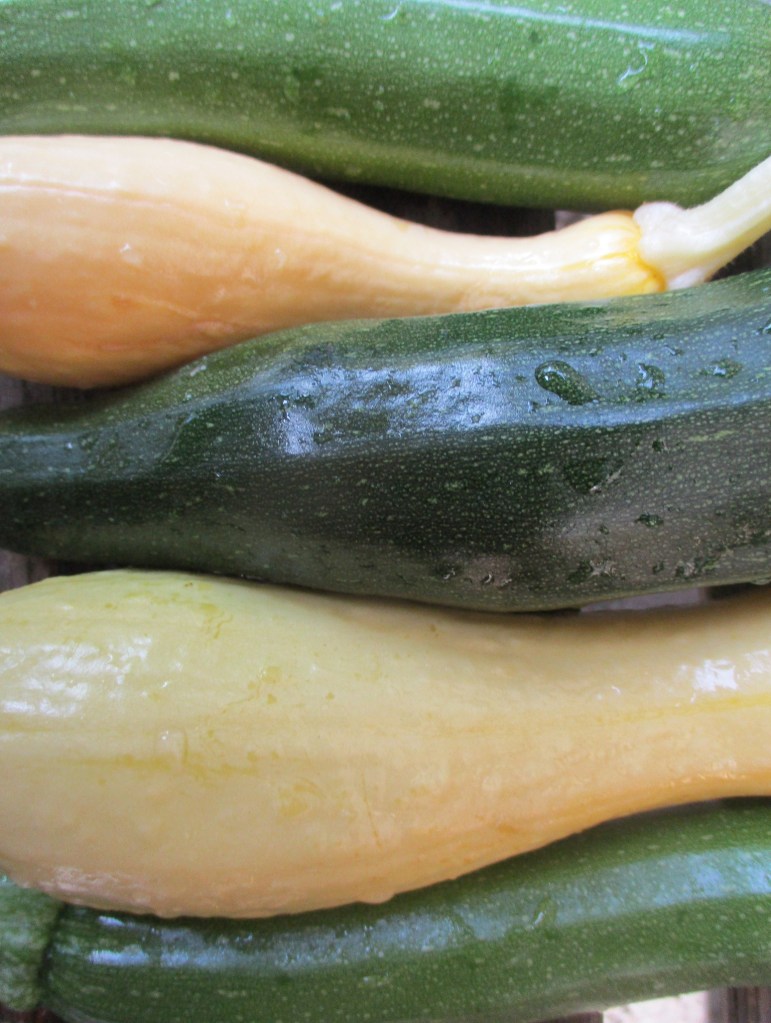
Warm season vegetables generally require more nutrients than cool season vegetables. That is because so many warm season vegetables are actually fruits that contain seeds. Most cool season vegetables are vegetative, without seed. Consequently, warm season vegetables are more appreciative of rotating. Cool season vegetables are more passive. Cool season vegetables do not grow long enough locally to deplete much anyway.

 Too much of a good thing can be a problem. That is why bacon is not one of the four basic food groups. It is why sunny weather gets mixed with a bit of rain. It is why we can not give plants too much fertilizer. Since late last summer or autumn, there has not been much need for fertilizer. If fertilized too late, citrus and bougainvillea develop new growth just in time to be damaged by frost.
 Tony Tomeo