Tangly Cottage Gardening was a primary destination of my vacation. I posted pictures of it last week. These are six more species that I received as gifts.
1. Acanthus spinosus, armed bear’s breech has the strangest common name of these six. Is the bear armed or just its butt? Regardless, I happen to like common Acanthus mollis, and had coincidentally been wanting to try this less common species as well. Now, I will.
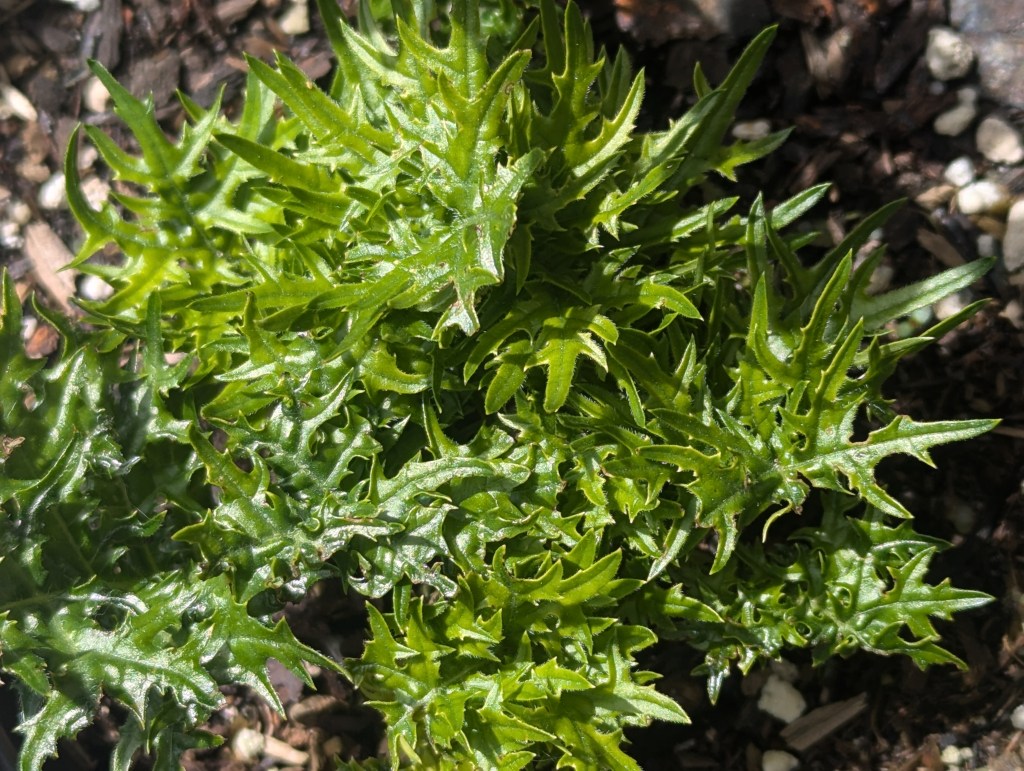
2. Echinops ritro, globe thistle was a minor crop where I worked with cut flowers during the summer of 1986. I did not enjoy harvesting it then, but recently, I had coincidentally been wanting to add a single specimen to my garden. I just could not think of an excuse.
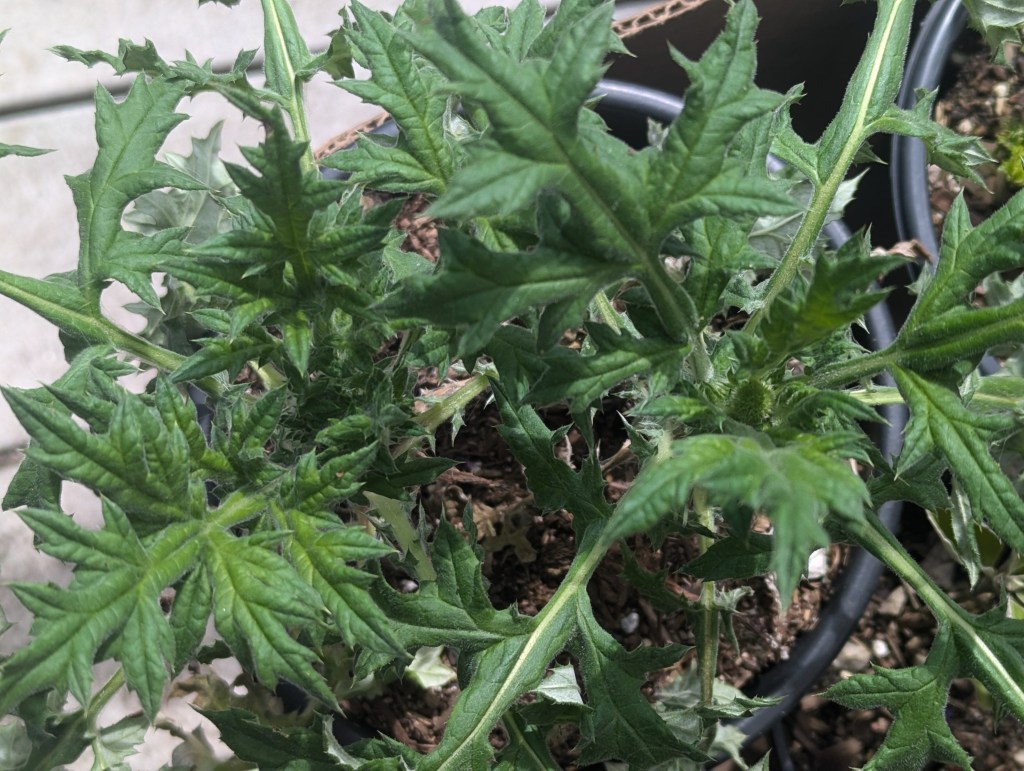
3. Helenium autumnale, common sneezeweed also has an amusing common name. I am unfamiliar with this species, although its botanical name somehow seems to be familiar. I got three distinct cultivars of it now! If we were not already acquainted, we will be now.

4. Brachyglottis greyi, daisy bush has a contrarily mundane common name. Many other species could easily qualify for its name. Somehow though, it makes it more compelling. Now, I want to see what makes it distinct from all other daisies, bushes or daisy bushes.
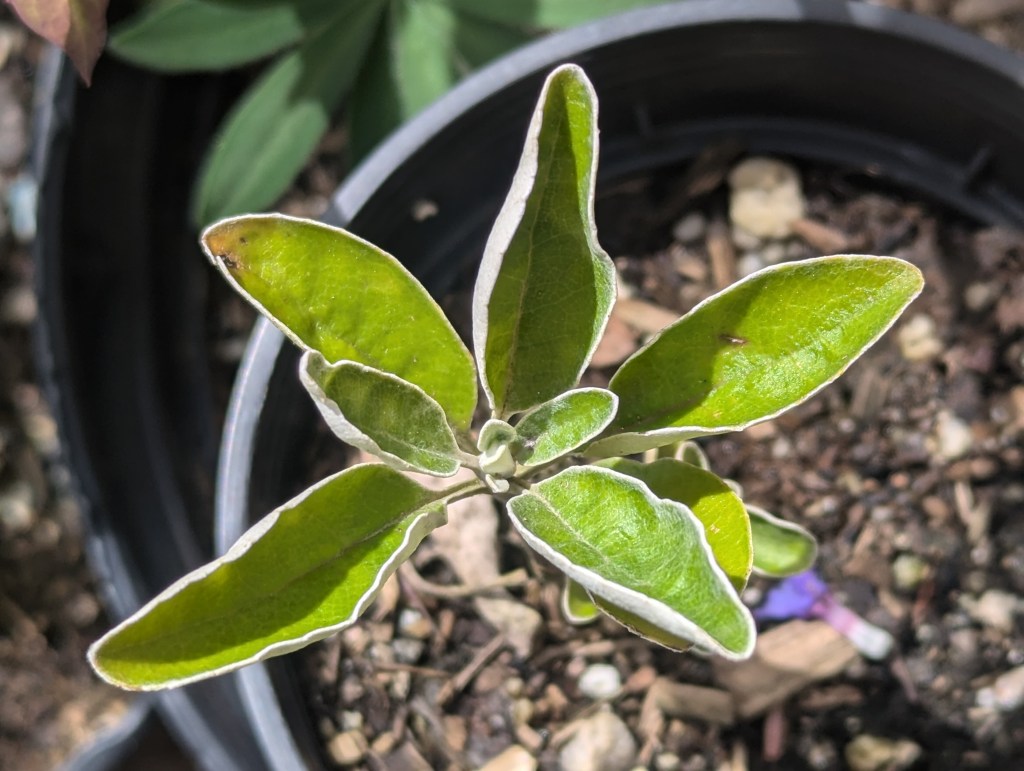
5. Leycesteria formosa, Himalayan honeysuckle or pheasant berry is yet another species that I had coincidentally been wanting to acquire. I embarrassingly did not recognize its name initially. I was told that I would find its flowers to be more appealing than its fruit.
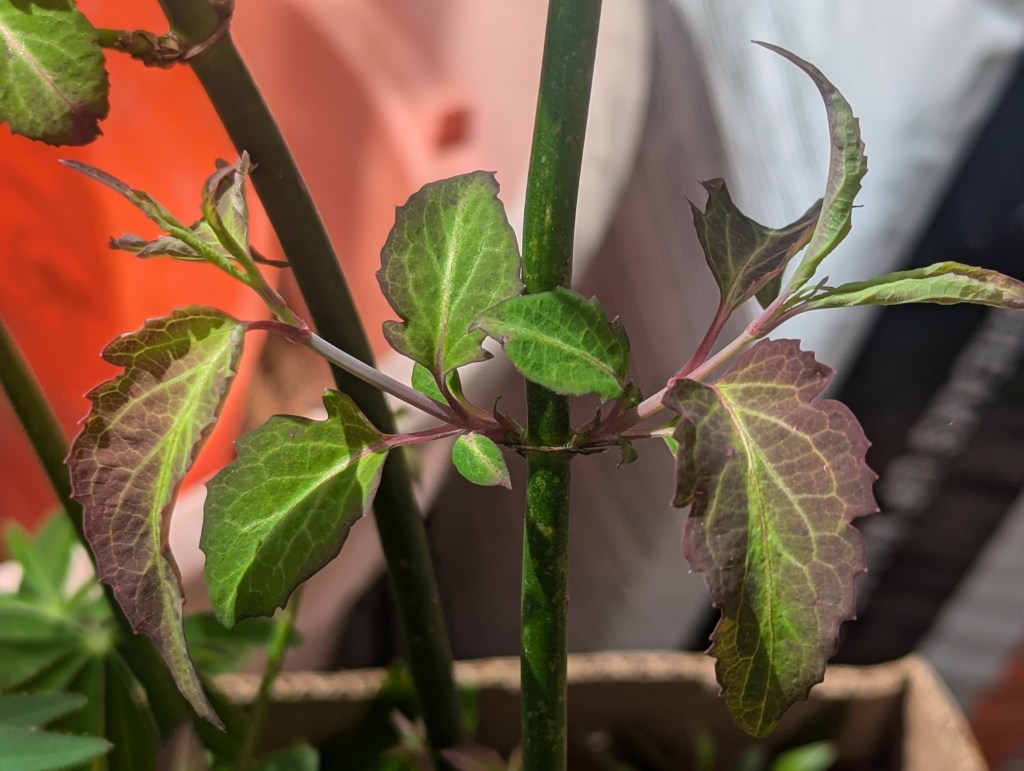
6. Lupinus, lupine is regifted and unidentified. I do not know if it is annual or perennial. Because it was grown in a can rather than merely shared as seed as annuals should be, I suspect that it is perennial. I will find out. This one can contains several swell seedlings.

This is the link for Six on Saturday, for anyone else who would like to participate: https://thepropagatorblog.wordpress.com/2017/09/18/six-on-saturday-a-participant-guide/












 Tony Tomeo