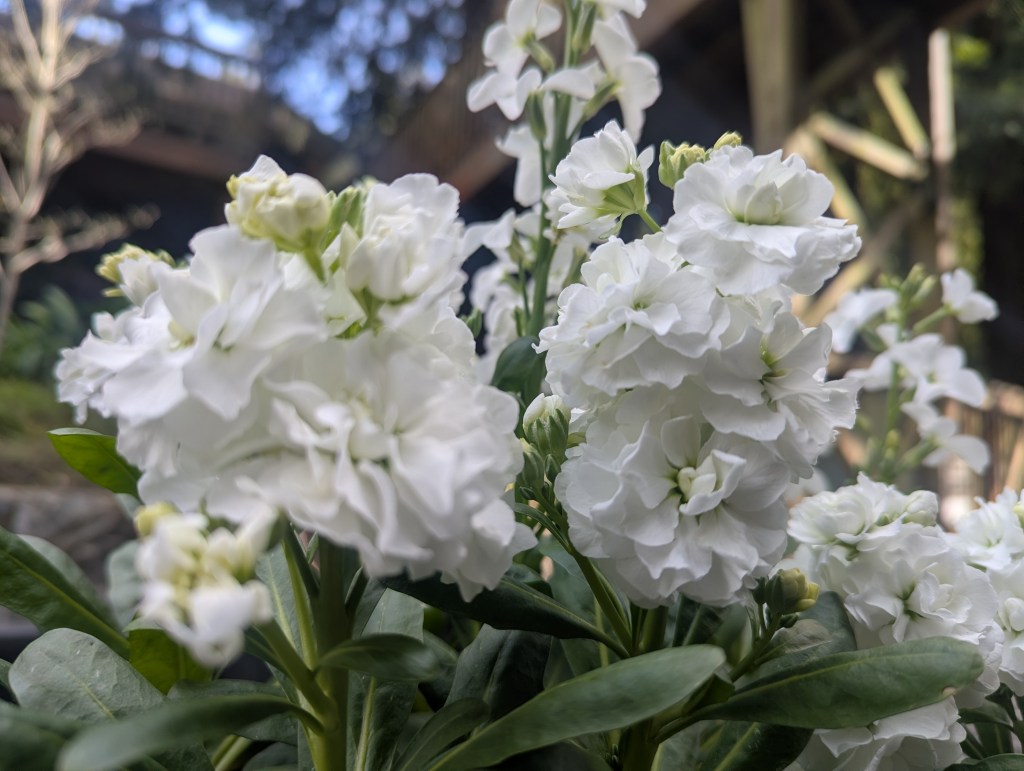
Sunday Best – Stock
Warming spring weather is stimulating new growth among vegetation that was dormant or shabby through this winter.
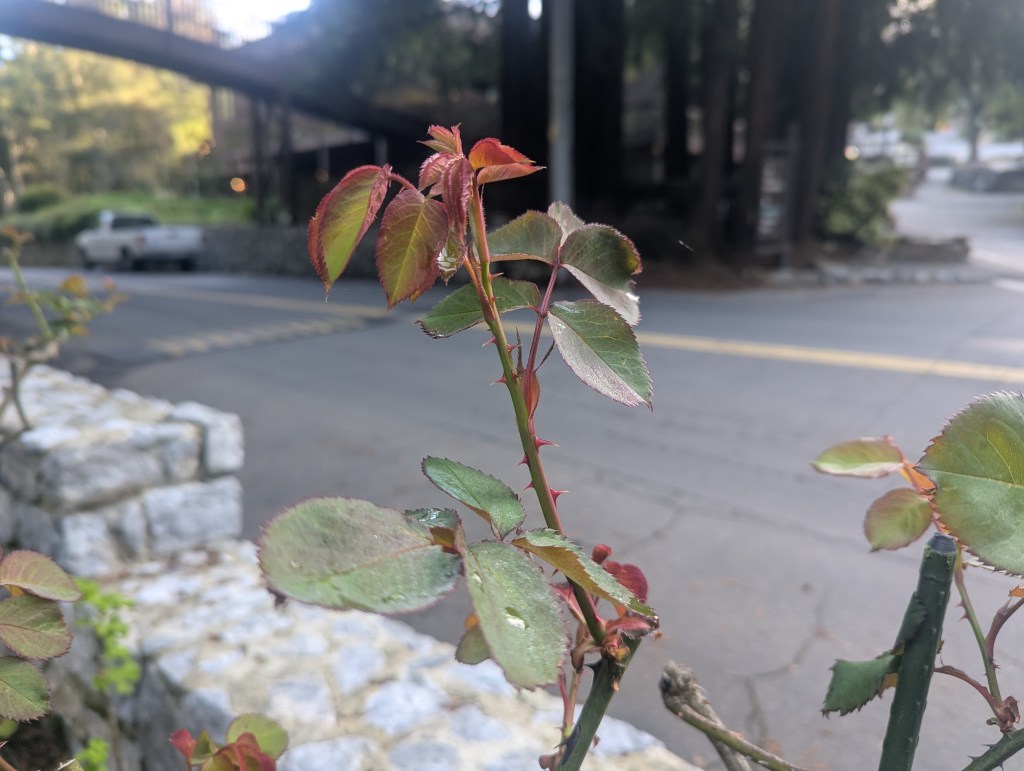
1. Rosa spp., rose started growing even before the weather became warmer. It is good to see that squirrels are not eating the new growth. I do not know what cultivar this one is.
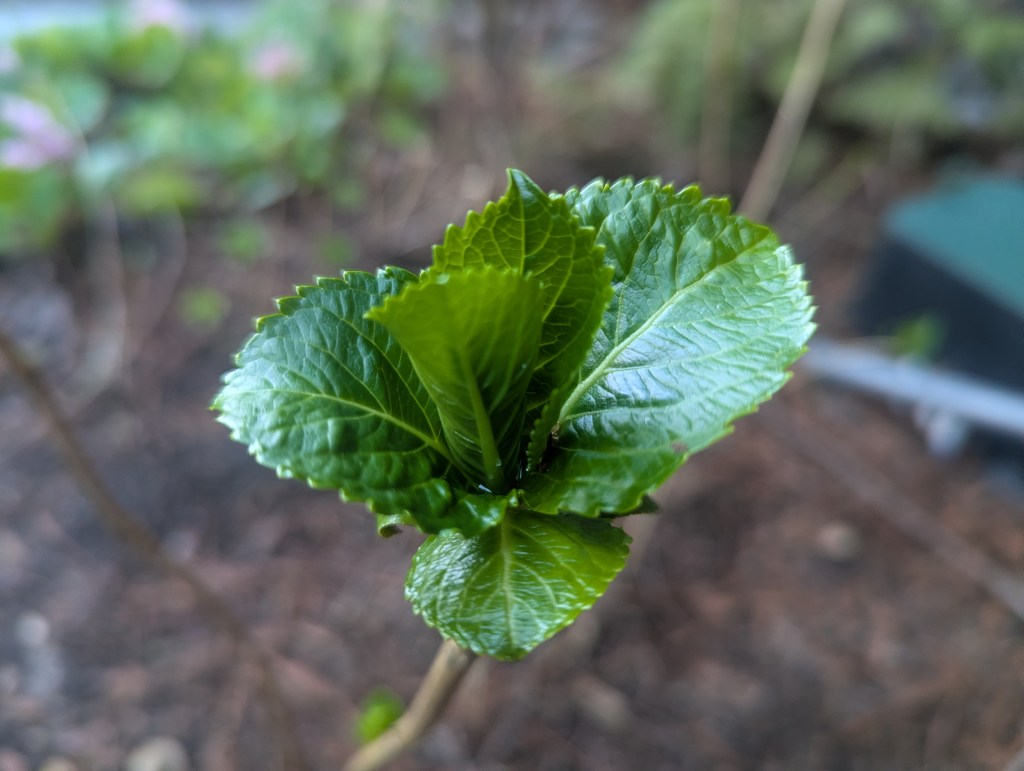
2. Hydrangea macrophylla, hydrangea, which is also unidentified, also started growing while the weather was still cool and rainy. It is now settling in after bare root relocation.
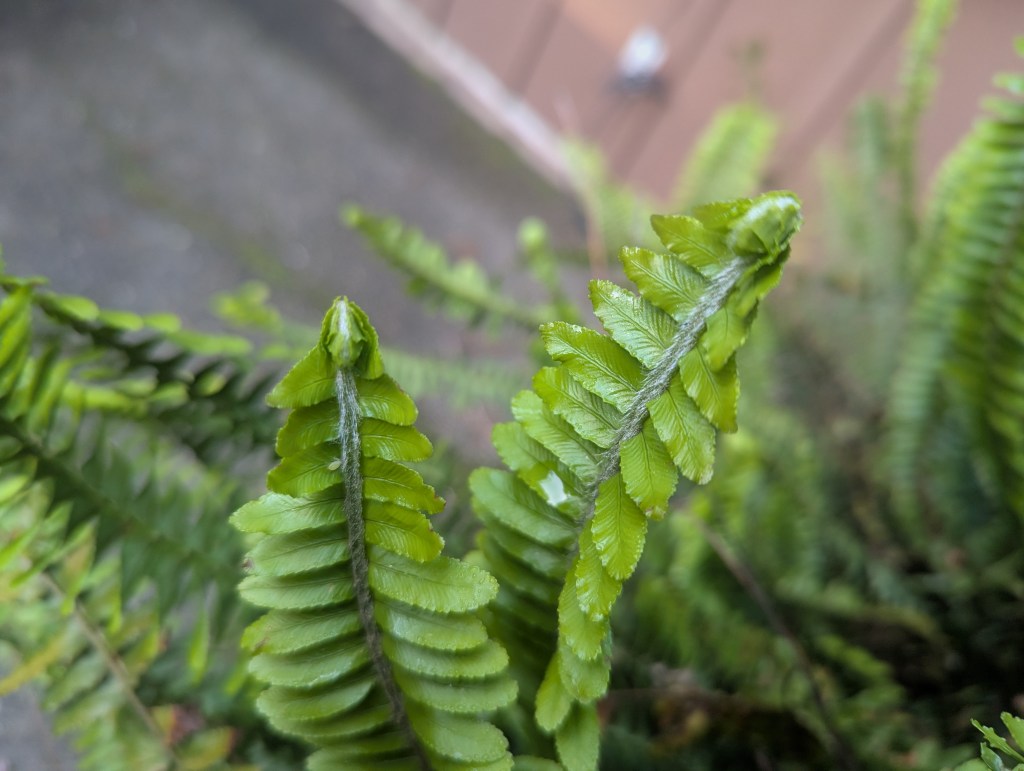
3. Nephrolepis cordifolia, sword fern, like many ferns, is beginning to replace old foliage with new foliage. It grew too large for its pot years ago, but somehow continues to grow.
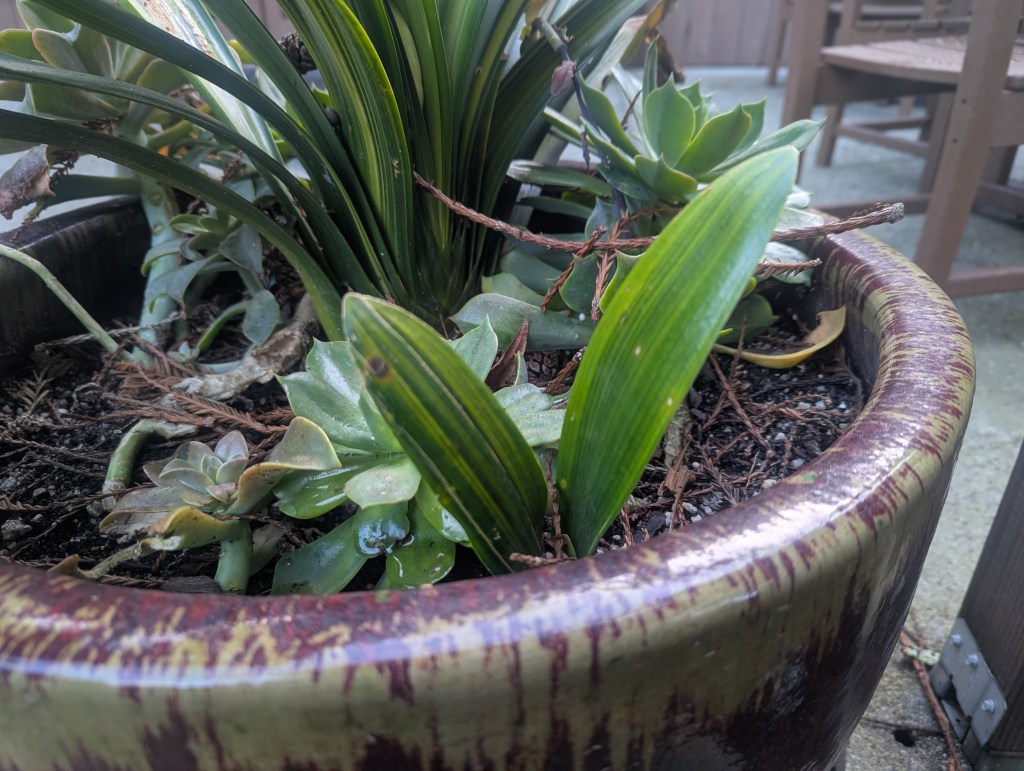
4. Clivia miniata, Kaffir lily has been maturing slowly for more than a year, but is finally providing a pup. It is variegated with yellow stripes, but I do not know what cultivar it is.
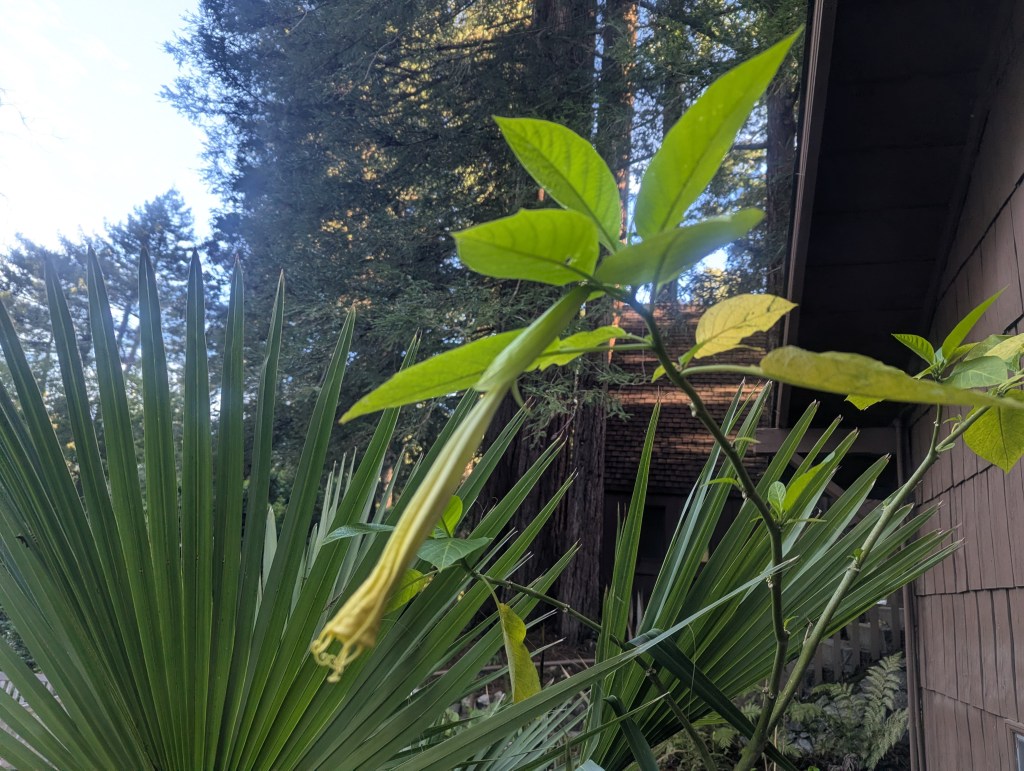
5. Brugmansia X cubensis ‘Charles Grimaldi’ angel’s trumpet is producing a new flower as readily as it produces new foliage. It should be no surprise. it is rarely without bloom.
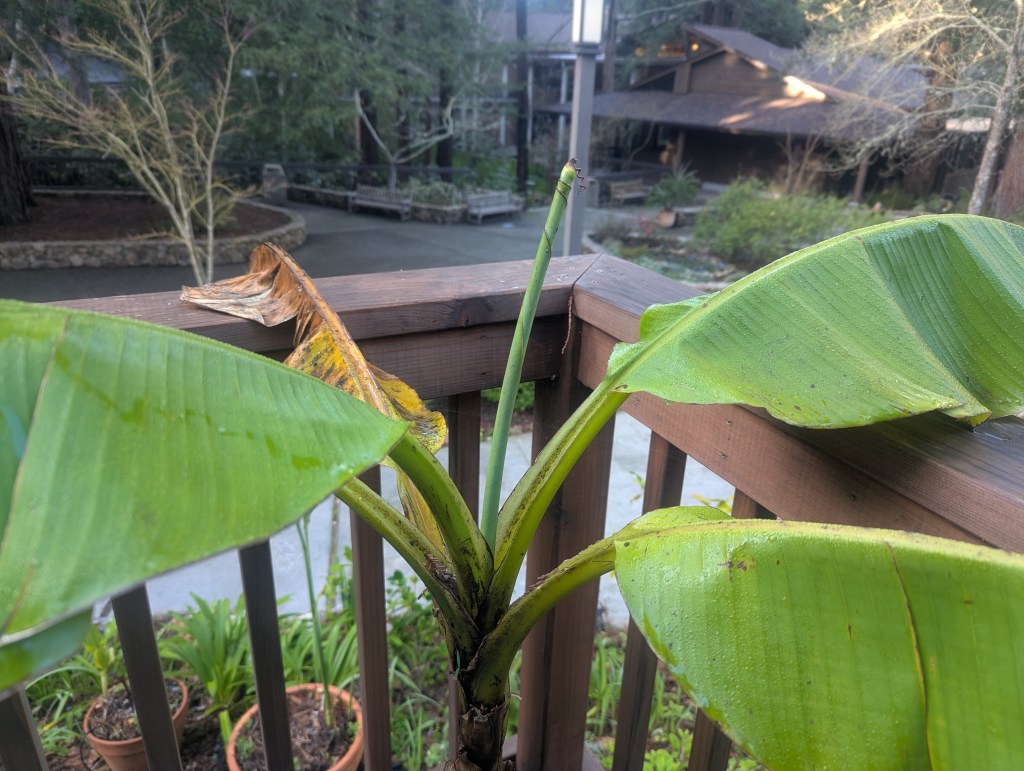
6. Musa acuminata X balbisiana ‘Golden Rhino Horn’ banana starts to produce its new foliage about the time we consider taking it out of the landscape because it is so shabby.
This is the link for Six on Saturday, for anyone else who would like to participate: https://thepropagatorblog.wordpress.com/2017/09/18/six-on-saturday-a-participant-guide/
After several weeks of atypically warm and pleasant weather, more typical cool and rainy weather resumed to demonstrate that winter is not quite finished yet.
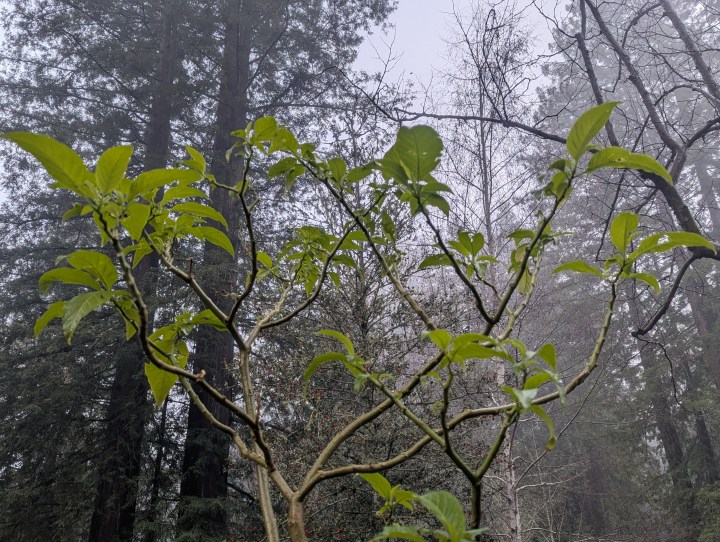
1. Brugmansia suaveolens, angel’s trumpet becomes rather scrawny through winter as it sheds its larger leaves that grew through summer, and generates smaller leaves instead.
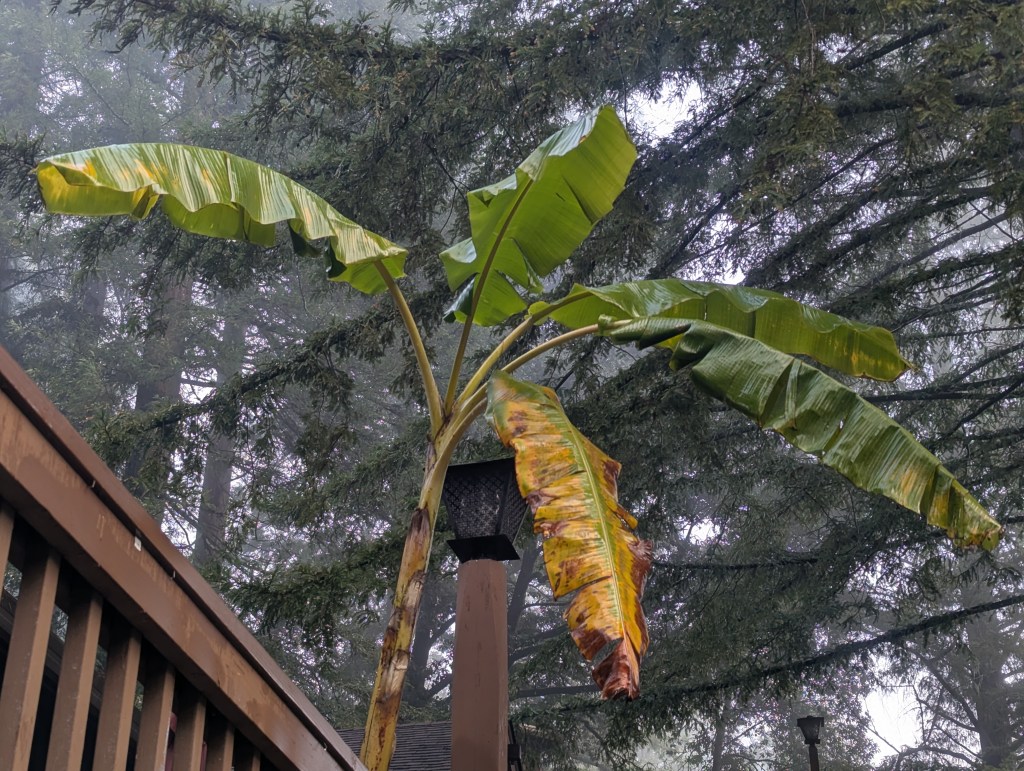
2. Musa acuminata X balbisiana ‘Blue Java’ banana would be notably scrawnier than it already is if more of its discolored and weather damaged foliage were to be pruned away.
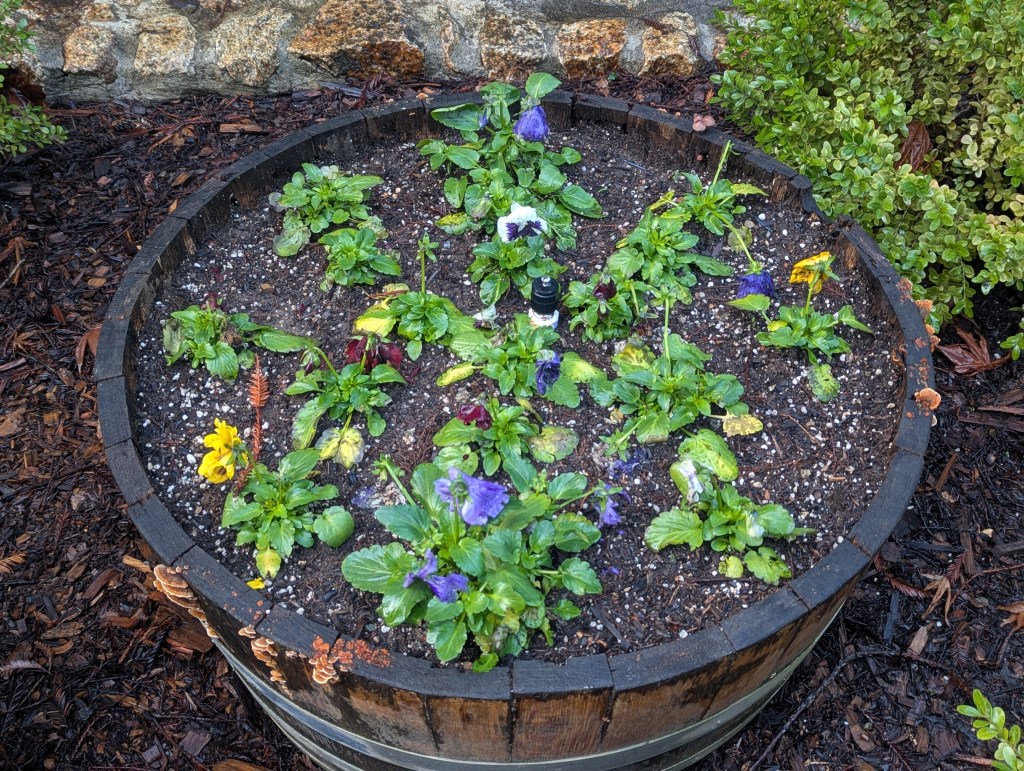
3. Viola X wittrockiana, pansy is a cool season or winter annual, but even it craves a bit more warmth than it has been experiencing since it was planted two or three weeks ago.
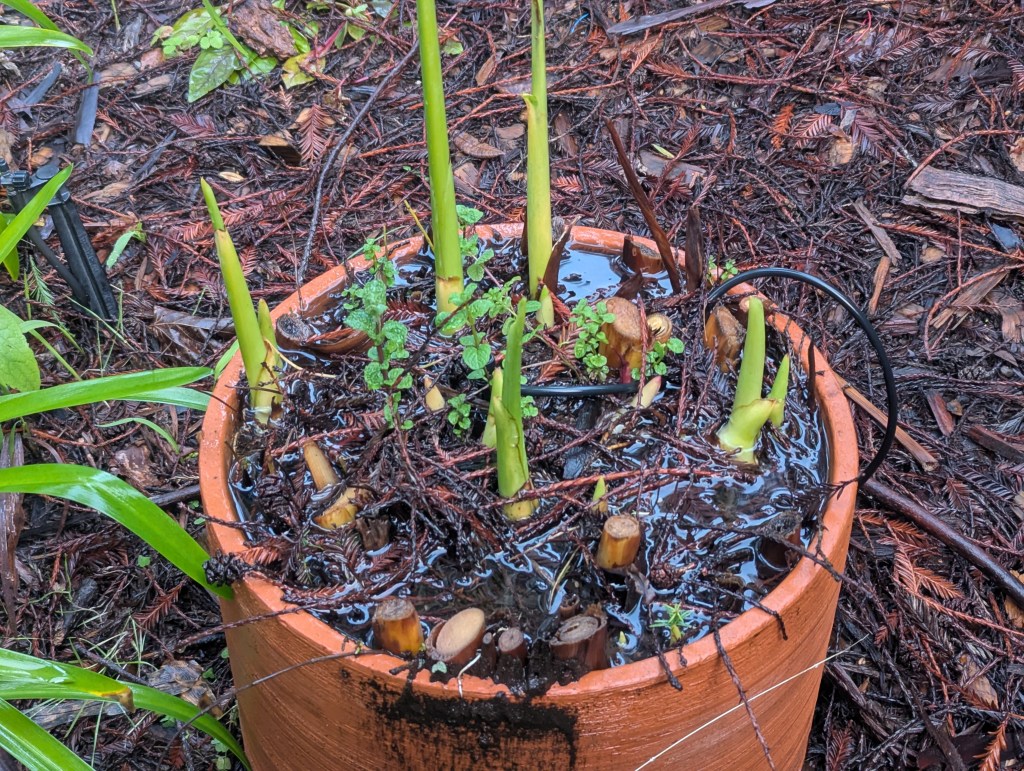
4. Canna X generalis, canna of various cultivars got cut back as their foliage succumbed to wintery chill and wind, but are already growing fast to replace what was pruned away.
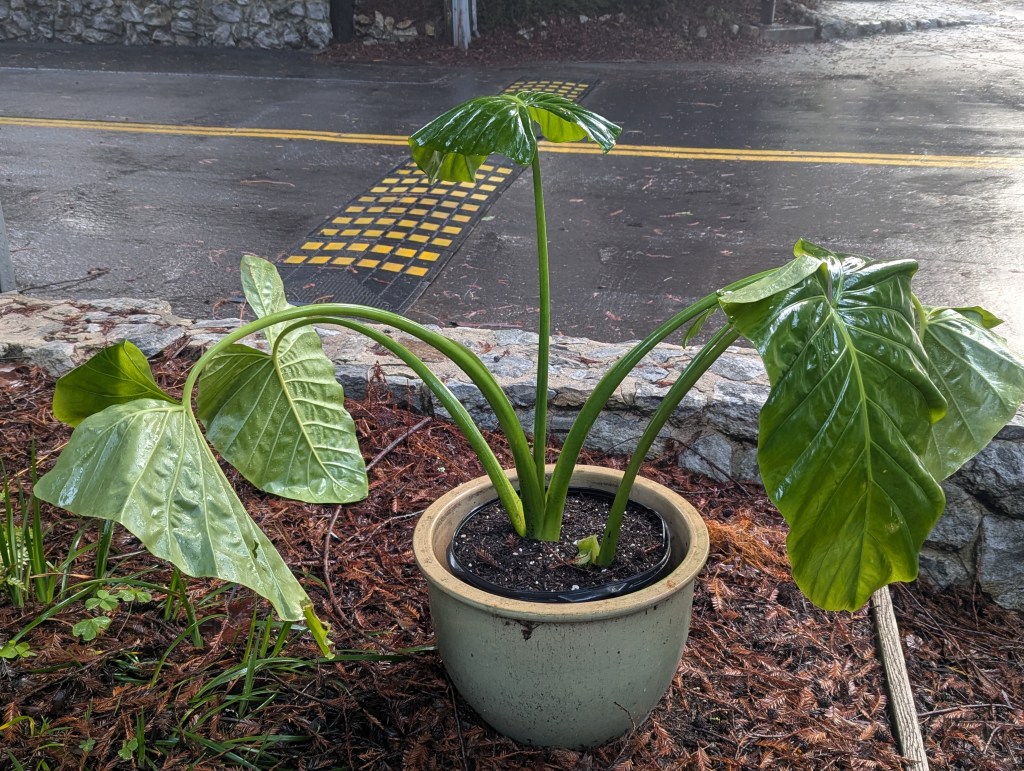
5. Alocasia macrorrhizos, taro was divided just before the weather got cool again, so it is difficult to know if it wilted because of the division, the lack of warmer weather, or both.
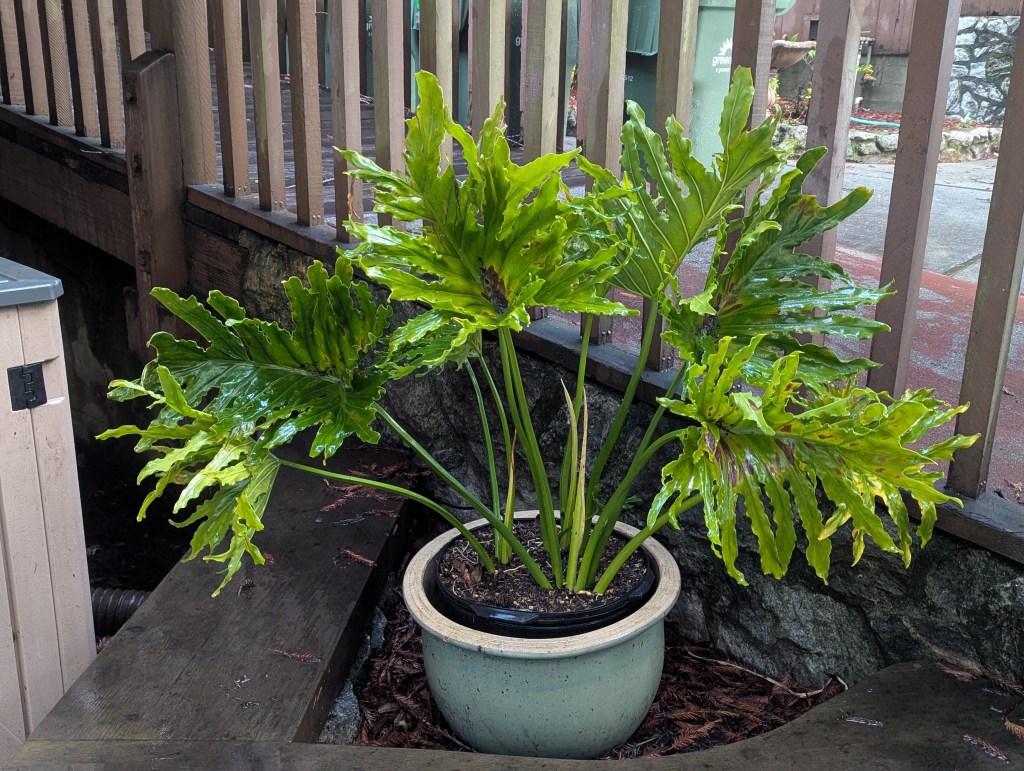
6. Philodendron selloum ‘Lickety Split’ split leaf philodendron was divided immediately after the taro, but has not wilted, and seems to be more resilient to the wintery weather.
This is the link for Six on Saturday, for anyone else who would like to participate: https://thepropagatorblog.wordpress.com/2017/09/18/six-on-saturday-a-participant-guide/
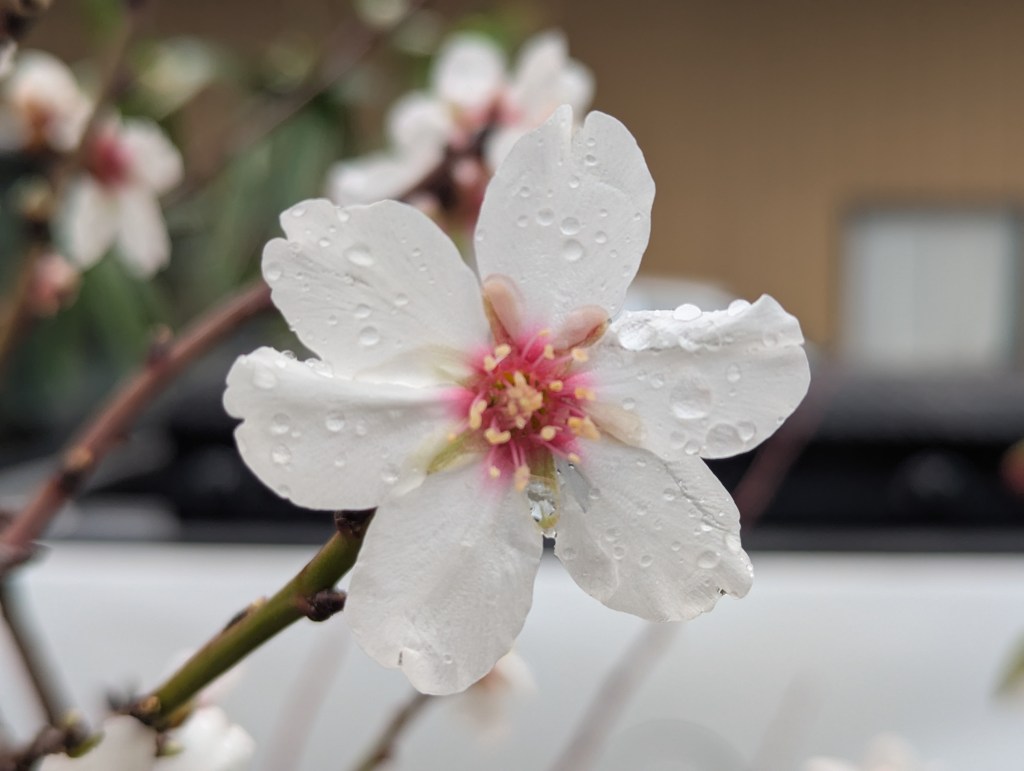
No theme was planned for these six random pictures that I took last Wednesday after we relocated the pygmy date palms. Daphne, pigsqueak and azalea were featured somewhat recently already.
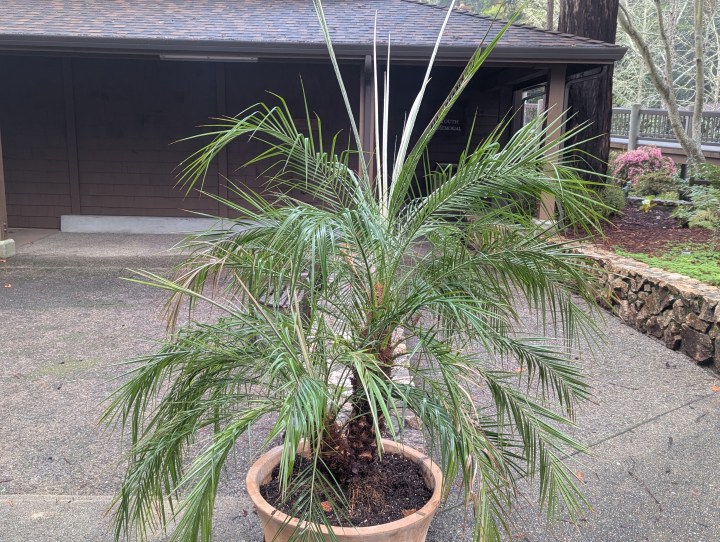
1. Phoenix roebelenii, pygmy date palm, which is one of a pair, is included in my six this week only because relocating them, in their large and heavy pots, was such a major task.
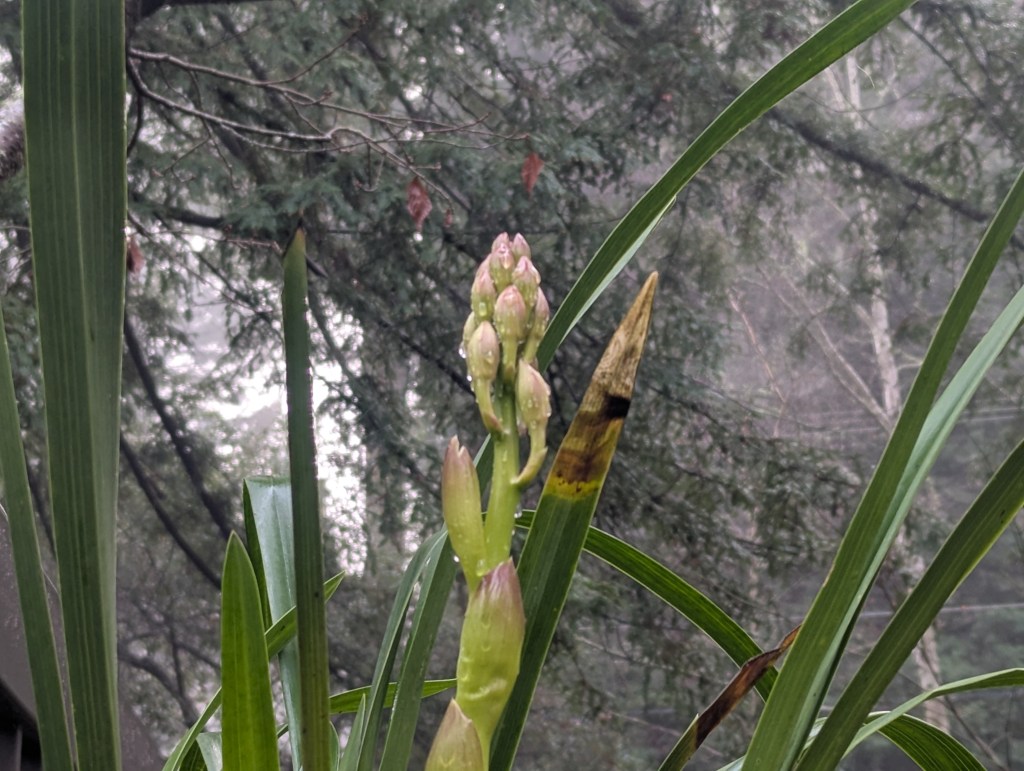
2. Cymbidium spp., orchid is not blooming yet, but is working on it. No such bloom was expected, since this formerly large specimen was divided thoroughly after its last bloom.
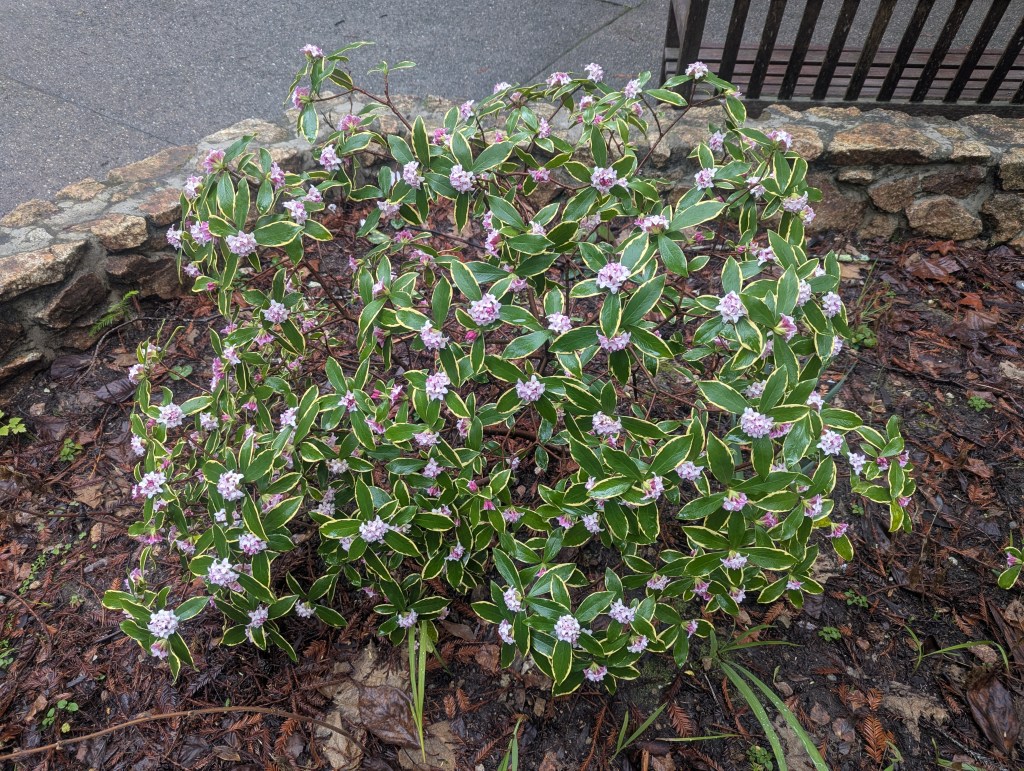
3. Daphne odora ‘Variegata’, daphne was featured in my Six on Saturday earlier, but this picture demonstrates how large one of several specimens is. It is apparently happy here.
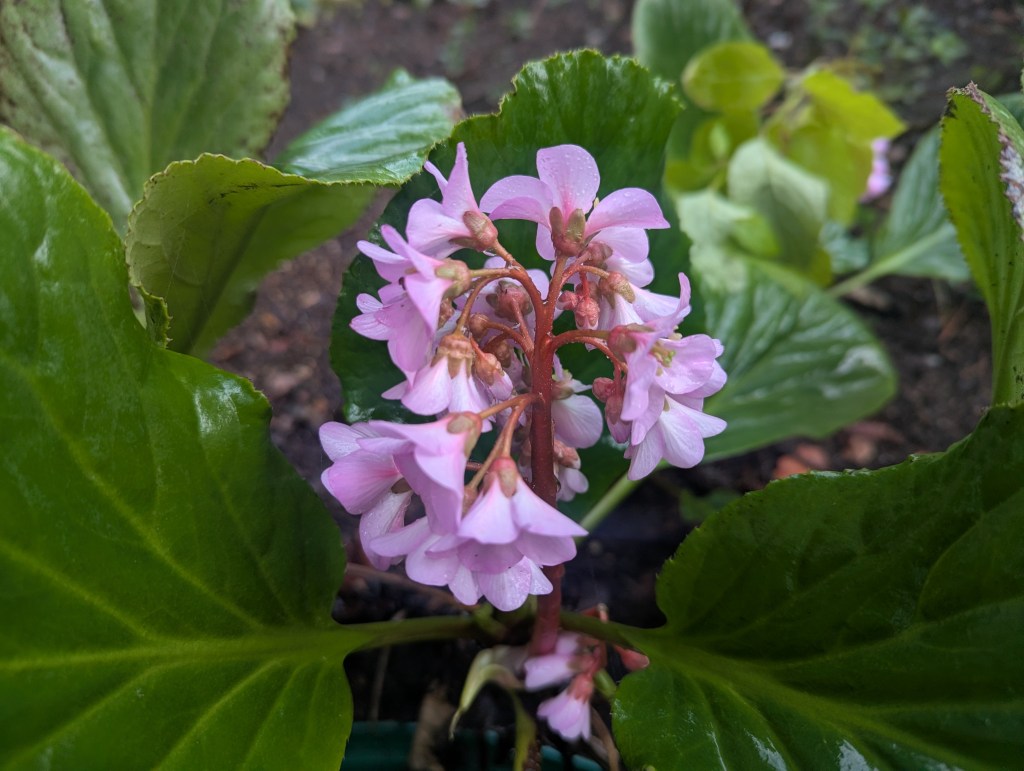
4. Bergenia crassifolia, pigsqueak bloomed with a few premature flowers for December, but is blooming more on time now. The flowers are nice whenever they choose to bloom.
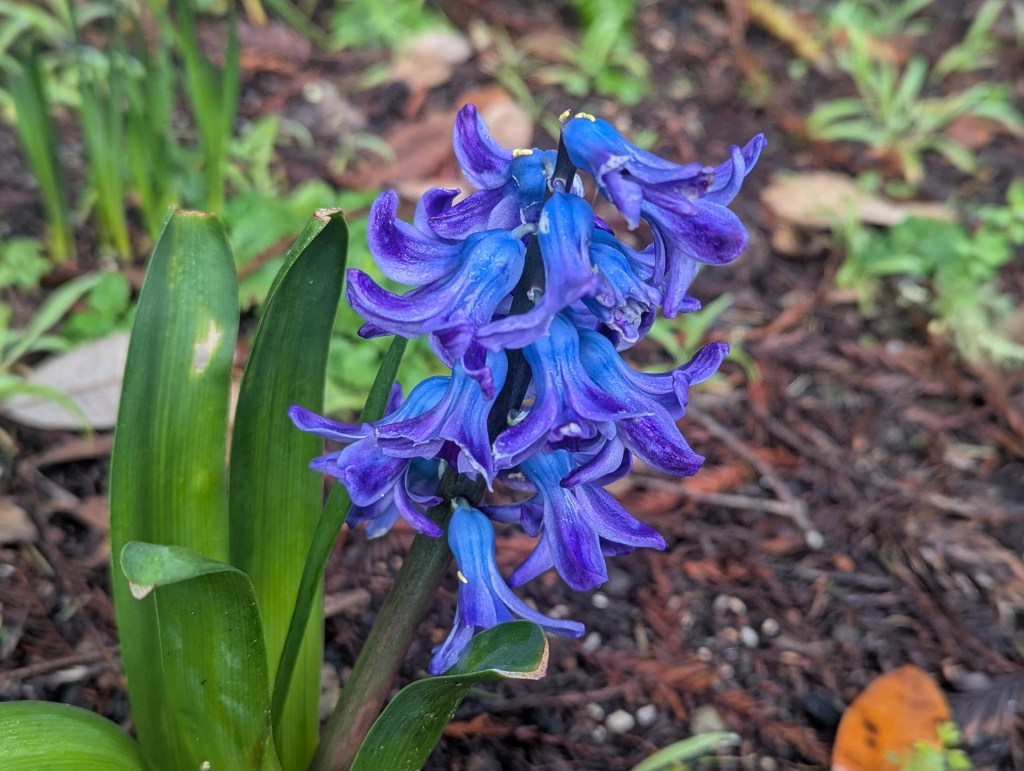
5. Hyacinthus orientalis, hyacinth has been reliably perennial for several years, which is impressive. The winter chill here does not seem to be adequate for it to bloom so nicely.
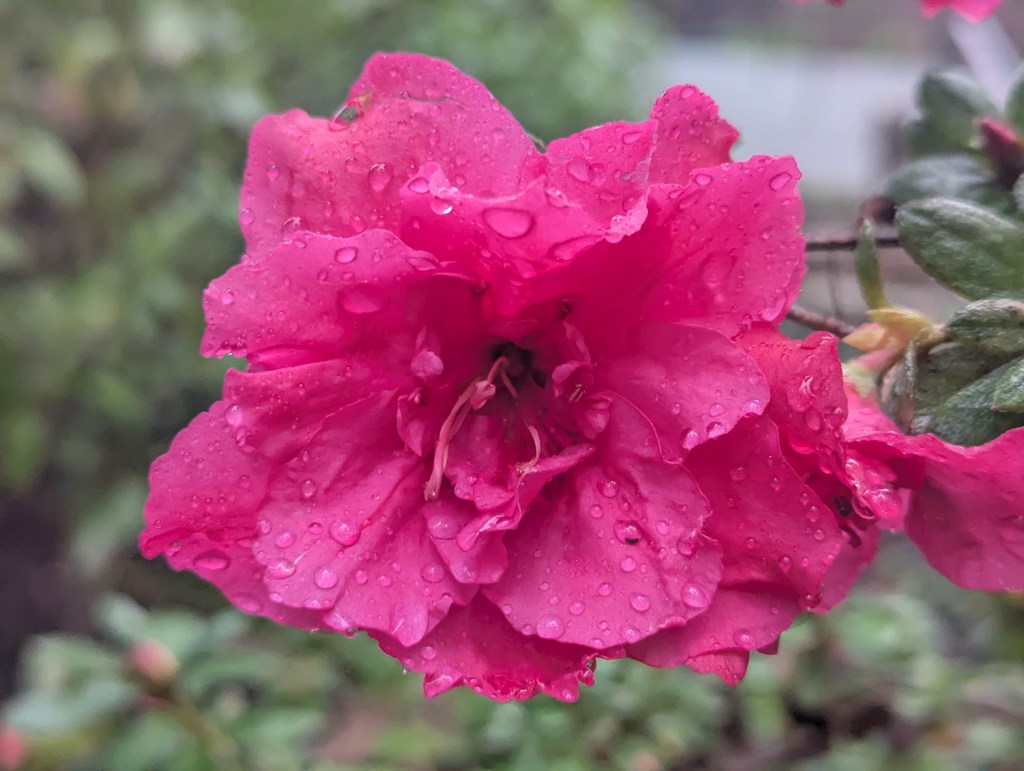
6. Rhododendron spp., azalea started blooming prematurely nearly two months ago and continues to bloom through winter. Its bloom duration compensates for its off schedule.
This is the link for Six on Saturday, for anyone else who would like to participate: https://thepropagatorblog.wordpress.com/2017/09/18/six-on-saturday-a-participant-guide/
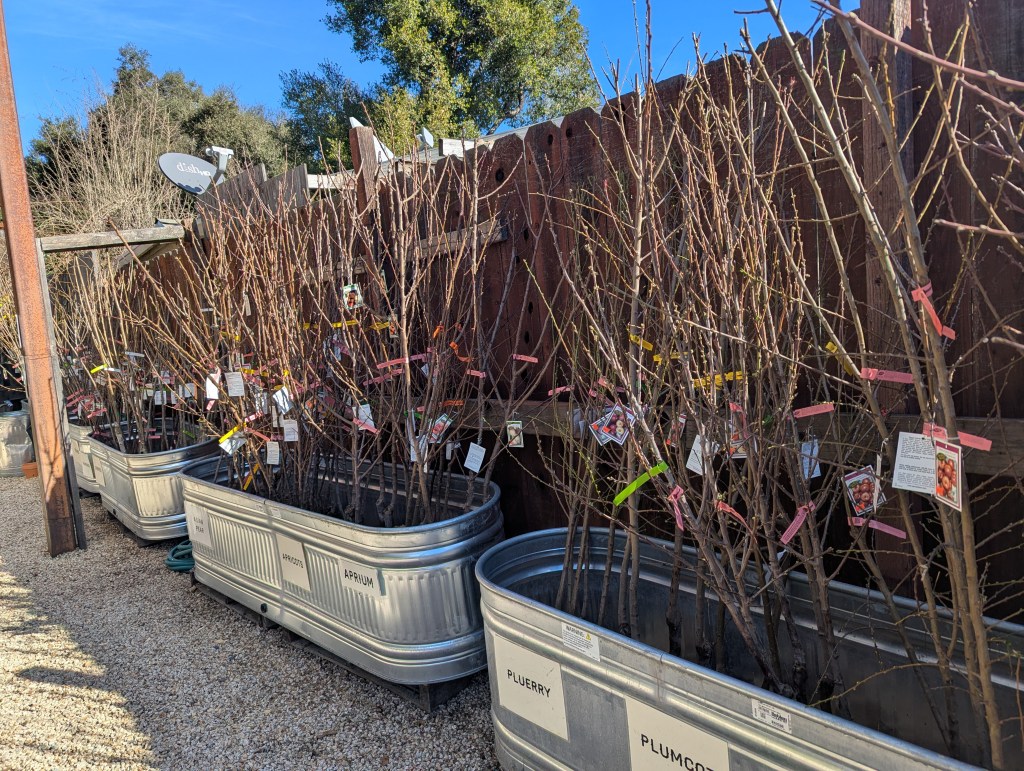
It is a long story, but to be brief, while waiting for a neighbor to finish at another errand, I visited a nursery and took these few pictures.
1. Bare root stock is too tempting. I must resist. I already have all of the fruit trees that I want. Almost all remained canned from last winter because I did not clear their orchard.
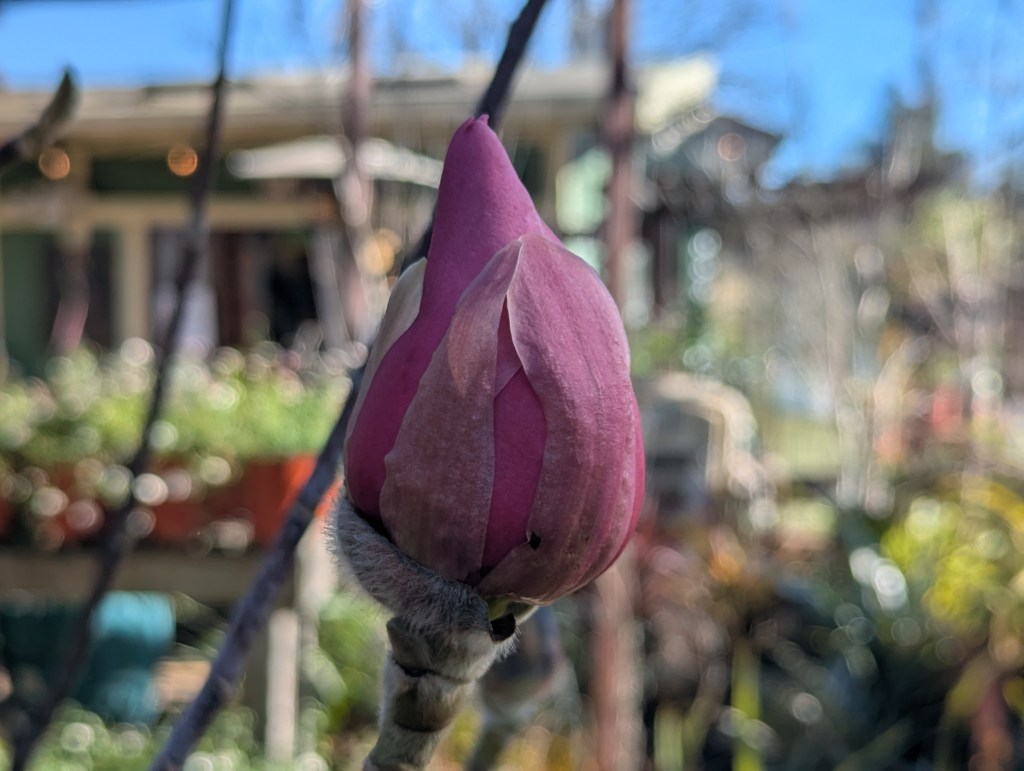
2. Magnolia soulangeana, saucer magnolia looks like it will be blooming soon. I suspect that these trees were field grown in heavy soil in Oregon. I refrained from investigating.
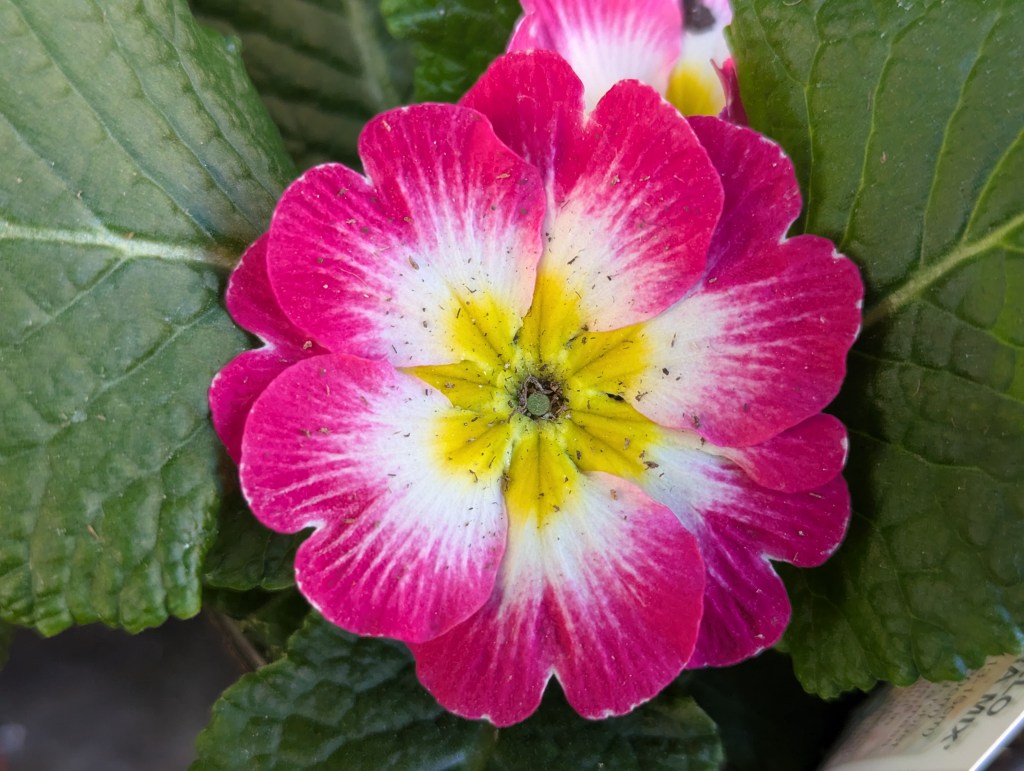
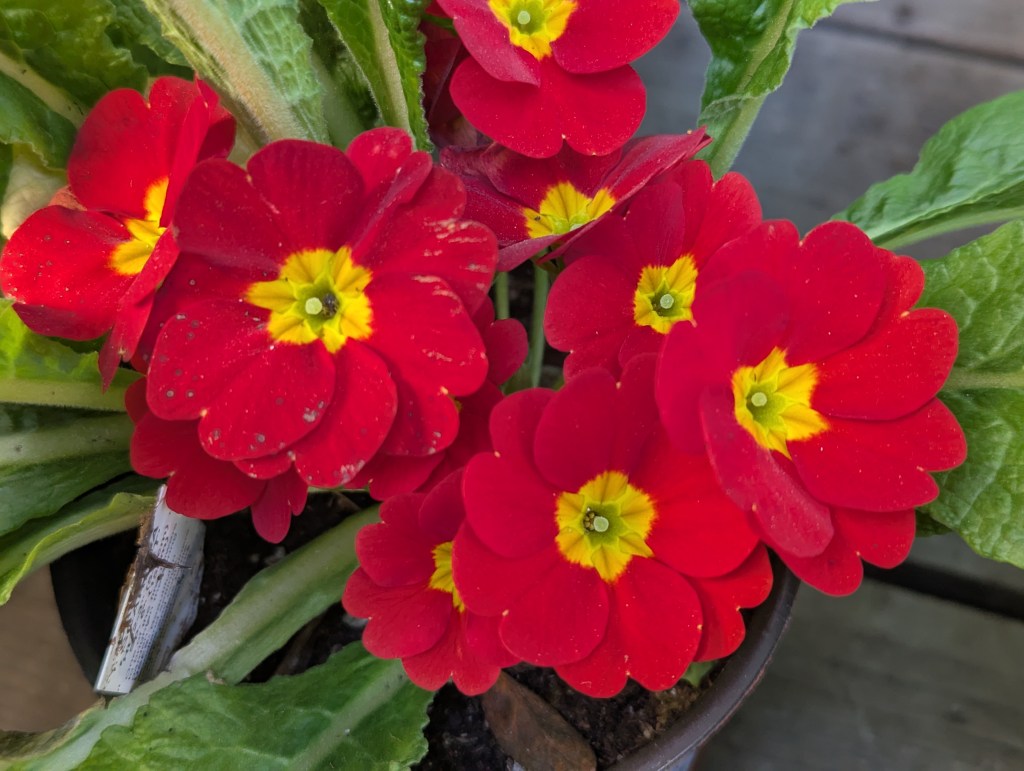
3. Primula vulgaris, English primrose no longer seems to be as common as its botanical name suggests. Perhaps I can learn to appreciate it again. Their colors are so cartoonish.
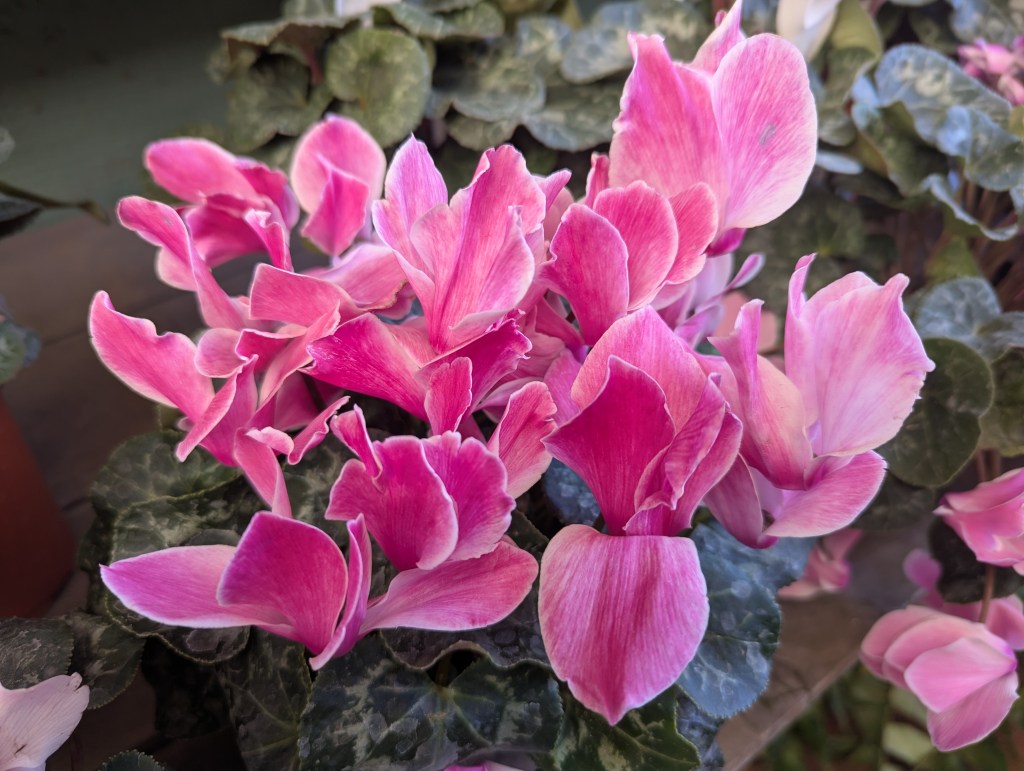
4. Cyclamen persicum, florist’s cyclamen is also easier to appreciate again when it is less cliche than it is as garish red and white Christmas decor. White is still my favorite color.
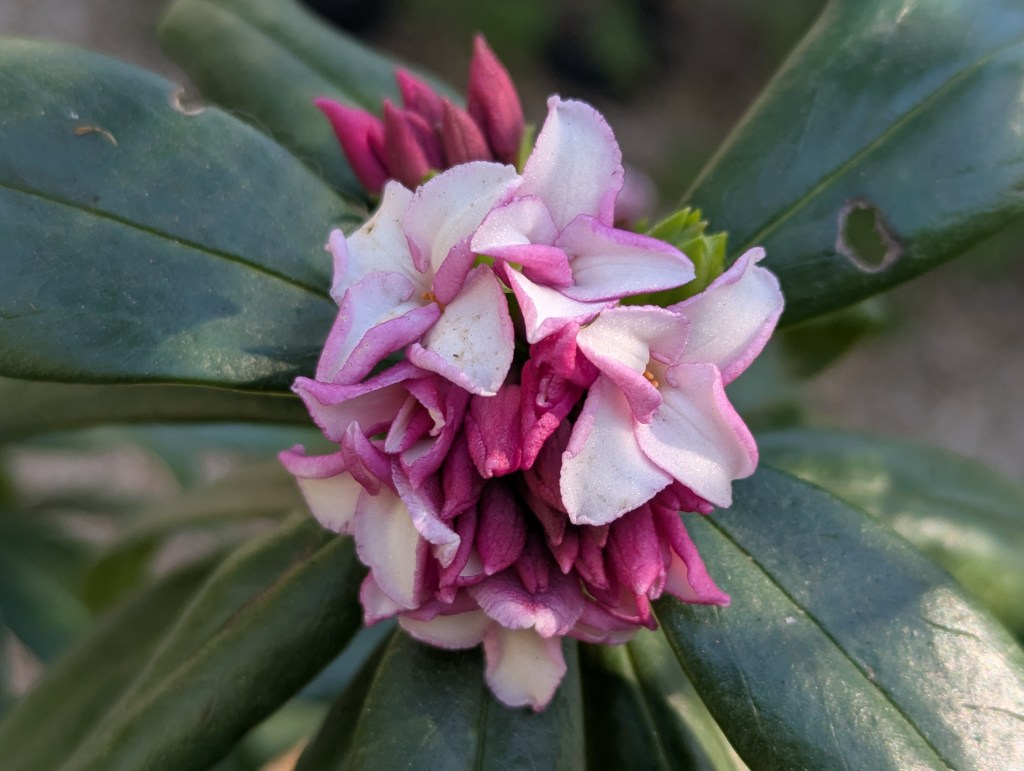
5. Daphne odora, daphne caught my attention initially by fragrance, and then by its lack of variegation. I wonder if it grows any more vigorously without variegation than with it.
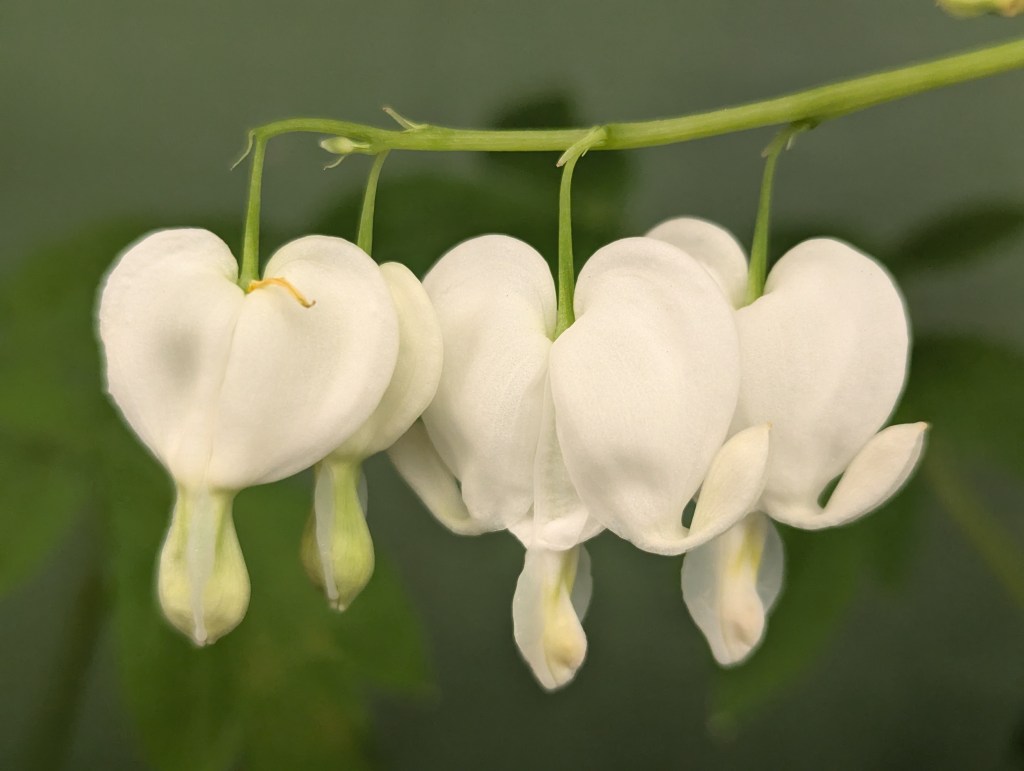
6. Lamprocapnos spectabilis, bleeding heart is not cliche in white like florist’s cyclamen is. I know nothing of this species, but I get the impression that it tolerates a bit of shade.
This is the link for Six on Saturday, for anyone else who would like to participate: https://thepropagatorblog.wordpress.com/2017/09/18/six-on-saturday-a-participant-guide/
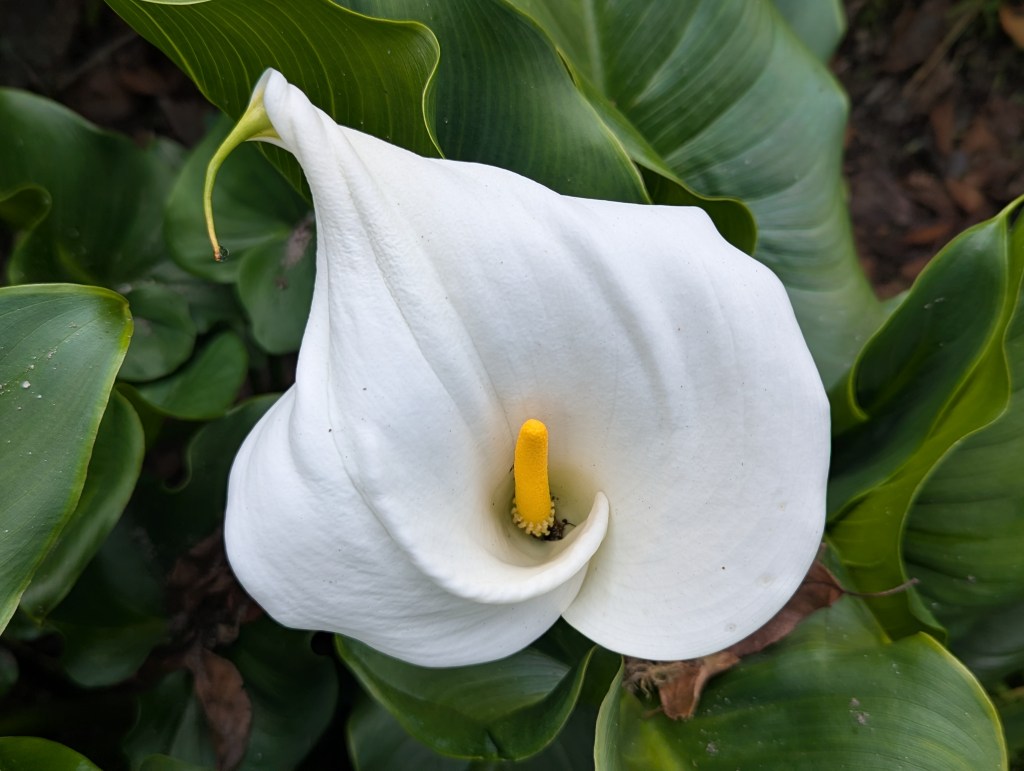
The last two are not actually winter flowers, but happened to be in bloom for these Six.
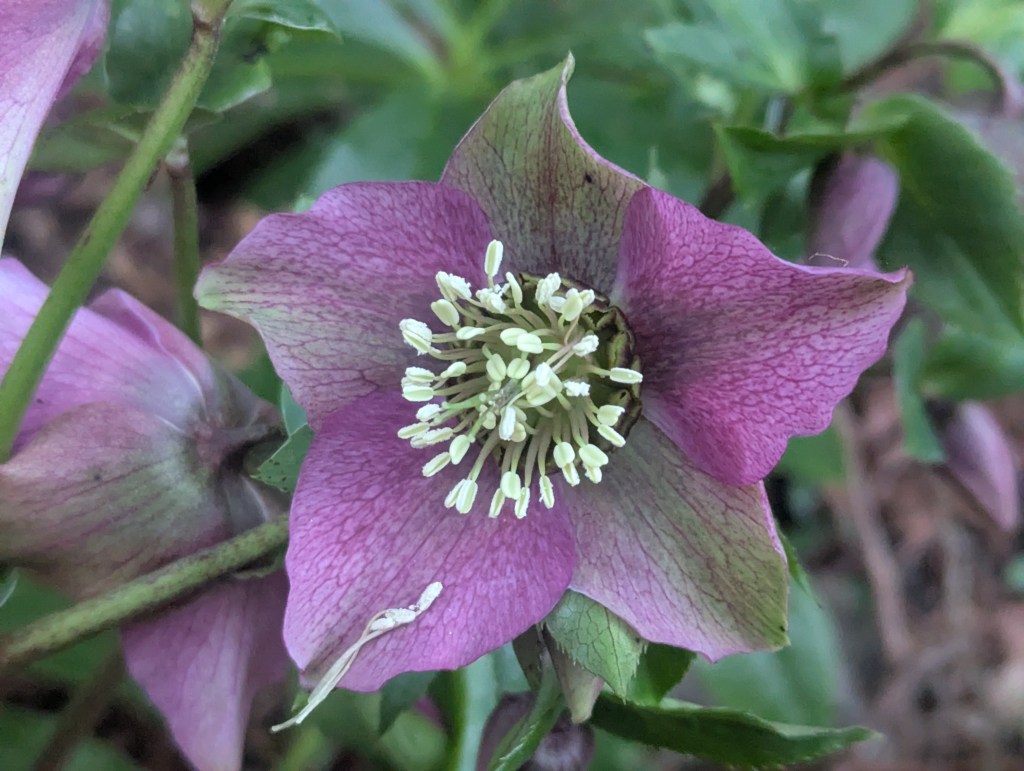
1. Helleborus orientalis, hellebore does not perform well here. I sometimes comment on how pretty they are in other gardens. Yet, even here, some bloom nicely once in a while.
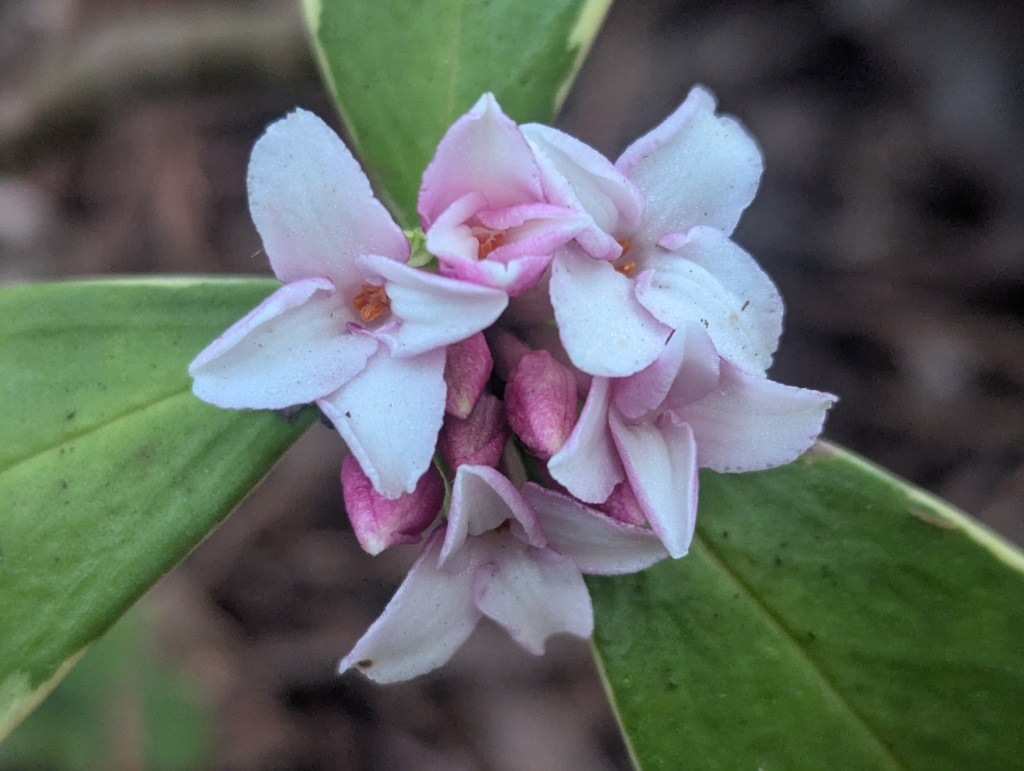
2. Daphne odora ‘Variegata’, variegated daphne seems to bloom better when distressed. This particular specimen is not as healthy as the others which are blooming a bit slower.
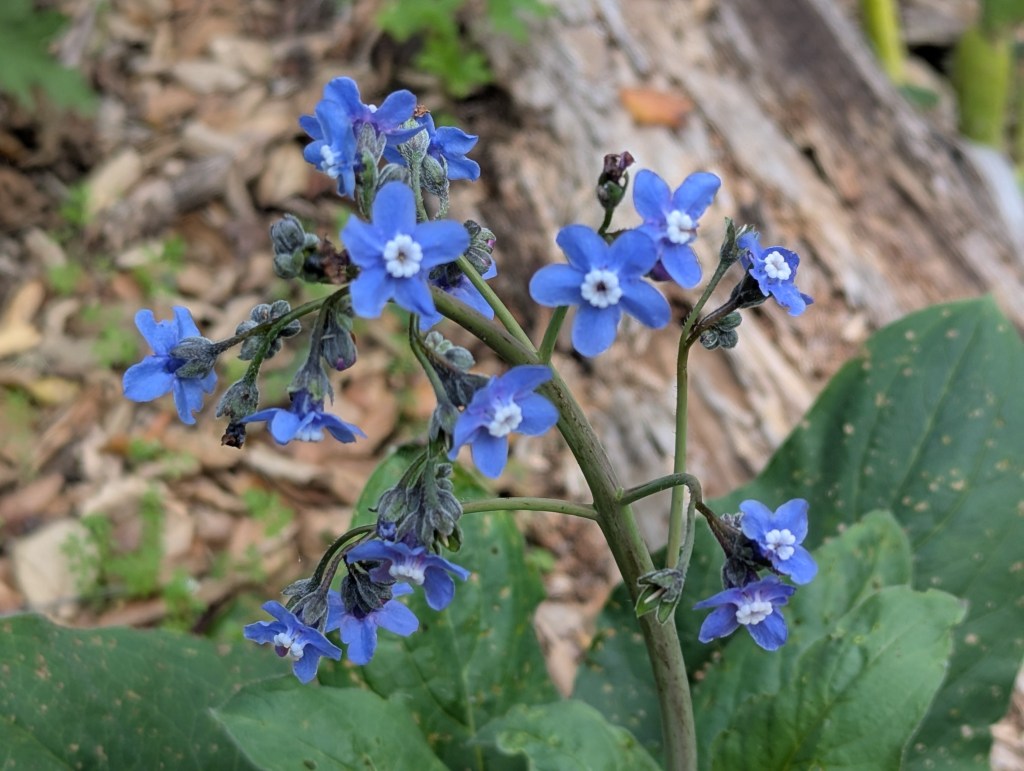
3. Cynoglossum grande, Pacific hound’s tongue is a native wildflower that grows where it wants to. This one is in my driveway. It will not die, but it does not like to be relocated.
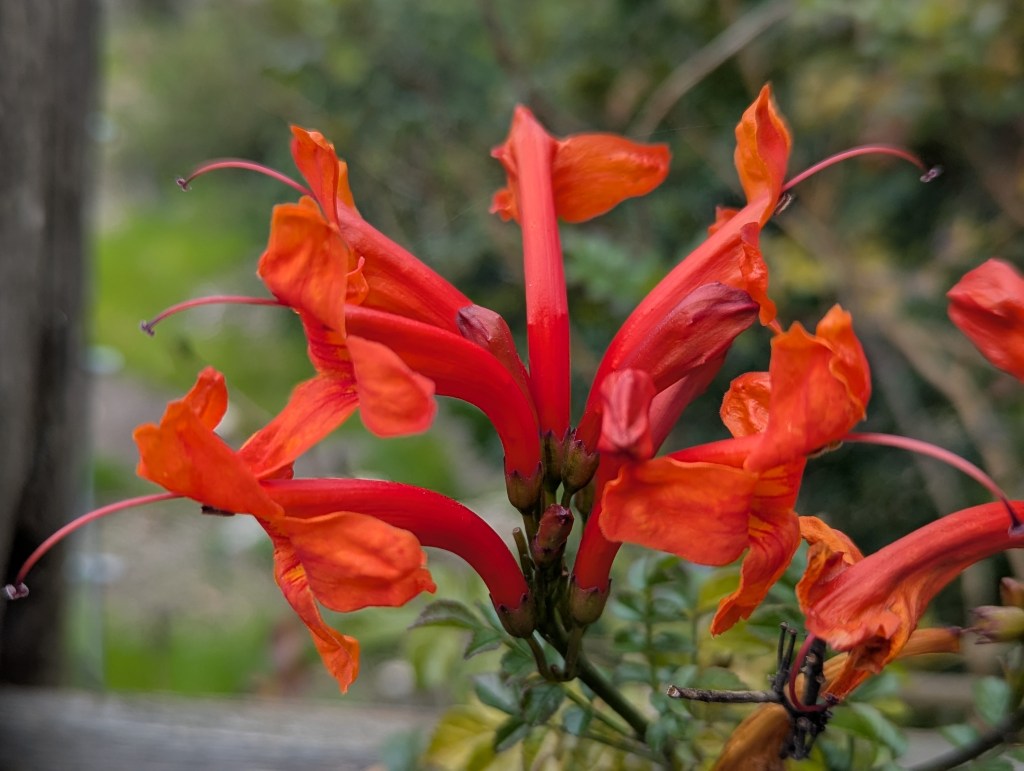
4. Tecomaria capensis, Cape honeysuckle is prettier close up than it is at a distance. It is awkward in form, but can not be pruned enough without eliminating some of its bloom.
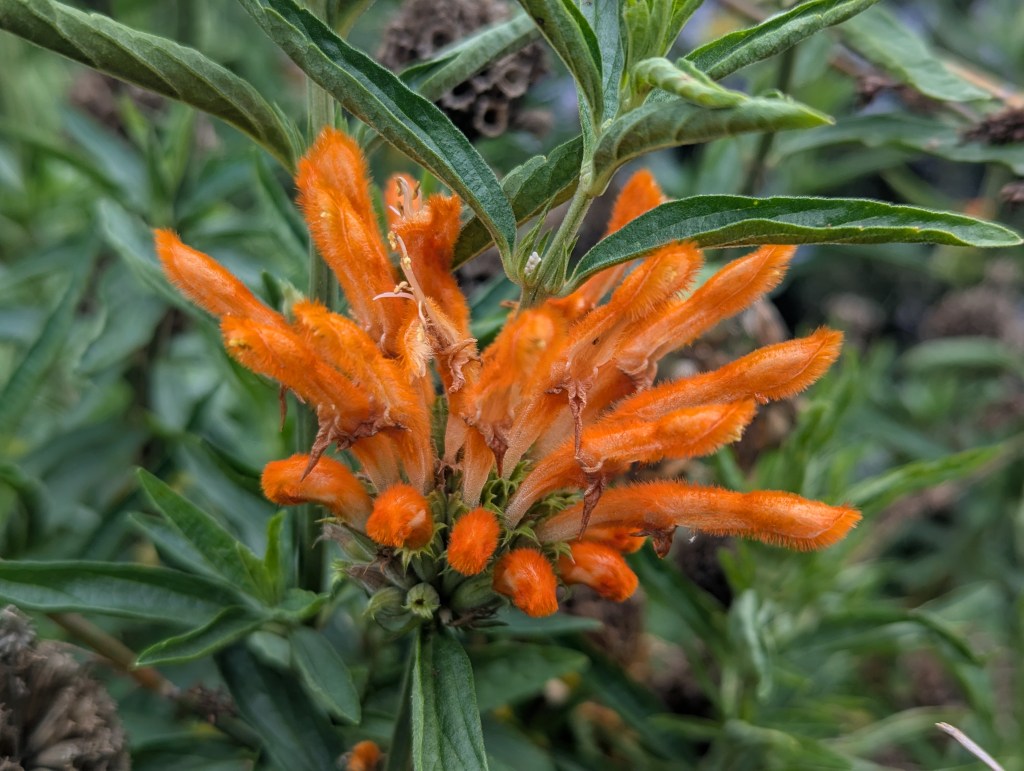
5. Leonotis leonurus, lion’s ear does not actually bloom at this time of year. This is just a random off bloom. It could be early for next summer, or it could be late for last summer.
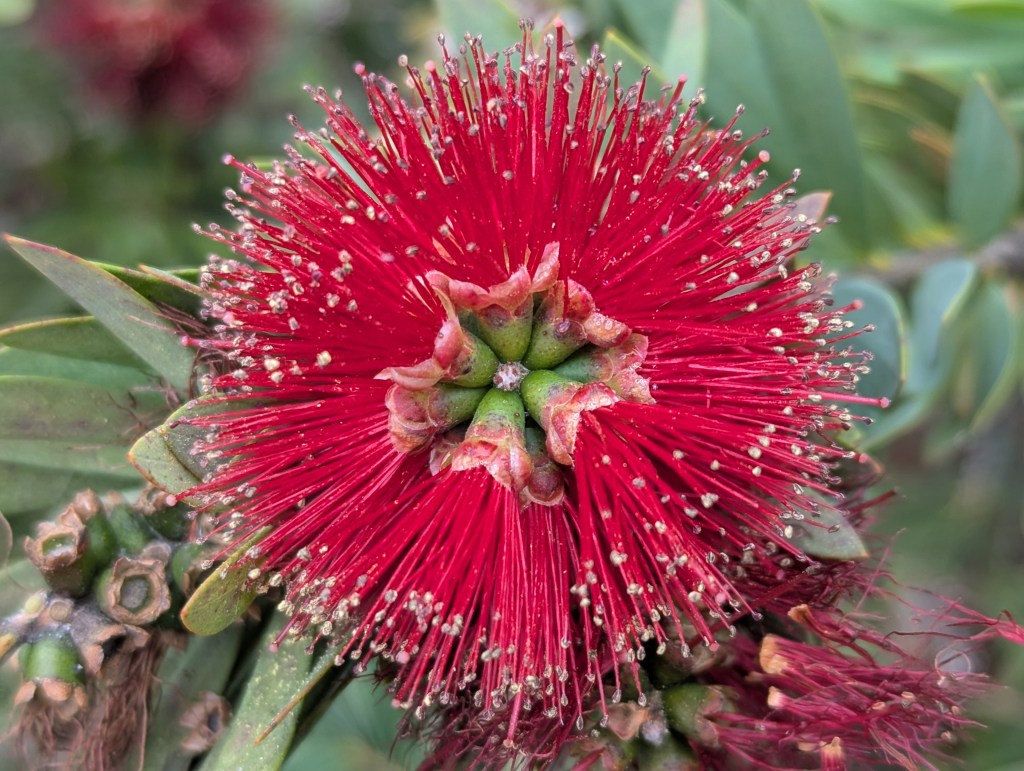
6. Callistemon viminalis ‘Little John’ dwarf bottlebrush technically should not bloom at this time of year either, but can bloom whenever the weather has been warm for a while.
This is the link for Six on Saturday, for anyone else who would like to participate: https://thepropagatorblog.wordpress.com/2017/09/18/six-on-saturday-a-participant-guide/
 Tony Tomeo