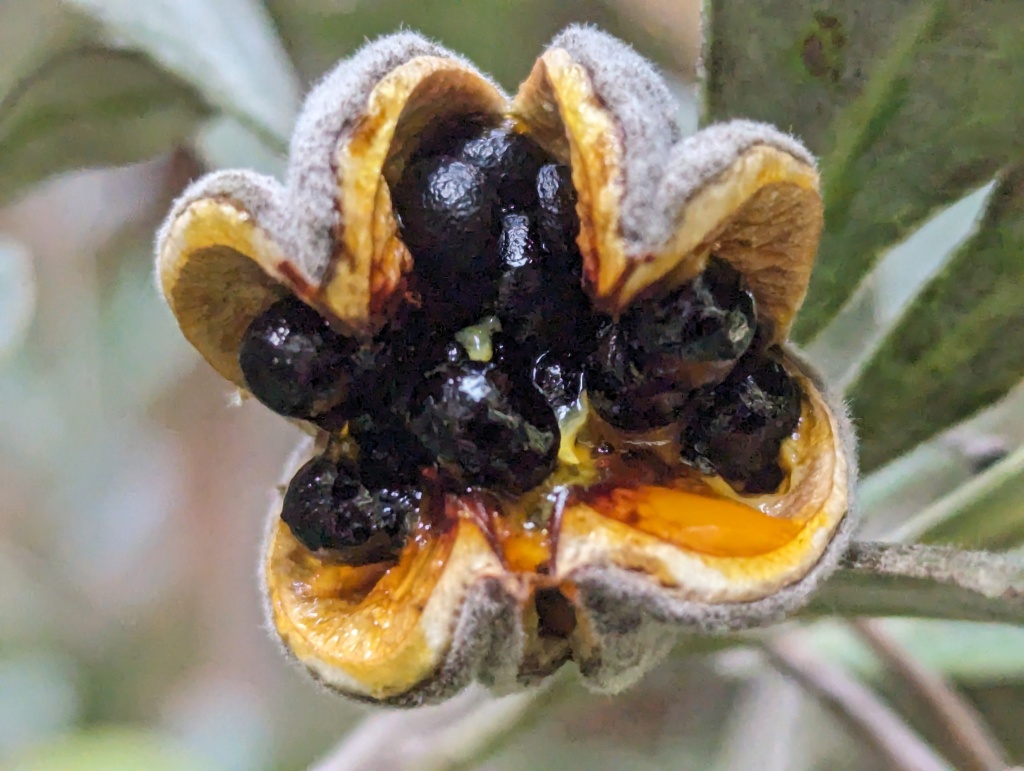
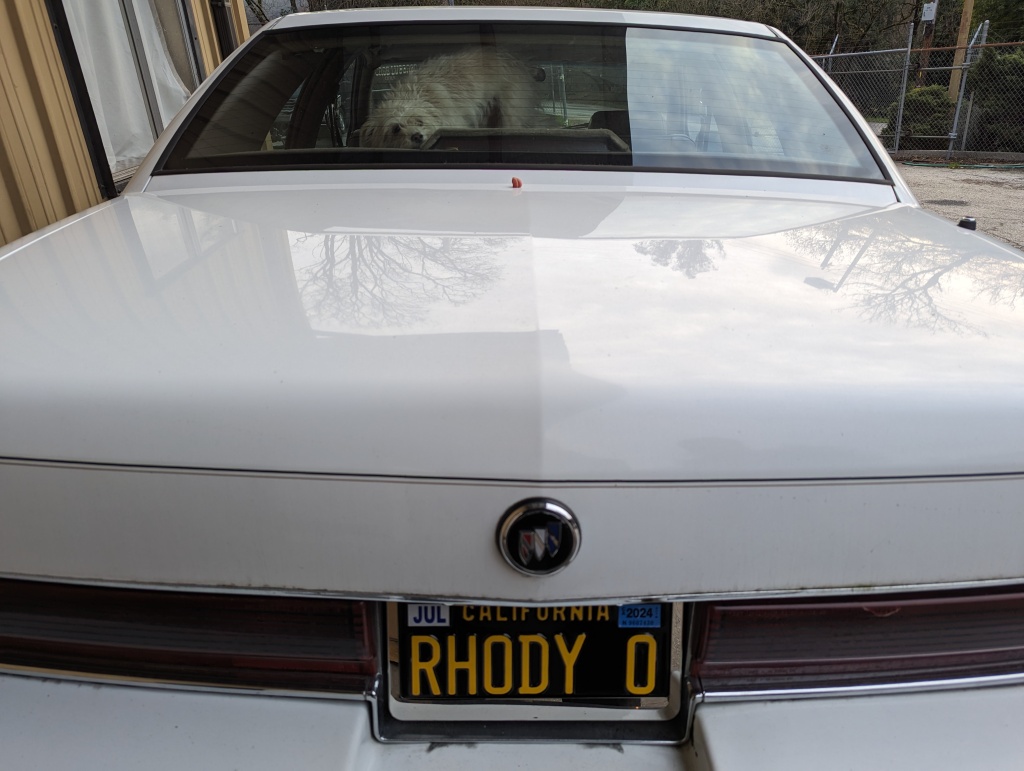
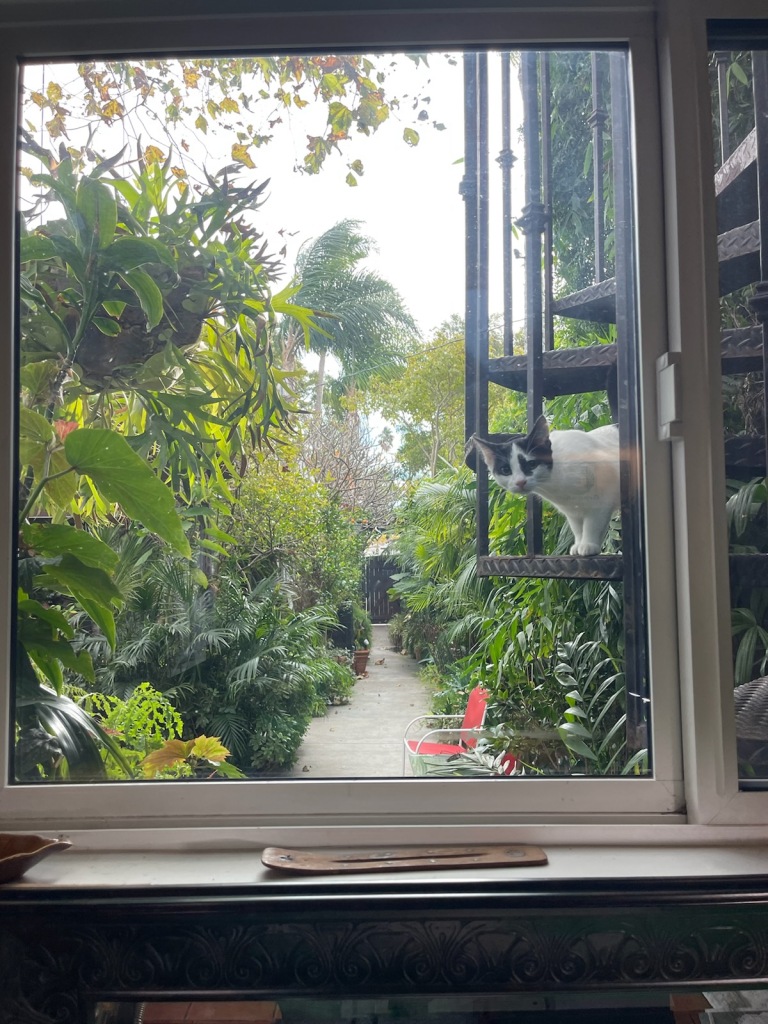
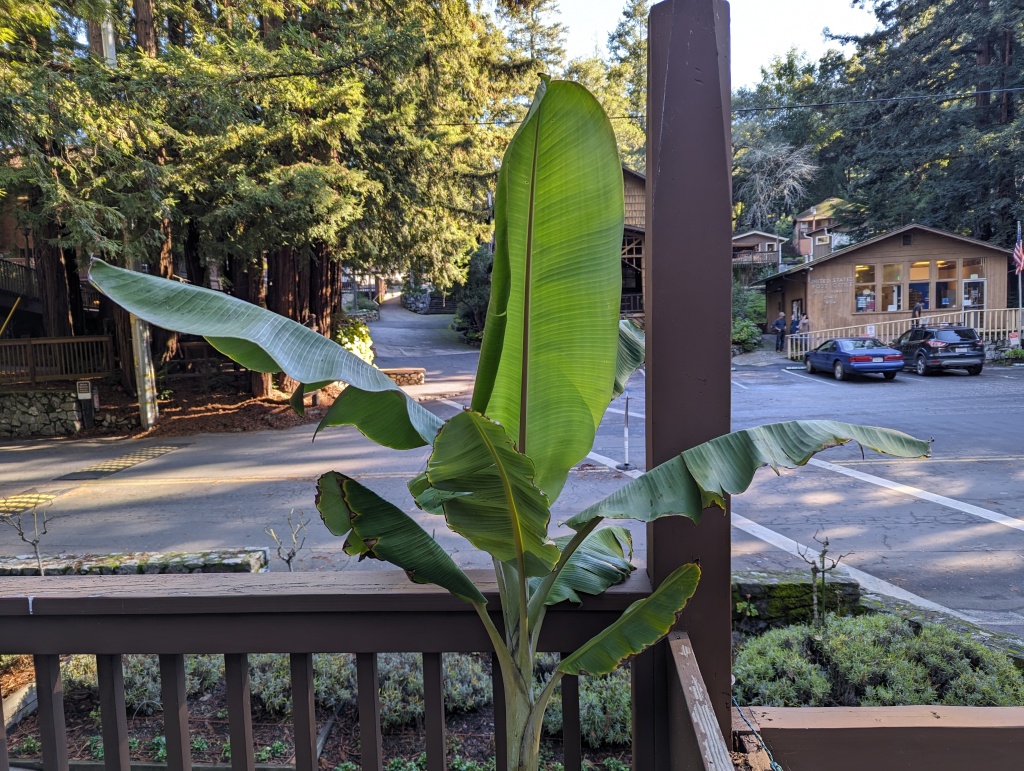
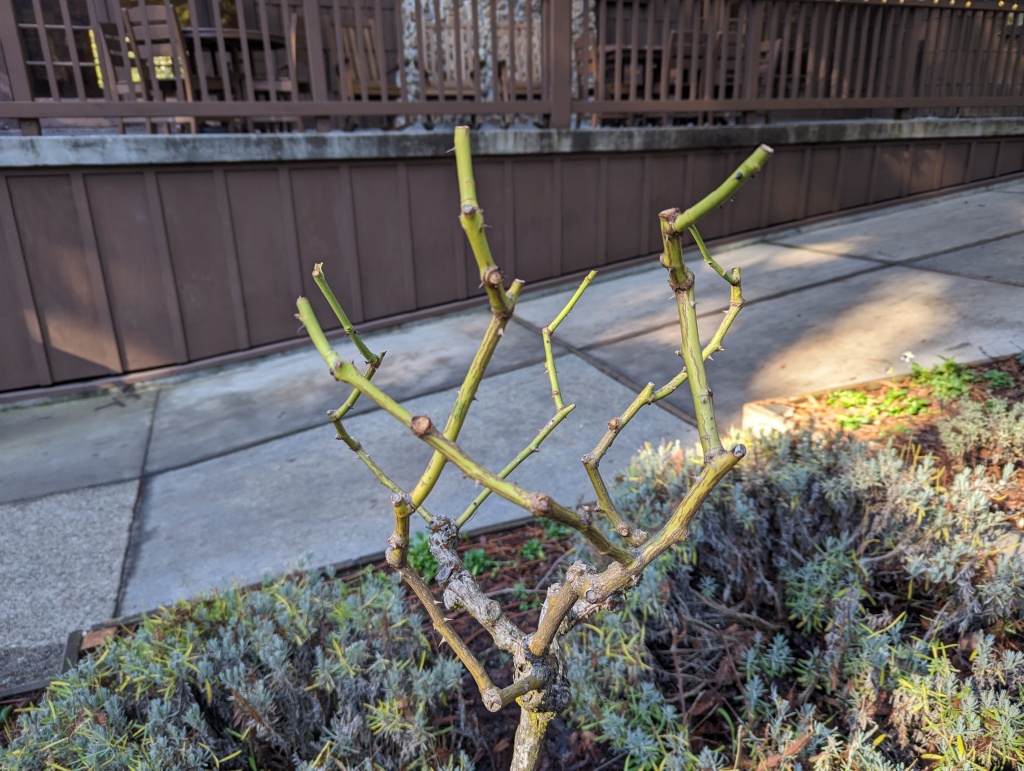
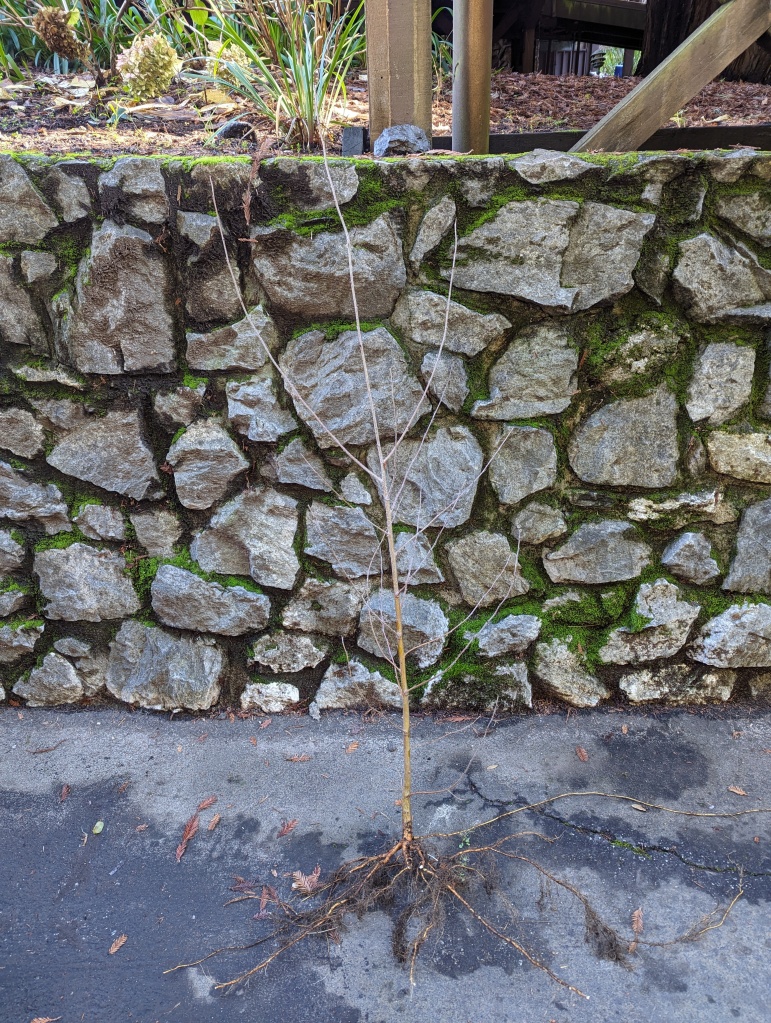
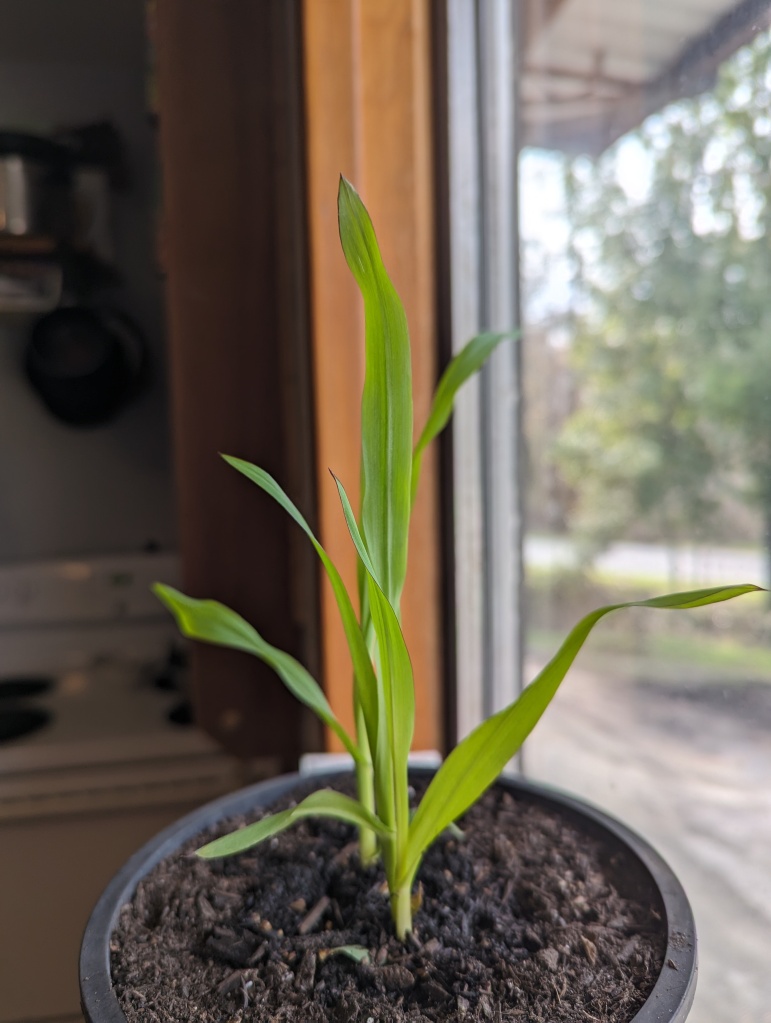
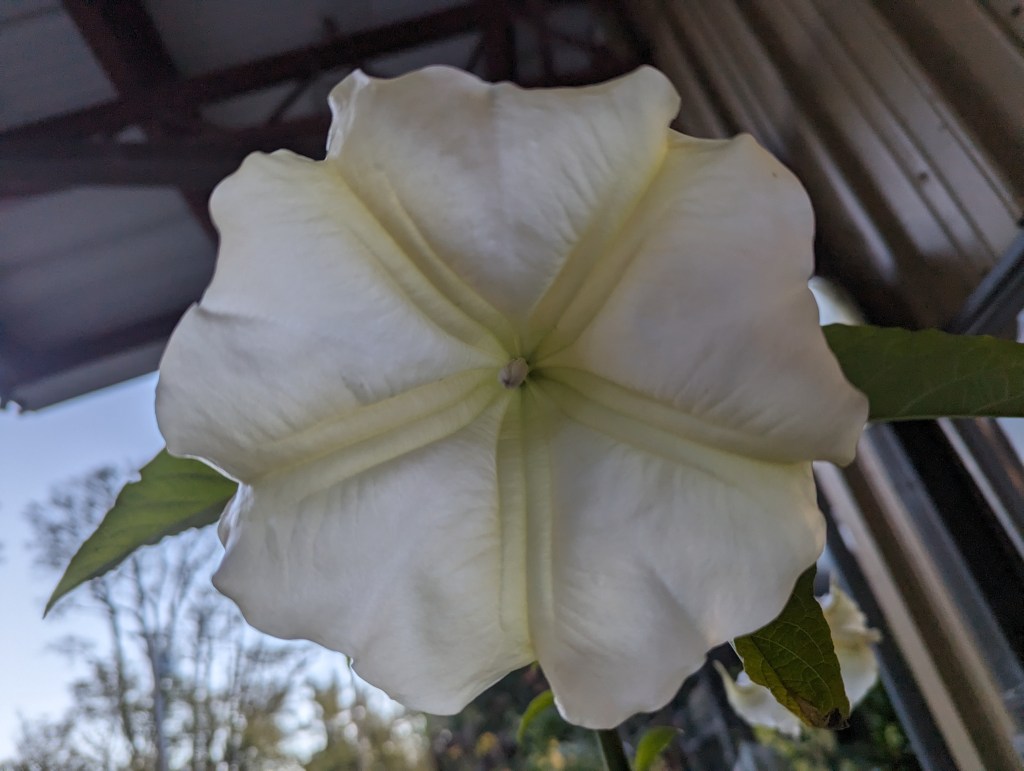
Hyacinth Bucket of ‘Keeping Up Appearances’ might say, “It’s ‘Bouquet’.” However, this really is about the contents of two buckets, two cans, a bin, and a terracotta pot, without flowers. Most of these items must be processed prior to the end of the rainy season.
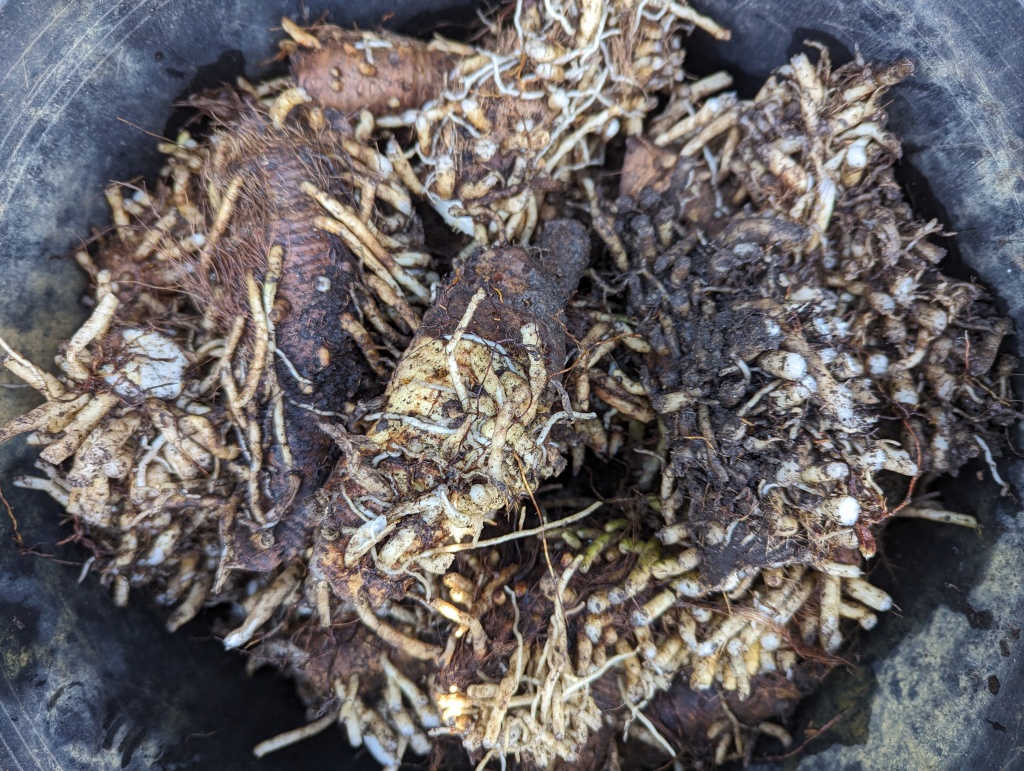
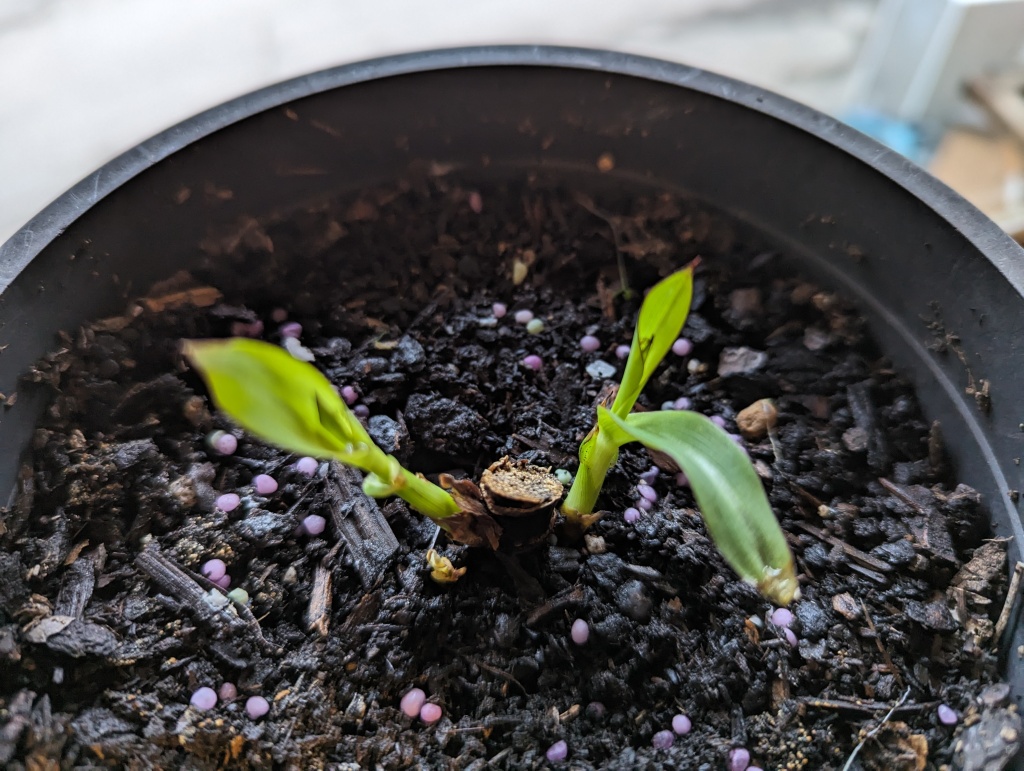
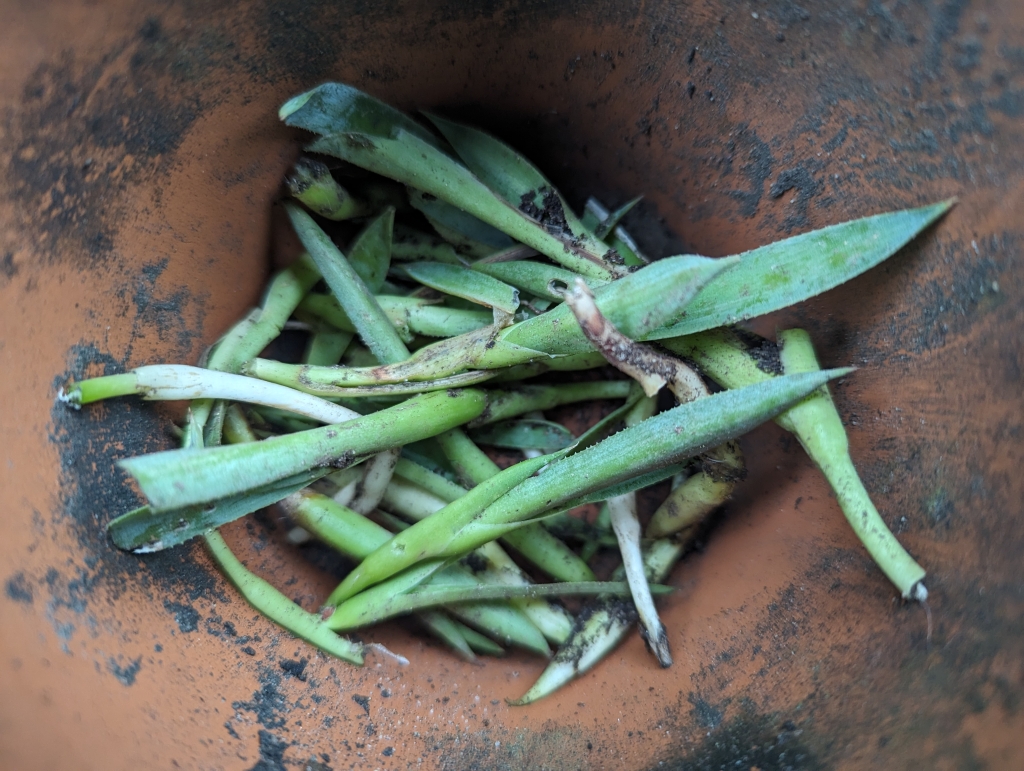
1. Agave ovatifolia, whale’s tongue agave bolted and bloomed too soon after installation. It is monocarpic, so died an ugly death while trying to replace itself with fresh new pups. I planned to later select the biggest pup to replace its original. Unfortunately, a gardener who did not know what they are pulled them all with nearby weeds. I scrounged through the debris to find these. Incidentally, I must still find homes for Agave americana pups.
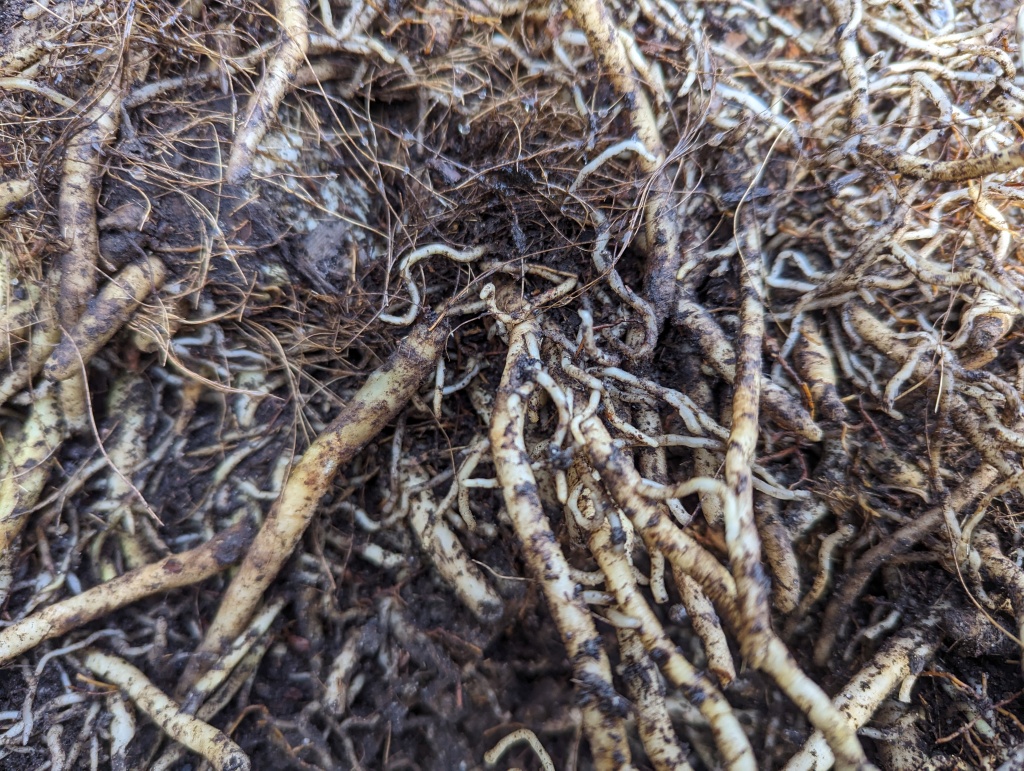
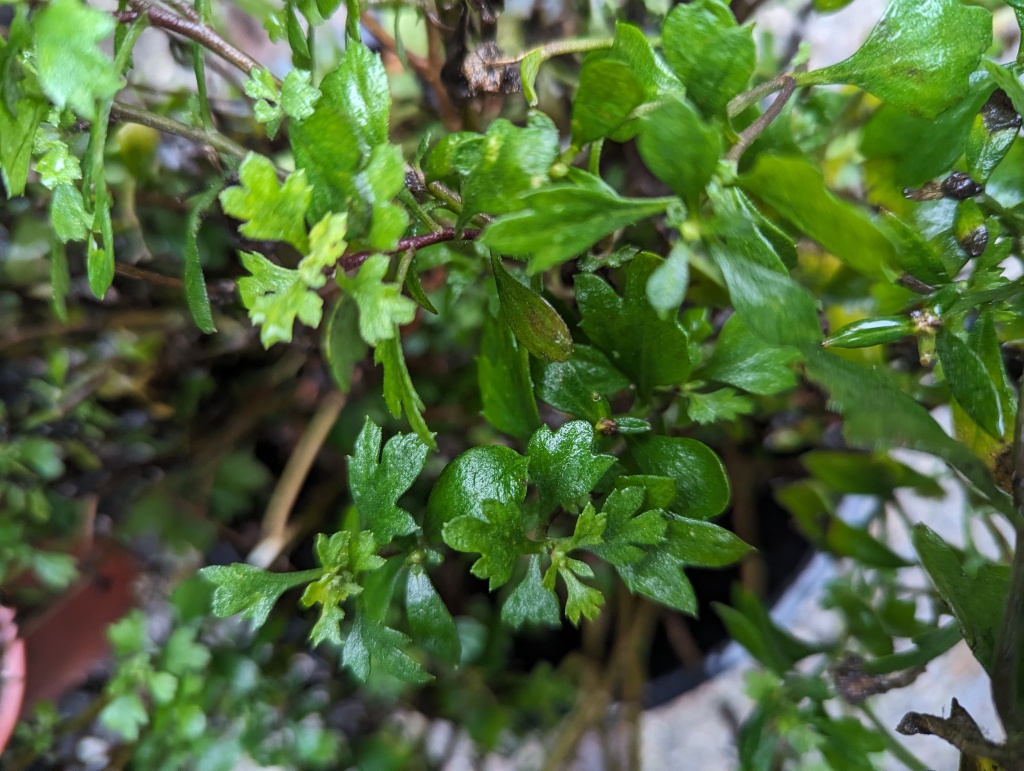
2. Chrysanthemum X morifolium, mum contrarily will not die. It was abandoned after a wedding, but then potted into a landscape as it bloomed again. Removal for replacement as it again finished bloom revealed that each of these many stems is rooted individually.
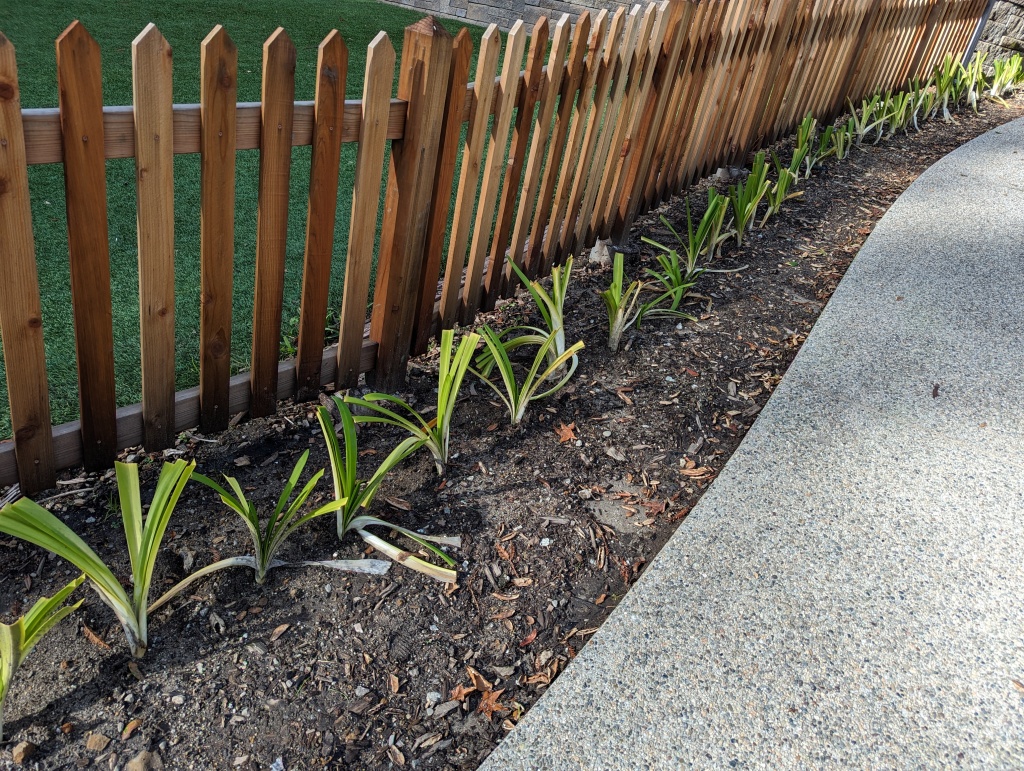
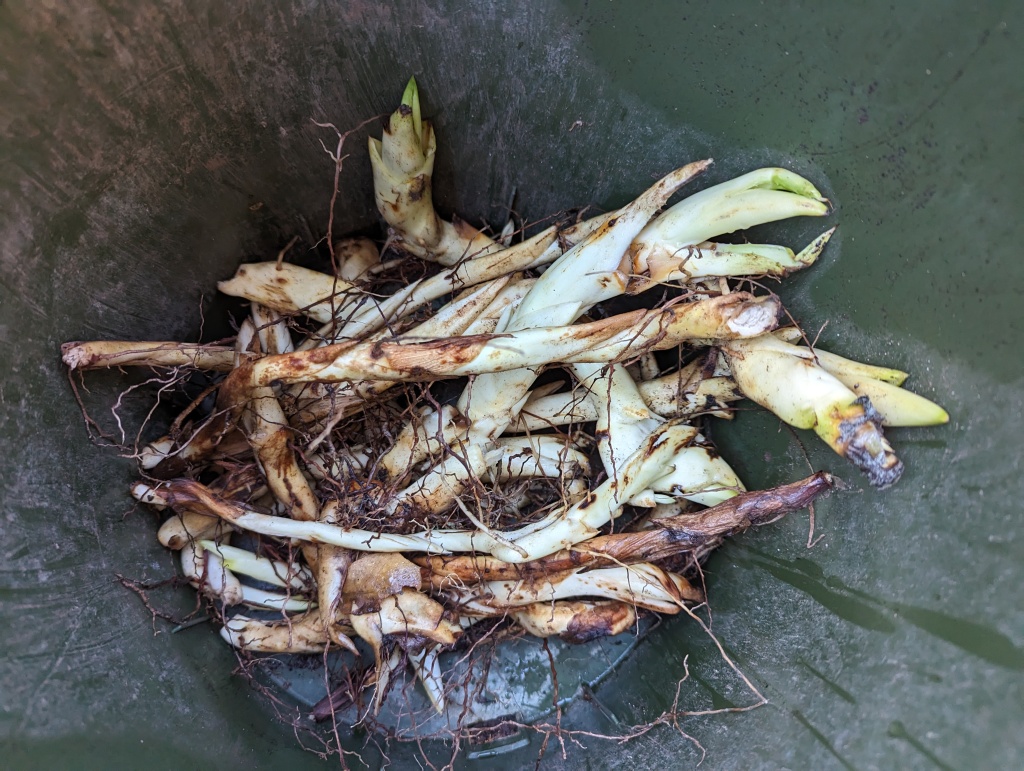
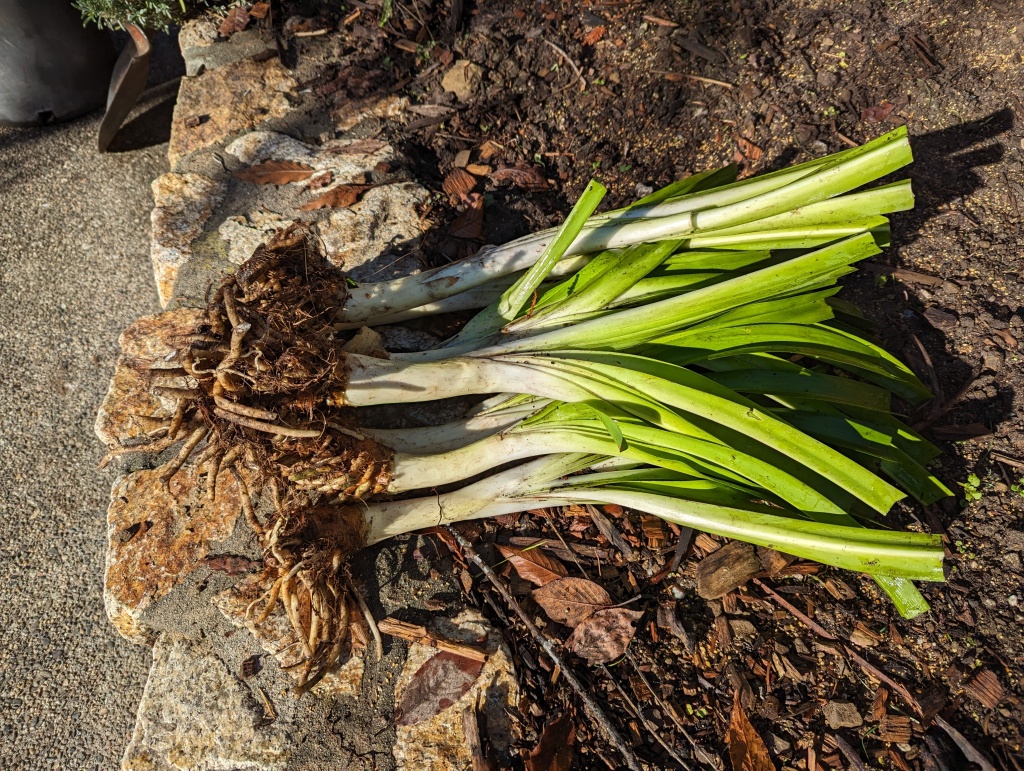
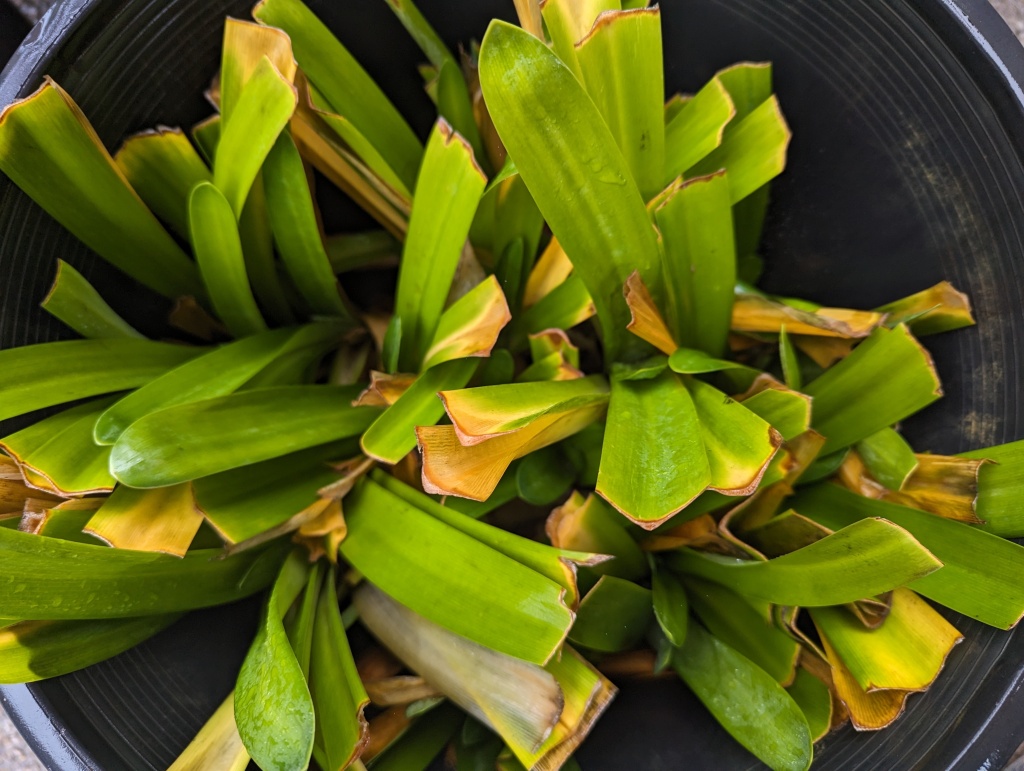
3. Agapanthus orientalis, lily of the Nile is getting to be rather tedious. These shoots are of the same batch that I featured last week, and that I processed more than a month ago. I processed too many, so must now get the leftovers into the ground before winter ends.
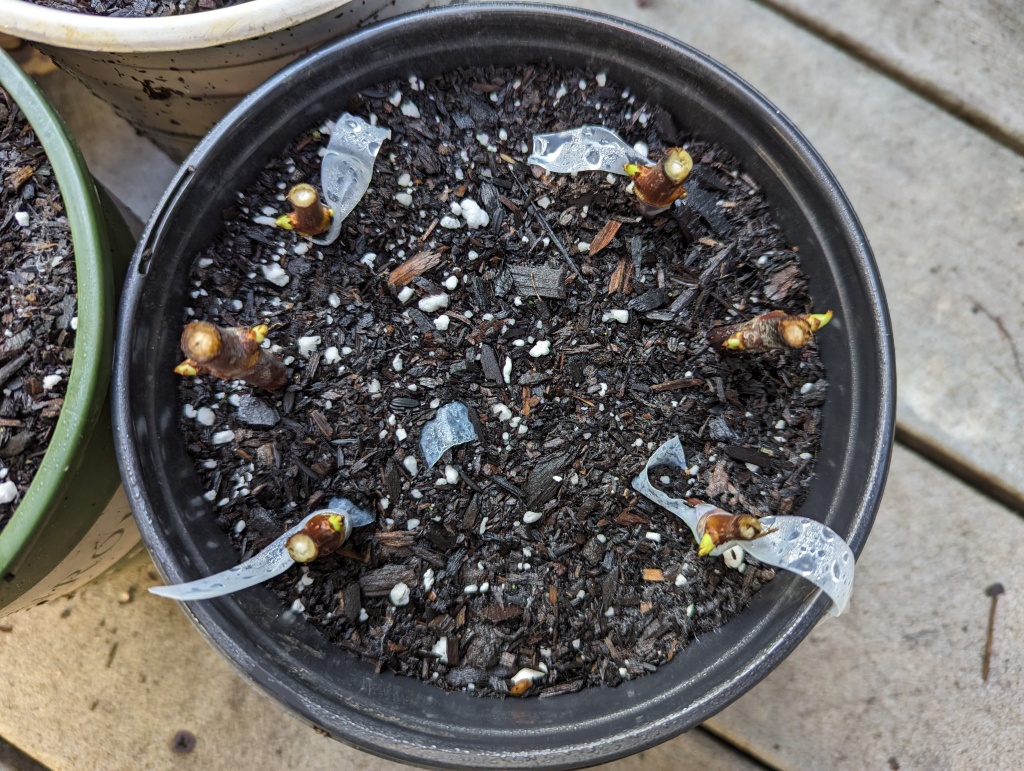
4. Forsythia X intermedia, forsythia will bloom soon, but for the moment, is dormant. I relocated an old specimen that was always in the way. These spare twigs can be forced.
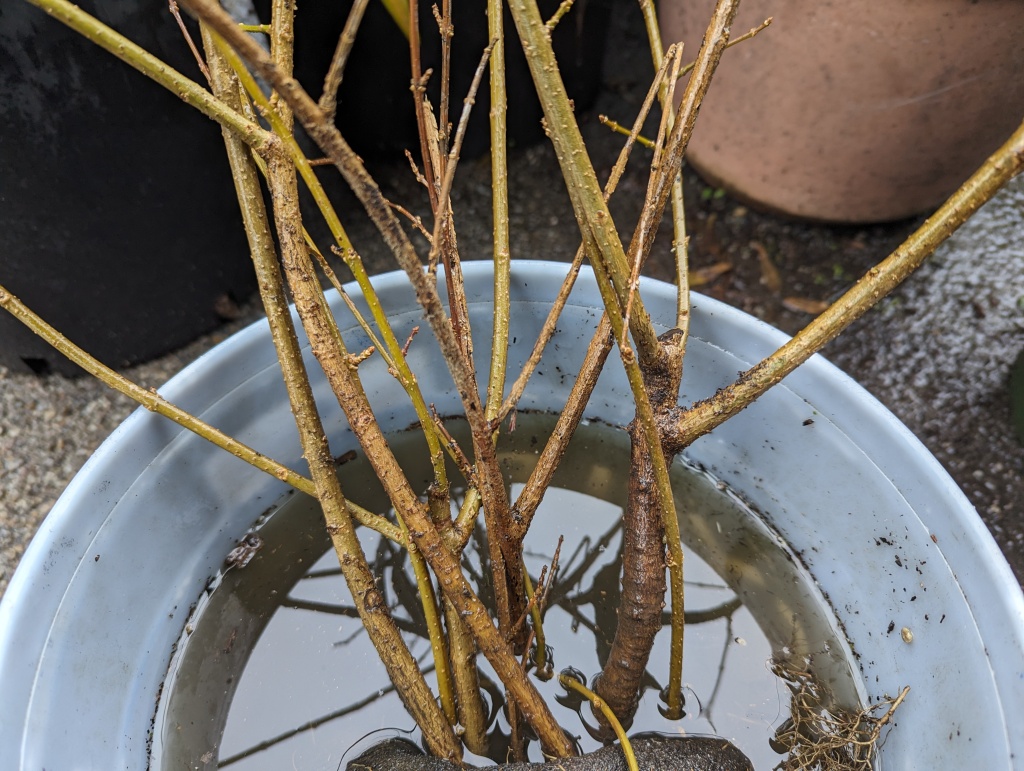
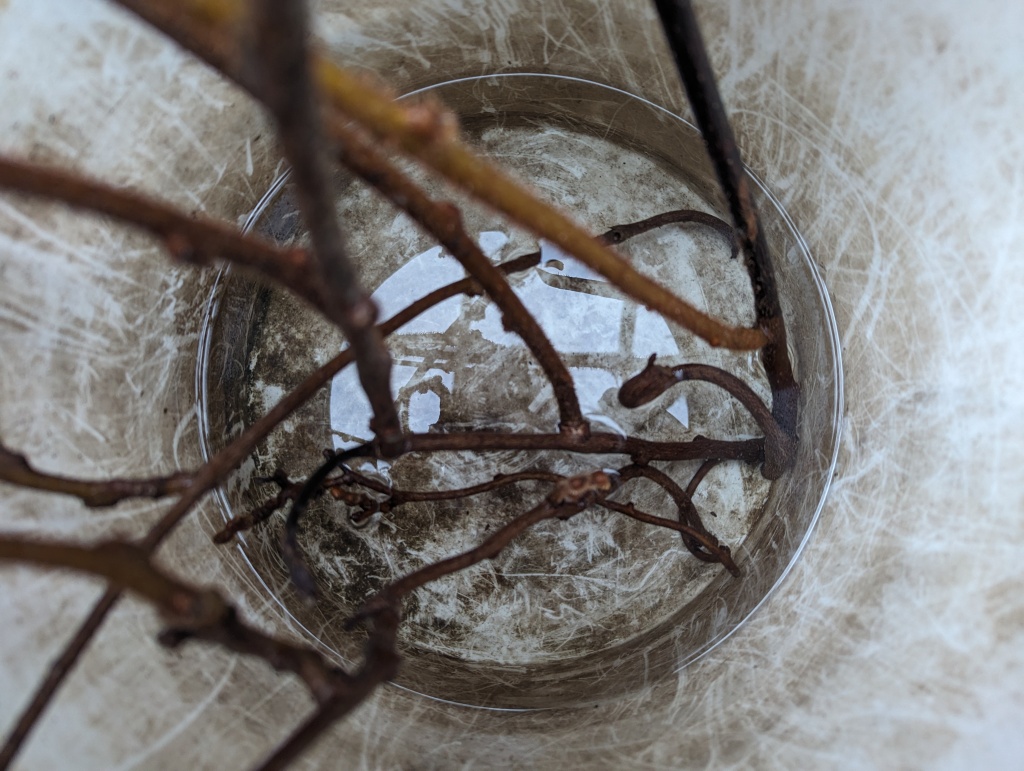
5. Actinidia deliciosa, kiwifruit vines grew easily from a broken bit that I found in a load of debris that someone left here last winter. They are female without pollinators though. These are dormant pruning scraps of its male pollinator, and should grow just as easily.
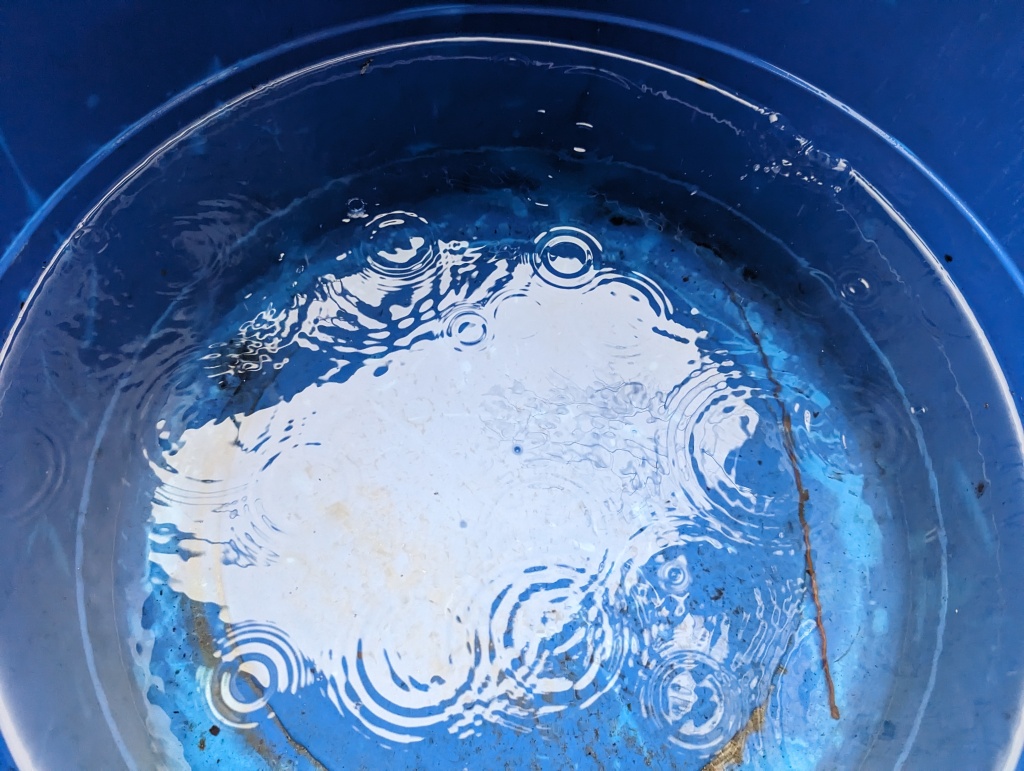
6. Rain was falling yesterday and is forecast to continue lightly through most of Monday.
This is the link for Six on Saturday, for anyone else who would like to participate: https://thepropagatorblog.wordpress.com/2017/09/18/six-on-saturday-a-participant-guide/