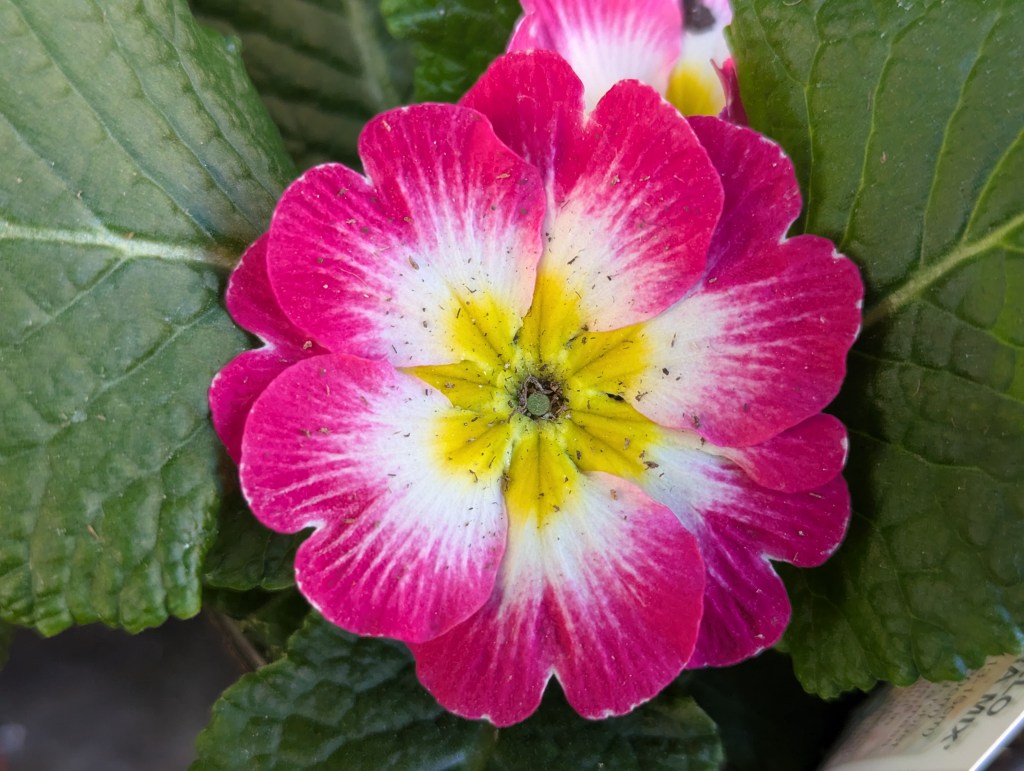
Sunday Best – Primrose
It is a long story, but to be brief, while waiting for a neighbor to finish at another errand, I visited a nursery and took these few pictures.
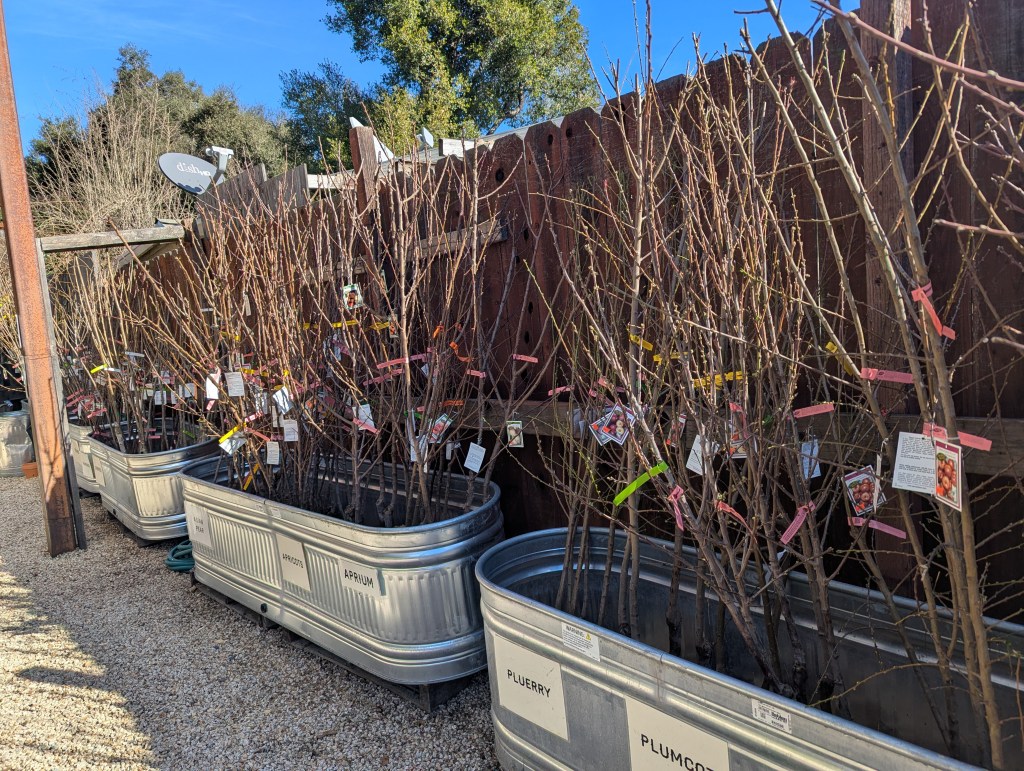
1. Bare root stock is too tempting. I must resist. I already have all of the fruit trees that I want. Almost all remained canned from last winter because I did not clear their orchard.
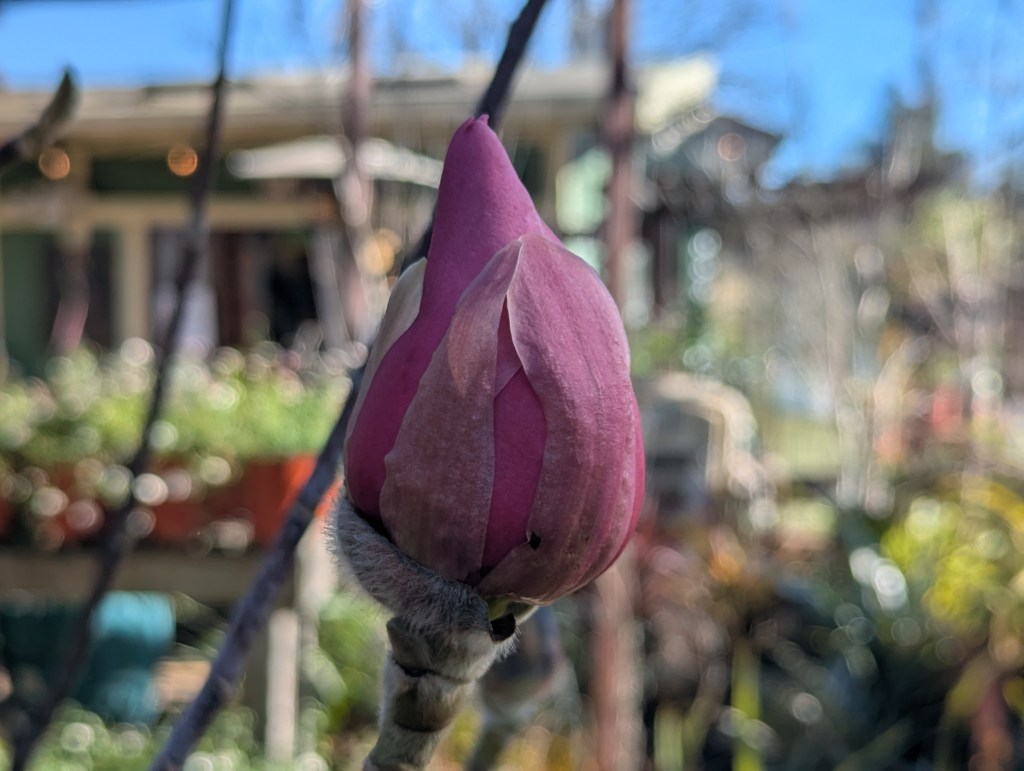
2. Magnolia soulangeana, saucer magnolia looks like it will be blooming soon. I suspect that these trees were field grown in heavy soil in Oregon. I refrained from investigating.
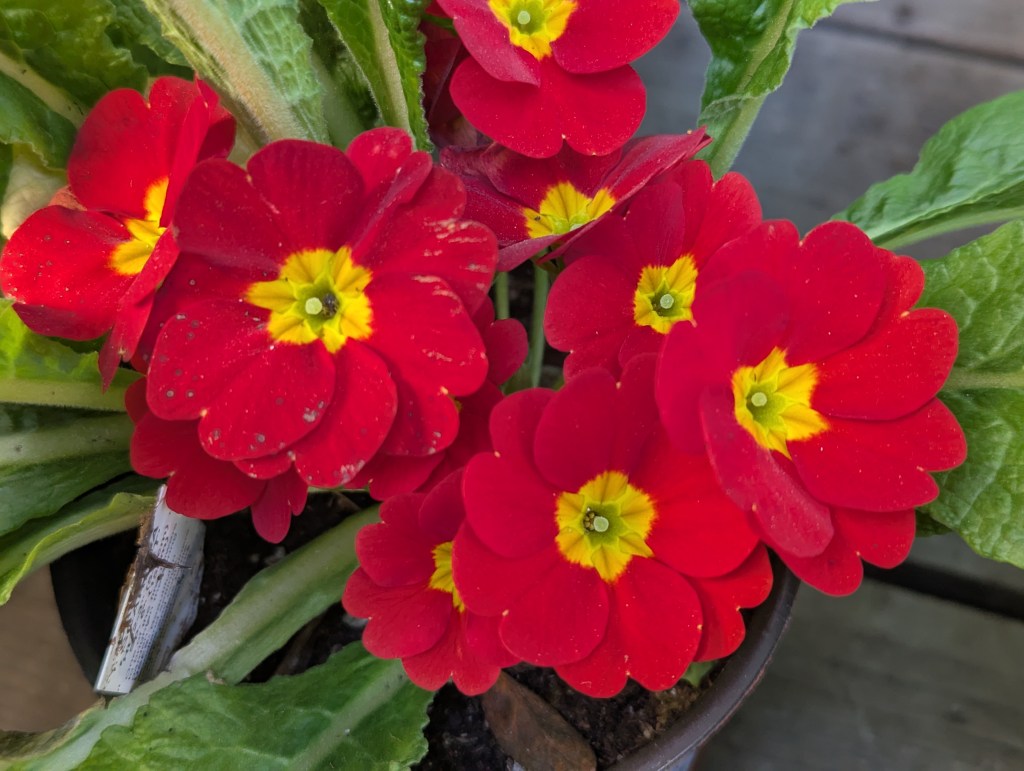
3. Primula vulgaris, English primrose no longer seems to be as common as its botanical name suggests. Perhaps I can learn to appreciate it again. Their colors are so cartoonish.
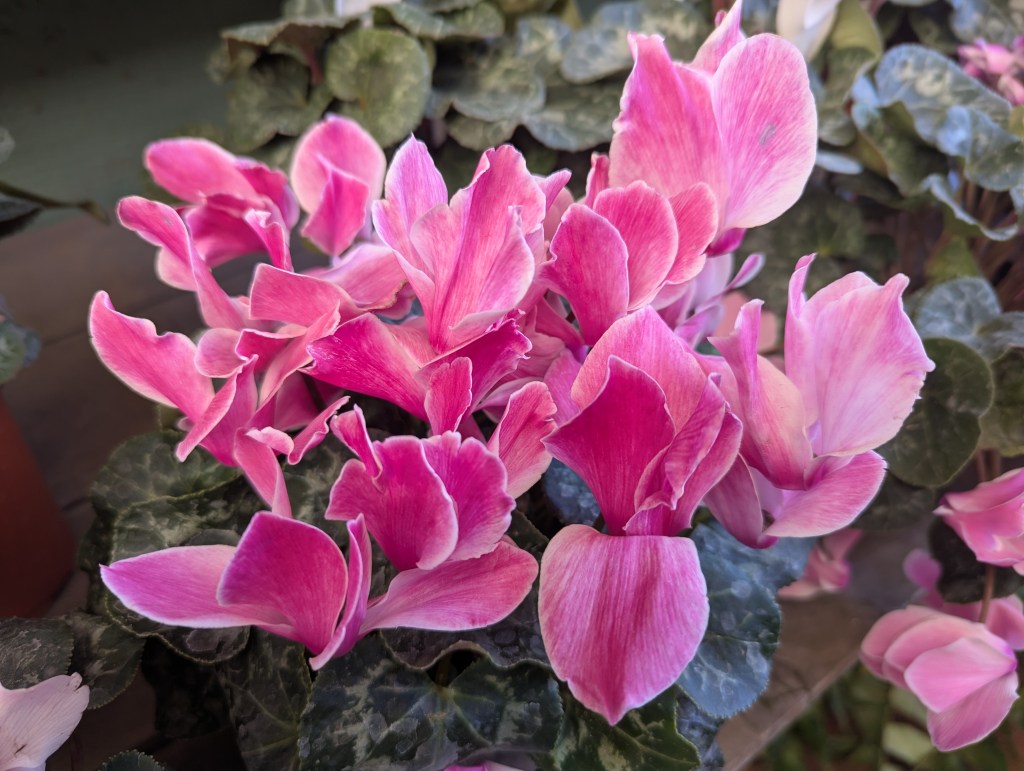
4. Cyclamen persicum, florist’s cyclamen is also easier to appreciate again when it is less cliche than it is as garish red and white Christmas decor. White is still my favorite color.
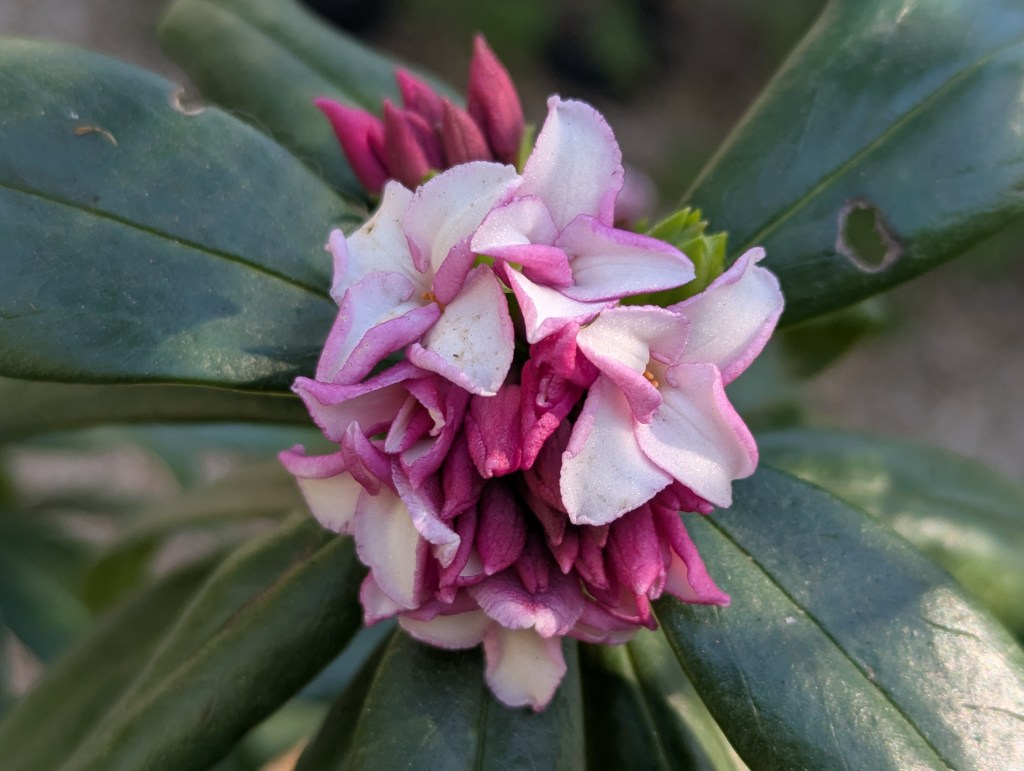
5. Daphne odora, daphne caught my attention initially by fragrance, and then by its lack of variegation. I wonder if it grows any more vigorously without variegation than with it.
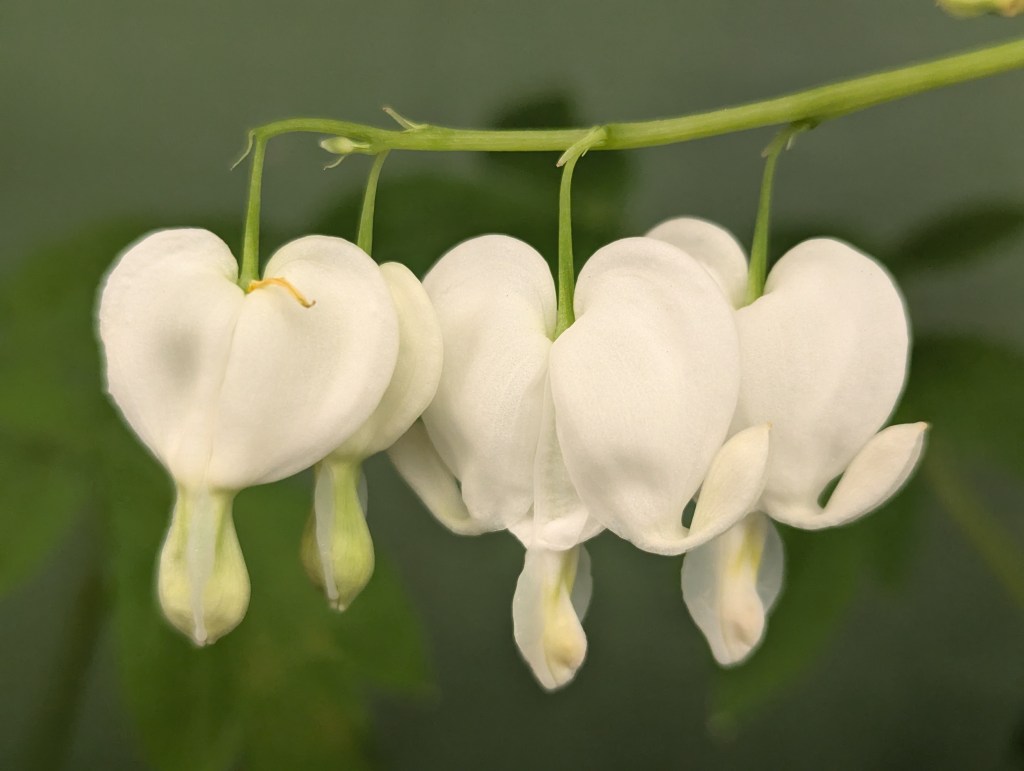
6. Lamprocapnos spectabilis, bleeding heart is not cliche in white like florist’s cyclamen is. I know nothing of this species, but I get the impression that it tolerates a bit of shade.
This is the link for Six on Saturday, for anyone else who would like to participate: https://thepropagatorblog.wordpress.com/2017/09/18/six-on-saturday-a-participant-guide/
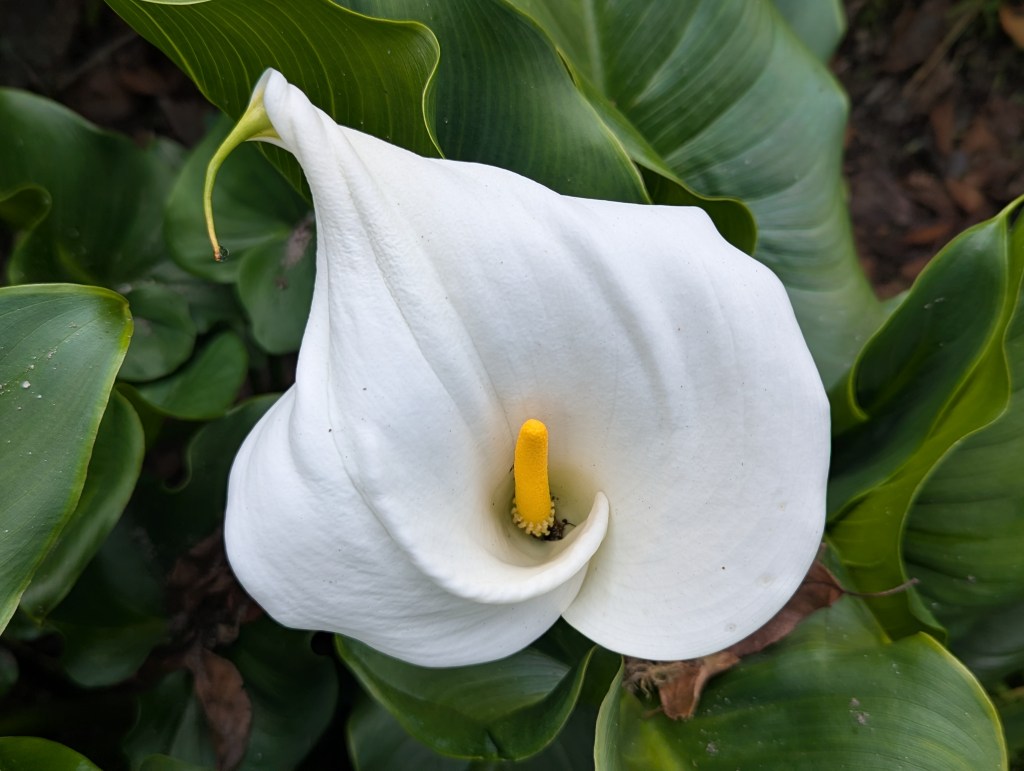
The last two are not actually winter flowers, but happened to be in bloom for these Six.
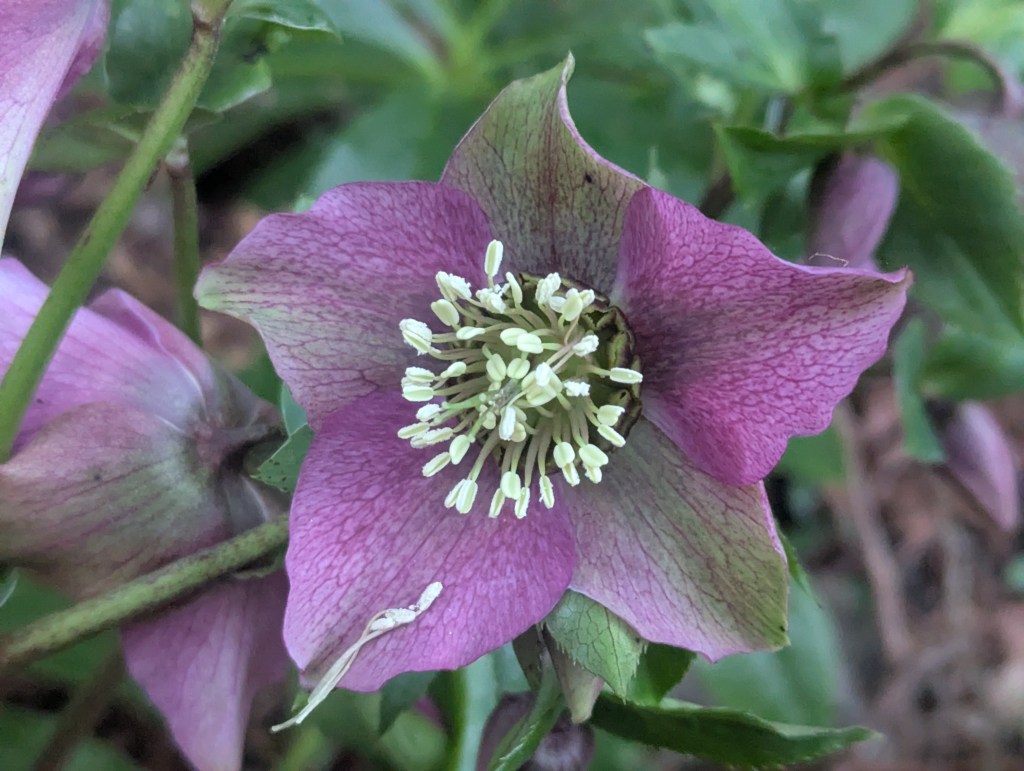
1. Helleborus orientalis, hellebore does not perform well here. I sometimes comment on how pretty they are in other gardens. Yet, even here, some bloom nicely once in a while.
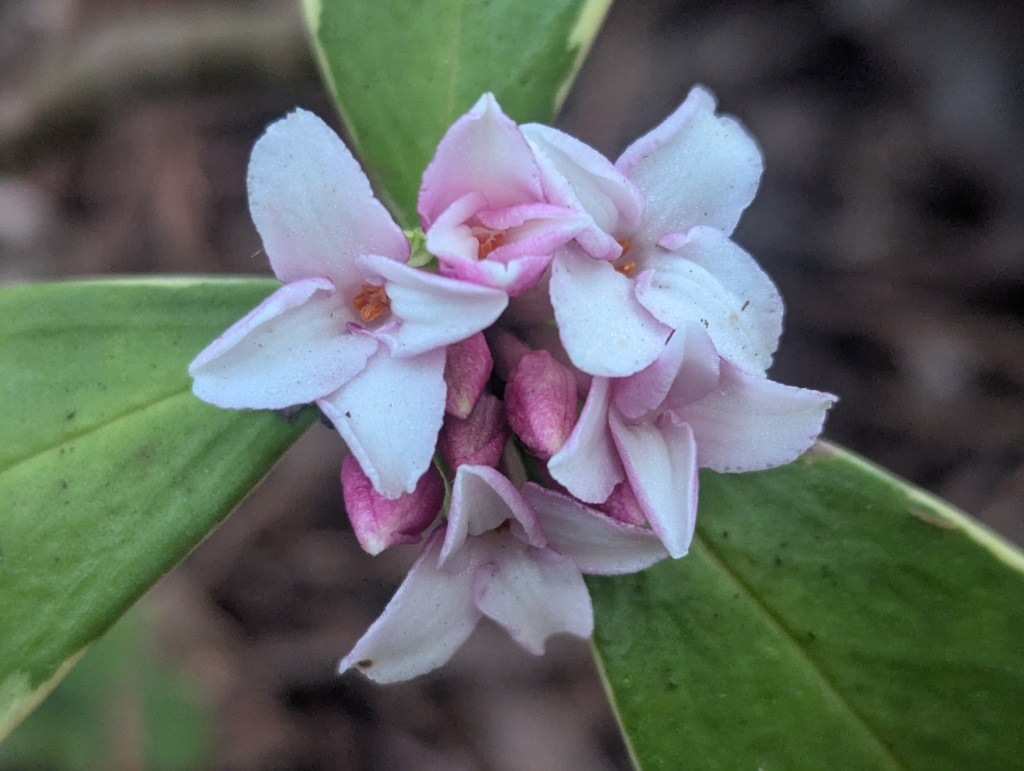
2. Daphne odora ‘Variegata’, variegated daphne seems to bloom better when distressed. This particular specimen is not as healthy as the others which are blooming a bit slower.
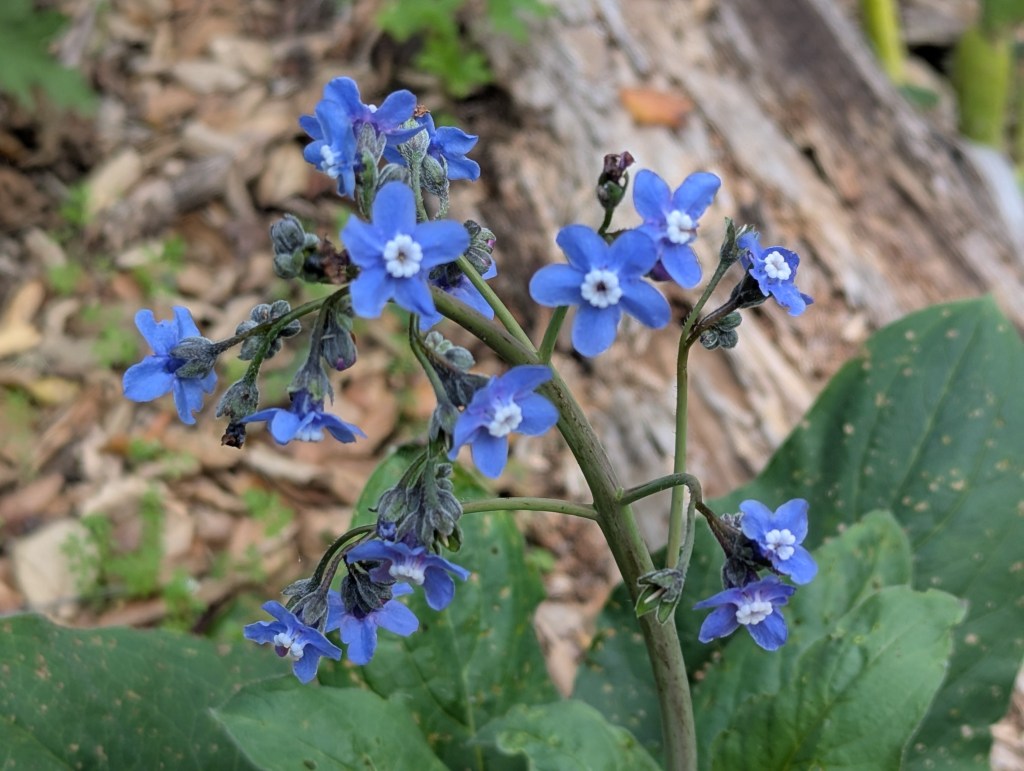
3. Cynoglossum grande, Pacific hound’s tongue is a native wildflower that grows where it wants to. This one is in my driveway. It will not die, but it does not like to be relocated.
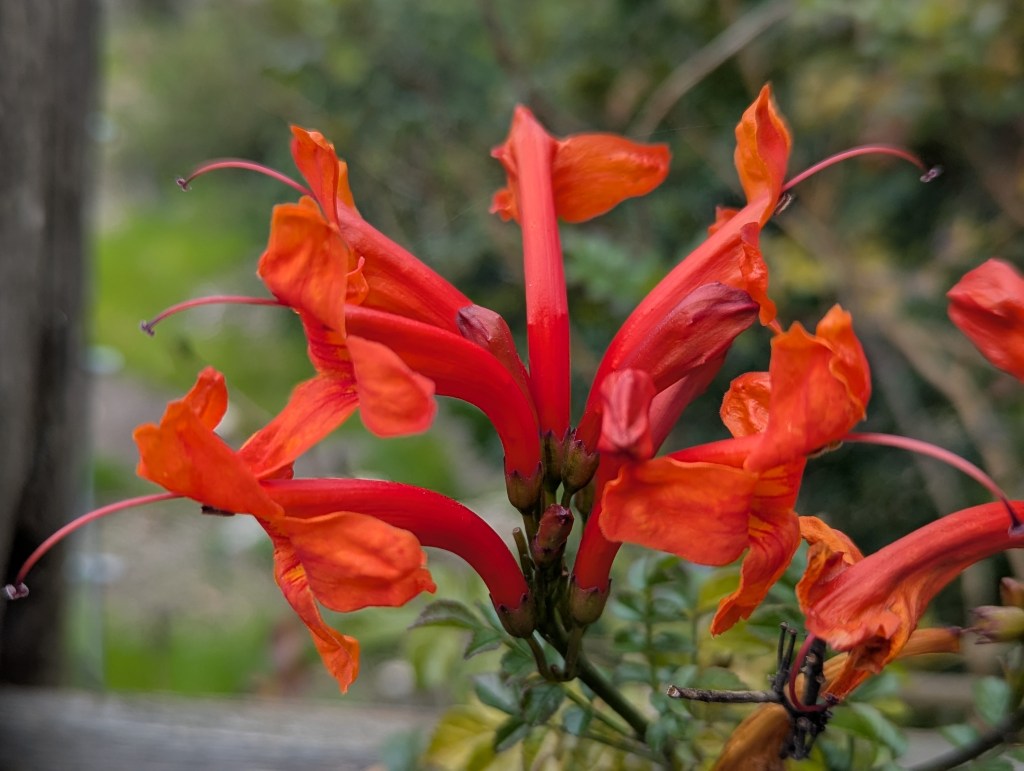
4. Tecomaria capensis, Cape honeysuckle is prettier close up than it is at a distance. It is awkward in form, but can not be pruned enough without eliminating some of its bloom.
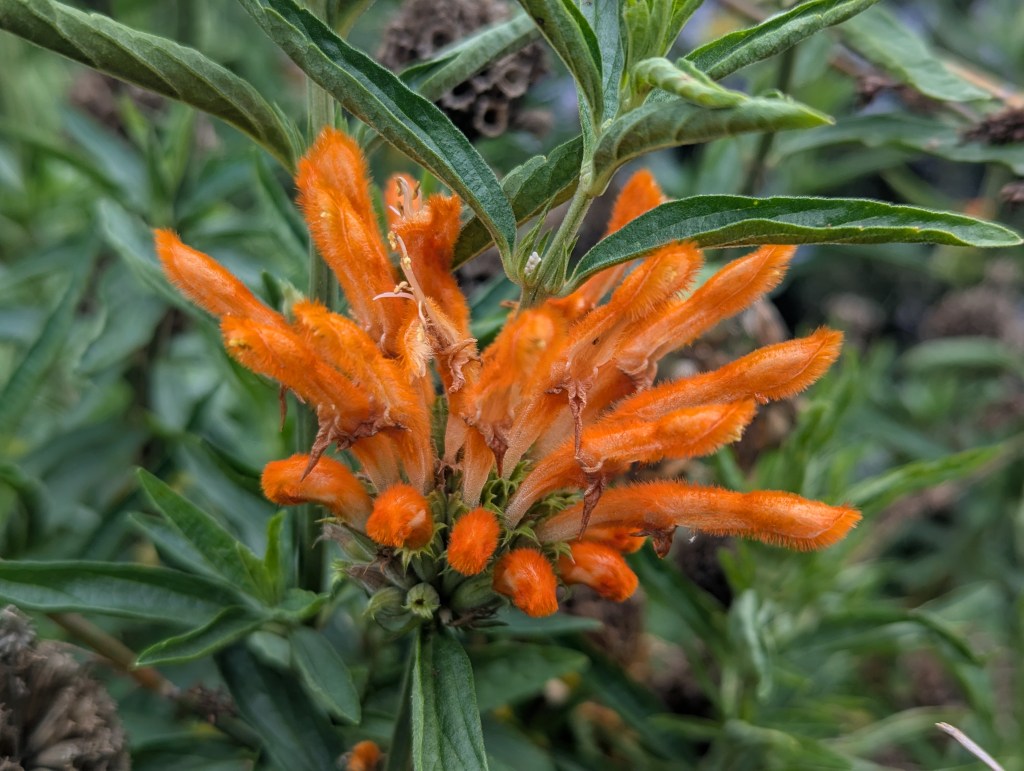
5. Leonotis leonurus, lion’s ear does not actually bloom at this time of year. This is just a random off bloom. It could be early for next summer, or it could be late for last summer.
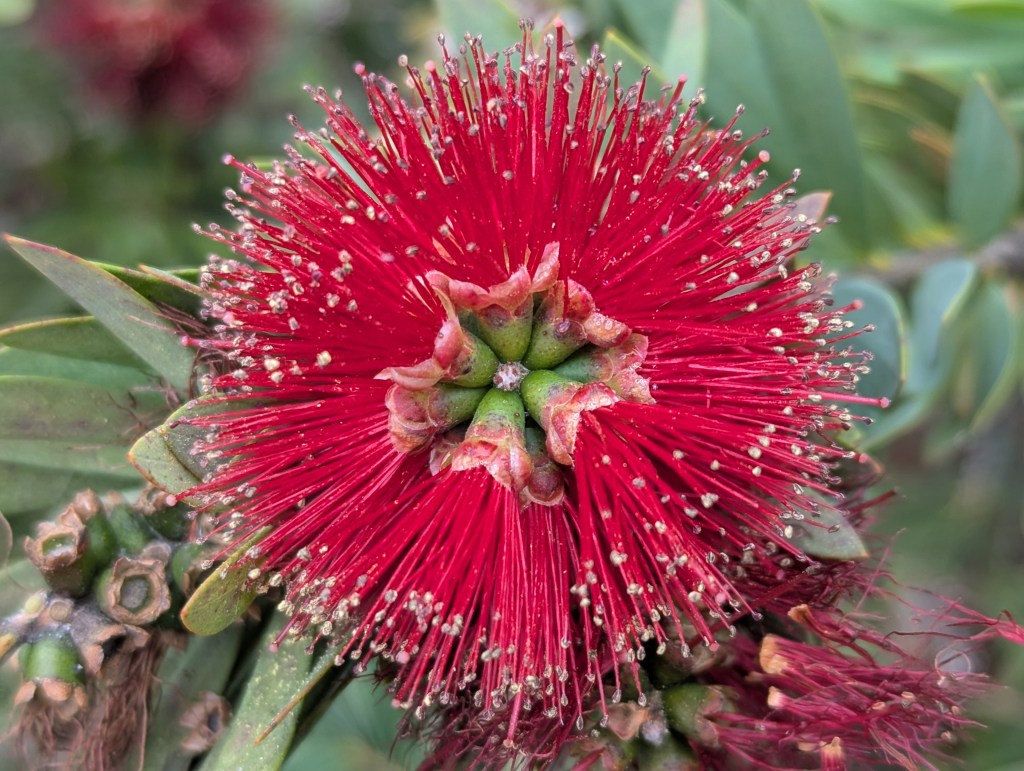
6. Callistemon viminalis ‘Little John’ dwarf bottlebrush technically should not bloom at this time of year either, but can bloom whenever the weather has been warm for a while.
This is the link for Six on Saturday, for anyone else who would like to participate: https://thepropagatorblog.wordpress.com/2017/09/18/six-on-saturday-a-participant-guide/
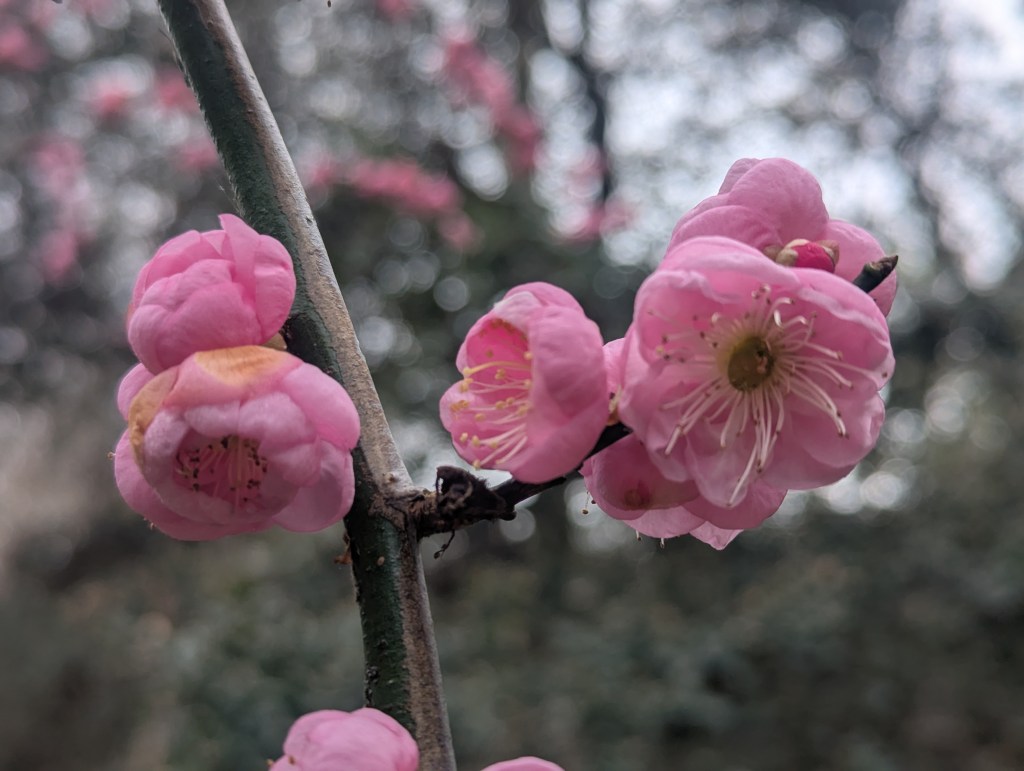
This is why hummingbirds do not need to leave for the winter here. By the time autumn flowers finish blooming, a few sustaining winter flowers begin their bloom.
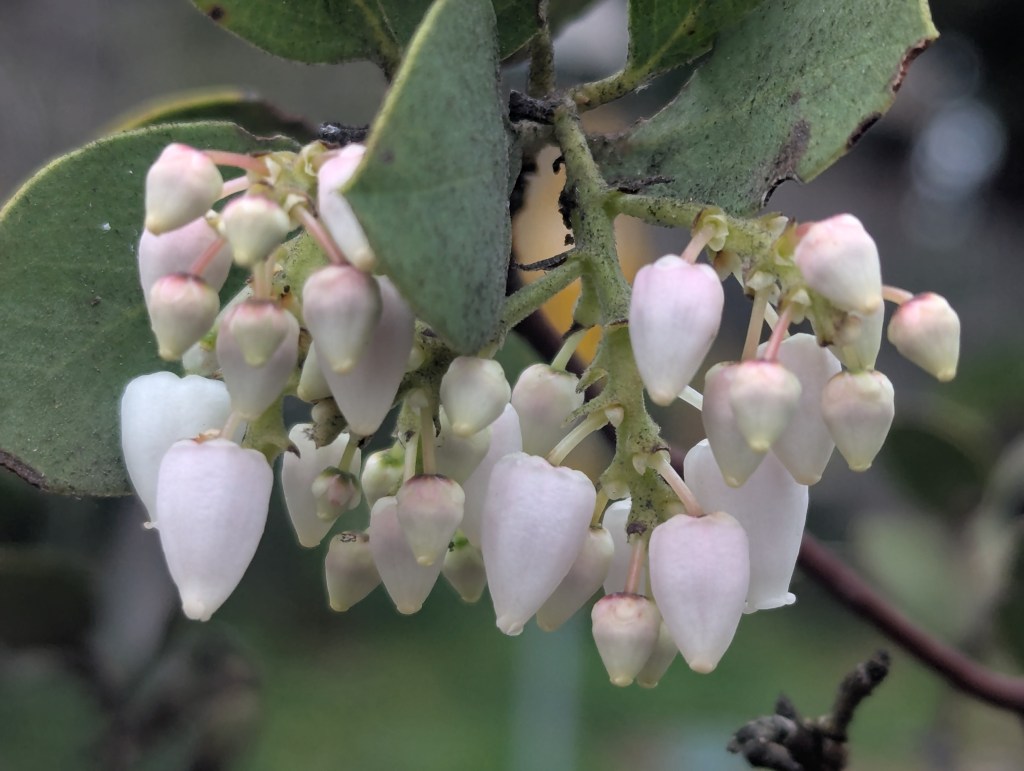
1. Arctostaphylos densiflora ‘Howard McMinn’ manzanita is the common cultivar of an uncommon species from Sonoma County to the North. It continues to bloom until April.
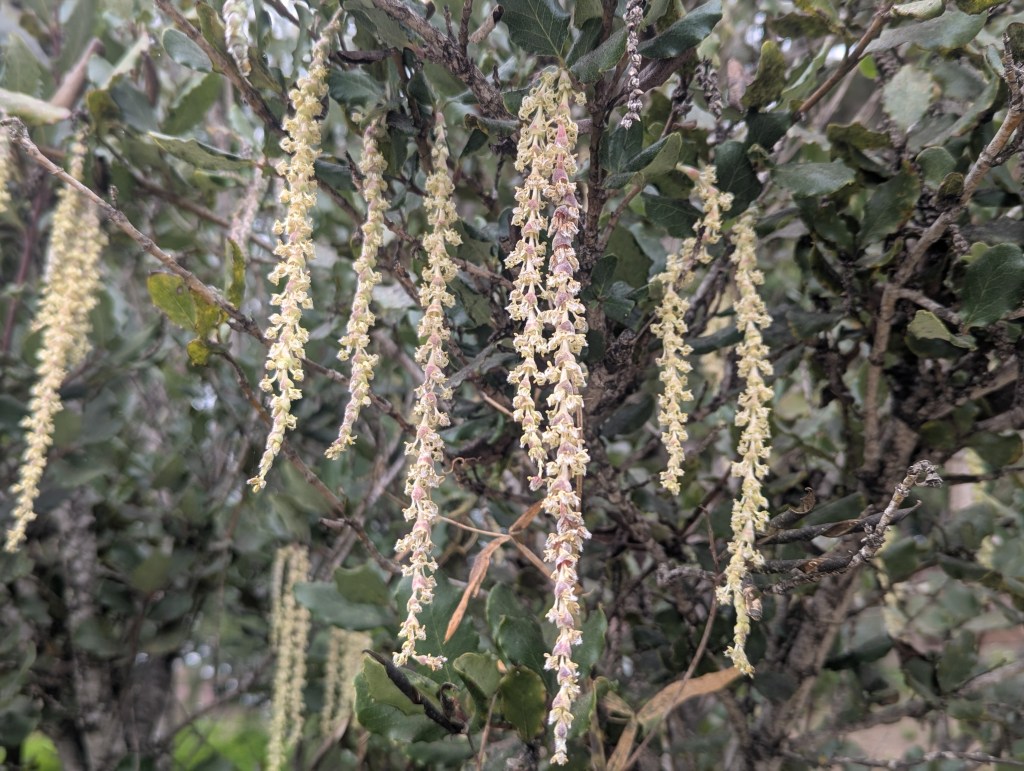
2. Garrya elliptica, silk tassel is native. This particular specimen and a few others in the landscapes were installed, though. They are surprisingly messy to work with and prune.
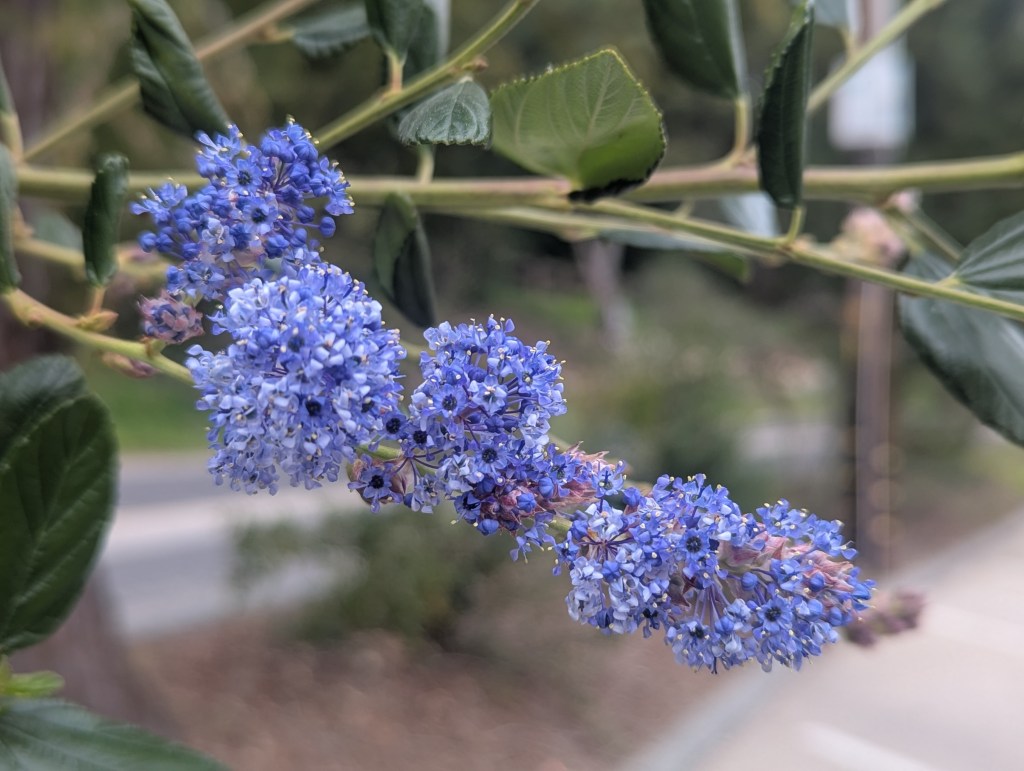
3. Ceanothus thyrsiflorus, California lilac is also native. I suspect that those that inhabit the landscapes were also installed. Their spacing is not haphazard enough to be natural.
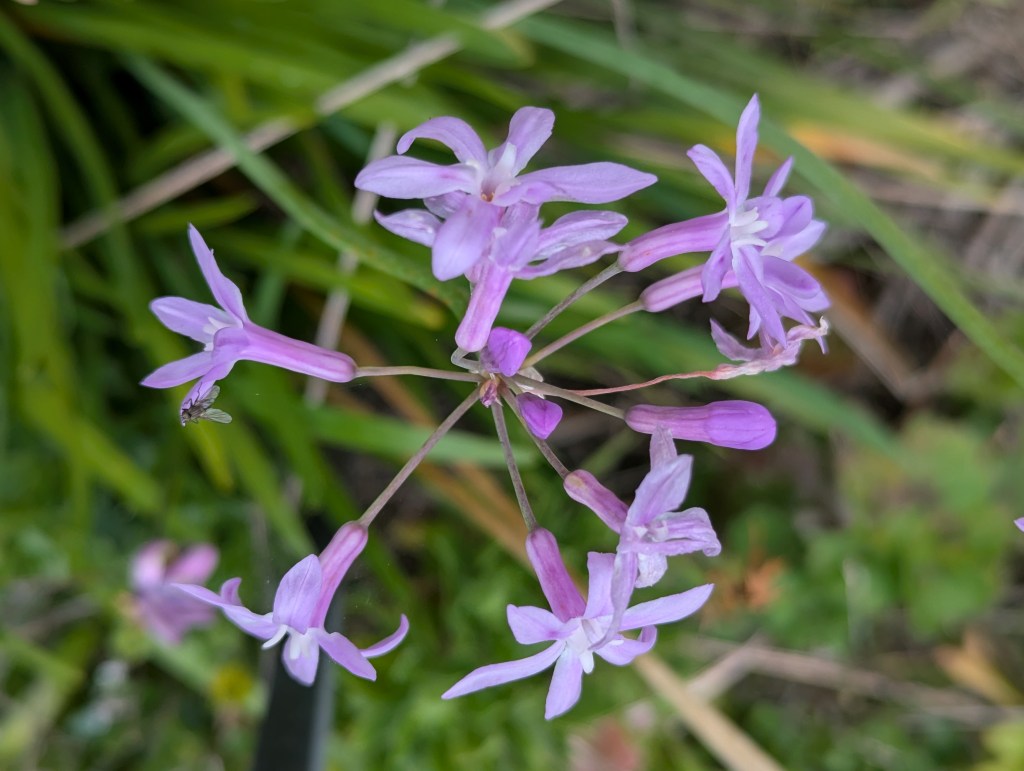
4. Tulbaghia violacea, society garlic is at its best for winter, not because it blooms more, but because it does not smell as objectionable as it will during warmer summer weather.
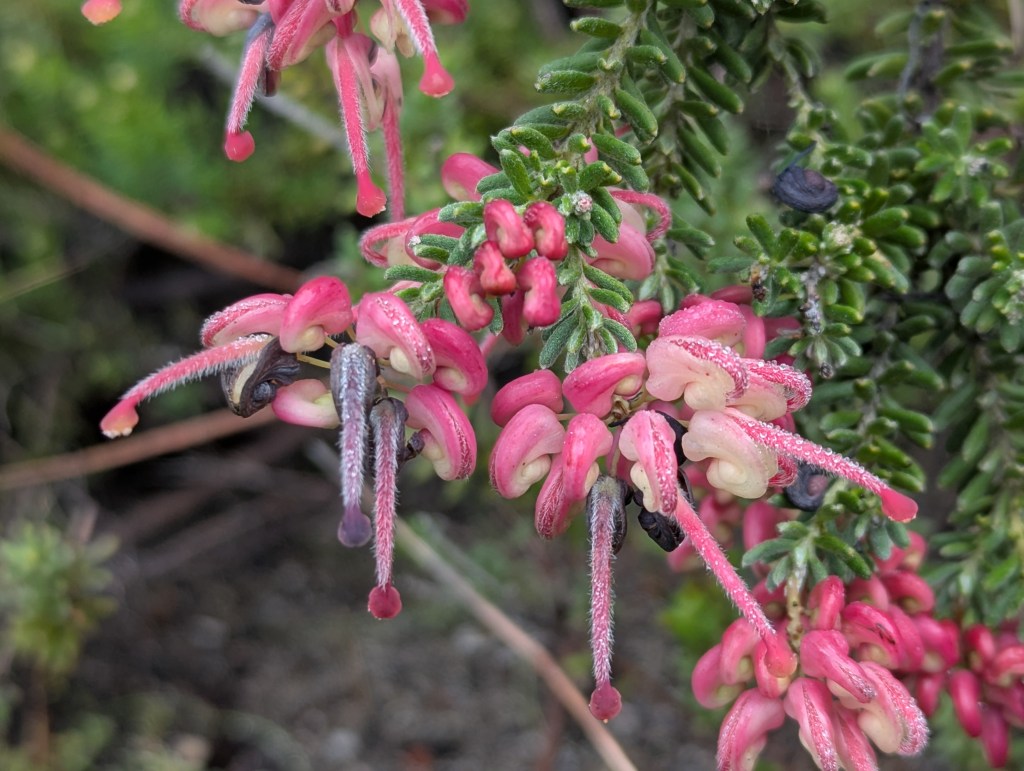
5. Grevillea spp. lost its identity. It seems to bloom continually. I can not remember ever seeing it without at least some bloom. Hummingbirds are very fond of it, especially now.
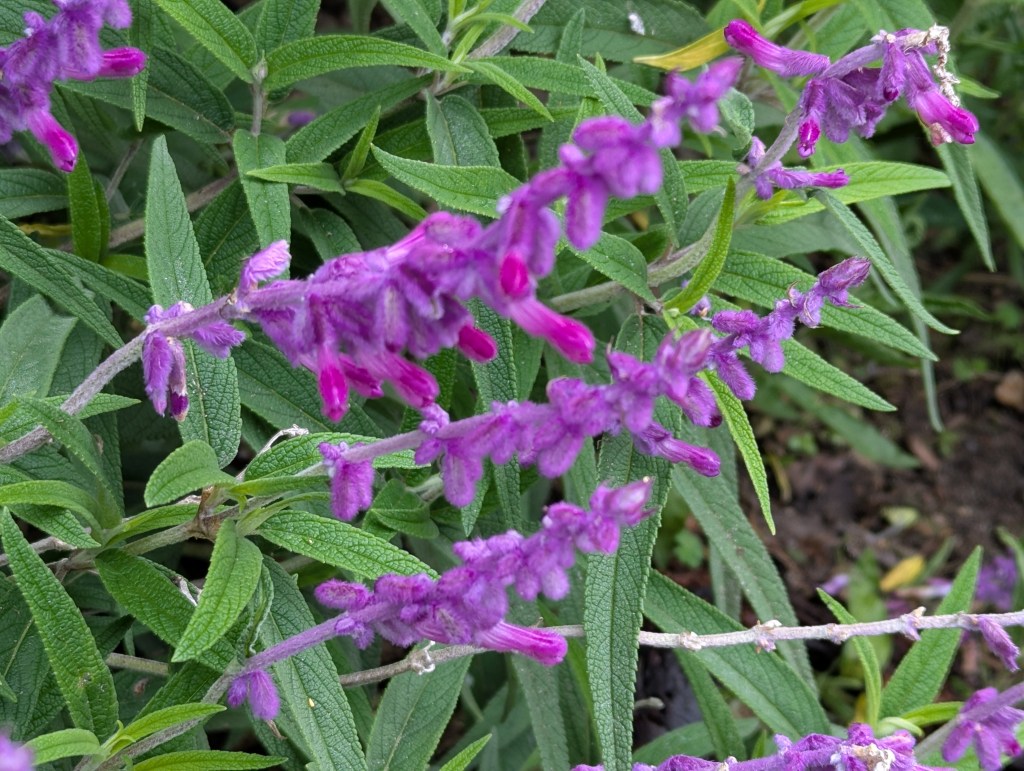
6. Salvia leucantha, Mexican blue sage bloom is fuzzy, but not quite as fuzzy as it seems to be in this unfocused picture. The camera was more interested in the foliage behind it.
This is the link for Six on Saturday, for anyone else who would like to participate: https://thepropagatorblog.wordpress.com/2017/09/18/six-on-saturday-a-participant-guide/
Perhaps flowers were not the best subjects. They are quite scarce about now.
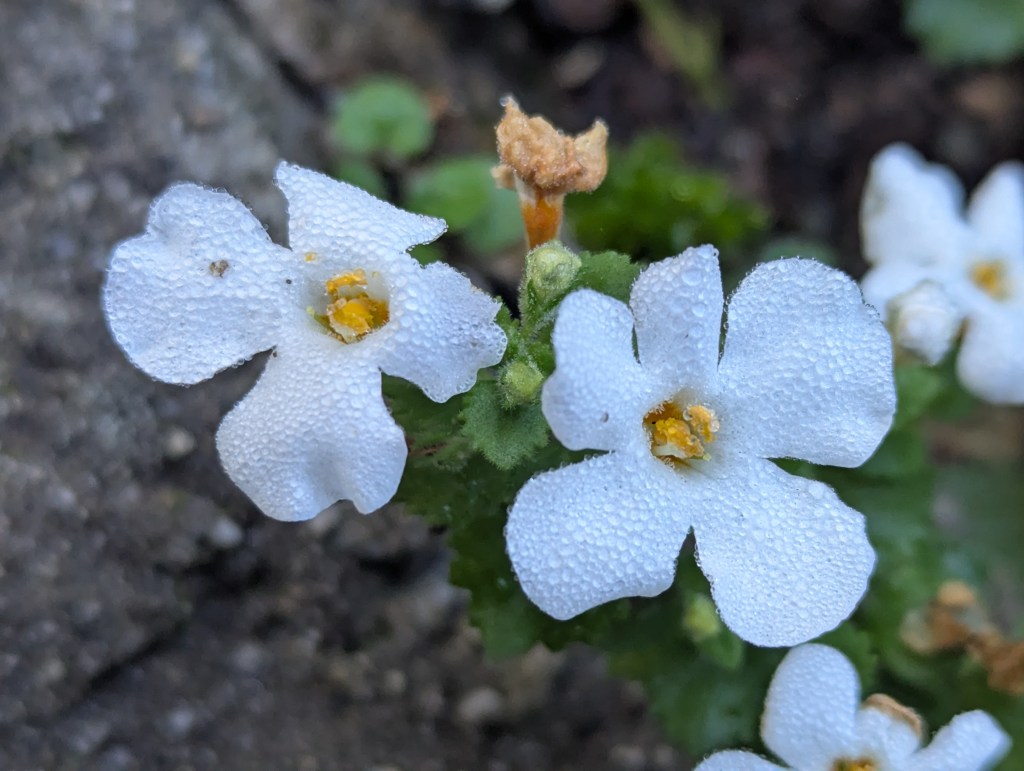
1. What is this? It grows like ground cover. Although it has not yet bloomed profusely, it blooms with a few flowers continually. I am not keen on it, but I want to know what it is.
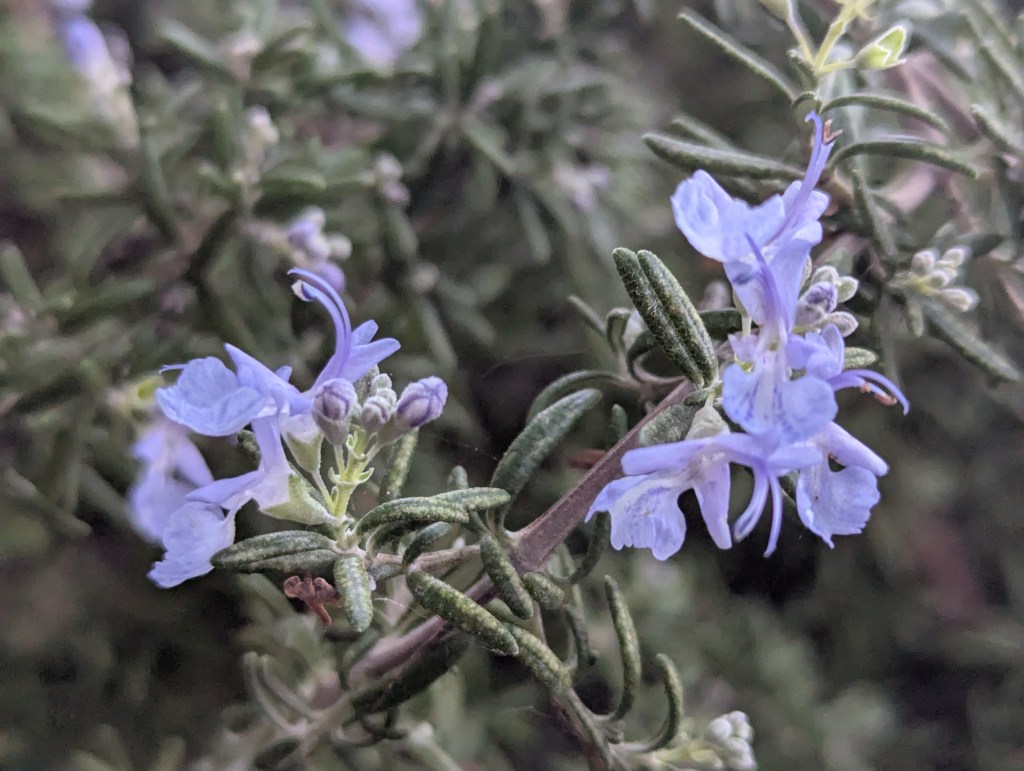
2. Rosmarinus officinalis ‘Prostratus’, trailing rosemary blooms a bit less during winter, but seems to never be completely without bloom. Hummingbirds are pleased with these.
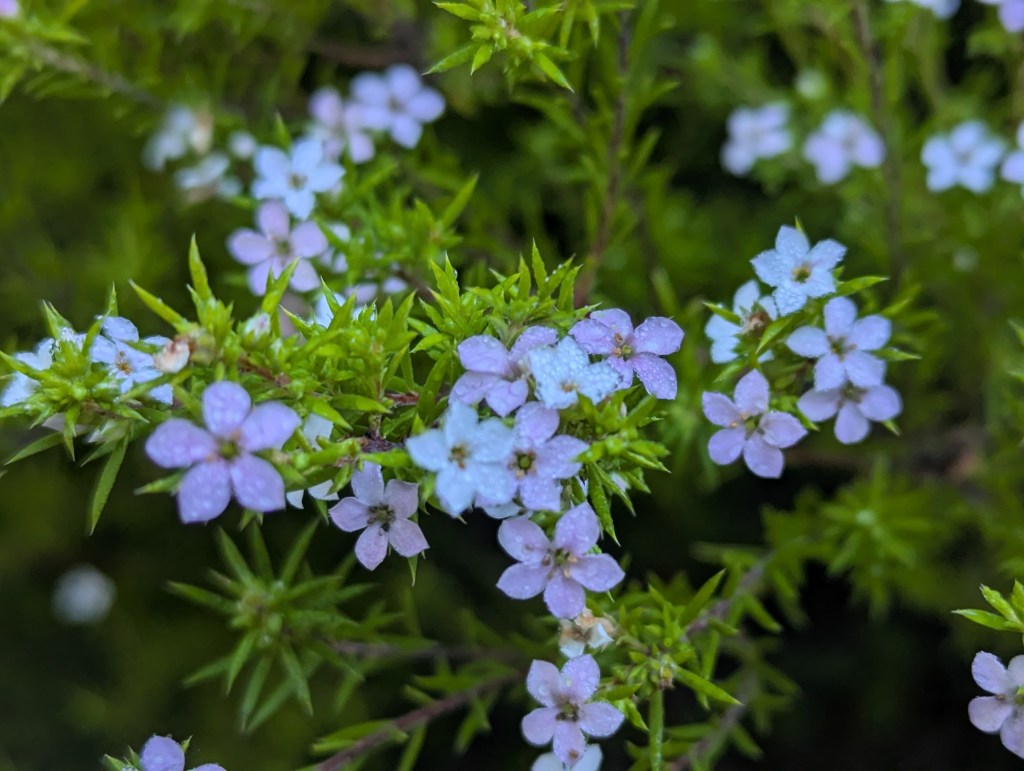
3. Coleonema pulchellum ‘Sunset Gold’ breath of Heaven probably should have stopped blooming by now; but I must not complain if it insists on blooming right through winter.
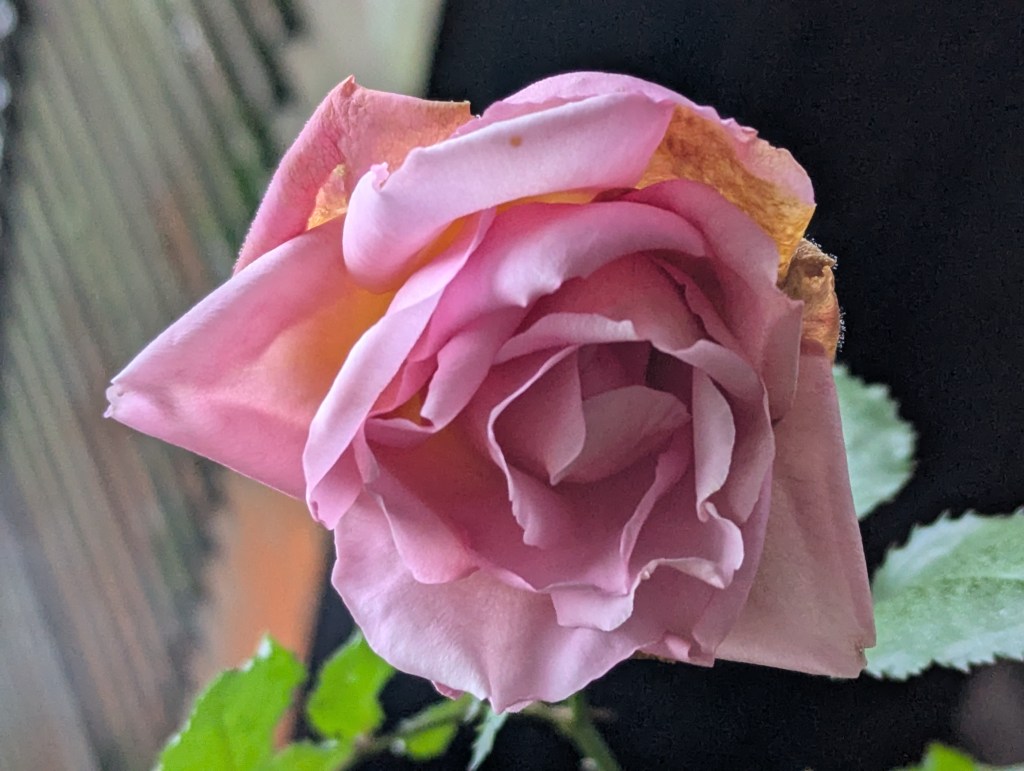
4. Rosa spp., rose bloom is finally succumbing to wintry weather. I do not know if this is because of the earlier rain or more recent chill. Other roses have been pruned for winter.
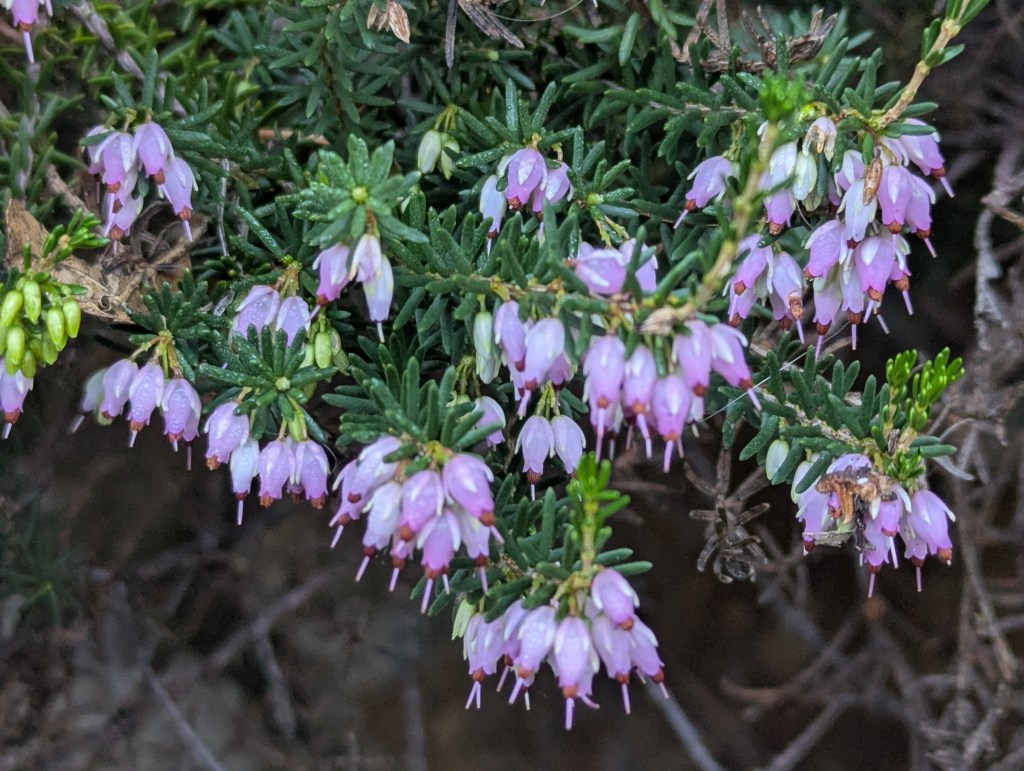
5. Erica spp., heath is happy to bloom through winter and perhaps into spring. I have no idea what cultivar this is, and I do not remember when it started blooming in November.
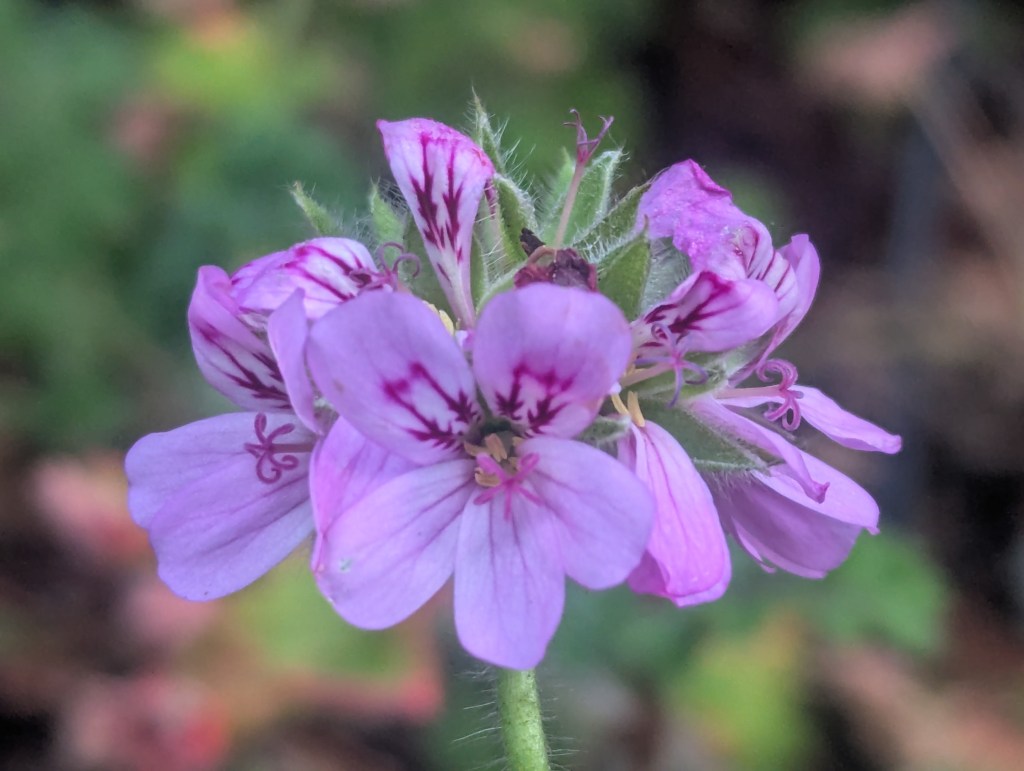
6. Rhody has been absent from Six on Saturday for quite a while. He is not easy to take a good picture of. This week though, it might have been easier than finding a sixth flower.

This is the link for Six on Saturday, for anyone else who would like to participate: https://thepropagatorblog.wordpress.com/2017/09/18/six-on-saturday-a-participant-guide/
Five of these six succulents have weirdly silly common names. I did not notice until after I got all of their pictures.
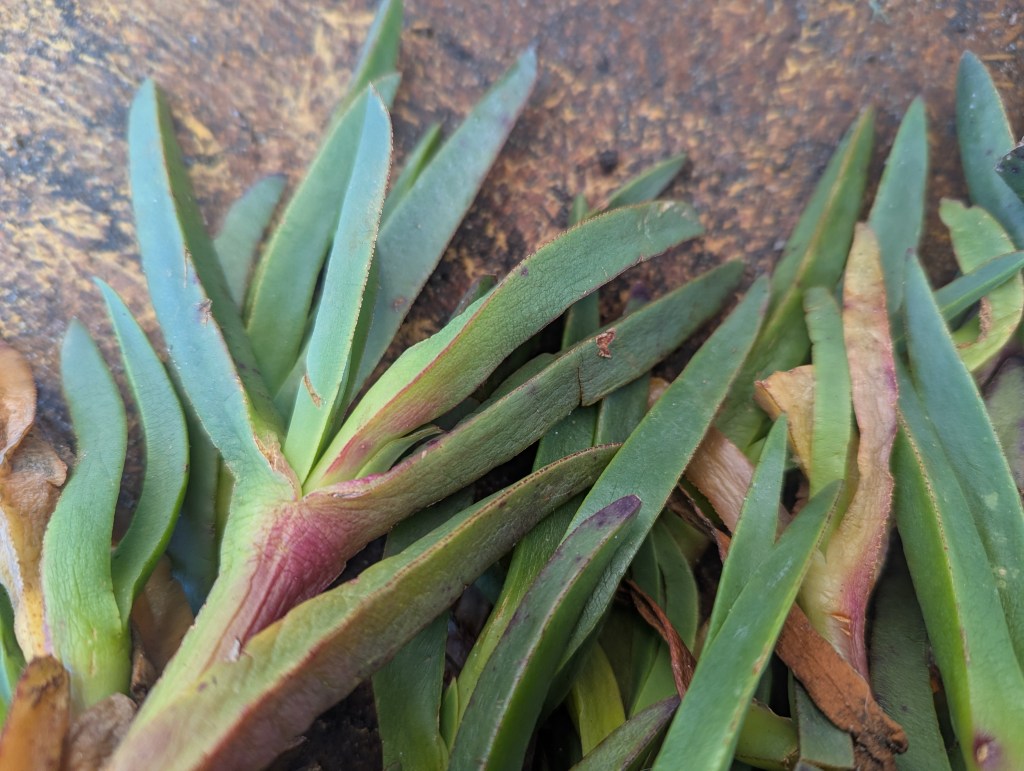
1. Carpobrotus edulis or Carpobrotus chilensis, pigface is a new acquisition that should help stabilize a sandy bank in one of our landscapes. It came from a beach in Santa Cruz.
2. Aeonium arboreum, common houseleek not only has a silly name, but also has a silly form, with wide foliar rosettes suspended by lanky and otherwise awkwardly bare stems.
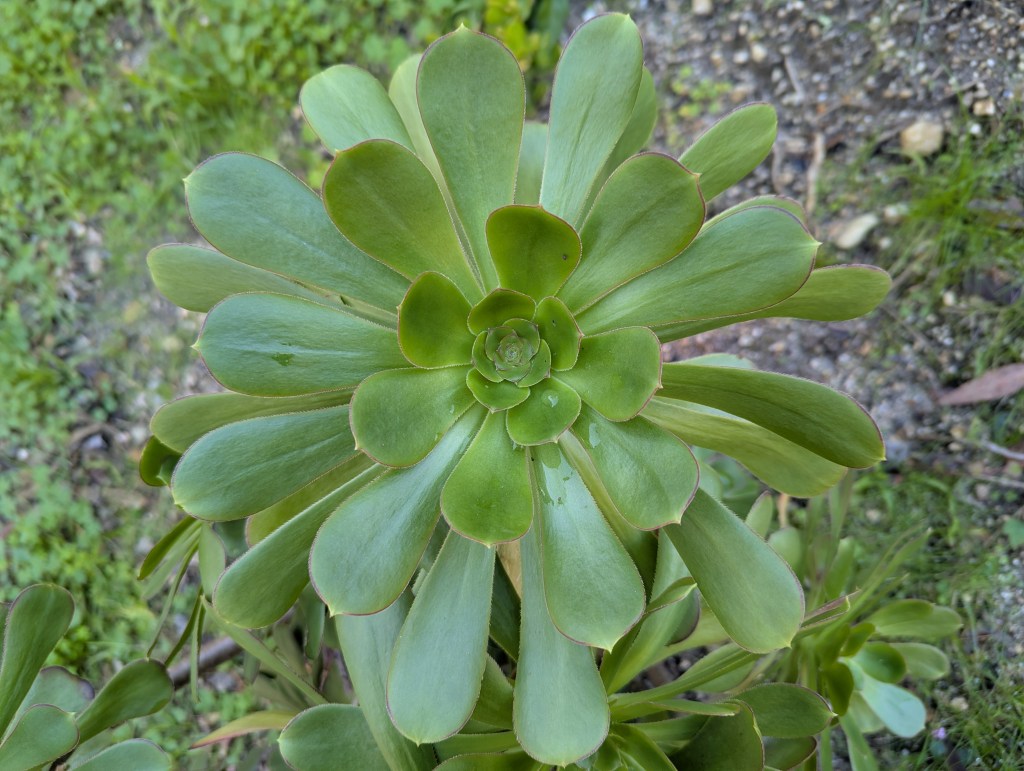
3. Graptopetalum pentandrum, bluebean is not actually within any of the landscapes. It is a diminutive specimen that remains potted in the nursery. I am unsure of its identity.
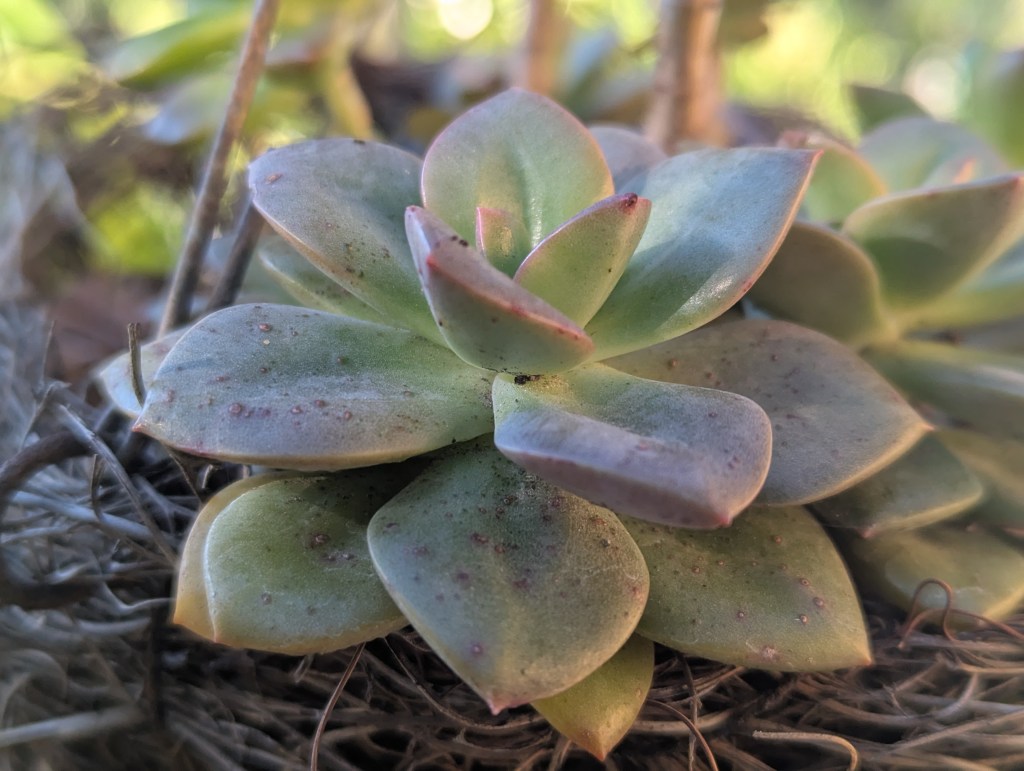
4. Echeveria elegans, Mexican snowball contrasts splendidly with the limey green of the common houseleek, which it grows at the base of. I would not mind more of these about.
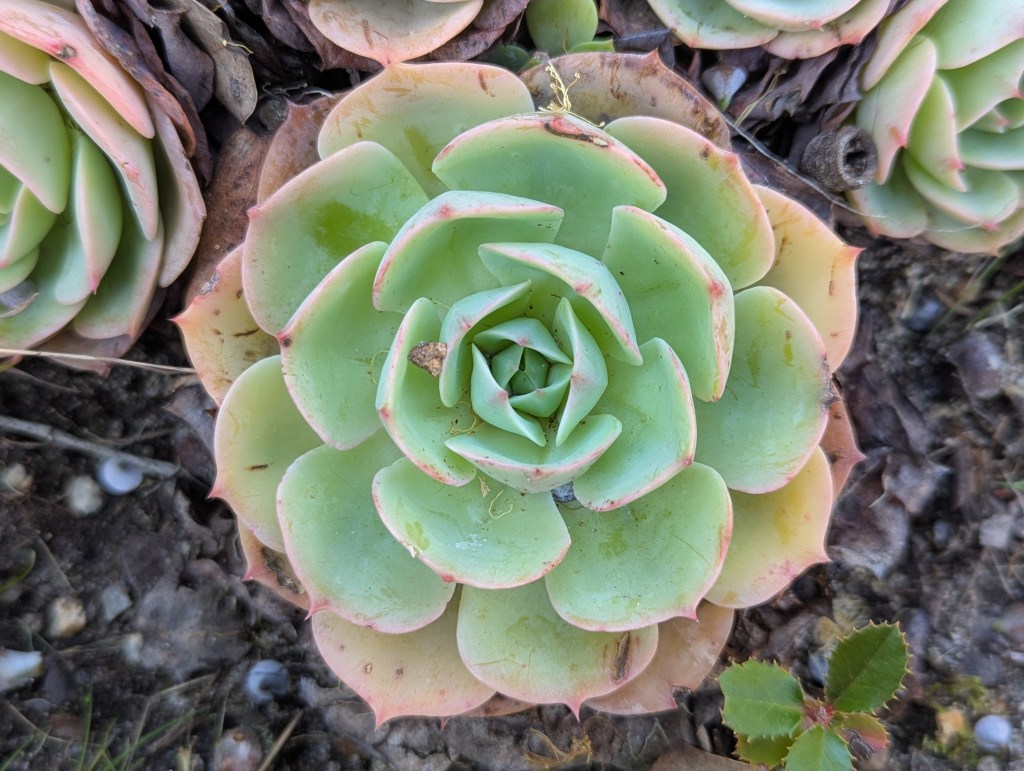
5. Crassula ovata ‘Hobbit’, Hobbit’s pipe, like common houseleek, is silly both in name, and in form, with these oddly tubular leaves. It is a lighter green than typical jade plant.
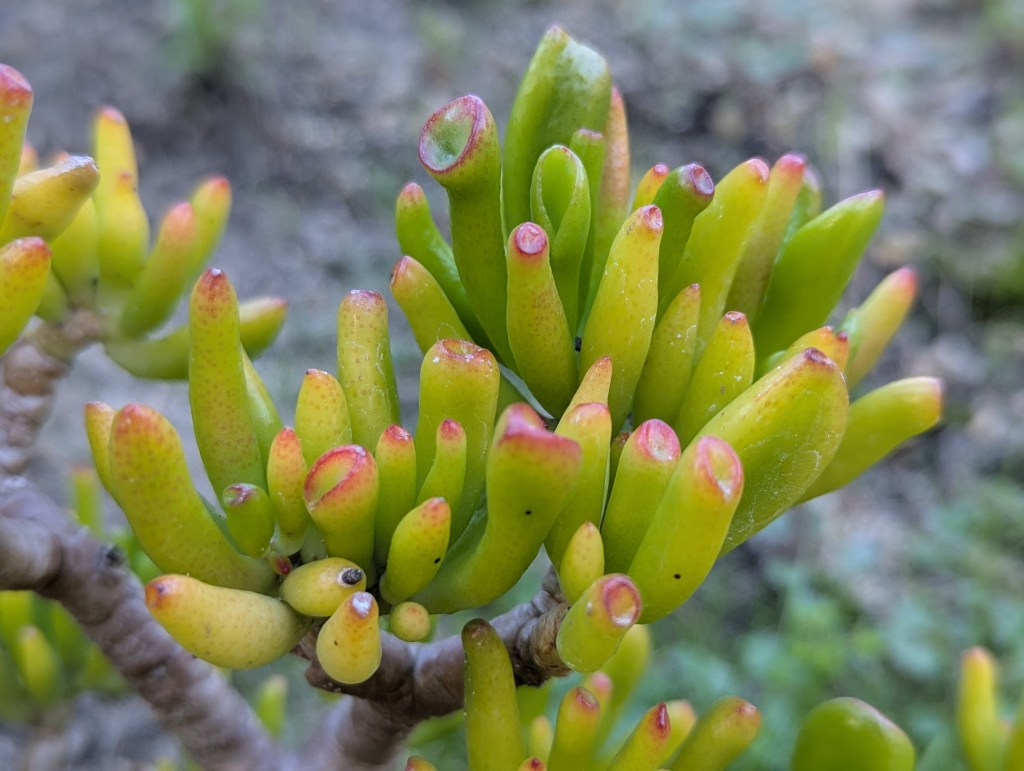
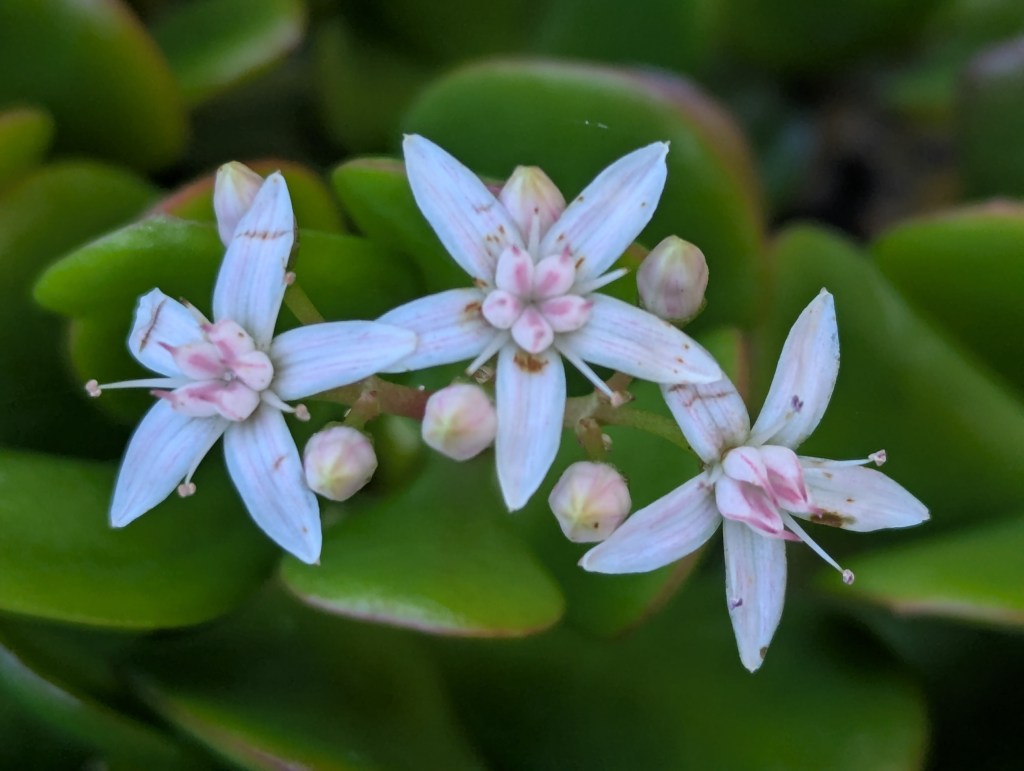
6. Crassula ovata, jade plant is the only one of these Six that lacks silliness. Its bloom is too cute in closeup view to omit, though. Besides, Six on Saturday is better with flowers.
This is the link for Six on Saturday, for anyone else who would like to participate: https://thepropagatorblog.wordpress.com/2017/09/18/six-on-saturday-a-participant-guide/
 Tony Tomeo