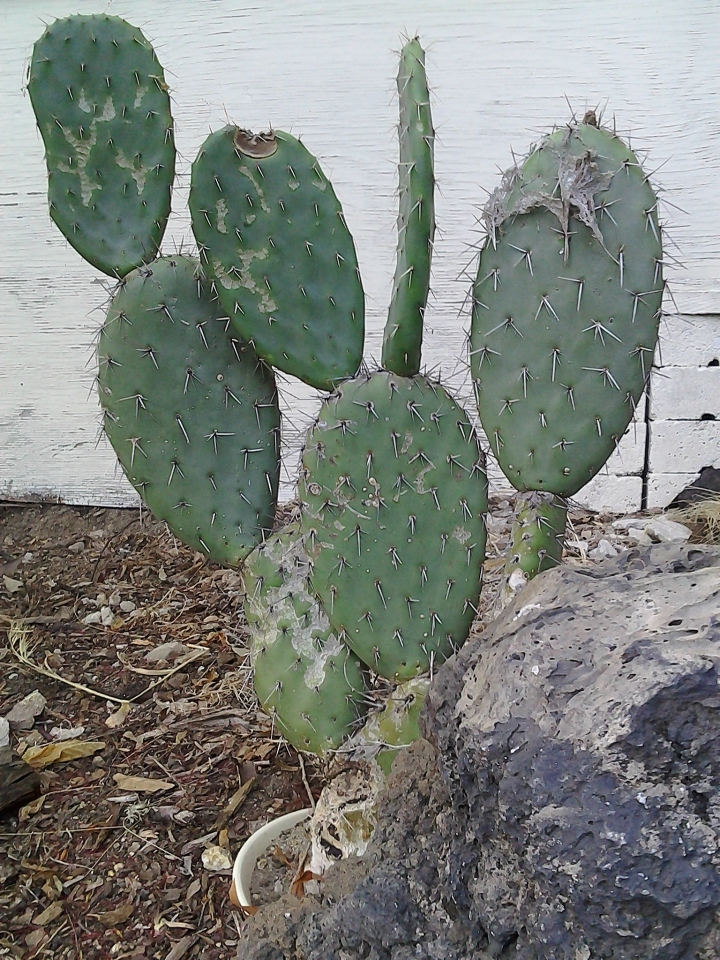
 Almost everyone thinks of cacti as tough plants that live out in the hottest and driest parts of the deserts, where few other plants can survive. They are the sorts of plants that we threaten to plant out in the most inhospitable or neglected parts of the garden. We never actually do so, just because we do not appreciate cacti any more than weeds. They are fine over in the neighbor’s garden.
Whether we like them or not, cacti really deserve more respect than that. Even if they do not fit our style of landscape, they are striking and distinctive features within the landscapes that they are adapted to. Except for a few euphorbs that look sort of like cacti, there are no substitutes for their form and, of course, their texture! The uniquely specialized physiology of cacti is extraordinary.
Cacti really are built for the desert. In a climate where heat and arid air desiccates foliage, cacti do without. Photosynthesis is done in the green skin of the distended stems. Furrows in the stems of some cacti increase surface area for photosynthesis, but still expose far less surface area to the weather than individual leaves would. The succulent flesh of the distended stems stores water.
The foliage is not totally lacking. It is merely modified into sharp spines or irritating glochids with which cacti protect their succulent flesh from animals. Spines of the old man cactus are elongated into coarse hair that diffuses the intensity of the sunlight that might otherwise scorch the green skin below. Bigger thorns that extend beyond the spines within each tuft are actually modified stems.
Cacti certainly put significant effort into surviving desert climates; but surprisingly, most cacti do not even live in deserts, and many live in tropical rainforests of South and Central America! Some have weirdly pendulous stem structure, and some are epiphytic, so they hang from limbs of larger trees. In regions where most insect and animal activity is at night, cacti bloom nocturnally, with big luminescent and fragrant flowers that appeal to moths, bats and their associates.
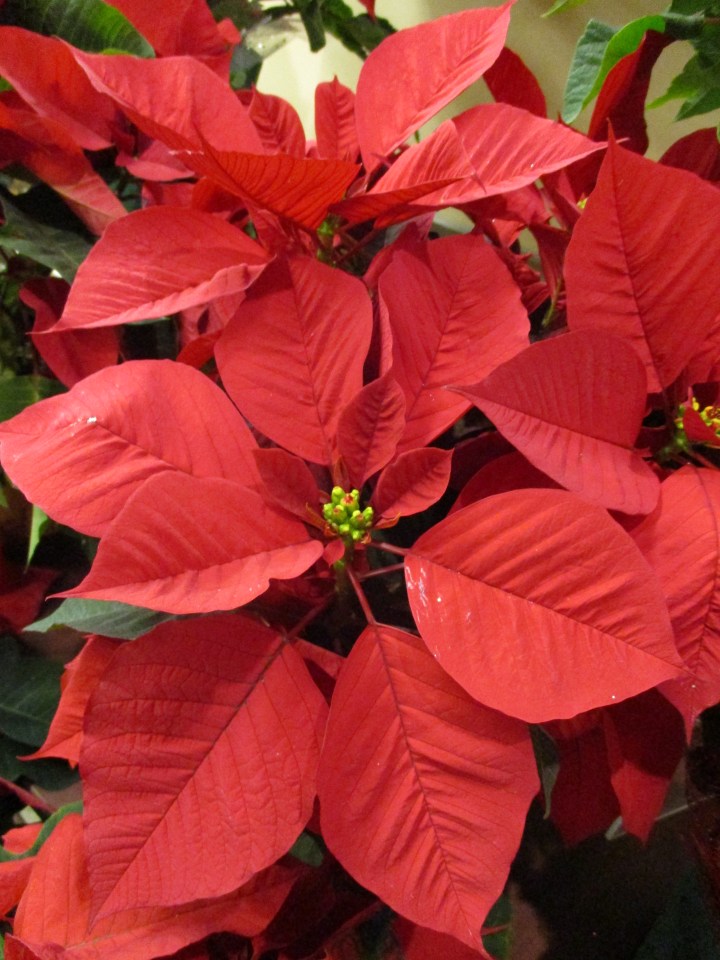 Many of us already understand that daisies, sunflowers, asters and all related flowers are composite flowers, which bloom as many tiny flowers clustered tightly together to form what appears to be significantly larger single flowers. Distended ‘ray’ florets around the edges imitate petals that other types of flowers are equipped with. It is like one stop shopping for pollinators craving nectar.
 Tony Tomeo