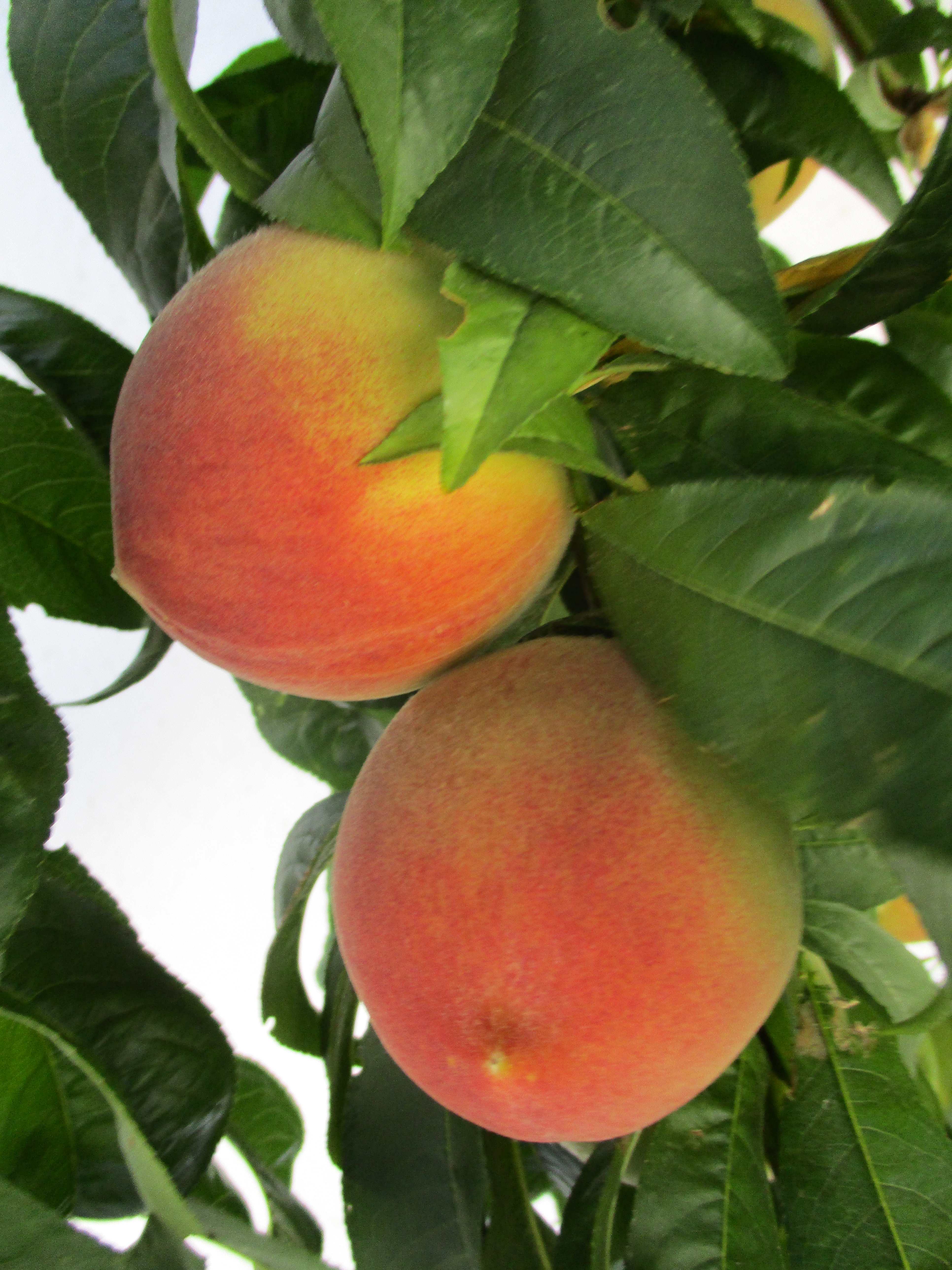
 Is a prune really just a dried plum? No! A plum is really a prune. In fact, all ‘stone fruit’ are of the same prune genus known as Prunus. This means that apricot, cherry, peach, nectarine, prune, plum and even almond are all related. So are all their weird and trendy hybrids, such as aprium, pluots, plumcots and so on. (Almonds are the pits or ‘stones’ of dry leathery fruits that fall away as hulls.)
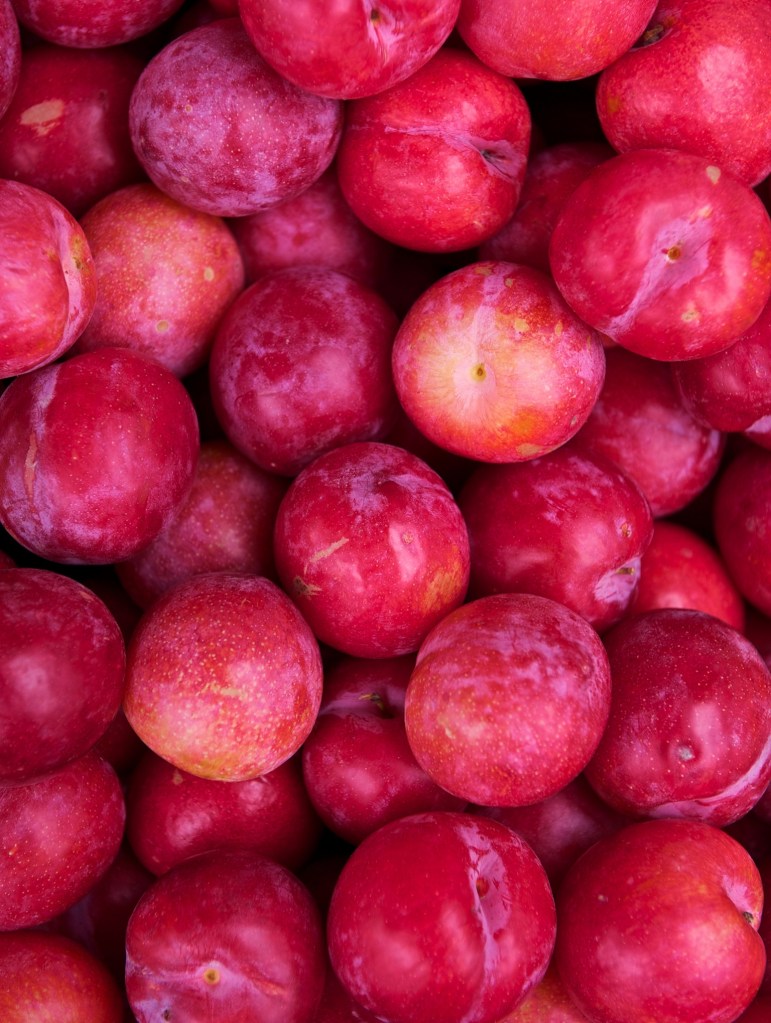
The main difference between prunes and plums is that prunes contain enough sugar to inhibit mold while they dry, . . . if they dry efficiently enough. Plums are juicier and contain less sugar, so are more likely to mold before they dry. If dried in a dehydrator, plums get squishy, and are likely to develop an odd flavor. Most prunes are European. Most popular plums are of Japanese descent.
The wrinkly and leathery fruit that most of us know as prunes are actually ‘dried’ prunes. Fresh prunes can be eaten just like plums, but are firmer, and have milder flavor. They are better for juicing, canning (whole, while firm) and cooking, although plums make better jam. Plums have richer flavor for eating fresh. Because they are so soft, they do not juice as well, but make nice plum nectar.
Apricots are not quite as easy to dry as prunes are. They must either be dried quickly in a dehydrator of some sort, or sulfured; and sulfuring is probably too much work for most of us. Most of the apriums, pluots, plumcots and other weird apricot hybrids that have become so trendy in the past many years are too soft for drying or canning. Like plums, peaches and nectarines, fresh is best.
Fruit that ripens evenly throughout the tree is best for canning, freezing, drying or any technique that takes large volumes of fruit at once. Uneven ripening is better for fruit eaten fresh. It allows later fruit to continue ripening while the earliest fruit is being consumed. The problem is that the best stone fruits ripen very evenly, all at the same time. If not shared with neighbors, some is sure to rot.
If some of the fruit ripens later than the rest, it will be inside the shadiest part of the canopy. The most exposed fruit on the exterior of the canopy ripens first, and for most types of fruit, has the best flavor. After all fruit is harvested from a tree, any remaining bad fruit should be removed from the tree, and from the ground around the tree. Diseases proliferate, and later overwinter in rotting fruit.


 Tony Tomeo