A pollinator is a vector of pollen, besides wind. Most are insects. Some are animals. Their only qualification is that they collect and deliver pollen between flowers. Almost all are unaware that they do it as they visit flowers for nectar, which the flowers produce to attract pollinators. Bees, which are probably the most common pollinators, visit flowers to collect pollen with which to make their honey, and pollinate in the process.
So, what about the flowers that provide pollen for pollination, particularly for dioecious species such as hollies, date palms and kiwi vines? (Dioecious plants are either male or female.) ‘Bing’ cherry is not dioecious, but is not self pollinating either, so needs another cultivar of sweet cherry for cross pollination. Such a cultivar is known as a pollinator.
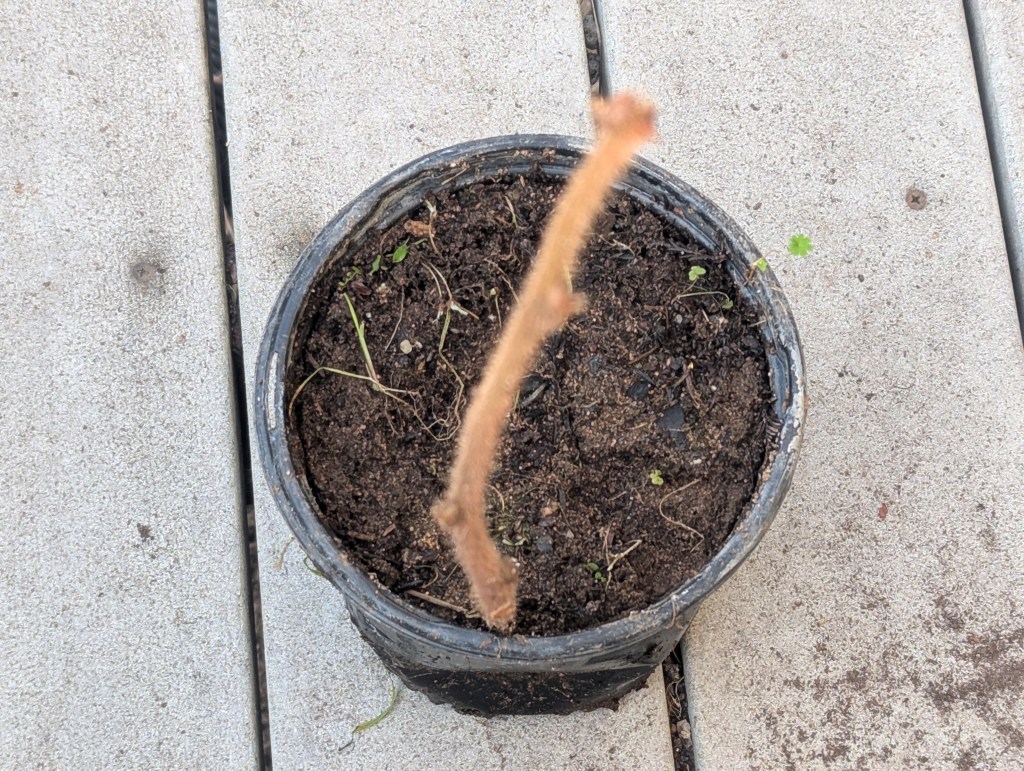
My female kiwi vine just recently acquired a male pollinator. It does not look like much yet, but will grow up to bloom with male flowers to provide pollen for the female flowers of the vemale vine. Because kiwi vines are dioecious, the female vine would be fruitless without pollination from the male vine. Perhaps the male pollinator will need a pollinator to deliver its pollen to the female vine.
 There is so much more to gardening than mere horticulture. There is so much more to horticulture than mere plant life. Plants get eaten by insects and animals, and also take advantage of insects and animals for pollination and dispersion of seed. Some of us who enjoy gardening also like to attract some types of animals and insects to our gardens because they are nice to have around.
 Tony Tomeo