Horridculture – Aquatic Vegetation

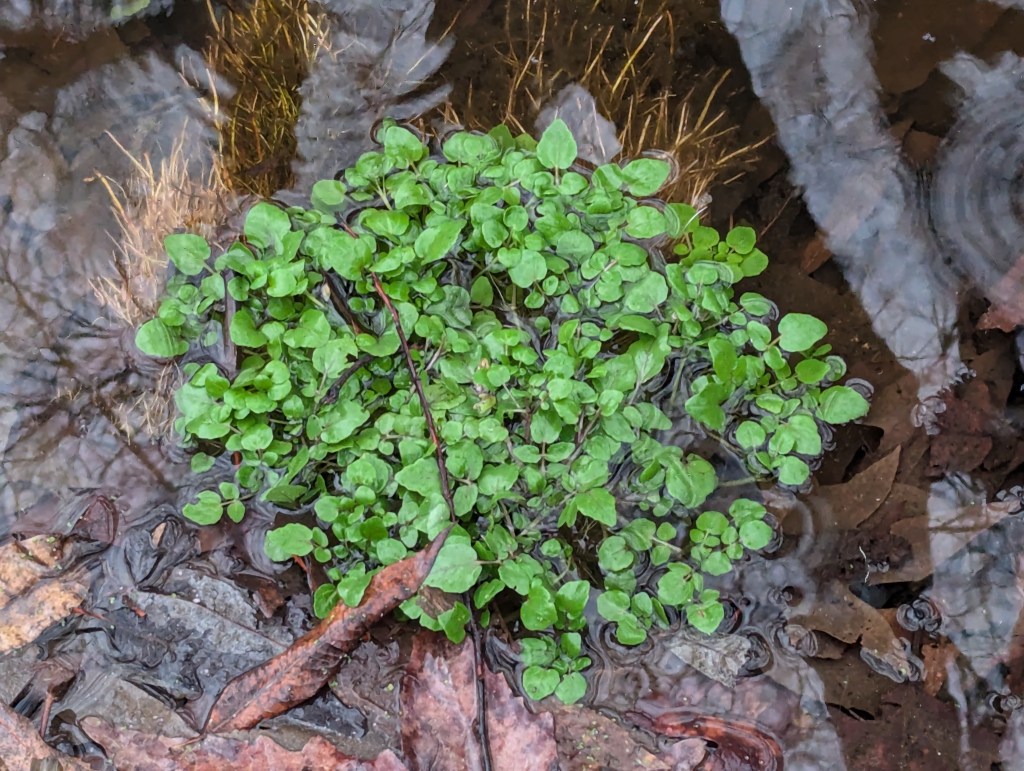
Watercress, Nasturtium officinale

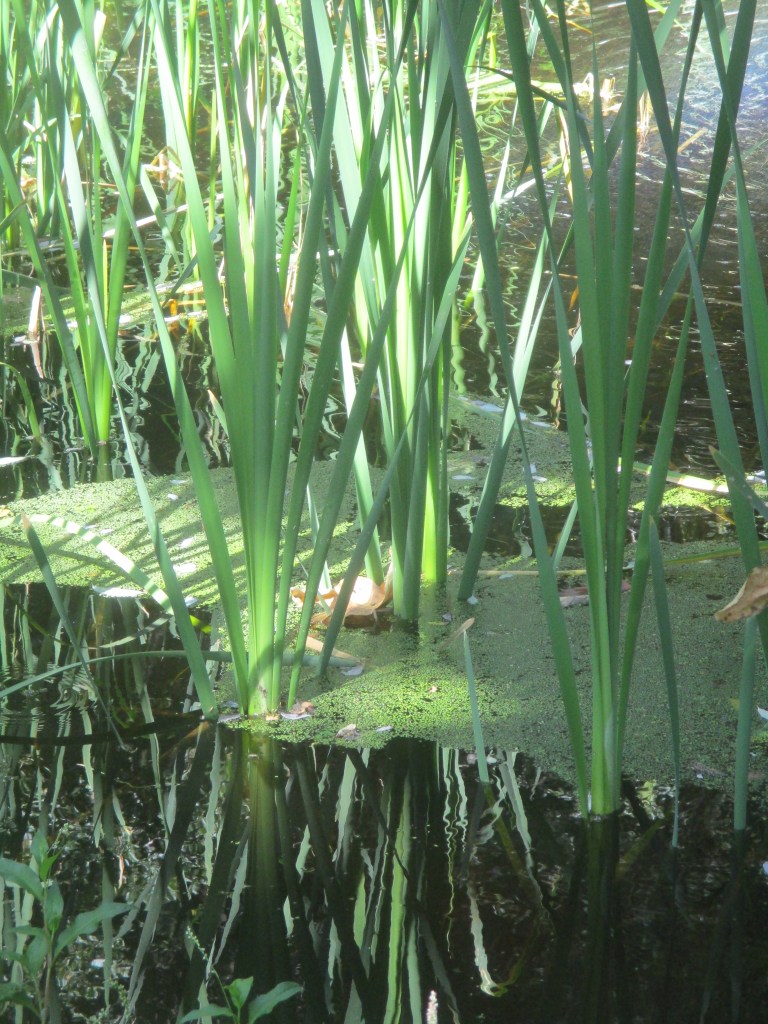
Watercress, Nasturtium officinale, seems to be proliferating a bit more in the drainage pond than it did last year. It is difficult to compare, since I was not concerned about it enough to monitor it last year. I am likely noticing it more now because the duckweed, Lemna minor, deteriorated slower than it did last year, which maintained my interest in such infesting aquatic vegetation. I have been monitoring the cattail, Typha latifolia, also. Although none of these species are exotic, I do not want any of them to proliferate so much that they obscure the pond that they inhabit. That has been a problem with duckweed as long as the pond has contained water. I am aware that cattail also has potential to proliferate aggressively, although I believe that such proliferation would be easier to mitigate. I really do not know how watercress behaves, though. I can not remember ever seeing a pond anywhere completely overwhelmed by it. I doubt that, even if it does proliferate aggressively, that it would be as difficult to contend with as duckweed is. Perhaps it would compete with duckweed! Goodness; I never intended to get so involved with aquatic vegetation. It is not exactly the sort of vegetation that inhabits ‘land’scapes. Yet, the drainage pond is a feature of the landscapes here. We maintain the willows, cottonwoods, sycamores, oaks and Landon’s tree around it, so obviously, must maintain the aquatic vegetation within it as well. In that regard, I would prefer to grow a few more ornamental but less aggressive aquatic species, such as water lilies. Unfortunately, the few water lilies that we tried were tropical species that seemed to succumb to cool winter weather and overwhelming duckweed. I should try some native water lilies, but they might be a bit too prolific.
Aquatic Plants Are All Wet

Both cattail and duckweed are native.

Home gardens and landscapes should be compatible with their respective climates. For local chaparral climates, plants that do not need much watering through the long and dry summers are appropriate. Aquatic plants are the extreme opposite. They require regular replenishment of the ponds that they inhabit. Arid warmth increases their need for water.

Aquatic plant can not be ‘drought tolerant’. Several, such as duckweed, water lettuce and water hyacinth, float over the surface of water. Water lily and lotus inhabit the mud below the water, and extend their foliage to float over the surface of the water. Waterweeds stay completely submerged, with or without roots. Aquatic plants need water for their survival.

Marginally aquatic plants are somewhat less dependent on water. Cattail and yellow flag iris inhabit shallow ponds and saturated soil, but can survive if their situations drain for a while. If they stay too dry for too long, they can initiate dormancy, and then recover when saturation resumes. Canna inhabits either shores of shallow ponds, or evenly moist soil.

Regardless, all aquatic plants require maintenance that is completely different from what terrestrial plants require. Even those that need only minimal maintenance will eventually necessitate muddy and messy interaction. Much of such interaction is under water that is difficult to see through while murky. Aquatic plants are innately heavy and totally sloppy.

Moreover, some common aquatic plants grow like weeds. Water hyacinth and giant reed are two of the most invasive exotic species in California. So, not only are they sloppy, but they are also voluminous! Because they are very invasive, they should not inhabit ponds that they could escape. Besides, giant reed is too overwhelming for most home gardens.

Few home gardens include natural ponds or water sources to contain as ponds. Garden ponds are therefore mostly contained within some sort of sealed infrastructure, and need replenishment to compensate for evaporation. Fountains aerate the water for a healthier ecosystem, but also increase evaporation. Some tall aquatic plants also consume water, as the foliage that extends above water transpires.