I believe that the Statute of Limitations applies here.
via Felony Garden
I believe that the Statute of Limitations applies here.
via Felony Garden
 All plants propagate. Otherwise, they would go extinct. They all have the potential to propagate by seed or spores. However, some are more efficient at vegetative propagation from stems or roots. Of the later, a few propagate by seed so rarely that it is a wonder that they can evolve, since vegetatively propagated plants are clones, or genetically identical copies, of the original plants.
A single coastal redwood can live for thousands of years. Before such a tree dies, it clones itself by producing adventitious stems from its aging root system. These stems mature into new trees that can live for thousands of years more, only to repeat the process indefinitely. There is no opportunity to generate and share any slight genetic variations that are necessary to natural selection.
Well, this is probably more information than any of us need for our home gardens. It is only relevant to demonstrate than many plants are happy to propagate themselves vegetatively, or are at least conducive to simple vegetative propagation techniques. This is why most nursery plants are grown from cuttings, which are merely pieces of stem stuck into media and forced to grow roots.
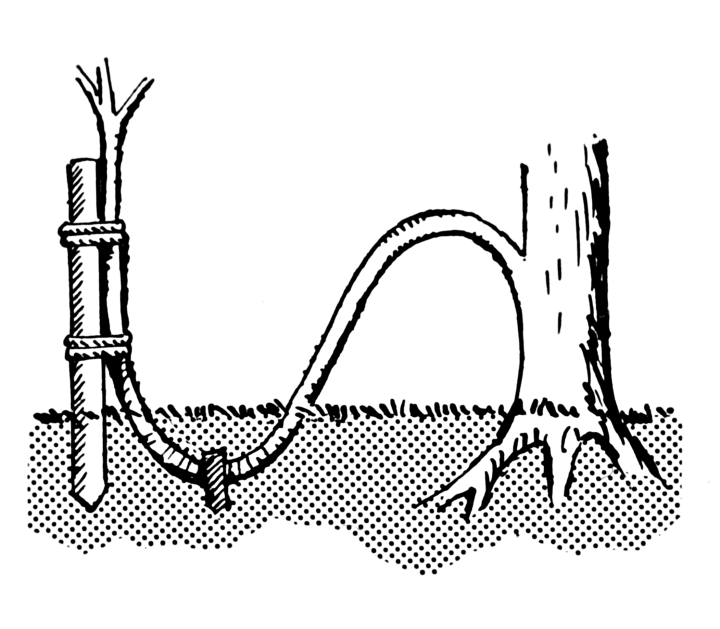
For those of us who are not in the nursery industry, there is a more practical way to propagate a few copies of certain favorite plants. Sprawling groundcovers and vines like iceplant, knotweed, jasmine and ivy know all about it. So do many low growing succulents. Their lower stems develop roots where they lay on the ground, and grow into new plants. The process is known as ‘layering’.
Some low shrubby plants that might not layer naturally might be coerced to do so simply by getting a few of their lowest stems buried just below the surface of the soil, with a few inches of the tips sticking up. It helps to scratch off a patch of bark about a third of the way around the buried section of stem, and apply rooting hormone. Sturdy stems can be held down with rocks if necessary.
For most plants, layered stems can be buried about now, left through winter, and should be ready to be separated from the parent plants by next summer, just after any new growth matures. New plants will of course need to be watered generously until they develop enough roots to be self sufficient. Most plants with pliable stems that reach the soil can be layered. Junipers, euonymus, euryops, marguerites, boxwoods and carpet roses are some of the more popular candidates.
 Tony Tomeo