 Remember this from Sesame Street?
One of these things is not like the others
One of these things just doesn’t belong
Can you tell which thing is not like the others
By the time I finish my song?
Identifying a blue balloon as different from three red balloons might be construed as discriminatory, but was fun back before we went into kindergarten. So was selecting the bigger bowl of Big Bird’s birdseed from three small bowls; or the beanie from three pairs of sunglasses; or the letter from three numbers. It is not so fun now, when conformity to a landscape is important.
In the picture above, one of the four prominent trees in the foreground of the walkway and rail fence, excluding the obscured middle tree, is different from the others. They are all the same age. They are all sycamores. They are all happy and healthy. They were all supposed to conform to the landscape of native vegetation in the background. Which thing is not like the others?
The second tree from the left is a London plane, Platanus X acerifolia. The other trees, as well as the fifth middle tree and the sycamores in the background, are native California sycamores, Platanus racemosa. Not only is the London plane not native, but it is distinctly smaller and more symmetrical, with a conspicuously straighter trunk and relatively orangish autumn foliage.
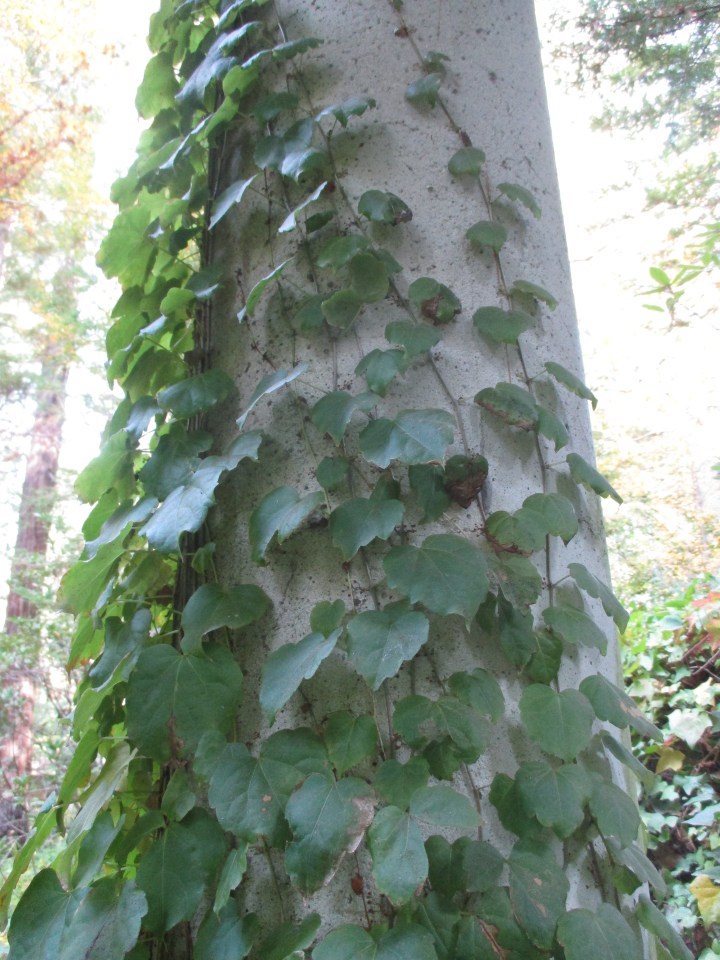
The picture below shows the bark of London plane, with a trunk of a California sycamore in the background. The second picture shows how dissimilar the bark of the California sycamore is.
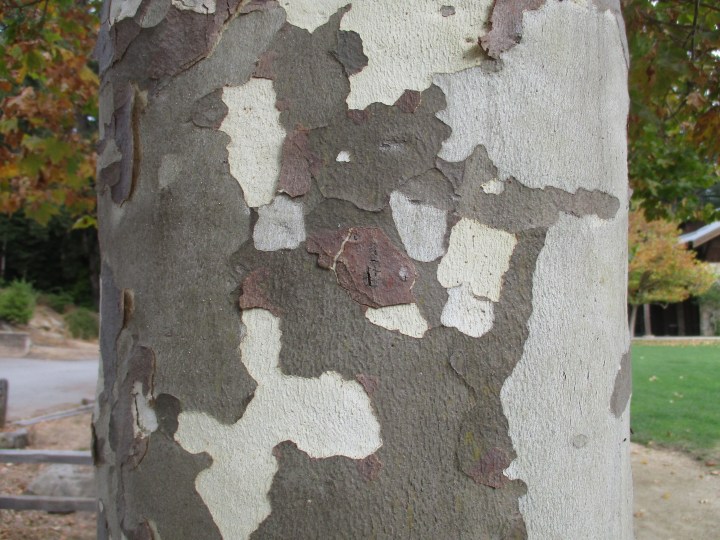
Individually, there is nothing wrong with the London plane. A few could have made a nice homogenous grove in the same spot, although they would never attain the grand scale expected of California sycamore. The problem is that the London plane is similar to, but not the same as, the California sycamores. It will always look like one of the California sycamores with problems.
A completely distinct tree would have been better. If it were a redwood or a magnolia, or anything that is not so similar to California sycamore, it would not be expected to conform to them.
I see it commonly. Himalayan birch get added to groves of European white birch, even though their trunks are whiter and straighter, and their canopies are much more upright. Taller and leaner Mexican fan palms get added to otherwise formal rows of California fan palms. The formality of rows of tall and slim Lombardy poplars is similarly disrupted by fatter Theves poplar.
These bad matches are often honest mistakes. It is not easy to distinguish Theves poplar from Lombardy poplar; and Lombardy poplar is rarely available. Sometimes, so-called ‘gardeners’ or ‘landscapers’ simply do not care. An ‘Aptos Blue’ redwood was added to a grove that was exclusive to ‘Soquel’ in a nearby park, just because it was closest to the parking lot at the nursery.
So-called ‘landscapers’ sometimes ‘sub’, or substitute, a commonly available cultivar or species for something that was specified by a landscape design, but is not so readily available. It often works out just fine. However, I once inspected a landscape in which a ground cover cultivar of cotoneaster was subbed with Cotoneaster lacteus, which promptly grew higher than the eaves!


 Grafting compound is a thick sealant applied to a fresh graft union to limit desiccation while the graft knits. A bit more typically gets applied to the cut distal end of the scion. There are various formulations of grafting compound, ranging from something resembling roof patch to a something with the consistency of thick paint.
 Why do we all think we need a greenhouse? Some of us may rely on them for sheltering plants through cold winters. Some of us grow seedling late in winter, for an early start in spring. For some of us, greenhouses are where we grow plants that would not be as happy out in the natural climate. There is a multitude of uses for a greenhouse; but really, how many of us need one?
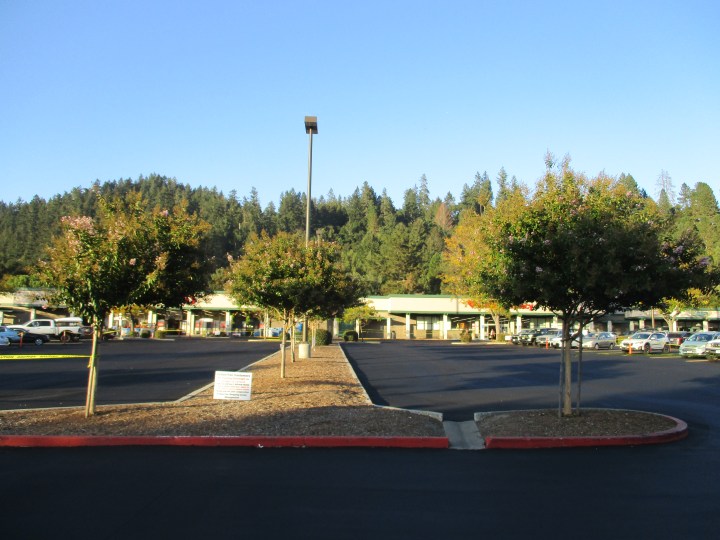 Perhaps the signs should be down instead. They are obscured by the crape myrtles where they are now. They would be more visible if they were either higher or lower, but not in line with all these trees. The trees were planted only a few years ago, but have done very well. Lodgepoles need to be removed. The specimen to the left is recovering well from earlier disfigurement.
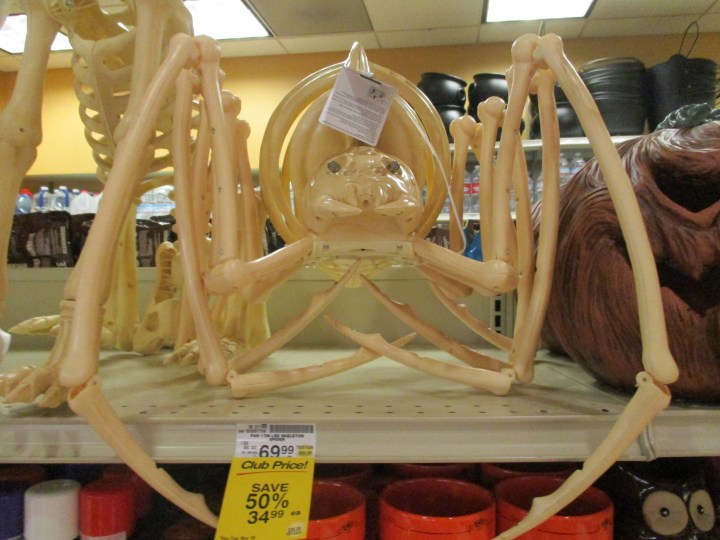 Halloween is a topic that I could rant about for days. Seriously. I loathe it. I dislike any formerly respectable holiday that has been ruined by excessive commercialization. We all know what happened to Christmas. For me, Halloween, in some regards, is even worse. Christmas is at least pretty. Halloween is intended to be morbid and grotesque and creepy and . . . just plain bad.

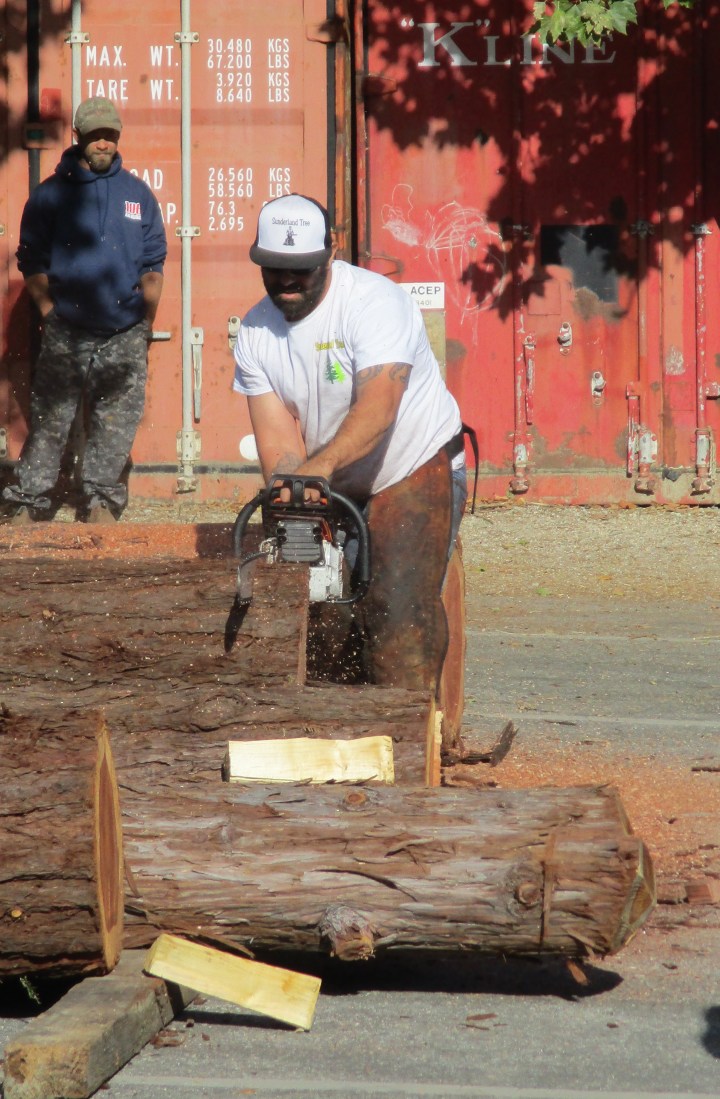 Personal Protective Equipment. That is what PPE is for. Acronyms can be so vague. PPE could be for Purple People Eater for all we know. That movie just happened to be released to cinema at the end of 1988, just a few months after my summer internship with an exemplary crew of arborists who instructed be about the importance of PPE. I am glad to have missed the movie.
 Do we really know the differences between watersprouts and suckers? It seems simple enough. The definitions of each should be rather distinct.

 Where I lived in town, the backyard was surrounded on three sides by fences, with the house on the only unfenced fourth side. These were the sort of fences that were common in suburban neighborhoods. They kept children and dogs in or out of adjacent gardens, and probably provided some sense of privacy, although I never understood why we all needed such privacy there.
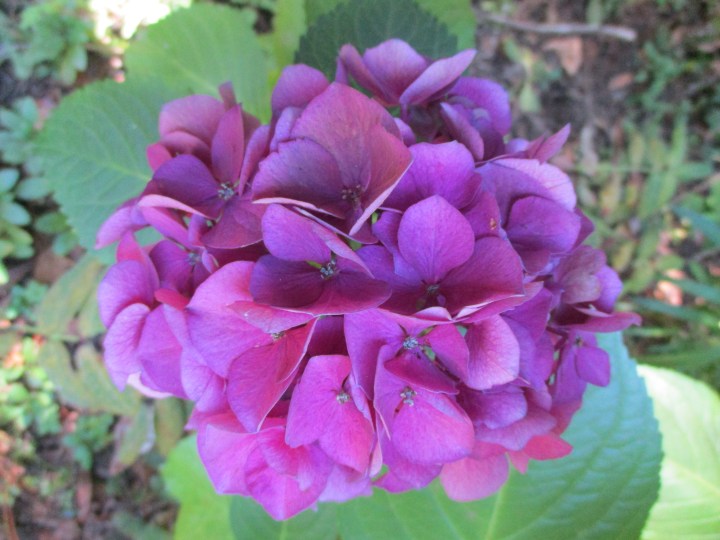 Bearded iris can bloom in almost any color. It is expected of them. There is not much they can do to surprise us.
 Tony Tomeo