 Mathematically, division is the opposite of multiplication. Horticulturally, they are the same. Digging and splitting overgrown perennials to propagate them is known as ‘division’ because it divides many rooted stems or rhizomes of one plant into many new plants. Division is a form of propagation; and propagation is commonly known as multiplication. So, we divide plants to multiply them.
Autumn is generally the best time for panting. It is after most of the warmest and driest weather, and just before the cool and rainy weather that keeps newly planted plants from getting too dry. It seems obvious that autumn would also be the best time for division. However, a few perennials that are dormant or mostly dormant by the middle of summer can be divided now for an early start.
Bearded iris may not look dormant with their leaves still green, but they are about as dormant now as they will get. If divided now and allowed to slowly disperse roots through the remainder of summer, they can prioritize the production of new foliage when they come out of dormancy in autumn, like they would do naturally. Like many perennials in mild climates, they grow through winter.
Once dug, the plump rhizomes need to be separated from the old shriveled rhizomes that they grew from. For most, the best segments of rhizome are between the leafy tips and the stalks of the flowers that bloomed earlier this year, although it may not be easy to see where floral stalks were attached. The older sections of rhizome behind the flower stems are probably shriveled already.
The freshly divided segments of rhizome should then be groomed of deteriorating old leaves. Remaining green leaves can be cut in half to remove drying tips. Rhizomes then get replanted just below the surface, with the perpendicular fans of foliage standing upright. The main difficulty with dividing iris now is that they will need to be watered until the rain starts late in autumn. Bergenia, lily-of-the-Nile and a variety of perennials with big rhizomes get divided in a similar manner.
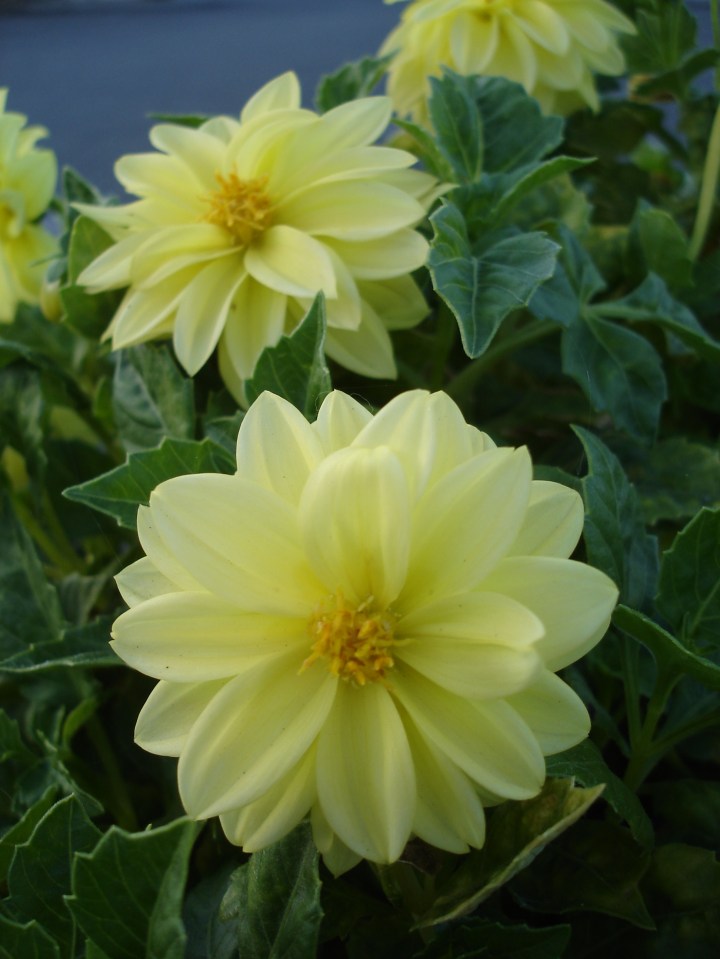 Annuals come and annuals go. There are cool season annuals for winter. There are warm season annuals for summer. Really though, there are all sorts of annuals that are not annuals at all. Most are some sort of perennial that has the potential to last longer than a single season. Only a few popular ‘annuals’ would necessarily die after blooming and producing seed, within a single year.
 Tony Tomeo