Sunday Best – Pale Pink Miniature Rose


As mentioned last week, I got pictures of the roses that were in bud at the time, in bloom now. It will be autumn on Monday, though, and cool season annuals are replacing warm season annuals.
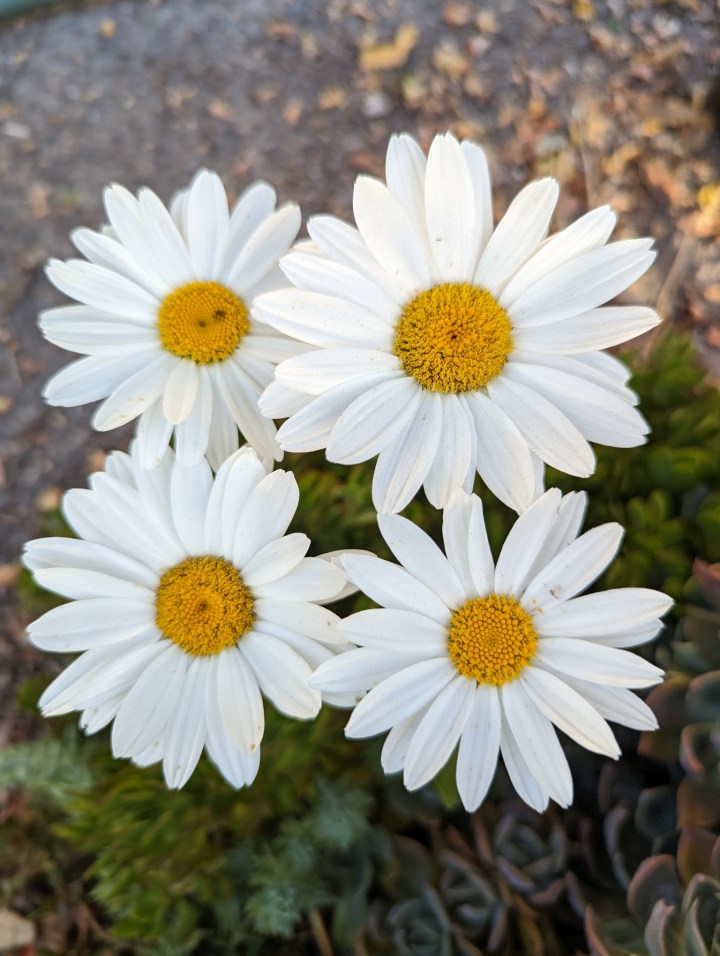
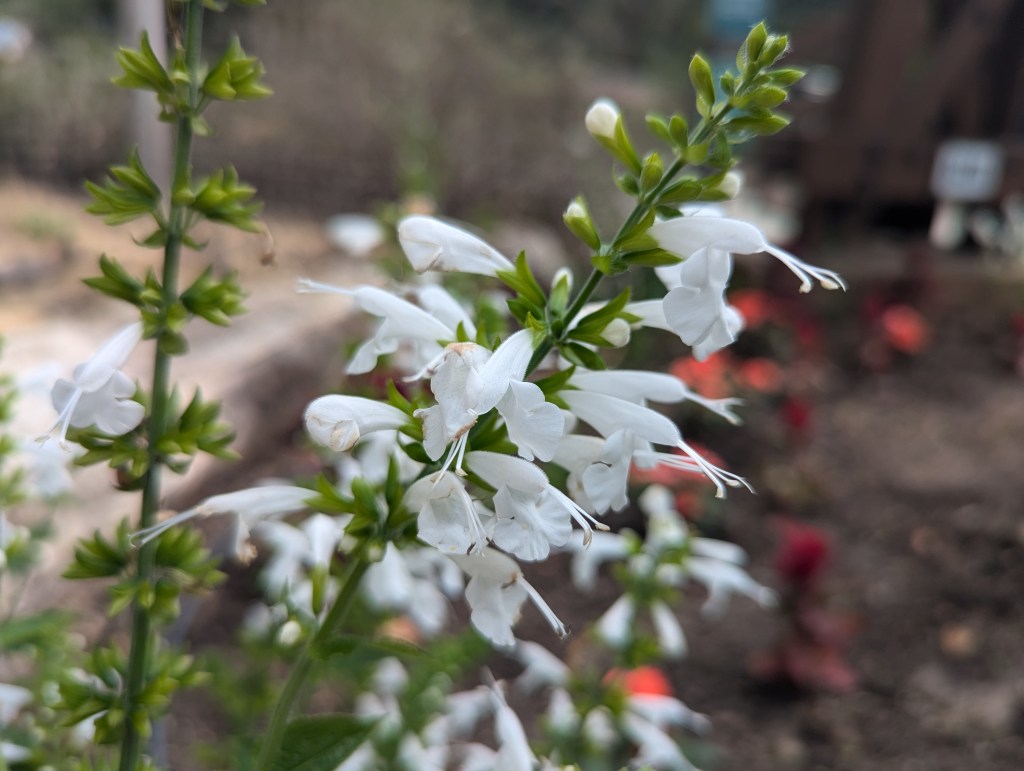
1. Unidentified Salvia was added to one of the landscapes by someone who was here for the summer, just prior to his departure. Now, I have no idea what it is. I could ask, but I feel that I should recognize it, or at least be able to identify it. I like its pure white bloom.

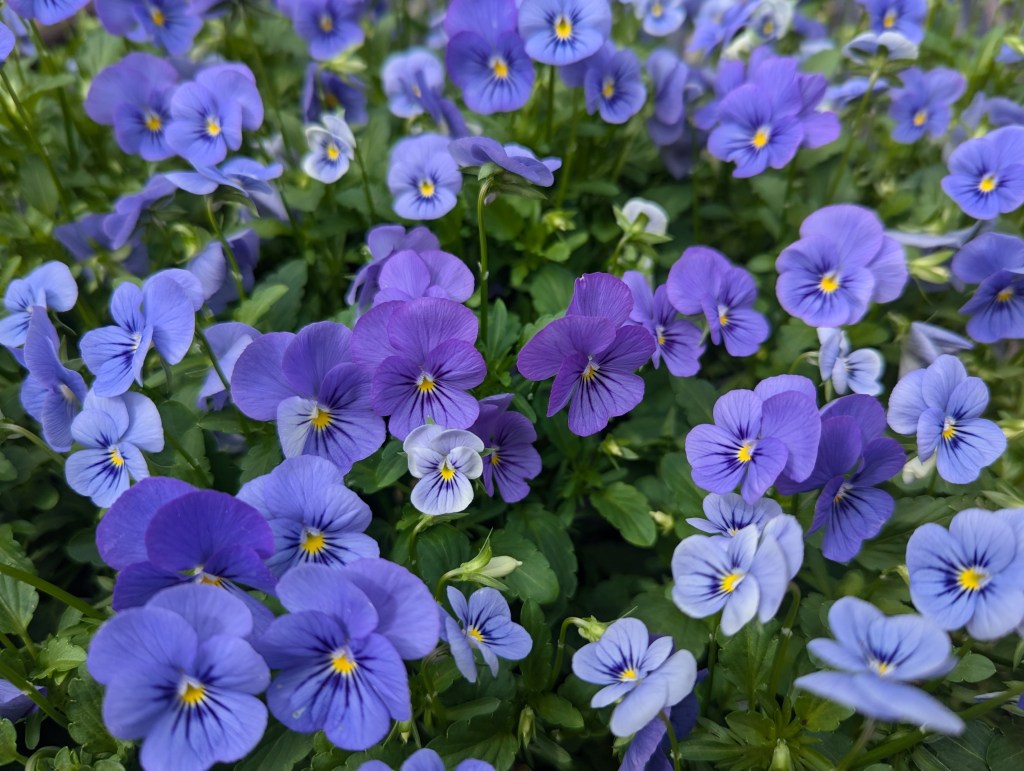
2. Viola is now in season, whether or not it seems as if it should be. We must rely on the date as much as the weather. While the weather suggests that it is still summer, the date insists that Monday will be autumn. These viola will be safe with several days of warmth.

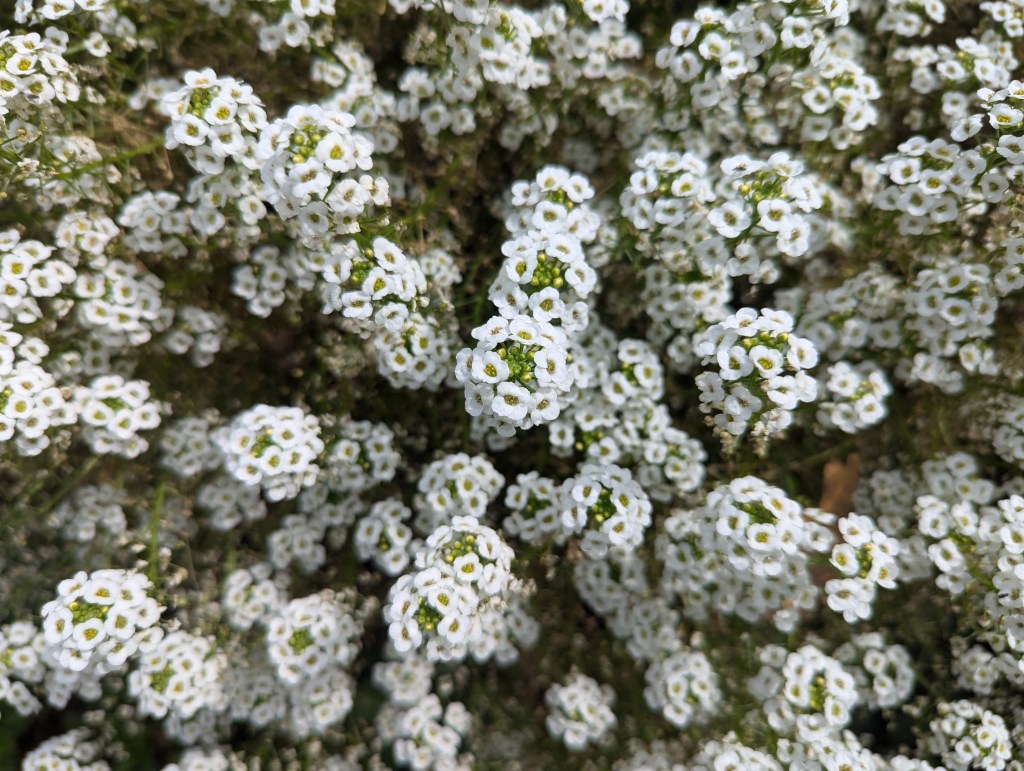
3. Lobularia maritima, alyssum makes the transition from warm season annuals to cool season annuals difficult. It is still too pretty to remove. Technically, it could perform as a short term perennial until individual plants get too old. By that time, it can reseed itself.

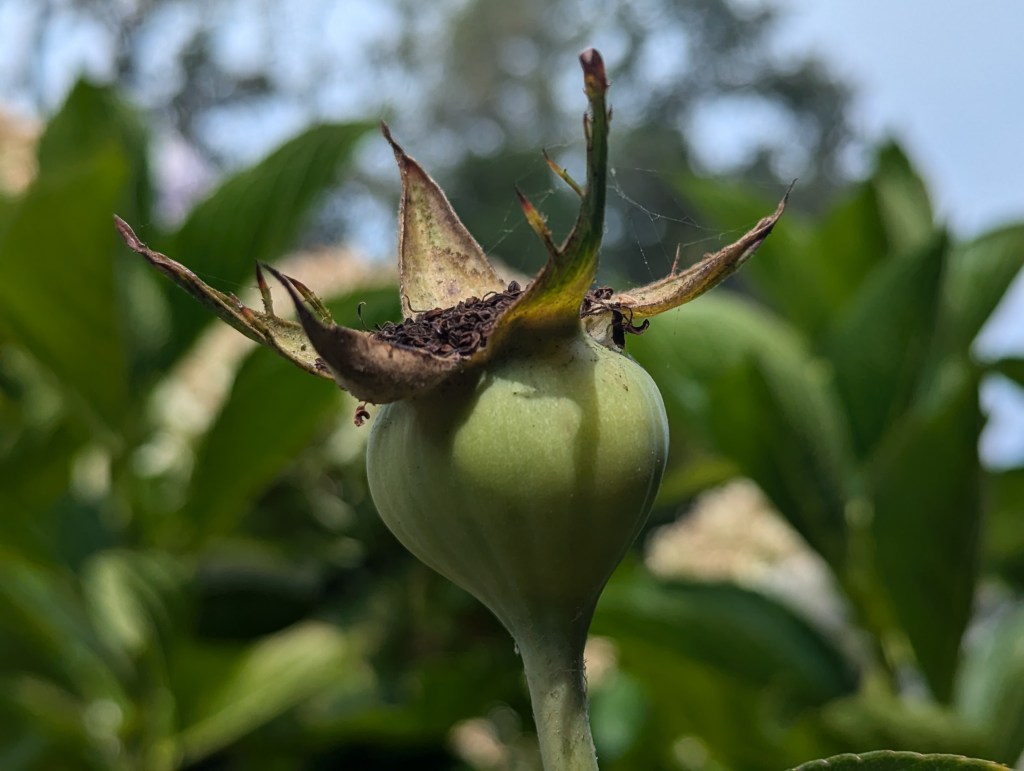
4. Rosa spp. of an unidentified cultivar produced a few notably plump rose hips like this to remind me that I have been negligent with deadheading. Now that subsequent bloom is unlikely, I could leave them to ripen. However, the new roses are continuing to bloom.

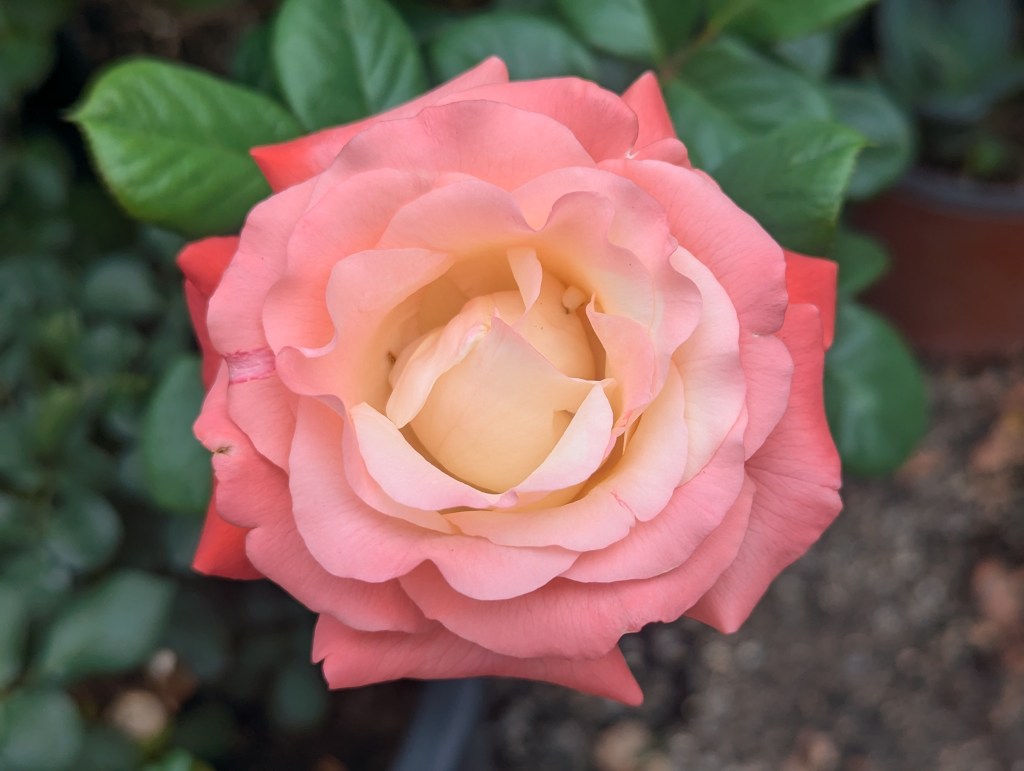
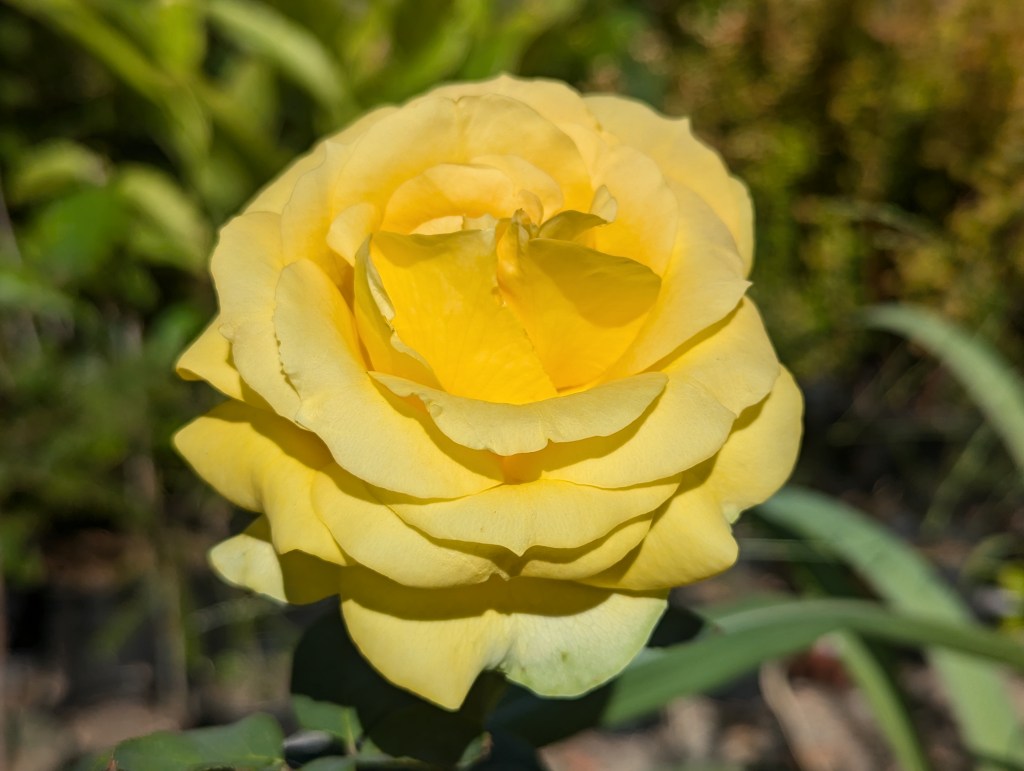
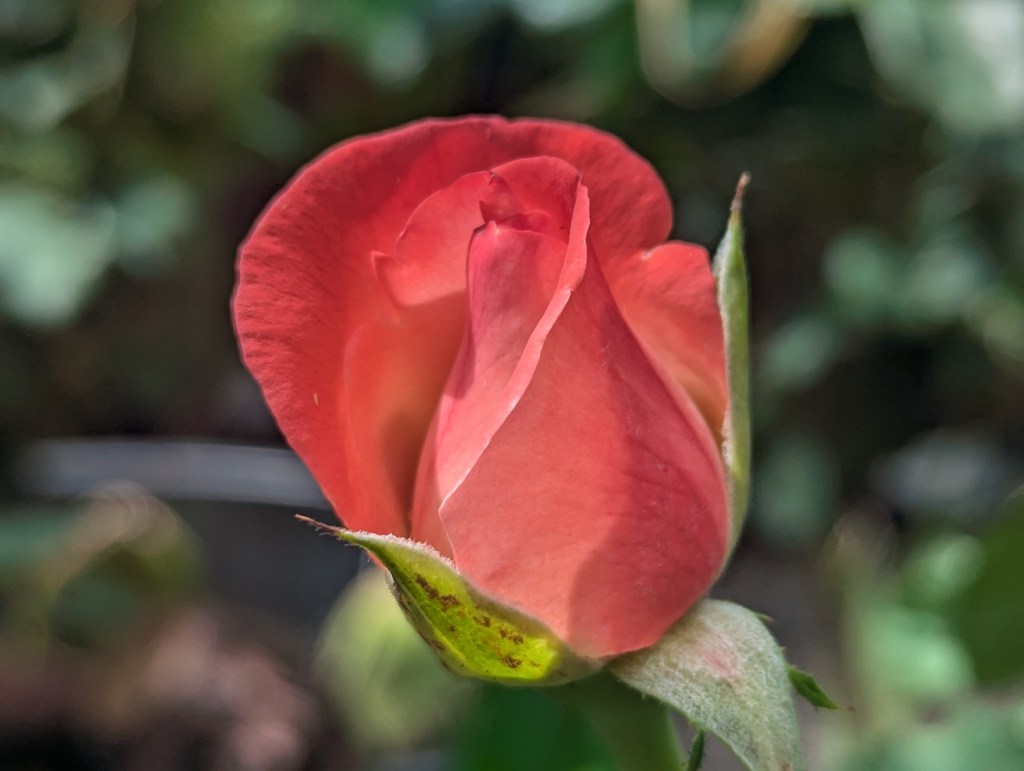
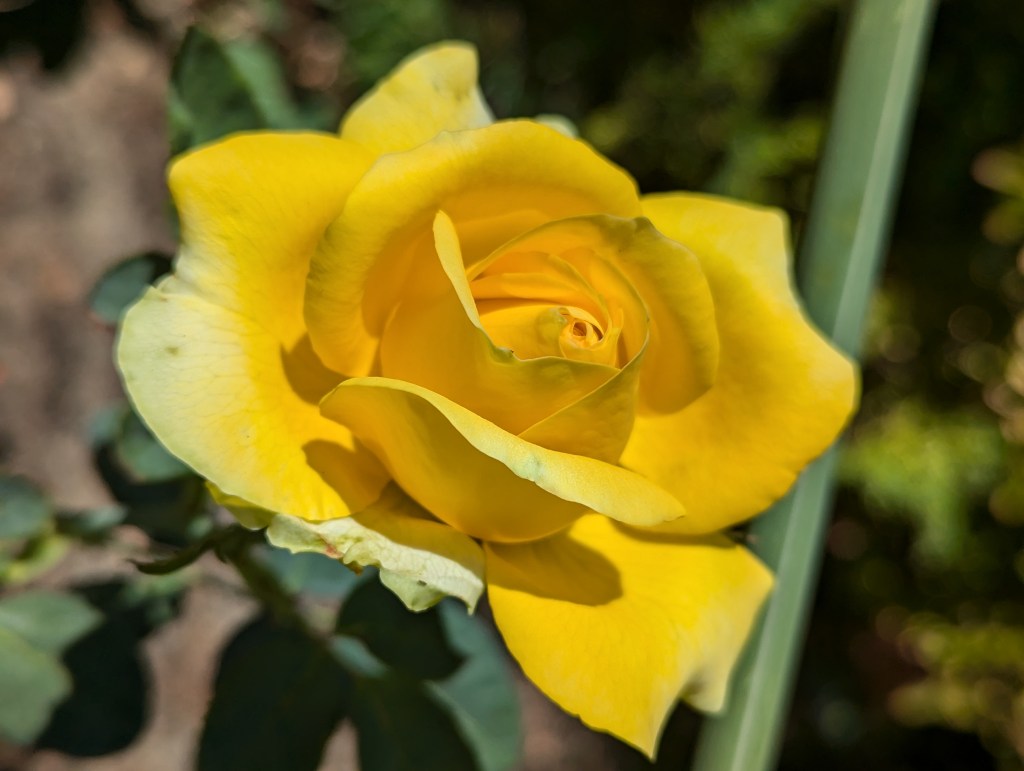
5. Rosa ‘Sheer Magic’ rose is one of the new roses that surprisingly bloomed after brutal and unseasonable relocation. This is the same flower that I posted a picture of while still in bud last week. A few more floral buds continue to develop but will lack time to bloom.

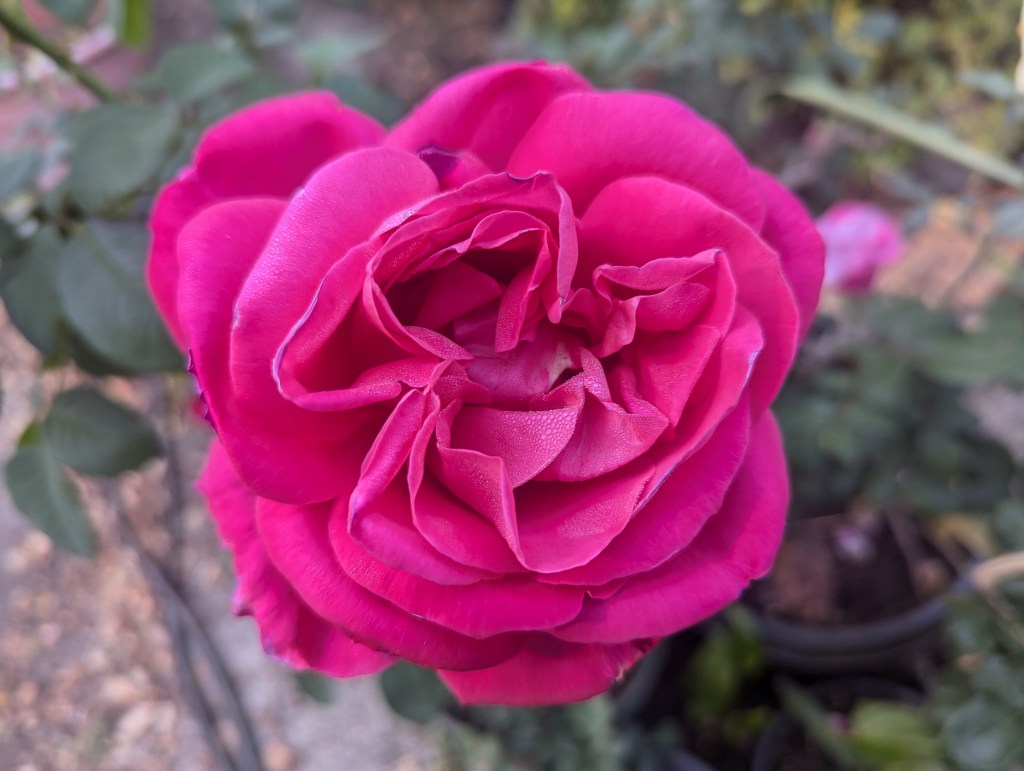
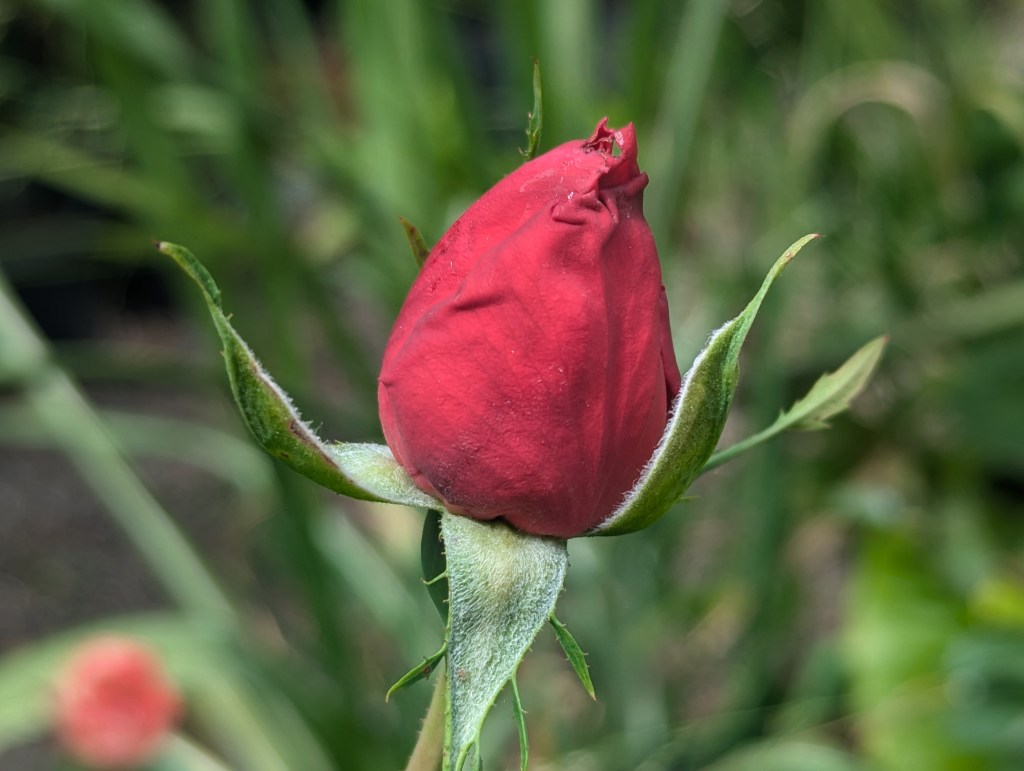
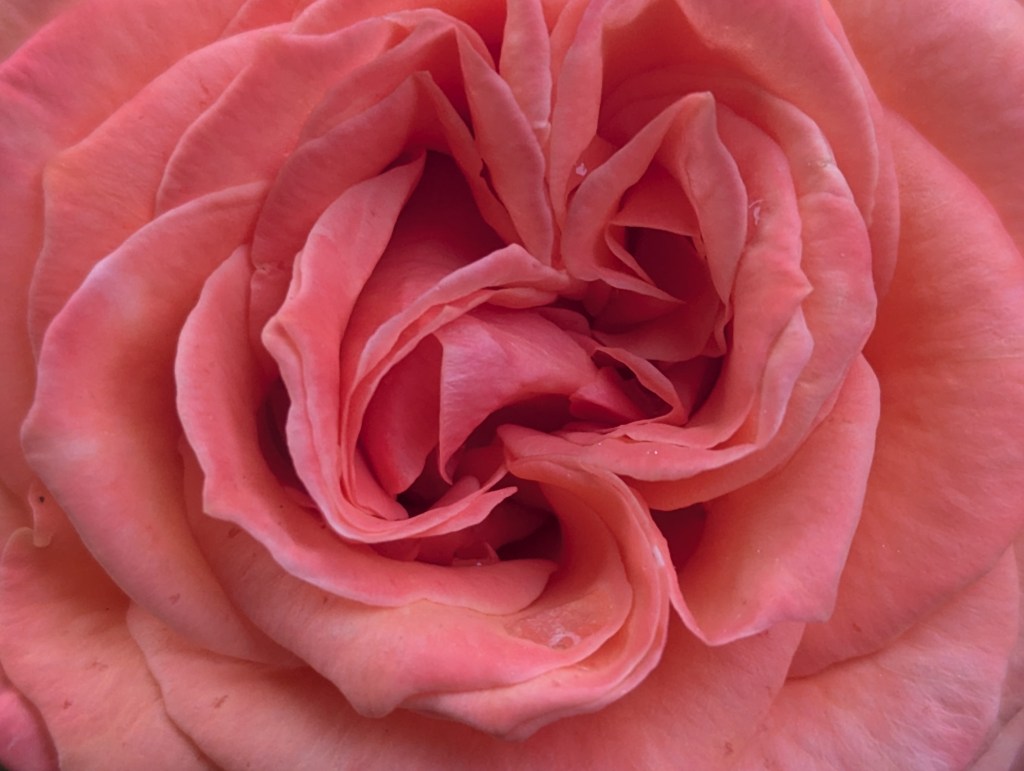
6. Rosa spp. of an unidentified cultivar is another of the new roses. This is also the same flower that I posted a picture of while still in bud last week. I have reason to believe that this rose is ‘Chrysler Imperial’, which should be red, but very often blooms reddish pink.

This is the link for Six on Saturday, for anyone else who would like to participate: https://thepropagatorblog.wordpress.com/2017/09/18/six-on-saturday-a-participant-guide/
Again, it makes sense at the end.
1. Rain dampened the landscapes for the first time since last spring. It was not much and did not last for long, but was fun while it lasted. Actually, it was barely more than drizzle and made only a few tiny and grungy puddles. Pavement had not been rinsed in months.

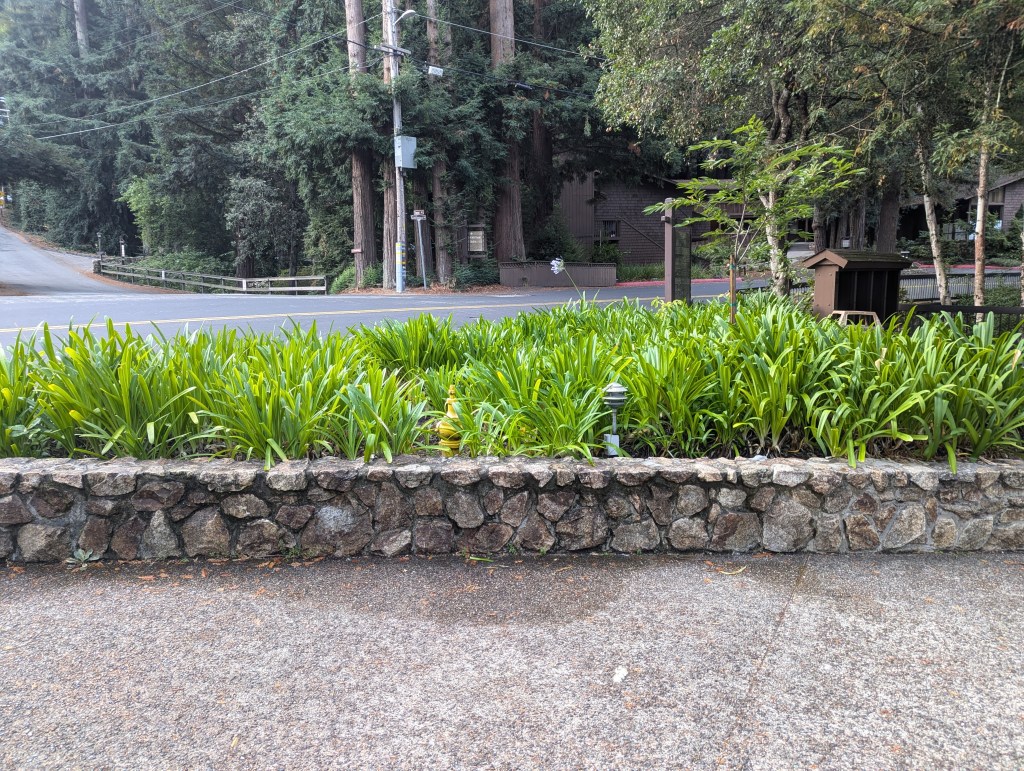
2. Agapanthus orientalis, lily of the Nile confirms the end of summer by finishing bloom and necessitating deadheading. One last bloom looks silly and lonely at the center of this big colony. It may be cheap and common, but lily of the Nile happily blooms for months.

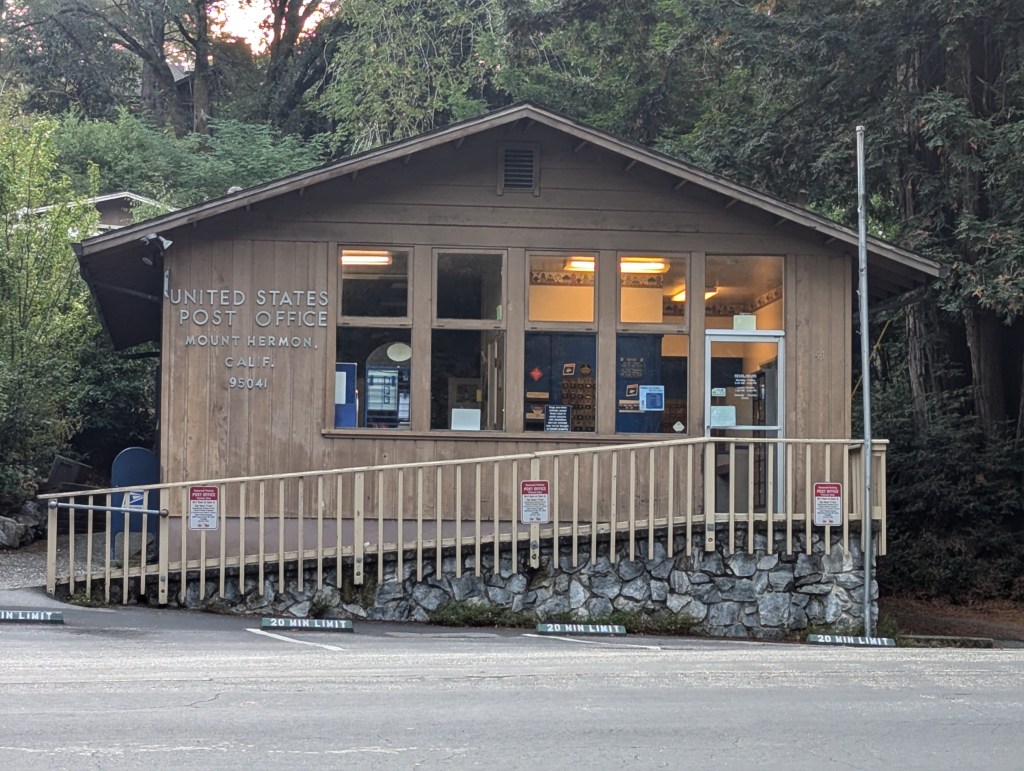
3. Pelargonium X hortorum, zonal geranium has left the building. The Post Office looks better without its shabby planter boxes that were so predictably bashed by parking cars. Some believe that we must replace them with other prominent potted plants. I disagree.

4. Rosa ‘Sheer Magic’ rose was actually labeled as such. I misidentified another rose that was blooming last week as such because I thought that it looked about right. I found the label afterward. This is the only one of four recycled roses that retained its original label.

5. Rosa, rose is one of the other three recycled roses that did not retain its original label. It looks as if it is about to bloom red. Perhaps I will get a picture of it for next week. Any color would be nice from roses that were not expected to survive an untimely relocation.

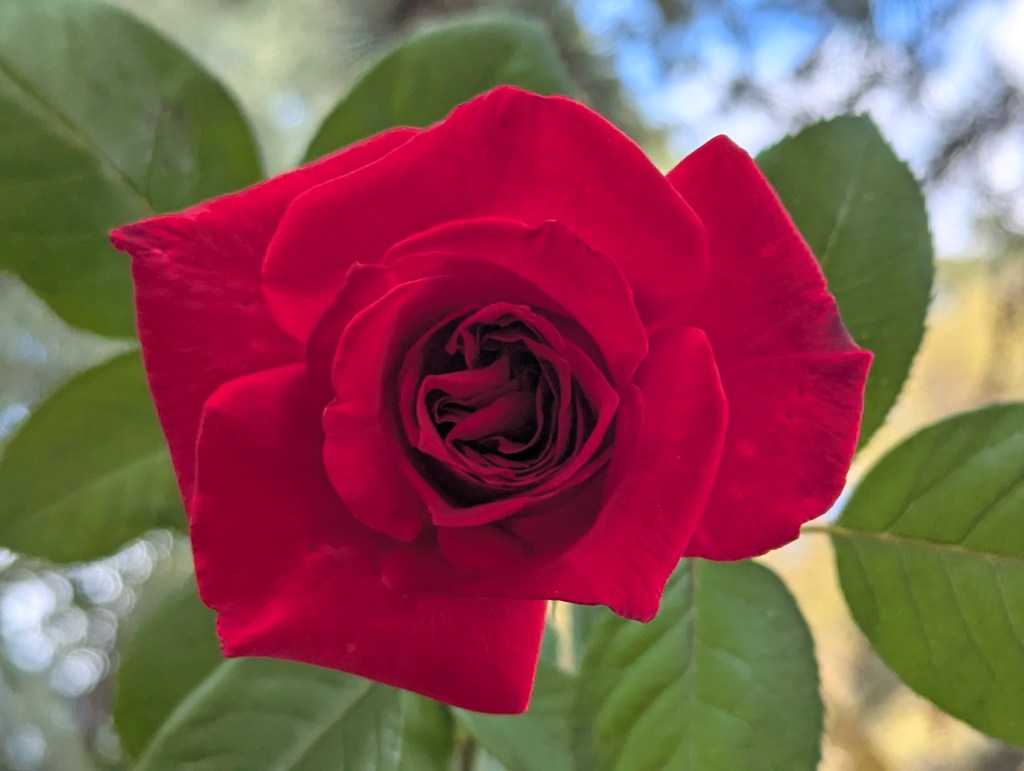
6. Rosa ‘Proud Land’ rose is not one of the four relocated roses, but is from my own rose garden. It was too pretty to not show off. I planted it with two others in about the winter of 1984 or 1985. Although I did not choose it, ‘Proud Land’ is likely my favorite red rose.

This is the link for Six on Saturday, for anyone else who would like to participate: https://thepropagatorblog.wordpress.com/2017/09/18/six-on-saturday-a-participant-guide/
It will make more sense at the end.
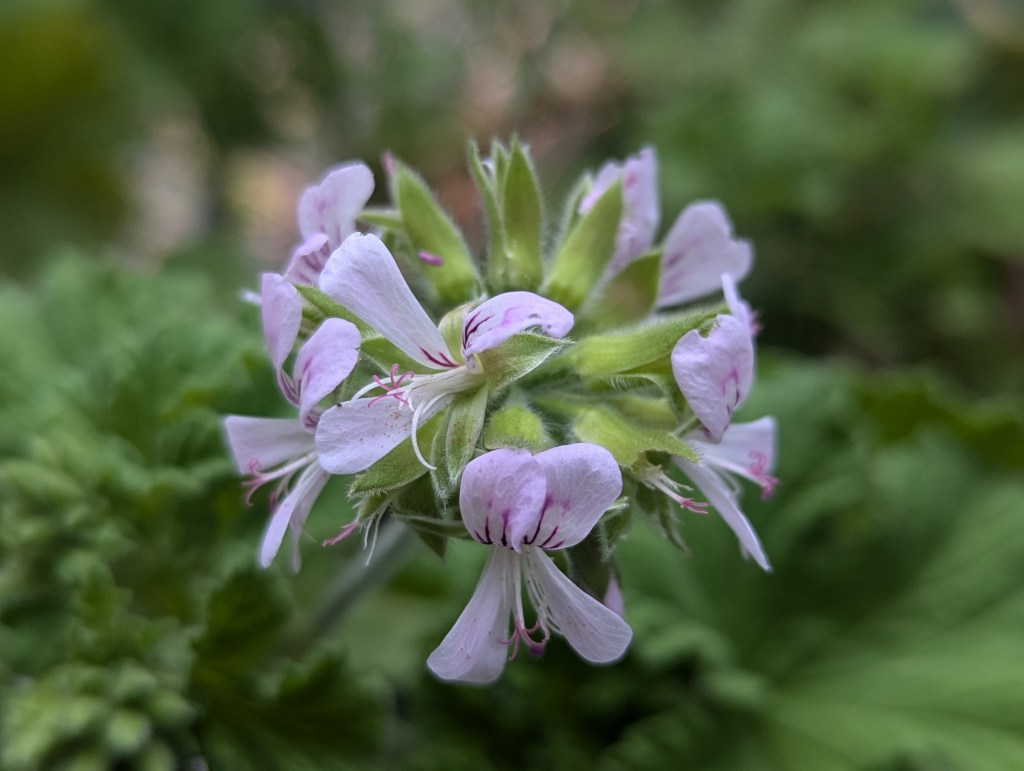
1. Pelargonium citrosum, citronella, like the scented geranium that I featured last week, is one of three scented geraniums here that technically remains unidentified. This name is merely a guess. It is most aromatic, but its bloom is not as pretty as that of the others.

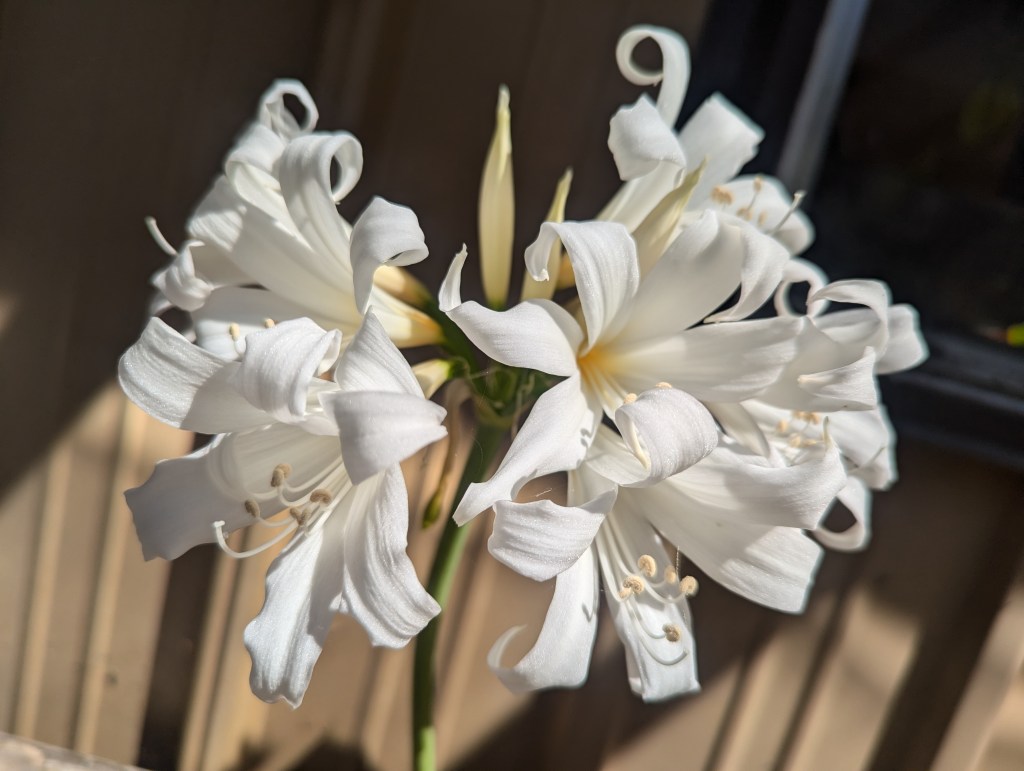
2. Amaryllis belladonna, naked lady is not so cliche or mundane with white bloom. I am so fond of these that I separated their bulbs for relocation to a distinct colony, as well as my home garden. There are not many, so it will be a while before there are any to share.

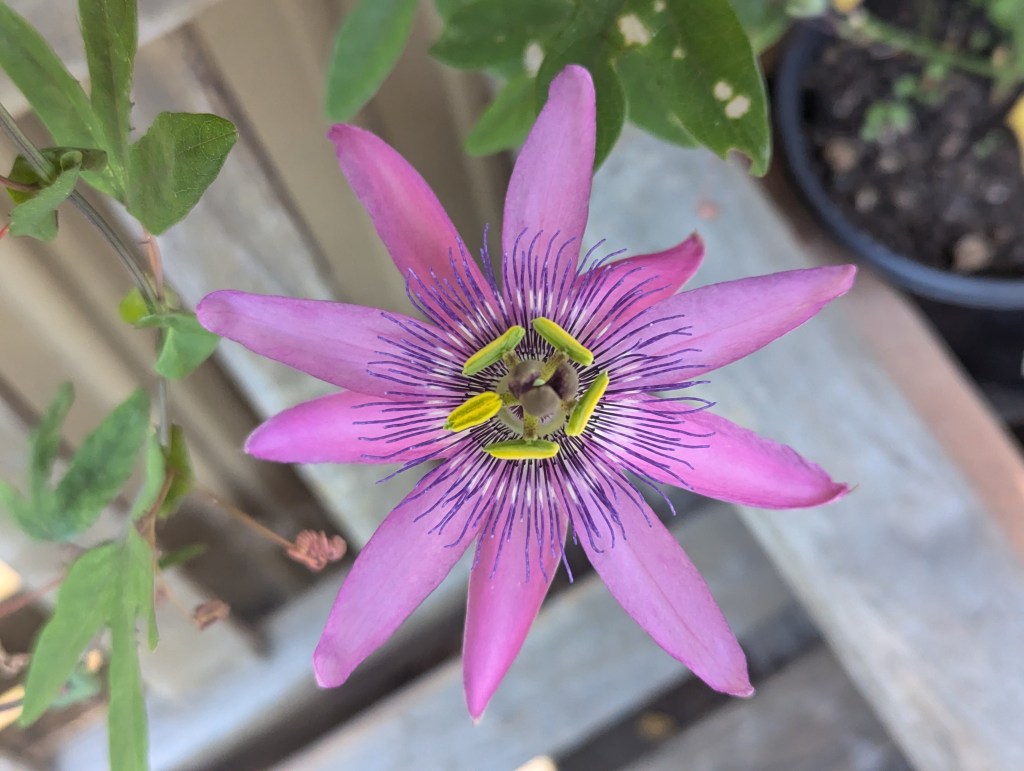
3. Passiflora edulis, passion fruit vine blooms nicely, but with perpetually shabby foliage and clingy tendrils. Its flowers are really more purplish than this one seems to be in this picture. I have no idea what cultivar this is or even if I like it, but I want to see if it fruits.

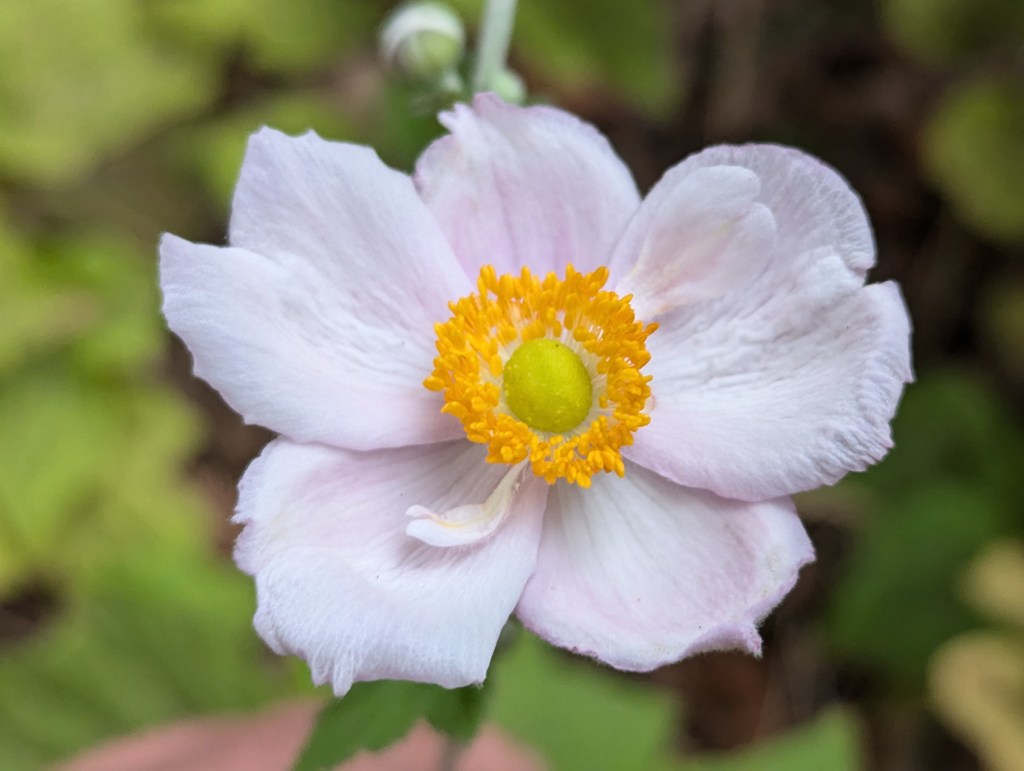
4. Anemone hupehensis, Japanese anemone does not bloom quite as white as it seems to be in this picture. It is not exactly blushed with pink either. It is just dingy. I know that a few happier pups in more favorable conditions will eventually bloom more impressively.

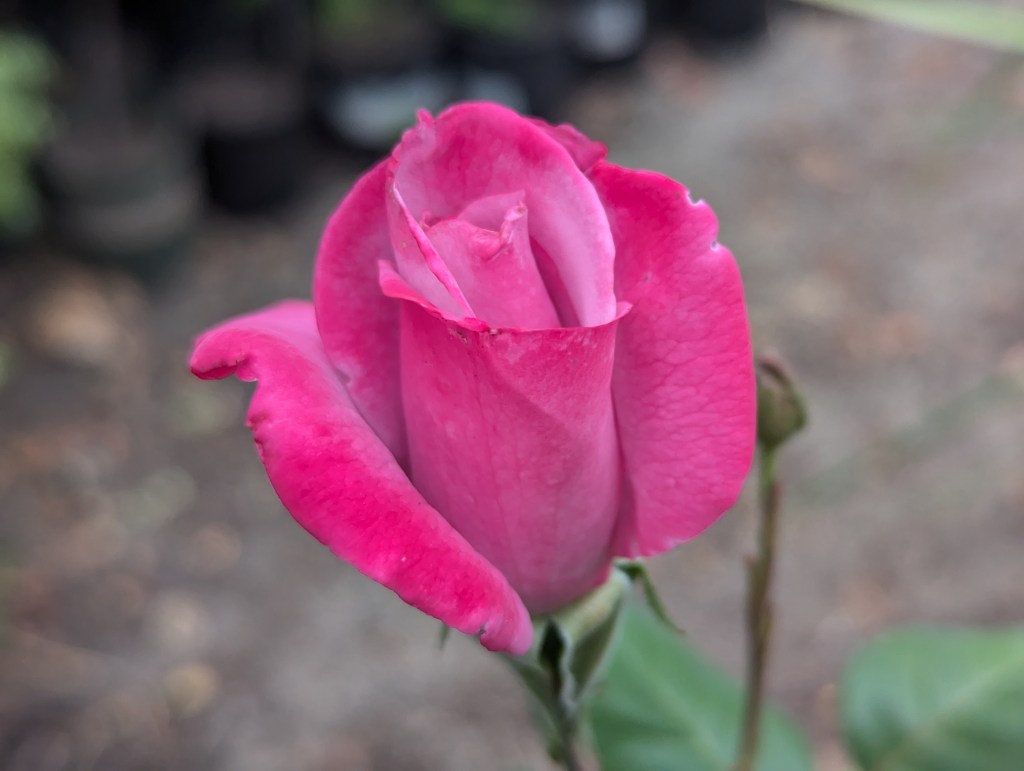
5. Rosa spp., rose might not look like much to brag about, but is blooming like this after getting hacked back and removed from its original garden during the middle of summer. Its survival alone is impressive. Its bloom is even more impressive. It is not the only one.

6. Rosa spp., rose is one of the others. A third has floral buds that will likely bloom prior to next Saturday. There are four altogether, so only one is not trying to bloom yet. One is ‘Sheer Magic’, perhaps the pink one above. The other three lack identification otherwise.

This is the link for Six on Saturday, for anyone else who would like to participate: https://thepropagatorblog.wordpress.com/2017/09/18/six-on-saturday-a-participant-guide/
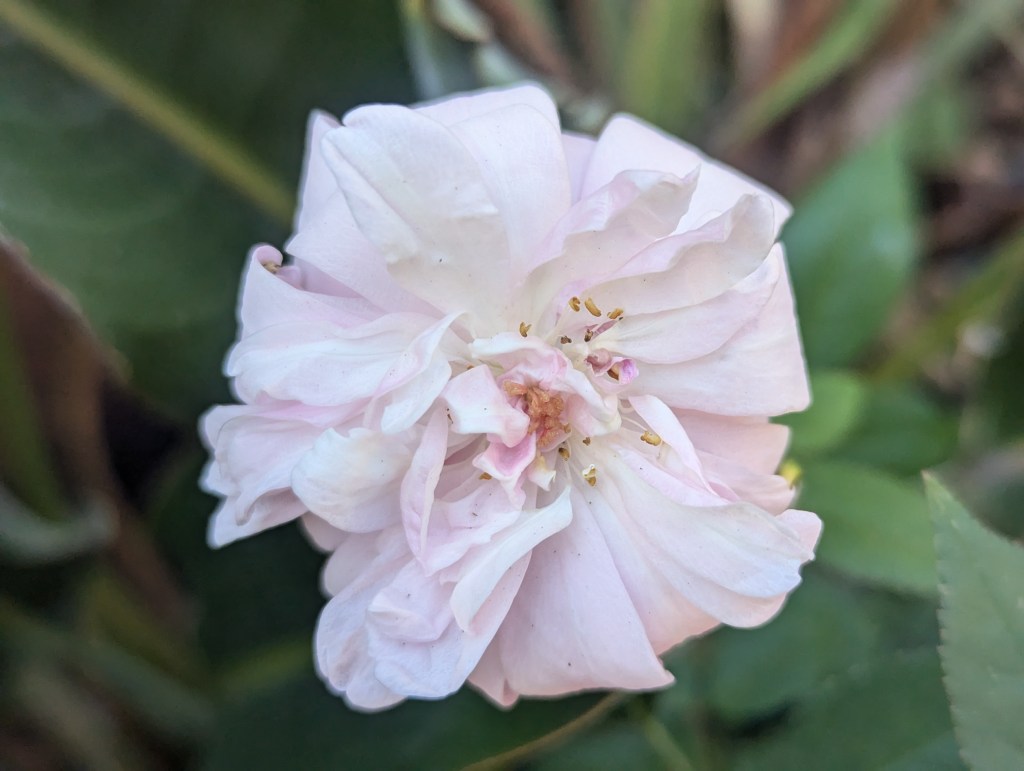
White is my favorite color. It is not the best color for all flowers, but it is the only color that I allow within the White Garden, which is really just the meager landscape of the Mount Hermon Memorial Chapel. Creamy white, such as white nasturtium and white canna, are not white enough. I am adamant about this. After replacing a few blue lily of the Nile with a white hydrangea, I needed to remove the hydrangea as it began to bloom with a slight pinkish blush. About that time, two winters ago, we added a white climbing rose. It was a perfect fit, and produced a straight cane that extended from the top of an original cane to the eave during its first summer. Because it was still young and small, it bloomed mildly but sufficiently. More importantly, it bloomed white. It got pruned over winter. Now that it is a bit larger, it is blooming a bit more fuller. However, it no longer seems to be blooming pure white! Young flowers unfurl with a creamy pale yellow blush before fading to white. It is too pretty to remove, especially without a replacement. This could become a major dilemma!


(This article is recycled from many years ago, so contains outdated information.)
Spring in Guadalupe Gardens on April 23 is the big local gardening event of the Santa Clara Valley! Not only will it be within Guadalupe Park, surrounded by the various Guadalupe Gardens, but Spring in Guadalupe Gardens gathers together an impressive variety of local gardening clubs and vendors. There will be workshops, lectures, trail walks and garden tours, as well as fun activities for children, music and entertainment.
The Heritage Rose Garden, which is the most extensive public collection in the United States of America, designed for the preservation of the ancestors of modern roses, will be in full bloom. The Historic Orchard is a tree museum of the many fruit and nut trees that inhabited the vast orchards that once filled the Santa Clara Valley; many of which can be productive in modern suburban gardens.
Representatives of many local gardening clubs will be at Spring in Guadalupe Gardens, with information about their respective expertise, as well as membership. The John E. Stowell Dahlia Society, the American Fuchsia Society and the Master Gardeners of Santa Clara County will all be there, to name a few. I will be at the Gardening Advice Booth throughout the event, to discuss any gardening issues and questions.
When I can get away from the Gardening Advice Booth, I like to see what I can purchase from the many vendors. There will be more than forty. Most of my fuchsias, and some of my aloes and cacti were obtained at Spring in Guadalupe Gardens. It is common to find many uncommon tomato plants and roses. There will also be garden art and paraphernalia. The Master Composters of Santa Clara County will be giving away free compost. One never knows what to expect at Spring in Guadalupe Gardens.
Earth Care Recycling will again host a free electronic waste drop off at the Visitor and Education Center, to collect all sorts of computer components, televisions, stereos, fax machines and telephones. Proceeds benefit the Guadalupe River Park Conservancy.
Spring in Guadalupe Gardens will be from 10:00 a.m. to 3:00 p.m. this April 23, just north of the Guadalupe Gardens Visitor and Education Center, which is located at 438 Coleman Avenue in San Jose. Admission and parking are free. Just follow the signs from Coleman Avenue or East Taylor Street. More information about Spring in Guadalupe Gardens can be found at www.grpg.org or by telephoning 298 7657.

Gardening is dynamic. It must adapt as each season becomes the next. Autumn became winter. Then, suddenly, the Christmas Season became bare root season. Cut Christmas trees that did not sell became green waste. Formerly expensive live Christmas trees that did not sell became bargains. They must relinquish their spaces for fresh bare root stock.
The chronology could not be better. Christmas trees are seasonable while not much else is. Their season abruptly ends precisely as bare root season begins. Bare root season is contingent on the winter dormancy of all associated bare root stock. While dormant, such stock is unaware of what is happening. Otherwise, it would not survive such techniques.
Bare root stock grows in the ground on farms. The roots become bare by separation from their soil during winter dormancy. They should be comfortable within the soil of their new gardens before dormancy ends. They disperse new roots into their new gardens as they resume growth after dormancy. Therefore, transition from farm to garden should be quick.
Some bare root stock arrives by parcel delivery with damply wrapped and bagged roots. More is available from nurseries, with its roots relaxing within damp sand until purchase. Some is available within individual bags of damp sawdust. Most bare root stock benefits from generally minor trimming or grooming. All benefits from prompt and proper planting.
Bare root season is the best time to procure and install several types of plants. Bare root stock is significantly less expensive than canned stock. It is also much less cumbersome to bring home from nurseries. Because bare roots were never confined within cans, they disperse more efficiently. Formerly canned root systems must recover from confinement.
Deciduous fruit trees and roses are the most popular bare root plants. More cultivars are available during bare root season than as canned nursery stock later. Several deciduous but fruitless trees, vines and shrubs are also available. So are a few types of berries and perennials, like rhubarb, asparagus and artichoke. Bare root season finishes with winter.