
Sunday Best – Yellow Rose

Local retail nurseries can sell more varieties of more types of plants than anyone needs. That which is unavailable from one nursery is likely available from another. That which is unavailable from any local nursery might not perform well locally. There really should be no need for catalog or online shopping. Of course, many garden enthusiasts would differ.
Catalog shopping, whether from a printed catalog or online, affords many more options. Such catalogs are from specialty nurseries that specialize in particular plants. They lack in selection of different types of plants, but excel at their particular specialties. Therefore, they can sell more varieties of their type of plant. They do not need to stay open all year.
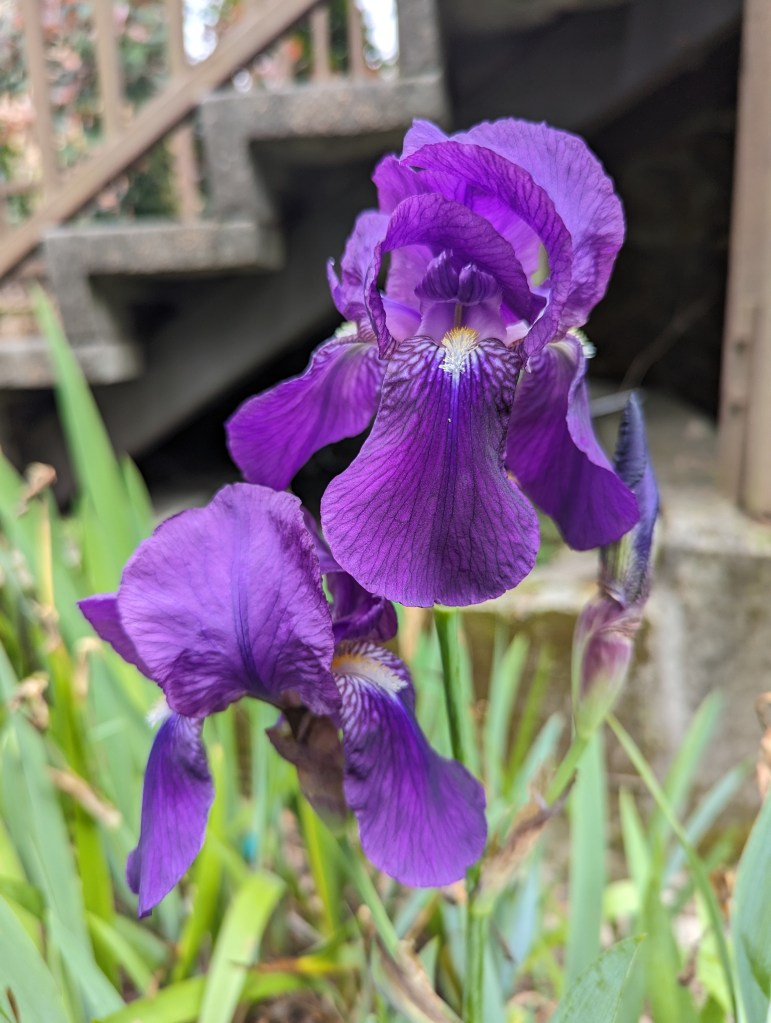
Exline Iris Garden, for example, grows and sells only iris. Their catalog features nothing else. However, it does feature 1,231 cultivars of iris! Most retail nurseries that market iris can not provide one percent of that. Exline Iris Garden accepts orders only from January to early September. Such orders go out for delivery only from July until early September.
This delivery date range conforms to the dormancy cycles of the iris rhizomes. Similarly, delivery of bare root fruit trees and roses occurs only during bare root season. Delivery of bulbs also happens while such bulbs are dormant. Some plants, particularly evergreens, can be ready for delivery at any time of year. Their roots may be contained in potting soil.
Other restrictions may apply. Some plants are unavailable for import into California from other states. They may have potential to become invasive or transmit disease. Citrus, for example, can transmit disease. Therefore, it is unavailable for import. Some plants might be dissatisfied with local climates. Peonies are not recommended locally for that reason.
Seed has fewer, if any restrictions. Most is cleaned so that it should not transmit disease. Seed for the most invasive plants is mostly unavailable. Seed are much less perishable than other plant items, which facilitates delivery. Each seed catalog features more variety than any garden can accommodate. Nowadays, almost every print catalog is also online.
Roses are in season and blooming now.
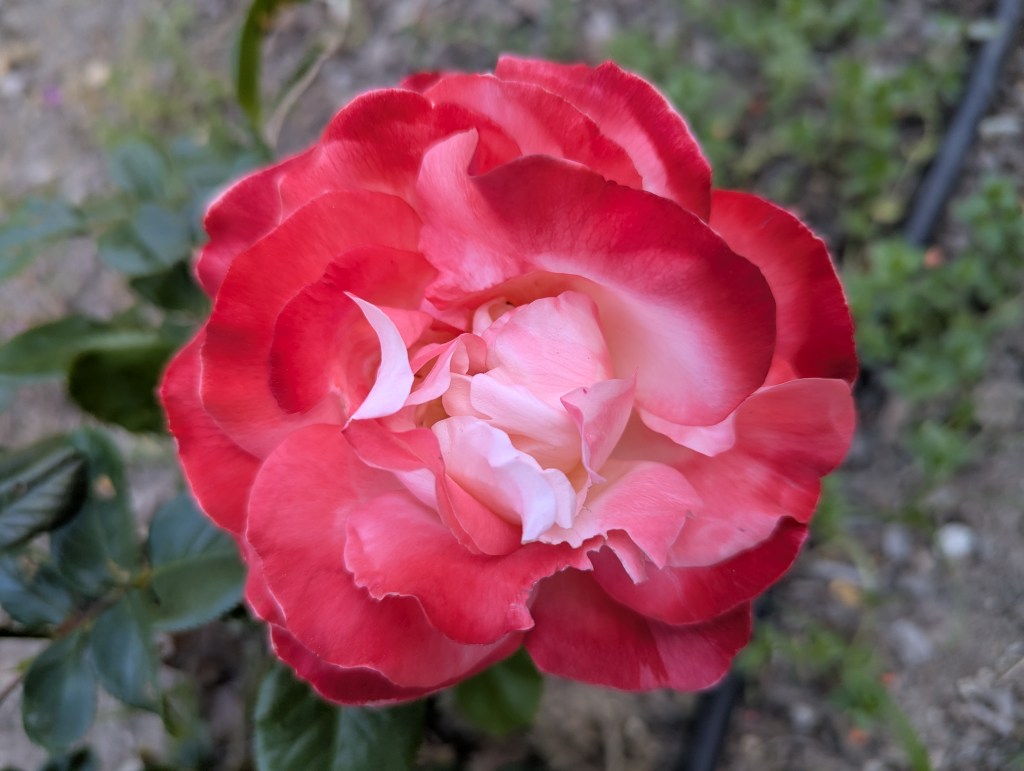
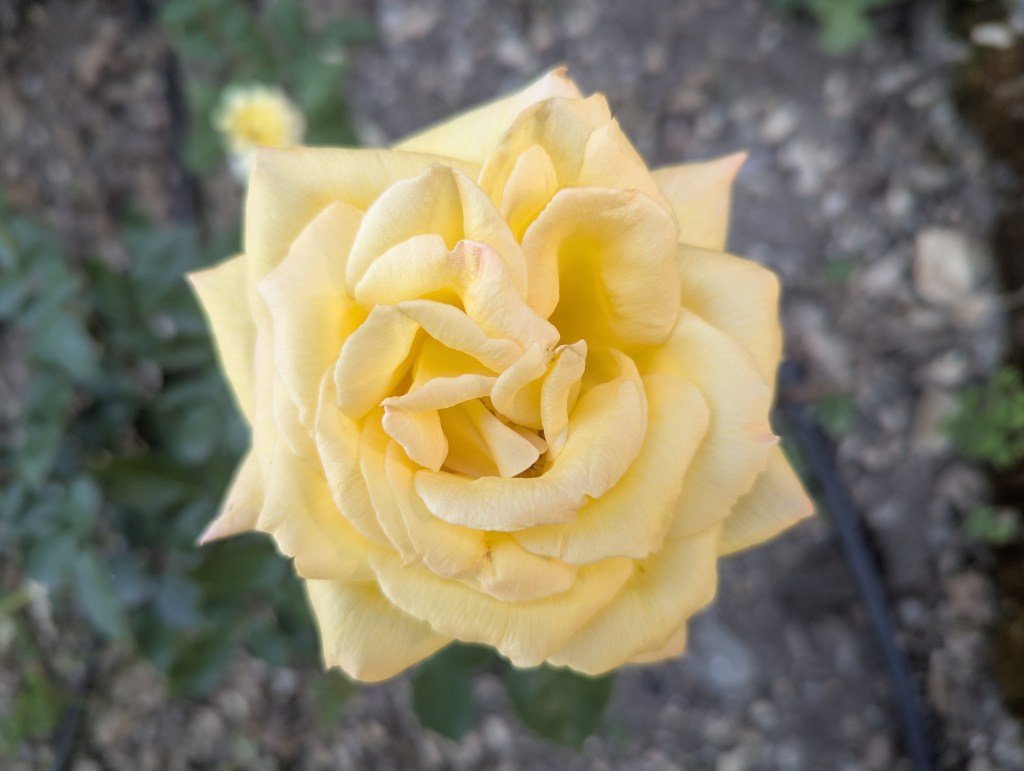
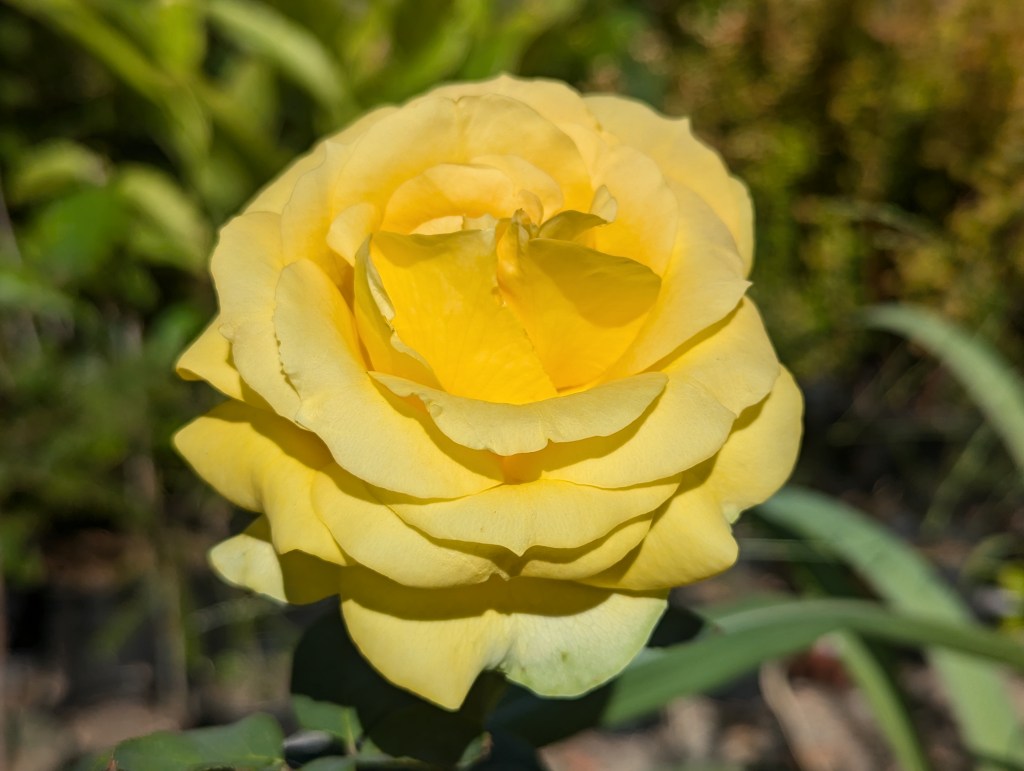
1. Color seems to be somewhat deficient with this first and the last of these Six. This rose is actually more butterscotch colored than pale yellow. It is probably the best performer.
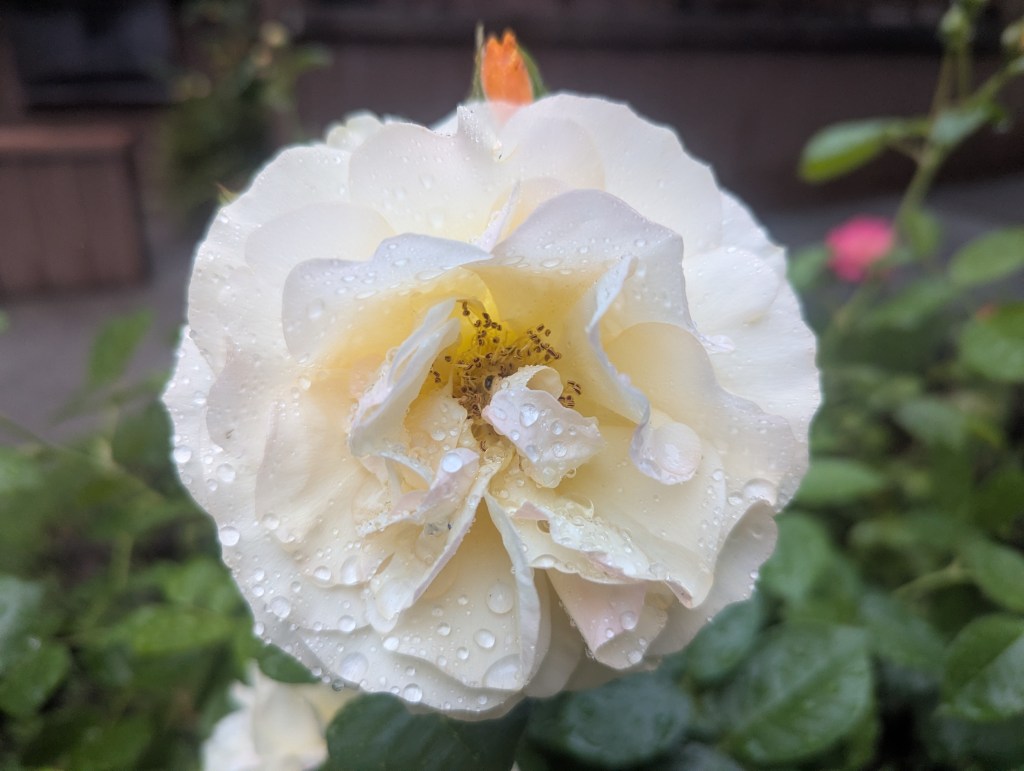
2. This rose might be ‘Double Delight’. It looks like it at times, and is nicely fragrant. It is unfortunately the least florific, though. It may not bloom for the second half of summer.
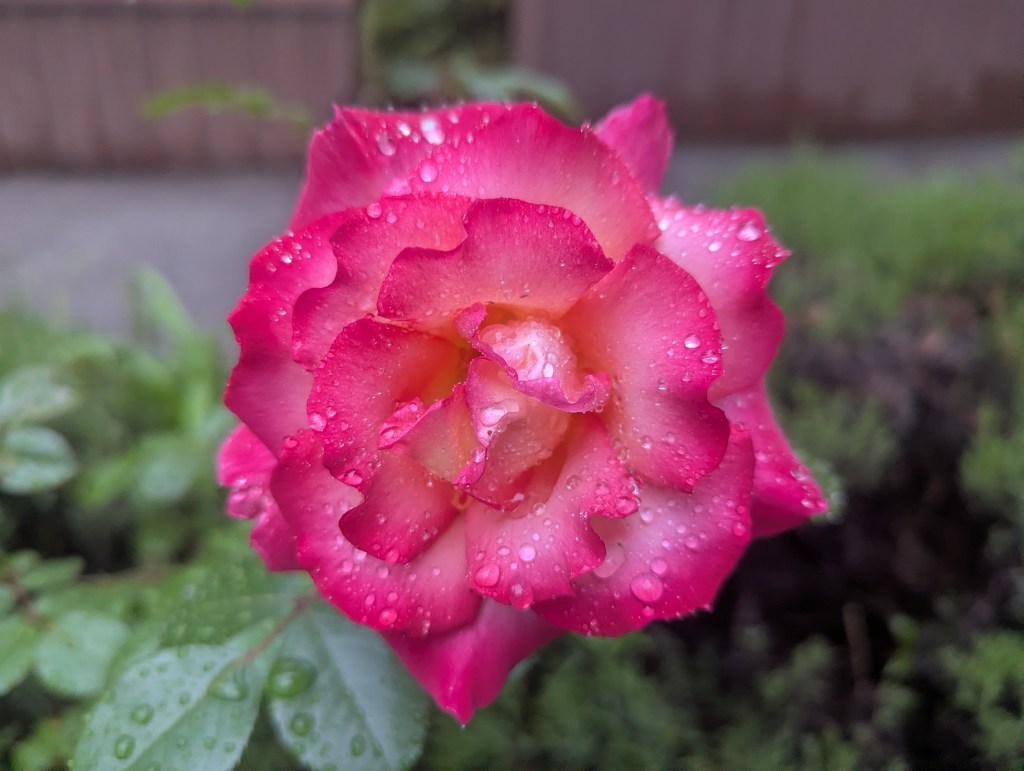
3. Deer have access to these next four roses, so occasionally eat the buds before they can bloom. We appreciate what we can get when we get it. This one seems to be a floribunda.
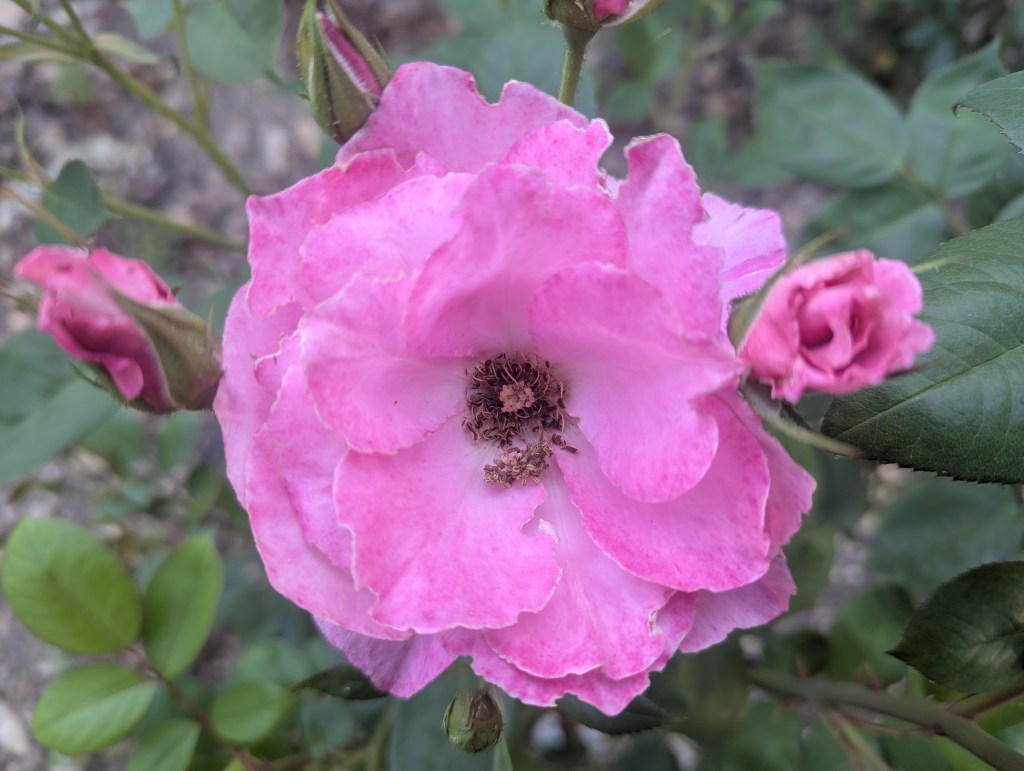
4. Yellow is not a common color within our landscapes. This is the only rose that is plain yellow, and is not in a prominent situation. It is still recovering from relocation last year.
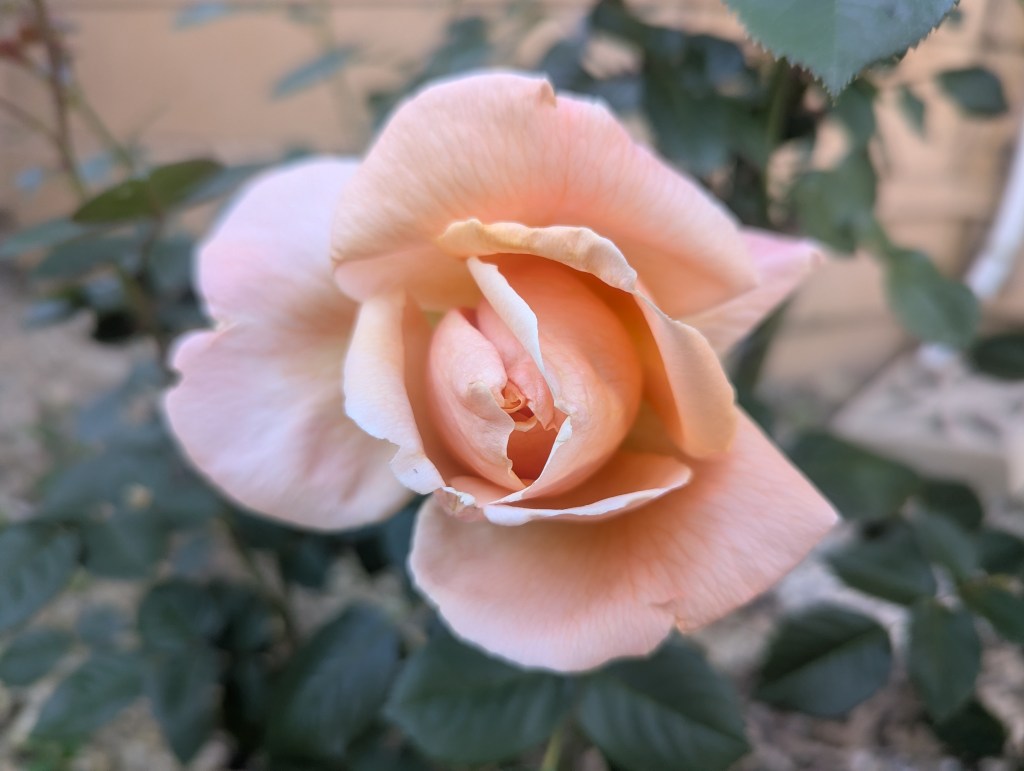
5. Does this one resemble ‘Seashell’? With so many cultivars available, it is impossible to know. I like to think that it is. I can remember when ‘Seashell’ was popular in 1976 or so.
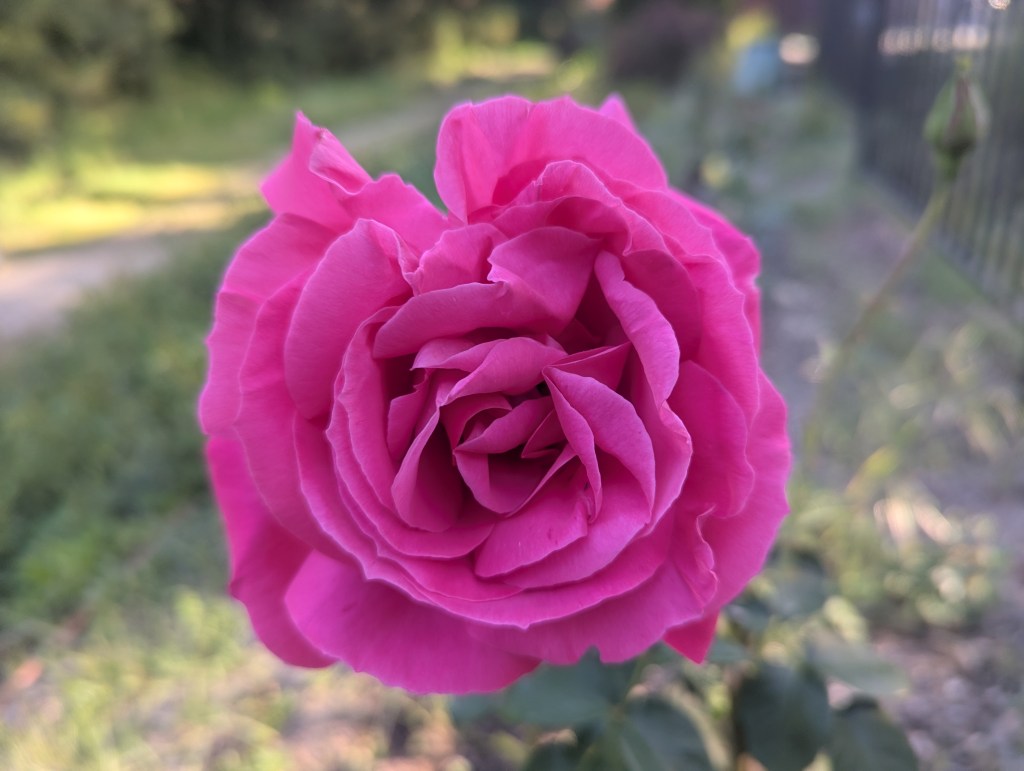
6. Again, it is impossible to identify the unidentified roses that were recycled from other landscapes or home gardens. I like to assume that this one might be ‘Chrysler Imperial’.
This is the link for Six on Saturday, for anyone else who would like to participate: https://thepropagatorblog.wordpress.com/2017/09/18/six-on-saturday-a-participant-guide/
Warming spring weather is stimulating new growth among vegetation that was dormant or shabby through this winter.
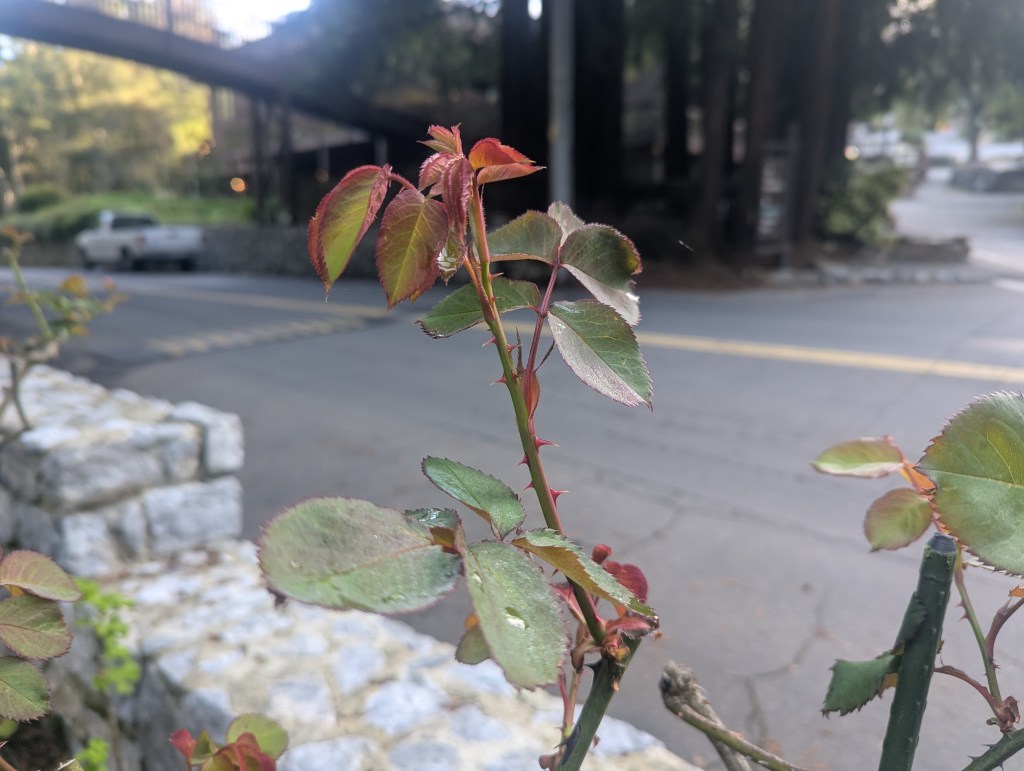
1. Rosa spp., rose started growing even before the weather became warmer. It is good to see that squirrels are not eating the new growth. I do not know what cultivar this one is.
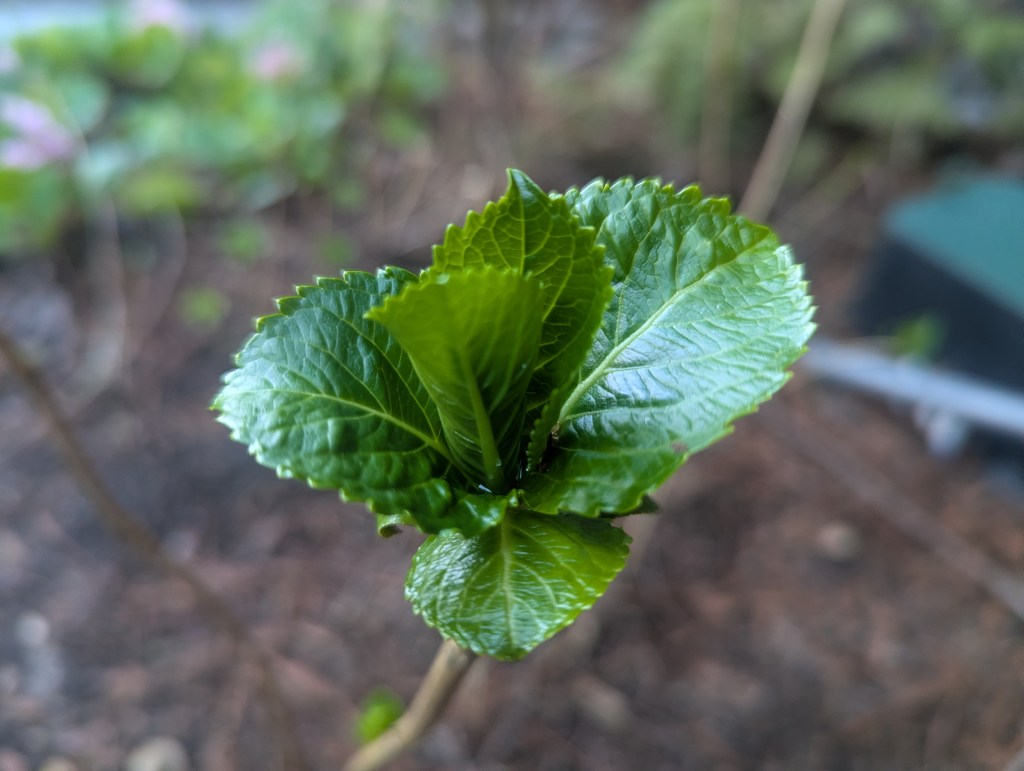
2. Hydrangea macrophylla, hydrangea, which is also unidentified, also started growing while the weather was still cool and rainy. It is now settling in after bare root relocation.
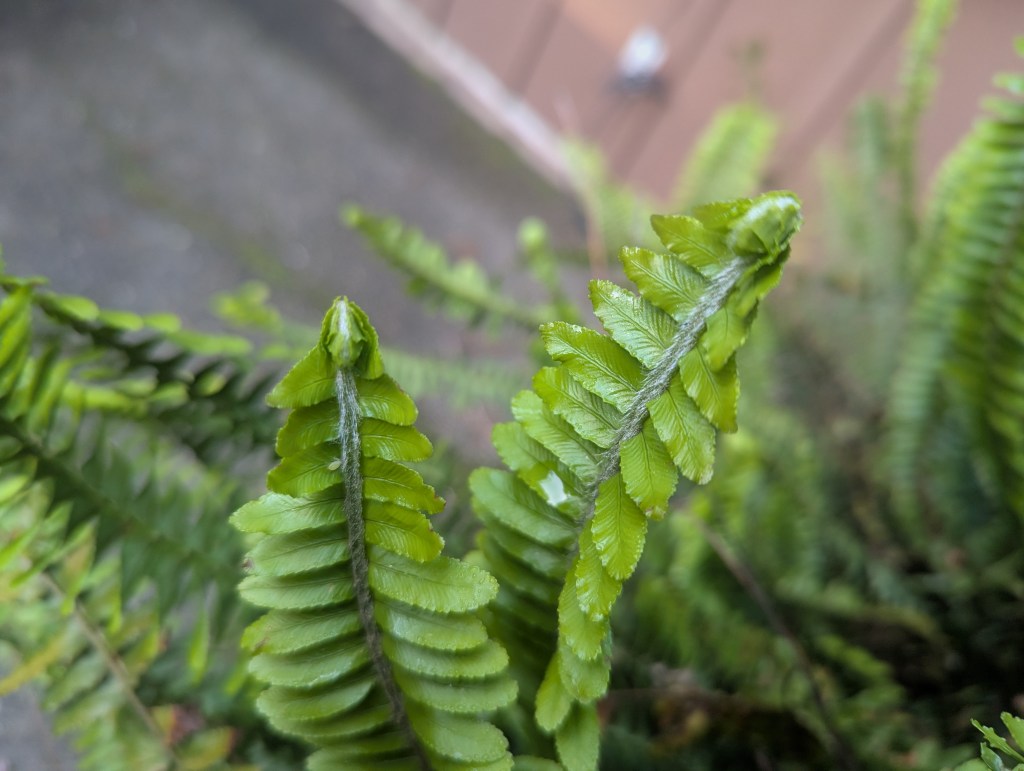
3. Nephrolepis cordifolia, sword fern, like many ferns, is beginning to replace old foliage with new foliage. It grew too large for its pot years ago, but somehow continues to grow.
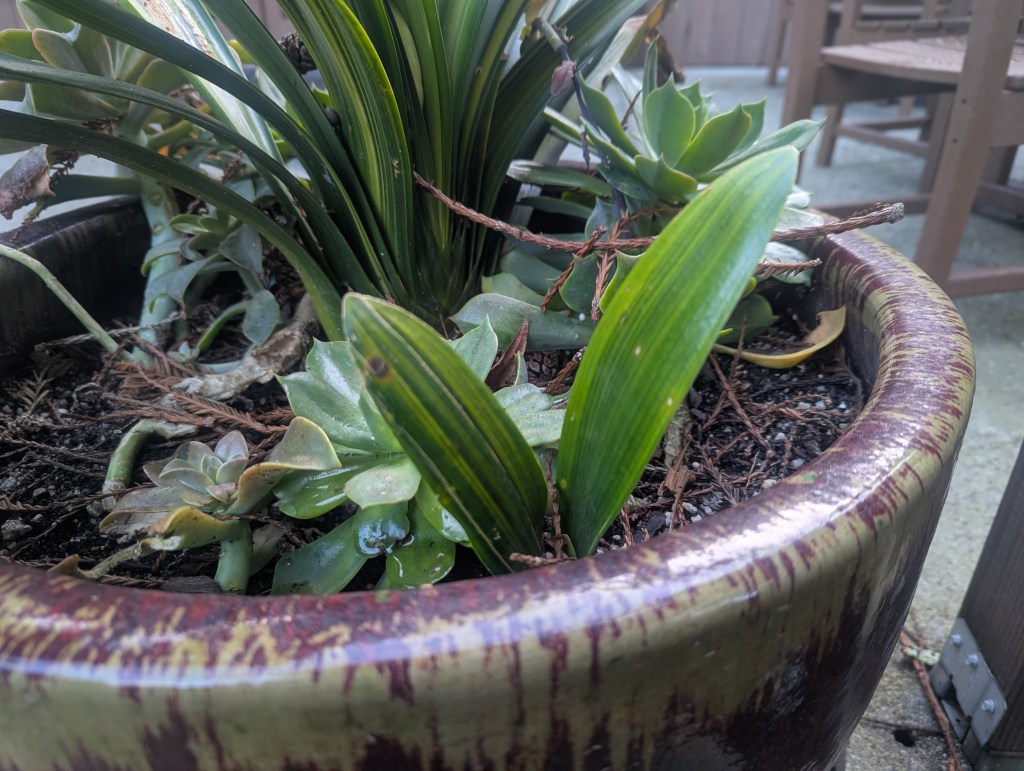
4. Clivia miniata, Kaffir lily has been maturing slowly for more than a year, but is finally providing a pup. It is variegated with yellow stripes, but I do not know what cultivar it is.
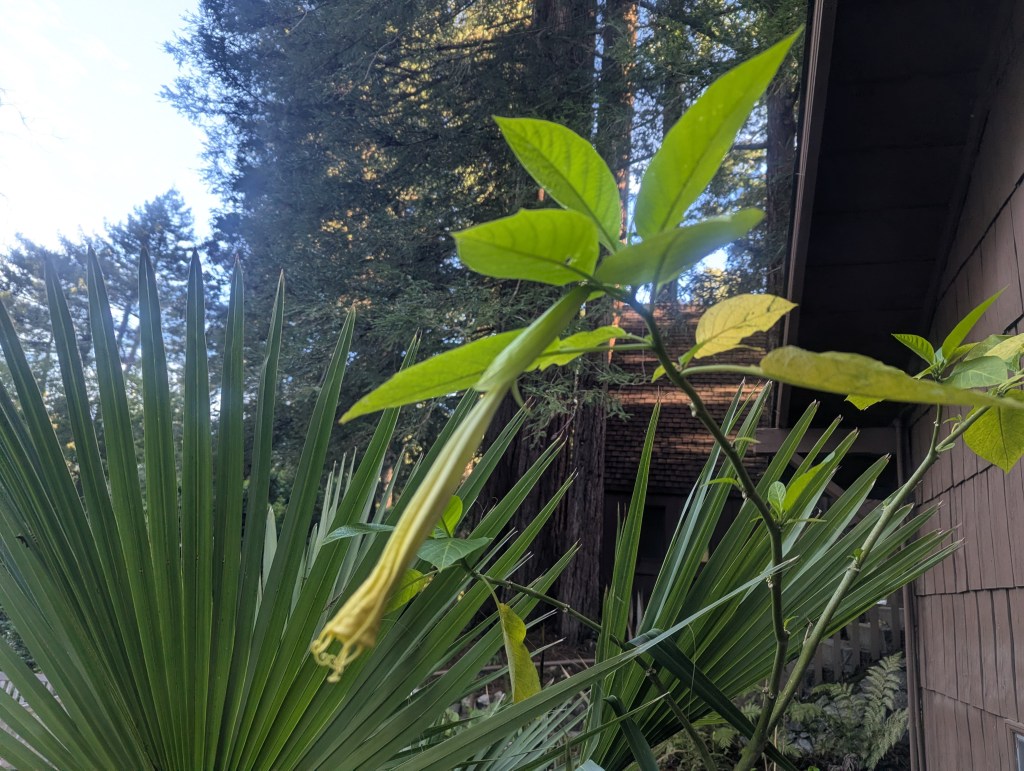
5. Brugmansia X cubensis ‘Charles Grimaldi’ angel’s trumpet is producing a new flower as readily as it produces new foliage. It should be no surprise. it is rarely without bloom.
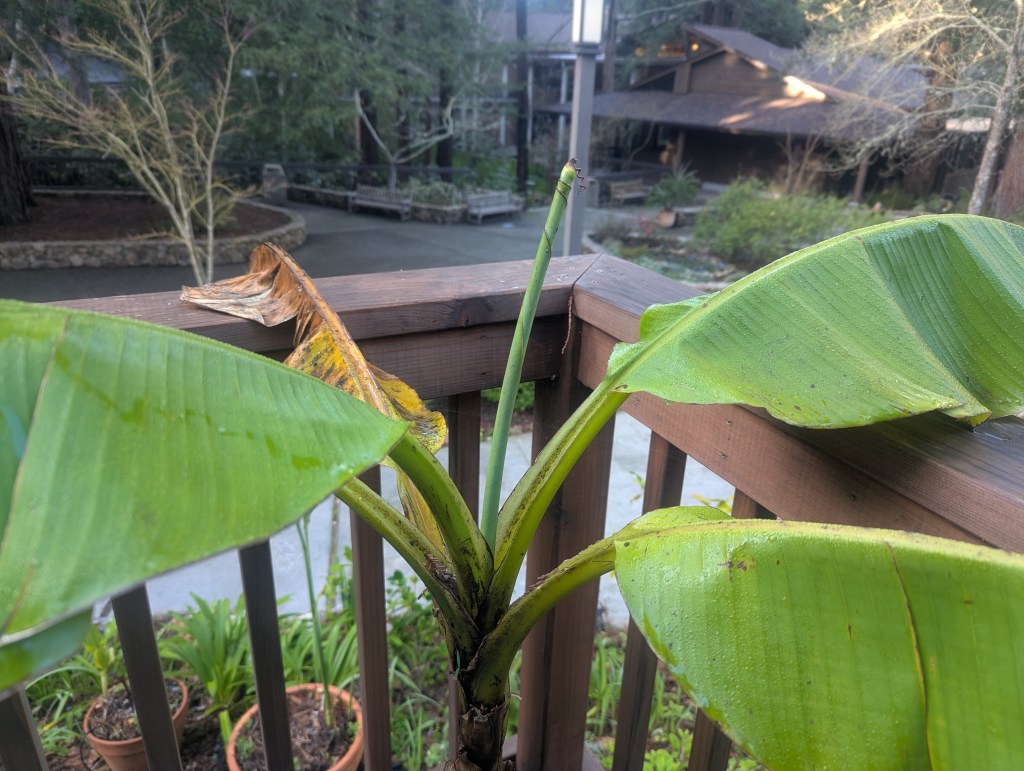
6. Musa acuminata X balbisiana ‘Golden Rhino Horn’ banana starts to produce its new foliage about the time we consider taking it out of the landscape because it is so shabby.
This is the link for Six on Saturday, for anyone else who would like to participate: https://thepropagatorblog.wordpress.com/2017/09/18/six-on-saturday-a-participant-guide/
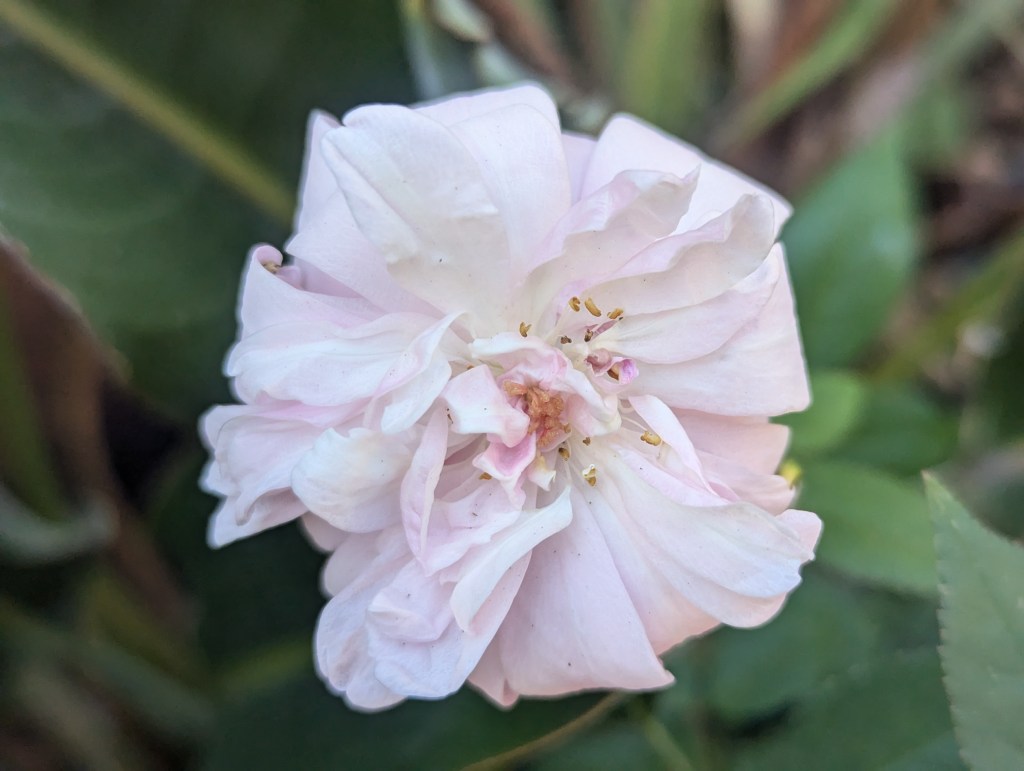
As mentioned last week, I got pictures of the roses that were in bud at the time, in bloom now. It will be autumn on Monday, though, and cool season annuals are replacing warm season annuals.
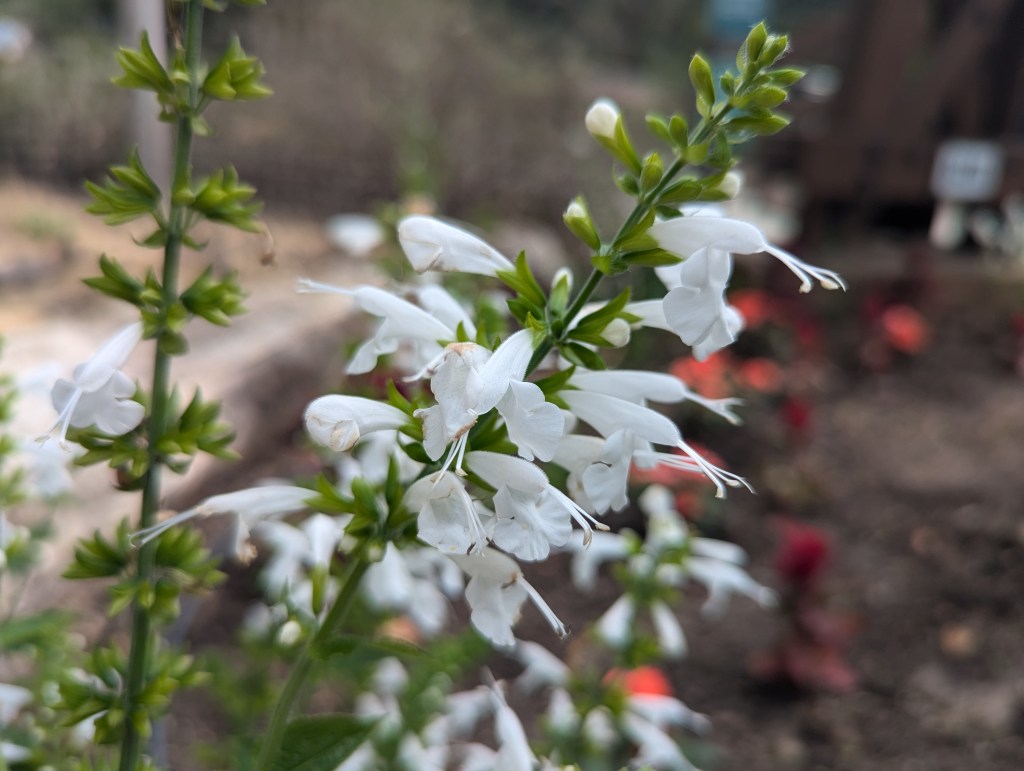
1. Unidentified Salvia was added to one of the landscapes by someone who was here for the summer, just prior to his departure. Now, I have no idea what it is. I could ask, but I feel that I should recognize it, or at least be able to identify it. I like its pure white bloom.
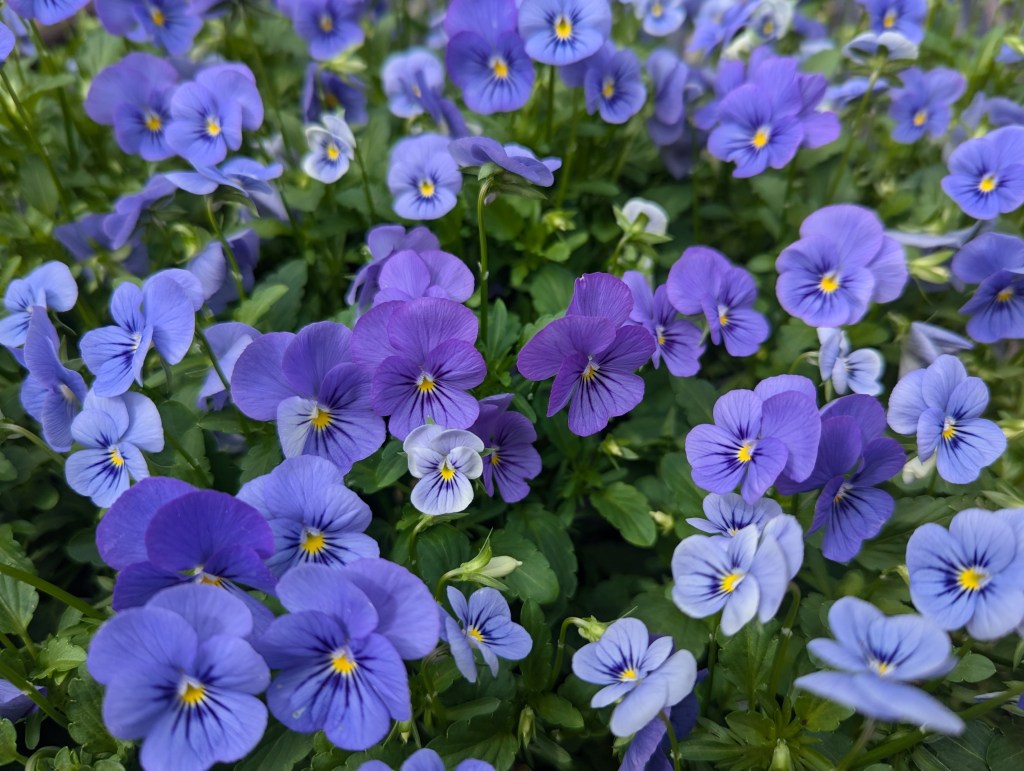
2. Viola is now in season, whether or not it seems as if it should be. We must rely on the date as much as the weather. While the weather suggests that it is still summer, the date insists that Monday will be autumn. These viola will be safe with several days of warmth.
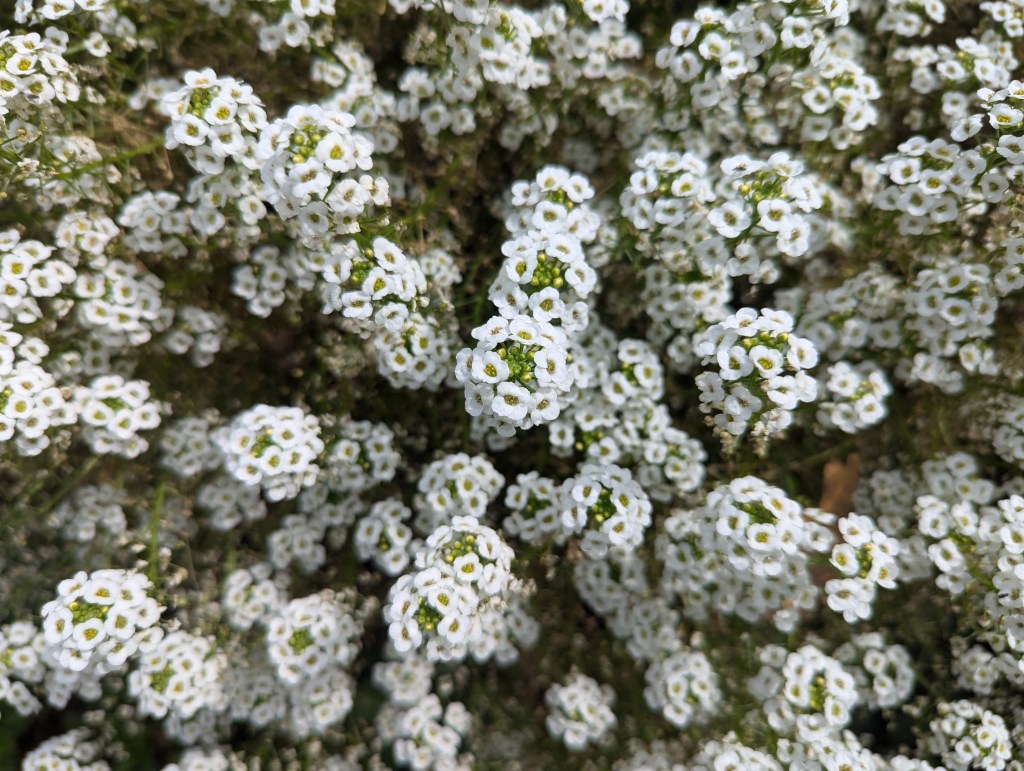
3. Lobularia maritima, alyssum makes the transition from warm season annuals to cool season annuals difficult. It is still too pretty to remove. Technically, it could perform as a short term perennial until individual plants get too old. By that time, it can reseed itself.
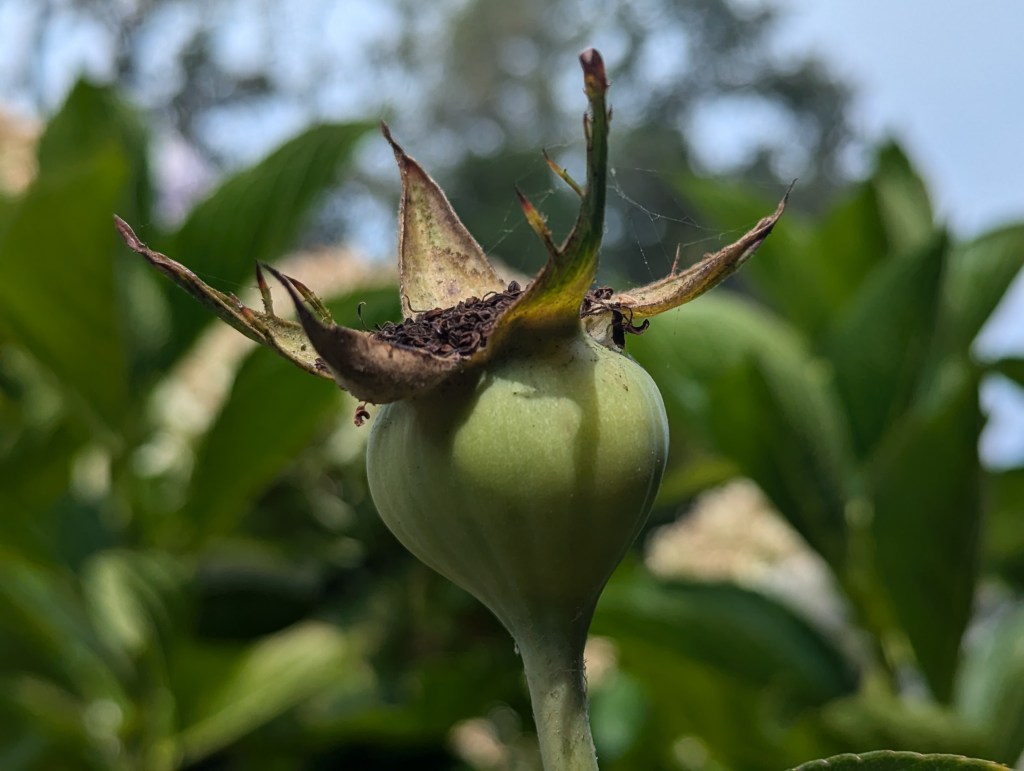
4. Rosa spp. of an unidentified cultivar produced a few notably plump rose hips like this to remind me that I have been negligent with deadheading. Now that subsequent bloom is unlikely, I could leave them to ripen. However, the new roses are continuing to bloom.
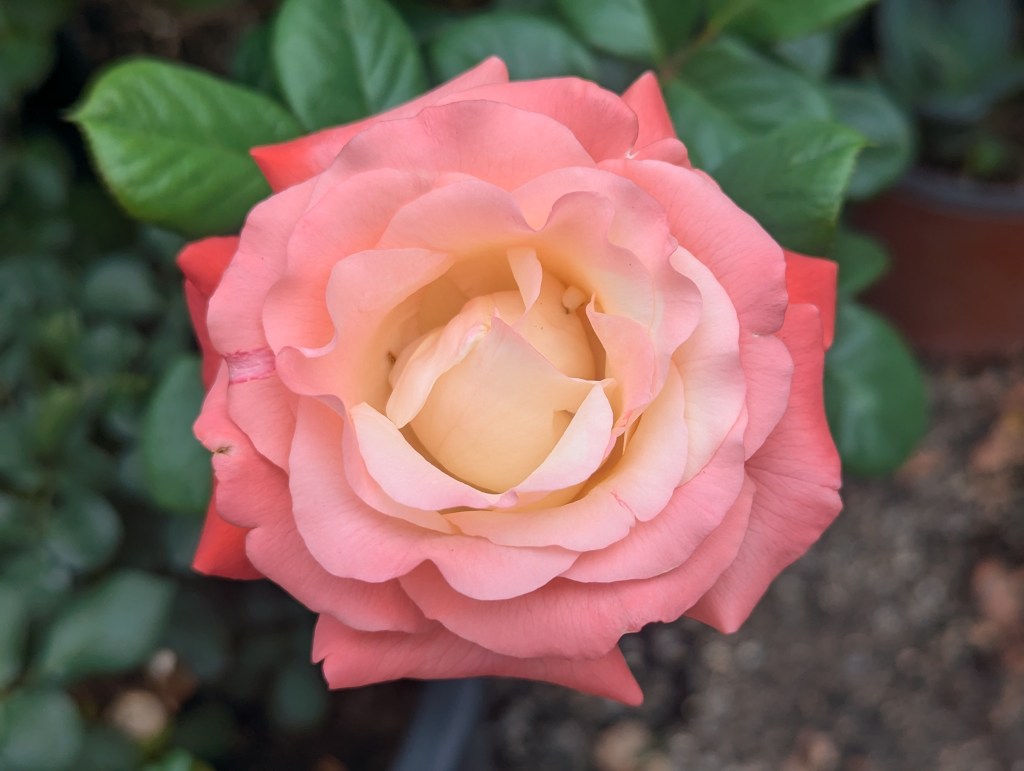
5. Rosa ‘Sheer Magic’ rose is one of the new roses that surprisingly bloomed after brutal and unseasonable relocation. This is the same flower that I posted a picture of while still in bud last week. A few more floral buds continue to develop but will lack time to bloom.
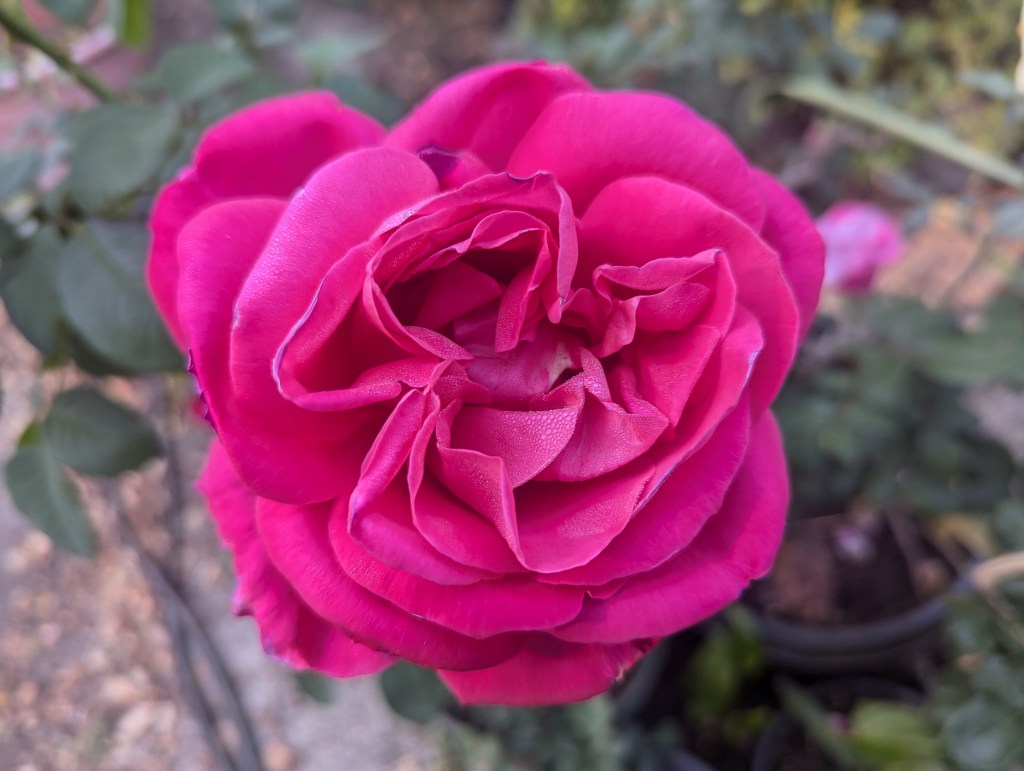
6. Rosa spp. of an unidentified cultivar is another of the new roses. This is also the same flower that I posted a picture of while still in bud last week. I have reason to believe that this rose is ‘Chrysler Imperial’, which should be red, but very often blooms reddish pink.
This is the link for Six on Saturday, for anyone else who would like to participate: https://thepropagatorblog.wordpress.com/2017/09/18/six-on-saturday-a-participant-guide/
Again, it makes sense at the end.
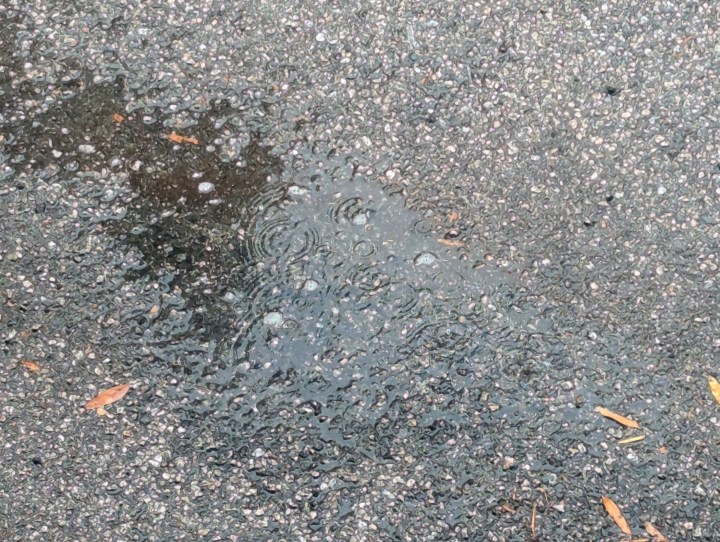
1. Rain dampened the landscapes for the first time since last spring. It was not much and did not last for long, but was fun while it lasted. Actually, it was barely more than drizzle and made only a few tiny and grungy puddles. Pavement had not been rinsed in months.
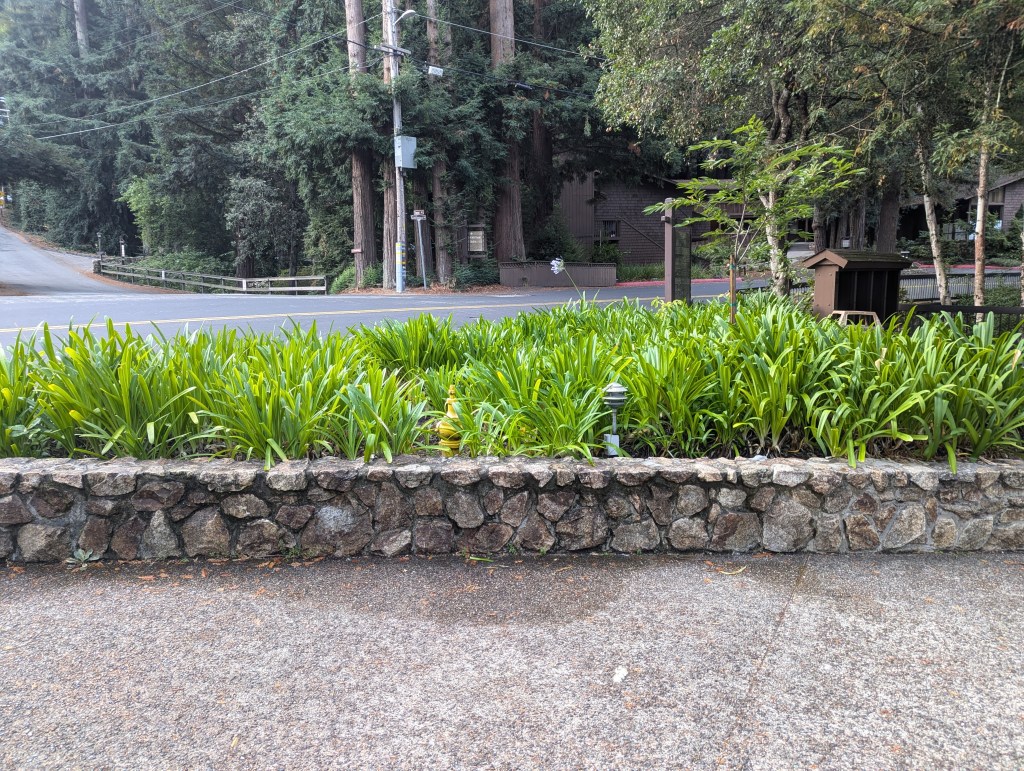
2. Agapanthus orientalis, lily of the Nile confirms the end of summer by finishing bloom and necessitating deadheading. One last bloom looks silly and lonely at the center of this big colony. It may be cheap and common, but lily of the Nile happily blooms for months.
3. Pelargonium X hortorum, zonal geranium has left the building. The Post Office looks better without its shabby planter boxes that were so predictably bashed by parking cars. Some believe that we must replace them with other prominent potted plants. I disagree.
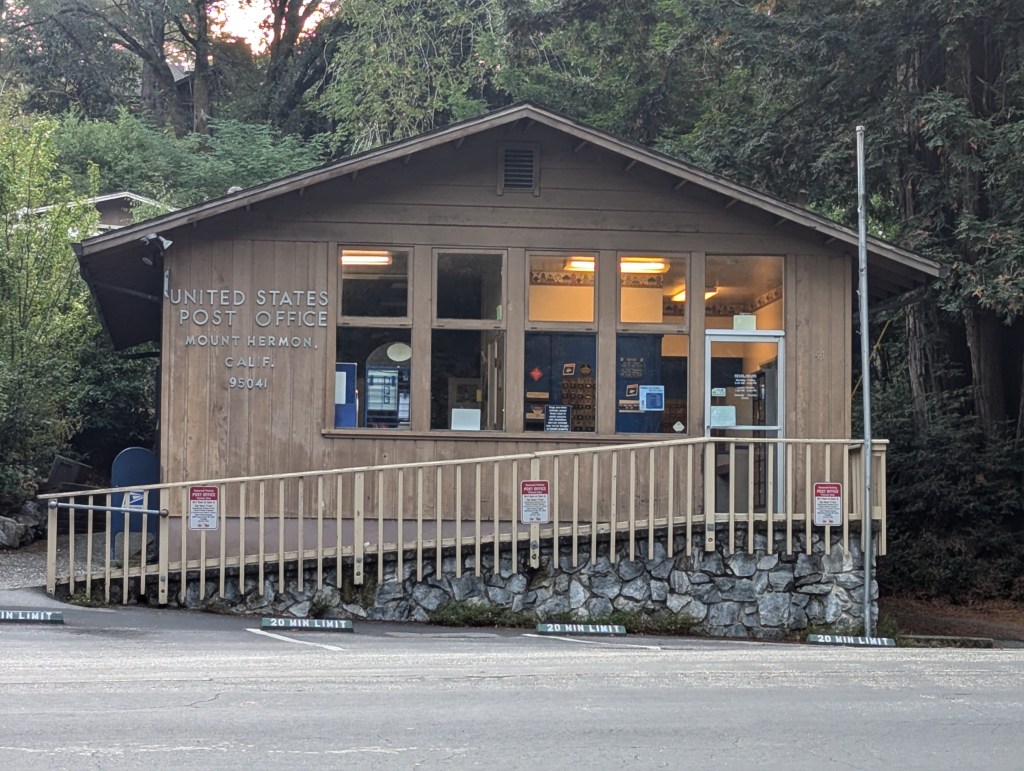
4. Rosa ‘Sheer Magic’ rose was actually labeled as such. I misidentified another rose that was blooming last week as such because I thought that it looked about right. I found the label afterward. This is the only one of four recycled roses that retained its original label.
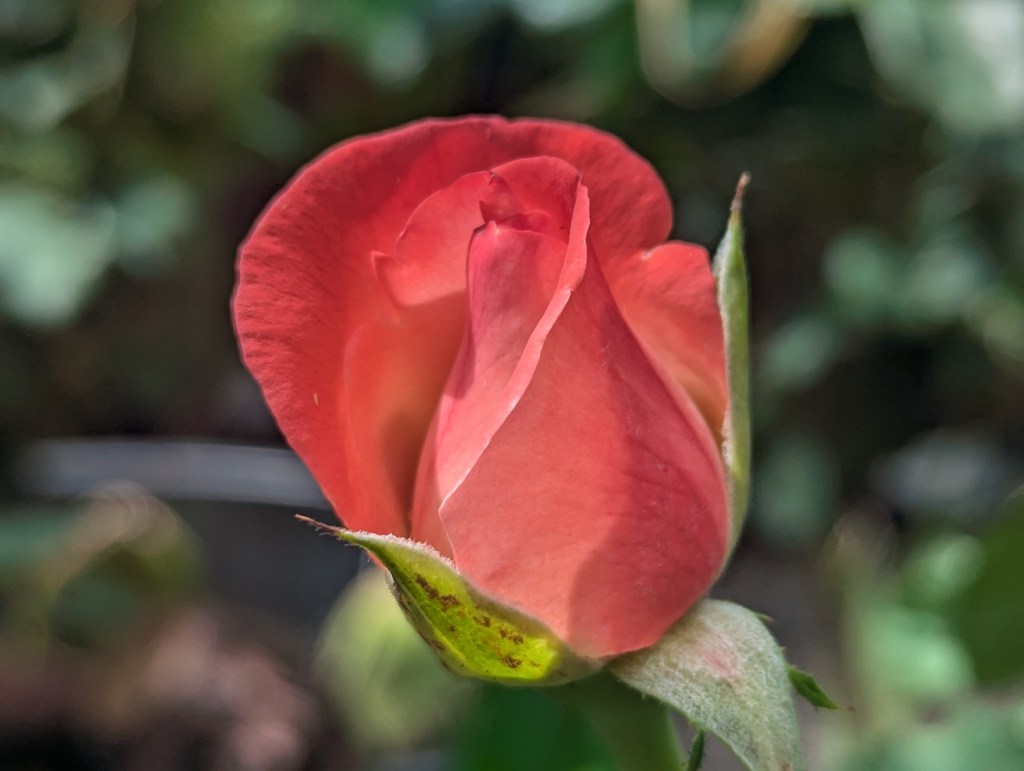
5. Rosa, rose is one of the other three recycled roses that did not retain its original label. It looks as if it is about to bloom red. Perhaps I will get a picture of it for next week. Any color would be nice from roses that were not expected to survive an untimely relocation.
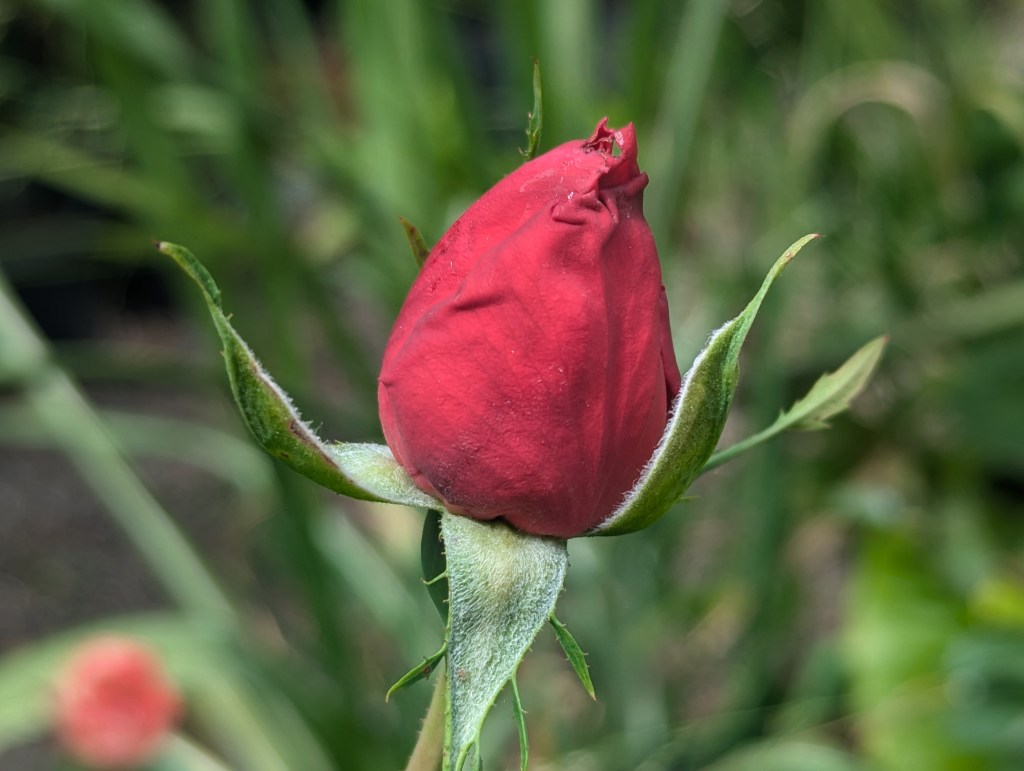
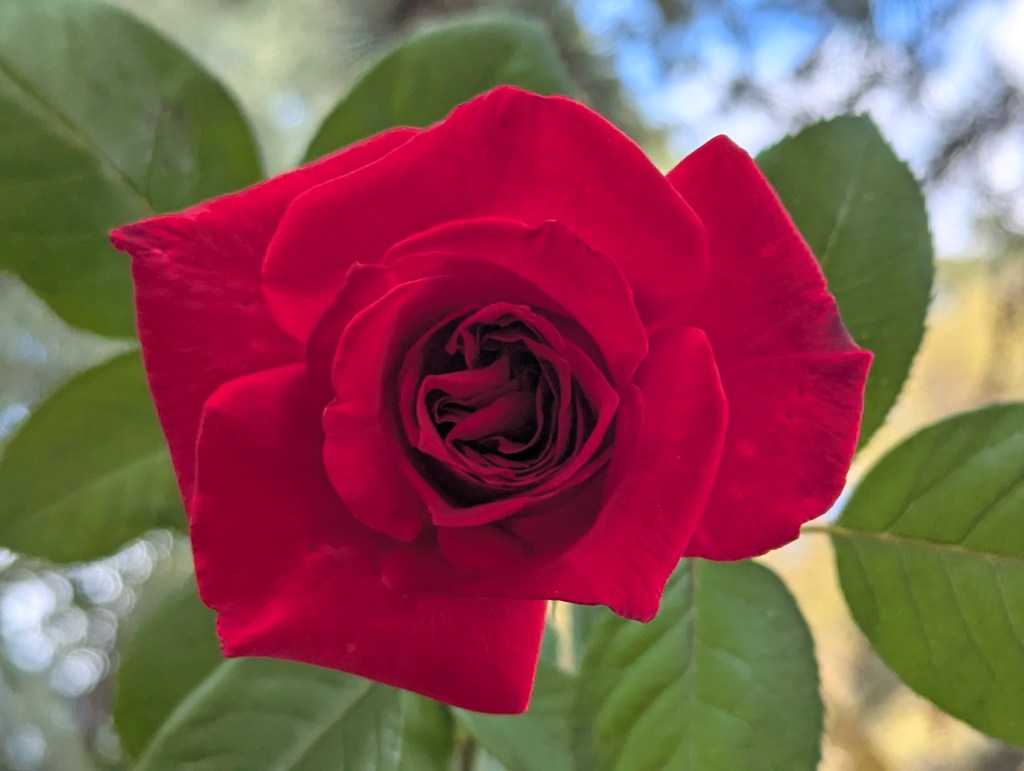
6. Rosa ‘Proud Land’ rose is not one of the four relocated roses, but is from my own rose garden. It was too pretty to not show off. I planted it with two others in about the winter of 1984 or 1985. Although I did not choose it, ‘Proud Land’ is likely my favorite red rose.
This is the link for Six on Saturday, for anyone else who would like to participate: https://thepropagatorblog.wordpress.com/2017/09/18/six-on-saturday-a-participant-guide/

