Soil Amendment Might Be Overkill

Excessive soil amendment may be unnecessary.

Planting should not be complicated. The primary objective is to settle formerly contained roots into the ground safely. It includes motivating roots to disperse into surrounding soil. This might involve disruption of constricting or congested roots. It may involve addition of fertilizer. Soil amendment such as compost is likely useful to entice root growth outward.

For almost all substantial woody plants and most large perennials, this is only temporary. Their roots disperse faster than their original soil amendment decomposes. They require no more soil amendment incorporated into their soil afterward. Such incorporation would damage their dispersing roots. This could defeat the original purpose of soil amendment.

For such substantial plants, soil amendment only provides a transition into endemic soil. Without it, roots may be tempted to continue to grow within their original potting medium. If endemic soil is less appealing to them, they might lack motivation to disperse outward. Soil amendment mixed with their endemic soil provides them the motivation they require.

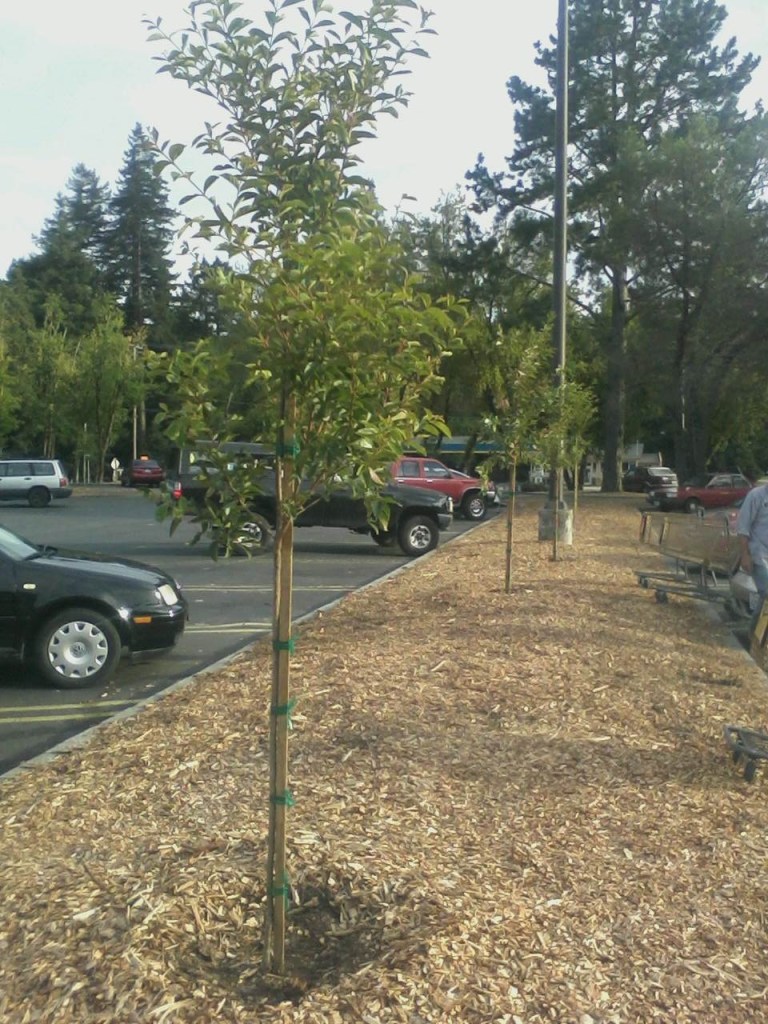
Mulching with soil amendment over the surface of the soil is a different procedure. Since it requires no incorporation into the soil, it severs no roots below the surface. Yet, it helps retain moisture and insulates the soil. As it decomposes, mulch adds organic nutrients to the soil. For established plants, mulching is a noninvasive technique with a few benefits.

Vegetable plants and annuals enjoy soil amendment more than more substantial plants. Proportionately, they consume much more of the nutrients that the amendments provide. Yet, they do not inhabit their soil long enough to crave more than they start with. Addition of amendment during their replacement damages no roots. It provides for the next phase.

Soil amendment is available either bagged or in bulk from nurseries and garden centers. Home garden generated compost is less expensive, since it costs nothing but effort. The process of composting is involved, but it utilizes otherwise useless garden detritus. Many home gardens generate more compost than they may use. Neighbors sometimes share.

Much Ado About Mulch

Not many weeds get through mulch.

Mulch was not invented by humans. Most plants make some sort of mulch naturally. Even desert plants that live on bare ground shed foliage that decomposes to be recycled back into the soil, and provide nutrients for the roots below. Redwood, most pines and most eucalyptus are extreme mulchers that generate thick layers of foliar debris that benefit their own roots, but inhibit the growth of competing trees. Knotweed, Hottentot fig (freeway iceplant), ivy (both Algerian and English) and other dense groundcovers are their own mulch, and also work well for substantial plants that grow amongst them.

There are a few advantages to mulch. Although ground cover mulches consume some degree of moisture, mulches benefit plants by retaining moisture at the surface of the soil. Mulches also insulate the soil, so that it is more comfortable for roots that want to be near the surface. Most weed seeds that get covered by thick mulch can not germinate and emerge through it. Those that try to germinate on top probably can not get their roots through to the soil below. Besides, mulch simply looks better than bare soil.

Mulch is generally spread in early spring, before weed seeds are completely germinated, and while the soil is still damp. However, moisture retention is still a concern through the warm and dry weather of summer. A thin layer of finely textured mulch added over thinning groundcovers (without completely burying the foliage) can rejuvenate tired old stems by giving them something more to root into. This works well for knotweed, English ivy and even trailing gazanias.

Mulches should generally be well composted so that they do not take too many nutrients out of the soil for their own decomposition. However, uncomposted coarse wood chips, like those often recycled from tree services, are even more effective at controlling weeds while fresh, and they tend to decompose before they become a bother to larger plants.

Small volumes of mulch can be purchased in bales at nurseries and garden centers. Composted redwood soil conditioner is a popular soil amendment that can alternatively be a nice finely textured mulch to spread thinly over small areas or in planters. Larger volumes of more coarsely textured and less expensive mulching materials can be obtained by the yard from garden supply stores.

Fertilizer

P80325‘Fertilizer’ is a polite term for ‘recycled vegetation’.

‘Recycled vegetation’ is a polite term for something else.

This is not a synthetic type of fertilizer that gets tossed about or poured on. It gets added to compost and allowed to compost some more before being spread out as a mulch over the surface of the soil, just before chipped vegetation gets dispersed over the top. Alternatively, it sometimes gets mixed into the soil. It is quite useful. You can’t beat the price.

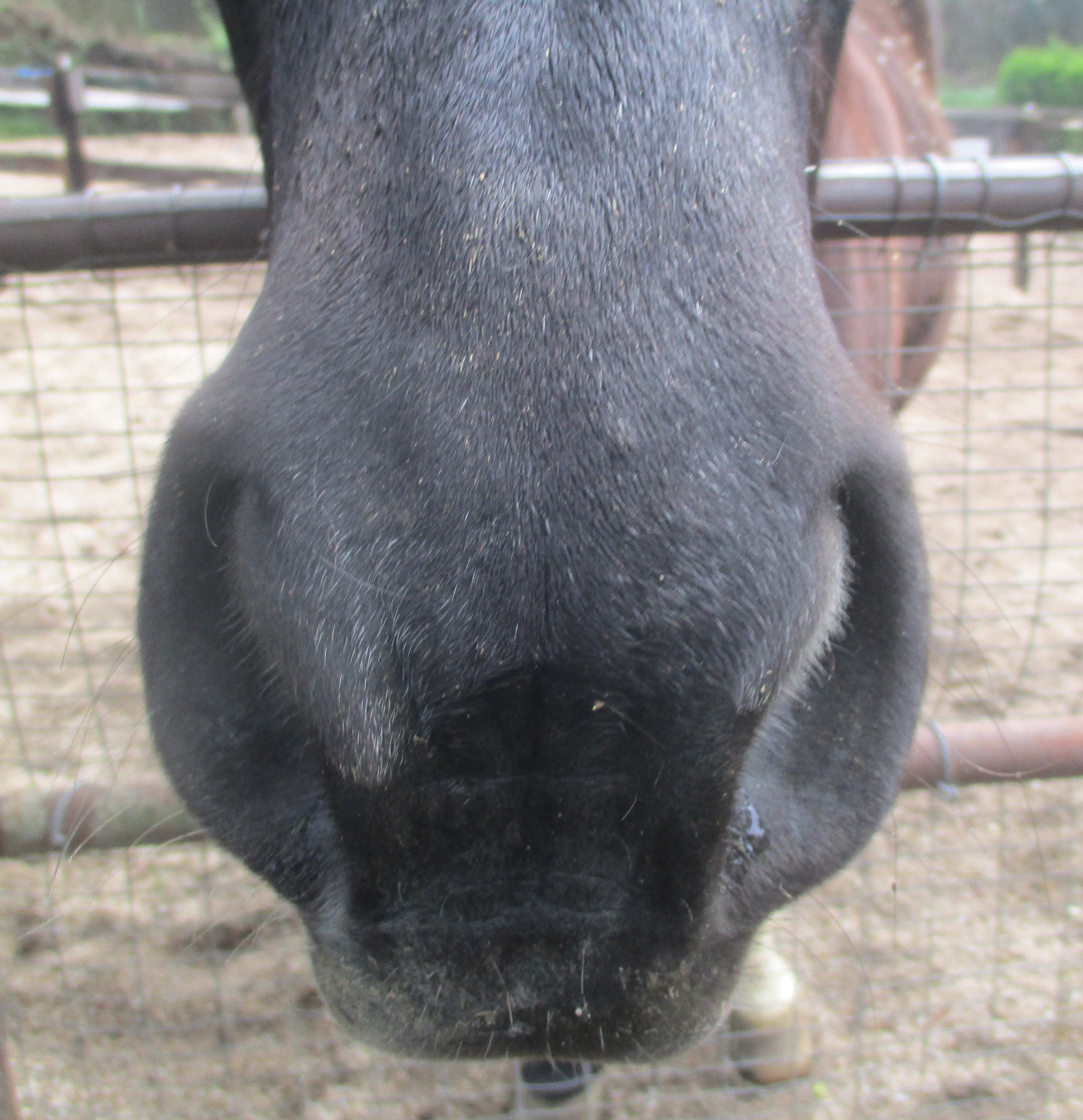
It is recycled differently from the compost or chipped vegetation (from a brush chipper). It is recycled through a horse, or more specifically, two horses. As the picture above suggests, it begins at the front of the horse, and ends at the rear of the horse, which is not pictured.

The horses happen to be quite efficient at recycling vegetation. They do it all the time. They are probably doing it right now. I would describe the process, but I do not know how it works.

Three times weekly, on Mondays, Wednesdays and Fridays, some poor sucker must go to where the horses live and work to collect the binned ‘fertilizer’, and deliver it to the compost pile. By the time it gets mixed into the compost, and composted more, it is not recognizable. Otherwise, it might be a problem in the parts of the landscape where it gets dispersed with the compost.

The landscape seems to like it. Only a few plants with special needs get any sort of synthetic fertilizer.

This sort of recycling is not new technology. It has been around as long as horses have been serving humans. In fact, it was not even invented by humans. Horses were doing it long before humans merely discovered, refined and took the credit for it.P80325+