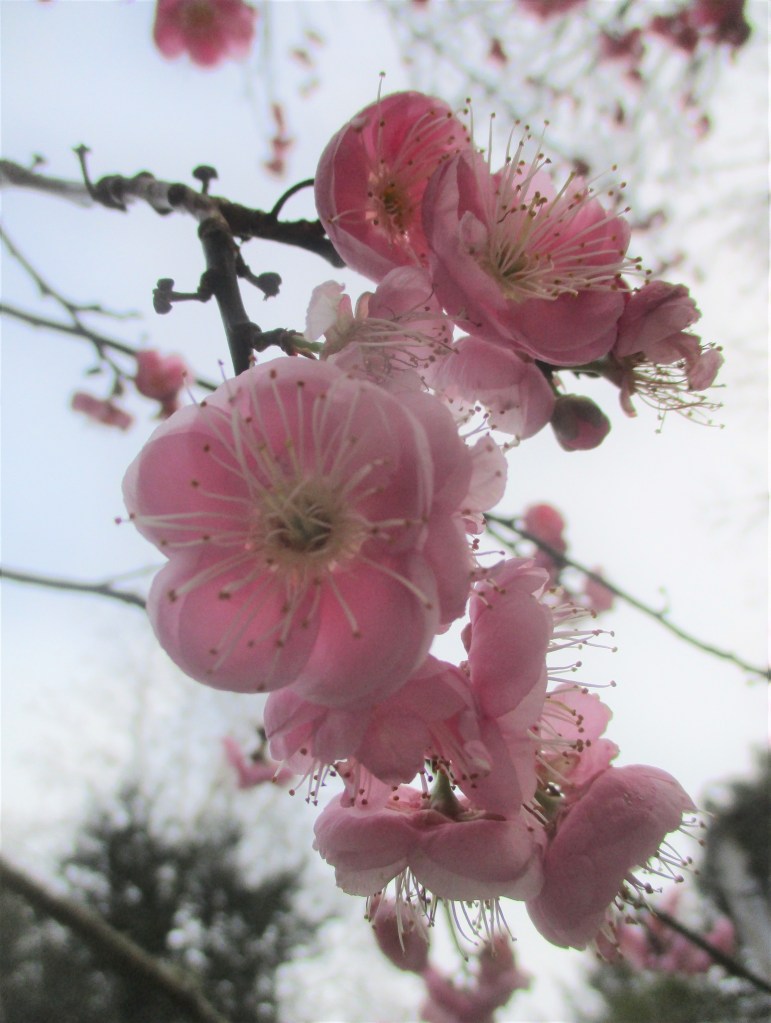
Spring Pruning Breaks The Rules

Spring pruning allows bloom to finish.

Dormant pruning is the best pruning. It happens while the subject plants that benefit from it are dormant and unaware of such procedures. Such procedures would be significantly more distressing to plants while they are vascularly active. In comparison, spring pruning may seem to be cruel and tortuous. Nonetheless, it is justified for particular applications.

For most plants that benefit from dormant pruning, the worst time to prune is immediately after the best time. Such plants are most vascularly active while blooming and refoliating during early spring. They become more resilient to pruning as they finish bloom and their foliage matures. This generally applies to plants that benefit from spring pruning as well.

The primary difference between plants that prefer dormant pruning and plants that prefer spring pruning is their primary purpose. Several plants that benefit from dormant pruning produce fruit. Plants that benefit from spring pruning merely produce profusion of bloom. Dormant pruning concentrates resources. Spring pruning allows maximum spring bloom.

For example, flowering plum is like a sterile but prettier version of fruiting plum. It merely blooms impressively without subsequently fruiting. There is no need for dormant pruning to concentrate resources into fruit, or to compensate for fruit weight. When and if pruning becomes necessary, it can happen after any unwanted growth has contributed to bloom.

Flowering cherry, flowering crabapple and flowering quince may actually prefer dormant pruning like their fruitful relatives do. However, like flowering plum, they also bloom more abundantly prior to spring pruning. Unrelated dogwood, redbud, forsythia and even New Zealand tea tree likewise benefit from spring pruning, which is the same as late pruning.

In moderation, blooming stems of plants that get either dormant or spring pruning can be delightful as cut flowers. A few unpruned stems can remain after dormant pruning for that purpose. They only need proper pruning when harvested or after bloom. Likewise, plants that get later spring pruning after bloom can likely spare a few stems while still blooming. Alternatively, such stems should be conducive to forcing.

Late Pruning For Early Bloomers

Deciduous magnolias get pruned after bloom.

Winter is generally the best season for pruning. Obviously, it is when a majority of plants are dormant, and therefore most complaisant to such potentially invasive procedures. Of course, there are exceptions to this generalization. A few plants are dormant during other seasons. Some simply prefer late pruning to accommodate their bloom or fruiting cycles.

Late pruning is important for some of the same reasons that dormant or winter pruning is important. It controls growth and directs resources. Removal of superfluous or unwanted growth reallocates resources that such growth would otherwise consume, to more useful or productive growth. The primary difference is that late pruning happens after dormancy. 

Flowering cherry trees are very similar to fruiting cherry trees, but generate only copious bloom without fruit. Flowering crabapple trees likewise produce only their unique bloom, but without much fruit. Technically, both would prefer dormant pruning during winter. Yet, late pruning immediately after bloom allows them to first bloom as profusely as they can.

Fortunately, flowering but fruitless counterparts of fruitful trees require pruning that is less severe than what their fruitful relatives require. Comparably severe pruning would be too stressful for them after dormancy. However, flowering peach trees can endure harsh late pruning to stub their bloomed shoots. Stubs generate more shoots for bloom next spring.

Late pruning begins as early as spring blooming trees and shrubs finish bloom. Because of warm weather this winter, many are blooming early. Stems of some types work well as cut flowers, either while in bloom or immediately prior to bloom. Once the first few flower buds begin to show color, most buds on the same stem should continue to bloom inside.

Camellias supposedly prefer pruning during their bloom cycle, since they resume growth immediately afterwards. Because such pruning would ruin some of the bloom that is their primary asset, most camellias must tolerate late pruning after bloom. Dogwood, forsythia, redbud, and flowering quince, as well as flowering cherry and flowering crabapple, are likewise tolerant of these technically untimely techniques.

Spring Pruning Of Flowering Trees

Some plants prefer pruning after bloom.

Most major pruning happens while the plants that need it are dormant through winter. That is why it is known as ‘dormant pruning’. Such pruning would be so much more disruptive while plants are blooming, fruiting, foliating or growing. Pruning that happens during other seasons is not as aggressive as dormant pruning. Spring pruning, although practical for some plants, is relatively docile.

For deciduous fruit trees, dormant pruning is very important. It concentrates resources into fruit production, but also limits production to sustainable quantities. Otherwise, such fruit trees would be unable to support the weight of their own copious fruit. Spring pruning of such trees is simply too late. By that time, superfluous fruit has already consumed significant resources, only to be wasted.

Stone fruit trees and pome fruit trees are familiar examples of deciduous fruit trees that rely on dormant pruning. Stone fruits include peach, nectarine, apricot, plum and their relatives. Pome fruits are primarily apple and pear. Ironically though, their fruitless but flowering counterparts perform best with spring pruning instead. As similar as they all are, they have completely different priorities.

Flowering cherry trees bloom more spectacularly than fruiting cherry trees, but produce no fruit. Similarly, flowering crabapple trees bloom more colorfully than fruiting apple trees, but produce only tiny fruit. Neither must sustain production of significant fruit. Nor must they support the increasing weight of developing fruit. Prolific bloom is their primary function. Spring pruning accommodates.

Spring pruning allows flowering trees to first bloom as profusely as possible. Pruned out stems have already served their purpose. Because fruit production is not a concern, spring pruning is less severe than dormant pruning. Nonetheless, because dormant pruning is so practical for so many plants, spring pruning may seem impractical. It is tempting to prune dormant flowering trees now. Doing so harmlessly compromises bloom.