Oregon Grape

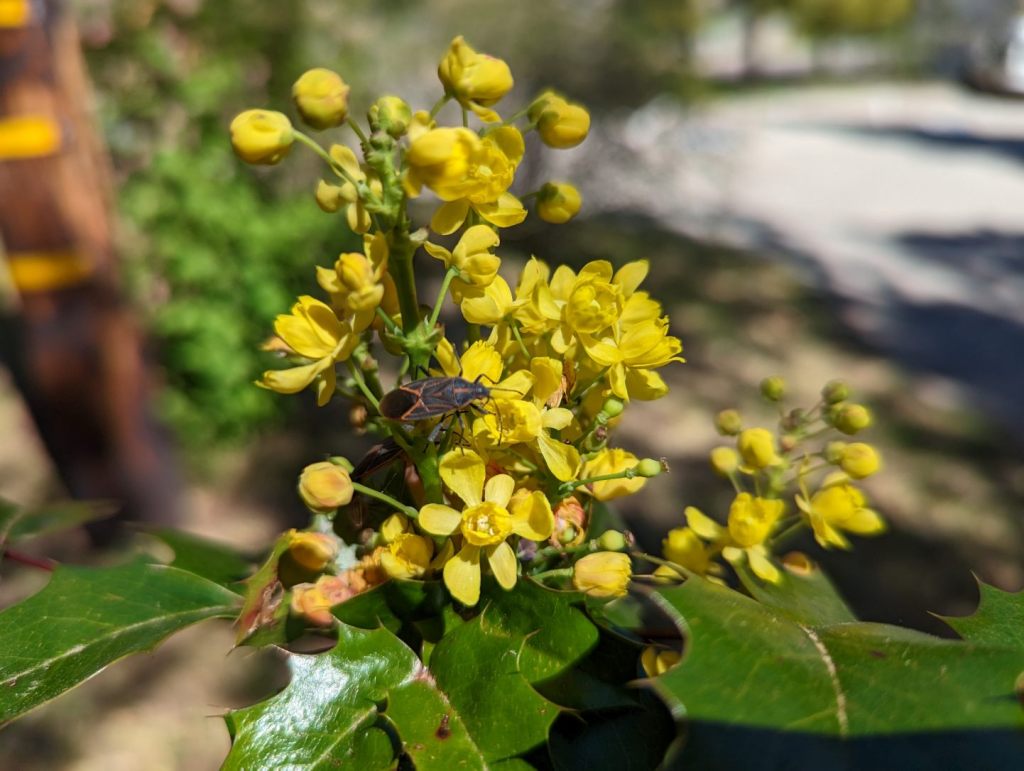
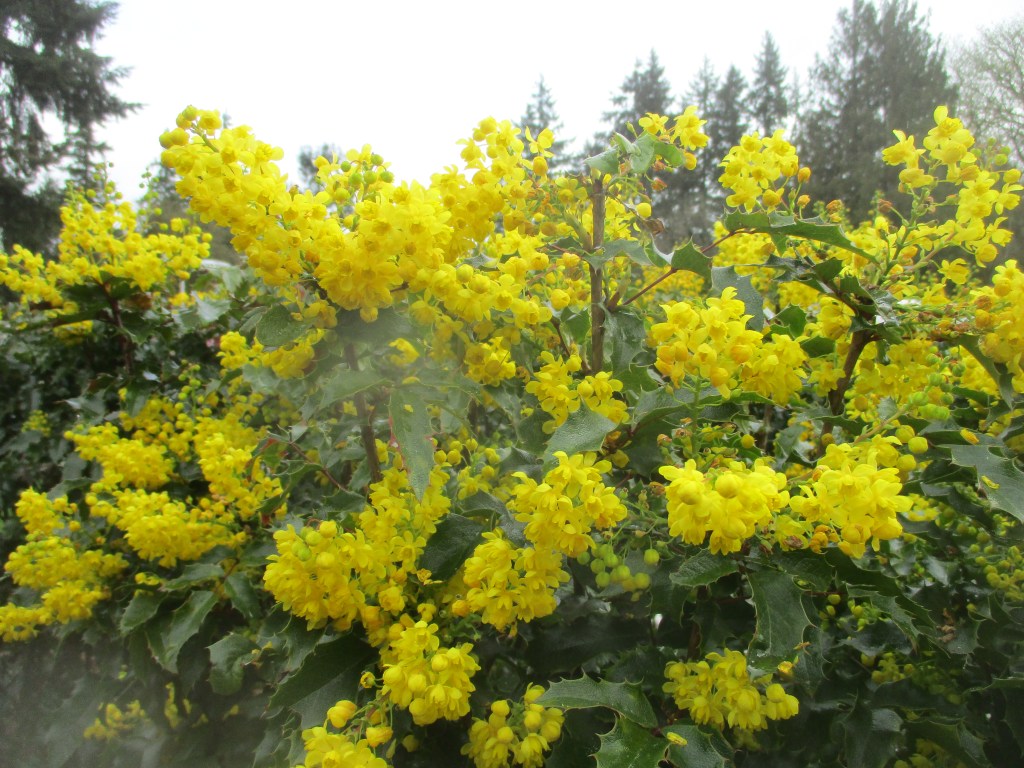
Oregon grape, Mahonia aquifolium, is the Official State Flower of Oregon. Fruit such as this develops after its bright yellow bloom. It is nothing like grapes, though. It is edible, but unimpressive alone and fresh. Locally, it is not abundant enough to bother with collecting for culinary application, such as jelly. Wild plants are both rare and scarcely productive. Landscape plants are not much better. That justifies growing it in a garden where fruit production can be promoted. Perhaps it requires specialized pruning, like other species that are grown for fruit. Perhaps, like cane berries, it would be more productive if its old canes get pruned out annually. I really do not know, and am therefore receptive to suggestion. I already intend to grow it, although it will take a few years to get enough fruit to do anything with. Not so long ago, I was similarly intrigued by the native but ignored blue elderberry, which I found to be as useful as black elderberry of the East. My blue elderberry jelly won more ribbons than I can remember at the annual Jelly Competition of the Boulder Creek Harvest Festival. A blue ribbon for Oregon grape jelly would be excellent!

Mock Orange

Official State Flower of Idaho

Meriwether Lewis of the Lewis and Clark Expedition encountered the western native mock orange, Philadelphus lewisii, in 1806, and gave it his own name. It inhabits an extensive range that reaches from the northern Sierra Nevada to southern British Columbia to western Montana, but is somewhat sporadic within its natural range. It is the state flower of Idaho, and is commonly planted in state, national and even some county parks within its range and throughout the rest of California.

Partial shade is not a problem for mock orange, but full sun exposure promotes more abundant bloom. The simple, strikingly white flowers that bloom in spring are less than two inches wide with only four petals. However, their remarkably rich orange fragrance is unexpectedly powerful. The two inch long, forest green, deciduous leaves on arching limber stems are a nice backdrop. ‘Goose Creek’ has double flowers.

Because regular pruning or shearing of outer growth inhibits bloom and compromises natural form, mock orange is best where it has plenty of space to grow wild, or at least where the upper canopy can spread out naturally if the lower canopy gets pruned away to form a small tree with multiple trunks.  After bloom, older deteriorating stems can be pruned out, to favor newer stems emerging from the base. Overgrown plants can be cut to the ground in winter, and will regenerate over the following summer to bloom in the second spring. Mature mock orange gets nearly ten feet tall and broad.

Six on Saturday: While You Were Out

My vacation was in two halves of two weeks each, with two weeks in between. It seemed to be six weeks collectively. Quite a bit happens within the landscapes during that much time at this time of year. The first of my Six is from Arizona, and happens to be the State Flower of Arizona. The others are some of what I returned to, including the State Flower of Colorado, and a relative of the State Flower of Hawaii. One is German from Monterey. One is Algerian from the Canary Islands. One is European from Washington. Oh, this is all such confusing nonsense and false trivia. California poppy, which is the State Flower of California, is blooming, but I got no pictures of it for this week.

1. Carnegiea gigantea, saguaro was a species that I should have gotten more pictures of before leaving Arizona. This is one of only two pictures. It is the State Flower of Arizona.

2. Persicaria bistorta ‘Superba’ snakeroot came from Tangly Cottage Gardening not too long ago, but is already blooming splendidly among watercress on the edge of the pond.

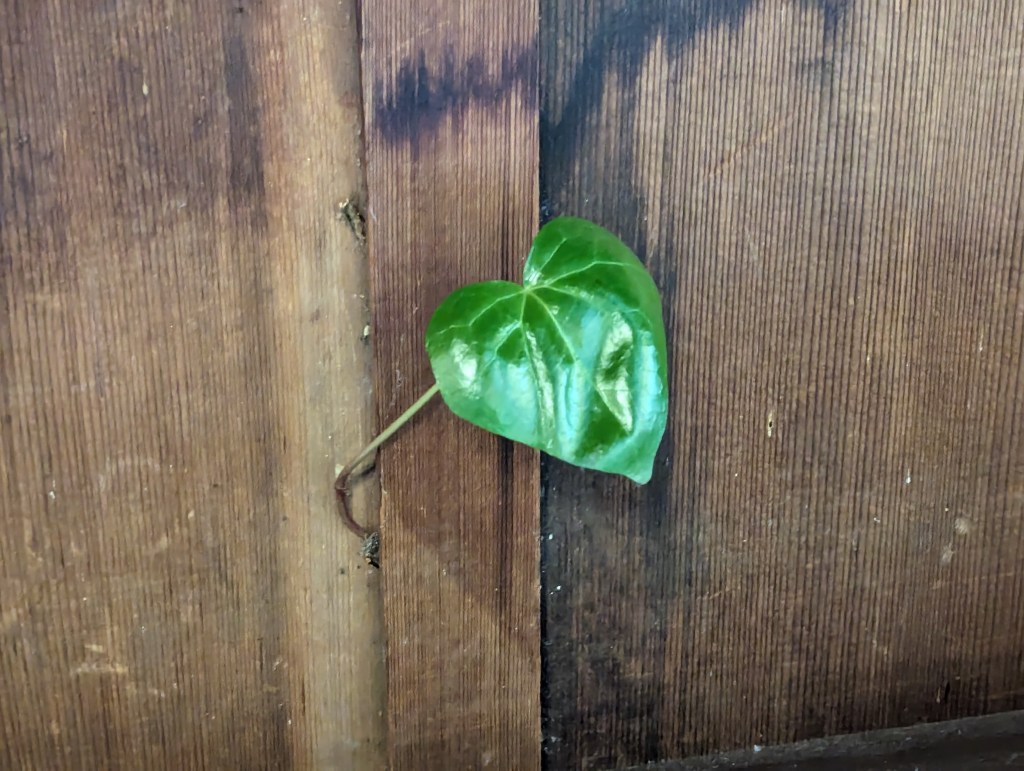
3. Hedera canariensis, Algerian ivy clings to the exteriors of several buildings at work if not pruned back frequently. This vine is getting even more aggressive by coming inside!

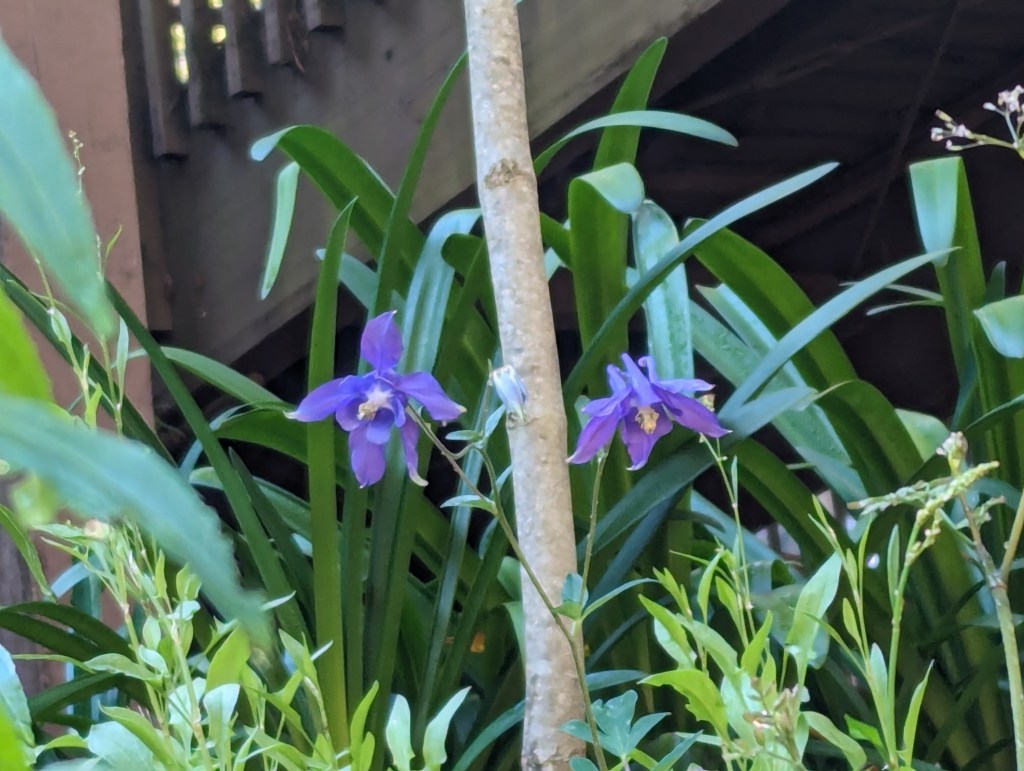
4. Aquilegia X hybrida, columbine refuses to grow where planted, but tosses seed before it dies. Its feral seed then grows in random situations. It is the State Flower of Colorado.

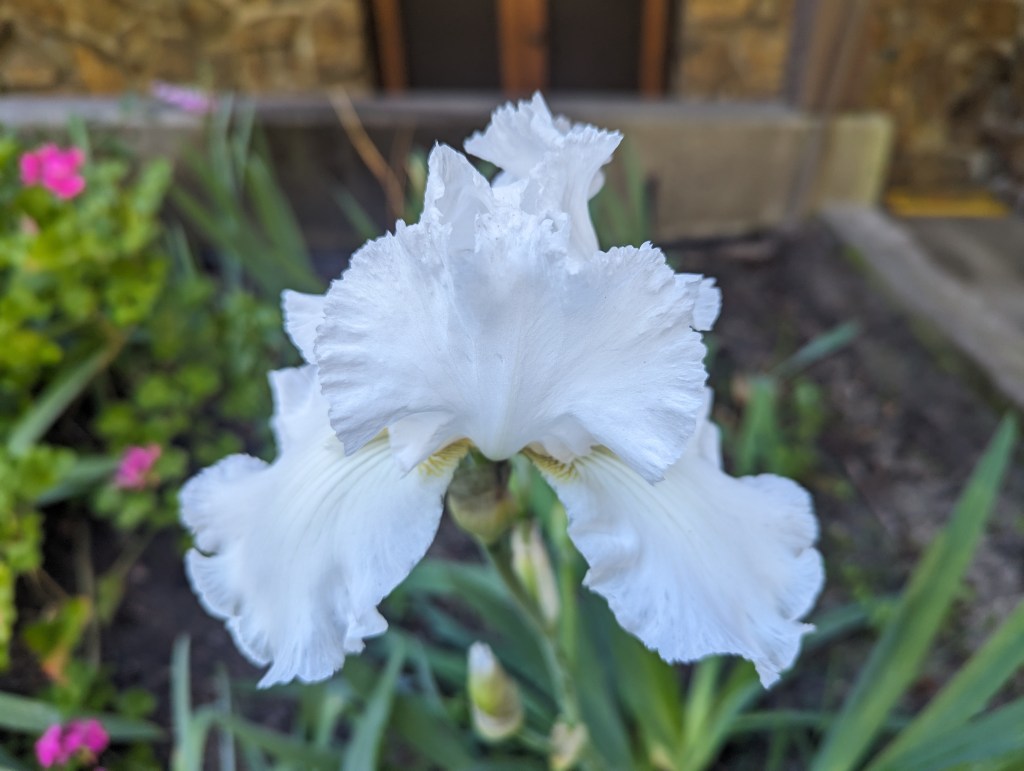
5. Iris X germanica, bearded iris bloom is finishing about now. I earlier mentioned that this cultivar seemed weirdly pale. It might be feral. However, it seems bright white now.

6. Hibiscus rosa-sinensis, tropical hibiscus is blooming as vibrantly here as it was in Los Angeles and Phoenix. It is related to Hibiscus brackenridgei, the State Flower of Hawaii.

This is the link for Six on Saturday, for anyone else who would like to participate: https://thepropagatorblog.wordpress.com/2017/09/18/six-on-saturday-a-participant-guide/

California Poppy (not a plant profile)

Escholzia californica

California poppy is the Official State Flower of California. It is native to all but Yuba, Sierra and Imperial Counties within California. It is also native to portions of Oregon, Washington, Nevada, Utah, Arizona, New Mexico, Alaska, Sonora and Baja California.

Although rare elsewhere, a few isolated colonies inhabit several other states and Canada. It naturalizes efficiently in many other regions of other continents.

California poppy naturally blooms almost exclusively orange. Modern varieties that bloom yellow, red, lavender and creamy white were developed relatively recently. Naturally white and lavender California poppies are extremely rare in the wild. To Californian children, they are supposedly good luck, like-four leaf clovers are to Irish children. I remember finding a few of each at the Portola Monument in Montara when I was a kid. I did not see either again until I found a white California poppy at work a few years ago. Of course, modern varieties take the fun out of that tradition.

California poppies are now blooming splendidly. Unfortunately, they are neither as common nor as profuse as they were only a few decades ago. They are displaced by naturalized exotic vegetation, including naturalized forage crops and cover crops. Also, exotic vegetation, including flowers within home gardens and orchard trees, distracts the pollinators that they rely on for pollination. We dispersed California poppy seed at work while the weather was still a bit rainy, so should get more blooming later in spring. Hopefully, they will disperse a bit more seed for the following spring, although I suspect that they would already be naturally established there if it were a good situation for them.

California poppies can get somewhat unkempt within refined landscapes, particularly if they stay long enough to disperse their seed. That is why we want more within unrefined areas.

Six on Saturday: State Flowers

Just coincidentally, a few of the flowers that have been blooming here are State Flowers. These are four of them. Grand specimens of the State Tree of California live here, but the picture here shows unimpressive specimens that are not here, which is actually why they are amusing. The four State Flowers are those of California, Alaska, Idaho and Oregon. State Flowers of Washington and West Virginia are lacking.

1. Sequoia sempervirens, coastal redwood is not actually a State Flower, but is the State Tree of California. The two specimens at the center of this picture are unremarkable, but happen to be in Poulsbo in Washington, nearly five hundred miles north of their natural range. They seem to be three specimens only because the specimen on the right has two trunks. They are from the same old crop that went to become street trees in Los Angeles.

2. Eschscholzia californica, California poppy, as its name suggests, is the State Flower of California. It exemplifies Californian diversity, and in native to all but only two counties.

3. Myosotis sylvatica var. alpestris, forget-me-not is the State Flower of Alaska! It is not native, but it and Myosotis latifolia are naturalized. I do not know which species this is.

4. Philadelphus lewisii, mock orange is the State Flower of Idaho! It is native nearby but is naturalized here. Some bloom with fluffier double flowers like fancy modern cultivars.

5. Mahonia aquifolium, Oregon grape, like California poppy, is named for the State that it is the State Flower of, which is Oregon. It is unrelated to actual grape. It is native here.

6. Rhody is similarly unrelated to Rhododendron macrophyllum, Pacific rhododendron, which is the State Flower of Washington, or Rhododendron maximum, great or rosebay rhododendron, which is the State Flower of West Virginia. The former of these is native.

This is the link for Six on Saturday, for anyone else who would like to participate: https://thepropagatorblog.wordpress.com/2017/09/18/six-on-saturday-a-participant-guide/

Carolina Jessamine

It is the Official State Flower of North Carolina!

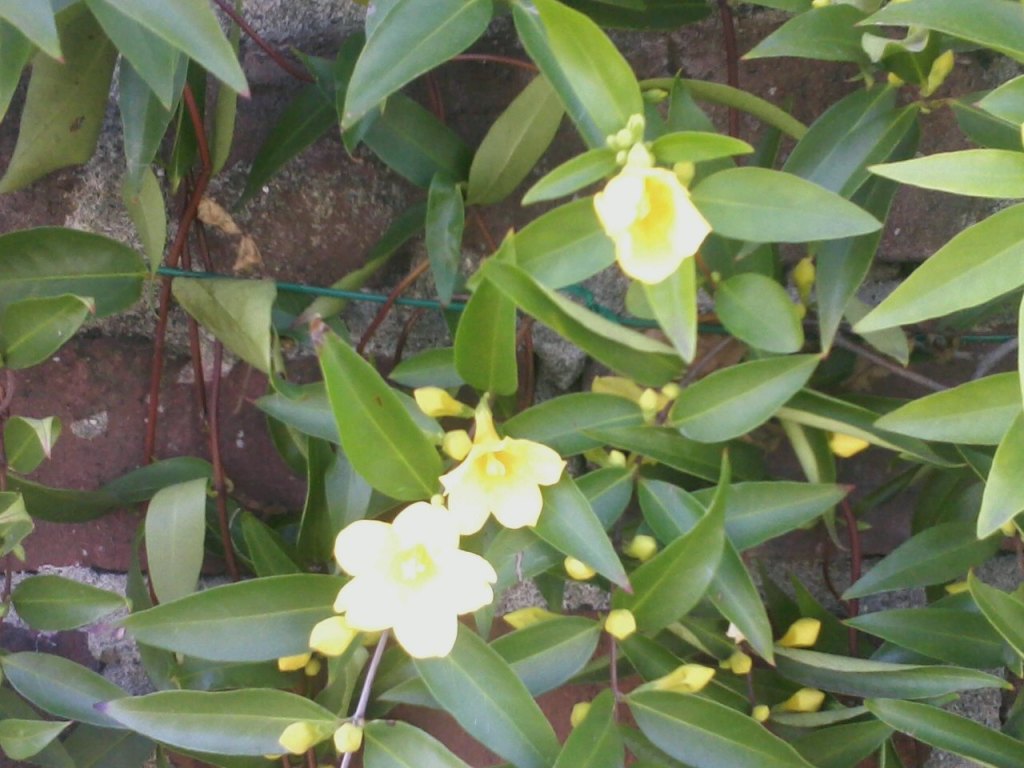
Along with lilac vine (Hardenbergia), daffodil and some acacia trees, Carolina jessamine, Gelsemium sempervirens, is one of the first flowers to bloom late in winter. The small, loose clusters of  inch long and wide tubular flowers are as bright yellow as those of the various acacia and daffodil, though not nearly as abundant, and actually barely abundant enough for their pleasant fragrance to get noticed. They provide nice contrast for the deep purple of lilac vine, particularly since both are complaisant vines that are often grown together. These twining vines can be kept below first floor eaves, but barely reach second floor eaves if allowed to grow wild. Leaves are about half an inch wide and two or maybe three inch long. Because Carolina jessamine is toxic, it should not be grown where children or inquisitive puppies might eat it. Incidentally, Carolina jessamine is the state flower of South Carolina.

Six on Saturday: Rhody’s Roady III – Oregon

Oregon, which is one of the most excellent states in America, was merely a drive through state with this trip. We spent our first night just south of the Southern Border of Oregon, and then spent our second night on the North Shore of the Columbia River, which is the Northern Border of Oregon. I really should have planned to spend more time in Oregon, particularly between Portland and Astoria. Well, I also should have stayed longer within the regions of Ilwaco. Anyway, our return trip was just as efficient, within only two days. We stopped at many of the rest stops on Highway 5 though.

1. What is this? I saw it at various places north of California. I do not remember where I first encountered it. It may have been just across the border, in the Siskiyou Mountains.

2. Oregon grape is nothing special at home. It gets shabby and only blooms sporadically. I wondered why that grumpy wannabe nandina is the Oregon State Flower. This is why.

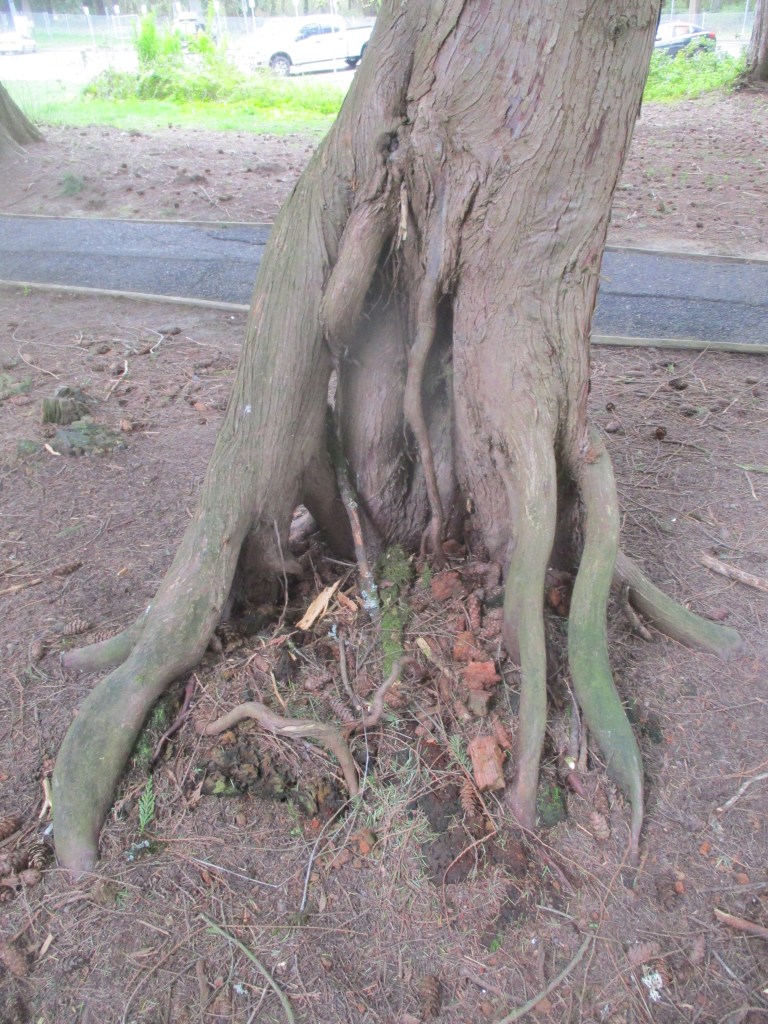
3. Western red cedar grew on top of a tree stump and dispersed its roots mostly between the decaying wood and bark, so now stands on its roots above decayed bits of the stump.

4. Grove of the States; what a splendid idea! However, a few State Trees do not live here, so required substitution. Furthermore, many were replaced with random or wrong trees.

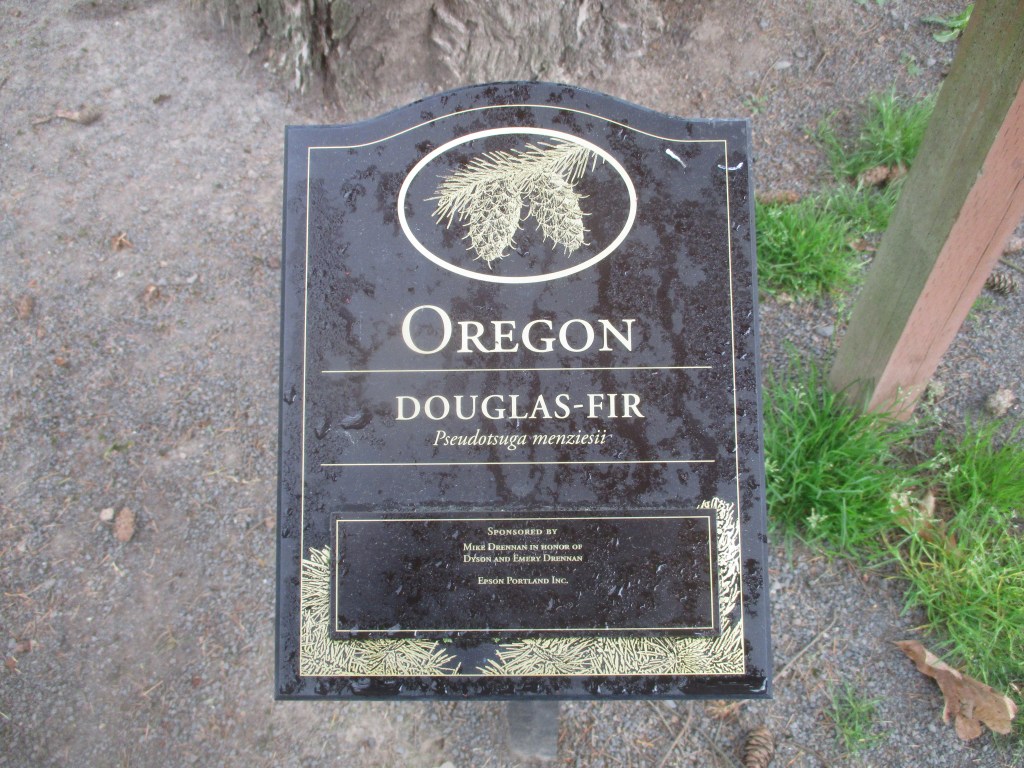
5. Douglas fir, which is the Oregon State Tree, grows wild locally, so the specimen within the Grove of the States is exemplary. It is not visible in this picture of its plaque though.

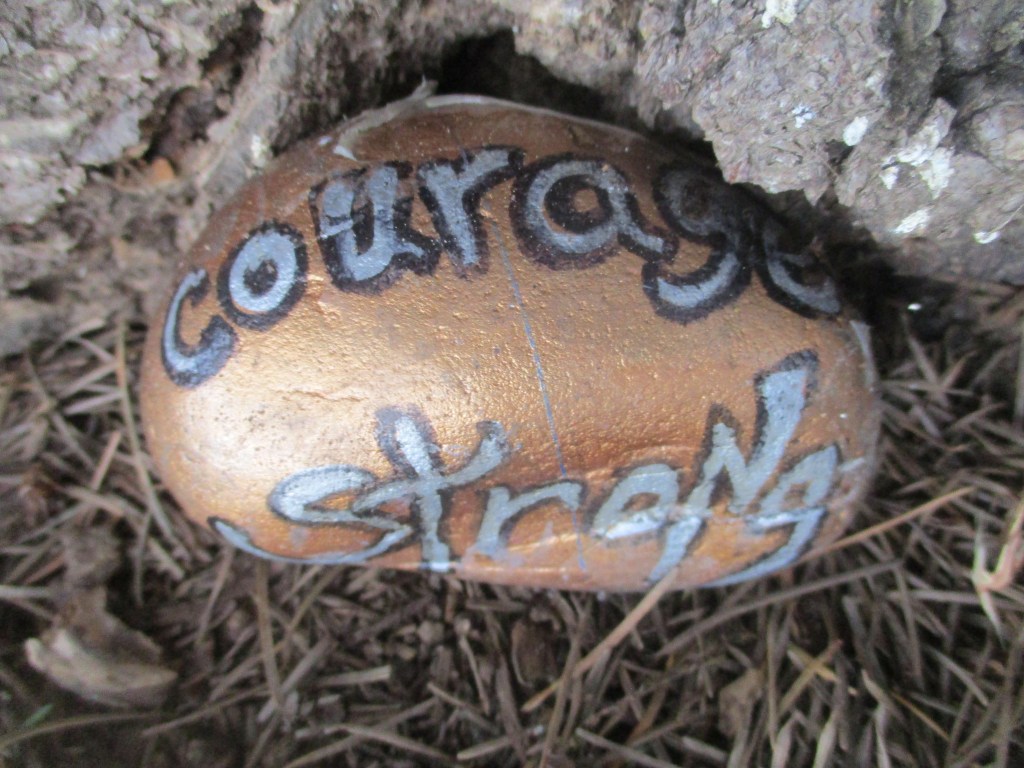
6. Rocks are still a ‘thing’. This one was at the base of a tree that I believe to be a mature Oregon white oak. Goodness; we stopped so much that I do not remember where this is.

This is the link for Six on Saturday, for anyone else who would like to participate: https://thepropagatorblog.wordpress.com/2017/09/18/six-on-saturday-a-participant-guide/

Black-Eyed Susan

Black-eyed Susan epitomizes prairie style.

A flower that is so prominent in American culture should have a more appealing name than black-eyed Susan. Even the Latin name, Rudbeckia hirta, sounds bad. Is Becky really so rude? Did she hirt Susan? Well, black-eyed Susan is good enough to be the state flower of Maryland, and is one of the most popular of flowers for prairie style gardens of the Midwest. After all, it naturally grows wild in every state east of Colorado. Here in the West, it is a light-duty perennial that is more often grown as an annual. As a cut flower, it can last more than a week.

In the wild, the three inch wide flowers of black-eyed Susan are rich yellow with dark brown centers, and can stand as high as three feet. The typically smaller but more abundant flowers of modern varieties can be orange, red or brownish orange, on more compact stems. Gloriosa daisies are fancier cultivars, with larger flowers that are often fluffier (double) or patterned with a second color. Individual plants do not get much wider than a foot, with most of their rather raspy foliage close to the ground. All black-eyed Susans bloom late in summer or early in autumn.

California Poppy

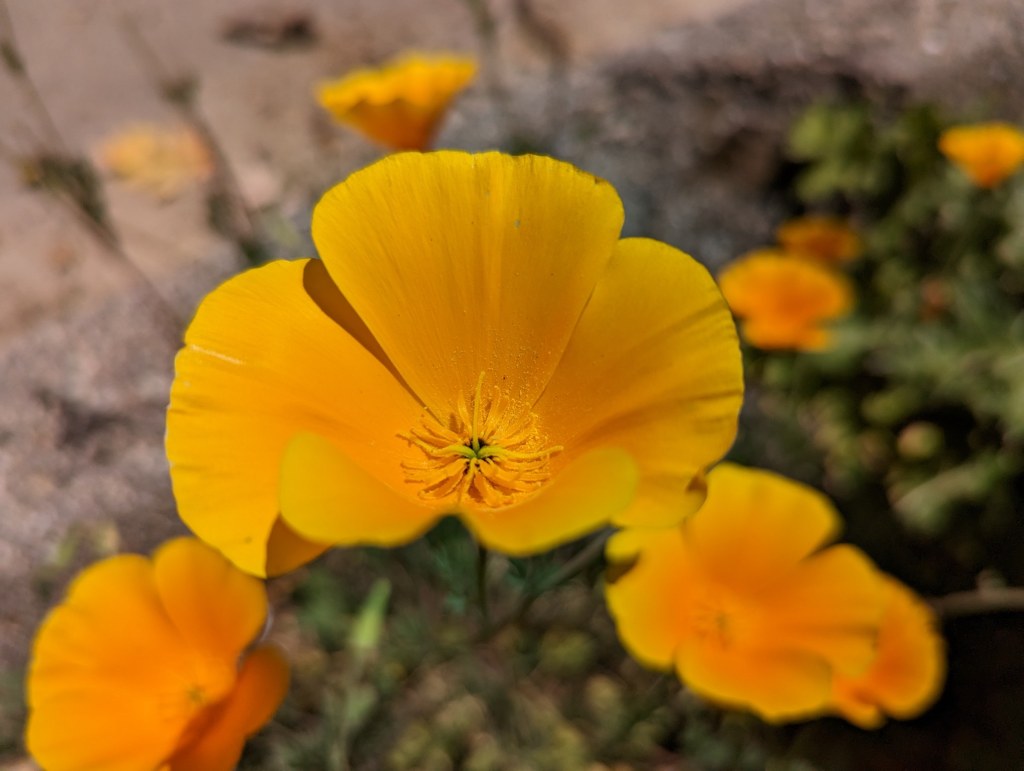
Wild California poppies are bright orange.

Even after so many pretty shades of yellow, red, pink and and white have been been developed, the natural orange of the native California poppy, Eschscholzia californica, is still the best. That is probably why they all eventually revert to orange after reseeding. Although native, they do not reseed everywhere, and actually seem to be more reliable in unrefined and unamended areas of the garden than in rich soil with generous irrigation. However, a bit of watering can prolong sporadic bloom until autumn. Bloom otherwise ends before warm summer weather.

California poppy is grown as an annual because the perennial plants get tired rather quickly. They fortunately self sow prolifically. Flowers are typically about two inches wide, with four petals. The intricately lobed leaves are slightly bluish. Foliage is not much more than half a foot deep.