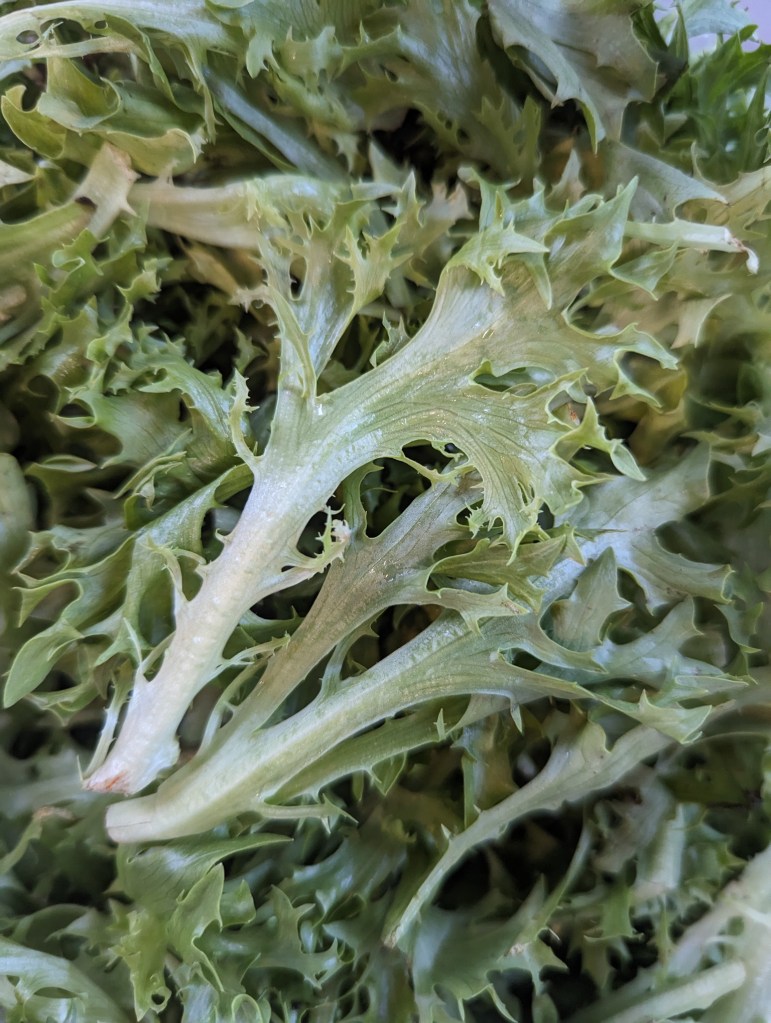
Successive Planting Prolongs Vegetable Harvest

Productive vegetables can become overwhelmingly abundant.

Cool season vegetables are now becoming seasonable. Regardless of warm weather, it is technically autumn, so the weather will get cooler. It might be tempting to sow all seed and plant all seedlings for vegetables at once. There should be no rush, though. Spring is half a year from now. Until then, successive planting can prolong vegetable harvests.

Successive planting entails cultivation of small crops throughout their seasons. The first vegetable crops, or groups, should begin as soon as they are seasonal. The last should finish at about the end of their seasons. Various vegetables grow at various rates. Some begin or finish earlier or later than others. Timing should not be too complicated, though.

Each crop of vegetables should ideally finish production as its subsequent crop begins. The typical duration of production should determine the frequency of subsequent crops. For example, each beet crop is productive for about two weeks. Each subsequent crop should therefore begin two weeks after its preceding crop. Production can last all winter.

Successive planting is not merely for cool season vegetables. It is as effective for warm season vegetables, and some spring and summer bulbs. The earliest cool season crops can replace the first warm season crops to finish. The process continues for weeks until the cool season vegetables replace all others. There is no rush for successive planting.

Large vegetables, such as broccoli, cauliflower and cabbage, require more space. They also require fewer crops because they mature relatively slowly. Successive planting for them may involve only one early crop and one late crop. Each crop might be productive for more than a month. Individual plants within each crop might mature at different rates.

Cucumber and pea are actually fruits rather than vegetables. Their vines are productive until they succumb to the weather. Those that start now may produce until the middle of winter. Those that start after the middle winter may produce until spring. Therefore, two crops may be the extent of their successive planting. One may suffice for mild climates. Cucumbers are actually warm season vegetables that grow for autumn and early spring.
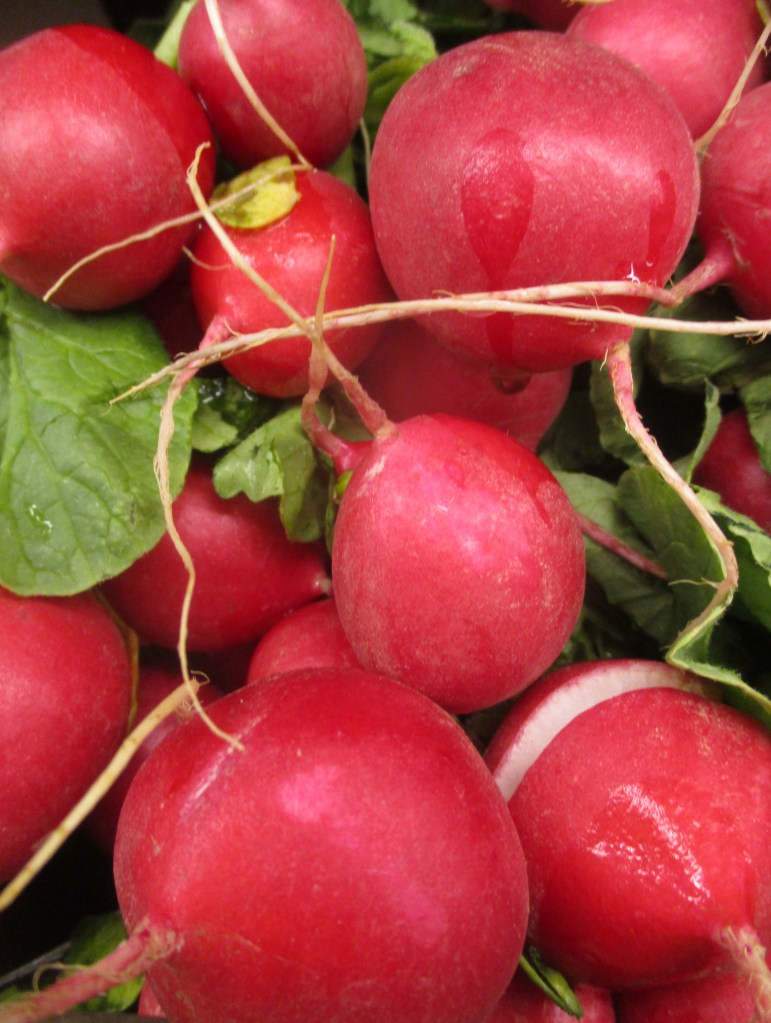
Successive Planting Increases Vegetable Production

Radishes produce for a limited time.

Cool season vegetables might seem to be a bit early while the weather is still warm. It is technically autumn, though. If the weather is a bit too warm now, it should not be for long. Cool season vegetables may soon enjoy the cool weather they prefer. Their subsequent phases of successive planting can enjoy it even more. Spring is a few months from now.

Successive planting begins early and finishes late. It entails cultivation of relatively small groups of vegetables throughout their seasons. The first groups start as soon as they are seasonable. The last groups should finish at about the end of their season. Each type of vegetable prefers particular seasons. Therefore, some begin or finish earlier than others.

Ideally, each group of each vegetable finishes production as a subsequent group begins. The expected duration of production determines the frequency of phasing. For example, if radishes produce for two weeks, each phase should be two weeks apart. Also, each of the phases should provide enough radishes for two weeks. Scheduling is very important.

Larger vegetables, such as cabbage, broccoli and cauliflower, likely need fewer phases. Successive planting for them may involve only one early group and one late group. Each group may remain in production for a month or longer. Individual vegetable plants within each group mature at different rates. Even when mature there is no rush to harvest them.

Cucumber and pea vines remain in production throughout their seasons. Those that start now might continue production until the middle of winter. Those that start after the middle of winter might continue production until spring warmth. Two such phases are the extent of their successive planting. (Cucumbers and peas are really fruit rather than vegetable.)

Successive planting also prolongs the bloom of spring bulbs that will be available soon. Of course, it is only effective for the first spring after initial planting. Bulbs synchronize for any subsequent bloom if they naturalize. Successive planting is not so effective for bulbs that bloom later in summer or recurrently. Cannas bloom late regardless of planting time. When seasonable, all dahlias should start on time.