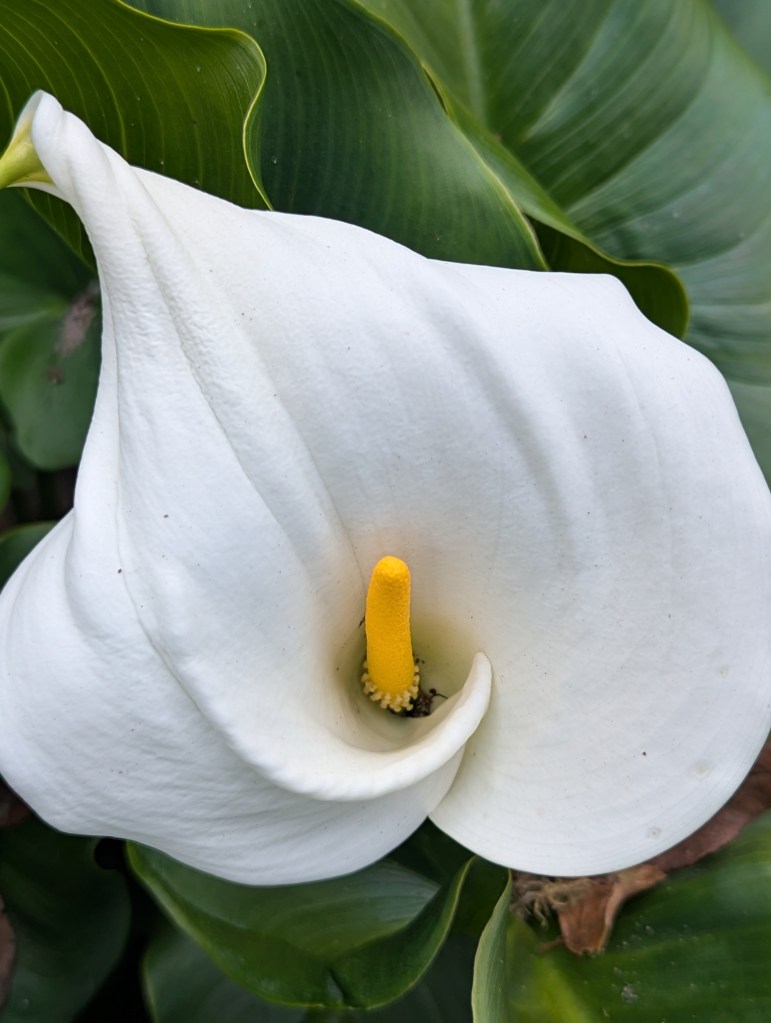
With few exceptions, common calla, Zantedeschia aethiopica, blooms exclusively white. ‘Green Goddess’ blooms with green stripes on bigger and more open blooms. ‘Pink Mist’ blooms with a pale pink blush at the bases of its blooms. More colorful summer calla are Zantedeschia elliotiana, which is a different species. Cultivars of common calla are rare.
Calla is an herbaceous perennial that grows from thick rhizomes. It can be invasive, and difficult to eradicate once it gets established. Its basal leaves stand two or three feet high or a bit higher if shaded. More than the lower half of their height is petiole. The upper leaf portion is broad and arrow shaped. All growth is rather spongy and soft, and tears easily.
Callas bloom mostly sporadically for spring, summer and autumn. Mature colonies often bloom with more profuse phases. New rhizomes do not bloom for a few months, though. Individual blooms consist of a solitary flaring spathe surrounding a spike shaped spadix. Compressed flowers adhere tightly to the yellow spadix. Callas are splendid cut flowers.
Spring bulbs go into their gardens through autumn because they enjoy the chill of winter. Summer bulbs do not. They instead prefer to wait until after the coolest of winter weather. If they start too early, some might decay in cool and damp soil before they begin to grow. Some may grow while the weather is warm only to incur damage from later cool weather.
However, they should not wait for too long. Summer bulbs dislike winter but enjoy spring. Those that start about now will be ready for it. By the time their new growth emerges from the soil, there will be no concern of frost. Although most generate only vegetative growth through spring, they bloom for summer. Many continue until frost or the following autumn.
Summer bulbs, like spring bulbs, are merely dormant perennials. Only a few are actually bulbs, though. Most are corms, rhizomes or tubers. They produce new foliage and bloom while the weather is warm. Then, they go dormant as the weather cools for the following autumn or winter. Once in the garden, several types can stay and perpetuate indefinitely.
For example, new canna rhizomes might rot if they go into the garden too early in winter. However, after their first summer, they can survive in the garden through their next winter. Dahlias might also survive winter dormancy in the garden. However, they are more likely to survive if dug and stored for winter. Their tubers might return to the garden about now.
Summer bulbs that are actually bulbs or corms, such as gladiolus, generally bloom once. Dahlias grow from tubers, so bloom for a more extensive season. Summer bulbs that are rhizomes, such as gingers, may bloom once or sporadically. Gingers and crocosmia can eventually become invasive. However, gladiolus is rarely as sustainable as it should be.
Summer bulbs become available from nurseries as it becomes time to plant them. Some are available now, and more will become available as their season progresses. Dahlias, cannas and callas should be available growing in pots after early spring. Summer bulbs that proliferate a bit too much are easy to share. Many propagate very easily by division. Most perform as well within large pots and planters as they do in the soil.
Summer bulbs, such as canna, calla and dahlia, can wait until spring. They do not enjoy winter chill during their dormancy like spring bulbs do. Spring bulbs become available at nurseries now because this is the time to plant them. They wait patiently for winter to end before blooming. A bit of winter chill actually helps them to maintain their strict schedule.
That certainly does not mean that their strict schedule is not adjustable. Most early bulbs prefer interment into their shallow graves within weeks of Halloween. However, they can wait as late as New Year’s Day. This allows for successive planting, which prolongs their ultimate bloom. Early planting promotes early bloom. Late planting promotes late bloom.
Most spring bulbs from nurseries are prechilled because winters are relatively mild here. They are therefore less reliant on significant winter chill. However, some of such bulbs in several of the milder climates may bloom only once. They lack the winter chill they need to bloom for subsequent springs. Avid garden enthusiasts compensate with refrigeration.
That requires major diligence, though. Most who enjoy gardening do not want to dig and refrigerate dirty spring bulbs. Consequently, most who grow them enjoy them as annuals or disposable perennials. Unfortunately though, spring bulbs do not bloom for very long, and are not inexpensive. That is why they are not as prevalent here as in other climates.
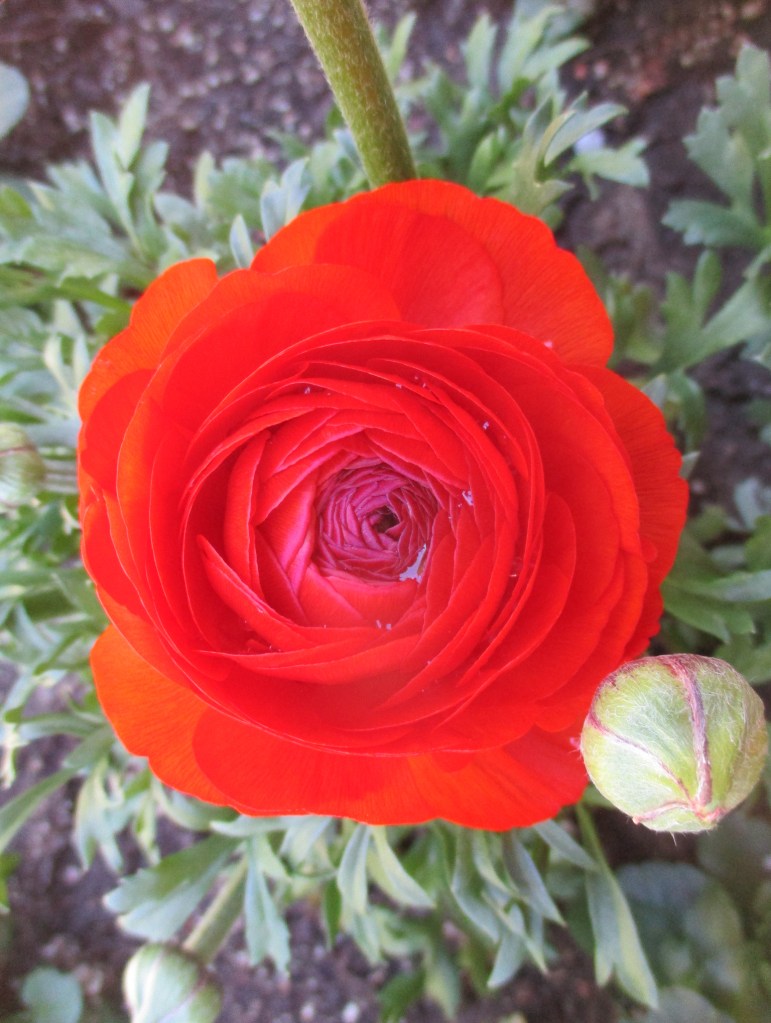
Freesia and narcissus, including daffodil, do not need much chill. They can settle in and bloom for many years after their initial planting. Ranunculus and anemone may not need much chill either, but are less likely to regenerate from year to year. Dutch iris and Dutch crocus are unpredictable. They might become reliably perennial, but may not cooperate.
Tulip and hyacinth may be more disappointing, since they require significant winter chill. If they can not experience such chill naturally from the weather, they require refrigeration. Otherwise, they bloom only once for their primary season, and only after prechilling. Yet, both are among the most popular of spring bulbs. Their blooms are simply too appealing.
Not many summery bulbs provide as much immediate gratification as Canna. They grow very fast as soon as the weather begins to warm at the end of winter. They could become a bit too invasively vigorous for some situations. Canna are almost too easy to propagate by division. They probably perform better with annual thinning, preferably while dormant.
Dormant canna rhizomes are now available from nurseries. Potted specimens should be available a bit later. Canna, though, might be as available from friends or neighbors who grow too many. They crave frequent irrigation, and can inhabit riparian situations such as ponds. Although they are not too discriminating about soil, the prefer organically rich soil.
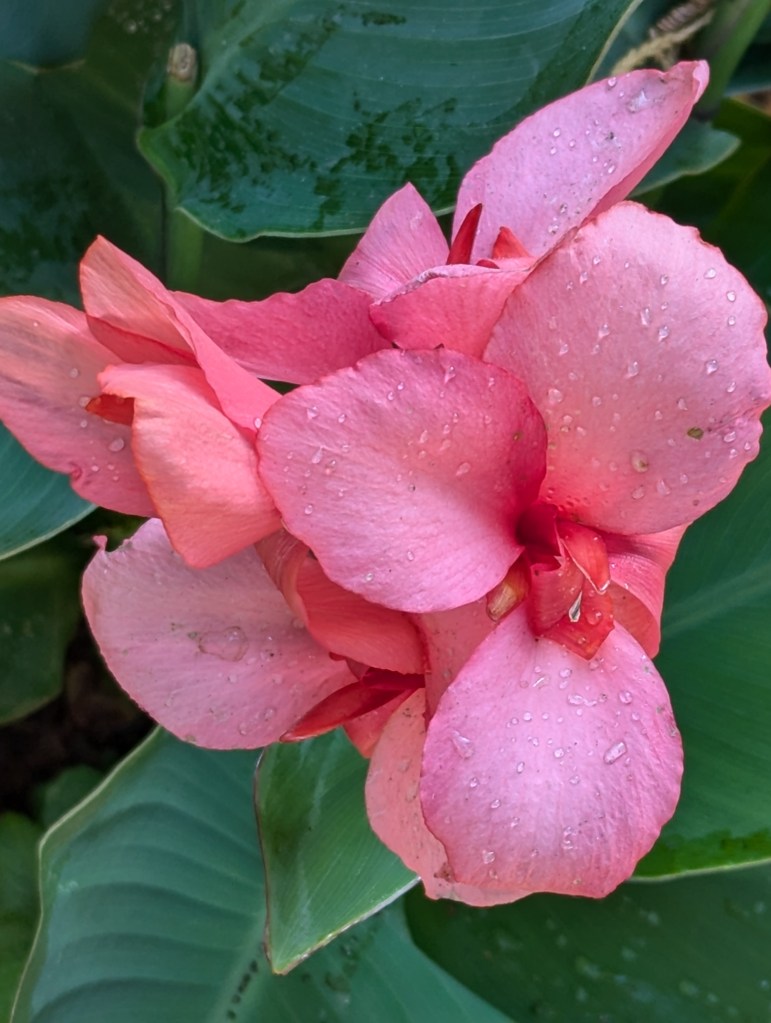
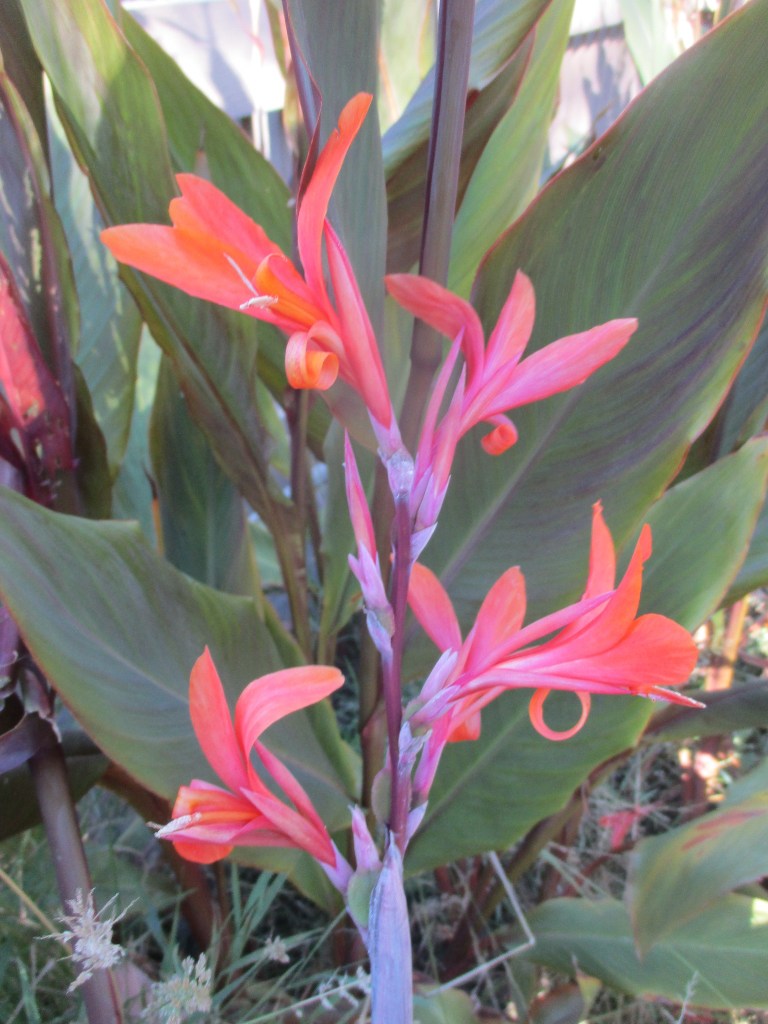
Canna foliage is about as lush and striking as its bloom. It can be green, various shades of bronze or variegated with white, yellow or bronze. Flowers can be thin and ribbony, or big and billowy. Floral color is various hues of yellow, orange, red, pink, or rarely creamy white. Flowers are commonly spotty or blotchy. Some canna grow higher than eight feet. Dwarf cultivars bloom splendidly without growing taller than two feet.
Spring bulbs prefer an earlier start, and several appreciate a bit of winter chill. Summery bulbs, or summer bulbs or late bulbs, prefer a later start to avoid such chill. Most tolerate minor frost, but none benefit from it. If too early, some can start to decay while waiting for warmer weather. Some can grow prematurely, and perhaps incur damage from late frost.
Summery bulbs are in season now because they take a bit of time to grow. The potential for frost should be minimal as their foliage emerges above their soil. Once established in their first seasons, many could stay in their gardens indefinitely. They should be resilient to minor frost by their second seasons. Most that incur damage should recover efficiently.
However, many summery bulbs are not reliably perennial. Cannas and gingers can grow aggressively enough to become invasive. Gladiolus, though, may bloom half as much for subsequent seasons until none remain. Some who like to grow dahlias prefer to dig and store the tubers through winter. This is more likely to protect them from rot than from frost.
Incidentally, few summery bulbs are actually bulbs. Most are perennial rhizomes, corms, tubers or tuberous roots. Some, especially those that grow from tubers or tuberous roots, bloom longer. Those that grow from bulbs, corms and rhizomes mostly bloom only once. Succession planting prolongs their first bloom seasons, but they synchronize afterwards.
After their summer bloom seasons, most summery bulbs defoliate for a winter dormancy. This is actually why they are in season now. After all, winter dormancy is the best time for transplanting, division and thinning. Cannas and gingers could try to retain some foliage through winter. Cutting it all back might be easier than grooming it from new foliage later.
Dahlias might be the most popular of summery bulbs. Cannas and gingers are likely the second most common. Alliums and old fashioned tuberous begonias are becoming more popular. Tuberous begonias are not so easy to grow, though. Crocosmias are too easy to grow, and are invasive. Alocasias and colocasias provide colorful and boldly big leaves.
Both alocasias and colocasias are striking foliar plants. Alocasias generally develop big leaves that point upward. Colocasias generally develop even bigger leaves that hang downward. Alocasias are generally more colorful, perhaps with striking foliar patterns. Also, most tolerate more shade than colocasias. Of course, these are generalizations.
Asian taro, Alocasia odora, resembles colocasias as much as alocasias. Its big cordate leaves may point only slightly upward, and might sag downward. They can grow two feet long and a foot wide, on petioles as long as three feet. Collectively, foliage can get more than five feet tall. It is bright but monochromatic green, similar to that of Kermit the Frog.
Asian taro is only occasionally available from nurseries. Small plants are too delicate for nurseries to market too many of them for too long. Their dormant bulbs are more likely to become available with summer bulbs. They can be wider than three inches! They grow slowly though, especially while weather is cool. Foliage may not appear for two months.
Spring bulbs begin to go into the garden during autumn to benefit from the chill of winter. Summer bulbs begin to go into the garden during late winter to avoid the chill of winter. Spring bulbs know to remain dormant through winter. Some summer bulbs do not. If they grow prematurely, they can be vulnerable to cool wintry weather. Late is better than early.
Frost is still possible within some climates. However, summer bulbs are now in season. That is because, like spring bulbs, they disperse roots prior to developing foliage. By the time they extend foliage in a month or so, the weather will not be so cool. Later phases of a few sorts bloom later to prolong bloom for the first season. They synchronize afterward.
That is because they establish themselves within the garden. Once they do, some types of summer bulbs become hardy perennials. Some might try to grow prematurely during subsequent winters. If they incur frost damage as established perennials, they can easily replace the damage. Ornamental gingers and cannas do so regularly in inland climates.
Ornamental gingers and cannas may eventually benefit from division. Even if they do not become too crowded, they can migrate where they are not wanted. Their surplus is easy to relocate or share while dormant for winter. Their foliage becomes shabby or dies back during dormancy anyway. Even if mostly green, its removal stimulates healthy refoliation.
Ornamental gingers and cannas also are oblivious to phasing. Gingers bloom only once for late summer or autumn. Cannas bloom randomly from spring until autumn. Gladiolus bloom only once like gingers, but are more conducive to phasing. Early planting allows early bloom. Late planting delays bloom. Unfortunately, they are much less sustainable.
If summer bulbs do not look like bulbs, it is because few actually are. Most are rhizomes. Dahlias, which, like cannas, bloom from spring until autumn, grow from tuberous roots. As the name implies, tuberous begonias grow from tubers. Crocosmias grow from corms. So do taros, which are large foliar perennials. Gingers and cannas are familiar rhizomes. Although alliums bloom as summer bulbs, they go into the garden along with earlier spring bulbs.
Lily is such a generic classification. Kaffir lily, water lily, calla lily, canna lily and many other lilies are not lilies at all. These examples are not even remote relatives. Real lilies are of the genus Lilium. However, even the most familiar of these are hybrids of various species. Asiatic lilies are a group of such hybrids that classify as Lilium asiaticum.
Asiatic lilies go into the garden as dormant bulbs during late autumn or winter. They grow through spring to bloom for early summer. Bulbs require vernalization to bloom, so may not bloom annually within mild climates. Asiatic lilies that are now popular as spring cut flowers grow in greenhouses. Mature bulbs can grow large enough for propagation by division while dormant. Bulbs like rich and evenly moist soil.
Asiatic lily bloom can be white, yellow, orange, red, reddish purple or pink. Many are delightfully monochromatic. Some display spots, stripes or darker centers. Each bulb extends a single stem with a few flowers on top. Each flower extends six flaring tepals in familiar lily form. Unlike most other lilies, Asiatic lilies do not produce enough pollen to be messy. All lilies are toxic to cats.
Narcissus, including daffodil, started to bloom during all that earlier torrential rain. Those that bloomed after the rain stood up a bit better than those that started earlier. Crocus are stouter so are more resilient. Hyacinth are both relatively stouter and slightly later. While such spring bulbs contend with late wintry weather, it is about time to add summer bulbs.
Unlike spring bulbs that like to be in the garden early enough to benefit from winter chill, summer bulbs do not benefit from chill. Some actually dislike it. Also unlike spring bulbs, very few summer bulbs, or late bulbs, are actually bulbs. Almost all are rhizomes, tubers, tuberous roots, corms or other types of dormant but reliably perennial storage structures.
Summer bulbs do not grow through early winter to bloom later in winter or early in spring like spring bulbs do. They instead grow through late winter and early spring to bloom for late spring or summer. A few bloom for autumn. Several are more reliably perennial than the majority of spring bulbs. However, some bloom splendidly only for their first seasons.
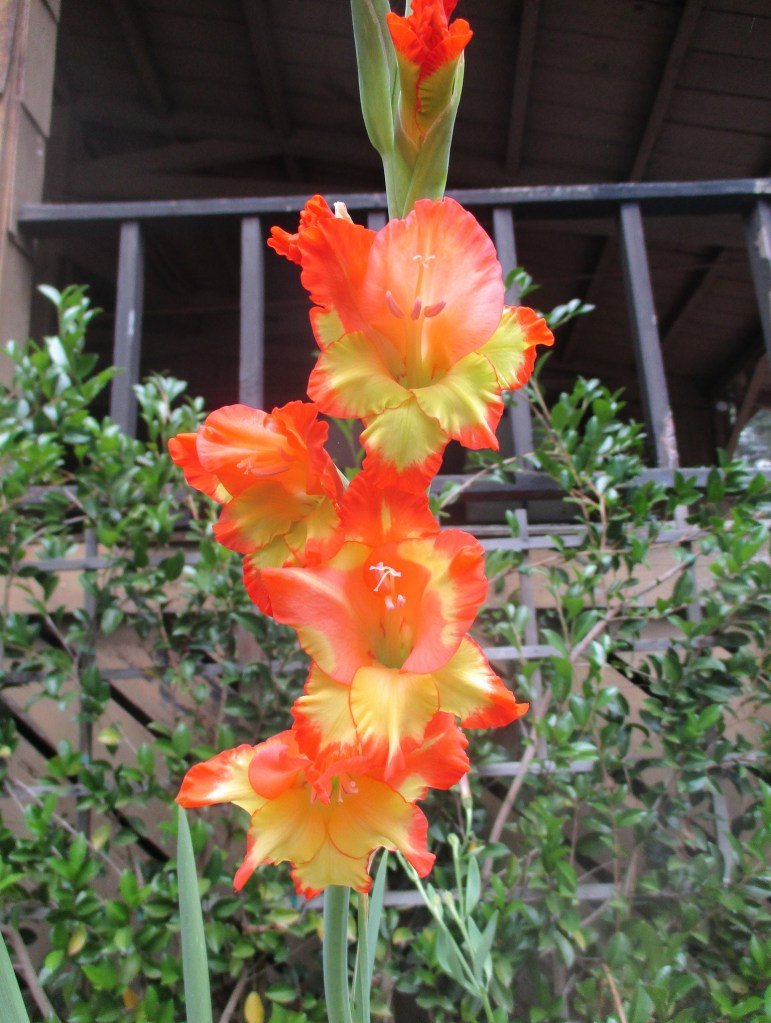
Gladiolus is one of the most popular summer bulbs, but like many spring bulbs, it blooms only once annually, and is not reliably perennial. Planting in phases every two weeks or so through their planting season prolongs bloom. However, most corms do not survive to bloom for a second season. Those that do will synchronize for their subsequent blooms.
Dahlia blooms for a longer season from the middle of summer until the middle of autumn. Also, it is more reliably perennial. Tubers remain dormant through winter after stems and foliage die back. They generate new stems and foliage through warming spring weather. Overgrown or crowded tubers propagate efficiently and easily by division while dormant.
Summer bulbs are not quite as diverse as spring bulbs, but some types are too vigorous for much diversity. A few rhizomes of canna can become overwhelming within a year. Old fashioned white calla forms broad colonies that might exclude other perennials. Smaller and more colorful modern cultivars are fortunately docile. Crocosmia might get invasive, and is difficult to mitigate.
Daffodil bloom is not in season, but their dormant bulbs will be soon.
Even before winter begins, it is time to plan for it to end. Bulbs (including corms, tubers, rhizomes and tuberous roots) of many of the earliest spring flowers that bloom while the weather is still cool late in winter should begin to get planted about now. They are still dormant and not all that impressive yet, but have already stored everything they need to be ready to bloom as soon as they think it is time. Since the weather will be getting cooler through autumn before it gets warmer at the end of winter, even the earliest blooming of spring bulbs will stay dormant for a while, and have quite a bit of time to slowly disperse roots before their foliage eventually peeks through the soil.
Bulbs planted later will likely bloom later, which is actually an advantage for ‘phasing’ bulbs. Like vegetables, bulbs can be planted in phases every two or three weeks, depending on the duration of the bloom cycle of the particular bulbs involved. As one group finishes blooming, the next group starts blooming. Bulbs become available when it is time for them to be planted, and generally remain available long enough for a few phases to get added later when convenient, although there is always the threat of particular varieties getting sold out later in the season.
Phasing is only effective in the first season, since bulbs get established after their first bloom cycle, and will subsequently be on the same schedule as all their friends of the same variety. Bearded iris, calla, anemone and rananculus are not conducive to phasing, but instead bloom at a particular time, regardless of when they were planted.
Narcissus, daffodil, grape hyacinth, bearded iris and classic white callas are the most reliable of spring bulbs, and the most likely to naturalize, although bearded iris and callas will probably bloom quite late in their first year. Crocus, freesia and harlequin flower are almost as easy to grow. Anemone, rananculus, hyacinth, lily, tulip and the small colorful callas are tempting, but are not as reliable after their first year because the seasons are so mild here.




 Tony Tomeo