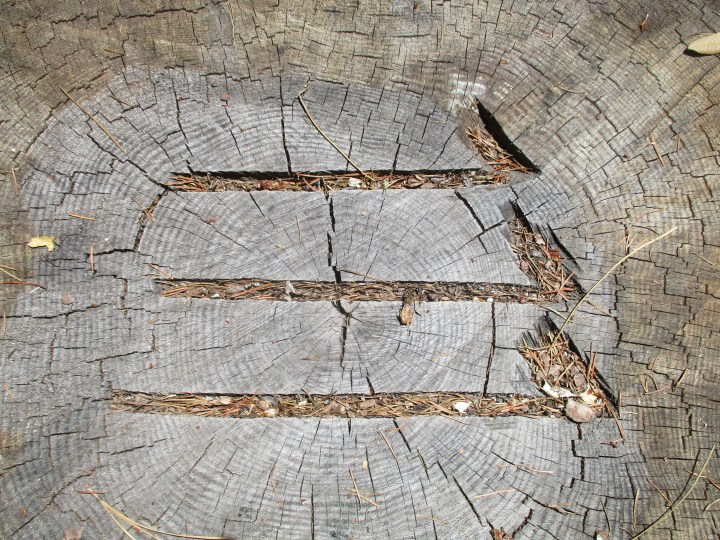
What does this mean? Is it ‘111’ deprived of the lower serifs? Is it ‘777’ with abbreviated arms? . . . ‘TTT’ lacking right arms? . . . ‘LLL’ with abbreviated legs? Is it pointing toward something important? Is a hieroglyph from an ancient language . . . or a language that has yet to be invented?! Is it like a miniature crop circle pattern cut into wood by Sasquatch or extraterrestrials?!
The arborist who left it here after cutting down the deceased ponderosa pine that formerly stood where this large stump remains might be amused to read that I contemplated it so intently. Actually, I did not really contemplate it so much. I only wrote about it as if I did because it is amusing to do so. I have no idea what this hieroglyph represents. I know that it is not important.
I have worked with enough respectable arborists to know that some of them prefer to leave their distinctive marks on the stumps of some of the impressively large trees that they cut down. In many of the suburban regions in which I work, most of such stumps get ground out shortly afterward. In the forested rural area here, such stumps remain until they rot and disintegrate.
On rare occasion, I encounter a familiar hieroglyph or the initials of a respected colleague. Now that we are as old as we are, familiar hieroglyphs are increasingly rare. Arboriculture is for the young. I sometime wonder about those who leave unfamiliar hieroglyphs. To me, the continuation of the tradition seems to indicate that they enjoy their work as much as my colleagues did.
That is important in horticultural industries. There are few in society who understand the appeal. We do what we do because it is what we enjoy.
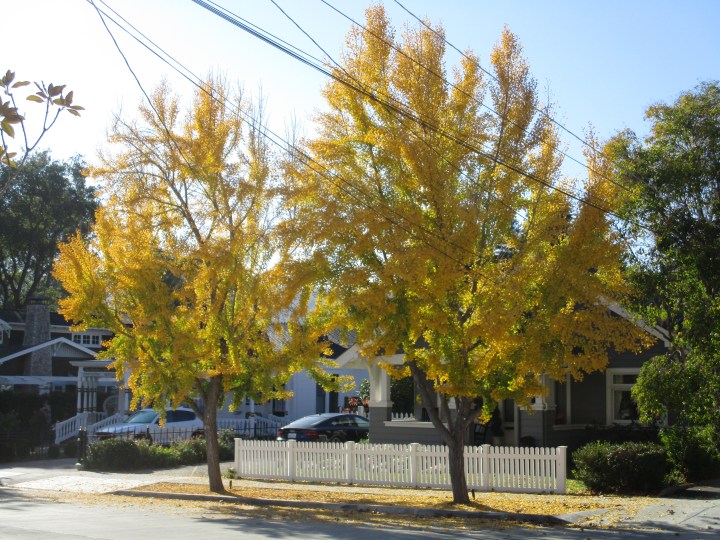 Much of my work involves street trees. They need more of my kind of attention than most other trees. They must conform to more restrictive limitations. They endure more abuse. They are the most prominent trees on urban properties. Because some are assets of their respective municipalities, they are more stringently protected by local ordinances than other trees are.
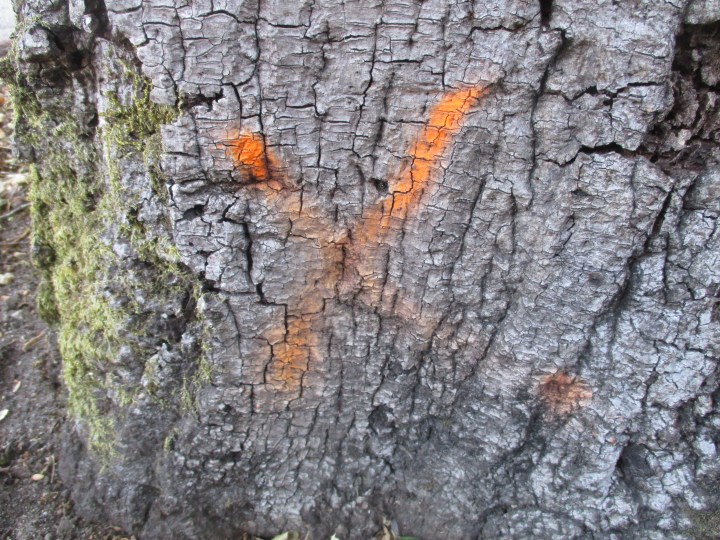 Horticulture is not all about growing things. If everyone was out planting trees, the World would eventually be overwhelmed with forest. It is sometimes necessary to cut trees down. There are several at work that we have been wanting to cut down for quite a while. Some are structurally deficient enough to eventually become hazardous, which is unacceptable in public spaces.

 Tony Tomeo