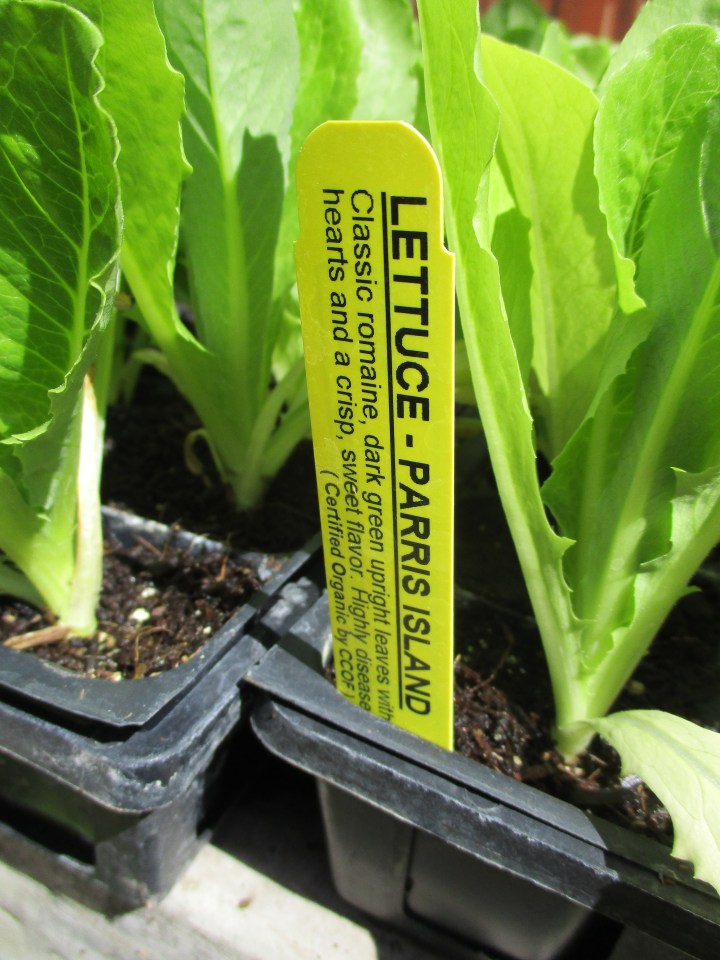
 Right smack in the middle of the warm part of summer, it is already time to be getting ready for autumn gardening. This involves more than just ordering our autumn planted spring bulbs while the selection is still optimal. Most of us purchase bulbs from what is available in nurseries when they are in season anyway. Seed that gets sown in the next few weeks is a more immediate concern.
The majority of cool season vegetables will get planted later, when the seasons actually start to change to become . . . well, cool. Seed for beets and carrots gets sown directly in about a month, followed by pea seed even a bit later. At about that same time, many of us will plant small seedlings of other cool season vegetables, like broccoli, cauliflower, cabbage, lettuce, spinach and kale.
For many of us though, it is not that simple. If we want varieties of these cool season vegetables that are not likely to be available as seedlings in nurseries later, we must grow our own from seed. Whether they get sown directly into the garden, or into flats to be grown as seedlings to be planted later, broccoli seed should be sown about now. By the time it gets to growing, it will be autumn.
Seed purchased online or from mail order catalog should be ordered by now. It is not too late for broccoli if the seed arrives and gets sown soon. Cauliflower and cabbage seed gets sown within a month or so, as late August becomes early September. Lettuce and spinach seed should wait half way through September, like beet and carrot seed. Kale seed can wait until after September.
Seed for secondary phases of most of these cool season vegetables can be sown early next year.
In the meantime, warm season vegetables must continue to be harvested very regularly. If they stay in the garden long enough to get tough and bland, they also interfere with continued production. Foliar herbs can be harvested for drying just about any time they are fresh and not blooming. Regular harvesting inhibits bloom, and therefore promotes more of the desirable foliar herbal growth.
 This is why I do not bother growing greens in the garden just yet. Wild radish grows here wild; and there is way too much of it. Most but not all of it gets mown in meadows or cut down with weed whackers on the edges of roadways. There is no need to cut down that which is out of the way. Besides, we could not cut it all even if we wanted to. There is wild turnip and mustard too. All are prolifically naturalized and invasive exotic species.
 Actually, it is a fruit. It contains seeds. Tomato, Solanum lycopersicum, is one of the most popular vegetables in American gardens. Most are red. Some are yellow or orange. A few weird varieties are pink, green, dark purple, brownish or creamy white. The largest tomatoes can get more than four inches wide. Tiny clustered ‘grape’ tomatoes are less than a quarter inch wide. There are literally thousands of varieties!
 Compared to replacing cool season annuals with warm season annuals, the replacement of cool season or ‘winter’ vegetables with warm season or ‘summer’ vegetables is not quite as traumatic. Most of the cabbage, broccoli and cauliflower plants finish in time to make room for new vegetable plants anyway. Unlike flowering annuals, they make it obvious that they are done for the season.
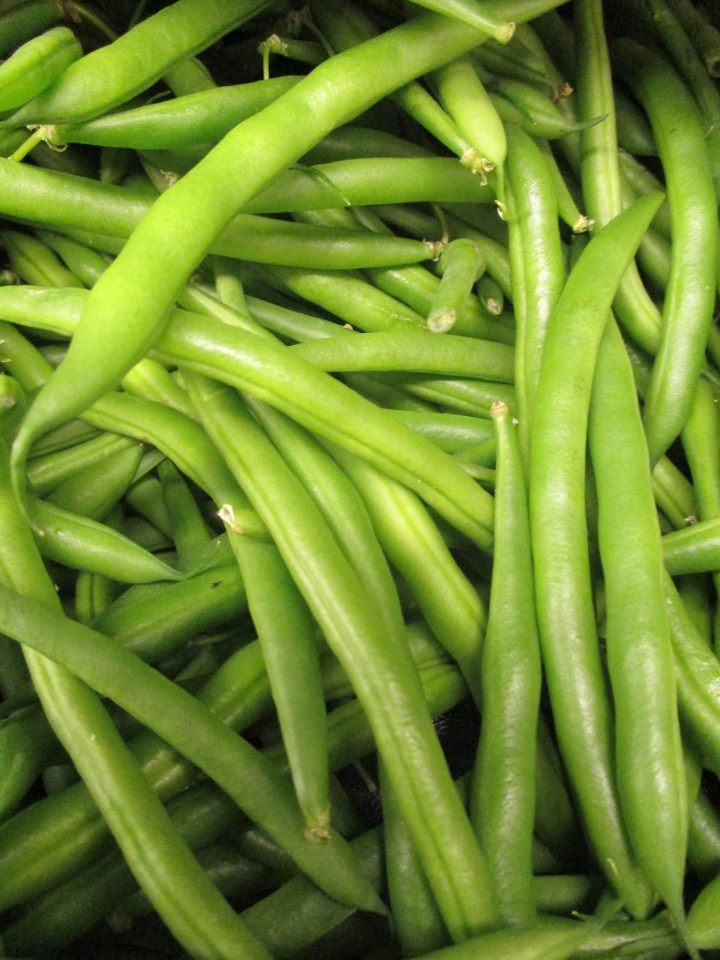 The main difference between pole beans and bush beans should be obvious. Pole beans climb poles. Bush beans are bushy. To complicate things, bush beans are more common in commercial agriculture because they are more adaptable to harvesting machinery, and they are most productive in a brief season, so are more efficiently harvested all at once rather than throughout summer.
 A south or west facing fence is a perfect place to grow pole beans. Twine can be strung in a zig-zag pattern between single rows of partly protruding nails along the top and bottom. The spacing of the nails should match that of the pole bean plants. Bean seed sown at the base of the fence germinate and grow quickly. Vines are happy to cling to the string and climb to the top of the fence.
 There are too many varieties of chili or pepper to count; but there are surprisingly few that are known as bell pepper, Capsicum annuum. They are the select few that lack capsaicin, which is what makes others so distinctly ‘hot’ and ‘spicy’. Most are quite mildly flavored. Green bell peppers, particularly those that are green because they are unripe, are generally more bitter and less sweet.
 Every year at about this time, there is the same concern that it is too early to put summer or warm season vegetables into the garden. When the time comes, replacing warm season vegetables with winter or cool season vegetables will also seem to be too early. Nonetheless, it is best to start the transition early so the garden will be ready for production as the weather warms into spring.
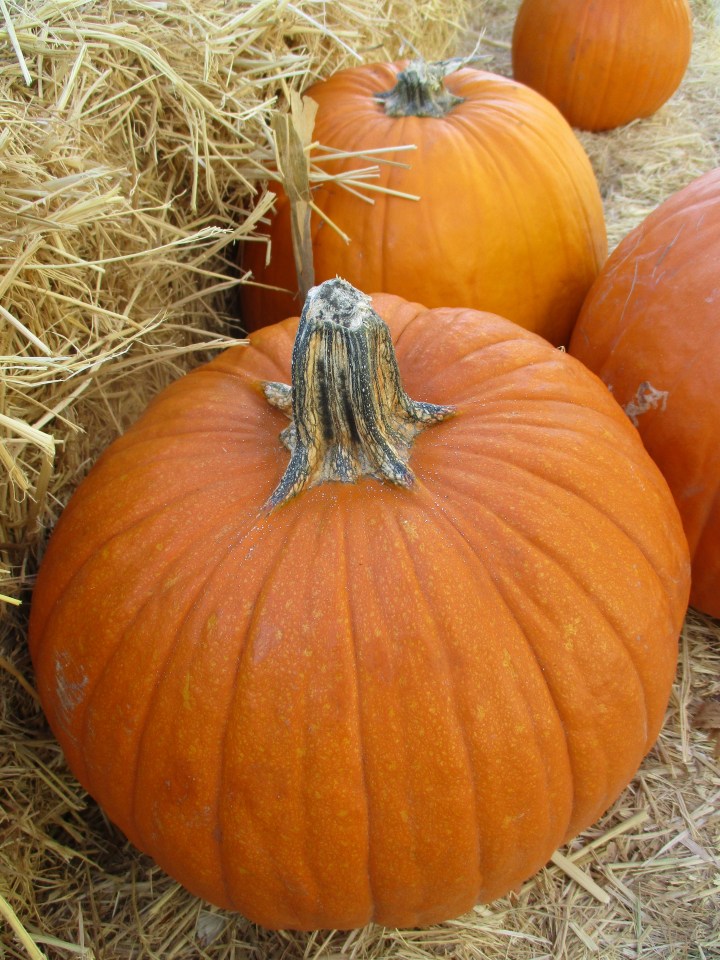 There is likely no other fruit that gets wasted quite like pumpkins. Almost all get hollowed and carved into Jack o’lanterns, illuminated from within for Halloween, and then discarded or added to compost within the next few days after Halloween. If they stay too long in the yard or on the porch, they mold or get partly eaten by squirrels. They were fun while they lasted, but the party is over.
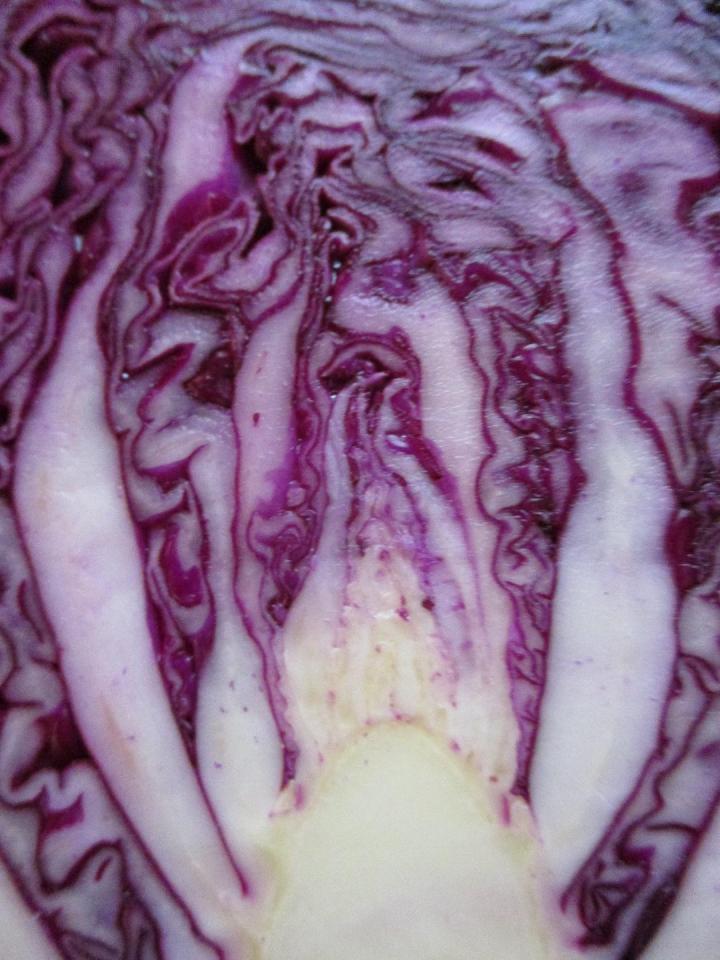 There are those of us who can grow cabbage well, and there are the majority of us who wish we could. Mild winters allow cabbage to be grown in autumn as well as in spring; but warm weather can also compromise flavor and promote premature bolting (blooming), which ruins the heads. Cabbage demands rich soil and regular watering. If the weather is evenly mild, they dig that too.
 Tony Tomeo