Nearly every landscaper and gardener brags about using plants that do not need much water. Buzz words like ‘drought tolerant’, ‘native’, ‘sustainable’ and ‘xeriscape’ have become all too common, even though few actually spell ‘xeriscape’ properly. (It is NOT ‘zeroscape’!) Unfortunately though, most gardeners water so frequently and generously that drought tolerant and native plants are less sustainable than plants that want more water.
The difficulty is that drought tolerant plants generally need rather regular watering immediately after planting, while they are still dispersing their roots, but then want to dry out between watering once they are established. Otherwise, they are very susceptible to rot if the soil is constantly moist. Most drought tolerant plants should therefore not be mixed with plants or lawns that want regular watering.
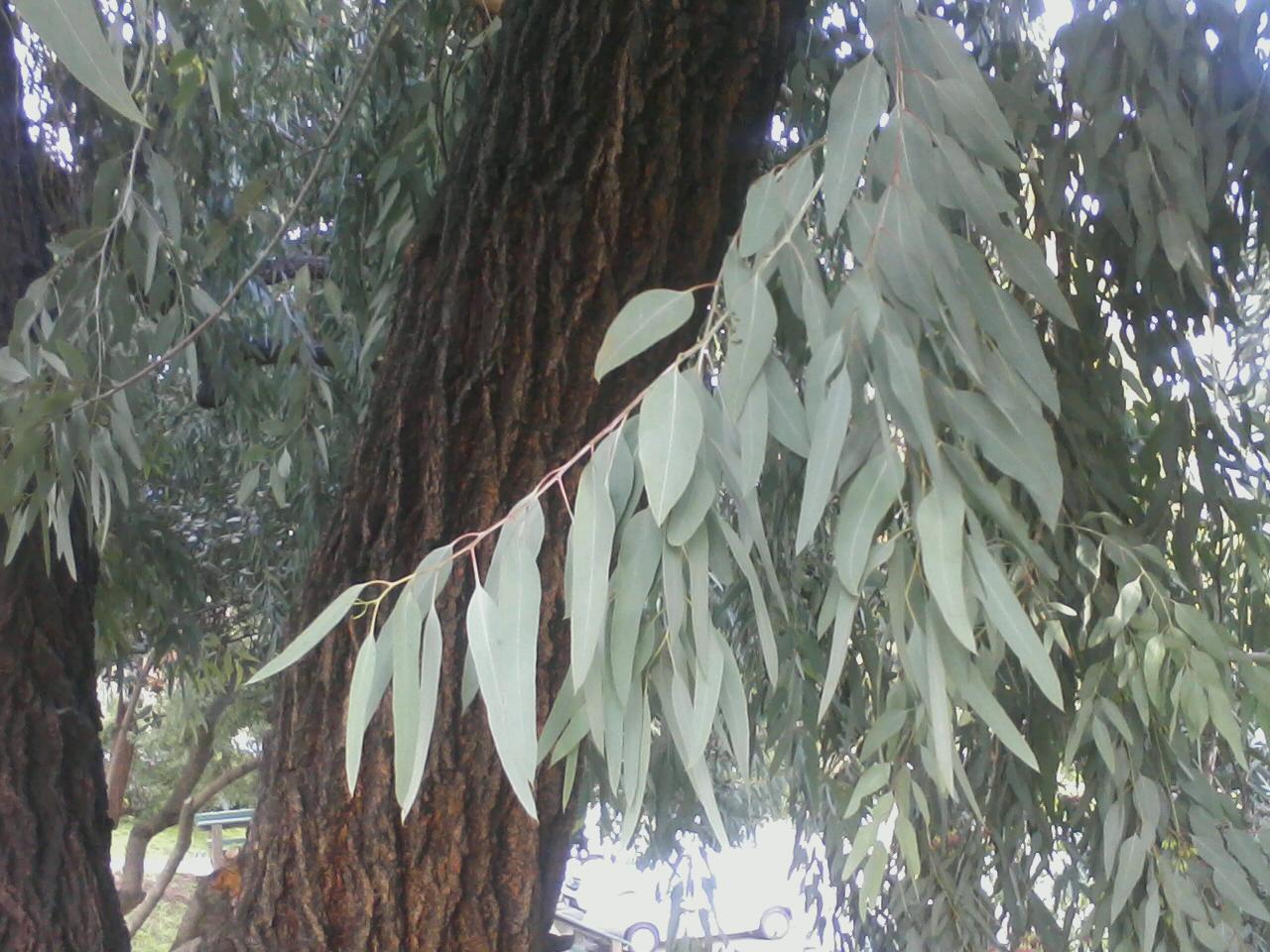
Trees like incense cedar, beefwood, carob, silk oak, olive, California pepper tree and some eucalyptus, pine and oak can be nice shade trees in lawns that are not watered too much, but do not live as long as they would with less water. (Although many are messy in lawns anyway; and carob smells bad when it blooms.) California laurel, African sumac, Australian willow, strawberry tree and most acacia and cypress are less tolerant of lawn irrigation.
Eucalyptus, pine, oak and acacia have sensitive roots, so do better if planted while young instead of as larger specimens. For example, #5 (5 gallon) red ironbark eucalyptus get established faster and grow larger than 24” boxed red ironbark eucalyptus installed at the same time.
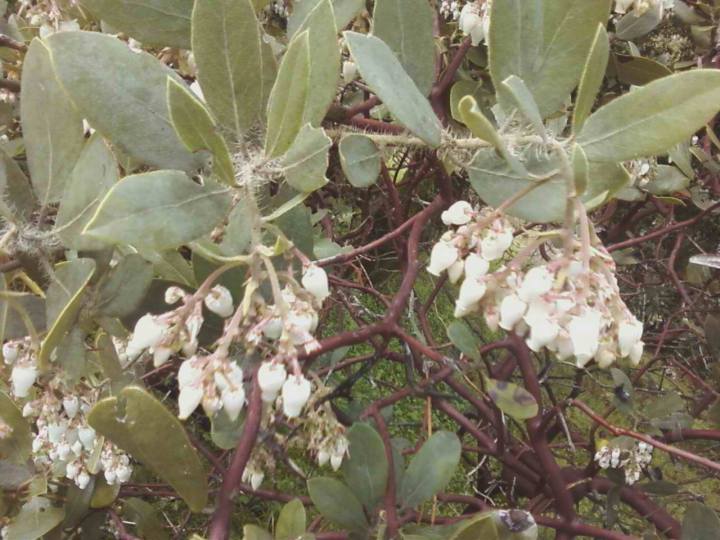
Bottlebrush, oleander, cotoneaster, hop bush, firethorn, grevillea, some types of wild lilac and all sorts of juniper can be happy with or without regular watering. Manzanita, coyote brush, rockrose, flannel bush and western redbud really want to dry out between watering. Like many plants from arid climates, wild lilac, coyote brush, rockrose, flannel bush and western redbud are naturally relatively short lived. Western redbud fortunately has an efficient technique of producing an abundance of seed and replacing itself with new seedlings before if finishes.
Lily-of-the-Nile is one of the most useful perennials, and can survive with annual rainfall or nearly saturated conditions. New Zealand flax is nearly as adaptable, but is more susceptible to rot if watered too much. Rosemary and several iceplants are nice ground covers with or without regular watering.
The various yuccas, aloes, agaves and their other relatives are some of the most practical perennials for arid climates, and many tolerate somewhat generous watering if necessary. However, most agaves and yuccas have nasty sharp leaves; and some agaves get too big to keep at a safe distance. Also, their bold personalities are not adaptable to every garden style.


 Tony Tomeo