Early Rain

This could be a sequel to ‘Late Summer’ from yesterday. It happened shortly afterward. It certainly adds another interesting component to this already odd year of weather. Although not impossible, rain at this time of year is rare. Almost all of the rain here occurs between late autumn and early spring.

Weirdly, if rain does occur during summer, it typically does so around the fifteenth of August. Seriously, it is very prompt about that schedule. It typically either begins or ends on that same date.

The first flash of lightning of the storm that started the CZU Fire occurred at 11:59 p.m. on the night of the fifteenth of August of 2020, less than a minute prior to midnight. So, although the storm occurred during the early morning of the sixteenth, it technically began on the night of the fifteenth.

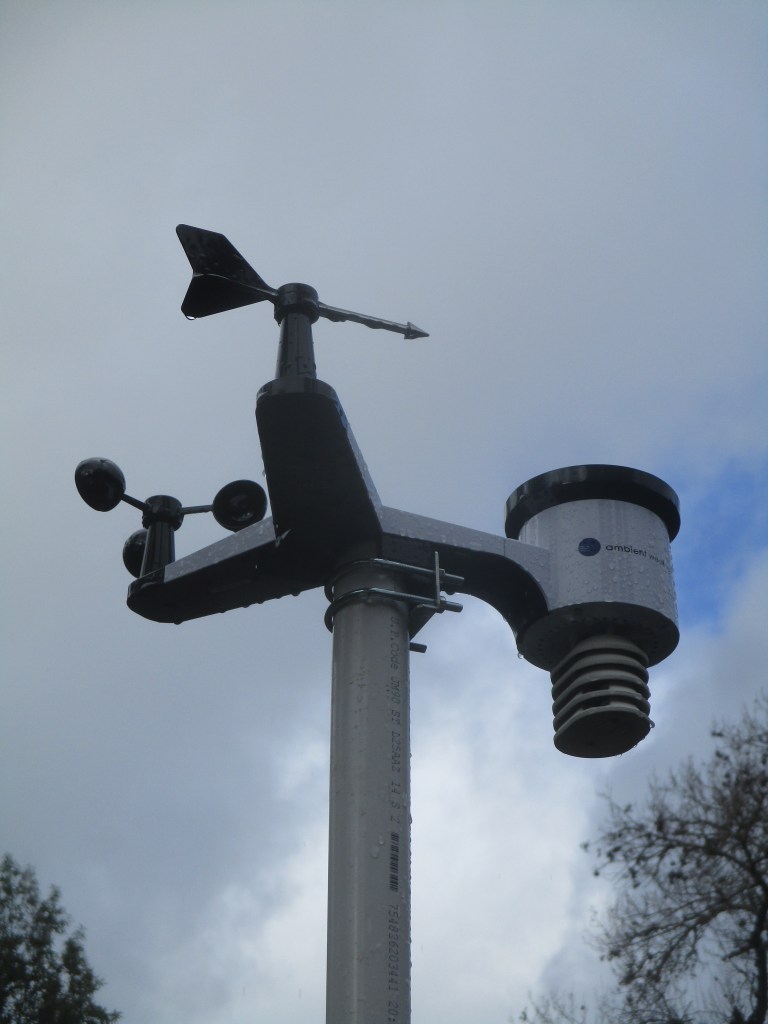
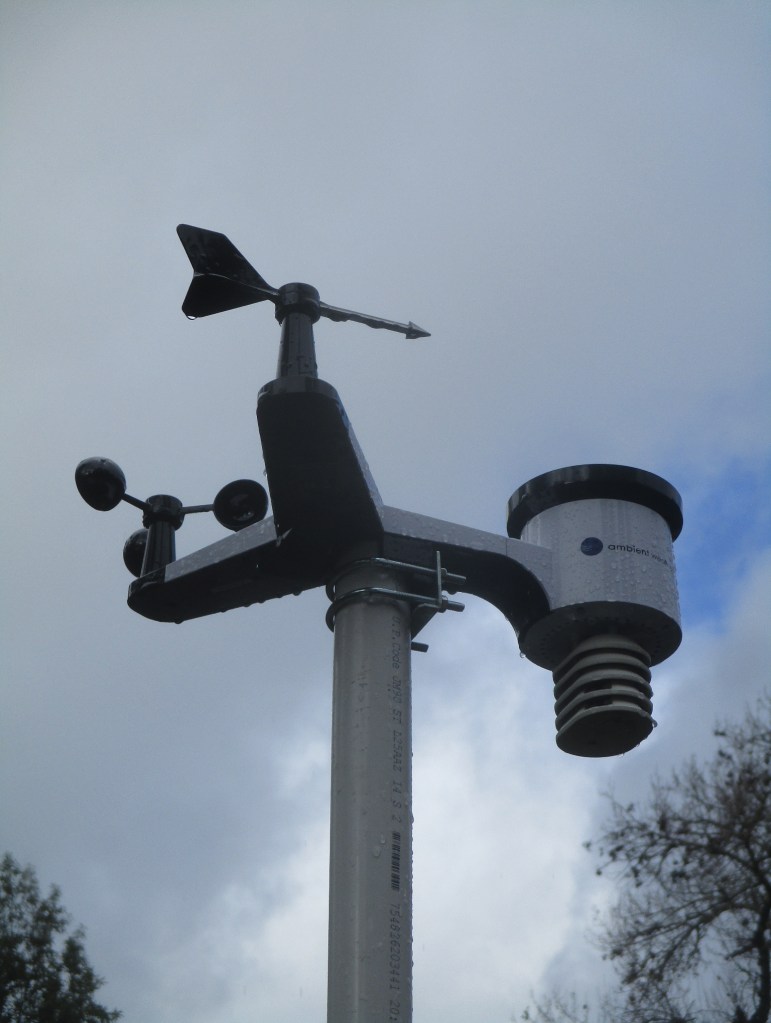
This brief rain shower was minimal, but by local standards, it was surprising. I sort of wanted it to continue long enough to dampen and contain the dust of summer. It might have done so briefly, but could not prevent the dust from becoming dusty again shortly afterward. The aroma of damp asphalt dissipated even before that happened. It was fun while it lasted.

Perhaps this rain shower will be the last of this unusually autumnish weather. Warm and dry summery weather typically resumes immediately after brief rain showers that happen during the middle of August. Technically, for a summer rain shower, it is only half a month late. So far, the forecast does not suggest that pattern, but it has been wrong before, even here. I doubt that there will be any more rain prior to autumn, even if cool autumnish weather resumes until then. But of course, I have been wrong more often than weather forecasts.

Late Summer

Such weather is early this year.

The change of seasons can be boring here. It might seem as if this climate experiences only two seasons. Summer is the primary season, which seems to extend through most of the year, with what seems to be merely a few days of another brief secondary season which is not summer. Perhaps this brief secondary season is autumn, winter and spring, but that is too many letters and big words for such a small season.

That is how those who are familiar with more distinct seasons might perceive seasons of this innately mild climate. Those of us who are familiar with this climate perceive it quite differently. We are aware of the four seasons, regardless of how mundane the transitions between them seem to be. In fact, some might contend that, if autumn seems to be minimal here, it is merely because this climate experiences a fifth season between summer and autumn, which is known as Indian summer.

Indian summer is an extension of summery weather into autumn, and sometimes occurs after summer seems to have begun to succumb to autumn. It does not happen annually, and does not seem to be happening this year, but certainly could. It is sneaky that way.

For now though, autumn seems to be sneaking into the last two weeks of summer, much like Indian summer sometimes sneaks into autumn. Nights have been interestingly cool. Low clouds have been lingering a bit longer after sunrise than they typically do.

However, vegetation that enjoys warmth does not seem to be decelerating for cooler weather. Perhaps such vegetation knows more than the rest of us do about what to expect. Perhaps it is merely more responsive to photoperiod than weather. Regardless, I get the impression that this is how late summer typically is within other climates.

Humid Weather is Atypical Here

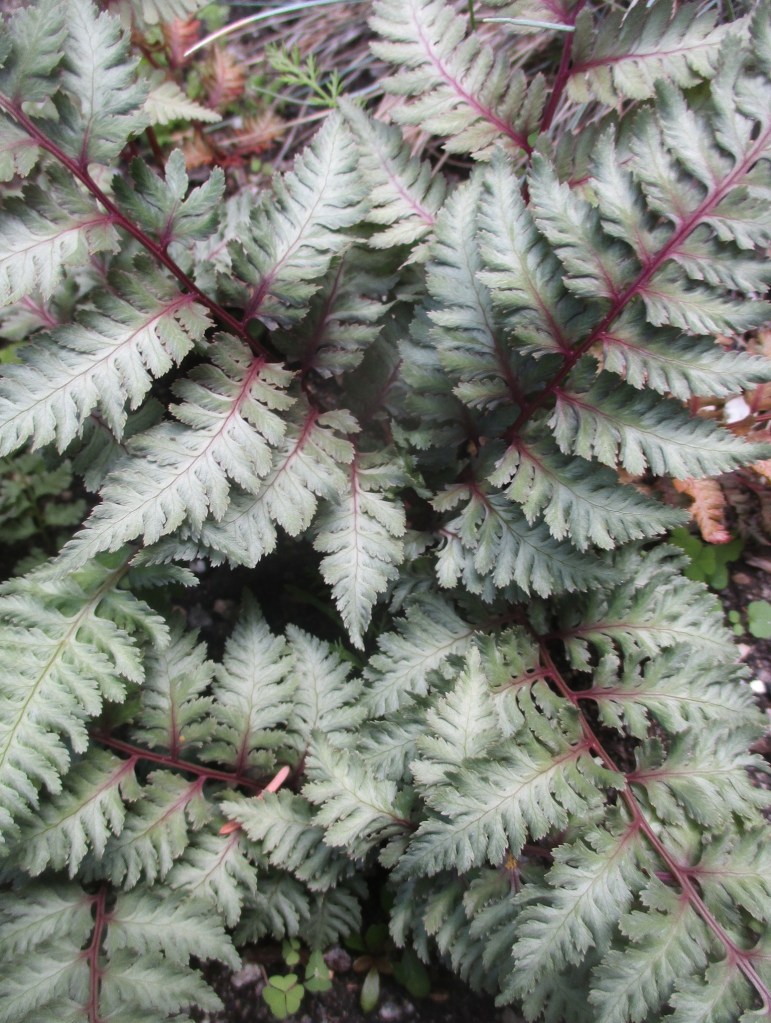
Ferns generally appreciate humidity with warmth.

Aridity is the opposite of humidity. It is why summer warmth is not as unpleasant here as in humid climates. It does not get so much consideration though. Most of the populace of California inhabits arid chaparral or desert climates. Aridity is so typical that any absence gets more attention. Humid warmth is both uncomfortable and relatively uncommon here.

Hurricane Hilary recently demonstrated how unusual humid weather can be here. It was merely a tropical storm as it left Mexico, but was significant nonetheless. Humidity briefly remained elevated after torrential rain in Southern California. It may have lingered longer in regions that lacked rain in Northern California. It caused warmth to seem a bit warmer.

This humidity would have been more horticulturally influential if it had lasted a bit longer. Obviously, irrigation is temporarily unnecessary for saturated landscapes. Some flooded. Some simply absorbed rain. Less obviously, landscapes that received no rain need a bit less water with humidity. Humid weather reduces evaporation from active foliar surfaces.

Humidity also reduces the volatilization of floral fragrance. Fragrant flowers are therefore more fragrant during humid weather. Delicate floral structures also last a bit longer. Many flowers are more turgid and colorful with humidity. All sorts of foliage, particularly tropical foliage and fern foliage, is more lush. After all, most vegetation is from less arid climates.

Humidity influences allergens also, both positively and negatively. Some allergens, such as fungal spores, are more abundant with humid weather. Some allergens, such as dust and pollen, are more abundant with less humidity. That is why humidifiers are helpful for dust or pollen allergies. It is also why dehumidifiers are helpful for fungal spore allergies.

Spontaneous limb failure can be another consequence of humid warmth. It is hazardous because it occurs very unexpectedly without wind. Warmth accelerates vascular activity, which increases foliar weight. Humidity with slow air circulation inhibits evaporation from foliage. If unable to shed enough weight, foliage becomes too heavy for limbs to support.

Irrigation Technology Can Get Complicated

Modern irrigation does not age well.

Old fashioned irrigation systems were quite thorough, and technically sustainable. They broadcast generous volumes of water over any vegetation that required it. Their systems were too simple to need much adjustment. Their metallic composition was very resilient. That is why so many old systems were in service for so long. Some continue to function.

However, such old fashioned irrigation systems were not perfect. Their consumption was not as sustainable as their plumbing. They wasted water on vegetation that needed less, and pavement. Some of the broadcast water evaporated before reaching any vegetation. Without automation, old irrigation systems operated when convenient for their operators.

Modern irrigation systems are typically more efficient. Automation allows them to operate prior to sunrise to limit evaporation. Most modern systems apply water directly to the soil. This leaves no irrigation water to evaporate from foliar or other surfaces. Also, it prevents evaporation from airborne broadcast irrigation water. Evaporation innately wastes water.

Of course, modern irrigation systems are no more perfect than old systems. Groundcover and lawns still rely on broadcast irrigation. Such systems still waste water on pavement. Automation can actually waste water if not adjusted manually for rain and other weather. Only the most modern automation adapts to weather. No system responds to vegetation.

Consequently, irrigation can become either deficient or excessive as vegetation matures. Many native species need regular irrigation only as they disperse roots after installation. They are likely to rot with the same irrigation as they mature. Many tropical species need more water as they grow. Some vegetation, as it grows, can obstruct broadcast irrigation.

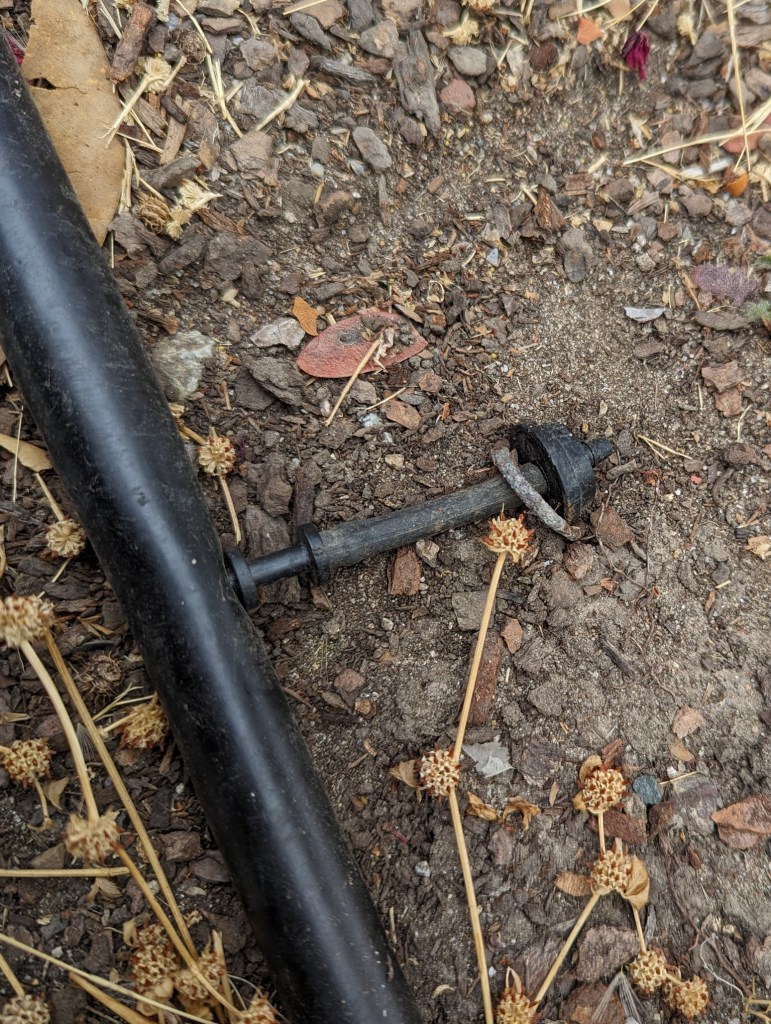
The complexity of modern irrigation systems complicates their maintenance. Automation is merely one component of the infrastructure. Emitters of drip irrigation sometimes need relocation or replacement. They are sometimes difficult to find below healthy vegetation. Because components are plastic, they are not as durable as old fashioned components.

Hurricane Hillary

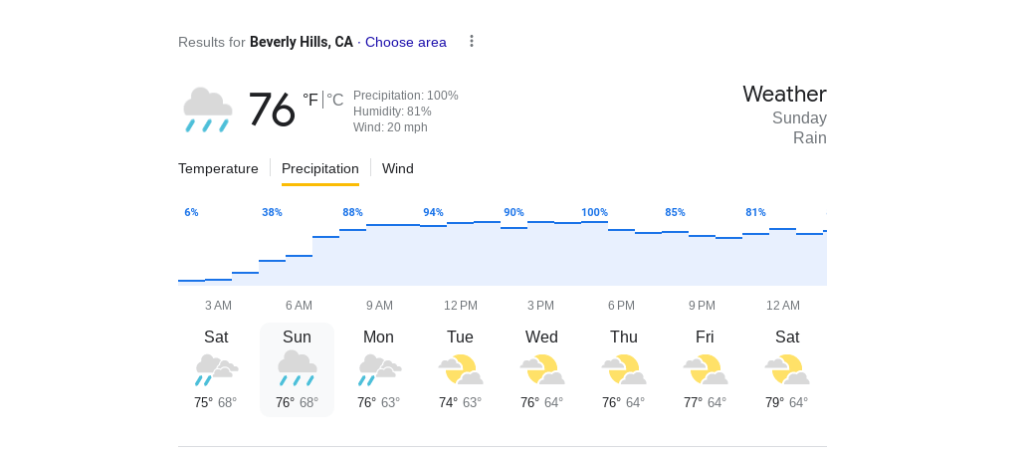
Rain is expected to start about six or seven in the morning in Brent’s neighborhood.

California is so big that, from here, it extends about four hundred miles to the north and four hundred and fifty miles to the south. That is where San Diego County is, in the southwestern corner of California. It is so far away that the weather there can be very different from here, as it is now that Hurricane Hillary is coming up from the coast of Baja California. While a tropical storm warning is in effect there, typical summer weather is expected here.

Typical summer weather here is dry. Not much rain happens after early spring. Not much happens prior to late autumn. Every few years, a single odd and brief thunderstorm goes through in the middle of summer, leaving no evidence of its downpours two days later. If it were to happen this year, it should happen about now, like it is in Southern California.

Forecasts for the weather in Southern California are quite unpleasant. A friend in Palm Springs was filling sandbags today. Floods and mudslides are expected through a huge area. This is the first tropical storm in California since 1939, and the first ever tropical storm warning. Yet, we will miss it completely here.

I try to remind myself that the historically torrential rain of last winter was no fun. Flooding was a mess, and caused significant damage even in this neighborhood. Nonetheless, even native Californians can start to miss rain late in summer.

Brent will likely telephone at about seven in the morning. It might be raining by that time. It should finish by noon on Monday. Realistically, it will not rain for long. The problem is that rain will be torrential, especially at high elevations out in the deserts, which do not absorb much water. It will be interesting to see what transpires.

Six on Saturday: Those Lazy-Hazy-Crazy Days of Summer

Summer is a few days more than half finished. Weather remains noncompliant. Again, I should not get redundant by describing how last spring lingered, with only a few days of summery warm weather. Instead, I can now describe how the weather is beginning to be more like that of autumn. There is still time for some warm weather through September and perhaps even into October here. For now, we can simply appreciate the comfortably mild weather. During a typically warm summer, this is about when we begin to miss the rain. It might finish during March, and might not resume until November. The dew this morning looked almost like raindrops, but even a native Californian can distinguish dew from real rain.

1. Mornings start out atypically cool and damp. It is not exactly hazy. Nor is it uniformly foggy. It almost looks cloudy. It has been doing this for much of this oddly mild summer.

2. Friday morning was so damp that the dew resembled rain. It left spots on windshields of the work pickups, although such spots were not circular as if caused by real raindrops.

3. Banana trees and other species that appreciate warmth are growing unusually slowly. This happens to be the rare Musa ingens, which is the biggest banana tree in the World.

4. ‘Ponderosa’ lemon is slightly chlorotic, likely because of the lack of summer warmth. I should remove the fruit to redirect resources. One lemon can grow to weigh two pounds.

5. Giant reed is one of the most aggressively invasive exotic species within riparian zones of California. It does not seem so aggressive in cultivation here while the weather is cool.

6. ‘Proud Land’ rose bloomed nicely and nearly on schedule last spring, and continues to bloom, although somewhat reluctantly. I installed this now old specimen in about 1984.

This is the link for Six on Saturday, for anyone else who would like to participate: https://thepropagatorblog.wordpress.com/2017/09/18/six-on-saturday-a-participant-guide/

Warmth Accelerates Garden Activity.

Spring was mild and started late. Summer if now getting started.

Just like the moon is always either waxing or waning, but is really only full or new for the brief moments in between, the seasons are always flowing from one to the next. Even though it is not yet half way through summer, plants in the garden are already planning for autumn. Summer has been mild, but still warm enough for most plants to do what they need to do by this time of year.

If weeds were not pulled when they should have been in early spring, they really should be pulled now. They have already started to sow their seed for the next generation that will grow at the end of next winter. The ground has dried and hardened since early spring, so pulling weeds will take a bit more effort. That is the punishment for procrastinating.

Weeds that are still somewhat fresh and green may not have dispersed all of their seed yet. If pulled soon enough, their next generation may not be so prolific. Those that have dried have likely dispersed their seed already. Their progeny will be back by next spring.

Pulling out the roots of annual grasses is not as important as getting the roots of perennials like thistles. Heck, they are annuals, so will die at the end of the season anyway. Getting their seed in the priority now. Some people are satisfied with simply pulling the seeded tops off of annual weeds, and leaving the lower portions to die out naturally.

Most fruit trees finish their production sometime during summer. Small fruit like cherries finished some time ago. Larger peaches, although related to cherries, may still be ripening into August. They should be picked as they ripen, not only to get the most use out of them, but also to avoid sharing with unwelcome rodents, birds and other annoying wildlife. The ground under fruit trees should be cleaned of any fallen fruit that might otherwise rot and perpetuate disease. Apples and pears ripen later and into autumn.

Warm season vegetables should be picked as they mature to promote continued production. Leaving extra zucchini on the plants inhibits production of new zucchini, while the old zucchini grow into tough and insipid baseball bats. Leaving extra tomatoes both inhibits new tomatoes and also makes a mess of rotting fruit.

Mild Weather Inhibits Summer Growth

Vegetative growth might be atypically slow.

The weather this year has been a cold hot mess! Both the worst frost since 1990 and the worst storms since 1982 occurred in one winter. Then, cold wintry weather lingered into spring to inhibit spring bloom. Now, cool and mild weather of spring lingers into summer to inhibit summer growth. This particular climate is innately mild, but this is a bit too mild.

Technically, the solstice on June 21 is the beginning of summer. Locally though, summer warmth typically begins about the middle of spring. It typically continues into the middle of autumn. Sometimes, it begins significantly sooner or continues significantly later. This is why the warm growing season here is so extensive. It is also why winter is rather brief.

Unseasonably mild weather obviously has a few distinct advantages. It is comfortable for those who are not so fond of summer warmth. It limits the need to increase irrigation that compensates for aridity and lack of rain. Bloom, although potentially late, stays fresher a bit longer with mild weather. A bit less spring bloom becomes a bit more summer bloom.

Unseasonably mild weather also has a few disadvantages though. Less gardening work is needed to manage desirable vegetation. However, more gardening work is needed to manage undesirable vegetation. Weeds generally need less warmth to grow, bloom and seed. Some desirable vegetation is still too complaissant to compete without assistance.

A few other pathogens likewise exploit this unseasonably mild weather. Slugs and snails hide from arid warmth. They must stay within cool and damp situations through midday. Mild weather allows them to stay out later, and emerge earlier. Their favorite vegetation still grows too slowly to recover from their damage. Tropical foliage is most susceptible.

Fungal disease is similarly more problematic with unseasonably mild weather. A primary difference is that fungal pathogens are about as inhibited as vegetation is. They gain an advantage only because soil stays continuously damp longer. Even without automated irrigation, cool soil dries slower than warm soil. Roots consume less moisture while cool. Roots that consume minimal moisture are generally more vulnerable.

Arid Weather Increases Water Consumption

Chaparral vegetation naturally tolerates arid weather.

Superbloom is brief for two main reasons. It involves native species that know to bloom quickly before arid weather of summer. Also, wildflowers in the wild receive no irrigation to sustain bloom through arid weather. With irrigation, some of such species are capable of prolonging bloom. A few can disperse seed for subsequent generations to bloom later.

That is why California poppy blooms for a longer season within home gardens. It easily performs through much of summer with irrigation. Also, with irrigation, it might regenerate to bloom for autumn after summer dormancy. Seed from earlier spring bloom might grow to also bloom for autumn. Some godetias and lupines perform similarly within cultivation.

Most species within home gardens are exotic though. In other words, they are not native. Those that are native to a similar mediterranean climate respond similarly to cultivation. Generally, some from desert climates do so also, although many dislike extra irrigation. The majority of exotic species actually rely on some degree of cultivation and irrigation.

Such species are native to climates with cooler and less arid weather through summer. Rainfall here is too limited to winter to sustain them through summer. Minimal humidity and warmth increase the need for moisture while it is least available. Cooling summer breezes actually accelerate desiccation. Arid weather certainly has its disadvantages.

As spring relinquishes to warmer and drier summer, irrigation becomes more important. Frequency and duration of automated irrigation must adjust to increasingly arid weather. Shallow root systems, such as those of turf grass lawns, require more frequent irrigation. Deep root systems, such as those of maturing trees, require more voluminous irrigation.

However, irrigation should not be so excessive that soil remains saturated. Many mature trees and shrubs need none at all. Some receive enough from what adjacent vegetation does not consume. Some are satisfied with only occasional irrigation. Turf and annuals require the most frequent irrigation. Yet, even they can rot if their soil is always saturated. Calibration of irrigation requires diligence.

Superbloom Highlights Local Mediterranean Climate

Rosemary can bloom longer with irrigation.

It does not happen often. The average frequency is about ten to fifteen years. However, it occurred in both 2017 and 2019, prior to this spring. That is enough for thirty to forty-five years! The current superbloom is only now finishing locally. It may continue through most of May near the coast farther North. The best bloomers enjoy the Mediterranean climate.

Climate is the typical and seasonal weather pattern of a region. The local Mediterranean climate is typically mild and somewhat arid. Almost all rain occurs between late autumn and early spring. Rain is otherwise rare. Winters are cool but not too cold. Summers are warm but not too hot. Native and some exotic flora knows how to exploit such climates.

Some exotic flora that prefers other climates also seemed to demonstrate a superbloom. Some merely responded to the unusually cool weather last winter. They appreciate more vernalization than they typically experience here. Some species enjoyed the unusually abundant rain last winter. Some species enjoyed both extra rain and extra vernalization.

Native species and exotic species from similar Mediterranean climates are a bit different. Their superbloom happens at the same time, and is also a response to earlier weather. However, it is also a response to later weather. They know that Mediterranean climates get warm and arid through summer. They are in a rush to finish blooming while they can.

Superbloom is how many species accomplish all their annual bloom within a brief time. They begin as soon as cool and stormy wintry weather finishes. They finish before warm and dry summer weather desiccates their flowers. Of course, such bloom may not be so spectacular after typical winters. It is only superbloom after exceptionally wintry winters.

Some species that exhibit superbloom in the wild bloom later for irrigated home gardens. This includes some exotic species from similar Mediterranean climates elsewhere. Such climates are present in small portions of Australia, South America and Africa. Obviously, most Mediterranean climates are around the Mediterranean Sea. Most exotic plants that are most adaptable here are from such climates.