 Twice a year, it becomes necessary to discuss the unpleasantries of pulling up the flowering annuals (as well as vegetable plants) of one season, to relinquish space for those of the next season. Just a few months ago, cool season annuals got replaced with warm season annuals. Now, those same warm season annuals will get replaced with cool season annuals for the next few months.
It is unpleasant because the outgoing annuals are probably still blooming when it is time for them to go. It might be easier to wait for cool season annuals to get roasted by hot weather, or for warm season annuals to get frosted. Unfortunately, by that time, the incoming annuals would be at a disadvantage. Hot or cold weather is also uncomfortable for plants that are not yet established.
Sure, warm season annuals like warmth, but only after they have sufficiently dispersed their roots to sustain their growth during warm weather. This is most efficiently accomplished while the weather is still mild earlier within their season. Cool season annuals likewise do not mind cool weather, but do not grow as well as they do during the warmer weather earlier within their season.
This is why it is better to plant pansy, viola, sweet William, Iceland poppy, stock, calendula and the various primroses earlier rather than later if possible. There is no exact science here. A forecast for warm weather certainly justifies delay. Cyclamen and ornamental cabbage and kale are a bit more sensitive to warmth, so could wait a bit longer. They grow well through cold weather anyway.
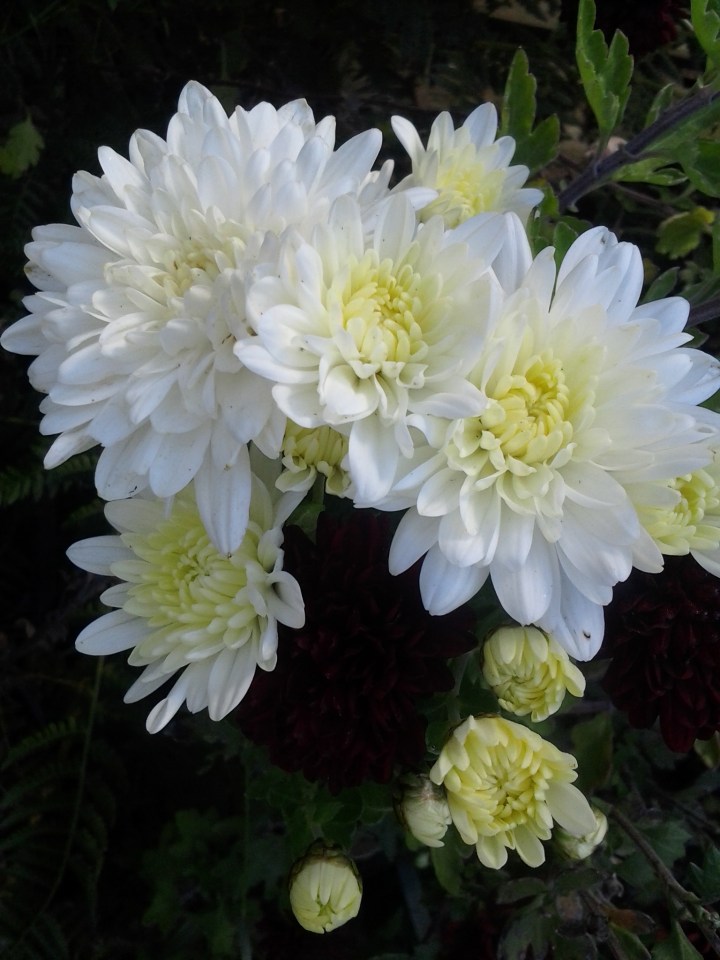
Chrysanthemum, alyssum and nasturtium are odd ones. Chrysanthemum, although perennial, is most often planted as a short term autumn annual while it is already blooming or is just about to bloom. It rarely gets a second chance if it finishes bloom before winter. Alyssum and nasturtium can be both warm and cool season annuals. They only gets replanted this time of year because individual plants perform through one season or the other, but probably not both. Nasturtium should be grown from seed.
 Just like warm season vegetable plants in the vegetable garden, flowering warm season annuals get replaced this time of year. Although the weather is still warm, cool season annuals should be planted now so they can disperse roots before the weather gets too much cooler. Except for a few short term annuals and perennials, most should perform until the weather gets warm next spring.
 Tony Tomeo