 Like it or not, the warm season annuals that were so flashy all through spring and summer will eventually need to be replaced with cool season annuals to provide color through winter. It is always unpleasant to pull up the annuals of a previous season while they are still blooming, even if they are already getting scruffy and discolored. It is actually easier if they got roasted by recent warmth.
Some warm season annuals last longer than others. Many are actually perennials that can be overplanted with new cool season annuals as they get cut back or go dormant through their ‘off’ season. Some cur back perennials may not survive through winter; but those that do can regenerate next spring, just as the cool season annuals that obscured them all winter are finishing.
Wax begonias, for example, are warm season annuals that can continue to bloom until they get frosted. Where sheltered from frost, they only need to be cut back because partial defoliation exposes knobby bare stems. If they can be hidden by pansies or violas through their bare phase, they never need to be removed, and some will be happy to regenerate in spring.
Conversely, cyclamen, sweet William, chrysanthemum and some primroses are cool season annuals that have the potential to survive under the lush growth of warm season annuals next summer; but that is a topic for later. (Some people are allergic to primroses like poison oak.) Iceland poppy and ornamental cabbage and kale are not so perennial, but are quite colorful through winter.
Alyssum and nasturtium really are annuals that do not survive much more than one year. However, they can perform through summer where sheltered from heat, or through winter where sheltered from cold. In ideal situations, their self sown seedling replace deteriorating older plants, so that they can perform throughout the year. Nasturtium should be planted as seed, not from cell packs.
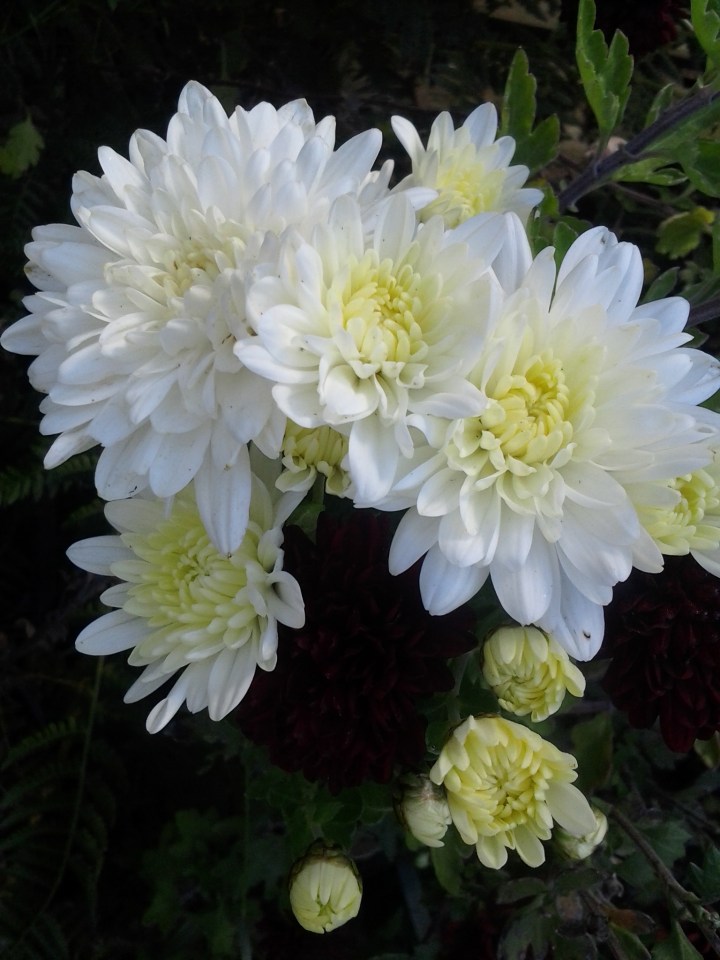
Calendula is a popular cool season annual early in the season, but may not last through the end of winter. Yet it is popular because it is so excellent through autumn. Chrysanthemums are even flashier, although they are often replaced as soon their first bloom phase finishes.
 Twice a year, it becomes necessary to discuss the unpleasantries of pulling up the flowering annuals (as well as vegetable plants) of one season, to relinquish space for those of the next season. Just a few months ago, cool season annuals got replaced with warm season annuals. Now, those same warm season annuals will get replaced with cool season annuals for the next few months.
 Just like warm season vegetable plants in the vegetable garden, flowering warm season annuals get replaced this time of year. Although the weather is still warm, cool season annuals should be planted now so they can disperse roots before the weather gets too much cooler. Except for a few short term annuals and perennials, most should perform until the weather gets warm next spring.
